XPENG-W(09868)

Search documents
政策开闸、车企抢跑,自动驾驶商业化“爬坡”进行时
Xin Hua Cai Jing· 2025-12-26 01:39
Group 1 - GAC Group's Haobo A800 has officially started L3 conditional autonomous driving highway testing, with a maximum speed of 120 km/h, approved by relevant authorities in Guangzhou [1] - The rapid advancement of L3 conditional autonomous driving indicates that the era of autonomous driving is accelerating [1] - The Ministry of Industry and Information Technology has officially announced the first batch of L3 autonomous driving models approved for testing in designated areas in Beijing and Chongqing [2] Group 2 - The essence of L3 level is the "phased transfer of driving responsibility," where the system becomes the actual driver in limited scenarios, while human drivers become standby operators [2] - The first batch of L3 models marks a significant milestone in allowing autonomous vehicles to enter the market in product form and explore commercialization [2] - Various brands, including XPeng and Li Auto, have accelerated their L3 autonomous driving approvals, with XPeng obtaining a testing license in Guangzhou and Li Auto in Beijing [2][3] Group 3 - XPeng's second-generation VLA platform, capable of L4 level, is expected to achieve mass production by Q1 2026 [3] - The first L3 autonomous driving special license plate was issued in Chongqing, and Beijing also issued its first batch of L3 highway autonomous vehicle license plates [3] - Companies like Baidu Apollo and Pony.ai are conducting regular operations of Robotaxi in specific areas, with some platforms achieving over a thousand daily orders [3] Group 4 - The global Robotaxi market is forming a "China-US dual-pole leadership" with rapid growth in the Middle East [5] - Tesla and Waymo are leading the industry in the US, while Chinese companies like Pony.ai and WeRide are expanding their operations domestically [5] - Chinese companies are accelerating their technology output and fleet deployment in regions like the Middle East and Southeast Asia [5][6] Group 5 - The Middle East is becoming a key market for Chinese companies due to high customer prices and strong policy support for autonomous driving [6] - The economic model of Robotaxi is at a critical turning point, with expectations of significant improvements in profitability by 2030 [6] - In the US and UAE, the profitability potential of Robotaxi is more significant, with projected gross margins of 53% and 44% respectively by 2030 [6] Group 6 - Despite the acceleration of commercialization, L3 autonomous driving is currently limited to specific pilot units and scenarios, with challenges remaining [7] - The commercial viability of L3 autonomous driving is questioned, as current regulations and market acceptance are still developing [8] - Some experts suggest that many manufacturers may skip L3 production and move directly to L4 level vehicles [8]


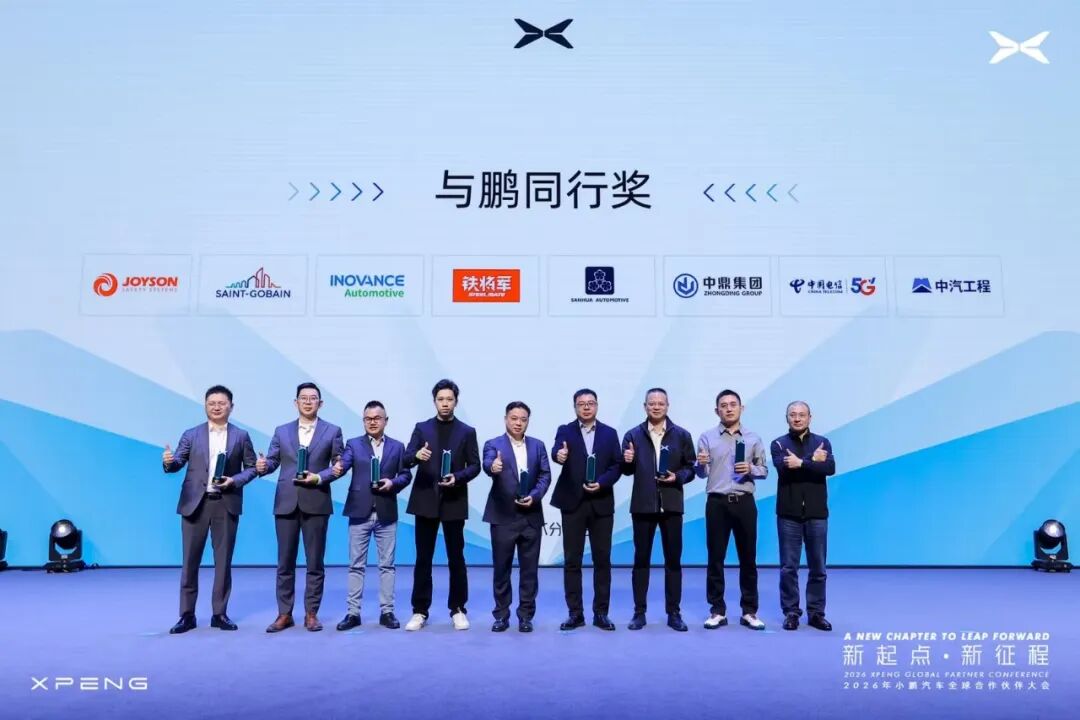
“鹏友”同行,共赴新程 | 中汽工程荣获小鹏汽车“与鹏同行奖”
Xin Lang Cai Jing· 2025-12-26 01:22
Core Insights - The collaboration between China Automotive Engineering Corporation (中汽工程) and Xpeng Motors (小鹏汽车) focuses on the implementation of advanced concepts in smart factory planning, green energy applications, and intelligent production scenarios, aiming to establish a benchmark factory for new energy vehicle manufacturing [2][4] - Recent projects, such as the Guangzhou Phase II assembly project, have addressed industry challenges like limited space in double-layer factories and high production rhythm requirements through modular layout and intelligent logistics technology, significantly enhancing production efficiency and product quality stability [2][4] - In the Wuhan painting project, advanced environmentally friendly painting processes and intelligent control systems have been utilized to create a low-emission, high-efficiency painting production line, improving both aesthetic quality and environmental sustainability for Xpeng Motors [2][4] - Facing profound changes in the automotive industry's electrification and intelligence, China Automotive Engineering Corporation aims to deepen cooperation with Xpeng Motors in areas such as new energy technology and intelligent manufacturing upgrades, promoting high-quality development in the new energy vehicle industry [2][4] Collaboration Overview - Since 2017, China Automotive Engineering Corporation has been deeply involved in supporting Xpeng Motors' growth, with collaboration spanning from research and trial production to the construction of multiple factories [5] - The partnership includes early trial experiments, research in Guangzhou, and various projects such as the EPC of the Guangzhou Huangpu factory and the design and EPC of the Wuhan factory, indicating a continuous deepening of cooperation [5] - The business scope covers essential areas such as engineering design, civil EPC, welding, painting, and assembly equipment supply, with projects distributed across Xpeng Motors' production bases in Zhaoqing, Guangzhou, and Wuhan, providing solid support for the construction of its intelligent manufacturing system and efficient production [5]

“人机共驾”再次进阶 智驾险仍徘徊“兜底服务”阶段
Zhong Guo Zheng Quan Bao· 2025-12-25 21:09
Core Insights - The evolution of intelligent driving technology is leading to a revolution in transportation, with the recent approval of China's first L3-level vehicle licenses marking a significant step towards the commercialization of L3-level autonomous driving [1] - The L3-level "conditional automation" introduces a shift in driving responsibility from human to machine, raising concerns about system reliability, algorithm decision-making, and sensor performance [1] - The current market offerings labeled as "intelligent driving insurance" are primarily safety net solutions provided by automakers or intelligent driving solution suppliers, rather than genuine insurance products [1][2] Group 1: Market Developments - Since 2025, there has been a notable increase in insurance products related to assisted and intelligent driving, with companies like Xiaopeng Motors and GAC Group launching their own intelligent driving protection plans [2] - Xiaopeng Motors offers a "smart driving insurance" for 239 yuan per year, which provides compensation for accidents caused during the use of their intelligent driving features [2] - Other new energy vehicle manufacturers are also collaborating with insurance companies to provide supplementary coverage tailored to intelligent driving scenarios, often embedded as value-added services in the car purchase experience [2] Group 2: Insurance Industry Challenges - The design and risk control of these insurance products heavily rely on insurance companies, which are currently not offering true intelligent driving insurance to individual consumers [3][5] - The core data necessary for accurate risk assessment is largely monopolized by automakers, making it difficult for insurance companies to access critical information needed for pricing and claims [4][5] - The complexity of liability in human-machine driving scenarios poses significant challenges, as existing traffic safety regulations are based on human drivers, and the transition to L3-level automation complicates responsibility allocation [5][6] Group 3: Future Directions - To effectively implement intelligent driving insurance, collaboration across various sectors is essential, including regulatory frameworks, data governance, and industry cooperation [7] - Recent policy signals indicate a push for the insurance industry to adapt to the impacts of intelligent driving, with a focus on evolving risk assessment and pricing models [7][8] - Experts emphasize the need for clear definitions and regulations surrounding intelligent driving insurance, including liability recognition and data security, to ensure transparency and protect consumer rights [8]
每6个人就有一个“老板”,广东做对了什么?
2 1 Shi Ji Jing Ji Bao Dao· 2025-12-25 13:12
Group 1 - Guangdong has registered over 20 million business entities as of September 3, 2024, marking a 5% increase from the end of 2023, maintaining the highest total in the country [2] - The province's entrepreneurial landscape is diverse, with a significant presence of private enterprises, individual businesses, and foreign companies, contributing to a robust economic foundation [3][4] - The number of foreign-invested enterprises in Guangdong reached 230,000 by the end of August 2024, reflecting a net increase of 15,000, or 6.97% [4] Group 2 - The majority of new businesses are focusing on emerging industries, with nearly 40% of new enterprises established in 2024 belonging to the "Four New Economies" such as artificial intelligence and platform economy [4] - Guangdong's industrial ecosystem is characterized by collaboration among various business sizes and types, supported by nine trillion-yuan industrial clusters [5] - The advanced manufacturing and high-tech manufacturing sectors in Guangdong saw value-added growth rates of 5.4% and 6.4%, respectively, significantly outpacing the provincial average [5] Group 3 - Guangdong has nurtured over 2,000 "specialized, refined, distinctive, and innovative" small giant enterprises and more than 30,000 specialized small and medium-sized enterprises [7] - The province's support for innovation is evident in its policies aimed at fostering the growth of startups and established companies alike, ensuring a healthy economic ecosystem [6][9] - Companies like Tuosida Technology and Xiaoma Zhixing exemplify the successful transition from traditional manufacturing to intelligent manufacturing, benefiting from Guangdong's comprehensive industrial support [9][10]
价格合规为汽车业反内卷再加码
Xin Lang Cai Jing· 2025-12-25 12:40
Core Viewpoint - The release of the "Automobile Industry Price Behavior Compliance Guidelines" aims to regulate pricing behaviors in the automotive industry, addressing the ongoing "involution" competition and providing a foundation for healthy market development by 2026 [2][18]. Group 1: Industry Response and Impact - Major automotive companies such as BYD, Xpeng Motors, and BAIC Group have responded positively to the guidelines, committing to eliminate price fraud and unfair competition [2][18]. - The guidelines are expected to alleviate the long-standing issue of price inversion faced by dealers, which has led to significant financial losses, with 52.6% of dealers reporting losses in the first half of 2023 [3][19]. - The guidelines explicitly prohibit selling below cost, which is seen as a protective measure for dealers and is welcomed by the majority of them [4][20]. Group 2: Pricing and Rebate Issues - The guidelines address the complex rebate structures that often burden dealers, requiring manufacturers to clarify rebate policies and respect dealers' pricing autonomy [8][24]. - A survey indicated that while half of the brands have reduced rebate payment periods to within one month, some still exceed 60 days, creating operational pressure for dealers [8][24]. - The guidelines aim to promote transparency in pricing and rebate practices, shifting the market focus from price wars to value competition [5][21]. Group 3: Regulatory Framework and Compliance - The guidelines mandate that third-party platforms involved in automotive sales must adhere to pricing regulations, ensuring consumer rights and fair trading practices [9][25]. - A multi-dimensional compliance framework is proposed, including clear pricing rules, promotional conduct, and service charges to enhance transparency in the automotive sales process [10][26]. - The guidelines encourage the establishment of internal compliance mechanisms within automotive companies to prevent pricing violations and enhance brand integrity [10][26]. Group 4: Future Outlook and Challenges - The guidelines are seen as a significant step towards curbing irrational competition in the automotive market, with expectations for improved profitability across the industry [12][28]. - However, industry experts emphasize the need for detailed implementation rules to ensure effective execution, particularly regarding cost accounting standards [13][29]. - The successful implementation of the guidelines will require collaboration among manufacturers, dealers, and regulatory bodies to foster a healthy competitive environment [15][31].

逃离商场的“特斯拉们”,为何撑不下去了?
商业洞察· 2025-12-25 09:26
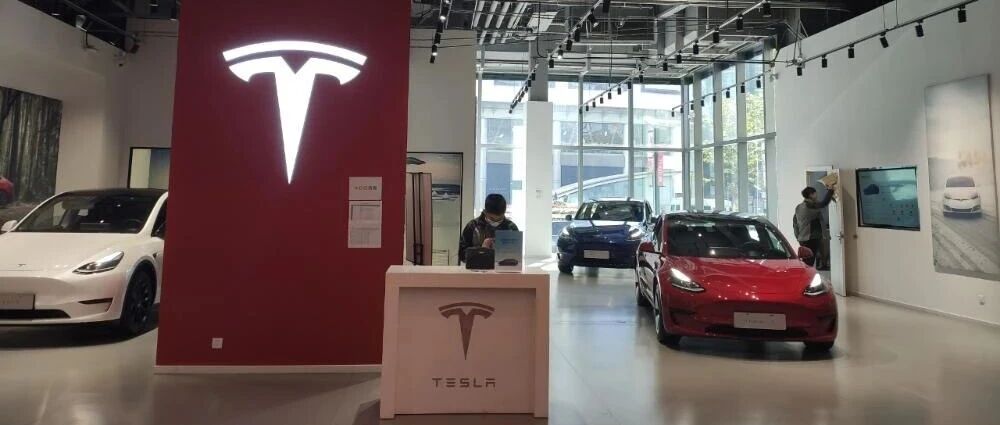
Core Viewpoint - The article discusses the decline of automotive stores in shopping malls, which were once a popular trend initiated by Tesla, highlighting the shift in strategy among electric vehicle manufacturers as they face increasing competition and changing market dynamics [4][6][12]. Group 1: Rise of Automotive Stores in Malls - Tesla pioneered the concept of selling electric vehicles in shopping malls, opening its first store in Beijing in 2013, which led to a nationwide trend [8][16]. - By August 2023, there were over 5,000 automotive stores in malls across 247 cities in China, indicating a significant expansion of this retail model [18]. - The initial appeal of automotive stores was their proximity to younger consumers and women, who are key demographics in the electric vehicle market [24][25]. Group 2: Shift in Strategy and Decline - Since 2024, the number of automotive stores in shopping malls has decreased by 37%, with major brands like Tesla and Xpeng retreating from this model [12][35]. - The shift is attributed to the need for car manufacturers to focus on core competencies and reduce costs amid fierce competition, leading to a reassessment of the effectiveness of mall locations [38][46]. - High operational costs and low sales conversion rates have made mall stores less viable, with some stores reporting monthly sales of fewer than five vehicles [47][49]. Group 3: Future of Automotive Stores - The article suggests that while the mall store model may not be entirely abandoned, it requires a more strategic approach, focusing on location and consumer engagement [56][68]. - Companies are encouraged to explore alternative retail formats, such as pop-up stores and targeted marketing strategies, to better connect with potential customers [64][66]. - The emphasis is on rational decision-making regarding retail presence, prioritizing sustainability and profitability over mere visibility [69][70].


固态电池行情纵贯全年 主机厂“卡位”2026上车节点
Xin Lang Cai Jing· 2025-12-24 09:35
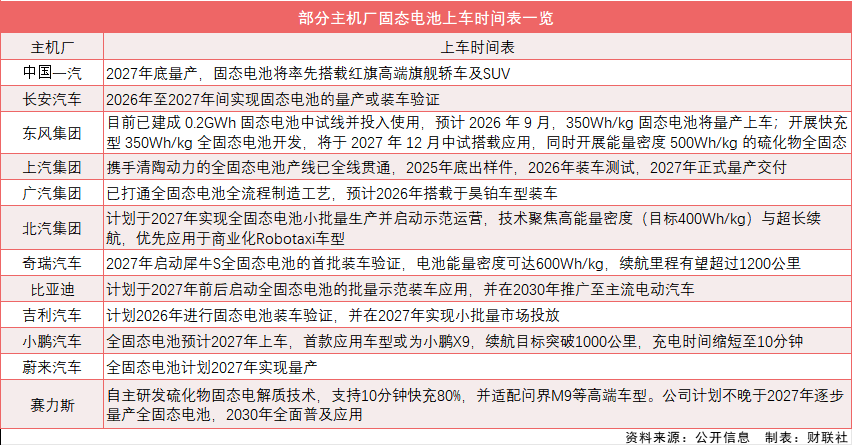
Core Viewpoint - The solid-state battery sector is gaining momentum in the electric vehicle industry, driven by the need to address range anxiety and enhance safety and efficiency. The market has seen a significant increase in solid-state battery stocks, with a 57.3% rise in the index over the past year, highlighting the growing interest and investment in this technology [1]. Group 1: Market Performance - The solid-state battery index rose from 696.24 in April 2025 to 1314.15 by the end of November 2025, reflecting a 57.3% increase [1]. - Companies such as Haike New Energy, Shanghai Xiba, and others have seen their stock prices increase by over 100% within the year [1]. Group 2: Manufacturer Plans - Twelve major automakers, including state-owned enterprises and companies like BYD and Geely, have disclosed their timelines for integrating solid-state batteries, targeting vehicle validation in 2026 and initial mass production in 2027 [1]. - Specific timelines include: - China FAW plans to mass-produce solid-state batteries by the end of 2027 for high-end vehicles [2]. - Changan Automobile aims for mass production or vehicle validation between 2026 and 2027 [2]. - Dongfeng Group has established a pilot line and expects to produce 350Wh/kg solid-state batteries by September 2026 [2]. - SAIC Group plans to deliver samples by the end of 2025 and conduct vehicle tests in 2026 [2]. - GAC Group has completed the manufacturing process for solid-state batteries and aims for vehicle integration in 2026 [2]. - BYD and Geely also have plans for solid-state battery applications around 2027 [2]. Group 3: Policy Support - The development of solid-state batteries is closely linked to government policies, with initiatives aimed at strengthening innovation in the electronic information manufacturing sector [3]. - The Ministry of Industry and Information Technology has emphasized the importance of technological innovation and the acceleration of new technology commercialization in the solid-state battery sector [3]. Group 4: Technical Innovations - The industry is focusing on replacing liquid electrolytes in lithium batteries with solid electrolytes to meet demands for higher energy density and faster charging [4]. - Experts suggest that achieving large-scale application of solid-state batteries will require three to five years of further development [4].

新款小鹏MONA M03新信息曝光 最大续航里程达640km
Zhong Guo Zhi Liang Xin Wen Wang· 2025-12-24 06:15
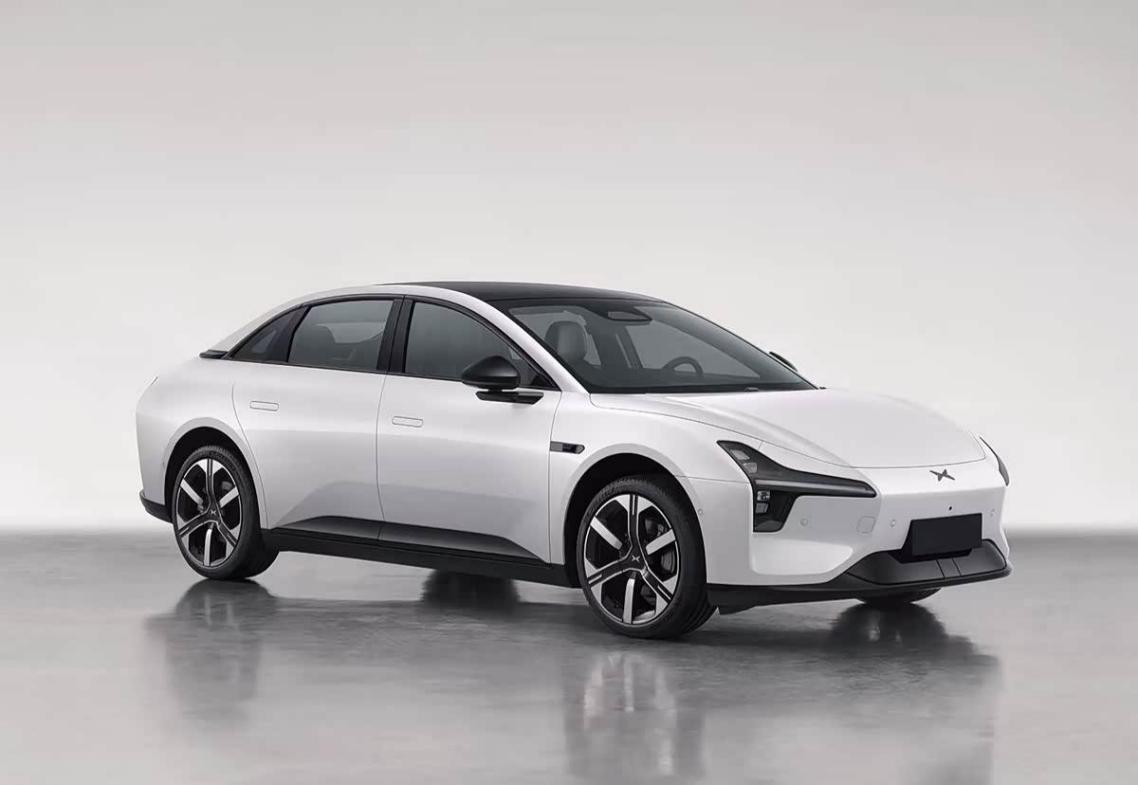
Group 1 - The new Xiaopeng MONA M03 offers three different capacities of lithium iron phosphate batteries, with the 51.8 kWh battery providing multiple range options of 540 km, 510 km, 500 km, 520 km, 490 km, and 485 km [2] - The 61.6 kWh battery corresponds to range options of 610 km, 590 km, 585 km, and 570 km [2] - The 62.2 kWh battery can deliver ranges of 640 km and 625 km [2] Group 2 - The exterior design retains the current model's shape, with adjustments made to the front bumper area, featuring T-shaped headlights that enhance the sporty feel [4] - The side profile adopts a fastback design, with various wheel styles available, further enhancing the technological appeal [4] - The rear continues with T-shaped taillights, and the rear bumper has been modified to include vent-like designs on both sides, reinforcing the sporty atmosphere; the vehicle dimensions are 4785 mm × 1896 mm × 1445 mm, with a wheelbase of 2815 mm [4]
连续关注L3上路(二)
Guan Cha Zhe Wang· 2025-12-24 05:08
导读:只有在规则逐步清晰、责任逐步明确的前提下,L3级自动驾驶才有可能从一项被寄予厚望的技 术升级,成长为推动中国汽车产业持续向前的重要支点。 (文 / 观察者网 周盛明 编辑 / 高莘) 日前,工业和信息化部批准了两款搭载L3级有条件自动驾驶功能的智能网联汽车产品的准入申请,这 也被视为中国自动驾驶从"测试"迈向"量产"的关键一步。 有分析机构表示,2026年中国L3车型的市场渗透率有望达到1%。也有分析师称,明年中国L3级自动驾 驶车型产量甚至可达百万量级。 在需求放缓、市场竞争加剧的背景下,L3是否能够成为智能电动车"下半场"的新催化剂,正成为外界共 同关注的问题。 中国电动汽车百人会副理事长兼秘书长、车百会理事长张永伟此前就表示:"谁能够在智能化这个发展 阶段建立起优势,谁才能真正实现汽车产业的领先。智能化的标志就是智驾。" 继续推动产业高质量发展 或刺激新一轮汽车消费 目前,全球研究机构对于自动驾驶技术刺激中国汽车消费的潜力均保持乐观。 张永伟此前就表示:"2026年L3及以上自动驾驶乘用车新车渗透率将实现突破,到2030年有望达到 10%。" 而日本第二大证券公司大和证券(Daiwa Securi ...
小鹏MONA M03车主分享:NGP要优化时刻准备OTA,超细节锐评爱车
车fans· 2025-12-24 00:30
Group 1 - The article discusses the purchase experience of a Xiaopeng MONA M03 Max 600km version, highlighting the owner's satisfaction with the vehicle's features and performance [1][5][12] - The total cost of the vehicle was 146,100 yuan, including insurance and registration fees, with no discounts applied [7] - The owner compared several models before choosing the Xiaopeng MONA, including Nissan N7 and other competitors, emphasizing the importance of driving experience and features like CarPlay and L2-level driving assistance [8][9][11] Group 2 - The delivery experience at the Guangzhou Huangpu Xiaopeng delivery center was generally positive, although the owner faced some issues with the tax exemption app [12][14] - The owner noted several advantages of the vehicle, such as a spacious trunk, mechanical door handles, and good sound system quality, while also mentioning some drawbacks like high window lines and limited steering wheel adjustment [16][18][19][20] - The vehicle's auxiliary driving system received mixed reviews, with the owner expressing satisfaction with its overall performance but noting some quirks and areas for improvement [39][46][47] Group 3 - The article provides insights into the vehicle's energy consumption, with an average energy consumption of 12 kWh per 100 km and charging speeds varying based on battery state of charge [50] - The owner highlighted the importance of user experience with the vehicle's technology, including the need for regular updates and improvements to the software [55][56]