
Baosteel(600019)

Search documents
有色金属观点更新
2025-10-09 14:47
Summary of Key Points from Conference Call Records Industry Overview - The conference call primarily discusses the non-ferrous metals industry, particularly focusing on iron ore, copper, cobalt, tin, and antimony markets, as well as the implications of geopolitical factors on these sectors [1][2][3][4][5][6][19][21]. Core Insights and Arguments Guinea Simandou Iron Ore Project - The Guinea Simandou iron ore project is expected to export without the need for a supporting smelting plant due to inadequate local power infrastructure [1][4]. - The project is projected to start logistics in 2025, with potential exports reaching 30 million to 60 million tons in 2026, and possibly 120 million tons in the next 2-3 years, significantly impacting global shipping trade [3]. Iron Ore Trade and Market Reactions - A potential pause in cooperation between China and BHP over settlement currency issues could significantly affect iron ore trade, although current overseas market reactions are muted [1][5]. - Domestic investors are more sensitive to these developments, as evidenced by stock movements in related companies [5]. Steel Industry Dynamics - Short-term control of iron ore imports to manage steel production is unlikely, with supply-side reforms being crucial for long-term industry health [1][6]. - High-quality companies like Baosteel and Hualing Steel are identified as having medium to long-term investment value due to low valuations and high dividend yields [6]. Copper Market Supply and Demand - The copper market is expected to face significant supply disruptions, with major producers like Teck Resources and Efenhau Mine lowering production forecasts [1][8]. - Global copper supply is projected to be tight in the first half of 2026, with prices potentially reaching historical highs of $12,000 to $14,000 per ton [1][12]. AI and Data Center Demand for Copper - The demand for copper is significantly driven by AI and data centers, with each cabinet now using approximately 300 kg of copper, leading to an annual increase in demand of about 100,000 tons from AI-related equipment alone [9][12]. Cobalt Market Trends - Cobalt prices have risen to around 350,000 RMB per ton, with expectations to reach 400,000 to 450,000 RMB in Q4 2025 [1][16]. - Companies like Huayou Cobalt are expected to see profit increases due to rising cobalt prices [1][16]. Tin and Antimony Market Outlook - China's antimony exports have shown a significant increase since August 2025, highlighting its strategic value amid U.S. supply chain concerns [2][19]. - Huaxi Nonferrous is projected to increase tin production by 66%, with profits potentially reaching 1.6 billion RMB [2][19]. Strategic Metal Valuation - The valuation of strategic metals like copper and silver is expected to rise due to increased global focus on these resources [13]. - Companies like Zijin Mining are projected to have significant profit potential based on current market conditions [13]. Other Important Insights - The overall performance of the non-ferrous metals market has been strong, with steel markets also showing positive trends influenced by the Guinea Simandou project [3]. - The importance of supply chain security and strategic resource management is emphasized, particularly in light of geopolitical tensions and trade restrictions [21][25]. - The recovery of tin and antimony supply chains is critical, with disruptions in Indonesia and Myanmar affecting global supply [19][20]. This summary encapsulates the key points discussed in the conference call, providing insights into market dynamics, company performance, and future trends in the non-ferrous metals industry.



宝钢股份涨2.12%,成交额8.04亿元,主力资金净流入1420.48万元
Xin Lang Cai Jing· 2025-10-09 05:22
Core Viewpoint - Baosteel Co., Ltd. has shown a positive stock performance with a year-to-date increase of 6.43% and a recent trading surge, indicating strong market interest and potential investment opportunities [2]. Group 1: Stock Performance - As of October 9, Baosteel's stock price increased by 2.12%, reaching 7.22 CNY per share, with a trading volume of 8.04 billion CNY and a turnover rate of 0.52% [1]. - The stock has experienced a 5.25% increase over the last five trading days and a 2.97% increase over the last 20 days [2]. Group 2: Financial Performance - For the first half of 2025, Baosteel reported a revenue of 151.37 billion CNY, a year-on-year decrease of 7.28%, while the net profit attributable to shareholders was 4.88 billion CNY, reflecting a year-on-year growth of 7.36% [2]. - Cumulative cash dividends since the A-share listing amount to 126.49 billion CNY, with 16.08 billion CNY distributed over the last three years [3]. Group 3: Shareholder Information - As of June 30, 2025, Baosteel had 230,800 shareholders, an increase of 6.69% from the previous period, with an average of 94,386 circulating shares per shareholder, a decrease of 6.27% [2]. - The fourth-largest circulating shareholder is Hong Kong Central Clearing Limited, holding 806 million shares, which decreased by 11.1 million shares compared to the previous period [3].
投资者演示文稿-中国材料更Investor Presentation-China Materials Updates
2025-10-09 02:39
Summary of Key Points from the Conference Call Industry Overview - The conference call focused on the **Greater China Materials** industry, highlighting a **liquidity-driven bull market** supported by **supply disruptions** that are positively impacting commodity prices. The preference is for **gold, copper, and aluminum equities** in this environment [1][4][10]. Core Insights and Arguments - **Commodity Price Forecasts**: - **Aluminum**: Morgan Stanley forecasts $2,659 per ton for 2H2025, which is 6% higher than consensus. For CY2026, the forecast is $2,750, 8% above consensus [10]. - **Copper**: Expected price of $10,047 per ton for 2H2025, 5% above consensus, and $10,650 for CY2026, 9% above consensus [10]. - **Gold**: Projected at $3,719 per ounce for 2H2025, 9% above consensus, and $4,400 for CY2026, 34% above consensus [10]. - **Steel Demand Drivers**: - The **China Steel Demand Drivers** for 2025 include: - **Machinery**: 30% - **Infrastructure**: 17% - **Residential Property**: 14% - **Auto**: 9% [17][19]. - **Copper Consumption Index**: The **China Copper Consumption Index** indicates a significant reliance on sectors such as **Power (47%)**, **White Goods (15%)**, and **Auto (10%)** [21][22]. - **Aluminum Demand Breakdown**: The **China aluminum demand** is driven by: - **Property**: 22% - **Passenger Vehicles**: 20% - **Grid Investment**: 11% [27]. Additional Important Insights - **Infrastructure Spending**: - Infrastructure spending has partially offset the slowdown in new property starts, with a **5.4% YoY increase** in infrastructure spending for the first eight months of 2025 [35][55]. - **Weekly Shipments**: - Weekly cement and rebar shipments in China are being monitored, indicating trends in demand and supply dynamics [55][56]. - **Market Sentiment**: - The overall sentiment in the materials sector remains **attractive**, with Morgan Stanley's research indicating potential conflicts of interest due to business relationships with covered companies [4][5]. - **Analyst Team**: The call featured insights from a team of equity analysts at Morgan Stanley, emphasizing the importance of their research in investment decision-making [3]. This summary encapsulates the key points discussed in the conference call, providing a comprehensive overview of the Greater China Materials industry and its current market dynamics.





金融属性继续推动金属价格
GOLDEN SUN SECURITIES· 2025-10-08 06:50
Investment Rating - The report maintains a "Buy" rating for key stocks in the steel industry, including Xining Special Steel, Nanjing Steel, Hualing Steel, and Baosteel [5][8]. Core Viewpoints - The financial attributes of metals continue to drive prices, with the CITIC Steel Index rising by 3.18% [1][86]. - The manufacturing sector shows signs of improvement, with the PMI for September at 49.8%, indicating a slight recovery in manufacturing activity [4][12]. - The report emphasizes the importance of supply-side policies and the potential for a recovery in the steel industry, particularly in the context of energy investments and infrastructure upgrades [2][4]. Supply Analysis - Daily molten iron production has decreased by 0.6 million tons to 241.8 million tons, while the production of rebar and hot-rolled coils has slightly increased [11][16]. - The capacity utilization rate of 247 steel mills is at 90.7%, down 0.2 percentage points from the previous week but up 6.2 percentage points year-on-year [16][23]. Inventory Analysis - Total steel inventory has decreased by 2.5% week-on-week, with social inventory declining more than factory inventory [23][25]. - The social inventory of five major steel products stands at 10.589 million tons, down 2.8% week-on-week and up 16.1% year-on-year [25][27]. Demand Analysis - Apparent consumption of five major steel products improved by 3.5% week-on-week, with rebar demand showing significant recovery [37][47]. - The average weekly transaction volume for construction steel was 103,000 tons, down 1.4% from the previous week [38][47]. Raw Material Analysis - Iron ore prices remained stable, with the Platts 62% iron ore price index at $103.9 per ton, unchanged from the previous week [54][66]. - The report notes an increase in Australian iron ore shipments by 8.1% week-on-week, while Brazilian shipments decreased by 13.7% [54][66]. Price and Profit Analysis - The Myspic comprehensive steel price index decreased by 0.9% week-on-week, indicating a slight decline in steel prices [66][67]. - The current cost of long-process rebar is 3,422 yuan per ton, with a loss of 188 yuan per ton, while hot-rolled coil costs 3,648 yuan per ton, with a loss of 299 yuan per ton [67][68].


2025年1-8月中国生铁产量为5.8亿吨 累计下降1.1%
Chan Ye Xin Xi Wang· 2025-10-04 01:11
Group 1 - The core viewpoint of the article highlights the production and sales status of the high-purity pig iron industry in China from 2026 to 2032, as well as investment strategies in this sector [1] - According to the National Bureau of Statistics, China's pig iron production in August 2025 was 0.7 million tons, representing a year-on-year increase of 1% [1] - The cumulative pig iron production in China from January to August 2025 reached 5.8 million tons, showing a cumulative decline of 1.1% [1] Group 2 - The article references several listed companies in the steel industry, including Baosteel Co., Ltd. (600019), Maanshan Iron & Steel Co., Ltd. (600808), and Ansteel Group Corporation (000898) [1] - The data presented is sourced from the National Bureau of Statistics and organized by Zhiyan Consulting, a leading industry consulting firm in China [1] - Zhiyan Consulting has been deeply engaged in industry research for over a decade, providing comprehensive industry research reports and customized services [1]




2025年1-8月中国粗钢产量为6.7亿吨 累计下降2.8%
Chan Ye Xin Xi Wang· 2025-10-04 01:04
Group 1 - The core viewpoint of the article highlights a decline in China's crude steel production, with a reported output of 0.8 million tons in August 2025, representing a year-on-year decrease of 0.7% [1] - Cumulative crude steel production from January to August 2025 reached 6.7 million tons, showing a cumulative decline of 2.8% compared to the previous year [1] - The data is sourced from the National Bureau of Statistics and compiled by Zhiyan Consulting, indicating a trend of decreasing production in the crude steel industry [1] Group 2 - The article references several listed companies in the steel industry, including Baosteel Co., Ansteel Co., and others, which may be impacted by the declining production trends [1] - Zhiyan Consulting is identified as a leading industry consulting firm in China, specializing in in-depth industry research reports and providing comprehensive consulting services [1]


需求边际上升,库存由升转降:钢铁行业周度更新报告-20250930
GUOTAI HAITONG SECURITIES· 2025-09-30 11:48
Investment Rating - The report maintains an "Overweight" rating for the steel industry [6]. Core Insights - Demand is expected to gradually stabilize, and the inventory levels are decreasing, indicating a potential recovery in the steel industry [3][6]. - The report highlights that the supply-side adjustments are beginning to take effect, with a significant portion of steel companies still operating at a loss, which may lead to a market-clearing process [3][6]. Summary by Sections 1. Steel Market Overview - The apparent consumption of five major steel products reached 8.7406 million tons, an increase of 237,300 tons week-on-week; construction materials consumption was 3.0445 million tons, up by 99,800 tons; and sheet metal consumption was 5.6961 million tons, up by 137,500 tons [6]. - Total steel inventory decreased to 15.1061 million tons, down by 91,300 tons week-on-week, maintaining a low level [6]. - The operating rate of blast furnaces in 247 steel mills was 84.45%, an increase of 0.47 percentage points week-on-week [6]. 2. Profitability and Production - The average gross profit for rebar was 216.2 CNY/ton, down by 18.1 CNY/ton week-on-week, while hot-rolled coil gross profit was 172.2 CNY/ton, up by 18.4 CNY/ton [6]. - The profitability rate of 247 steel companies was 58.01%, a decrease of 0.86 percentage points week-on-week [6]. 3. Supply and Demand Dynamics - The report anticipates that the negative impact of the real estate sector on steel demand will weaken, while demand from infrastructure and manufacturing is expected to grow steadily [6]. - The recent policy document on the steel industry emphasizes continued production cuts and the exit of inefficient capacity, supporting the expectation of supply-side contraction [6]. 4. Recommendations - The report recommends several companies based on their competitive advantages and market positioning, including Baosteel, Hualing Steel, and CITIC Special Steel, among others [6].



难受!中国四家头部产钢企业辛苦干一年,利润还不敌日本制铁一家
Sou Hu Cai Jing· 2025-09-30 07:50
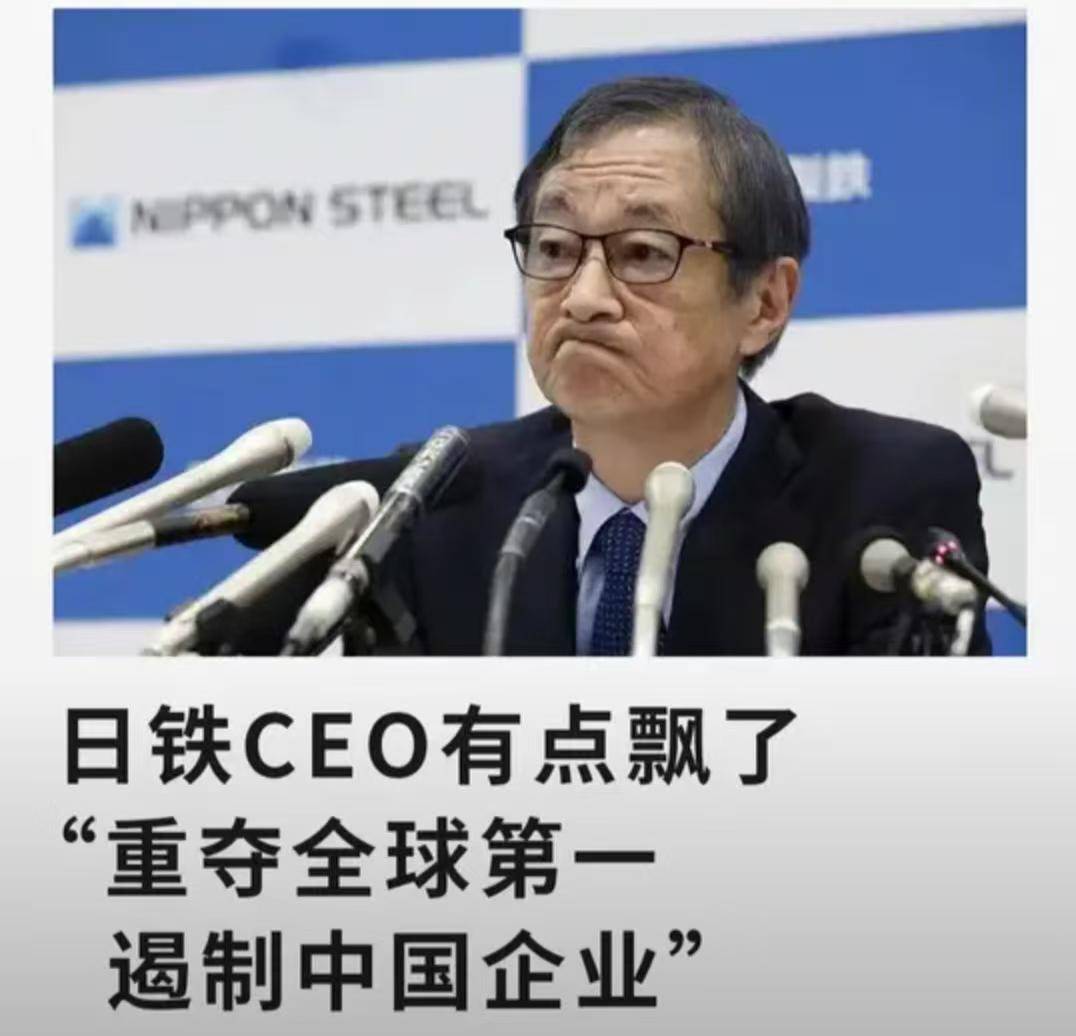
Group 1 - Japan Steel's CEO expressed ambition to surpass China and reclaim the top position in the global steel industry within 10 years [1] - The confidence stems from Japan Steel's acquisition of an American steel company, significantly boosting its production capacity [3] - In 2024, Japan Steel's total production is projected to reach 57.64 million tons, closely approaching China's Ansteel Group [3] Group 2 - Japan Steel, originally established in 1897, aimed for self-sufficiency in steel production to support military and infrastructure needs [3][5] - The company faced challenges post-World War II, including forced division by the U.S., which limited its production capacity [6][10] - Japan Steel's recovery was aided by U.S. military orders during the Korean War, leading to significant economic benefits [8][10] Group 3 - By 1973, Japan's steel production peaked at over 100 million tons, making it the world's leading steel producer [9] - The rise of Chinese steel companies has posed significant challenges to Japan Steel, which has seen substantial losses in recent years [10][12] - In the 2019 fiscal year, Japan Steel reported a loss of $4 billion, with a crude steel production of 47.05 million tons [12][10] Group 4 - Japan Steel implemented aggressive measures to reduce production, including shutting down four blast furnaces and cutting workforce hours [13][14] - The company shifted focus to high-value products, resulting in a significant increase in average selling prices and profitability [16] - By the 2021 fiscal year, Japan Steel's net profit surged to 840.9 billion yen, marking a remarkable turnaround [16][17] Group 5 - Japan Steel aims to increase crude steel production to 100 million tons by 2035, competing directly with Chinese steel giants [18][20] - Despite Japan Steel's ambitions, China's Baowu Steel Group remains the largest producer with a projected output of 130.09 million tons in 2024 [19][20] - The competitive landscape indicates that Japan Steel's plans may face significant hurdles given China's established market position and ongoing advancements [20][22]
2025年中国碳市场大会在上海举行——完善碳定价机制 激发低碳新动能
Zhong Guo Huan Jing Bao· 2025-09-29 01:40
Core Viewpoint - The 2025 China Carbon Market Conference held in Shanghai focuses on enhancing carbon pricing mechanisms to stimulate green and low-carbon development, featuring discussions on China's carbon market construction, global climate change responses, and international cooperation in green innovation [2] Group 1: Main Forum Insights - The "National Carbon Market Development Report 2025" was released, with contributions from representatives of the Ministry of Ecology and Environment and the People's Bank of China, discussing market vitality and green finance innovation [2] - The conference aims to inject new momentum into achieving the "dual carbon" goals through the release of construction achievements and cutting-edge research [2] Group 2: Sub-Forum One Highlights - The first sub-forum emphasized improving the carbon market trading system and enabling market-based carbon pricing mechanisms, with diverse perspectives from government, academia, and business representatives [4][6] - Hubei Province's advantages in carbon market construction include managing accounts for 3,700 key emission enterprises, covering carbon quotas of approximately 8 billion tons, and achieving a cumulative transaction volume of 418 million tons with a transaction value of 10.328 billion yuan [6][7] Group 3: Sub-Forum Two Highlights - The second sub-forum focused on building international cooperation in carbon credits under market mechanisms to achieve the goals of the Paris Agreement, with participation from various stakeholders including government departments and international organizations [8][10] - Shanghai's carbon market has included over 400 enterprises across 28 industries, with a cumulative transaction of 265 million tons and a transaction value of 5.544 billion yuan, showcasing its role as a pilot region for carbon market development [11][12]
宝山钢铁股份有限公司 第九届董事会第三次会议 决议公告
Zhong Guo Zheng Quan Bao - Zhong Zheng Wang· 2025-09-29 01:35
Group 1 - The board meeting was held in compliance with relevant laws and regulations, and the resolutions passed are legally valid [2][5][27] - The board approved the performance evaluation results and compensation settlement for senior management for the year 2024 [5][6] - The board agreed to appoint Deloitte Huayong as the independent auditor and internal control auditor for the year 2025, with audit fees decreasing by 5% compared to the previous year [8][24][27] Group 2 - The company will convene the fourth extraordinary general meeting of shareholders in 2025 to review the appointment of Deloitte Huayong [11][27] - Deloitte Huayong was selected through a bidding process and has no disagreements with the previous auditor, Ernst & Young Huaming [15][25] - Deloitte Huayong has a strong track record, with no criminal penalties or disciplinary actions against its personnel in the past three years [18][22]