
BAIC BluePark(600733)

Search documents
A股震荡调整 智能驾驶、零售概念走强
Shang Hai Zheng Quan Bao· 2025-12-16 18:42
Group 1: Market Overview - The A-share market experienced a weak fluctuation on December 16, with major indices closing down: Shanghai Composite Index at 3824.81 points, down 1.11%; Shenzhen Component Index at 12914.67 points, down 1.51%; and ChiNext Index at 3071.76 points, down 2.10% [2] - The total trading volume in the Shanghai and Shenzhen markets was 172.42 billion yuan, a decrease of 49.3 billion yuan compared to the previous day [2] Group 2: Intelligent Driving Sector - The intelligent driving concept was the biggest highlight of the market, driven by the launch of the first batch of L3 autonomous driving models, leading to a surge in related stocks [2] - Stocks such as Hanxin Technology, BAIC Blue Valley, and Wanji Technology all hit the daily limit of 30% increase [2] - The Ministry of Industry and Information Technology officially announced the approval of two L3 autonomous driving models, marking a significant step towards commercial application in China [3] Group 3: Retail Sector Performance - The retail sector showed resilience, with the Shenwan Commercial Retail Index rising by 1.32%, the highest among all primary industries [3] - Stocks like Yonghui Supermarket and Central Mall also reached their daily limit [3] - A recent notice from the Ministry of Commerce and other financial authorities aims to enhance collaboration between commerce and finance to boost consumer spending [3] Group 4: Declining Sectors - The precious metals sector saw a significant decline, with the Shenwan Precious Metals Index dropping by 4.91%, the worst-performing sector [4] - Other sectors such as photovoltaic equipment and film industry also experienced high-level pullbacks, indicating strong profit-taking behavior as the year-end approaches [4] Group 5: External Factors and Market Sentiment - Recent reports highlight external factors that may affect market sentiment, including rising U.S. Treasury yields despite the Federal Reserve's interest rate cuts [4] - Concerns about the commercialization of AI applications and potential interest rate hikes by the Bank of Japan are also noted [4] - Recommendations suggest focusing on financial and dividend sectors as a stable base while being cautious of external disturbances [4]



我国首批L3级自动驾驶车型获准上路 试点应用开启商业化探索新阶段
Zheng Quan Ri Bao Zhi Sheng· 2025-12-16 16:09
Core Viewpoint - The Ministry of Industry and Information Technology of China has officially granted conditional access permits for the first batch of L3-level conditional autonomous driving vehicles, marking a significant step towards real-world operation and commercialization of autonomous driving technology in China [1][2]. Group 1: Regulatory Framework - L3-level conditional autonomous driving is seen as a critical milestone in the development of autonomous driving, allowing vehicles to perform all dynamic driving tasks under specific conditions while requiring the driver to remain capable of taking control [2][3]. - The two models approved for conditional access are from Changan Automobile and BAIC Group's Arcfox brand, with specific operational limits: Changan's model can operate at speeds up to 50 km/h in congested traffic, while BAIC's model can reach 80 km/h in relatively smooth conditions [2][3]. Group 2: Testing and Safety Measures - The approval process involved collaboration among multiple government departments, ensuring comprehensive testing and safety evaluations of the vehicles, which included multiple safety redundancy designs in critical systems [3][4]. - The Arcfox Alpha S (L3 version) has undergone rigorous testing, completing over 800,000 kilometers of equivalent mileage tests, ensuring comprehensive coverage of its operational design domain [5][6]. Group 3: Industry Implications - The introduction of L3-level autonomous driving is not just a technological breakthrough but a systemic engineering challenge that involves collaboration across various sectors, including vehicle manufacturing, core components, software algorithms, and data governance [4][6]. - The approval of these vehicles provides real-world application scenarios for automakers and suppliers, fostering collaborative development across the industry chain [4][5]. Group 4: Future Outlook - Experts suggest that while the approval of L3 vehicles represents a milestone, the current operational scenarios are limited to simpler environments like highways and urban expressways, which aligns with safety requirements and technological maturity [6][7]. - The pilot program will involve designated operators, insurance requirements, and continuous monitoring of vehicle performance, with the potential for adjustments based on operational feedback [7].


利好来了,长安、北汽两款车型获首批L3级准入许可,万集科技、久之洋20CM涨停,概念股全线爆发
2 1 Shi Ji Jing Ji Bao Dao· 2025-12-16 14:44
Core Viewpoint - The Ministry of Industry and Information Technology (MIIT) of China has officially granted the first batch of L3 conditional autonomous driving vehicle permits to Changan Automobile's Deep Blue SL03 and BAIC's Arcfox Alpha S, marking a significant step in the commercialization of autonomous driving technology in China [1][2]. Group 1: Vehicle Permits and Specifications - The Deep Blue SL03 is equipped with Changan's self-developed "Tianshu Intelligent" driving assistance system, while the Arcfox Alpha S features Huawei's ADS intelligent driving system [1]. - The SL03 is permitted to operate in congested urban environments and on highways in Chongqing, with a maximum speed of 50 km/h [5]. - The Arcfox Alpha S can operate on highways and urban expressways in Beijing, with a maximum speed of 80 km/h [6]. Group 2: Industry Impact and Market Response - Following the announcement, shares of intelligent driving concept stocks surged, with companies like Wanji Technology and Jiuzhiyang hitting the daily limit [2]. - The approval of these vehicles reflects the government's support for the rapid transition from technology validation to mass production and commercialization of autonomous vehicles [2][9]. Group 3: Regulatory Framework and Future Prospects - The MIIT's issuance of permits is part of a broader initiative to establish a dual-track mechanism for product approval and road testing, ensuring safety while fostering innovation [9][10]. - The government aims to expand L3 autonomous driving trials in the coming year, with a focus on clarifying traffic safety responsibilities and enhancing regulatory frameworks [10].

智能驾驶概念大面积高开
Di Yi Cai Jing· 2025-12-16 14:13
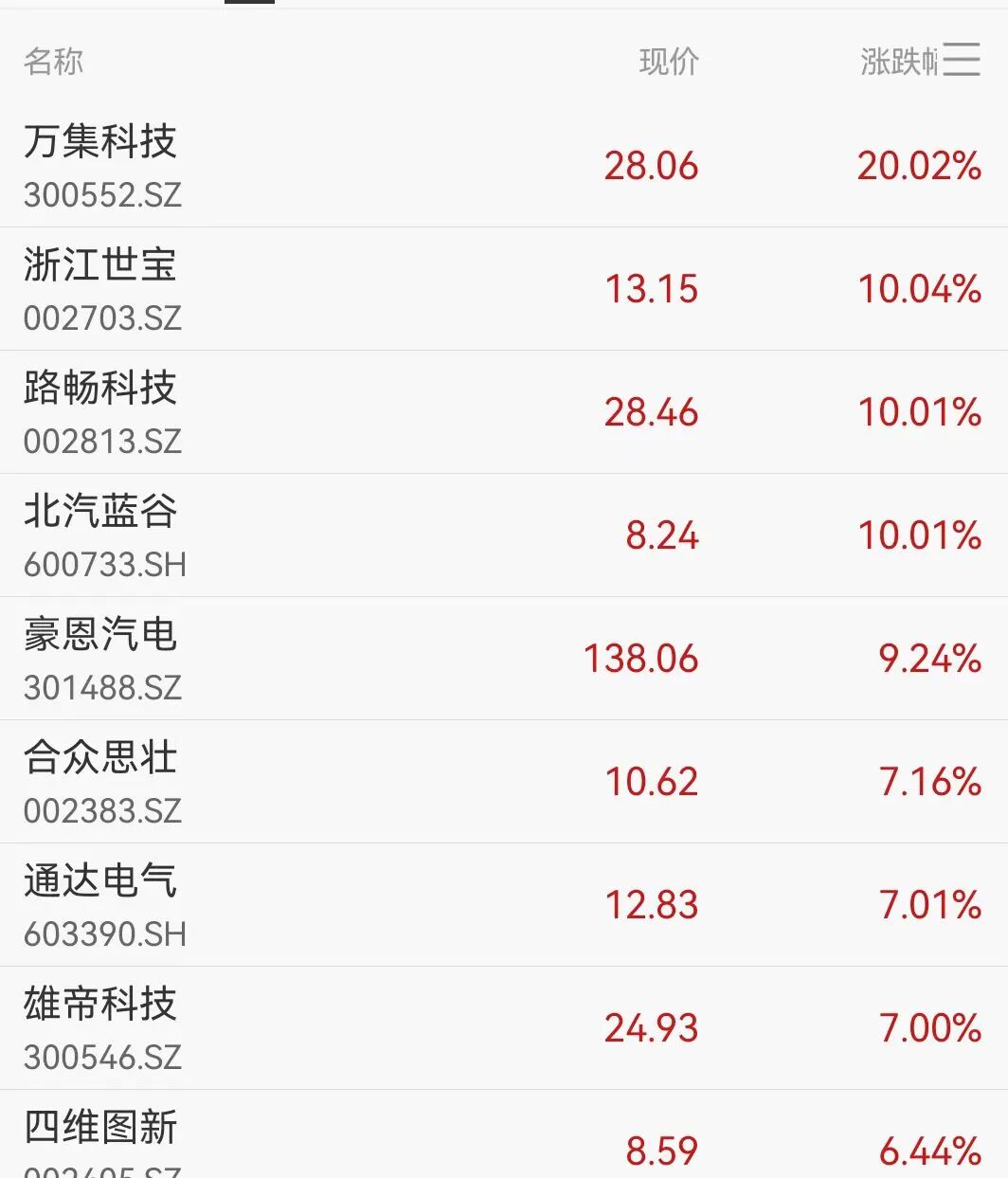
北汽蓝谷、浙江世宝竞价涨停,云意电气、万集科技、莱赛激光高开超10%,索菱股份、经纬恒润、豪 恩汽电、中海达、锦江在线等涨幅靠前。 (本文来自第一财经) ...


L3级自动驾驶“准生证”落地!长安北汽抢先上车,概念股现上涨潮
Guo Ji Jin Rong Bao· 2025-12-16 13:45
首批搭载L3级自动驾驶的车辆确定了。 12月15日,工信部等四部门联合发布了首批获得L3级"有条件自动驾驶"准入许可的车型名单,重庆长安汽车股份有限公司和北汽蓝谷麦格纳汽车有限公司 两家汽车企业的两款车型成为首批获得国家级"准生证"的量产车。 长安与北汽率先获批 中国汽车工业协会常务副会长付炳锋指出,此次L3级车型准入许可的发放,是我国汽车产业从"技术验证"迈向"量产应用"的重要标志。 值得注意的是,两款车型均为纯电动轿车,试点区域与功能场景呈现鲜明的地域适配性。 长安汽车获批的"长安牌SC7000AAARBEV型"轿车,是目前市场上的深蓝SL03,核心功能聚焦交通拥堵环境下的自动驾驶需求,可在高速公路和城市快 速路单车道内自主完成驾驶任务,最高行驶速度限定为50km/h。 其试点范围明确划定为重庆市内环快速路、新内环快速路(高滩岩立交—赖家桥立交)及渝都大道(人和立交—机场立交)等路段,后续将由重庆长安车 联科技有限公司作为使用主体开展上路通行试点。 吴迪/摄 北汽蓝谷麦格纳申报的"极狐牌BJ7001A61NBEV型"轿车则更适配高速畅通场景,可在高速公路和城市快速路单车道内实现最高80km/h的自动驾驶, ...
L3级自动驾驶商业化落地驶入“快车道”,概念股集体活跃
2 1 Shi Ji Jing Ji Bao Dao· 2025-12-16 12:00
Core Viewpoint - The Ministry of Industry and Information Technology (MIIT) of China has officially granted the first batch of L3 conditional autonomous driving vehicle permits to two models: Changan Automobile's Deep Blue SL03 and BAIC's Arcfox Alpha S, marking a significant step towards the commercialization of autonomous driving technology in China [1][2]. Group 1: Regulatory Developments - The MIIT has confirmed that both vehicle manufacturers have completed the required product testing and safety assessments, allowing them to conduct road trials in designated areas [1][2]. - This is the first formal establishment of "first movers" in the autonomous driving sector since the MIIT released the first batch of nine intelligent connected vehicle pilot programs last year [1][2]. - The L3 level of autonomous driving is defined as "conditionally automated driving," where the system can perform all dynamic driving tasks under specific conditions [3][4]. Group 2: Vehicle Specifications and Testing Areas - The Deep Blue SL03 is permitted to operate in congested traffic environments on single-lane highways and urban expressways at a maximum speed of 50 km/h, specifically in designated areas of Chongqing [4]. - The Arcfox Alpha S can operate on single-lane highways and urban expressways at a maximum speed of 80 km/h, with its functionality limited to specific routes in Beijing [4]. - The issuance of these permits follows a series of unified tests conducted by the MIIT and other departments, taking into account long-term testing data from various regions [8]. Group 3: Market Impact - Following the announcement of the L3 permits, stocks related to intelligent driving surged, with companies like Wanji Technology, Zhejiang Shibao, and Beiqi Blue Valley hitting their daily price limits [2]. - The MIIT's actions reflect a cautious yet supportive approach to advancing autonomous driving technology while ensuring safety standards are met [2][8]. Group 4: Future Outlook - The MIIT, along with other governmental departments, plans to expand the L3 autonomous driving pilot programs in terms of vehicle models and regions over the next year, aiming to clarify traffic safety responsibilities and establish entry thresholds for the industry [9]. - Industry experts emphasize the importance of creating a sustainable business model and ensuring safety as companies explore commercial opportunities in the autonomous driving sector [9].
长安、极狐两款车型获批试点!L3级自动驾驶“上路”,不只是两家车企“答题”
Mei Ri Jing Ji Xin Wen· 2025-12-16 10:41
此次试点选择高速公路、城市快速路等相对结构化场景,并限定车速与路段,体现了"审慎推进、安全为先"的监管智慧,也为技术迭代与法规完善留出了 缓冲空间。 如果试点成功,这将不单是两家企业的事,其核心价值在于积累可复制的经验,推动技术与市场深度融合。要实现试点效果最大化,需聚焦三个关键方 向。 一是场景扩面要循序渐进。当前北京、重庆的试点路段覆盖了高速、城市快速路等核心场景,但需逐步扩大试点区域与场景类型,从单一车道向多车道、 从晴天工况向复杂天气、从封闭路段向半开放路段延伸,形成覆盖不同地理环境和交通状况的试点网络。 每经编辑|段炼 12月15日,工业和信息化部宣布近期许可两款L3级自动驾驶车型产品,将在指定区域内开展上路通行试点。两款车型分别是长安牌SC7000AAARBEV型 纯电动轿车和极狐牌BJ7001A61NBEV型纯电动轿车。 这不仅是中国自动驾驶发展史上的一个重要节点,也标志着我国智能网联汽车正式从"技术验证"迈向"量产应用"的新阶段。 在电动化取得领先优势的背景下,智能化正成为全球汽车产业竞争的新焦点。此次试点落地是对技术成熟度的验证,更是政策、产业与市场协同发力的成 果,将推动中国汽车产业在智能 ...

工信部L3开始发牌照,我为什么说是减肥奖励餐
虎嗅APP· 2025-12-16 10:38
以下文章来源于autocarweekly ,作者autocarweekly autocarweekly . 车不只是代步工具,还是生活的一种刻度。 本文来自微信公众号: autocarweekly ,作者:autocarweekly,题图来自:视觉中国 我被打脸了。 10月我还在说工信部暂时不会炒热L3,可这才12月呢,工信部就通过了首批L3级有条件自动驾驶功 能的智能网联汽车产品准入申请。 这次有两个品牌,各一款车型被允许在各自特定路段进行测试。 一方面是L2强制性国标还没正式落地,另一方面却开始"毫无征兆地"准许上路测试,工信部到底咋 想的呢? | 首页 组织机构 新闻发布 | | --- | | 政务公开 | | 政务服务 | | 互动交流 | | 工信数据 | 一、工信部在吃减肥奖励餐 我之前就讲过,L3没有被雪藏,而是在降温、在蓄力。 现在看工信部在这个节点做的事,更像一份阶段性的奖励餐。 工信部年底前的总结估计已经做完了,看来各方对今年工作成果比较满意,L2强制性国标推进得比 较扎实。大概率在此之前已经做过系统性的内部测试摸排,从结果判断,行业整体能力和成熟度应该 已经不低了。 我上次说:"他们一 ...

主力动向:12月16日特大单净流出402.03亿元
Zheng Quan Shi Bao Wang· 2025-12-16 10:00
股价表现方面,特大单资金净流入超2亿元个股今日平均上涨15.21%,表现强于沪指。具体看,上述个 股今日上涨的有22只,股价以涨停收盘的有永辉超市、黑芝麻等。 所属行业来看,上述特大单净流入资金居前个股中,计算机、国防军工、商贸零售行业最为集中,上榜 个股分别有4只、4只、3只。(数据宝) 两市全天特大单净流出402.03亿元,其中23股特大单净流入超2亿元,永辉超市特大单净流入30.96亿 元,特大单净流入资金居首。 沪指今日收盘下跌1.11%。资金面上看,沪深两市全天特大单净流出402.03亿元,共计1377股特大单净 流入,3256股特大单净流出。 从申万一级行业来看,今日有7个行业特大单资金净流入,商贸零售特大单净流入规模居首,净流入资 金41.96亿元,该行业指数今日上涨1.32%,其次是食品饮料,今日下跌0.02%,净流入资金为5.91亿 元,净流入资金居前的还有纺织服饰、社会服务等行业。 特大单资金净流出的行业共有24个,净流出资金最多的是电子,特大单净流出资金87.52亿元,其次是 电力设备,特大单净流出资金80.50亿元,净流出资金居前的还有通信、有色金属等行业。 具体到个股来看,23股特大 ...

9.32亿主力资金净流入,网约车概念涨0.89%
Zheng Quan Shi Bao Wang· 2025-12-16 09:53
Group 1 - The ride-hailing concept sector increased by 0.89%, ranking second among concept sectors, with 16 stocks rising, including Baic Blue Valley and Jinjiang Online hitting the daily limit [1] - Notable gainers in the sector included Tongda Electric, Xiongdi Technology, and Dazhong Transportation, which rose by 7.01%, 7.00%, and 4.61% respectively [1] - The biggest decliners were Longzhou Co., Yinhui Technology, and Tianmai Technology, which fell by 9.97%, 4.06%, and 3.56% respectively [1] Group 2 - The ride-hailing sector saw a net inflow of 932 million yuan from main funds, with 13 stocks receiving net inflows, and 6 stocks exceeding 50 million yuan in net inflow [2] - Baic Blue Valley led the net inflow with 725 million yuan, followed by Jinjiang Online, Changan Automobile, and SAIC Motor with net inflows of 176 million yuan, 109 million yuan, and 96.88 million yuan respectively [2] - In terms of net inflow ratio, Jinjiang Online, Baic Blue Valley, and Tongda Electric had the highest ratios at 49.32%, 24.55%, and 13.68% respectively [2]

