GAC GROUP(601238)

Search documents
广汽集团与中兴通讯签署深化战略合作协议
Xin Lang Cai Jing· 2025-12-15 02:00
12月12日,中兴通讯与广州汽车集团股份有限公司(简称"广汽集团")在广汽集团番禺总部举行高层会 议,并正式签署《深化战略合作协议》。双方宣布将在深入合作的基础上,围绕汽车产业智能化、网联 化、数字化发展方向,进一步拓展战略协同的深度与广度,共同打造新能源汽车产业链合作新范式。 ...


研判2025!中国雾灯行业产业链、市场规模、竞争格局及发展趋势分析:行业市场规模持续上涨,未来有望向智能化升级[图]
Chan Ye Xin Xi Wang· 2025-12-15 01:35
Core Viewpoint - The fog light industry in China is experiencing significant growth, with the market size projected to increase from 1.88 billion yuan in 2015 to 5.11 billion yuan in 2024, reflecting a compound annual growth rate (CAGR) of 11.7% [1][7]. Industry Overview - Fog lights are essential automotive lighting devices used in adverse weather conditions to ensure driving safety. They are categorized into front and rear fog lights, with specific color and design features [3][4]. - The industry chain includes upstream components such as metals, plastics, LED chips, and optical lenses; midstream involves manufacturing fog lights; and downstream applications cover passenger cars, commercial vehicles, and new energy vehicles [6]. Market Dynamics - The growth of the fog light market is supported by government policies mandating the installation of compliant fog lights in vehicles, which has increased the installation rate [1][7]. - Rising living standards and the increasing number of vehicles, particularly the surge in new energy vehicles, are driving new demand for fog lights [1][7]. Competitive Landscape - Domestic companies like Xingyu Co., Ltd. and Huayu Vision are expanding rapidly in the mid-range market while gradually entering the high-end sector. Numerous small and medium-sized manufacturers focus on niche markets due to limitations in technology and funding [8]. Industry Trends 1. **Technological Innovation and Smart Development**: The adoption of LED technology is expected to enhance performance, with improvements in brightness, color temperature, and precision in light distribution. Laser fog lights may emerge as a new breakthrough due to their superior penetration and brightness [12]. 2. **Global Expansion**: Chinese fog light manufacturers are poised to accelerate their overseas presence, leveraging a complete supply chain and competitive pricing to capture global market share [12]. 3. **Increasing Industry Concentration**: The industry is expected to consolidate, with weaker companies facing potential elimination, while stronger firms may expand through mergers and acquisitions, enhancing overall competitiveness [13].





五天两次涨停板,广汽全固态电池中试产线成色几何?
2 1 Shi Ji Jing Ji Bao Dao· 2025-12-14 14:45
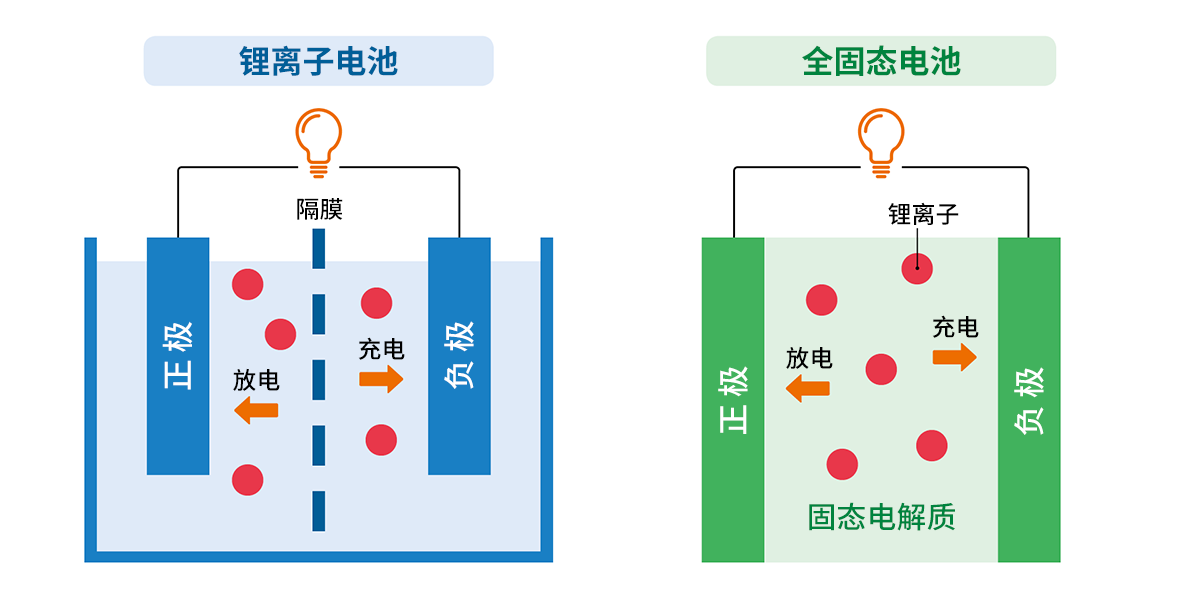
Core Viewpoint - The all-solid-state battery (ASSB) industry is poised for a significant breakthrough in 2025, driven by technological advancements and strong market interest, highlighted by the IPO of Weilan New Energy and the establishment of pilot production lines by major automotive manufacturers [1][2][3]. Industry Developments - Weilan New Energy's IPO has attracted notable investors, achieving a valuation of 18.5 billion yuan, positioning it as a potential leader in the ASSB market [1]. - GAC Group has established the first pilot production line for large-capacity ASSBs in China, marking a critical step towards integrating ASSBs into their vehicles by 2026 [1]. - In October, several companies, including Chery and Sunwoda, announced advancements in ASSB technology, with Chery showcasing a module with an energy density of 600 Wh/kg and Sunwoda planning to build a pilot line with a capacity of 0.2 GWh [2]. Market Reactions - The stock market responded positively to GAC's announcements, with significant price increases observed within a short period, indicating strong investor confidence in the ASSB sector [1]. Technical Advantages - ASSBs are considered the "ultimate form" of batteries, offering double the energy density compared to liquid lithium batteries, enabling electric vehicles to exceed 1000 km in range and significantly reducing fire risks associated with liquid electrolytes [3]. - ASSBs also promise faster charging times, potentially 2 to 3 times quicker than traditional batteries, and improved safety due to the absence of flammable liquid electrolytes [3][9]. Technical Challenges - Despite the optimism, industry leaders like Elon Musk and CATL's chairman have expressed skepticism about the current maturity of ASSB technology, suggesting it is still in the early stages of development [4]. - Key technical hurdles include finding suitable solid electrolyte materials, addressing solid-solid interface contact issues, and improving ion transport efficiency within the solid-state structure [10][11]. GAC's Innovations - GAC has developed a high-performance sulfide solid electrolyte membrane and implemented innovative manufacturing techniques to enhance the performance and reduce interface resistance in ASSBs [11]. - The company claims to have achieved an ion conductivity of over 10 mS/cm, positioning itself competitively within the industry [11]. Industry Comparisons - A comparison of various companies' ASSB developments shows that GAC is currently the only company meeting both the criteria of producing large-capacity batteries (60 Ah) and establishing a pilot production line [21][22]. - Other companies, such as CATL and BYD, are also progressing in ASSB technology but have not yet reached the same milestones as GAC [21]. Future Outlook - The commercial viability of ASSBs remains uncertain, with high production costs and low yield rates posing significant challenges. Current estimates suggest that ASSBs may not achieve widespread commercial use until 2030 or later [22][23]. - The industry is advised to approach the commercialization of ASSBs with caution, as the path to mass production is fraught with technical and economic challenges [23].
广汽全固态电池中试产线成色几何?
2 1 Shi Ji Jing Ji Bao Dao· 2025-12-14 14:43
Core Viewpoint - The all-solid-state battery (ASSB) industry is experiencing significant advancements and investment interest, with 2025 being a pivotal year for its development and commercialization [2][4]. Group 1: Industry Developments - Weilan New Energy's IPO has sparked enthusiasm in the solid-state battery sector, with a valuation of 18.5 billion yuan and backing from major investors like Huawei and Xiaomi [2]. - GAC Group has established the first large-capacity ASSB pilot production line in China, marking a crucial step towards integrating ASSBs into their vehicles by 2026 [2]. - In October, several companies, including Chery and Xinwanda, announced advancements in ASSB technology, with Chery's battery module achieving an energy density of 600 Wh/kg and Xinwanda's new polymer ASSB reaching over 400 Wh/kg [3]. Group 2: Market Reactions - GAC Group's stock experienced significant gains, with a 31.01% increase over five trading days following the announcement of their ASSB pilot line [2]. - The market is showing strong interest in ASSBs, with major automotive manufacturers like BMW and Volkswagen investing heavily in partnerships with solid-state battery companies [4]. Group 3: Technical Challenges - The ASSB technology faces three major technical hurdles: finding the perfect solid electrolyte material, addressing solid-solid interface contact issues, and improving ion transport efficiency [12]. - Current solid electrolyte materials include polymers, sulfides, and oxides, each with their own advantages and drawbacks [12]. - GAC has proposed solutions to these challenges, including the development of a high-performance sulfide solid electrolyte and innovative manufacturing techniques to enhance interface contact and ion conductivity [13]. Group 4: Production and Commercialization - The pilot production line is a critical step before mass production, involving design validation, production validation, and standard operating procedures [17]. - GAC is currently the only company that meets the criteria of having a pilot production line and a capacity of over 60Ah for its ASSB [19]. - Despite advancements, the commercial viability of ASSBs remains uncertain, with high production costs and low yield rates posing significant challenges [21].
第二十届金扳手奖在京颁奖 多维助推汽车服务升级
Jing Ji Guan Cha Wang· 2025-12-14 05:21
Core Viewpoint - The 20th China Automotive Golden Wrench Award ceremony was held in Beijing, aiming to establish a value coordinate system for automotive services in China [1] Group 1: Award Categories - The awards are divided into four categories: independent brands, joint venture brands, luxury brands, and new energy brands [8] - GAC Trumpchi and Geely Auto won awards in the independent brand category [8] - GAC Toyota, GAC Honda, and FAW-Volkswagen received honors in the joint venture brand category [8] - FAW Audi and FAW Hongqi were recognized in the luxury brand category [8] - Zeekr and AITO won awards in the new energy brand category for their excellent service [8] Group 2: Special Awards - A special "20th Anniversary Excellence Contribution Award" was established, with ten brands including FAW-Volkswagen and BYD receiving recognition [8] - 100 outstanding dealers were awarded the "2025 Golden Wrench Service Top 100 Quality Selected Stores" based on the GES-150 service evaluation standard [8] - Eight senior technicians received the "20th Anniversary Craftsman Award," and seven dealers were named "20th Anniversary Service Benchmark Stores" [8] Group 3: Historical Context - The Golden Wrench Award was initiated in 2006 by China Automotive Market magazine and Sohu Auto, with the aim of promoting service integrity in the automotive industry [10] - The award has evolved over 20 years, initially focusing on traditional fuel vehicle after-sales service and expanding to include new energy brands and new media service scenarios [10] - The award's foundation is linked to the "3.15" joint declaration of integrity service by car companies, which began in 2018 [10]





红绿灯背后的AI大模型:从被动响应到全局预判
2 1 Shi Ji Jing Ji Bao Dao· 2025-12-13 10:35
Core Insights - The 2025 Guangdong-Hong Kong-Macao Greater Bay Area Artificial Intelligence and Robotics Industry Conference highlighted the role of AI in transforming traffic systems and the challenges of commercialization [1][2]. Group 1: AI in Traffic Management - AI models are shifting traffic signal control from passive response to proactive prediction, enhancing traffic management efficiency [1]. - In Guangzhou, AI models are used to optimize traffic light configurations at major intersections, significantly improving traffic flow [2]. - The implementation of AI in traffic management has led to 24/7 AI oversight of hundreds of intersections, achieving substantial improvements in efficiency and control [2]. Group 2: Human-Robot Applications - Human-shaped robots are expected to be the first to achieve large-scale application in the traffic sector due to structured product design and stable environments [2]. - The automotive industry is exploring human-robot applications in traffic, with significant market potential identified [2]. Group 3: Challenges in AI Implementation - Two main challenges in deploying AI in urban traffic include the need for algorithm accuracy improvement from 90% to 99.9% and breaking down barriers between different traffic subsystems [2]. - The integration of AI in traffic systems requires a comprehensive approach to ensure effective coordination and response to emergencies [2]. Group 4: Talent Development and Collaboration - There is an urgent need to cultivate "AI + Traffic" interdisciplinary talent to support technological advancements [3]. - Educational institutions are restructuring curricula and establishing partnerships with enterprises to enhance practical skills among students [3]. - Collaboration between academia and industry is essential for sustainable innovation, focusing on shared data and real-world applications [3].


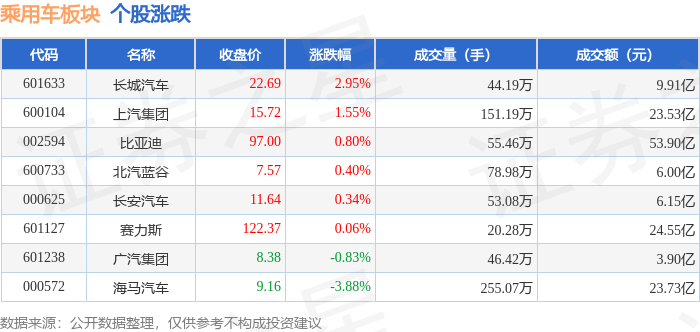
乘用车板块12月12日涨0.85%,长城汽车领涨,主力资金净流入7.11亿元
Zheng Xing Xing Ye Ri Bao· 2025-12-12 09:06
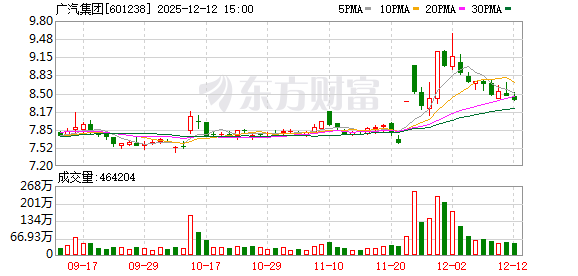
Core Viewpoint - The passenger car sector experienced a rise of 0.85% on December 12, with Great Wall Motors leading the gains, while the overall market indices also showed positive movement [1] Group 1: Market Performance - The Shanghai Composite Index closed at 3889.35, up 0.41% [1] - The Shenzhen Component Index closed at 13258.33, up 0.84% [1] - Great Wall Motors saw a closing price of 22.69, with a gain of 2.95% [1] Group 2: Individual Stock Performance - SAIC Motor Corporation closed at 15.72, up 1.55%, with a trading volume of 1.51 million shares and a turnover of 2.353 billion [1] - BYD Company Limited closed at 97.00, up 0.80%, with a trading volume of 554,600 shares and a turnover of 5.390 billion [1] - BAIC BluePark closed at 7.57, up 0.40%, with a trading volume of 789,800 shares and a turnover of 600 million [1] - Changan Automobile closed at 11.64, up 0.34%, with a trading volume of 530,800 shares and a turnover of 615 million [1] - GAC Group closed at 8.38, down 0.83%, with a trading volume of 464,200 shares and a turnover of 39.067 million [1] - Haima Automobile closed at 9.16, down 3.88%, with a trading volume of 2.5507 million shares and a turnover of 2.373 billion [1] Group 3: Capital Flow - The passenger car sector saw a net inflow of 711 million from main funds, while retail investors experienced a net outflow of 161 million [1] - The main funds' net inflow for BYD was 828 million, accounting for 15.36% of its trading volume [2] - SAIC Motor had a main fund net inflow of 335 million, representing 14.24% of its trading volume [2] - Great Wall Motors had a main fund net inflow of 71.98 million, which is 7.26% of its trading volume [2]


转型阵痛待解 广汽传祺11月销量暴跌超四成
Xi Niu Cai Jing· 2025-12-12 08:38
Core Viewpoint - GAC Group's sales report for November 2025 reveals a significant decline in sales for its brand GAC Trumpchi, with November sales dropping by 42.04% year-on-year, indicating substantial market pressure [2][4]. Sales Performance - GAC Trumpchi's November sales were 25,739 units, down from 44,406 units in the same month last year, marking a nearly halved performance [2][4]. - In contrast, GAC Honda's November sales reached 41,366 units, up 5.68% year-on-year, while GAC Toyota's sales were 73,500 units, showing a slight increase of 0.71% [2][3]. - GAC Aion, despite facing challenges, reported November sales of 38,326 units, a decline of 9.40%, which is significantly less than Trumpchi's drop [2][3]. Cumulative Sales Data - For the year-to-date period from January to November, GAC Trumpchi's cumulative sales totaled 294,887 units, down 17.29% from 356,535 units in the same period last year [2][3]. - GAC Honda's cumulative sales decreased by 22.97%, while GAC Toyota's cumulative sales increased by 3.98% [3]. Brand Challenges - GAC Trumpchi, once a leading brand with peak sales of 534,000 units in 2018, is now struggling due to a lack of market-disrupting models and declining sales of key models like the Trumpchi M8 and E8 [4]. - The brand's flagship model, the Trumpchi Yingbao, has seen a significant drop in monthly sales, indicating a loss of market appeal [4]. Pricing and Market Position - The pricing strategy for models like the Xiangwang S7, starting at 175,800 RMB, is seen as less competitive in a market focused on value, especially against established competitors [5]. - Quality issues, such as complaints about the GS4's transmission and stability of the vehicle's system, have also impacted brand perception [5]. Future Outlook - Despite challenges, GAC Trumpchi has achieved over 150,000 sales in its new energy vehicle segment and continues to lead in the medium MPV category with the E8 series [5]. - The company's future actions to boost sales remain to be observed, particularly in adapting to the evolving market demands for electric vehicles [5].
广汽集团(02238.HK):12月11日南向资金减持631.4万股
Sou Hu Cai Jing· 2025-12-11 19:31
广州汽车集团股份有限公司是一家主要从事汽车及相关业务的中国公司。该公司的主要业务包括研发、 整车(汽车、摩托车)、零部件、商贸与出行、能源及生态、国际化、投资与金融等业务。该公司通过 两个分部开展其业务。汽车业务及相关贸易分部包括生产及销售各种乘用车、商用车、汽车零部件及相 关贸易。其他分部主要包括生产及销售摩托车、汽车金融保险、其他金融服务及投资业务等。该公司主 要在国内外市场开展其业务。 以上内容为证券之星据公开信息整理,由AI算法生成(网信算备310104345710301240019号),不构成 投资建议。 证券之星消息,12月11日南向资金减持631.4万股广汽集团(02238.HK)。近5个交易日中,获南向资金 增持的有2天,累计净增持1479.8万股。近20个交易日中,获南向资金增持的有12天,累计净增持 2681.08万股。截至目前,南向资金持有广汽集团(02238.HK)17.09亿股,占公司已发行普通股的 60.75%。 ...
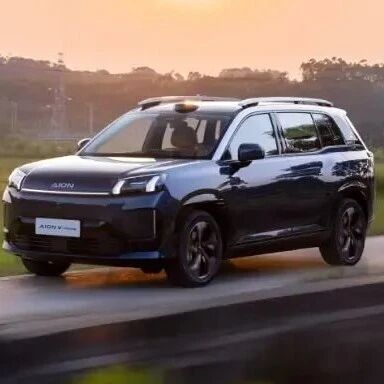
又一中国车企要去日本卖电动车,日企急忙反攻
凤凰网财经· 2025-12-11 14:47
Core Viewpoint - The entry of GAC Group into the Japanese market with electric vehicles is a strategic move to capture market share from traditional Japanese automakers, amidst declining sales in the domestic market [1][2]. Group 1: GAC Group's Market Entry - GAC Group plans to officially enter the Japanese market with pure electric vehicles in the summer of 2026, utilizing M Mobility Japan for sales [1]. - The company aims to sell its Aion brand, targeting 200 orders in 2026 and increasing to 2000 orders in 2027, starting with two models: the Aion UT and Aion V [1]. - The Aion UT is priced at 3.3 million yen (approximately 149,800 RMB), while the Aion V starts at 5 million yen (approximately 227,000 RMB), both supporting Japan's fast-charging standard "CHAdeMO" [1]. Group 2: Domestic Sales Challenges - GAC Group's total sales in the first three quarters of the year fell by 11% year-on-year to 1.18 million units, with Aion brand sales down 20% to 180,000 units [2]. - Financially, GAC reported a revenue of 66.93 billion RMB in the first three quarters, a decrease of 10.45% year-on-year, and a net loss of 4.31 billion RMB, equating to a loss of 3,643 RMB per vehicle sold [2]. - The company's net profit has declined for two consecutive years, with projected revenues of 129.71 billion RMB and 107.78 billion RMB for 2023 and 2024, respectively, showing a year-on-year growth of 17.62% and a decline of 16.90% [2]. Group 3: Competitive Landscape - Other Chinese companies, such as Xiaomi, are also planning to expand their automotive business in Japan, indicating a growing competitive landscape [3]. - Traditional Japanese automakers are responding to the challenge, with Toyota improving its bZ4X model and Nissan set to launch a new Leaf model in January [3].