TRANSSION(688036)

Search documents
「非洲手机之王」传音即将退位?利润腰斩,50元手机扛不住存储涨价
3 6 Ke· 2026-02-05 03:57
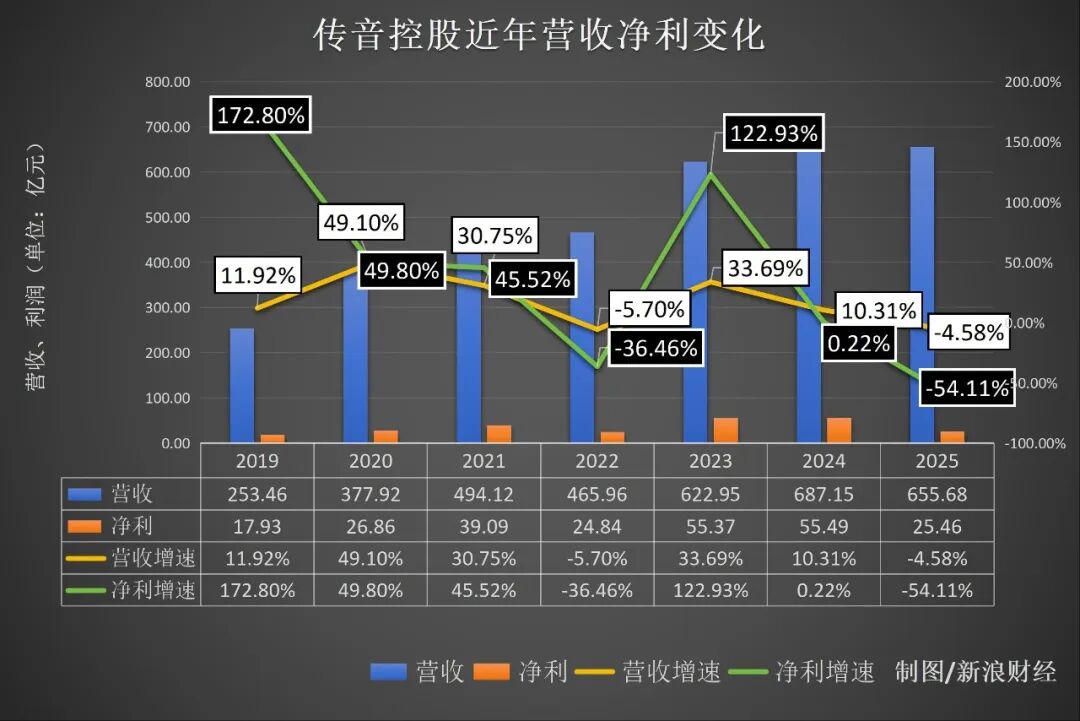
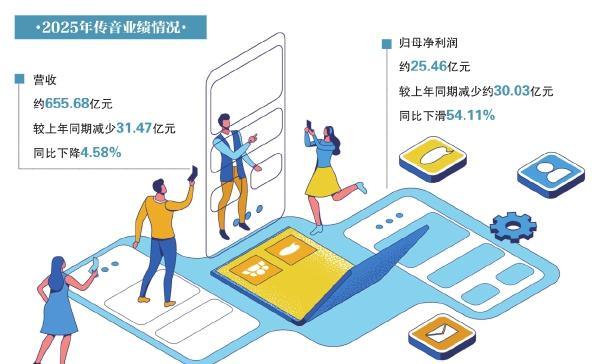
Core Viewpoint - Transsion Holdings is expected to experience a decline in both revenue and net profit in 2025, with net profit projected to be halved, marking the worst performance since its IPO in 2019 [1][2][4]. Financial Performance - The company forecasts a revenue of approximately 65.568 billion yuan for 2025, a decrease of about 31.47 billion yuan or 4.58% year-on-year [2]. - The net profit attributable to shareholders is expected to be around 2.546 billion yuan, down by approximately 30.03 billion yuan or 54.11% year-on-year [2][4]. - In the first half of 2025, Transsion reported a revenue of 29.077 billion yuan, a decline of 15.86% compared to the same period last year, with net profit dropping by 57.48% [5]. Market Competition - Transsion's market share remains the largest in Africa, but competition is intensifying, particularly from Xiaomi and Honor, which have shown growth rates of 34% and 158% respectively [1][8]. - The global smartphone market is experiencing sluggish growth, with a projected increase of only 2% in 2025, leading to increased pressure on low-cost manufacturers like Transsion [8]. Cost and Supply Chain Issues - The company attributes its poor performance to rising storage prices, which have significantly impacted product costs and gross margins [4][6]. - The global storage market has seen prices increase by over 40% due to high demand from AI data centers, further straining the cost structure for smartphone manufacturers [7][8]. Diversification Efforts - To mitigate risks, Transsion is exploring new business areas such as mobility and energy storage, although these segments currently contribute only 8.8% to total revenue [10][12]. - The company has established multiple brands and is attempting to expand into electric vehicles and energy storage products, but these initiatives have yet to generate significant revenue [10][12].


AI/AR眼镜高速增长!消费电子ETF(159732.SZ)探底回升,传音控股上涨5.93%
Mei Ri Jing Ji Xin Wen· 2026-02-05 03:37
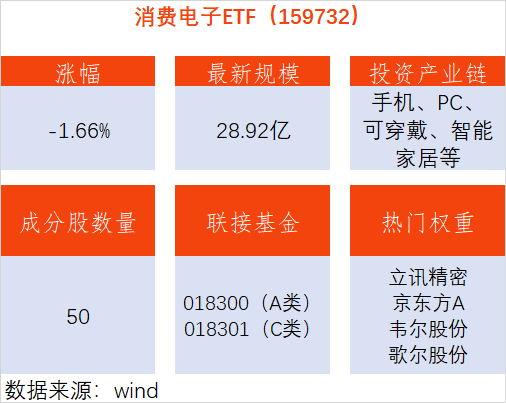
Group 1 - The A-share market experienced a collective decline on February 5, with the Shanghai Composite Index dropping by 0.90% during the session. Sectors such as beauty care, food and beverage, and social services showed gains, while non-ferrous metals and electric equipment faced significant losses [1] - The consumer electronics sector remains sluggish, with the Consumer Electronics ETF (159732.SZ) down by 1.66% as of 10:34 AM. Key component stocks like Dongshan Precision fell by 6.91%, Pegatron by 6.20%, and Changying Precision by 4.08% [1] - Some individual stocks showed activity, with Transsion Holdings rising by 5.93% and Anker Innovations increasing by 2.51% [1] Group 2 - According to Weishen Information, global AI smart glasses sales are projected to reach 4.5 million units by Q4 2025, marking a nearly 500% year-on-year increase. Global AR sales are expected to hit 1.1 million units, reflecting a 110% increase compared to the previous year [3] - China Galaxy Securities indicates that the AI/AR glasses category is expected to continue its rapid growth into 2026, highlighting investment opportunities within the industry chain. In the context of rising prices for components like storage, high-end smartphone sales, such as those from Apple, are showing resilience compared to mid- to low-end brands, suggesting a focus on the Apple supply chain within consumer electronics [3] - The Consumer Electronics ETF (159732) tracks the National Securities Consumer Electronics Index, primarily investing in 50 A-share listed companies involved in the consumer electronics industry, with significant representation in electronic manufacturing, semiconductors, and optical electronics [3]
“非洲手机之王”传音即将退位? 利润腰斩!
Xin Lang Ke Ji· 2026-02-05 02:46
Core Viewpoint - Transsion Holdings is expected to experience a decline in both revenue and net profit in 2025, with net profit projected to be halved, marking the worst performance since its listing [1][4][2]. Financial Performance - The company anticipates a revenue of approximately 65.568 billion yuan in 2025, a decrease of about 31.47 billion yuan or 4.58% year-on-year [2]. - The net profit is expected to be around 2.546 billion yuan, down by approximately 30.03 billion yuan or 54.11% compared to the previous year [2][4]. Market Competition - Transsion's market share is under pressure due to intensified competition in key markets like Africa and South Asia, with competitors such as Xiaomi and Honor showing significant growth rates of 34% and 158% respectively [1][7]. - Despite maintaining the largest market share in Africa, Transsion's growth rate of 25% is being outpaced by its competitors [7]. Cost and Pricing Issues - The company cites rising storage prices as a significant factor affecting its cost and gross margin, with the average price of its smartphones being only 332.1 yuan and feature phones at 50.1 yuan [1][8]. - The global storage market has seen prices increase by over 40%, impacting the overall cost structure for smartphone manufacturers [6][7]. Diversification Efforts - To mitigate risks, Transsion is exploring new business areas such as mobility and energy storage, although these new ventures currently contribute only about 8.8% to total revenue [11][13]. - The company has established a mobility division and is expanding into electric two-wheelers and energy storage products, but these initiatives have yet to significantly impact overall revenue [11][12]. Historical Context - Since its listing on the Sci-Tech Innovation Board in 2019, Transsion had previously maintained strong growth until a decline in 2022, attributed to global macroeconomic factors and increased R&D expenses [4][5]. - The current forecast for 2025 represents a continuation of this downward trend, with net profit expected to be the lowest since the company's IPO [4][5].
“非洲手机之王”传音去年净利预计“腰斩”
Nan Fang Du Shi Bao· 2026-02-03 23:16
Core Viewpoint - Transsion Holdings, known as the "King of African Mobile Phones," is facing significant challenges due to rising supply chain costs and intensified market competition, leading to a projected net profit decline of approximately 54.11% for 2025 compared to the previous year [1][2]. Financial Performance - The company anticipates a net profit attributable to shareholders of around 2.546 billion yuan for 2025, a decrease of about 3.003 billion yuan year-on-year [1][3]. - Expected total revenue for 2025 is approximately 65.568 billion yuan, down about 4.58% from 68.715 billion yuan in 2024 [3]. - The net profit excluding non-recurring items is projected to be around 1.904 billion yuan, reflecting a significant reduction of approximately 58.06% compared to the previous year [3]. Market Challenges - The decline in profitability is attributed to increased costs of components, particularly storage chips, which have seen price hikes due to a "super cycle" in the semiconductor industry [4]. - Despite maintaining over 40% market share in the African smartphone market, Transsion is facing heightened competition from Chinese brands like Xiaomi, Honor, and OPPO, which are increasing their presence in Africa [4]. Strategic Responses - To counteract market pressures, the company has increased its marketing and R&D expenditures, further impacting profit margins [4]. - Transsion is also dealing with multiple patent infringement lawsuits from major tech companies, adding to its operational challenges [5]. - In response to these pressures, the company has submitted an application for an IPO on the Hong Kong Stock Exchange, aiming to enhance its capital base and address global competition [7].
营收下滑,净利腰斩 “非洲之王”传音失速
Bei Jing Shang Bao· 2026-02-02 00:52
Core Viewpoint - Transsion Holdings, known as the "King of Africa" in the mobile phone industry, reported disappointing annual results for 2025, with significant declines in revenue and net profit due to rising supply chain costs and intensified competition in emerging markets [1][3]. Financial Performance - The company expects to achieve approximately 65.568 billion yuan in revenue for 2025, a decrease of 4.58% year-on-year [1]. - Net profit attributable to shareholders is projected to be around 2.546 billion yuan, down 54.11% compared to the previous year [1]. - The first quarter of 2025 saw a revenue decline of 25.45% and a net profit drop of 69.87% [3]. - By mid-year, revenue had decreased by 15.86%, with net profit down 57.48% [3]. - Despite a 22.6% revenue increase in the third quarter, cumulative revenue for the first three quarters still showed a decline of 3.33% [3]. Market Position and Competition - In the third quarter, Transsion achieved a 13.6% year-on-year increase in shipments, reaching 29.2 million units, making it one of the top five global smartphone manufacturers [5]. - However, the company struggled in other quarters, failing to appear in the top rankings during the first quarter and experiencing a 1.7% decline in the second quarter [5]. - In the African market, Transsion maintained a leading position with a 51% market share, but growth has slowed, with competitors like Xiaomi and Honor rapidly increasing their market presence [6]. Challenges in Emerging Markets - Transsion's attempts to replicate its African success in Southeast Asia and Latin America have faced significant challenges, with declining shipments and market share in these regions [7]. - The company reported a 19% year-on-year drop in shipments in the Latin American market during the third quarter [7]. Industry Challenges - Rising storage costs have become a common issue in the smartphone industry, significantly impacting Transsion's operations in price-sensitive emerging markets [8]. - The increase in DRAM prices has raised production costs across all price segments, with the lowest segment experiencing the most significant increase [8]. - The global smartphone shipment forecast for 2026 has been revised downwards, indicating a 2.1% decline, which disproportionately affects the low-price segment where Transsion operates [8][9].
全年净利腰斩背后 “非洲之王”传音的怨与愁
Bei Jing Shang Bao· 2026-02-01 14:13
Core Viewpoint - Transsion Holdings, known as the "King of Africa" in the mobile phone industry, reported a disappointing annual performance for 2025, with significant declines in revenue and net profit due to rising supply chain costs and intensified competition in emerging markets [2][3]. Group 1: Financial Performance - The company expects to achieve approximately 65.568 billion yuan in revenue for 2025, a decrease of 4.58% year-on-year, equating to a drop of 3.147 billion yuan [2]. - Net profit attributable to shareholders is projected to be around 2.546 billion yuan, reflecting a substantial decline of 54.11%, or a reduction of about 3.003 billion yuan compared to the previous year [2]. - The non-recurring net profit saw an even steeper decline of 58.06% [2]. Group 2: Market Challenges - The decline in performance is attributed to a combination of rising storage chip prices impacting supply chain costs and increased competition in both local and global emerging markets [2][4]. - The first quarter of 2025 saw a revenue drop of 25.45% and a net profit plunge of 69.87%, indicating a significant early warning of ongoing pressure throughout the year [4]. - By the end of the third quarter, despite a seasonal revenue increase of 22.60%, cumulative revenue still showed a decline of 3.33% year-on-year [4][6]. Group 3: Competitive Landscape - In the global smartphone market, Transsion's performance was mixed, with a notable increase in third-quarter shipments of 29.2 million units, marking a 13.6% year-on-year growth, positioning it among the top five manufacturers [6]. - However, the company struggled in other quarters, failing to maintain a consistent presence in the global top rankings, reflecting instability in its competitive position [6][7]. - In the African market, while still leading with a 51% share, Transsion faced challenges from competitors like Xiaomi and Honor, who exhibited significantly higher growth rates [7][8]. Group 4: Cost Pressures - The rising cost of storage components has become a common challenge in the smartphone industry, particularly affecting Transsion's low to mid-range offerings, where price sensitivity is high [9][10]. - The increase in DRAM prices has raised production costs across all price segments, with low-end models experiencing the most significant increases [9]. - The inability to fully pass on these costs to consumers may lead to further profit compression or reduced shipments of lower-end models, exacerbating the company's operational pressures in emerging markets [10].
全年净利腰斩背后,“非洲之王”传音的怨与愁
Bei Jing Shang Bao· 2026-02-01 13:53
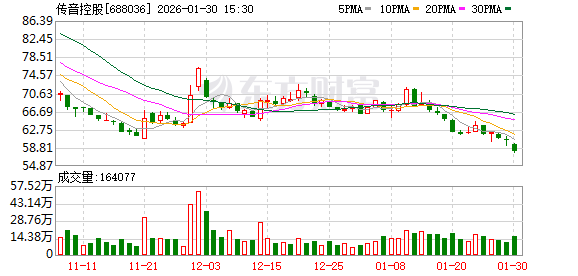
营收下滑,净利腰斩……素有手机行业"非洲之王"美称的传音控股,交出了一份堪称惨淡的年度答卷。 1月末,传音控股发布2025年年度业绩预告,披露了这份不尽人意的成绩单:公司年内预计实现营业收 入约655.68亿元,较上年同期减少31.47亿元,同比下降4.58%;归属于母公司股东的净利润约25.46亿 元,同比大幅下滑54.11%,较上年同期减少约30.03亿元,扣非净利润跌幅更是达到58.06%。 业绩大幅下滑背后,既有2025年贯穿全年的存储芯片涨价潮带来的供应链成本重压,也有非洲本土乃至 全球新兴市场的竞争加剧与拓展困境——前者让其利润空间被持续挤压,后者则让其核心市场基本盘承 压,曾经在新兴市场顺风顺水的传音,如今正被多重难题裹挟,前行脚步愈发沉重。 与此同时,资本市场的表现也未能给予传音更多支撑。为谋求补血,传音正在赴港布局A+H上市途 中,但其A股股价较历史峰值已蒸发大半。 资深产业经济观察家梁振鹏在接受北京商报记者采访时表示,传音的核心挑战在于维持硬件市场份额的 同时开拓新增长曲线。 但从现状看,旨在走出困境的突围之战愈发凶险,传音的未来依旧充满未知。 01.重压之下的一年 2025年的寒意,从一 ...
智能手机2026:变局中的挑战与曙光
3 6 Ke· 2026-02-01 06:26
Core Insights - The smartphone industry is experiencing a significant downturn in expected shipments for 2026, with major manufacturers like Xiaomi and OPPO reducing their forecasts by over 20% [1][2] - The decline in shipments is primarily attributed to rising storage chip prices and supply shortages, leading to a strategic shift towards higher-value products [2][6] Group 1: Industry Dynamics - In 2025, the global smartphone shipment reached 1.26 billion units, with a 1.9% year-on-year growth, while China's market saw a slight decline of 0.6% [3] - Huawei regained its position as the leading smartphone manufacturer in China with a shipment of 46.7 million units, capturing a market share of 16.4% [3] - Apple and Vivo closely followed Huawei, with shipments of 46.2 million and 46.1 million units, respectively, indicating a highly competitive landscape [3][4] Group 2: Market Challenges - The price of storage chips is expected to rise significantly, with a projected increase of 40% to 50% in Q1 2026, further impacting manufacturers' cost structures [6][8] - The cost increase is particularly pronounced in low-end models, which may deter price-sensitive consumers from upgrading their devices [7][8] Group 3: Future Trends - The integration of AI into smartphones is anticipated to be a major trend, with new AI-enabled smartphone shipments expected to reach 147 million units in China, accounting for over 50% of the market [9] - The development and application of 2nm chips are also on the horizon, promising enhanced performance and efficiency for future smartphones [10]


“订单排期到了明年” 存储超级周期下的众生相:谁在兑现 谁在挣扎
Zhong Guo Ji Jin Bao· 2026-01-31 23:42
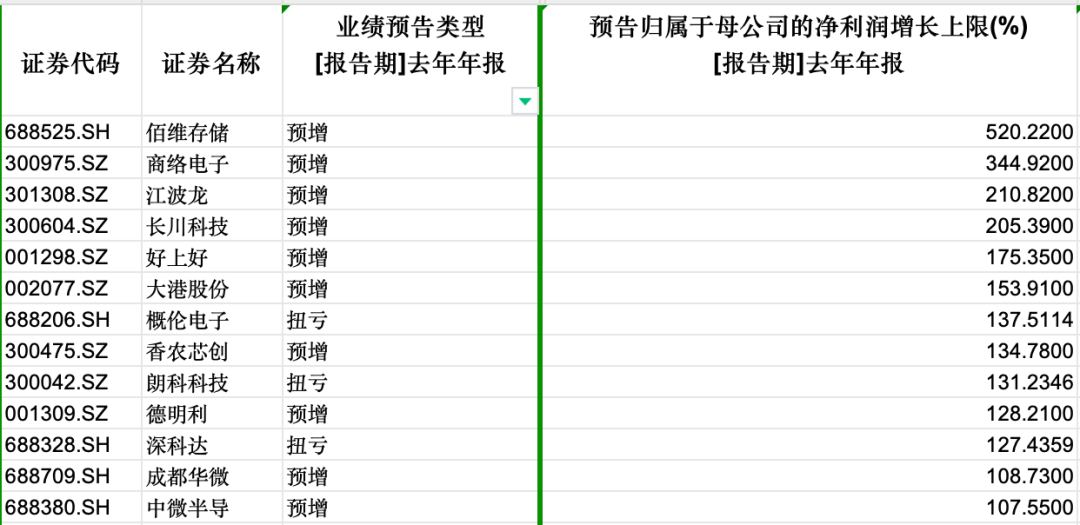
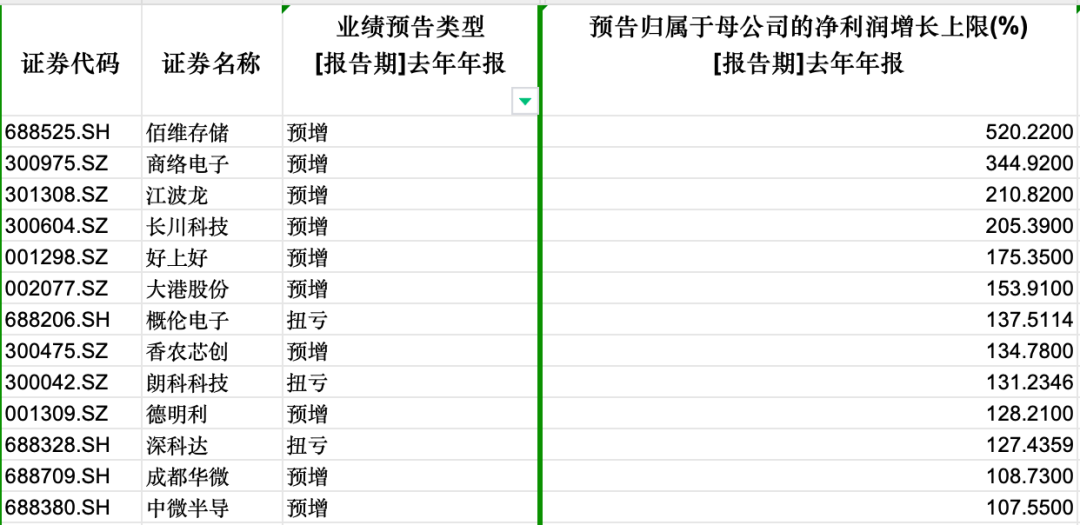
Core Viewpoint - The storage chip market is experiencing a "super cycle" driven by AI, leading to significant price increases and improved profitability for storage companies, while terminal manufacturers face pressure to raise prices or reduce specifications [1][3][7]. Group 1: Market Dynamics - The storage market is emerging from a low point, with many companies reporting substantial profit increases due to stabilizing prices driven by AI demand [1][2]. - As of January 29, 2026, 52 storage-related companies in the A-share market have issued performance forecasts for 2025, with 25 companies expecting profit increases, and 31 companies reporting year-on-year net profit growth [1][2]. - Notable profit increases include Bawei Storage with a projected growth of 520.22%, Shangluo Electronics at 344.92%, and Jiangbolong at 210.82% [2]. Group 2: Price Trends - Market research indicates that storage prices are expected to rise by 40% to 50% in Q1 2026 and by approximately 20% in Q2 2026, surpassing historical highs [3][4]. - Companies like Jiangbolong attribute their recovery to the stabilization of storage prices and increased demand from AI servers, leading to a supply-demand imbalance [2][5]. Group 3: Competitive Positioning - Storage manufacturers are shifting focus from consumer markets to enterprise-level markets, such as data centers and AI servers, where profit margins are higher due to lower price sensitivity [5][6]. - Companies are investing in technology and production capabilities to enhance their competitive edge, with Jiangbolong planning to raise 3.7 billion yuan for technology development and production expansion [6]. Group 4: Impact on Terminal Manufacturers - Terminal manufacturers are facing significant cost pressures due to rising component prices, leading to a projected 14.8% decrease in global laptop shipments in Q1 2026 [7][8]. - Major brands like Lenovo and Dell have begun raising prices on their products, with Lenovo increasing prices by 500 to 1500 yuan on mid-to-high-end models [8][9]. - The rising costs of memory components are impacting the profitability of smartphone manufacturers, with companies like Transsion Holdings reporting a 54.11% decline in net profit due to increased supply chain costs [9].


“产线的机器已经开足了马力,订单排期到了明年,连客户要货的电话都不敢接了,怕得罪人 ”存储超级周期下的众生相:谁在兑现,谁在挣扎
Zhong Guo Ji Jin Bao· 2026-01-31 12:57
Core Viewpoint - The storage chip market is experiencing a "super cycle" driven by AI, leading to significant price increases and improved profitability for storage companies, while terminal manufacturers face pressure to raise prices or reduce specifications [1][3]. Group 1: Market Dynamics - The storage market is emerging from a low point, with many companies reporting substantial profit increases due to stabilizing prices driven by AI demand [1]. - As of January 29, 2026, 52 storage-related companies in the A-share market have issued performance forecasts for 2025, with 25 companies expecting profit increases, and 31 companies reporting year-on-year net profit growth [1]. - Notably, 13 companies have projected net profit growth exceeding 100% [1]. Group 2: Company Performance - Companies like Bawei Storage and Jiangbolong are forecasting significant profit increases, with Bawei Storage projecting a net profit growth of 520.22% and Jiangbolong 210.82% [2]. - Jiangbolong attributes its turnaround to the recovery of storage prices and increased demand from AI servers, leading to a shift in supply dynamics [2]. - The storage price surge is expected to continue, with predictions of a 40% to 50% increase in Q1 2026 and an additional 20% in Q2 2026 [3]. Group 3: Competitive Positioning - Storage manufacturers are shifting focus from consumer markets to enterprise-level markets, such as data centers and AI servers, which offer higher profit margins due to lower price sensitivity [5]. - Companies are investing in technology and product development to enhance their competitive edge, with Jiangbolong planning to raise 3.7 billion yuan for technology development and production expansion [6]. - The urgency to secure market position is emphasized, as delays in strategic actions could result in missed opportunities during this lucrative period [7]. Group 4: Impact on Terminal Manufacturers - Terminal manufacturers are facing significant cost pressures due to rising prices of storage components, leading to a projected 14.8% decrease in global laptop shipments in Q1 2026 [8]. - Major brands like Lenovo and Dell have begun to raise prices on various product lines, with Lenovo increasing prices by 500 to 1500 yuan for mid-to-high-end models [8][9]. - The rising costs are impacting profit margins, with companies like Transsion Holdings reporting a 54.11% decline in net profit due to increased supply chain costs [9].