TRINA(688599)

Search documents
4月起,光伏产品出口退税归零,千亿产业,谁在窃喜?
Mei Ri Jing Ji Xin Wen· 2026-01-09 14:20
Group 1 - The Ministry of Finance and the State Taxation Administration announced the cancellation of the export VAT rebate for photovoltaic products starting April 1, 2026, reducing the rebate rate from 9% to 0% [1] - In the first ten months of 2025, photovoltaic exports reached $24.42 billion, which would result in a loss of approximately $2.2 billion (around 15.3 billion RMB) in rebates for large exporting companies [1] - If companies cannot raise prices to offset the impact of the export tax policy adjustment, their performance may be adversely affected [1] Group 2 - JinkoSolar's overseas business accounted for over 60% of its total shipments in the first half of 2025, maintaining a leading position in various international markets [2] - Trina Solar reported overseas revenue of 14.767 billion RMB, making up about 48% of its total revenue in the same period [2] - JA Solar's overseas business revenue was approximately 11.842 billion RMB, accounting for about 49.54% of its total revenue [2] Group 3 - Among the four major photovoltaic manufacturers, JinkoSolar has the highest proportion of overseas business, followed by Trina Solar and JA Solar, with LONGi Green Energy having the lowest [3] - Trina Solar's energy storage segment has made significant progress in expanding overseas markets, with a successful shipment of a 1.2 GWh energy storage system to Chile in July 2025 [3] - The export VAT rebate for battery products will be reduced from 9% to 6% starting April 1, 2026, and will be completely eliminated by January 1, 2027, providing a longer buffer period compared to photovoltaic products [3] Group 4 - The cancellation of export rebates may benefit manufacturers with a higher proportion of overseas production capacity [3] - Companies are increasingly establishing overseas production facilities, with JinkoSolar actively promoting global production and sales, including setting up factories in Southeast Asia and the U.S. [5]


多晶硅期货主力合约及硅料个股大跌,行业“反内卷”到底怎样了
Di Yi Cai Jing· 2026-01-09 11:10
Core Viewpoint - The multi-crystalline silicon futures market is experiencing a downward trend, with significant price drops and declines in the stock prices of leading domestic companies in the sector [1][2]. Group 1: Market Performance - As of January 9, the main 2605 contract for multi-crystalline silicon closed at 51,300 yuan/ton, down 8.11% [1]. - Major domestic companies such as Tongwei Co., Ltd. (600438.SH), Daqo New Energy (688303.SH), and GCL-Poly Energy (03800.HK) saw their stock prices drop by 3.83%, 6.10%, and 7.02% respectively [1]. Group 2: Production and Pricing Trends - The production of multi-crystalline silicon is projected to decrease by 28.4% in 2025, with current spot prices having rebounded over 70% from historical lows recorded in June 2025 [2]. - Factors contributing to the recent price increases include a continuous reduction in the operating rate of silicon material, rising prices in downstream silicon wafers and battery segments, and a supportive procurement willingness from the component end due to existing orders [2]. Group 3: Supply and Demand Dynamics - The fundamental issue in the photovoltaic industry is not supply but rather a lack of demand, with domestic installations declining due to regulatory impacts [3]. - Data from the National Energy Administration indicates that the utilization rate of photovoltaic power generation in China was 94.9% from January to October 2025, a decrease of 2.2 percentage points year-on-year, indicating increasing consumption pressure [3]. - The market is facing challenges in balancing the supply-demand equation, with concerns about how to achieve industry-wide collaboration to address these issues [3][4]. Group 4: Industry Collaboration - The chairman of Trina Solar (688599.SH) emphasized the need for horizontal collaboration across various segments of the supply chain, including silicon materials, wafers, batteries, and components, to achieve profitability across the entire industry [4]. - There is a call for both horizontal and vertical collaboration within the industry to effectively manage internal competition and ensure all segments can achieve profitability [4].



多晶硅期货主力合约及硅料个股大跌,行业“反内卷”到底怎样了| 陆说能源
Di Yi Cai Jing· 2026-01-09 10:57
Group 1 - The core viewpoint of the articles indicates that the polysilicon production in 2025 decreased by 28.4% year-on-year, but the industry has not yet emerged from an oversupply situation due to demand contraction [1][2] - As of January 9, 2026, multiple polysilicon futures contracts continued to decline, with the main contract closing at 51,300 yuan/ton, down 8.11% [1] - Leading domestic polysilicon companies saw significant stock price declines, with Tongwei Co., Ltd. down 3.83%, Daqo New Energy down 6.10%, and GCL-Poly Energy down 7.02% [1] Group 2 - The polysilicon market had previously shown positive developments in production and pricing due to the "anti-involution" trend in the photovoltaic sector [2] - The current spot price of silicon materials has rebounded over 70% from its historical low in June 2025 [2] - Three factors are driving the price increase at the beginning of 2026: reduced operating rates in silicon material production, rising prices in downstream silicon wafers and battery segments, and a certain tolerance for price increases in the component sector supported by existing orders [2][3] Group 3 - The fundamental issue in the photovoltaic industry remains a supply-demand imbalance, with supply contraction lagging behind demand decline [3] - Domestic installations have been in a downward trend due to the impact of policy document "No. 136," with a reported photovoltaic power generation utilization rate of 94.9% from January to October 2025, down 2.2 percentage points year-on-year [3] - The market is questioning the so-called "industry self-discipline" as merely a price increase strategy, highlighting the need for coordination across the entire industry chain to address the challenges of weak downstream demand [3][4] Group 4 - The chairman of Trina Solar emphasized the need for horizontal collaboration among various segments of the industry, including silicon materials, wafers, batteries, and components, to achieve profitability across the entire supply chain [4] - There is a call for both horizontal and vertical collaboration within the industry to effectively manage internal competition and achieve the goals of industry governance [4]
微电网利好政策发布 上市公司积极布局微电网业务
Zheng Quan Shi Bao Wang· 2026-01-09 07:17
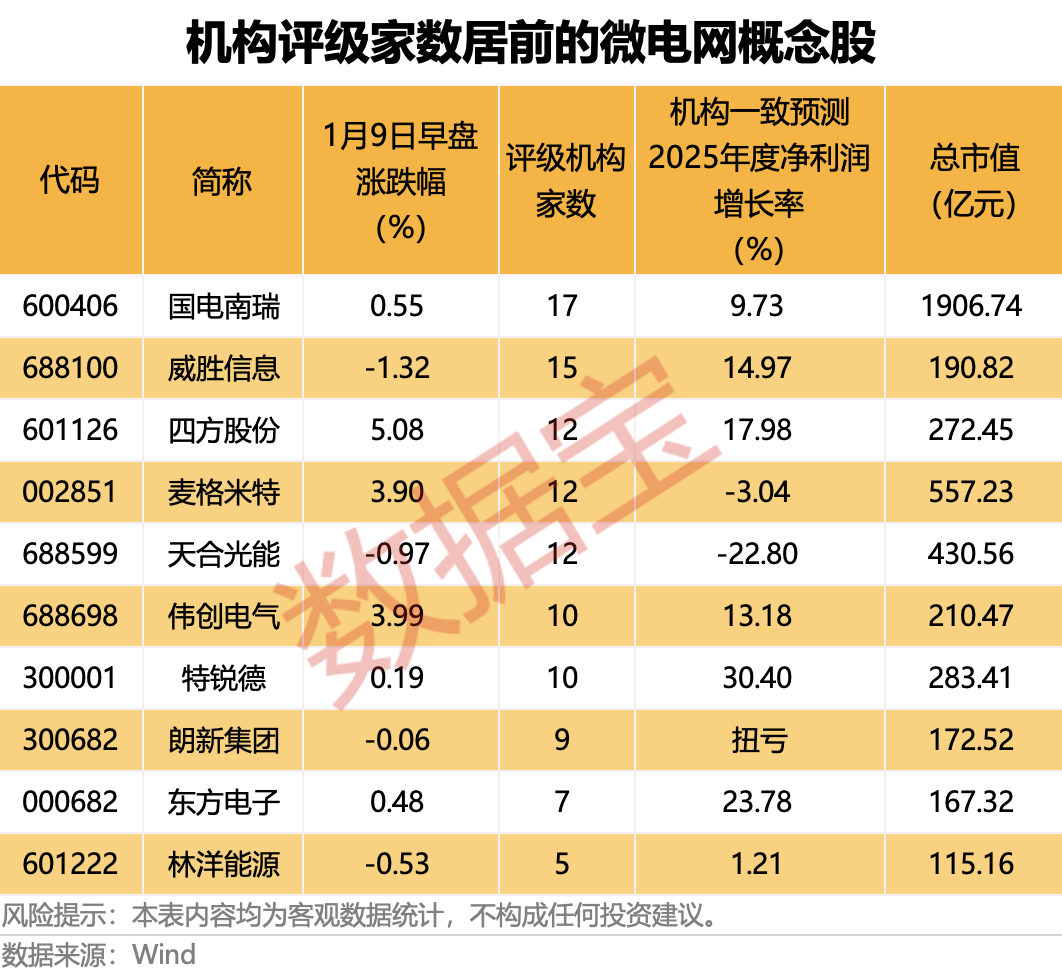
Core Insights - The Ministry of Industry and Information Technology, along with four other departments, has issued the "Guidelines for the Construction and Application of Industrial Green Microgrids (2026-2030)" to promote the development and application of green microgrids in the industrial sector, aiming to enhance the use of green electricity and reduce carbon emissions in key industrial areas [1] Group 1: Industry Overview - In the past six months, 40 listed companies have disclosed their involvement in microgrid-related businesses through investor Q&A platforms or research activities, primarily in the power equipment sector with 19 companies [1] - Other sectors involved include machinery equipment, construction decoration, and telecommunications, with 4, 3, and 3 companies respectively [1] Group 2: Company Performance and Predictions - Among the concept stocks, 20 have received institutional ratings, with 10 stocks attracting significant attention from institutions, having ratings from five or more agencies [1] - According to consensus forecasts, 8 out of the 10 stocks are expected to achieve year-on-year growth in net profit attributable to shareholders by 2025, with Teruide (300001) projected to have the highest net profit growth rate of 30.4%, and Dongfang Electronics (000682) expected to increase by over 20% [1] Group 3: Stock Performance Data - The table lists various companies along with their stock performance on January 9, including: - Guodian Nari (600406) with a 0.55% increase and a projected net profit growth of 9.73% [2] - Weisheng Information (688100) with a 1.32% decrease and a projected growth of 14.97% [2] - Sifang Co. (601126) showing a 5.08% increase with a 17.98% growth forecast [2] - Teruide (300001) with a slight increase of 0.19% and a projected growth of 30.4% [2] - Dongfang Electronics (000682) with a 0.48% increase and a forecasted growth of 23.78% [2]




微电网利好政策密集发布,上市公司积极布局(名单)
Zheng Quan Shi Bao Wang· 2026-01-09 05:37
Group 1 - The core viewpoint of the news is that the microgrid sector is expected to experience steady growth due to favorable policies and increasing investments in green energy applications within industrial settings [2][4]. - The Ministry of Industry and Information Technology, along with four other departments, has released the "Guidelines for the Construction and Application of Industrial Green Microgrids (2026-2030)," which aims to promote the integration of renewable energy sources in industrial processes [2]. - The guidelines emphasize five basic principles, including efficient multi-energy utilization, high local consumption of renewable energy, and enhanced interaction with the power grid [2]. Group 2 - The global microgrid market is projected to reach approximately $22.9 billion in 2024, with a compound annual growth rate (CAGR) of about 19.2% from 2025 to 2034 [4]. - In China, the investment in power grid construction is on the rise, with a reported investment of 560.4 billion yuan from January to November 2025, marking a year-on-year increase of 5.9% [4]. - Recent data indicates that 40 listed companies have disclosed their involvement in microgrid-related businesses, primarily in the power equipment sector [5]. Group 3 - In the stock market, several microgrid-related stocks have shown positive performance, with notable increases in share prices for companies like Huizhong Technology and Sifang Co., with gains of 8.14% and 5.08%, respectively [6]. - Among the listed companies, 20 have received institutional ratings, with 10 stocks attracting significant attention from multiple rating agencies [6]. - Companies such as Teruid and Dongfang Electronics are expected to see substantial growth in net profits by 2025, with Teruid projected to achieve a growth rate of 30.4% [6][7].


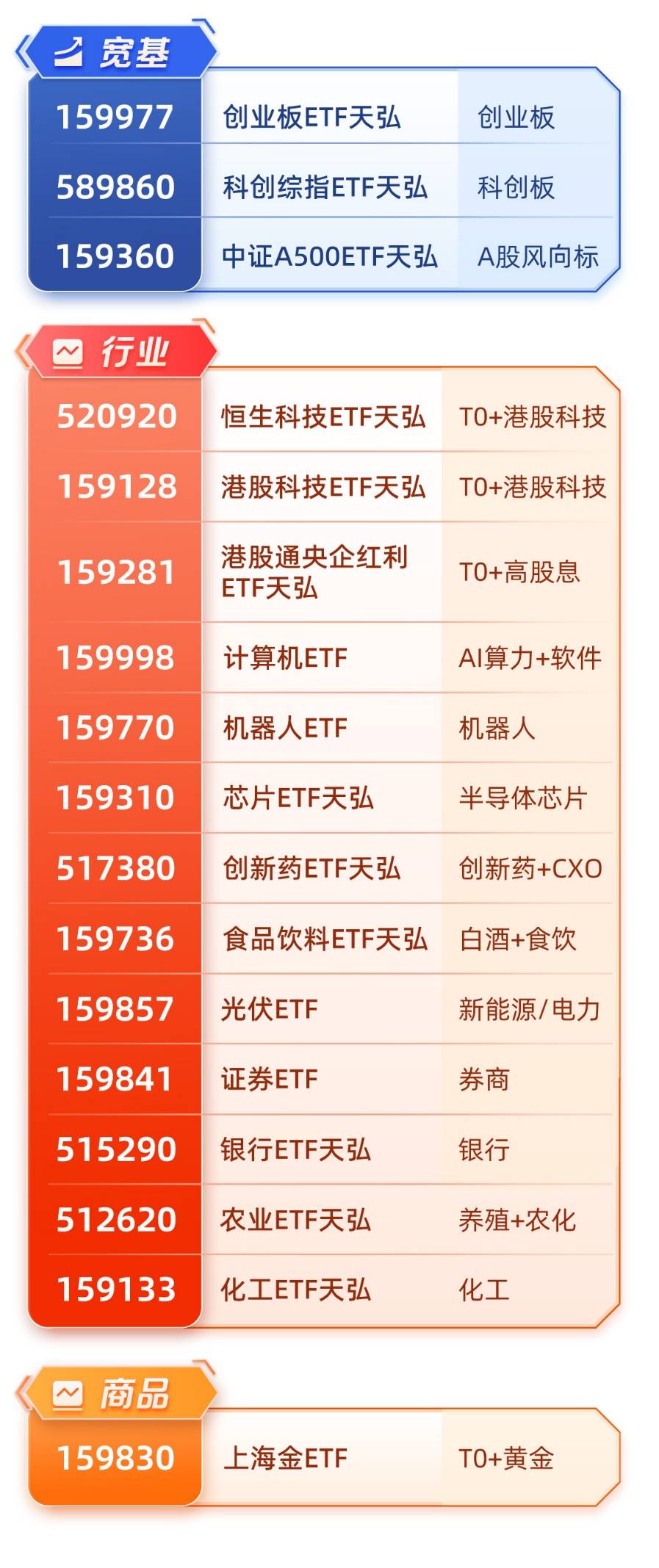
太空光伏落地预期升温!光伏ETF(159857)标的指数冲击五连阳,机构:反内卷带来行业拐点,光伏新技术引领突围
Sou Hu Cai Jing· 2026-01-09 03:35
Group 1 - The core viewpoint of the news highlights the significant growth and potential of the photovoltaic (PV) industry, particularly with the emergence of space-based solar power as a new frontier for development [2][3] - The photovoltaic ETF (159857) has shown a trading volume of 188 million yuan with a turnover rate of 8.29%, indicating strong market interest [1] - The underlying index, the CSI Photovoltaic Industry Index (931151), has experienced a five-day consecutive rise, reflecting positive market sentiment towards the sector [1] Group 2 - Major players in the photovoltaic industry, such as JinkoSolar and Trina Solar, are focusing on space solar power, with JinkoSolar's chairman stating that solar components in space can generate 7 to 10 times more energy than on Earth [2] - The potential of perovskite technology is being recognized, with companies like GCL-Poly and Lightyear Technology considering it as an ideal solution for space applications due to its lightweight and high conversion efficiency [3] - The domestic photovoltaic installation capacity from January to October reached 252.87 GW, a year-on-year increase of 39%, driven by policy incentives and a surge in installations [3]



光伏板块震荡拉升
Di Yi Cai Jing· 2026-01-08 11:52
Group 1 - Haiyou New Materials and Aotwei both saw stock increases of over 10% [1] - Junda Co. previously reached a daily limit increase, while Maiwei Co., Airo Energy, Trina Solar, and Jinko Solar all experienced stock rises exceeding 6% [1]



钙钛矿技术领涨太空光伏,商业航天引爆390亿美元新蓝海
Jin Rong Jie· 2026-01-08 08:19
Core Insights - Recent focus on space photovoltaics has significantly increased among listed companies in the photovoltaic sector, including Junda Co., JinkoSolar, and Trina Solar, with a particular emphasis on the application prospects of perovskite technology in space [1] - Junda Co. has shown active trading behavior, achieving two trading limits within three days, while other companies like Hanhua Steel and JinkoSolar have also experienced varying degrees of stock price increases [1] - According to Huajin Securities, the global in-orbit data center market is projected to reach $39.09 billion by 2035, indicating a strong demand for lightweight, high-efficiency energy solutions that align well with the advantages of space photovoltaics [1] - Dongwu Securities believes that the rapid development of commercial space and low-orbit satellites will enhance the performance of space photovoltaic energy supply [1] - Guohai Securities suggests that the acceleration of the commercialization process in the space industry will provide more momentum for development [1] Industry and Company Analysis Perovskite Batteries - Jinjing Technology focuses on glass manufacturing, positioned as an upstream TCO glass supplier with a transmittance rate of 94%, already applied in leading perovskite production lines, and possesses full-chain autonomous production capabilities [1] - Wanrun Co. specializes in the R&D and production of perovskite-related materials, positioned as an upstream supplier covering various material categories, with bulk sales to clients like GCL-Poly Energy in the first half of 2025 [2] - Jing Shan Light Machine is engaged in the R&D and manufacturing of photovoltaic equipment, positioned as a midstream RPD equipment supplier, with orders from GCL-Poly Energy and a coating equipment capacity of 15 GW [2] Commercial Space - Shunhao Co. is involved in new tobacco and eco-friendly packaging materials, positioned as a participant in the commercial space sector, having invested 110 million yuan in Orbit Chen Guang, holding a 19.3% stake, focusing on building space data centers [3] - Xice Testing provides environmental reliability testing services, positioned as a commercial space testing service provider, enhancing capabilities for thermal vacuum experiments and satellite payload testing [3] - Zhenlei Technology specializes in the R&D and manufacturing of electronic components for specialized fields, positioned as a supplier of commercial aerospace-grade devices, with products applied in satellite internet [3] Photovoltaics - Tongwei Co. covers silicon materials and battery cells in photovoltaic product R&D and production, positioned as a multi-segment supplier, having established an advanced battery laboratory for perovskite/silicon tandem battery R&D, achieving a conversion efficiency of 34.69% [4] - Longi Green Energy focuses on silicon wafers and modules, positioned as a manufacturer of photovoltaic products, participating in industry capacity integration discussions [4] - Sungrow Power Supply specializes in photovoltaic inverter R&D and manufacturing, positioned as an inverter supplier with capabilities for both string and centralized inverters [4] - Jingyuntong is involved in photovoltaic equipment and silicon wafer production, positioned as a supplier in these segments, with a focus on monocrystalline silicon wafer production and monocrystalline furnace equipment manufacturing [4]



光伏板块震荡拉升 海优新材、奥特维涨超10%
Mei Ri Jing Ji Xin Wen· 2026-01-08 05:34
(文章来源:每日经济新闻) 每经AI快讯,光伏板块震荡拉升,海优新材、奥特维涨超10%,钧达股份此前涨停,迈为股份、艾罗能 源、天合光能、晶科能源等涨超6%。 ...
全球能源竞争 太空光伏技术能飞多高?
Jing Ji Ri Bao· 2026-01-08 01:01
Core Viewpoint - The article discusses the emerging focus on space photovoltaic technology, highlighting its potential to meet the energy demands of future space exploration and artificial intelligence applications, as well as the strategic importance of this technology for energy security and technological advancement [2][4]. Group 1: Space Photovoltaic Technology Overview - Space photovoltaic refers to solar power systems installed on spacecraft or satellites, which can provide continuous energy supply by harnessing solar energy in space and transmitting it back to Earth [2]. - The technology has historical roots, with its first applications in aerospace due to high costs, and has evolved to become a critical component in modern space missions [2][3]. Group 2: Advantages of Space Photovoltaic - Space photovoltaic systems can generate energy without the limitations of weather and day-night cycles, offering a more efficient and stable power source compared to ground-based solar systems [3]. - The theoretical efficiency of space photovoltaic systems is significantly higher than that of terrestrial systems, making them essential for supporting deep space exploration and artificial intelligence computing needs [3]. Group 3: Challenges Facing Space Photovoltaic - The technology faces significant challenges, including the need for materials that can withstand extreme space conditions, high deployment and maintenance costs, and an immature supply chain for space-grade photovoltaic components [3][4]. - There is also a need for advancements in wireless energy transmission efficiency and precision for future energy transfer from space to Earth [3]. Group 4: Strategic Importance and Future Development - Space photovoltaic technology holds the potential to transform global energy supply structures and contribute to carbon neutrality goals, thereby enhancing national energy security [4]. - The development of this technology could drive innovations in various fields, including lightweight materials and robotics, creating a positive feedback loop that promotes industrial upgrades [4]. - Countries are increasingly recognizing the importance of space resource development, making early investments in space photovoltaic infrastructure crucial for future economic competition [4][5]. Group 5: Development Pathway - The commercialization of space photovoltaic technology is expected to be a gradual process, starting with energy supply for specific space facilities, progressing to support low Earth orbit satellite constellations, and eventually enabling large-scale energy transmission to Earth [5]. - For China, leveraging institutional advantages and fostering collaboration between public and private sectors in the photovoltaic and aerospace industries is essential for overcoming technical challenges and achieving breakthroughs [5].