
SZAP(000061)

Search documents
1月12日全国农产品批发市场猪肉平均价格为17.83元/公斤 比上周五下降0.8%
Mei Ri Jing Ji Xin Wen· 2026-01-12 06:30
Core Insights - The "Agricultural Products Wholesale Price 200 Index" decreased to 128.40, down by 0.31 points from the previous Friday [1] - The "Vegetable Basket" product wholesale price index fell to 130.93, down by 0.35 points from the previous Friday [1] Price Changes - Average wholesale price of pork is 17.83 yuan/kg, down by 0.8% from the previous Friday [1] - Average wholesale price of beef is 66.12 yuan/kg, up by 0.1% from the previous Friday [1] - Average wholesale price of lamb is 63.50 yuan/kg, up by 0.2% from the previous Friday [1] - Average wholesale price of eggs is 7.61 yuan/kg, up by 0.8% from the previous Friday [1] - Average wholesale price of broiler chicken is 17.67 yuan/kg, up by 0.4% from the previous Friday [1] Vegetable and Fruit Prices - Average price of 28 monitored vegetables is 5.51 yuan/kg, down by 0.4% from the previous Friday [1] - Average price of 6 monitored fruits is 7.80 yuan/kg, down by 0.9% from the previous Friday [1] Fish Prices - Average price of crucian carp is 19.12 yuan/kg, down by 0.1% from the previous Friday [1] - Average price of carp is 13.64 yuan/kg, down by 0.9% from the previous Friday [1] - Average price of white catfish is 10.51 yuan/kg, down by 1.0% from the previous Friday [1] - Average price of large hairtail is 39.78 yuan/kg, down by 2.7% from the previous Friday [1]

视频丨农产品踏上“碳足迹” 这个新标尺让柑橘“甜”上加“值”
Xin Lang Cai Jing· 2026-01-12 05:36
Core Viewpoint - The article highlights the emergence of "carbon footprint" as a new standard for green agricultural products, particularly in the context of citrus production in Pujin County, Sichuan, where multiple citrus products have received "carbon label" certification, leading to a price premium of 10% to 30% over similar products [1][2]. Group 1: Carbon Footprint and Certification - The carbon footprint of a Pujin citrus is calculated to be 0.2956 kg of CO2 equivalent, which is nearly half of that of ordinary citrus [2]. - Pujin County has established 103 "zero pesticide residue" bases, promoting ecological transformation across 450,000 acres of citrus orchards [8]. - The carbon label serves as a "green bond" that connects the entire supply chain, allowing for traceability of the carbon footprint and enhancing the visibility and quantification of "green" practices [10]. Group 2: Economic Impact and Production - The citrus industry in Pujin County has become a pillar of agriculture, with an expected total production of 1.1 million tons and a direct output value of 7.2 billion yuan, contributing to a total industry chain value of 10 billion yuan [2]. - The implementation of the "two replacements" project has significantly increased the area under citrus cultivation, projected to reach 450,000 acres by the 2025-2026 harvest season [2]. - The integration of carbon labels with green finance has incentivized local farmers, resulting in a shared green low-carbon benefit for 260,000 farmers in Pujin [12]. Group 3: Technological Innovations and Standards - Advanced sorting and packaging technologies have been adopted to ensure that citrus products meet international market standards, with a focus on reducing carbon emissions throughout the supply chain [10]. - The establishment of a national carbon footprint factor database for agricultural products aims to monitor greenhouse gas emissions from various agricultural activities, with plans to expand to 50 core products by 2027 [14]. - The shift towards low-carbon agricultural products is seen as beneficial for the overall green transition of the agricultural sector, emphasizing the importance of understanding carbon emissions [16].

光大期货:1月12日农产品日报
Xin Lang Cai Jing· 2026-01-12 01:34
热点栏目 自选股 数据中心 行情中心 资金流向 模拟交易 客户端 油脂油料:进口大豆拍卖重启 豆类偏弱对待 (侯雪玲,从业资格号:F3048706;交易咨询资格号:Z0013637) 本周国际油脂油料价格企稳,国内油脂油料价格重心上移。国内走势强于国际市场。 题材上,豆类市场等待1月供需报告指引。美国农业部1月供需报告13日凌晨一点发布,市场预计可能会 下调出口预估,因本市场年度截至1月1日大豆净销售同比减少29%。巴西大豆竞争增加,美豆出口窗口 或将于2月关闭。此外,市场预期美豆单产会调整,范围51.9-53.5蒲/英亩。最终,市场对美豆库存预估 差距非常大,范围2.45亿蒲-3.5亿蒲。此外,美豆季度库存报告也将发布。巴西大豆产量依然偏乐观, 机构陆续上调产量预估。马托格罗索开始收割,天气展望偏乐观,利于收割推进。巴西豆价格更有优 势,出口销售增加。国内油厂海外继续采购大豆,主要采购巴西豆和美豆。进口大豆拍卖重启,13日下 午举行,数量113.9万吨。在进口大豆补充下,国内一季度大豆供应有保证。下周豆类重心预计下移, 尤其是3月合约,震荡偏空思路。基差预计坚挺,月间反套思路。期权端,双卖期权离场。 油脂市 ...

我市14个农产品入选“国字号”名录
Xin Lang Cai Jing· 2026-01-12 00:26
其中,临漳韭菜、成安平菇、邱县鸡蛋、广平鸡蛋、马头大米等5个产品获评全国名特优新农产品;成 安县垚岸茄子、菌捷平菇、芳汀鸡蛋,大名县香全城小磨香油,涉县林溪—吉鲜鸡蛋,肥乡区社军苹 果、群利羊肚菌,武安市五泰红鸡蛋、佳美鲜鸡蛋等9个产品被认定为特质农品。 目前,我市有名特优新农产品21个,居全省第四,特质农品25个,并列全省第一,两项总数位列全省第 二。 转自:邯郸日报 本报讯 日前,农业农村部公布2025年第三批全国名特优新农产品及特质农品名录,我市共有14个农 产品入选。 (来源:邯郸日报) ...
我省新增53个全国名特优新农产品
Xin Lang Cai Jing· 2026-01-11 23:24
Core Viewpoint - The Ministry of Agriculture and Rural Affairs has announced the third batch of national special quality agricultural products for 2025, with 53 products from the province included in the list [1] Group 1: National Special Quality Agricultural Products - National special quality agricultural products are defined as those produced in specific regions, with significant regional characteristics, unique nutritional qualities, stable supply, and high public recognition [1] - The province has focused on leveraging local agricultural resources to promote distinctive green and high-quality agricultural products for inclusion in this national list [1] Group 2: Special Agricultural Products - The third batch of special agricultural products for 2025 includes four products from the province: Jian Green Peach, Green Tian Tongxin White Lotus, Mentou Village Koufu Dehua Pear, and Lanjia Datu Wine [1]
科技加持让致富果“甜”上加“值” “颜值关”叠加“低碳关”成为农产品过硬竞争力
Yang Shi Wang· 2026-01-11 06:32
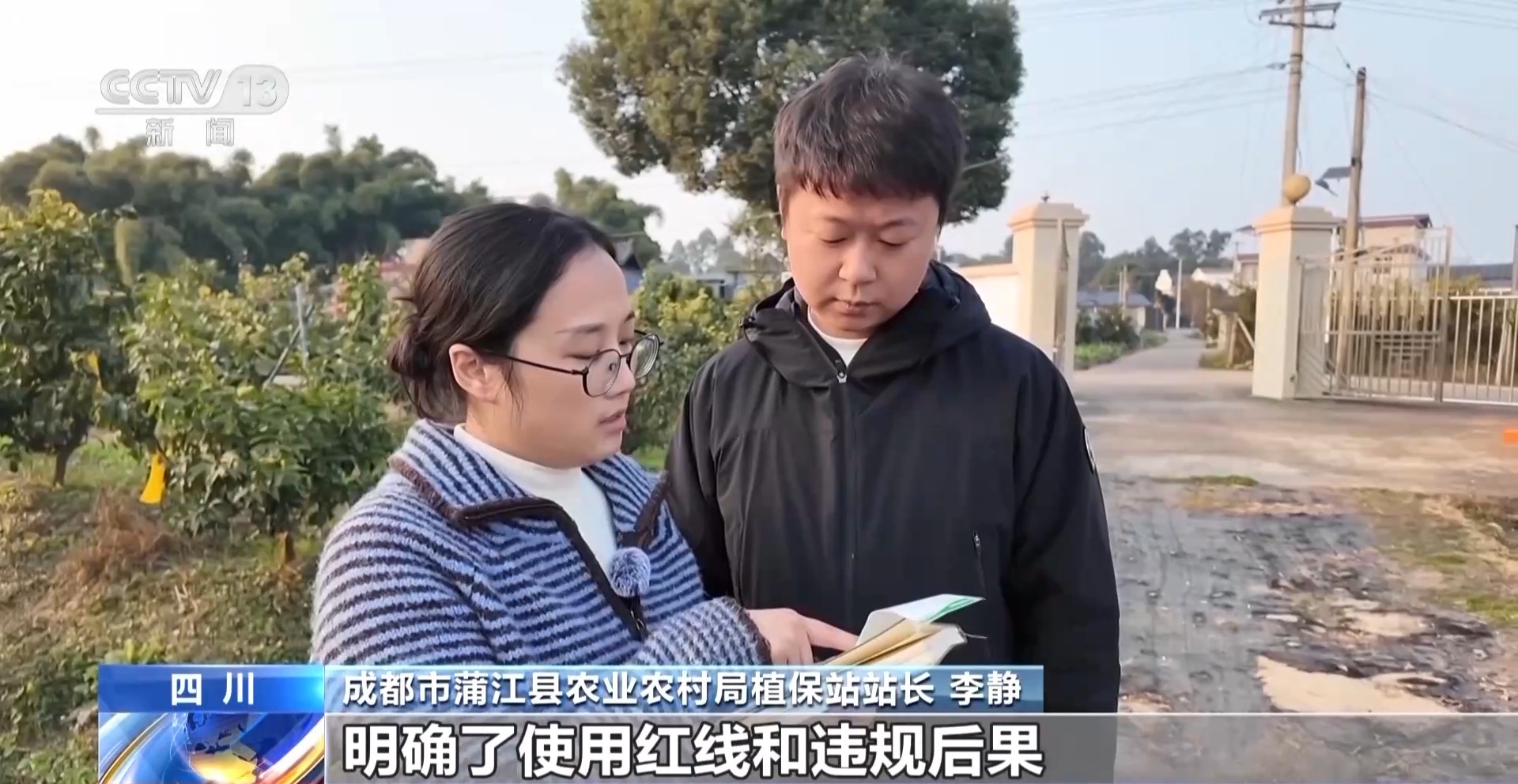
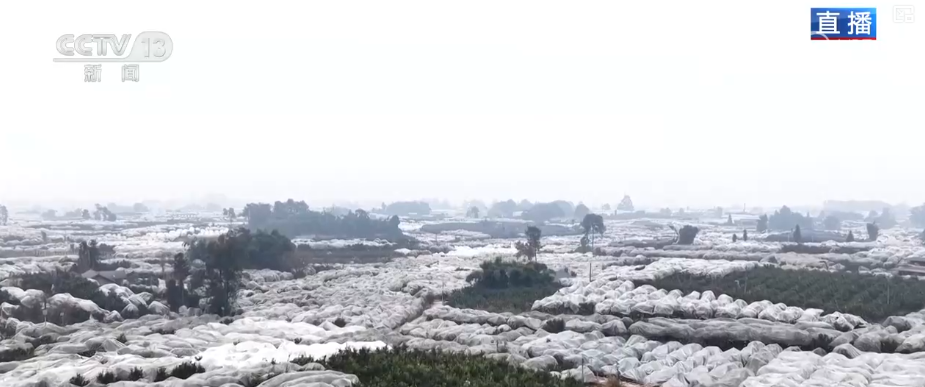
Core Viewpoint - The article highlights the emergence of "carbon footprint" as a new standard for green agricultural products, particularly in the citrus industry of Pujin County, Sichuan, where citrus products have received carbon label certification, leading to a price premium of 10% to 30% over similar products [1][11]. Group 1: Carbon Footprint and Certification - The carbon footprint of citrus products is calculated based on greenhouse gas emissions throughout their growth, processing, and transportation [1]. - Pujin County has initiated a "two replacements" project, replacing chemical fertilizers with organic fertilizers and traditional pesticides with green biological control methods [7][24]. - By the end of 2025, the organic fertilizer usage coverage is expected to reach 76.5%, and the green control coverage for major crops is projected to be 71% [9]. Group 2: Agricultural Practices and Innovations - The adoption of whole-plant covering with plastic film for citrus trees enhances fruit quality and protects against sudden temperature drops [6][19]. - The use of organic waste for soil improvement reduces chemical fertilizer usage and minimizes water pollution [15]. - Strict regulations are in place to limit the use of harmful pesticides and ensure traceability throughout the production process [17][20]. Group 3: Economic Impact and Market Opportunities - The citrus planting area in Pujin County is expected to reach 450,000 acres by the 2025-2026 harvest season, with an estimated production of 1.1 million tons and a direct output value exceeding 7.2 billion yuan [11]. - The carbon label has enabled Pujin citrus products to penetrate international markets, including Europe, Southeast Asia, and the United States [28]. - The annual output value of the citrus industry in Pujin County has surpassed 10 billion yuan, benefiting 260,000 local farmers [41]. Group 4: Future Developments and Database Initiatives - Scientists have developed a carbon footprint factor database for 27 types of agricultural products, which will expand to 50 core products by 2027 and cover all agricultural categories by 2035 [42][50]. - The database aims to monitor greenhouse gas emissions from various agricultural activities, including fertilizer and pesticide use, energy consumption during processing, and packaging emissions [44][48].
农产品踏上“碳足迹” 这个新标尺让柑橘“甜”上加“值”
Yang Shi Xin Wen· 2026-01-11 06:32
Core Viewpoint - The article highlights the emergence of "carbon footprint" as a new standard for green agricultural products, emphasizing its importance in the market and the competitive advantage it provides to products like citrus from Pujin County, Sichuan, which are now able to command prices 10% to 30% higher than similar products due to their carbon labeling [1][2]. Group 1: Carbon Footprint and Certification - The carbon footprint of Pujin citrus is calculated at 0.2956 kg of CO2 equivalent per fruit, which is nearly half of that of ordinary citrus, showcasing the environmental benefits of the carbon label [2][7]. - Pujin County has successfully obtained carbon label certification for its citrus products, allowing for a transition from quantity-based sales to quality-based branding, enhancing the marketability of these products [7][13]. Group 2: Agricultural Practices and Innovations - The county has implemented a "two replacements" project, leading to a citrus planting area of 450,000 mu (approximately 30,000 hectares) and an expected total output of 1.1 million tons with a direct output value of 7.2 billion yuan, contributing to a total industry chain value of 10 billion yuan [2][13]. - Strict regulations are in place regarding the use of fertilizers and pesticides, with a negative list prohibiting harmful substances and ensuring compliance through a certification system [3][5]. Group 3: Market Expansion and International Trade - The carbon label has become a universal code for agricultural products in international trade, enabling Pujin citrus varieties like the Iyo jelly orange and Yaba gan to enter markets in Europe, North America, and Southeast Asia [8][9]. - The packaging and storage processes for Pujin citrus have been upgraded to meet green and low-carbon standards, significantly reducing the carbon footprint during distribution [11][14]. Group 4: Future Developments in Carbon Footprint Measurement - China is developing the first carbon footprint factor benchmark database for agricultural products, which will include 50 core products by 2027 and aim for comprehensive coverage by 2035 [16][18]. - The database will facilitate precise measurement of greenhouse gas emissions from various agricultural practices, aiding in the transition to low-carbon agriculture [14][16].
“鲁字号”创新农产品亮相香港渔农美食嘉年华
Xin Lang Cai Jing· 2026-01-11 04:51
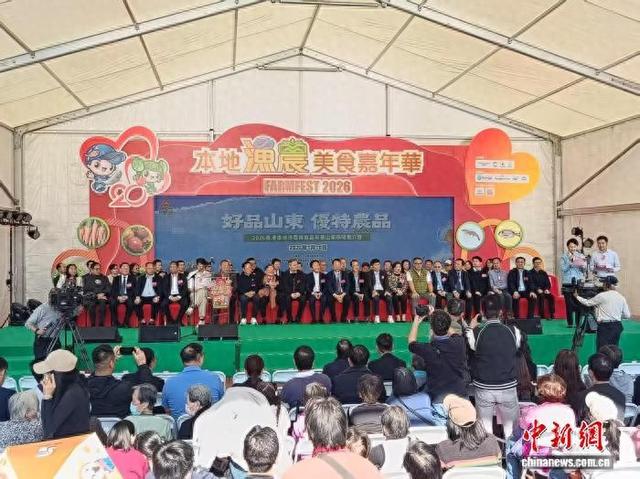
Core Viewpoint - The 2026 Hong Kong Local Fisheries and Agricultural Food Carnival Shandong Special Promotion event was held in Hong Kong, showcasing innovative agricultural products from Shandong, allowing Hong Kong citizens to experience the charm of Qilu culture [1][2]. Group 1: Event Overview - The event featured various "Lu" branded innovative agricultural products, including tea, beer, and fresh edible mushrooms, highlighting the agricultural offerings from Shandong [1][2]. - The promotion aims to serve as a "premium window" for showcasing Qilu culture and a "two-way bridge" for agricultural cooperation between Shandong and Hong Kong [2]. Group 2: Statements from Officials - Yang Wujie, Deputy Director of the Shandong Provincial Department of Agriculture and Rural Affairs, emphasized the long-standing agricultural cooperation between Shandong and Hong Kong, which supports Shandong's agricultural transformation and global outreach [2]. - Yu Pengchun, Vice Chairman of the Hong Kong General Chamber of Commerce, stated that Hong Kong will leverage its advantages to promote mutual benefits and expand the brand influence of "Good Products from Shandong" in international markets [2]. - Li Cunzhi, Deputy Director of the Hong Kong SAR Government's Agriculture, Fisheries and Conservation Department, expressed hope that the diverse products from "Good Products from Shandong" would quickly enter the Hong Kong market through this promotion [2]. Group 3: Product Offerings - Several Shandong enterprises presented innovative products during the promotion, including rare edible fungi and functional beverages, catering to the upgrading consumption needs in Hong Kong [2]. - The event was organized by the Shandong Provincial Department of Agriculture and Rural Affairs, in collaboration with various local companies and supported by the Hong Kong SAR Government [2].
“宁夏好物”亮相上海:特色农产品+非遗 点燃新春消费潮
Sou Hu Cai Jing· 2026-01-11 01:16
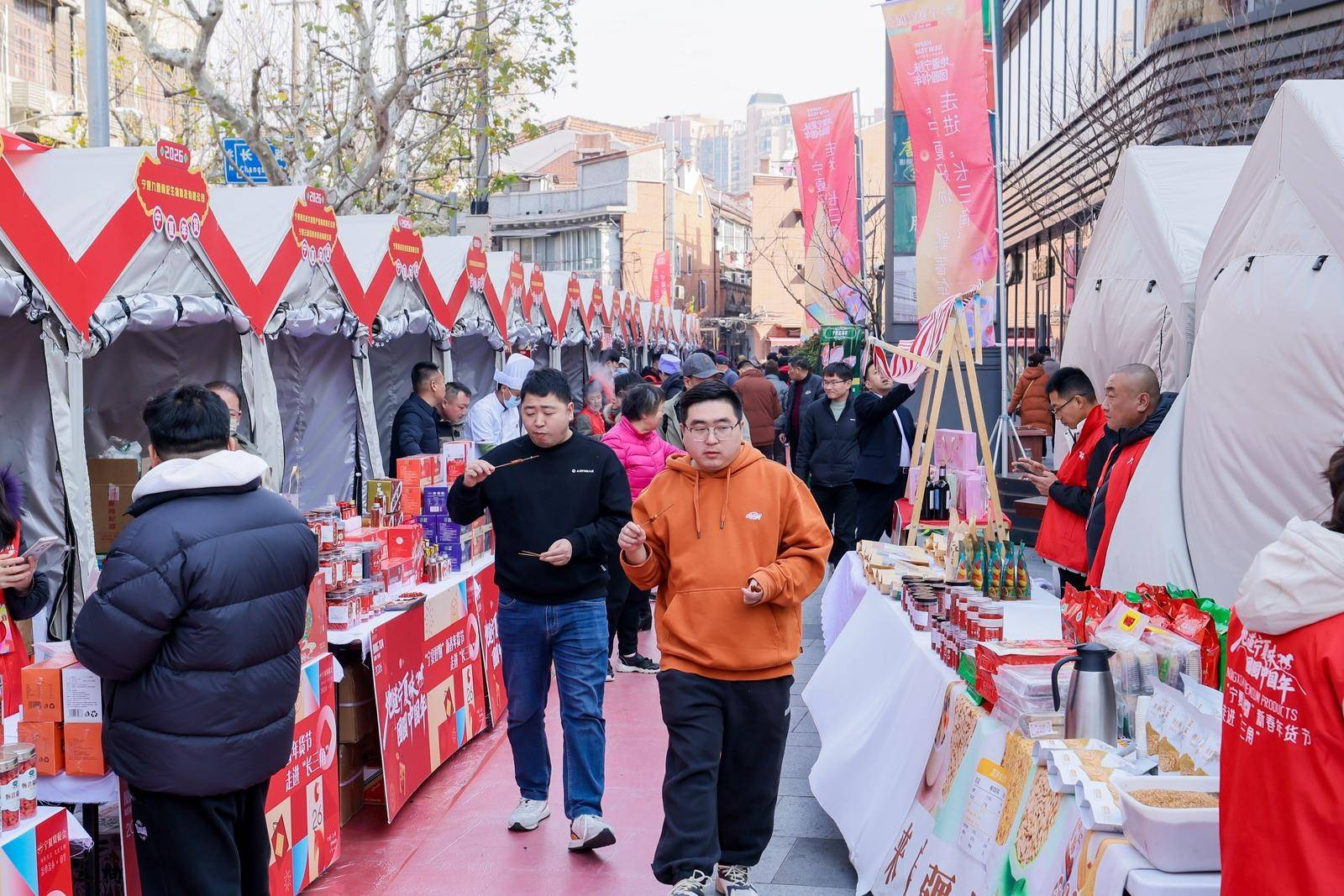
Core Viewpoint - The "Ningxia Good Products" New Year Goods Festival has successfully launched in Shanghai, showcasing local specialties and promoting cultural heritage through various engaging activities [1][3]. Group 1: Event Overview - The event is organized by the Ningxia Council for the Promotion of International Trade and features a combination of offline exhibitions and online live streaming [3]. - Over 300 "Ningxia-branded" products are displayed, including specialty agricultural products such as Salt Lake lamb, Liupan Mountain beef, Helan Mountain red wine, goji berry juice, and cool-season vegetables [3][5]. - The event includes live performances by national-level shadow puppetry and paper-cutting artists, enhancing the cultural experience for attendees [3]. Group 2: Participation and Engagement - The event attracted over 10,000 visitors on the first day, indicating strong public interest and engagement [4]. - More than 50 local enterprises from Ningxia participated, promoting their products through live demonstrations and seeking business opportunities [3][4]. - Direct interactions between Ningxia exhibitors and over 50 Shanghai business associations, supermarkets, community group buying, and e-commerce companies facilitated potential partnerships [4]. Group 3: Promotional Activities - To stimulate consumer interest, the event features promotional activities such as the distribution of consumption vouchers, prize draws, and group buying flash sales [4]. - Influencers and online personalities are conducting live streaming sessions to promote Ningxia products, generating significant online buzz and encouraging purchases [4]. Group 4: Future Plans - From January 10 to 25, Ningxia will organize exhibitions in Shanghai, Hangzhou, and Nanjing, with each city hosting a 700-square-meter themed exhibition area [4]. - The exhibitions aim to provide an immersive experience for consumers in the Yangtze River Delta, promoting the appeal of Ningxia's high-quality agricultural products [4].
【环球财经】芝加哥农产品期价9日涨跌不一
Xin Hua Cai Jing· 2026-01-10 02:55
Group 1 - The core viewpoint of the articles indicates mixed movements in the futures prices of corn, wheat, and soybeans on the Chicago Mercantile Exchange, with soybeans experiencing a slight increase due to rumors of Chinese purchases [1][2] - The most actively traded corn contract for March 2026 closed at $4.46 per bushel, down 0.25 cents or 0.06% from the previous trading day [1] - The March 2026 wheat contract settled at $5.17 per bushel, decreasing by 0.75 cents or 0.14% [1] - The March 2026 soybean contract rose to $10.63 per bushel, gaining 1.25 cents or 0.12% [1] Group 2 - The increase in soybean futures prices is supported by rumors that China will purchase 10-12 ships of U.S. soybeans in April-May [2] - Key factors influencing market sentiment include the projected corn yield for the U.S. in 2025 and whether the USDA will lower its corn yield forecast below 183 bushels per acre [2] - The ending stocks of corn for the 2025-2026 marketing year are expected to exceed 2 billion bushels, prompting market analysts to sell old corn and soybeans following the report release [2] - The U.S. Supreme Court has postponed its ruling on the tariffs under the International Emergency Economic Powers Act (IEEPA) until January 14, which may heighten tensions in the financial markets next week [2]