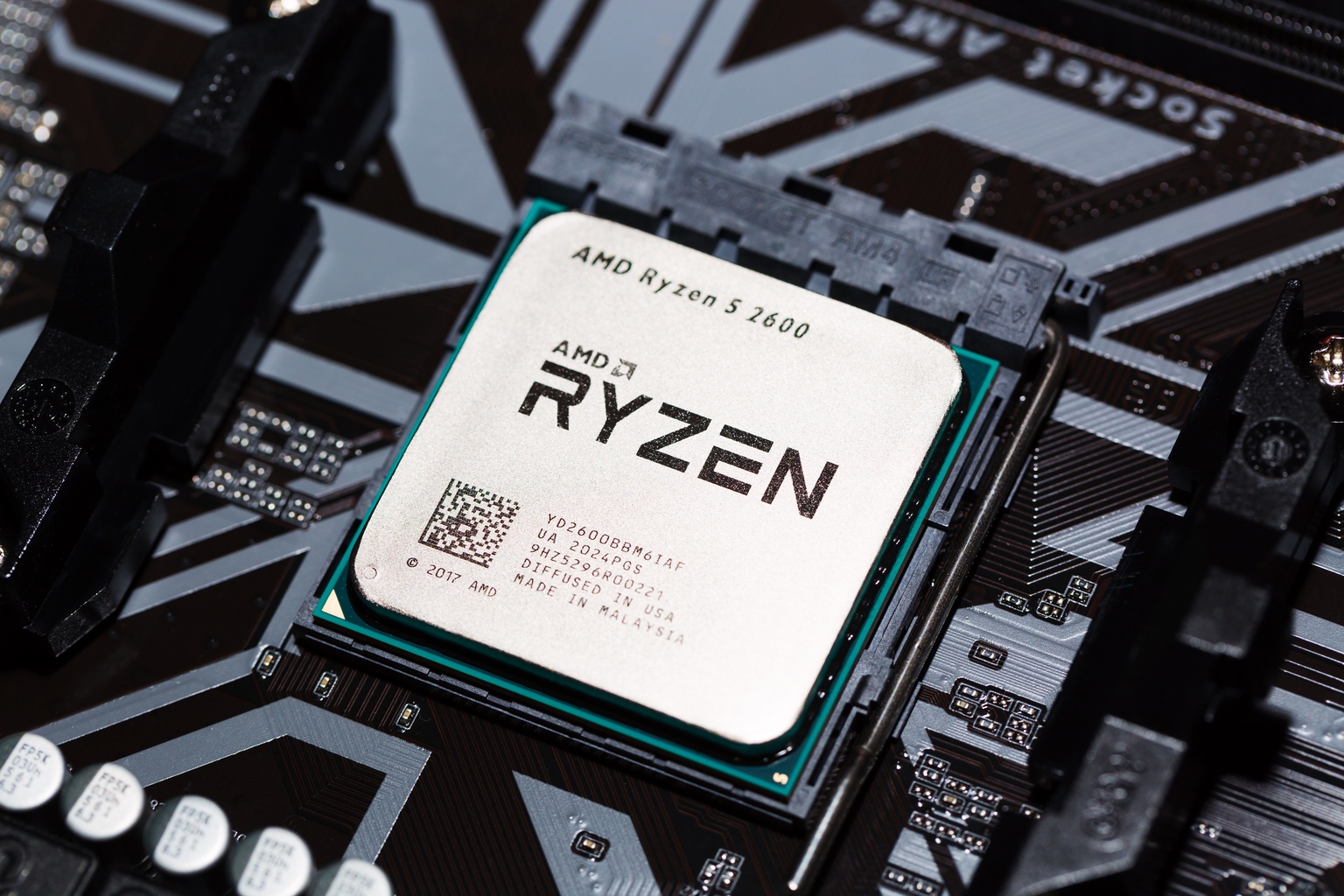
AMD(AMD)

Search documents
光、液冷、国内AIDC迎新变化
KAIYUAN SECURITIES· 2026-01-11 04:13
Investment Rating - The industry investment rating is "Positive" (maintained) [1] Core Insights - The report highlights significant advancements in AI infrastructure, particularly with the launch of NVIDIA's Vera Rubin and AMD's MI455X, which are expected to accelerate demand for liquid cooling, optical modules, and CPO [12][15] - The domestic AIDC sector is showing signs of recovery, which may indicate an uptick in the domestic AI industry's performance [19] - The report emphasizes the importance of three core tracks: AIDC, liquid cooling, and domestic computing power, suggesting a robust investment outlook for these areas [21][22] Summary by Sections Weekly Investment Insights - NVIDIA's launch of the Vera Rubin cabinet and AMD's MI455X cabinet, both utilizing liquid cooling technology, is expected to drive demand in related sectors [12][15] - xAI has completed a $20 billion E-round financing, indicating strong backing from major players like NVIDIA and Cisco, which will support the expansion of AI computing infrastructure [17] - The Ministry of Industry and Information Technology is promoting the integration of AI and manufacturing, which is likely to boost demand for AI computing power [18] Communication Data Tracking - As of November 2025, China has 4.83 million 5G base stations, with a net increase of 579,000 stations from the end of 2024 [32] - The number of 5G mobile phone users reached 1.193 billion, reflecting a year-on-year growth of 19.06% [32] - 5G mobile phone shipments totaled 27.614 million units, accounting for 91.6% of total shipments, with a slight year-on-year increase of 1.08% [32] Operator Performance - In the first half of 2025, China Mobile's cloud revenue reached 56.1 billion yuan, up 11.3% year-on-year, while China Telecom's cloud revenue was 57.3 billion yuan, up 3.8% [51] - The ARPU values for the three major operators remained relatively stable, with slight decreases noted for China Unicom [56][59][62] Investment Recommendations - Recommended stocks in the AIDC sector include companies like Dazhi Technology, Guanghuan New Network, and Aofei Data, while beneficiaries include Century Internet and WanGuo Data [21] - For liquid cooling and power supply, recommended stocks include Yingwei Ke and beneficiaries like Kehua Data and Highlan [21] - In the optical network segment, recommended stocks include Zhongji Xuchuang and New Yi Sheng, with beneficiaries such as Ruijie Networks and Huafeng Technology [21]


伊朗骚乱,“全国范围”断网,哈梅内伊喊话特朗普;内存涨价潮引爆市场,闪迪大涨37%;韩国回应“无人机入侵朝鲜领空”| 一周国际财经
Mei Ri Jing Ji Xin Wen· 2026-01-10 12:43
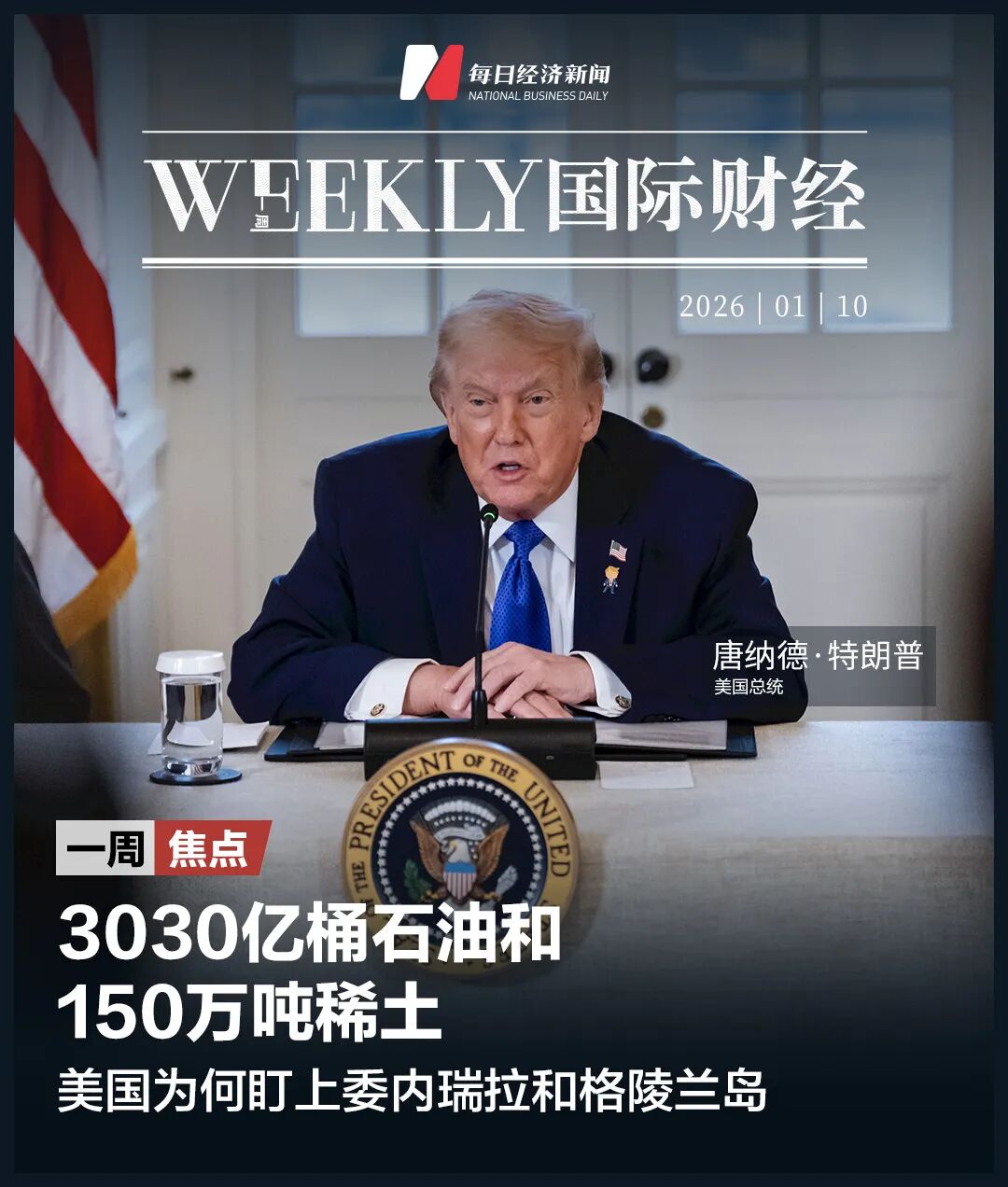
Group 1 - The Trump administration is aggressively targeting Venezuela and Greenland for their vast natural resources, with plans to invest $100 billion to control Venezuela's oil and to acquire Greenland for its rare earth minerals [4][5][10]. - Approximately 20% of global oil trade is now conducted without using the US dollar, and the dollar's share in global foreign exchange reserves has dropped to a record low of 56.92%, indicating a weakening of the dollar's dominance [5][21][24]. - Venezuela holds the world's largest proven oil reserves at 303 billion barrels, which is about 17% of the global total, and the US aims to control its oil sales and production [7][8][9]. Group 2 - Greenland is rich in strategic resources, including 1.5 million tons of rare earth elements, and is considered vital for US national security due to its location and resource wealth [11][12][17]. - The US Secretary of State has prioritized the competition for energy and resource dominance as a key diplomatic objective [6]. - The US government plans to control the sale of Venezuelan oil, with immediate plans to refine and sell up to 50 million barrels, with proceeds being personally overseen by Trump [8][9]. Group 3 - The US is facing a significant debt burden exceeding $38 trillion, which is driving the need to secure stable financing through resource control [25][31]. - The traditional "petrodollar" system, where oil sales are conducted in dollars, is under threat as more countries move towards non-dollar transactions, complicating the US's financial strategy [18][24]. - The US's efforts to regain control over oil and resources are seen as a way to restore confidence in US debt instruments and combat the trend of "de-dollarization" [24][31].


CES 2026观察:“物理AI时刻”要靠中国制造落地
Jing Ji Guan Cha Wang· 2026-01-10 11:01
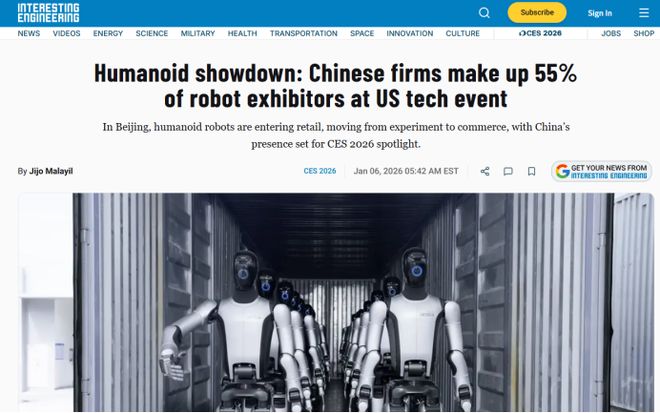
Group 1: Physical AI and Computing Power - The core theme of CES 2026 is the emergence of "Physical AI," where AI technology is transitioning from generating text or video to interacting with physical hardware [4][10] - AMD's chairwoman, Lisa Su, highlighted the increasing demand for computing power, predicting a 100-fold increase in global computing capacity over the next five years [3][4] - The presence of over 200 Chinese companies at CES indicates a strong support for the "Physical AI moment," showcasing various AI applications in physical products [4][23] Group 2: Robotics Innovations - The robotics sector at CES has shifted focus from mere physical movement to specific job functions and operational scenarios, with Chinese companies leading this evolution [5][9] - Companies like Pasoni and Fourier Intelligence showcased advanced robots capable of performing intricate tasks, such as ice cream making and automotive part sorting, demonstrating significant advancements in robotic dexterity [5][6] - The global sales of robots are projected to reach approximately $45 billion by 2026, with expectations to exceed $60 billion by 2030, driven by rising labor costs and efficiency in Chinese manufacturing [8][9] Group 3: Smart Glasses and AR Technology - Chinese companies are aggressively entering the AR/AI glasses market, aiming to redefine the concept of a "second screen" beyond smartphones [11][12] - Innovations include the launch of the world's first dual-lens AR glasses with eSIM functionality by Thunderbird Innovation, allowing users to make calls and connect to the internet without a smartphone [12][13] - The global market for smart glasses is expected to see significant growth, with sales projected to reach around $10.7 billion by 2026, reflecting an over 80% year-on-year increase [18][23] Group 4: Display and Chip Technology - Companies like Tianma Microelectronics and TCL Huaxing are pushing the boundaries of display technology, with innovations such as large-scale OLED screens and advanced automotive displays [19][20] - Lenovo and NVIDIA announced a partnership to enhance AI infrastructure, aiming to quadruple their business collaboration over the next few years [22] - The trend in AI chip development is moving towards high computing power, low energy consumption, and integration, with significant growth expected in AI terminal sales by 2028 [22][23]





半导体_数字芯片前瞻_AI 支出环境仍稳健,传统市场承压_ Semiconductors_ Digital Preview_ AI spending environment remains solid, traditional markets under pressure
2026-01-10 06:38
Summary of Key Points from Conference Call Records Industry Overview - **Semiconductor Industry**: The AI spending environment remains solid, while traditional markets such as PCs and smartphones are under pressure due to increased input costs. Companies with strong exposure to sustainable spenders like Nvidia (NVDA) and Broadcom (AVGO) are expected to perform better than others in the digital semiconductor landscape [1][1]. Company-Specific Insights Cadence Design Systems (CDNS) - **Rating**: Buy - **Growth Potential**: Cadence is expected to grow through various vectors in the semiconductor industry, driven by the diffusion of custom chip design among a broader customer base. Key focus areas for investors include: 1. End market momentum in Core EDA, IP, and System Design & Analysis 2. Customer adoption rates of AI offerings 3. Current pace of ASIC design starts across the industry [2][8][11]. - **Financial Estimates**: Expected to deliver approximately 1% revenue upside in the quarter, with guidance for 11%-13% YoY revenue growth for 2026. Anticipated operating margin expansion of about 150 basis points and 15% EPS growth [10][10]. - **Valuation Concerns**: Positioning is somewhat negative due to a significant valuation premium compared to peers like Synopsys (SNPS) [2][8]. Advanced Micro Devices (AMD) - **Rating**: Neutral - **Market Sentiment**: The bar for stock price outperformance is considered high, with expectations lowered since November. The stock is priced for OpenAI deployments to begin late in 2026, creating a challenging tactical setup due to low visibility on deployment timing and gross margin trajectory [4][16]. - **Financial Guidance**: Consensus expectations for 1Q guidance are elevated, and a potential miss, particularly in Datacenter revenue, could pressure the stock. EPS estimates for 4Q and 1Q are $1.30 and $1.16, respectively, which are below consensus [17][18]. - **Key Focus Areas**: Investors will be looking for guidance on Datacenter GPU revenue, updates on OpenAI deployment timelines, and margin expectations [18][19]. ARM Holdings (ARM) - **Rating**: Sell - **Investor Focus**: Investors are expected to concentrate on FY4Q royalty revenue guidance and details regarding ARM's chip manufacturing strategy. There is a balanced positioning among investors at current levels [3][23]. - **Financial Estimates**: Expected to have an in-line quarter with modestly above estimates on Licensing but below on Royalty revenue for FY3Q and FY4Q [24][25]. - **Key Metrics**: The company is anticipated to provide insights into the sustainability of AI spending and its growing presence in the datacenter market [26][26]. Additional Insights - **Market Dynamics**: The semiconductor industry is experiencing a divergence in performance based on exposure to AI spending versus traditional markets. Companies with strong AI offerings are likely to outperform those reliant on traditional markets [1][1]. - **Investor Sentiment**: There is a cautious sentiment among investors regarding the timing and impact of AI deployments, particularly for AMD, which could affect stock performance in the near term [4][16]. Conclusion The semiconductor industry is navigating a complex landscape with solid AI spending but pressures in traditional markets. Companies like Cadence are positioned for growth, while AMD and ARM face challenges that could impact their stock performance. Investors are advised to monitor key metrics and guidance closely as they assess potential investment opportunities.


环球直击美国CES展:更少和更强大的中国企业正在重新定义AI竞争的规则
Huan Qiu Wang Zi Xun· 2026-01-10 05:33
Core Insights - The CES 2026 showcased AI as the central theme, emphasizing human-centric applications and the integration of AI into various sectors [1][3][6] - The competition in the chip industry was highlighted, with major players like NVIDIA, AMD, Intel, and Qualcomm presenting their advancements in AI infrastructure [3][9] - The exhibition marked a shift from hardware-centric displays to a focus on ecosystem definition and strategic collaboration among companies [4][16] AI and Robotics - CES 2026 introduced a dedicated area for AI and quantum innovation, showcasing practical applications of embodied intelligence and advancements in autonomous driving [3][4] - The event demonstrated a transition from conceptual robot designs to practical solutions addressing real-world challenges in home services and industrial logistics [3][11] - Chinese companies showcased significant advancements in robotics, with a focus on self-developed core components and solutions for logistics and manufacturing [11][13] Chinese Companies' Participation - The number of Chinese exhibitors in the core professional pavilion decreased to 207 from 1,475 in 2025, indicating a structural adjustment in participation [4][5] - The remaining Chinese companies at CES were required to demonstrate AI-related functionalities, reflecting a shift towards more innovative and integrated product offerings [5][6] - Major Chinese firms like Lenovo showcased their global influence by hosting large-scale events, indicating a strategic focus on ecosystem development [6][16] Competitive Landscape - The competition is evolving from hardware specifications to a comprehensive narrative that includes both foundational technology and application capabilities [7][16] - The contrasting approaches of Chinese and American tech companies in building AI ecosystems highlight differences in strategic thinking and resource allocation [8][15] - Chinese automotive companies emphasize full-stack self-research and vertical integration, while Western firms focus on open software ecosystems and long-term evolution [15][16] Future Implications - The CES 2026 signals a shift in global tech competition towards defining future technology ecosystems and industry standards [16][17] - Companies that can navigate the complexities of AI and contribute to ecosystem building are likely to remain at the forefront of technological advancement [17]

【环球财经】美消费电子展上演讲嘉宾如何谈AI
Xin Hua She· 2026-01-10 05:13
Core Insights - The 2026 CES highlighted the next phase of AI development, focusing on breakthroughs in computing power, the transition from "cloud virtual" to "physical AI," and personalized services driven by intelligent agents [1] Group 1: Computing Power Breakthroughs - The CEO of AMD, Lisa Su, stated that the number of active global AI users has surpassed 1 billion and is expected to exceed 5 billion in the future. Current computing power is insufficient to support the vision of ubiquitous AI, necessitating a 100-fold increase in global computing power over the next few years [2] - The industry is evolving from traditional methods of enhancing chip performance to a full-stack collaborative design approach, integrating chips, networks, and storage into a unified AI computing platform [2] - NVIDIA's CEO, Jensen Huang, introduced the "Vera Rubin" platform, a system-level computing platform comprising six chips, designed to significantly reduce model training time and inference costs [2] Group 2: Physical AI Implementation - Huang emphasized the evolution of AI towards "physical AI," which will understand the physical world, marking a pivotal moment for AI akin to the "ChatGPT moment" [3] - The transition from passive systems to interactive systems capable of understanding and assisting human interaction with the world is underway, with applications in autonomous driving, robotics, and industrial automation [3] - Siemens' chairman highlighted the shift towards AI-driven products and industries, indicating that industrial AI is becoming a transformative force rather than just a functional tool [3] Group 3: Development of Intelligent Agents - The co-founder of Liquid AI, Ramin Hasani, predicted that this year will be the year of "proactive intelligent agents," moving beyond reactive assistants to systems that can understand complex goals and autonomously take action [4] - Lenovo introduced its first personal super intelligent agent, Lenovo Qira, which operates across platforms and devices, enhancing user experience through context awareness and preference prediction [4] Group 4: Hybrid AI and Human-Centric Development - Lenovo's CEO, Yang Yuanqing, emphasized that hybrid AI, integrating personal, enterprise, and public intelligence, is crucial for personalized and diverse AI development [5] - The CEO of Havas Group stressed that AI should serve as a collaborative partner in human creativity rather than a replacement, reinforcing the importance of keeping humans at the center of technological advancements [5]
PC市场,迎来最艰难一年?
虎嗅APP· 2026-01-10 03:35
Core Viewpoint - The semiconductor industry is facing unprecedented price increases across all hardware components, driven primarily by the surge in AI demand, leading to a supply chain crisis that affects consumer electronics significantly [4][10][12]. Price Increases and Market Dynamics - The average price of PCs is expected to rise by 4% to 8%, with major manufacturers warning of potential price hikes between 15% and 20% due to ongoing memory shortages expected to last until 2027 [4][10]. - The price of storage chips, particularly DRAM and NAND Flash, has skyrocketed, with contract prices increasing by 80% to 100% by December 2025, largely due to AI data centers' demand for high-bandwidth memory (HBM) [6][12]. - Graphics cards are also seeing price increases, with AMD and NVIDIA planning to raise prices starting in January and February 2026, respectively, due to rising costs of GDDR memory [7][12]. Impact on Hardware Components - The motherboard market is experiencing a significant decline in sales, with offline channel sales dropping over 50% due to high installation costs, leading to a "one-time price increase" strategy for new laptops [8][12]. - The overall PC market is at a crossroads, with a mix of urgent upgrade needs due to the end of Windows 10 support and rising semiconductor costs creating a "perfect storm" for the industry [10][11]. AI's Influence on Semiconductor Allocation - AI's unprecedented demand is reshaping the semiconductor industry's resource allocation, with a shift from consumer electronics to high-value AI chips, resulting in reduced supply for standard consumer-grade components [12][13]. - The global HBM market is projected to grow by 300% by 2025, as major manufacturers redirect DRAM capacity to meet the needs of AI chip producers like NVIDIA and Google [13][14]. Industry Responses and Strategies - Companies like Lenovo are increasing memory inventory to navigate shortages, while larger PC brands leverage their supply chain power to mitigate impacts [18]. - Upstream storage giants are adopting varied strategies, with Samsung shifting some HBM capacity to general DRAM production, while Micron focuses on the data center market [18][19]. - Some manufacturers are implementing flexible product strategies, such as offering "quasi-systems" without memory modules to transfer cost risks to consumers [20]. Future Outlook - The PC industry is entering a prolonged adjustment period, with 2026 expected to be particularly challenging as the market adapts to high costs and low growth [20]. - The current trend of "reduced volume, increased prices" is likely to persist until the AI demand's impact on advanced capacity diminishes, making it a new normal for the industry [20].

AMD's CES AI Push Shows How It Plans to Compete at Scale. Here's Why It Matters.
Yahoo Finance· 2026-01-09 21:59
Core Insights - Advanced Micro Devices (AMD) is making a significant push into the artificial intelligence (AI) data center market, as highlighted during CEO Lisa Su's keynote at CES 2026 [1][2] - AMD's new Ryzen AI Halo processor aims to empower local devices with AI capabilities, reducing reliance on cloud platforms [2] - The introduction of the "Helios" rack-scale platform, capable of delivering up to 3 AI exaflops of performance, positions AMD as a serious competitor to Nvidia in the AI computing space [4] Company Strategy - AMD has committed to a long-term growth strategy targeting the $1 trillion AI industry, with a goal of achieving 80% annualized growth in its AI data center hardware business [5] - The company aims for an overall annualized growth rate of 35%, indicating a strong focus on expanding its presence in the AI sector [5] - AMD is already making progress in the AI hardware market, even without its most advanced computing platforms [6]
Chip Stocks Rise in Afternoon Trading
Barrons· 2026-01-09 19:54
Group 1 - The Nasdaq Composite index showed positive movement, particularly driven by gains in chip maker stocks [1] - ASML Holding's U.S.-listed shares increased by 7%, while Broadcom, Taiwan Semiconductor, and Texas Instruments saw gains of 4%, 1.4%, and 1% respectively [1] - Year-to-date performance for these companies has been positive, indicating a strong market position [1] Group 2 - Nvidia and Advanced Micro Devices experienced minor gains of 0.5% and less than 0.1% respectively on Friday [2] - Despite the recent gains, both Nvidia and AMD stocks are down in 2026, highlighting challenges in stock price appreciation for larger companies [2] - The stock price of Nvidia requires a significant amount of cash to increase, reflecting its heavyweight status in the market [2]


AMD: Golden Buying Opportunity After Sentiment-Driven Selloff (NASDAQ:AMD)
Seeking Alpha· 2026-01-09 16:32
Advanced Micro Devices, Inc.'s ( AMD ) share price has retreated notably since my Strong Buy rating reiteration as of late October . The stock is down by almost 20% since then, which is not something thatWith a decade at a Big 4 audit firm specializing in the banking, mining, and energy sectors, I bring a strong foundation in finance and strategy. Currently, I serve as the Head of Finance for a leading owner and operator of retail real estate, where I oversee complex financial operations and strategy. I’ve ...