BHP(BHP)

Search documents
澳矿商接受人民币结算!必和必拓10月关键行动与中国市场多元化探索
Sou Hu Cai Jing· 2025-10-12 23:42
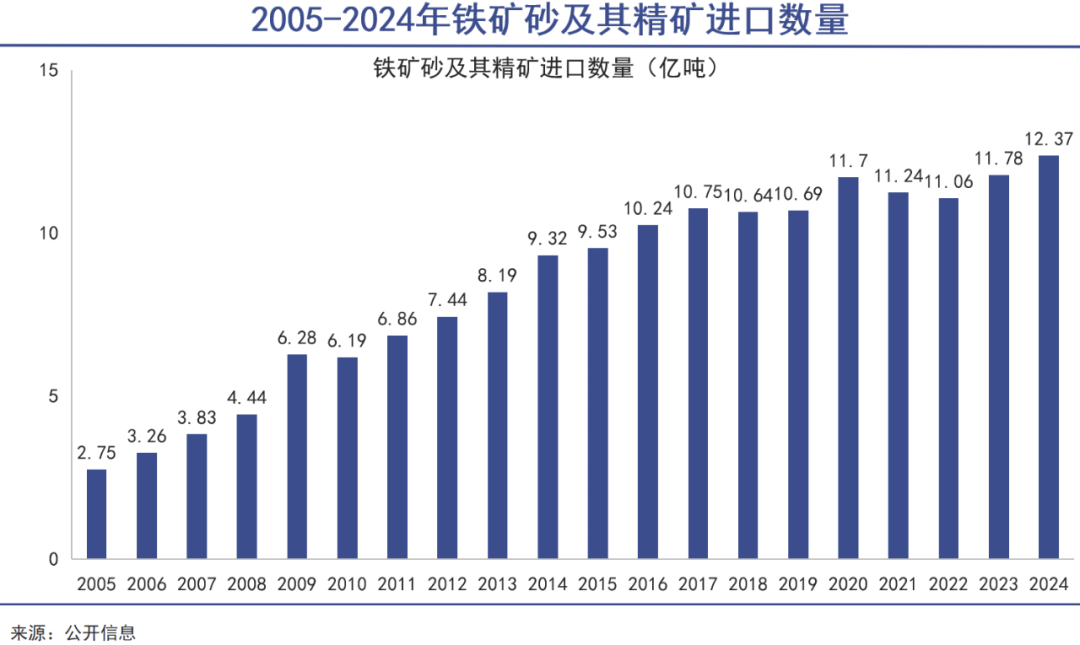
Core Viewpoint - The news highlights that BHP, an Australian mining company, has begun accepting partial iron ore payments in RMB from Chinese customers, indicating a shift in the settlement currency and negotiation dynamics between buyers and sellers [1][3]. Group 1: Market Dynamics - China has been the world's largest iron ore buyer for over a decade, importing more than 1 billion tons annually, primarily using USD for transactions, which has limited its negotiating power [3][5]. - The Australian Bureau of Statistics reported that iron ore exports to China exceeded 100 billion AUD in 2023, indicating the significant financial stakes for Australian miners like BHP and Rio Tinto [3][5]. - The recent rumors of China pausing Australian ore purchases lack official confirmation, and fluctuations in spot prices and freight rates are common in the market [5][9]. Group 2: Currency Settlement Changes - The shift to RMB settlement is seen as a strategic move to reduce currency exchange risks and enhance negotiation leverage for Chinese buyers [3][11]. - Brazilian mining company Vale has also attempted RMB transactions, and projects in Guinea are underway to diversify supply sources, potentially reducing reliance on Australian iron ore [7][9]. - The flexibility in pricing, including dual-currency quotes from Russian exporters, reflects a broader trend towards diversifying payment methods in the commodities market [9][13]. Group 3: Future Implications - The transition to partial RMB settlements is expected to be gradual, with USD remaining a significant currency in the market for the foreseeable future [11][15]. - For Australian miners, while immediate impacts may not be severe, profit margins could be pressured, leading to softer negotiations [11][13]. - The broader energy sector is also exploring increased RMB settlements, indicating a potential shift in global trade dynamics [13][15].



中国果断停购澳矿,终结20年定价权之困,美元霸权再受冲击
Sou Hu Cai Jing· 2025-10-12 22:49
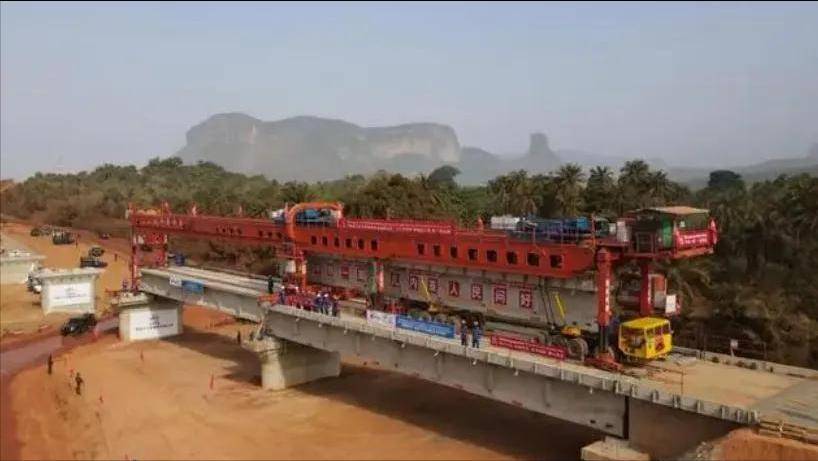
Core Viewpoint - China has suspended imports of iron ore from BHP, a major Australian mining company, priced in US dollars, signaling a significant shift in the global iron ore market dynamics [1][2]. Group 1: Background and Context - For the past two decades, China has faced challenges in the global iron ore market, often feeling exploited despite being the largest buyer, accounting for 70% of global iron ore imports [6][12]. - The pricing mechanism, dominated by the Platts index, has led to inflated prices that do not reflect actual market conditions, resulting in significant profits for mining companies at the expense of Chinese steel manufacturers [10][12][13]. - In 2022, Australian iron ore exports to China amounted to nearly 1 billion tons, generating approximately $20 billion in profits for Australia, while Chinese steel producers struggled with an average profit margin of only 0.71% [13][14]. Group 2: Negotiation Dynamics - In August 2023, China initiated negotiations for long-term pricing contracts with BHP, proposing a price reduction to $80 per ton, reflecting a decline in global market prices [17][18]. - BHP countered with a price increase of 15%, citing future demand due to post-conflict reconstruction needs, which led to a stalemate in negotiations [20][21]. Group 3: Strategic Moves - China has strategically positioned itself by diversifying its sources of iron ore, including investments in other mining companies and securing contracts that allow for pricing in RMB rather than USD [28][29]. - The development of the Simandou iron ore project in Guinea, which is largely controlled by Chinese interests, is expected to produce significant quantities of high-grade iron ore, potentially replacing Australian imports [28][29]. - China's "Cornerstone Plan" aims to increase domestic iron ore production and enhance scrap steel recycling, leveraging cheap renewable energy to support electric arc furnaces [31]. Group 4: Market Implications - The shift in demand dynamics, with a decrease in Chinese demand for iron ore due to changes in the real estate sector, is expected to pressure Australian mining companies, which may lead to a reevaluation of pricing strategies [32][34]. - The broader implications of this shift extend beyond iron ore, as China seeks to redefine its position in global trade and establish a new order in international commodity pricing [34][35].
中国拿到铁矿石定价权!中方“卡脖子”一周后,澳同意人民币结算
Sou Hu Cai Jing· 2025-10-12 04:13
Core Insights - BHP and China Mineral Resources Group have reached an agreement to settle iron ore transactions in RMB starting Q4 2025, marking a significant shift in pricing power in the global iron ore market [1][4] - This agreement is a crucial step towards the internationalization of the RMB, particularly in commodity trading [1][6] Group 1: Market Dynamics - China accounts for approximately 75% of global iron ore demand, while 82% of Australia's iron ore exports are directed to China, which constitutes about 5% of Australia's GDP [3] - Historically, iron ore pricing has been dominated by sellers, with transactions conducted in USD, leading to higher costs for Chinese buyers [3][6] - BHP's production cost for iron ore is reported at $19 per ton, yet long-term contract prices were set at $109.5 per ton, highlighting the disparity in pricing [3] Group 2: Strategic Changes - The establishment of China Mineral Resources Group has consolidated major domestic steel and mineral companies, enhancing China's bargaining power in negotiations with global miners [3][4] - The Chinese government has implemented a ban on purchasing BHP iron ore priced in USD, marking a significant policy shift [4][6] Group 3: Implications for Future Transactions - The acceptance of RMB for iron ore transactions eliminates the need for currency conversion, reducing exchange rate risks and simplifying the transaction process [6][7] - This move not only lowers costs for Chinese steel companies but also signals a shift in China's role from a passive buyer to an active player in global pricing [6][7] - The decision is expected to enhance the RMB's status in the global financial system and reduce reliance on the USD [7]
时间仅仅过去7天,中澳结算风波大结局,澳铁矿巨头同意用人民币
Sou Hu Cai Jing· 2025-10-12 03:50
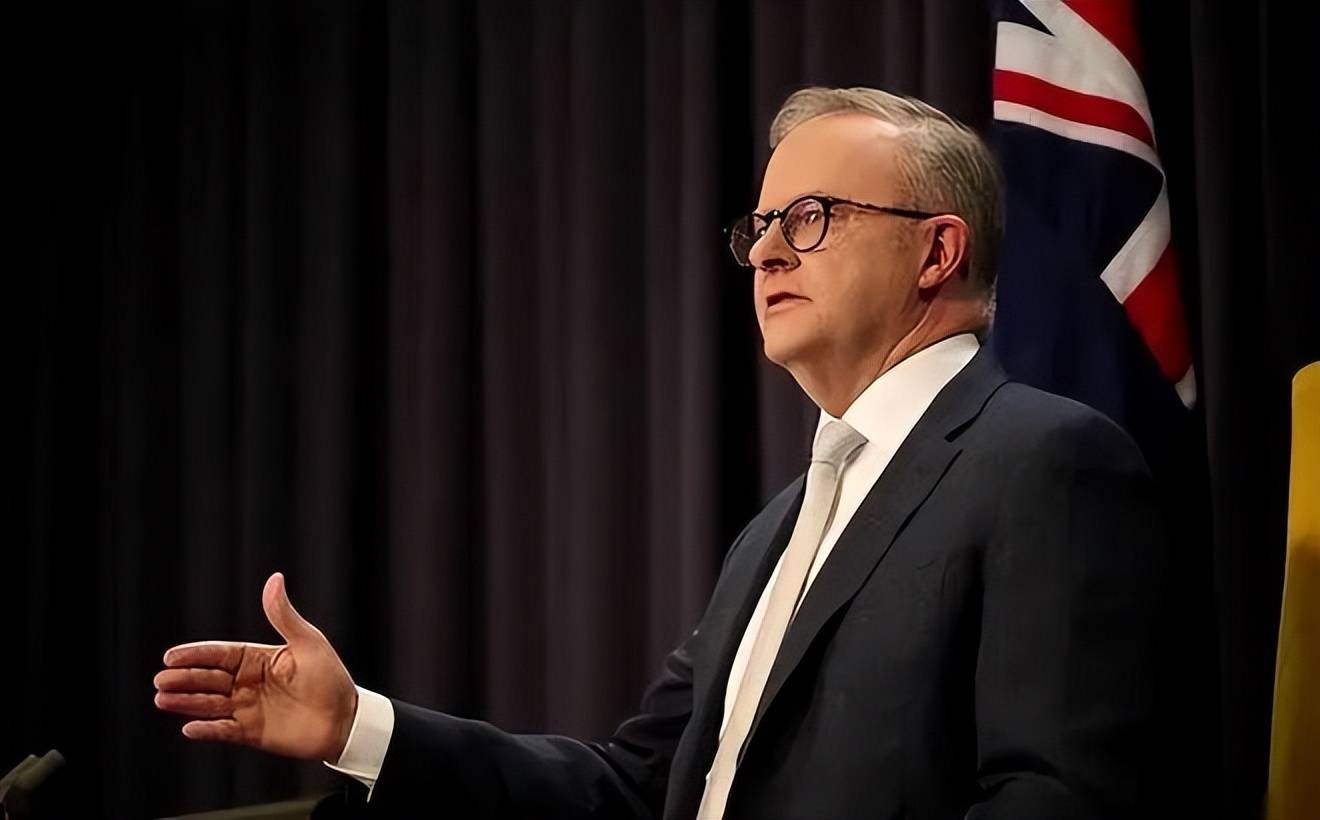
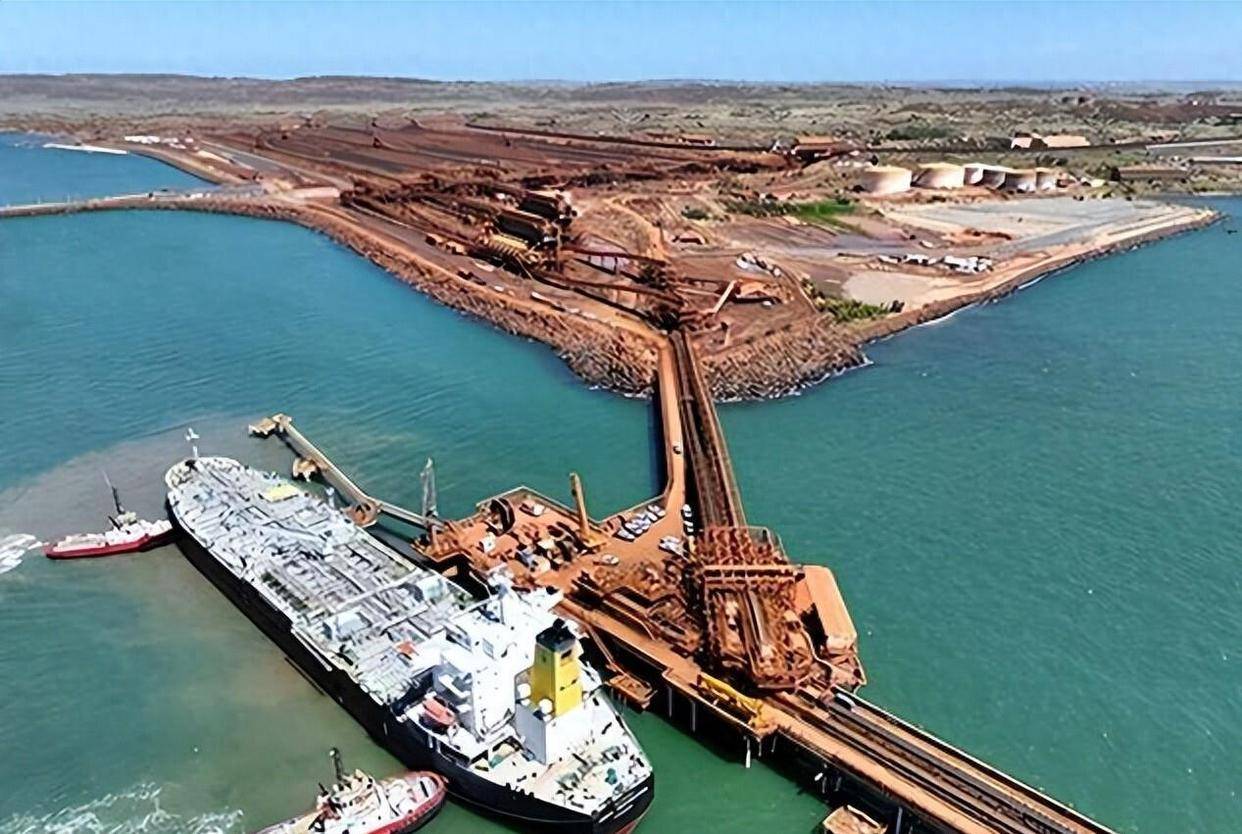
7天前,澳大利亚还摆出了一副"你爱买不买"的强硬姿态,结果却在短短几天内突然转变,开始接受用人民币结算铁矿石交易,这一举动让全球都感到震 惊。那么,这究竟是澳大利亚妥协得太快,还是中国的反击力度太大?必和必拓(BHP)的"点头同意"不仅仅是一种贸易上的让步,更像是对中国经济战略 的间接认可。 这场铁矿石结算方式的争议背后,其实有很多深层次的因素值得我们关注。它不仅仅是一次贸易纠纷,更涉及了贸易战术、金融博弈和话语权的争夺。短短 七天的变化,其实是中澳之间长期博弈的集中爆发。 首先,澳大利亚实在离不开中国市场,这绝不是一句空话。铁矿石是澳大利亚出口的支柱产业,而中国恰恰是全球最大的铁矿石买家,占据了澳大利亚铁矿 石出口的六成以上。假如中国暂停采购,像必和必拓这样的大型矿业公司库存将迅速增加,现金流也会迅速吃紧。企业不仅无法获得利润,甚至可能面临裁 员的风险。在这种情况下,澳大利亚总理阿尔巴尼斯在记者会上表达了复杂的心情,表示希望尽快解决争端,恢复互信。他的表态一方面是在安抚国内的企 业,另一方面也像是向中国递出了橄榄枝。 更让澳方头疼的是,中国近年来在铁矿石进口上已经不再依赖澳大利亚,进口渠道变得更加多元。除了 ...
80亿美元市值蒸发!中国停购澳矿十天,人民币结算撬动全球百年贸易格局
Sou Hu Cai Jing· 2025-10-11 20:05
Core Viewpoint - The article discusses China's strategic shift in iron ore procurement, leading to BHP's acceptance of RMB settlement, marking a significant change in the global iron ore pricing and trading landscape [1][5]. Group 1: China's Iron Ore Market Dynamics - China imports over 1.1 billion tons of iron ore annually, accounting for 75% of global seaborne trade, but has been constrained by a Western-dominated pricing system [3]. - The establishment of China Mineral Resources Group aims to consolidate procurement from major steel companies, transforming the buyer-seller dynamic from "many to few" to "one to one" [3][5]. - BHP's revenue in 2024 was $55.6 billion, with $34.7 billion coming from China, while Chinese steel mills operate with an average profit margin of less than 5% [3]. Group 2: Strategic Responses and Market Changes - In the first five months of 2025, China's iron ore imports decreased by 6%, signaling weakened demand [5]. - China is diversifying its supply sources, with Guinea's Simandou mine set to produce 10 million tons annually by the end of 2025, and Brazilian Vale already accepting RMB settlements [5]. - The procurement ban on BHP's dollar-denominated orders directly impacted its revenue, with a potential loss of over $20 billion annually [5]. Group 3: Implications of RMB Settlement - The shift to RMB settlement allows Chinese companies to avoid risks associated with USD exchange rate fluctuations, which have resulted in cumulative losses exceeding 80 billion yuan over five years [5]. - The transition to RMB for iron ore trading could have a ripple effect, with Vale planning to convert 20% of its trade with China to RMB and Saudi Aramco discussing similar plans for oil [7]. - The establishment of the "Beijing Iron Ore Index" challenges the Platts index, promoting a more transparent pricing mechanism based on domestic port spot trading data [7]. Group 4: Global Trade and Currency Dynamics - Australia's economy could shrink by 0.3% if trade with China continues to be disrupted, as iron ore exports constitute 40% of its total exports [7]. - Other resource-rich countries are adjusting their strategies, with Brazil viewing RMB settlement as an opportunity to reduce USD dependency [7]. - The article highlights the ongoing evolution of global trade rules from a unipolar to a multipolar system, questioning who will ultimately dictate these rules [9].
人民币还是美元?铁矿石巨头低头记
Sou Hu Cai Jing· 2025-10-11 17:19
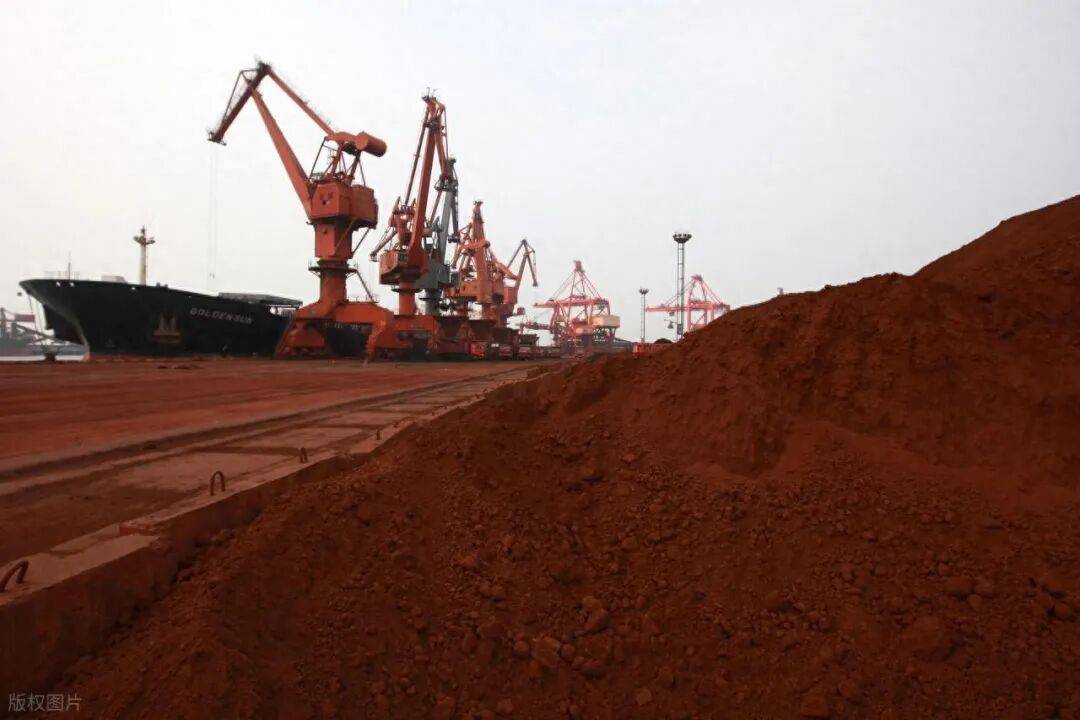
Core Viewpoint - The dramatic shift in BHP's stance from a hardline position to compromise on RMB settlement reflects China's assertiveness in the global iron ore market, challenging the longstanding dominance of USD pricing in commodity trade [1][11]. Group 1: Market Reaction - China's directive to halt the purchase of BHP's USD-priced iron ore led to significant market turmoil, with Singapore iron ore futures experiencing a 1.8% increase and BHP's stock price dropping over 6%, resulting in a market value loss exceeding $10 billion [3][11]. - The immediate impact of the directive caused chaos at Australian ports, with ships already en route being forced to return, leading to a surge in insurance claims [3][5]. Group 2: Contract Negotiations - The breakdown of long-term contract negotiations was a key trigger for the crisis, as BHP insisted on a price of $109.5 per ton for 2025, a 15% increase from the previous year, while spot prices had fallen to around $80 [3][11]. - China's decision to suspend USD purchases was a strategic move to leverage its position as a major importer, with over 1.2 billion tons of iron ore imported annually, of which 60% of BHP's revenue comes from this segment [11][12]. Group 3: Shift to RMB Settlement - BHP's eventual acceptance of RMB settlement for approximately 30% of its iron ore trade with China marks a significant breakthrough for the internationalization of the RMB in commodity transactions [11][12]. - The agreement, effective from Q4 2025, aims to mitigate risks associated with USD exchange rate fluctuations and could lead to further RMB-based long-term contracts if market acceptance continues to grow [11][12]. Group 4: Global Trade Dynamics - The shift towards RMB settlement is indicative of a broader restructuring of global trade dynamics, with BHP's compromise prompting other major producers like Vale and Indian mining companies to explore similar arrangements [16][17]. - China's diversified supply strategy, which includes securing iron ore from Australia, Brazil, and Russia, enhances its bargaining power and reduces reliance on USD-denominated transactions [18][19].
《国企要参》海外视点丨中国展示铁矿石购买力可能为时已晚
Xin Lang Cai Jing· 2025-10-11 12:37
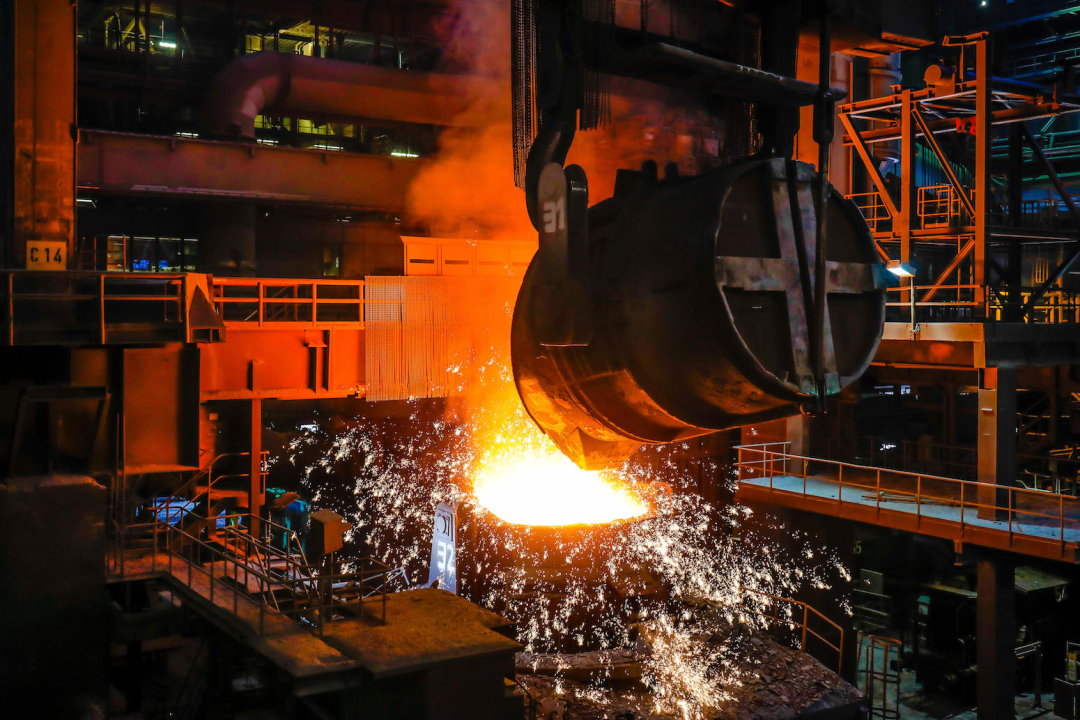
Group 1 - The rise of China has been closely linked to the steel industry, starting from the establishment of Baosteel in the late 1970s, which utilized Japanese technology and Australian iron ore to produce steel products that fueled significant global economic growth [2] - By the early 21st century, China became Australia's largest customer for steelmaking raw materials, with iron ore from Pilbara supplying steel furnaces in Tangshan [2] - Despite the low iron ore prices, Australian mining giants like BHP and Rio Tinto have remained profitable, while Chinese steel mills have faced prices consistently above $80 per ton over the past decade [2] Group 2 - Beijing has long attempted to shift the pricing power balance by funding overseas mines and establishing pricing benchmarks, but these efforts have seen limited success [2] - The establishment of China Mineral Resources Group (CMRG) in 2022 aims to negotiate collectively with major global mining companies to enhance China's influence in the market [2] - Recent disputes between CMRG and BHP over iron ore pricing indicate that CMRG is testing its strength in negotiations without jeopardizing relationships with mining companies [2] Group 3 - Although CMRG maintains a dominant market position, with China purchasing about three-quarters of seaborne iron ore last year, this position is becoming increasingly precarious [3] - India is experiencing a construction boom and is developing its own steel supply chain, which poses a competitive threat to China's dominance in the iron ore market [3] - Geopolitical factors are increasingly affecting trade, leading to higher costs and risks associated with shipping routes [3] Group 4 - Domestically, China is shifting from large-scale economic stimulus projects in construction and heavy industry to advanced manufacturing and services, resulting in reduced demand for steel [4] - While CMRG may assist China in making more informed procurement decisions, it cannot fully mitigate the deeper underlying impacts of this shift [5]


BHP Resumes China Iron Ore Sales: Report - BHP Group (NYSE:BHP)
Benzinga· 2025-10-10 15:26
Core Viewpoint - BHP Group Limited has resumed iron ore sales to China, alleviating concerns about potential restrictions from Beijing on purchases from the leading global producer [1][2]. Group 1: Sales and Market Activity - BHP sold a 170,000-metric-ton shipment to a Chinese trading house, with payment made in U.S. dollars, following reports of several cargoes being offered after China's national holiday [1]. - The Shanghai office of China Mineral Resources Group (CMRG) listed eight BHP cargoes totaling approximately 1.14 million tons for sale to domestic steelmakers, indicating ongoing trade activity despite previous tensions [3]. Group 2: Political and Economic Context - There were reports that a state-run buyer in China instructed steel mills to halt purchases of BHP iron ore to pressure prices down, raising concerns about potential economic shocks [2]. - The situation has drawn political unease in Australia, reminiscent of China's past restrictions on coal and other commodities in 2020 [4]. Group 3: Company Response and Market Reaction - BHP CEO Mike Henry downplayed fears of a Chinese ban during discussions with Australian Treasurer Jim Chalmers, framing the negotiations as standard commercial processes [5]. - BHP Group shares experienced a decline of 1.12%, trading at $55.41 at the time of publication [5].
China's state iron ore buyer offers BHP cargoes for sale amid ban fears
Yahoo Finance· 2025-10-10 10:03
Core Insights - BHP iron ore sales in China resumed, with a 170,000-metric-ton cargo sold to a local trader, alleviating fears of a ban on Australian iron ore exports by China [1][3] - China Mineral Resources Group (CMRG) offered eight cargoes of BHP iron ore totaling 1.14 million tons to steelmakers, indicating ongoing demand despite previous purchasing halts [2][4] - Concerns about a potential ban on BHP's Jimblebar fines product persist, as trade in this specific grade remains frozen [5][6] Group 1 - BHP sold a cargo of 170,000 metric tons to a Chinese trader, marking the first trading day after China's national holiday [1] - CMRG's offer of 1.14 million tons of BHP iron ore to steelmakers suggests a strategic move to centralize purchasing and negotiate better terms [2] - Previous reports indicated that CMRG advised steelmakers to pause purchases of BHP's Jimblebar fines, raising concerns in Australia about a potential ban [3] Group 2 - Trade in BHP's Jimblebar fines remains frozen, with no cargoes sold or offered on the recent trading day [5] - CMRG's negotiations with BHP are part of broader commercial discussions, as indicated by BHP's CEO [6] - The limited production of Jimblebar fines (approximately 40 million tons annually) is not expected to significantly impact iron ore prices [6]
中国不想再当“卑微甲方”
Hu Xiu· 2025-10-10 04:13
Core Viewpoint - Recent actions by China regarding strategic mineral resource management have garnered significant attention, indicating a potential shift in its pricing strategy in the global commodities market [1][7]. Group 1: China's Actions in Mineral Resource Management - On September 30, 2023, it was reported that China Mineral Resources Group requested domestic buyers to suspend purchases of BHP's iron ore cargo priced in USD, causing a stir in international raw material markets [2][4]. - On October 9, 2023, China's Ministry of Commerce announced export controls on rare earth-related technologies and items, further emphasizing its strategic approach to resource management [5]. Group 2: China's Position in the Global Market - China is the largest consumer of iron ore globally, importing 1.237 billion tons in the previous year, which is nearly five times the amount imported two decades ago, accounting for approximately 75% of global seaborne iron ore imports [8][9]. - Despite being a major buyer, China has historically lacked pricing power, often forced to accept prices set by suppliers, particularly Australian mining giants [9][11]. Group 3: Historical Context of Pricing Power - From 2003 onwards, China has been the largest buyer of Australian iron ore but has been subjected to unfavorable pricing mechanisms, such as the "first-mover-follow" pricing strategy employed by major mining companies [11][12]. - Significant price increases have been imposed on China, with instances of price hikes reaching as high as 96.5% in 2008, reflecting the lack of negotiation power [13][16]. Group 4: Industry Consolidation Efforts - The fragmentation of Chinese enterprises in the commodities market has contributed to its weak pricing power, prompting the establishment of the China Mineral Resources Group in 2022 to consolidate procurement efforts [21][24]. - The group has initiated centralized procurement for iron ore, representing a significant shift from the previously fragmented purchasing approach of over 600 steel companies [25][26]. Group 5: Future Outlook and Global Infrastructure - China's pursuit of global pricing power in commodities is not aimed at economic hegemony but rather to secure fair benefits for its economic development, especially in light of a new global infrastructure cycle [34][40]. - The anticipated infrastructure investments in the Middle East and emerging economies present opportunities for China to leverage its position in the iron ore and rare earth markets, which are critical for construction and new energy projects [35][39].