BIDU(BIDU)

Search documents
Jefferies Upgrades Outlook on Baidu (BIDU) After AI Chip Unit Spin-Off Announcement
Yahoo Finance· 2026-01-07 03:38
Baidu, Inc. (NASDAQ:BIDU) is one of the AI Stocks Making Waves on Wall Street. On January 2nd, Jefferies analyst Thomas Chong raised the firm's price target on the stock to $181 from $159 and kept a “Buy” rating on the shares. Firm analysts remain constructive on the shares as they view potential value unlock from the recent HK listing while BIDU retains control. The tech giant recently announced plans to spin off its artificial intelligence chip subsidiary, Kunlunxin, and list it in Hong Kong. The compa ...

萝卜快跑斩获迪拜首个全无人测试许可 首个海外基地同步启用
Zheng Quan Shi Bao Wang· 2026-01-07 03:28
Group 1 - Baidu's RoboTaxi service, Luobo Kuaipao, has received a full autonomous driving testing license from Dubai's Roads and Transport Authority (RTA), making it the first and only platform authorized for full autonomous testing in Dubai [1] - The company plans to expand its fleet of fully autonomous vehicles in Dubai to over 1,000 units by the first quarter of 2026, marking a significant step towards commercial operations [1] - The first integrated autonomous driving operation base outside of China has been established in Dubai, which supports the large-scale operation of fully autonomous fleets and provides comprehensive technical and operational support [1] Group 2 - The RTA highlighted that the establishment of Luobo Kuaipao's operational base reflects global confidence in Dubai's policy environment and smart infrastructure, marking a key milestone in the city's smart mobility strategy [1] - Baidu's Vice President expressed optimism about collaborating with local partners to contribute to Dubai's smart transportation system, emphasizing the city's advanced traffic infrastructure and innovative technology acceptance [1] - Since signing a strategic agreement in March 2025, Luobo Kuaipao has made rapid progress in Dubai, including obtaining the first autonomous driving test license and deploying a scaled test fleet [1] Group 3 - Chinese technology companies are increasingly participating in the global transportation ecosystem, particularly in the fields of autonomous driving and intelligent connected vehicles, presenting new development opportunities [2] - Companies like BYD, CATL, and Huawei are leveraging their products and full industry chain capabilities to expand globally, providing "Chinese solutions" and "Chinese experiences" for global transportation transformation [2]
20年过去了,大厂们又开始卷输入法了
创业邦· 2026-01-07 03:22
Core Viewpoint - The article discusses the recent emergence of input methods as a strategic entry point for major tech companies, highlighting the competitive landscape and the potential for monetization through AI integration and user data collection [5][9][26]. Group 1: Input Method Market Dynamics - ByteDance's Doubao input method has launched, featuring a simple interface and strong voice recognition capabilities, which sets it apart from competitors [5][6]. - Major tech companies, including WeChat and Baidu, are re-entering the input method market, indicating a renewed interest in this seemingly basic tool that serves as a critical flow entry point for apps [9][11]. - Input methods are described as "bug-level" entities in the app ecosystem, acting as intermediaries that capture user needs before they reach other applications [11][12]. Group 2: Strategic Importance of Input Methods - Historically, input methods have been used to drive traffic and capture user data, with examples from the PC era where Sogou's search candidate feature redirected users to its own search engine [12][15]. - In the AI era, the potential of input methods has expanded, allowing for real-time translations and information retrieval without switching apps, enhancing their value as a traffic conduit [15][20]. - The competitive landscape is intensifying, with companies like Baidu and Sogou integrating AI features into their input methods to enhance user experience and maintain relevance [17][19]. Group 3: Monetization Strategies - Companies are exploring various monetization avenues, including advertising within AI responses, similar to past search engine practices [20][22]. - Input methods can serve as hooks to draw users into proprietary ecosystems, facilitating deeper engagement with the company's services [23]. - User data collected through input methods can be utilized for product optimization and training AI models, representing a hidden value stream for companies [24][25]. Group 4: Future Outlook - The article suggests that the current trend of tech giants revisiting input methods reflects a broader strategy to leverage AI across foundational services, indicating a cyclical nature in tech development [26][28]. - The high ROI associated with input methods makes them an attractive business opportunity for large companies, reinforcing their strategic importance in the digital landscape [26].



萝卜快跑获迪拜首个全无人驾驶测试许可,首个海外基地同步启用
Zheng Quan Shi Bao Wang· 2026-01-07 02:46
人民财讯1月7日电,1月6日,百度旗下萝卜快跑正式获得迪拜道路与交通管理局(RTA)颁发的全无人驾 驶测试许可,成为迪拜首个且目前唯一获准开展全无人测试的平台。这为2026年一季度萝卜快跑启动全 无人商业化运营打开了关键的准入通道。根据规划,萝卜快跑在迪拜地区的全无人驾驶车队规模将扩充 至1000辆以上。同日,萝卜快跑在海外建设的首个无人驾驶一体化运营基地于迪拜正式启用。 ...
词条总量已突破3000万 百度百科宣布推出“动态百科”
Shang Hai Zheng Quan Bao· 2026-01-07 02:15
Core Insights - Baidu Baike is leveraging AI as a core engine to enhance its products, introducing new features like "Dynamic Baike" and "AI Knowledge Graph" to transform the knowledge acquisition experience as it approaches its 20th anniversary [1][2] Group 1: Product Innovations - The "Dynamic Baike" product utilizes generative UI technology to incorporate gamified and scenario-based designs, making abstract principles visual and interactive, thus lowering the understanding threshold for complex knowledge [1] - All content in "Dynamic Baike" is deeply rooted in Baidu Baike's verified entry content system, covering knowledge across multiple disciplines and ensuring scientific accuracy and authority [1] Group 2: User Engagement and Growth - Baidu Baike has surpassed 30 million entries and has accumulated over 8.03 million contributing users [1] - The "Star Plan" has collaborated with leading institutions such as the University of Science and Technology of China, the Chinese Academy of Sciences, and Peking University, involving over 100,000 experts and professional creators to co-create more than 1 million pieces of specialized knowledge [1] Group 3: Future Directions - The company aims to explore more possibilities in knowledge presentation and acquisition while maintaining content authority and rigor, striving to create more "useful" knowledge products to meet users' curiosity and knowledge needs [2]
AI CHINA|刘伟:中美AI发展路径差异与“AI+”生态的核心优势
Sou Hu Cai Jing· 2026-01-07 01:17
Core Insights - The article contrasts the AI development strategies of the United States and China, highlighting that while the U.S. focuses on limiting chip access and proving model safety, China is advancing AI as a self-repairing and self-evolving industrial infrastructure through a comprehensive approach involving policy, state-owned enterprises, scenarios, and data [1][2]. Group 1: U.S. AI Development Characteristics - U.S. AI development is characterized by a focus on general foundational technology breakthroughs, leading to a closed-source model and hardware monopoly, which creates a "technical island" effect [1][2]. - The reliance on hardware monopolies, such as NVIDIA GPUs and Google TPUs, has established significant technical barriers, making it difficult for other countries to overcome computational bottlenecks [2]. - The application of U.S. AI is primarily concentrated in consumer internet sectors, lacking depth in complex industrial and social governance scenarios, which limits its ability to address real-world unstructured problems [2]. Group 2: China's AI Development Approach - China has shifted from a "technology defines demand" model to a "demand defines technology" approach, utilizing its diverse economic and social governance scenarios as testing grounds for AI technology [2][3]. - The development of AI in China is not limited to single breakthroughs but encompasses a systematic innovation that integrates chips, frameworks, models, and applications, creating a self-sustaining industrial ecosystem [4]. - China's AI strategy emphasizes open collaboration and ecosystem building through open-source models and industry alliances, which contrasts with the U.S. approach and fosters a complementary relationship between the two nations [5][6]. Group 3: Practical Applications and Innovations - Various practical applications in China demonstrate the effectiveness of AI technology, such as the implementation of 67 digital applications in Shougang's cold-rolling company, where AI applications account for 61% [2][3]. - In agriculture, China National Chemical Corporation launched the iMAP model for intelligent decision-making across the entire farming process, significantly reducing decision-making time by 75% [2]. - The integration of AI in healthcare is exemplified by the AI+ county medical community initiative, which facilitates rapid deployment of outpatient pre-diagnosis and intelligent health management [2][3]. Group 4: Future Trends and Global Cooperation - The article suggests that the future of AI development will involve both the U.S. and China leveraging their respective strengths, with the U.S. focusing on general problems and China addressing complex issues through a systematic innovation approach [6]. - Both countries are expected to continue their parallel advancements in AI technology, with potential for mutual benefits in achieving breakthroughs such as general artificial intelligence (AGI) [6].


Baidu Inc. (BIDU) Stock Sinks As Market Gains: What You Should Know
ZACKS· 2026-01-06 22:50
Company Performance - Baidu Inc. closed at $146.42, reflecting a decline of -2.18% from the previous day, underperforming the S&P 500 which gained 0.62% [1] - Prior to the recent trading session, Baidu's shares had increased by 15.09%, contrasting with the Computer and Technology sector's decline of 1.47% and the S&P 500's gain of 0.59% [1] Upcoming Earnings - Baidu is expected to report earnings of $1.53 per share, indicating a year-over-year decline of 41.83%, with projected revenue of $4.62 billion, a decrease of 1.09% compared to the same quarter last year [2] Full Year Estimates - For the full year, analysts anticipate earnings of $7.07 per share and revenue of $18.2 billion, representing changes of -32.86% and 0% respectively from the previous year [3] Analyst Revisions - Recent changes to analyst estimates for Baidu are crucial as they reflect near-term business trends, with positive revisions indicating analyst optimism about the company's profitability [3][4] Zacks Rank - Baidu currently holds a Zacks Rank of 3 (Hold), with the consensus EPS estimate remaining unchanged over the last 30 days [5] - The Zacks Rank system has historically outperformed, with 1 stocks yielding an average annual gain of +25% since 1988 [5] Valuation Metrics - Baidu is trading at a Forward P/E ratio of 15.6, which is lower than the industry average Forward P/E of 18.07, indicating a valuation discount [6] Industry Context - The Internet - Services industry, part of the Computer and Technology sector, has a Zacks Industry Rank of 99, placing it in the top 41% of over 250 industries [6][7]

百度百科AI革新:百科AI知识图谱+动态百科
Sou Hu Cai Jing· 2026-01-06 18:08
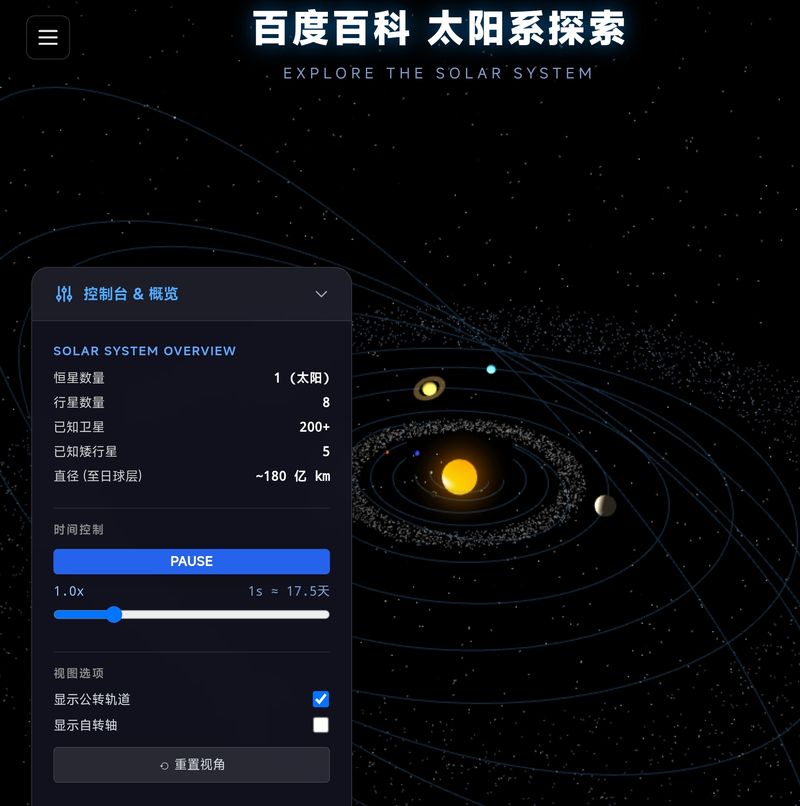
Core Insights - Baidu Encyclopedia launched two major features, "Dynamic Encyclopedia" and "AI Knowledge Graph," marking a significant upgrade as it approaches its 20th anniversary, transitioning from static queries to dynamic interactions and system exploration [1] Group 1: Dynamic Encyclopedia - "Dynamic Encyclopedia" utilizes generative UI technology and gamified design to transform traditional static knowledge presentation into interactive and visual experiences [3] - Users can not only access textual information but also visualize complex concepts through dynamic imagery, such as observing planetary orbits in the "Solar System" theme [3] - The feature covers multiple domains, including natural sciences, humanities, and entertainment, with content like La Niña phenomenon simulations and interactive storytelling [3] - All dynamic content is built upon verified entries from Baidu Encyclopedia, ensuring scientific accuracy and reliability through contributions from over 100,000 experts [3] Group 2: AI Knowledge Graph - The "AI Knowledge Graph" addresses knowledge fragmentation by leveraging Baidu's AI capabilities to create a structured knowledge network, enhancing user experience from simple queries to immersive exploration [4] - Initial projects like the "Revival of Famous Paintings" and "Internet Celebrity Cultural Awards" utilize AIGC technology to dynamically revive historical artifacts and link them with relevant knowledge [4] - This feature serves not only general users but also provides efficient tools for education and cultural dissemination, promoting deeper integration of AI in knowledge sharing [5] Group 3: Data Support - As of January 2026, Baidu Encyclopedia has surpassed 30 million entries and has over 8.03 million contributors, establishing itself as the most comprehensive knowledge repository in the Chinese internet [5] - The "Star Plan" has collaborated with leading institutions like the University of Science and Technology of China and Peking University, contributing over 1 million professional entries to support AI functionality [5] - The platform has accumulated over 100 million views, providing rich data feedback for the iterative optimization of AI technology [5] Group 4: Industry Significance - The dual feature upgrade represents a milestone for Baidu Encyclopedia and has profound implications for the AI knowledge service industry, combining cutting-edge technologies with knowledge dissemination [5] - The integration of structured organization and interactive presentation shifts knowledge acquisition from passive reception to active exploration, injecting new momentum into the digital transformation of education and culture [5] - Baidu Encyclopedia's general manager stated that this launch marks the beginning of a new journey as the platform continues to empower knowledge presentation and acquisition through AI technology [6]
百度百科上线动态百科、AI知识图谱等新功能
Xin Lang Cai Jing· 2026-01-06 15:26
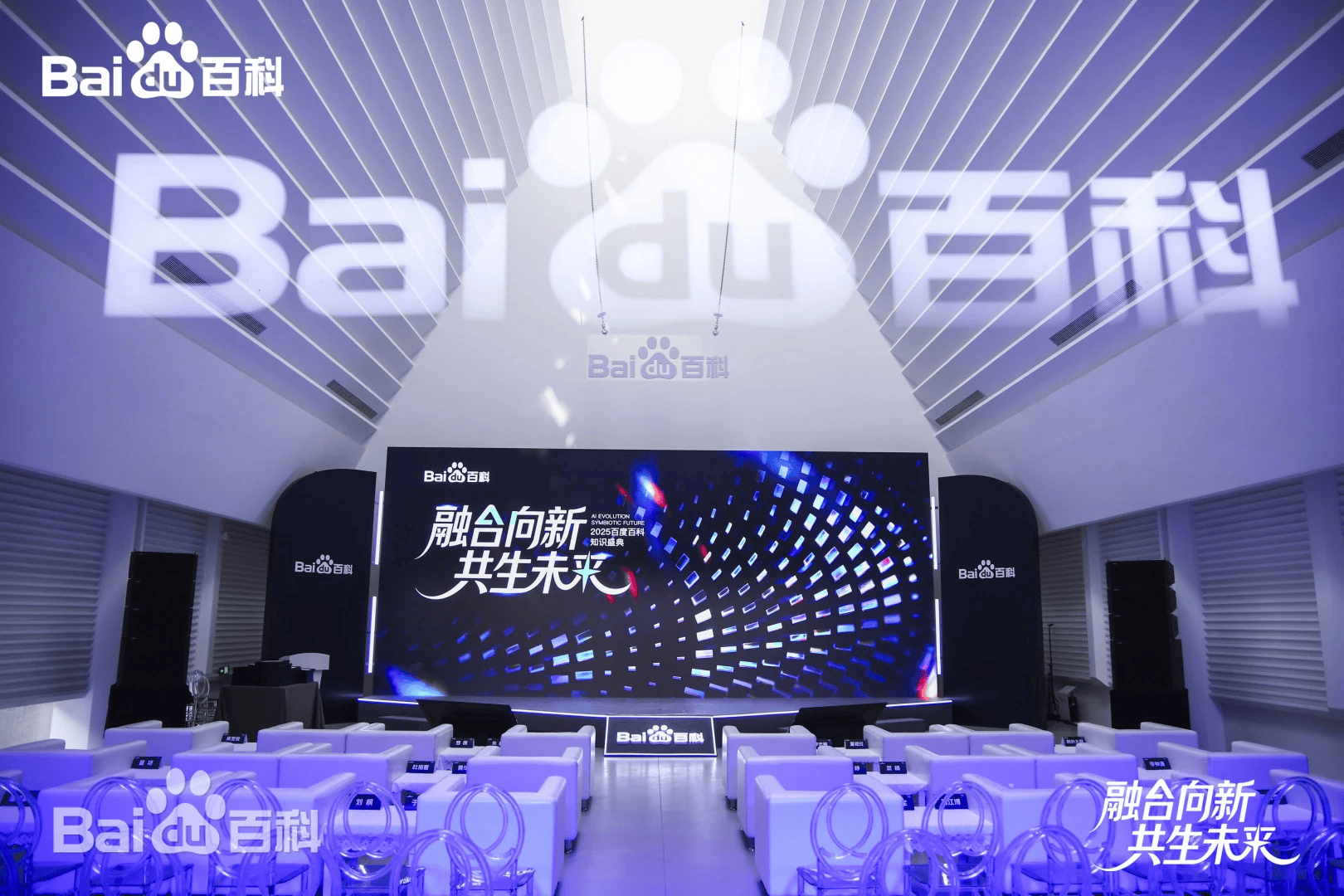
Core Insights - Baidu Baike held its annual knowledge gala on January 6, introducing new features such as "Dynamic Baike" and "Baike AI Knowledge Graph" [1] - The total number of entries in Baidu Baike has surpassed 30 million, with over 8.03 million cumulative contributors [1] - The "Star Plan" of Baidu Baike has collaborated with over 100,000 experts and professional creators from institutions like UNIST, Chinese Academy of Sciences, and Peking University to co-create over 1 million entries of specialized knowledge [1]
百度百科词条总量破3000万,结合AI能力推出“动态百科”
Xin Jing Bao· 2026-01-06 13:35
Core Insights - Baidu Baike has surpassed 30 million entries and has over 8.03 million contributing users as it approaches its 20th anniversary [1] - The platform is leveraging AI as a core engine to enhance its products, introducing features like "Dynamic Baike" and "Baike AI Knowledge Graph" [1] Group 1 - "Dynamic Baike" offers an interactive interface, allowing users to visualize and interact with real-time trajectories of celestial bodies, such as the eight planets [3] - The General Manager of Baidu Baike, Rong Wei, stated that "Dynamic Baike" enables core users to explore content generation capabilities, lowering the barriers for content creation [3] - Baidu Baike's "Star Plan" has partnered with over 100,000 experts and professional creators from leading institutions like the Chinese Academy of Sciences and Peking University to co-create over 1 million entries of specialized knowledge [3] Group 2 - The platform allows for real-time corrections of entries, minimizing the impact of errors or negative information by enabling immediate updates [3] - The ability to quickly upload corrected versions of entries enhances the reliability of the information provided on Baidu Baike compared to traditional academic publications [3]