Citi(C)

Search documents
Final Trades: Uber, Home Depot, Rocket Companies, Citigroup
CNBC Television· 2025-09-05 17:23
And we are back on halftime with final trades. First up, Stephanie Link. Uber.Total addressable market of 5.7% trillion. They dominate the space. New products and new end markets.Kevin Simpson, your pick. Home Depot. The stock is a perpetual compounder.It will benefit from lower rates. Malcolm. Yeah, Rocket Companies.The stock's popping today because the Mr. . Cooper deal was approved by shareholders, but also interest rates being cut later this month should be additive. So, I paused there for a second beca ...





美国大型银行股价在疲软的就业报告后下跌
Ge Long Hui A P P· 2025-09-05 15:03
Group 1 - Major banks including Goldman Sachs, Citigroup, and JPMorgan Chase experienced declines of over 2% [1] - Bank of America saw a decrease of 1.5% [1]


花旗中国被银联终止成员资格,最新回应
第一财经· 2025-09-05 12:16
Core Viewpoint - Citibank China has terminated its membership with China UnionPay, ceasing to conduct payment business through the UnionPay network, following the closure of its personal banking operations in China [2][3]. Group 1: Termination of Membership - Citibank China announced that it would no longer be a member of China UnionPay due to the closure of its personal banking business, which was confirmed to have ended in July 2023 [2]. - The termination of membership means that Citibank China will not be able to process payments through the UnionPay network, as per the UnionPay regulations [2]. Group 2: Strategic Shift - Citibank has been gradually exiting the personal banking market in China since 2021, with a strategic decision to withdraw from the mainland personal banking sector [2][3]. - In 2022, Citibank confirmed the closure of its personal banking operations in China, while maintaining its corporate services [2]. - The bank has also transferred its retail wealth management business to HSBC China and its personal credit card and unsecured loan assets to Fubon Bank [2]. Group 3: Global Context - Citibank is undergoing a global reduction of its personal financial services, having announced plans to exit personal banking in 14 regions, including Asia and Europe, with significant progress made by 2024 [3]. - Despite the withdrawal from personal banking, Citibank China retains multiple memberships in corporate services, including the China Foreign Exchange Trading Center and SWIFT, indicating a focus on corporate and institutional clients [3].
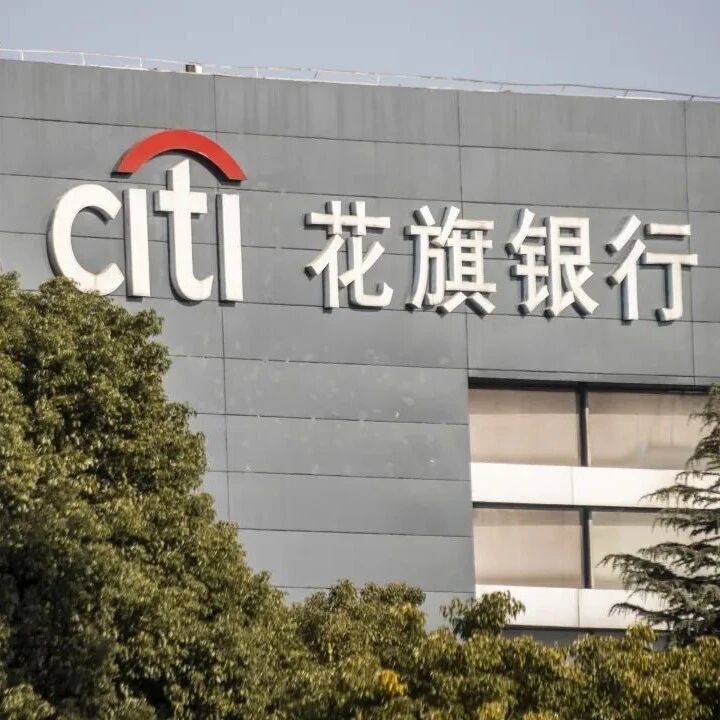
花旗中国回应银联成员资格终止:系个人银行业务关停的后续措施
Zhong Zheng Wang· 2025-09-05 10:52
Core Viewpoint - Citibank (China) has terminated its membership with China UnionPay as part of its strategic adjustment to exit the personal banking business in mainland China, while its corporate banking operations remain unaffected [1] Group 1: Company Strategy - Citibank (China) stated that with the closure of its personal banking business, it will no longer be a member of China UnionPay [1] - The bank will continue to focus on providing cross-border banking services to corporate and institutional clients in the Chinese market [1] Group 2: Global Trends - Citigroup has been gradually exiting personal banking businesses in multiple global markets, including a restructuring announcement in 2021 that affected over ten markets, excluding Hong Kong [1] - In 2022, Citibank (China) announced the gradual closure of its personal banking operations [1] Group 3: Business Operations - As of the 2024 annual report, Citibank (China) has sold its personal mortgage, personal wealth management, and installment credit card businesses, and has ceased further transactions in non-installment credit card business [1]
银联公告终止花旗中国成员资格,最新回应!
Jin Rong Shi Bao· 2025-09-05 09:47
Core Insights - China UnionPay has terminated the membership of Citibank (China) Co., Ltd, which was initiated by Citibank China as part of its global business restructuring [1][2] - Citibank China stated that its corporate banking services remain unaffected, focusing on serving corporate and institutional clients in China [1][2] - The termination of UnionPay membership is linked to Citibank's ongoing exit from personal banking in various global markets, including China [1][2] Group 1: Citibank's Business Strategy - Citibank has been restructuring its global personal banking operations, planning to exit personal banking in 14 markets, including Asia and Europe [1] - In December 2022, Citibank announced the gradual closure of its personal banking operations in mainland China, excluding corporate banking [1] - By June 2024, Citibank completed the sale of its personal wealth management business in mainland China to HSBC, transferring over 300 employees [2] Group 2: Market Dynamics - The termination of Citibank's UnionPay membership reflects a significant reduction in its retail payment business, which is nearing zero due to the exit from personal banking [2] - Despite Citibank's exit, there is a growing interest from foreign banks to join China UnionPay, driven by the increasing number of expatriates in China [3] - The entry of more foreign banks into the UnionPay network is expected to enhance payment services and improve customer experience in the competitive market [3]
中国银联宣布终止花旗中国成员资格,花旗回应
Guan Cha Zhe Wang· 2025-09-05 09:28
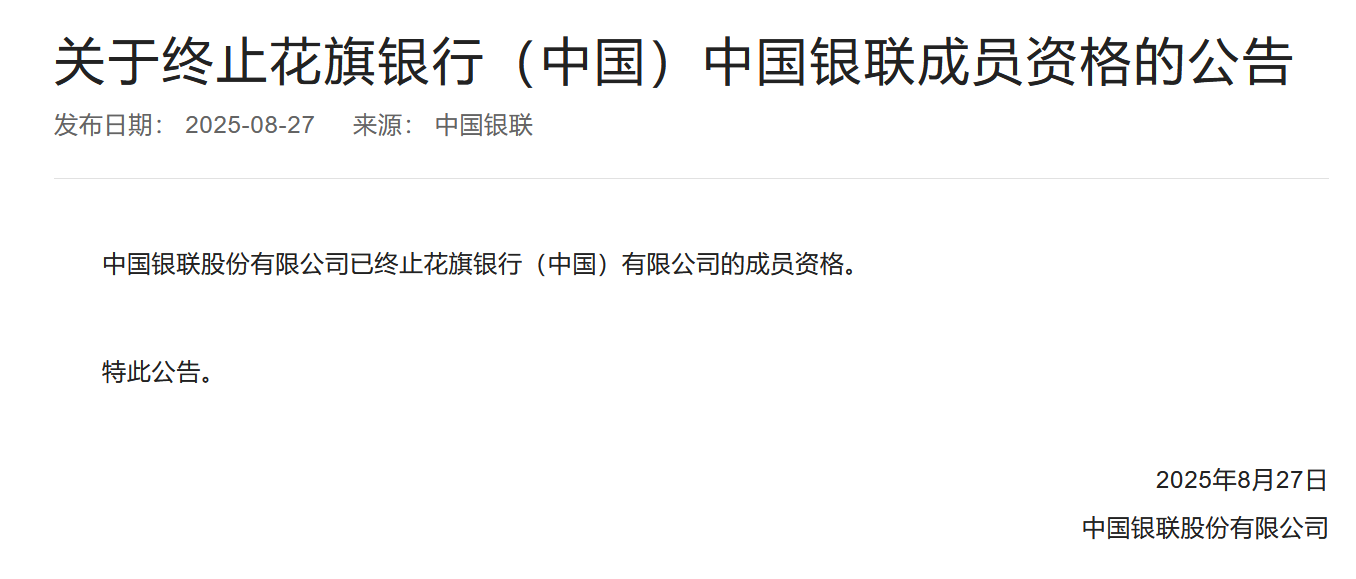
近日,中国银联发布公告称,中国银联股份有限公司已终止花旗银行(中国)有限公司的成员资格。 据智通财经消息,花旗中国对此表示,随着我行个人银行业务的关闭,我行不再作为中国银联的成员。我行对公业务的境内外支付和收款不受任何影响。花 旗继续深耕中国市场,为企业和机构客户服务,满足他们的跨境银行需求。 2022年12月,花旗宣布将逐步关闭其中国内地的个人银行业务,但不涉及花旗中国的企业机构客户业务。 今年5月,花旗集团董事长杜颂安表示,花旗将继续深耕中国市场,愿进一步加强对华投资合作,围绕证券、期货、金融衍生品等领域在华积极布局相关新 业务。 ...
花旗中国回应
中国基金报· 2025-09-05 06:26
Core Viewpoint - The termination of Citibank China's membership with China UnionPay has raised market attention, but Citibank asserts that its corporate banking operations remain unaffected [2][3][4]. Group 1: Membership Termination - On August 27, China UnionPay announced the termination of Citibank China's membership [3]. - Citibank China stated that it is no longer a member of China UnionPay due to the closure of its personal banking operations, and its corporate banking services will not be impacted [4]. - The termination was reportedly initiated by Citibank China, which will cease payment operations through the UnionPay network [4]. Group 2: Business Strategy - Citibank Group announced a restructuring of its global personal banking operations in April 2021, planning to exit the personal banking market in 14 global markets, including mainland China [4]. - The CEO of Citibank China described the decision as a "difficult long-term choice" aimed at focusing resources on more efficient corporate banking and leveraging global network advantages [4]. - In October 2023, Citibank announced the sale of its personal wealth management business in mainland China to HSBC China, with the transaction completed by June 2024 [5]. Group 3: Workforce Adjustments - In June 2023, Citibank was reported to initiate a large-scale layoff, planning to reduce approximately 3,500 technical staff in its global technology centers in Shanghai and Dalian [6]. - This adjustment is part of Citibank's financial plan for 2025, expected to be completed by the fourth quarter of 2025 [6]. Group 4: Leadership Changes - On August 7, Citibank China announced the approval of new leadership appointments, including Aveline San as the new chairman [6]. - Aveline San emphasized the bank's commitment to leveraging its global network to provide international standard services to corporate clients in China [6].

花旗集团将委托贝莱德帮助管理800亿美元客户投资-美股-金融界
Jin Rong Jie· 2025-09-05 05:29
花旗集团将委托贝莱德公司帮助管理数百亿美元的客户投资,此举将使得花旗关闭内部仅存的资产管理 部门,并将财富部门的更多服务进行外包。 两家公司周四宣布,在新的合作协议中,贝莱德将管理该行数千名最富有客户的资产,这些客户目前在 花旗投资管理开户。贝莱德目前已管理着花旗集团6350亿美元客户投资中的一部分,此次将接管花旗仍 自行管理的剩余800亿美元。 "我们无法独自将这个平台扩大一倍,这远不如我们与贝莱德合作那么强大。"花旗集团财富管理业务主 管Andy Sieg采访时说道,"我们让世界上最全球化的银行与全球领先的资产管理公司合作,来实现这一 目标。" 花旗投资管理是其财富管理业务的一部分,虽然该部门将继续存在,但花旗最后的自营资产管理业务和 一些投资组合经理将转投贝莱德。据花旗集团发言人Mark Costiglio,将有不到100名员工转投贝莱德。 根据协议,贝莱德将获得管理费,而花旗集团将保留为客户提供咨询服务的费用。客户将在未来几个月 内收到变更通知。新安排预计将于年底前完成。 这是花旗集团精简财富管理业务的关键一步。该业务已将重点转向大众富裕阶层,并力争从富裕人士手 中抢占更多份额。这是首席执行官Jane ...

X @Bloomberg
Bloomberg· 2025-09-05 05:24
Citigroup has exited from a key payment network in China after it closed its retail banking business in the nation https://t.co/ToT8qLn5oc ...
中国银联:终止花旗中国成员资格
Mei Ri Jing Ji Xin Wen· 2025-09-05 03:54
Group 1 - China UnionPay has announced the termination of Citibank (China) Co., Ltd.'s membership, meaning Citibank China will no longer conduct payment business through the UnionPay network [1] - Citibank China has undergone a leadership change, with Steven Lo stepping down as chairman and Aveline San taking over [3] - Citibank has been restructuring its global strategy, planning to exit personal banking in 14 markets, including Asia, Europe, the Middle East, and Mexico, with a focus on corporate and institutional clients in China [3][4] Group 2 - As of the end of 2024, Citibank China's assets totaled 176.1 billion yuan, with an operating income of approximately 5.8 billion yuan and a net profit of about 1.8 billion yuan, reflecting year-on-year growth of 21% and 54% respectively [5] - The number of employees at Citibank China decreased to 229,000, down by 10,000 year-on-year, as the company plans to reserve $600 million for severance costs in 2025 [5]