Cisco Systems(CSCO)

Search documents
就业通胀数据连番考验美联储,贵金属市场能否企稳
Di Yi Cai Jing· 2026-02-08 03:03
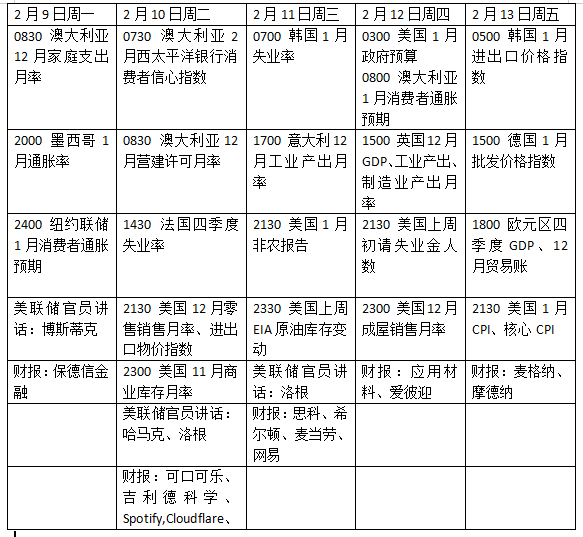
日本众议院选举结果受关注,美股财报季看点不少。 本周国际市场风云变幻,软件板块和加密货币市场巨震,人工智能发展溢出效应引发关注。 市场方面,美股涨跌互现,道指周涨2.50%,纳指周跌1.84%,标普500指数周跌0.10%。欧洲三大股指 全线走高,英国富时100指数周涨1.43%,德国DAX 30指数周涨0.74%,法国CAC 40指数周涨1.81%。 本周看点颇多,美国延迟发布的就业与通胀数据将成为市场核心关注点。欧洲市场需关注欧元区及英国 的国内生产总值数据(GDP),在亚洲,投资者密切关注2月8日日本众议院选举结果将如何重塑日本的 财政与货币政策,市场同时也在寻找日本央行下一次加息时点的线索。美股财报季进入后半期,应用材 料等与AI领域高相关的明星个股业绩值得留意。 美联储降息前景如何 美国1月非农就业数据将于当地时间11日发布,该数据因美国联邦政府部分停摆已由2月6日推迟至今。 作为核心经济数据,结果将引导投资者对美联储再度降息时点的判断。 近期数据显示,美国经济整体表现强劲,但劳动力市场走弱、通胀增速放缓。若此次数据表现疲软,推 升市场的降息预期。伦敦证券交易所集团(LSEG)数据显示,货币市场目前 ...


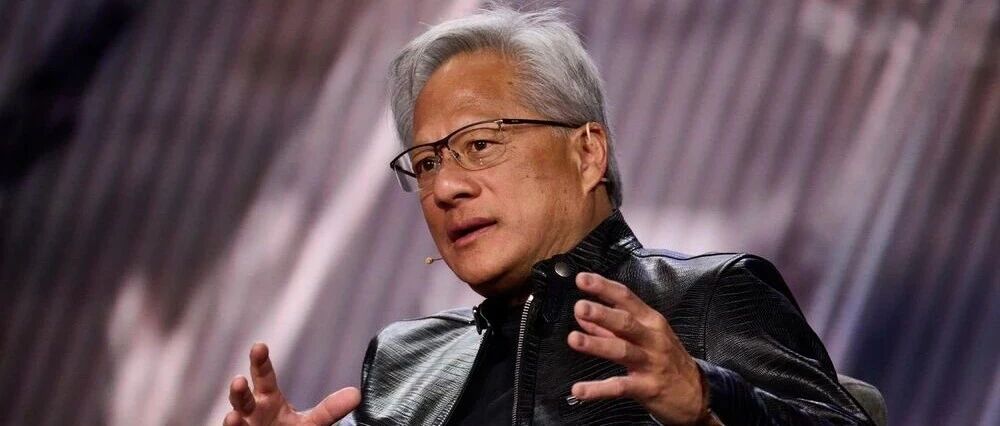
黄仁勋酒后一番暴论
投资界· 2026-02-07 07:31
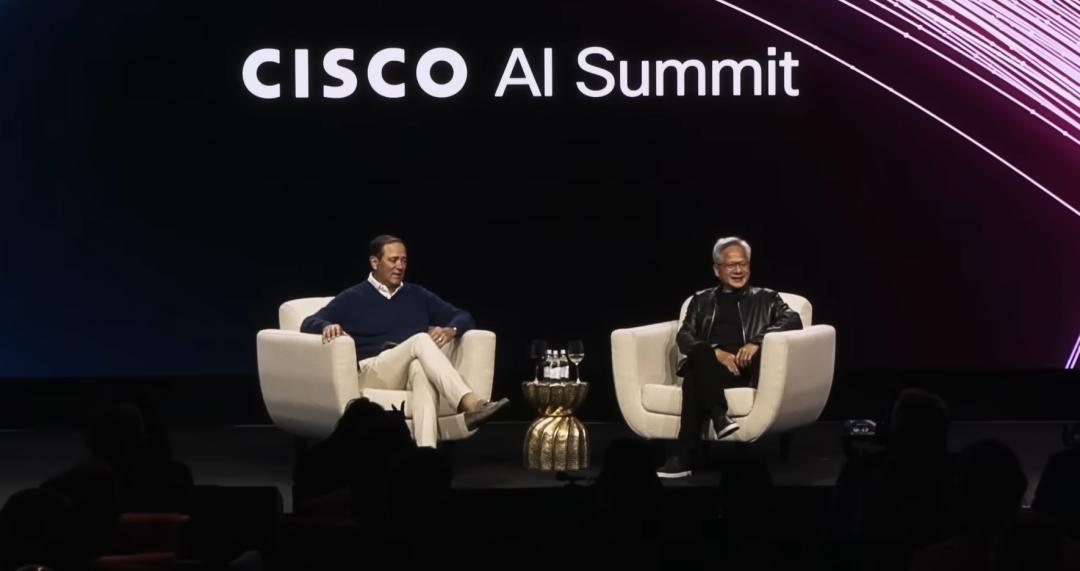
以下文章来源于网易科技 ,作者小小 网易科技 . 网易科技频道,有态度的科技门户。 一次商业逻辑的"重置"。 作者 / 小小 编辑 / 王凤枝 来源 / 网易科技 (ID:tech_163) 美国时间2月3日晚间,一场本该正襟危坐的顶级科技对话,最终变成了一场"五杯酒后 的坦白局"。 刚结束中国之行、甚至还没来得及倒时差的英伟达CEO黄仁勋,坐在了思科CEO查克· 罗宾斯(Ch u c k Ro b b i n s)对面。 几 杯 酒 下 肚 , 黄 仁 勋 的 嗓 音 开 始 沙 哑 , 但 话 语 却 越 来 越 犀 利 。 借 着 酒 劲 , 黄 仁 勋 不 仅 " 砸 " 了 程 序 员 的 饭 碗 , " 怼 " 了 管 理 学 的 教 条 , 甚 至 还 对 几 家 世 界 级 巨 头 来 了 一 波 贴 脸"拉踩": 关于程序员:"编程?那只是打字而已。打字已经不值钱了。" 关于控制欲:"如果你想掌控创新,那你该去看看心理医生。" 关于摩尔定律:" 1 0年算力提升了1 0 0万倍,在这种速度面前,昔日的摩尔定律简直慢 得像蜗牛在爬。" 关于传统巨头:"我很爱迪士尼,但我敢肯定他们更想成为Ne ...

道指首破5万点创历史新高 分析师:市场已适应全球不确定性 投资者信心真实存在
智通财经网· 2026-02-06 23:49
Group 1 - The Dow Jones Industrial Average (DJIA) surged over 1200 points, approximately 2.5%, closing at a historic high of 50,115.67 points, marking the fastest completion of a 10,000-point increase from 40,000 to 50,000 since May 2024 [1] - The upward trend in the DJIA has shifted from a focus on technology stocks to a broader range of sectors, benefiting traditional industries and defensive sectors, with notable performances from Goldman Sachs, Caterpillar, Amgen, and Sherwin-Williams [1] - The strong corporate earnings, resilient U.S. economy, and the Federal Reserve's interest rate cuts last year have collectively driven the overall market higher [1] Group 2 - Gina Bolvin, President of Bolvin Wealth Management Group, indicated that the DJIA's breakthrough of 50,000 is more of a confirmation than a celebration, reflecting investor confidence amidst higher interest rates and global uncertainties [2] - Healthcare stocks, particularly Johnson & Johnson and Merck, have shown resilience, ranking as the second and fifth best-performing components of the DJIA over the past 12 months [2] - Investors are increasing allocations to high-dividend and defensive consumer staples stocks, with Coca-Cola and Walmart being among the top gainers in the DJIA over the past year [2] - Despite the market's broadening focus, technology and AI sectors remain strong, with Nvidia's stock rising approximately 44% over the past year, making it the third-largest gainer in the DJIA [2]



道琼斯工业平均指数首次突破50000点大关
Xin Lang Cai Jing· 2026-02-06 19:37
Core Viewpoint - The Dow Jones Industrial Average has surpassed the 50,000 points milestone for the first time, indicating strong market performance and investor confidence [1] Company Performance - Nvidia's stock increased by over 7%, reflecting positive market sentiment and strong demand for its products [1] - Caterpillar's shares rose by more than 6%, suggesting robust performance in the industrial sector [1] - Goldman Sachs and JPMorgan both saw their stock prices rise by over 4%, indicating strong financial sector performance [1] - Disney and IBM experienced stock increases of over 3%, highlighting positive developments in the entertainment and technology sectors [1] - UnitedHealth, Walmart, and Cisco all had stock price increases of over 2%, demonstrating resilience in the healthcare, retail, and technology industries [1]


Cisco Stock Holds Strong Amid Tech Selling As Earnings Come Into Focus
Investors· 2026-02-06 15:41
Core Viewpoint - Cisco Systems (CSCO) is demonstrating resilience in its stock performance amidst a broader tech sell-off, maintaining a strong position in the market ahead of its upcoming earnings report [1] Group 1: Stock Performance - Cisco stock is trading tightly and remains in a buy zone, indicating strong market interest and stability [1] - The company has experienced a technical breakout, transitioning from a legacy hardware provider to a player in artificial intelligence infrastructure [1] Group 2: Market Context - The Nasdaq composite is showing signs of distribution days clustering, which typically indicates selling pressure in the tech sector [1] - Cisco is highlighted as a leader in the Dow Jones alongside other companies like Halozyme and Toll Brothers, which are also in or near buy zones [1] Group 3: Earnings Outlook - Cisco has been upgraded based on an above-consensus profit and revenue outlook, suggesting positive expectations for its upcoming earnings report [1]
[Earnings]Upcoming Earnings: Healthcare, Tech, and Energy in Focus


Stock Market News· 2026-02-06 14:13
Group 1 - Major earnings reports are scheduled for next Tuesday from AstraZeneca PLC, Coca-Cola Company, and S&P Global Inc., with a focus on healthcare and technology sectors [1] - Wednesday will feature earnings from McDonald's Corporation, T-Mobile US Inc., and Shopify Inc. pre-market, followed by Cisco Systems Inc. after market close [1] - The week will conclude on Friday with significant energy reports from Enbridge Inc and TC Energy Corporation [1]

半夜11点、5杯酒下肚,黄仁勋“吐真言”:“写代码只是打字,已经不值钱了”
3 6 Ke· 2026-02-06 13:05
Core Insights - The conversation between NVIDIA CEO Jensen Huang and Cisco CEO Chuck Robbins highlighted the transformative impact of AI on computing, marking a significant shift in how technology is developed and utilized [3][6][25] - Huang emphasized that the future of computing is moving from explicit programming to implicit programming, where users express their intentions rather than writing detailed code [6][25] - The concept of "AI-in-the-loop" was introduced, suggesting that companies should integrate AI into their operations to enhance knowledge and efficiency, rather than relying solely on human intervention [36] Group 1: AI and Computing Transformation - Huang stated that we are experiencing the first true reinvention of computing in 60 years, transitioning from explicit to implicit programming [6][25] - The entire computing stack, including processing, storage, networking, and security, is being redefined in the context of AI [6][25] - Huang argued that the real value lies not in the answers provided by AI but in the questions that can be posed, emphasizing the importance of inquiry in the AI era [3][36] Group 2: Business Strategy and AI Implementation - Huang advised companies not to focus on immediate ROI when adopting AI, but rather to encourage experimentation and innovation within their organizations [17][18] - He suggested that businesses should identify their core impactful work and allow for a diverse range of AI projects to flourish, akin to a garden of innovation [17][19] - The notion of "letting a hundred flowers bloom" was presented as a strategy for fostering creativity and exploration in AI applications [17][19] Group 3: Future of Software Development - Huang posited that programming is becoming a less valuable skill as AI takes over code generation, allowing individuals to express their intentions in natural language [33][36] - The future of software will be context-based and generative, moving away from pre-recorded solutions to dynamic, user-specific applications [25][36] - Huang highlighted the opportunity for companies to leverage their domain expertise while allowing AI to handle the coding aspect, thus transforming their operational capabilities [33][36] Group 4: Market Opportunities and AI - Huang indicated that the potential market for AI-enhanced labor is significantly larger than the current IT industry, suggesting a transformative economic opportunity [31][32] - The shift towards a "technology-first" approach is essential for companies to thrive in the evolving landscape, where technology becomes a core competency [32] - Huang emphasized that every company has the chance to become a technology company by integrating AI into their operations, regardless of their traditional industry [32][33]
思科全球副总裁黄志明:中国市场对全球企业都非常重要
Zhong Guo Jing Ji Wang· 2026-02-06 04:46
Core Viewpoint - Cisco is committed to deepening its presence in the Chinese market, which is deemed crucial for the company and other global enterprises pursuing globalization [1]. Group 1 - Cisco has been operating in the Chinese market for 32 years [1]. - The company has established research and development centers, technology bases, supply chain centers, and global service centers in China [1]. - Cisco's operations in China not only serve local customers but also empower its global business [1].
思科全球副总裁黄志明:深耕中国市场,AI驱动思科新投入
Zhong Guo Jing Ji Wang· 2026-02-06 04:27
Core Viewpoint - Cisco emphasizes its commitment to the Chinese market despite geopolitical challenges and technological transformations, focusing on AI-driven networking and security to support the globalization and digital transformation of Chinese enterprises [1][3]. Group 1: Investment and Market Strategy - Cisco has been deeply investing in China for 32 years, establishing R&D centers, technology bases, supply chain centers, and global service centers that not only serve Chinese clients but also empower global operations [3]. - The Chinese R&D center is Cisco's third-largest after the U.S. and India, employing around 4,000 people, with approximately half in R&D and nearly 1,000 in the supply chain team [3]. - Cisco's business helping Chinese companies expand overseas has become a significant growth area, accounting for over 30% of its operations in China [3]. Group 2: AI and Technological Development - Cisco plans to increase investment in networking and security to support the infrastructure needed for AI advancements, ensuring that networks can handle the ongoing upgrades in AI computing power [5]. - The company believes that the diverse ecosystem in China fosters innovation in AI, contrasting with the U.S. market dominated by a few large firms [5]. - Cisco is actively promoting digital transformation among its employees through monthly AI sharing sessions, internal training, and pilot tools to enhance productivity and innovation [6]. Group 3: Future Outlook - By 2030, the importance of networking and security will further increase in the AI era, with Cisco planning to invest in quantum networking research to achieve significant advancements in performance and speed [6]. - Cisco aims to integrate security comprehensively into network environments, enabling automated detection and defense mechanisms [6]. - The company is committed to leveraging its technological advantages to assist Chinese enterprises in achieving global development and contributing to a shared future for humanity [6].

黄仁勋酒后暴论:编程只是打字,已经不值钱了
虎嗅APP· 2026-02-05 10:17
Core Viewpoint - Huang Renxun, CEO of Nvidia, expressed that programming is merely typing and has lost its value, emphasizing the need for innovation and adaptation in the face of rapid technological evolution [4][6][20]. Group 1: AI and Innovation - Huang advocates for a management approach that encourages experimentation and exploration within organizations, stating that innovation often occurs outside of strict control [6][7][40]. - He emphasizes the importance of allowing teams to experiment with various AI tools without the immediate pressure of ROI calculations, fostering a culture of "letting a thousand flowers bloom" [6][40]. - The concept of "AI factories" is introduced, where the focus shifts from merely creating tools to generating digital labor, fundamentally transforming industries [9][10][68]. Group 2: Market Potential - Huang highlighted the vast market potential for AI, noting that the global IT industry is approximately $1 trillion, while the total global economy is around $100 trillion, indicating a hundredfold opportunity for AI to penetrate and reshape the remaining sectors [10][11][68]. - He pointed out that every industry has the chance to transform into a technology-driven company, with examples like Disney aspiring to be like Netflix and Mercedes wanting to emulate Tesla [11][68]. Group 3: New Paradigms in Computing - Huang discussed the shift from explicit programming to implicit programming, where users can simply express their intentions and the AI will generate the necessary code, thus lowering the technical barrier [20][70]. - He described the transition from a "pre-recorded" era of software to a "generative" era, where applications will be contextually unique and dynamically generated based on user interactions [17][52]. Group 4: Data Sovereignty and Knowledge Ownership - Huang stressed the importance of data sovereignty and the need for companies to maintain control over their core intellectual property, which he believes lies in the questions posed during interactions with AI rather than the answers themselves [16][73]. - He argued that the most valuable intellectual property is the ability to ask the right questions, which reflects a company's strategic thinking and innovation potential [16][73]. Group 5: Future of Work and AI Integration - Huang predicted that future companies will have numerous AI assistants that learn from employee decisions and inquiries, ultimately becoming unique intellectual assets for the organization [16][73]. - He warned that companies must adapt quickly to AI technologies, as those who fail to do so risk being outpaced by competitors who embrace these advancements [68][73].