DiDi(DIDIY)

Search documents
司机反馈问题改进、抽成公开讨论 滴滴开放日聚焦这些核心问题
Yang Guang Wang· 2025-09-15 09:58
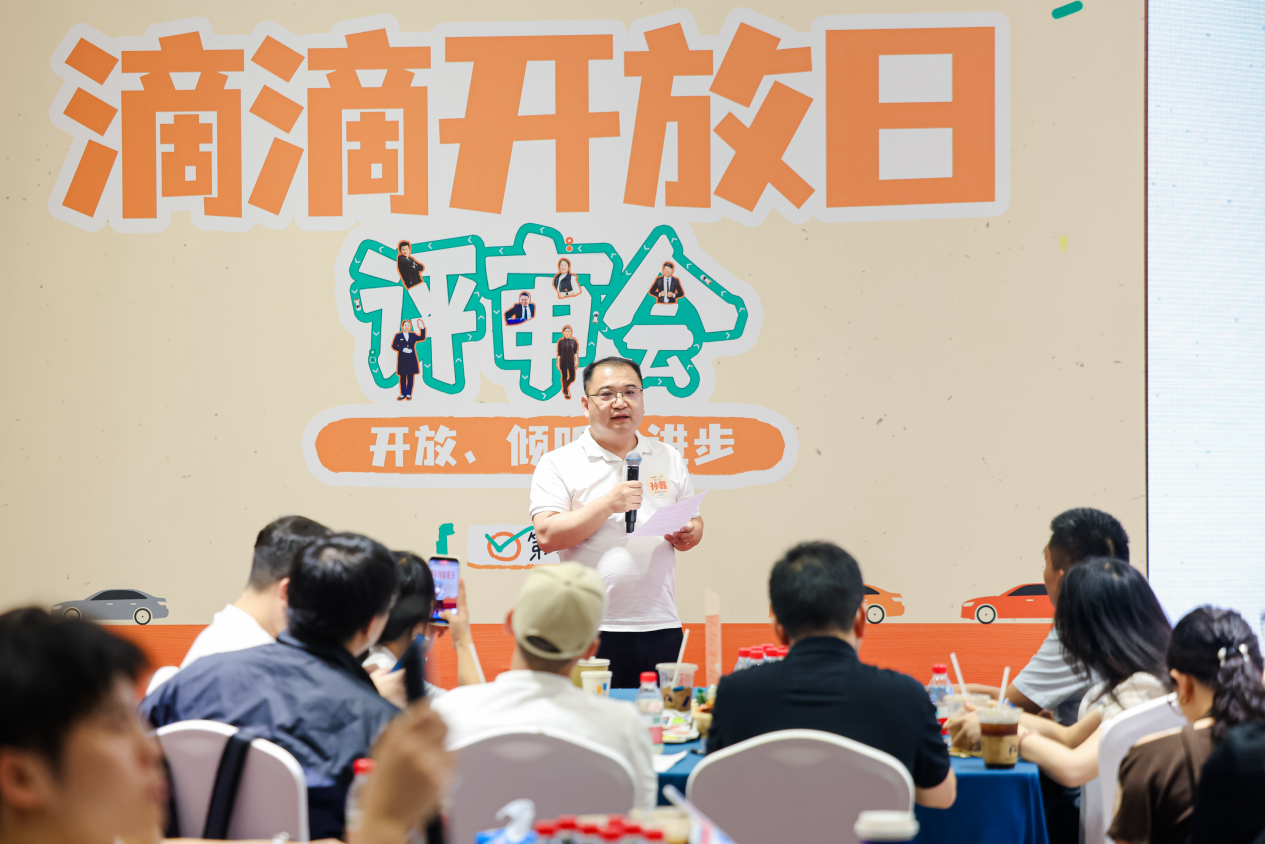
Core Viewpoint - Didi's recent open day event focused on driver feedback and commission issues, highlighting the platform's commitment to improving driver experiences and addressing concerns regarding commission rates [1][2][3] Group 1: Event Overview - The third session of Didi's open day, titled "Driver Experience Supervisor Review Meeting," was held in Beijing with over 60 participants, including drivers, media, and experts [1] - This event marks the third open day held by Didi in 2025, emphasizing ongoing engagement with drivers and stakeholders [1] Group 2: Commission Discussion - Drivers shared their commission experiences, with reported rates of 6.9% and 18% for different drivers in August [1] - Didi's average commission rate for all orders in 2024 is projected to be 14%, with the company clarifying that commission does not equate to profit, as most funds are reinvested into driver and passenger incentives [2] Group 3: Feedback and Suggestions - Attendees provided constructive feedback, suggesting improvements such as enhanced bill visualization, audio notifications for non-commission orders, and automatic calculations of total earnings for drivers [2] - The consensus among participants was that both the platform and drivers should work together to enhance service quality and expand market demand, fostering a sustainable ride-hailing ecosystem [3] Group 4: Commitment to Improvement - Didi's CTO expressed the company's intention to continue hosting open day events to address driver issues, emphasizing a culture of openness, listening, and progress [3]


汽车早餐 | 滴滴2024年所有订单平均抽成14%;广州3亿元汽车消费补贴将启动;宝骏年底首发城市领航辅助
Zhong Guo Qi Che Bao Wang· 2025-09-15 01:59
Domestic News - The Ministry of Commerce has initiated an anti-dumping investigation into imported analog chips originating from the United States, following a formal application submitted by the Jiangsu Semiconductor Industry Association on July 23, 2025 [2] - As of September 10, 2025, the number of applications for the vehicle trade-in program has reached 8.3 million, with the Ministry of Commerce working with relevant departments to support local reforms in automotive consumption [3] - The Ministry of Ecology and Environment will continue to conduct consistency checks on new car production and in-use vehicles, aiming for comprehensive inspections of problematic enterprises and risky models [4] - Guangzhou is launching a 300 million yuan automotive consumption subsidy program, offering up to 5,000 yuan for eligible car purchases from September 15 to 30, 2025 [5] International News - Volvo is recalling 1,355 vehicles in the U.S. due to a potential issue with the front seatbelt retractor's torque rod, with dealers set to replace the affected components free of charge [6] - The International Energy Agency projects strong growth in low-emission hydrogen projects despite facing multiple challenges, with global hydrogen demand expected to rise to nearly 100 million tons by 2024, a 2% increase from 2023 [7] - Elon Musk's xAI has laid off approximately 500 employees, about one-third of its data annotation team, as part of a restructuring plan [8] - Rivian is recalling 24,214 electric vehicles in the U.S. due to a software defect that may cause the highway assist system to misidentify vehicles ahead [9] Corporate News - Changan Automobile forecasts that the Robotaxi market in China will grow to 430 billion yuan by 2035, as automotive companies transition from manufacturing to mobility service providers [10] - Dongfeng Motor Group is developing a self-developed solid-state battery with a capacity of 350Wh/kg, expected to debut in vehicles by 2026, achieving a range of 1,000 kilometers [11] - Faraday Future is planning to spin off its Crypto and related assets for public listing, having successfully completed two rounds of crypto asset allocation totaling approximately 7 million dollars [12] - Didi announced that the average commission for all orders in 2024 will be 14%, with most of the commission being used for subsidies and platform maintenance [13] - Zijin Mining has launched a lithium carbonate project in Argentina with an annual production capacity of 20,000 tons, with plans for further expansion to 60,000-80,000 tons [14] - Baojun is set to unveil its industry-first urban navigation assistance feature by the end of the year, with plans for OTA updates across multiple models [15]





科技周报|小红书被网信办处罚;滴滴称去年订单平均抽成14%
Di Yi Cai Jing· 2025-09-14 03:34
Group 1: Xiaohongshu and Regulatory Actions - Xiaohongshu has established a special rectification working group in response to the requirements of the Cyberspace Administration of China [1][3] - The platform has been penalized for poor management of its hot search rankings, which included the frequent appearance of inappropriate content [3] Group 2: Didi's Revenue Model - Didi's average commission on all orders for 2024 is reported to be 14%, which is primarily used for subsidies and operational costs [2] - The commission structure aims to balance supply and demand while maintaining platform operations [2] Group 3: Gree Electric's Channel Restructuring - Gree Electric is undergoing a significant channel transformation, moving from the "Shengshi" series to the newly established "Hengxin" series for its online wholesale system [4] - This shift indicates a move towards a flatter channel structure, reducing reliance on core agents and enhancing direct retail engagement [4] Group 4: Investment in Robotics - Alibaba Cloud has made its first investment in a humanoid robot company, with the recent A+ round financing of nearly 1 billion yuan led by Alibaba Cloud and Guoke Investment [5] - The investment reflects a growing interest in the humanoid robotics sector, with multiple major tech companies backing this field [5] Group 5: Baidu's Collaboration in AR Technology - Baidu Smart Cloud has signed a memorandum of cooperation with AI+AR glasses supplier Gudong Intelligent, focusing on key technology development and commercialization [6][7] - This partnership aims to enhance the integration of cloud computing capabilities with end-user devices [7] Group 6: Market Movements in Robotics - Leju Robotics has changed its name to Leju Intelligent, indicating a strategic shift as it prepares for potential IPO activities [8] - The trend of humanoid robotics companies moving towards IPOs is accelerating, with several firms in major cities preparing for public offerings [8] Group 7: Oracle's Market Performance - Oracle's stock surged by 36%, leading to a market capitalization increase of $244 billion, driven by strong demand for cloud services [9] - The company's order volume reached $455 billion, a 359% increase year-over-year, significantly boosting the net worth of its founder, Larry Ellison [9] Group 8: Apple's New Product Launch - Apple has introduced the iPhone Air, its thinnest model to date, featuring a thickness of 5.6 mm and a weight of 165 grams [10] - The new model aims to fill a market gap between the Pro and base versions, with a focus on lightweight design [10]
汽车视点 | 司机抽成、作弊治理、返程费改进,滴滴披露平台治理最新进展
Xin Hua Cai Jing· 2025-09-13 08:32
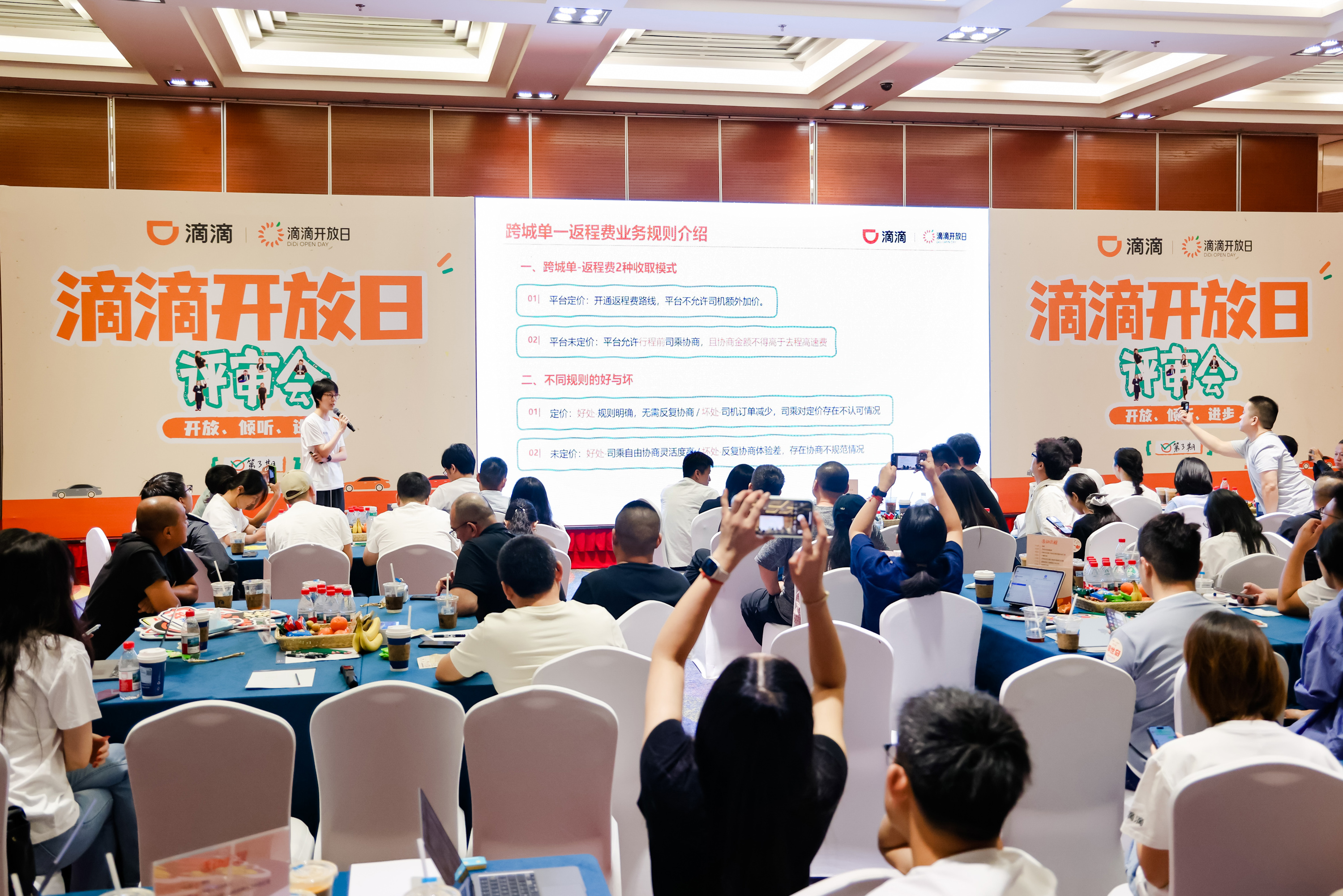
Core Viewpoint - Didi is actively engaging with drivers and stakeholders through its "Driver Experience Supervisor Review Meeting" to address issues such as cheating at stations and cross-city return fees, aiming to improve platform rules and driver experiences [1][5]. Group 1: Cheating and Governance - Didi has established a special project to combat cheating at stations, collaborating with multiple departments to quickly address system vulnerabilities [2] - In 2025, Didi assisted law enforcement in 10 criminal cases and took down 14 criminal groups related to cheating software, resulting in the arrest of 43 suspects [2] - New measures include requiring drivers to stay on the listening page at stations and implementing facial recognition and multi-algorithm dispatch to ensure fairness in order acceptance [2] Group 2: Cross-City Return Fees - Didi is testing two approaches for cross-city return fees, including a fixed fee for specific routes and allowing drivers to negotiate fees with passengers before the trip [2] - The app will display highway fees as a reference for passengers, who can choose from three fee options, with all fees going to the driver [2] - This pilot program will soon be launched in several cities, including Jiangmen and Zhaoqing, with plans for nationwide rollout based on trial results [2] Group 3: Commission Structure - The "Commission Treasure" feature launched in July allows drivers to see their average commission rate after completing over 50 rides [3] - Driver commission rates reported by drivers from Xi'an and Shenzhen were 6.9% and 18% respectively for August [3] - Didi explained that commissions are influenced by supply and demand, with adjustments made during peak and off-peak times to encourage order fulfillment [3] Group 4: Financial Transparency and Feedback - Didi clarified that commissions do not equate to profit, as most funds are reinvested into driver and passenger incentives, system maintenance, and compliance costs [4] - Suggestions from participants included enhancing bill visibility, providing audio notifications for negative commissions, and improving overall driver income through increased order volume [4] - Didi expressed commitment to ongoing optimization based on feedback from drivers and stakeholders [4][5]
司机抽成、作弊治理、返程费改进,滴滴开放日聚焦这些核心问题
Di Yi Cai Jing· 2025-09-13 05:24
Core Insights - The article discusses Didi's ongoing efforts to improve driver experience and address key issues such as cheating at pick-up stations and cross-city return fees through open discussions and feedback sessions with drivers, media, and experts [1][15][20] Group 1: Cheating at Pick-up Stations - Didi has established a special task force to combat cheating at pick-up stations, quickly addressing system vulnerabilities [2] - Since 2015, Didi has collaborated with law enforcement to tackle illegal activities, resulting in 10 criminal cases and the dismantling of 14 criminal gangs in 2025 alone [2] - New rules have been piloted in some cities to ensure fairness in order allocation, including requiring drivers to stay on the order page and enhancing facial recognition [2] Group 2: Cross-City Return Fees - Didi currently has two methods for handling cross-city return fees, including a negotiation option for drivers and passengers, but issues with communication and pricing clarity have been noted [3] - A new app feature will allow for transparent negotiation of return fees, displaying highway costs as a reference for passengers, with the option for drivers to accept or decline the ride [3] Group 3: Commission Rates - Drivers shared their commission rates during the meeting, with examples showing rates of 6.9% and 18% for different drivers [7] - Didi clarified that the average commission rate for all orders in 2024 is 14%, emphasizing that commissions are not pure profit but are used for subsidies, system maintenance, and other operational costs [9] - Suggestions from drivers included improving bill visibility and reducing commission rates to enhance driver earnings [12] Group 4: Open Dialogue and Continuous Improvement - The event highlighted Didi's commitment to open dialogue and continuous improvement, with a focus on addressing driver concerns and enhancing service quality [17][20] - Didi aims to maintain the open review sessions to foster communication and gather constructive feedback for ongoing enhancements [17][20]
滴滴:2024年所有订单平均抽成为14%,抽成不等于利润,大部分通过补贴反馈司乘和服务生态建设
Xin Lang Ke Ji· 2025-09-13 03:32
Core Insights - Didi held its third "Driver Experience Supervisor Review Meeting," focusing on driver feedback and revenue sharing issues [2][3] - The company reported improvements in combating cheating and addressing cross-city order return fees [2][3][4] Group 1: Cheating Prevention - Didi has established a special team to combat cheating, addressing system vulnerabilities quickly [2] - Since 2015, Didi has collaborated with law enforcement, leading to the arrest of 43 suspects involved in cheating activities [2] - New rules have been piloted in some cities to ensure fairness in order allocation for drivers [2] Group 2: Cross-City Order Return Fees - Didi currently employs two methods for return fees, allowing drivers to negotiate with passengers while capping the fee at the highway cost [3] - A new app feature will enable clearer negotiations for return fees, displaying highway costs and allowing passengers to choose from three fee options [3] - This trial will be implemented in cities like Jiangmen and Zhaoqing, with plans for nationwide rollout based on feedback [3] Group 3: Revenue Sharing Concerns - Drivers shared their experiences regarding revenue sharing, with reported commission rates of 6.9% and 18% for different drivers [3][4] - Didi clarified that the commission is not purely profit, as it funds various operational costs and driver incentives [5] - The average commission for all orders in 2024 is projected to be 14% [5] Group 4: Driver Feedback and Suggestions - Attendees provided constructive feedback, including the need for clearer bill visualization and automatic income calculations [5] - Didi's CTO emphasized the importance of ongoing dialogue with drivers to address their concerns and improve services [5]

滴滴试点返程费自主议价
Di Yi Cai Jing· 2025-09-13 03:01
Core Viewpoint - The company is addressing the issue of return trip costs for drivers by introducing a new pricing mechanism that allows for negotiation within the app, ensuring transparency for passengers while compensating drivers for their return journey expenses [1] Group 1: Driver Compensation - Drivers face challenges with return trips due to empty runs and highway costs, seeking compensation for these expenses [1] - The platform has introduced an in-app negotiation feature for return fees, allowing drivers to receive full compensation for their return costs [1] Group 2: Passenger Transparency - The app will display highway costs to passengers as a reference for return fees, offering three pricing tiers for passengers to choose from [1] - This initiative aims to maintain reasonable and transparent pricing for passengers while supporting drivers [1] Group 3: Pilot Program - The pilot program for the new return fee mechanism will be launched in cities including Jiangmen, Zhaoqing, Kaifeng, Quanzhou, and Jinan [1] - The company plans to refine and expand the program nationwide based on the results of the pilot [1]
滴滴2024年所有订单平均抽成14%
Di Yi Cai Jing· 2025-09-13 02:23
Group 1 - The average commission rate for Didi's orders in 2024 is projected to be 14% [1] - Didi's representative clarified that the commission does not equate to profit, as a significant portion of the commission is allocated to subsidies for drivers and riders [1] - The funds from the commission are also used for various expenses, including platform system maintenance, payment and settlement security, customer service, insurance and claims, compliance, and taxes [1]
共享单车自动落锁致用户摔伤?哈啰单车、滴滴青桔否认存在技术问题
Xin Lang Cai Jing· 2025-09-12 19:25
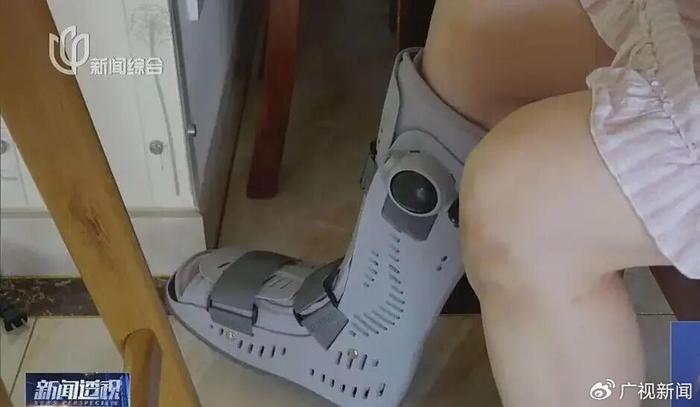
Core Viewpoint - The incident involving a woman injured due to a shared bicycle suddenly locking has raised significant public concern regarding the safety of shared bicycles in China [1][3]. Company Responses - Both Didi Qingju and Hello Bike have stated that they found no software or technical flaws after investigation, suggesting that the incident may be due to chain malfunctions or user errors [3][6]. - Didi Qingju confirmed that they conducted hardware and software checks on the involved bicycles and identified potential issues with loose chains causing riding difficulties, but denied any software-related problems [6][8]. - Hello Bike explained that their locking mechanism prevents locking while the bicycle is moving faster than 0.5 m/s, and suggested that user error could lead to unintended locking [8]. Industry Context - Reports indicate that there have been at least 41 similar incidents of shared bicycles locking unexpectedly during rides, highlighting a persistent safety concern within the industry [5]. - The shared bicycle user base in China has surpassed 600 million as of 2024, indicating the growing importance of this mode of transportation [8]. - Media commentary suggests that reliance on self-inspection by companies is insufficient, advocating for government intervention and third-party investigations to ensure safety and transparency [9].
鸿蒙版滴滴出行新增行程分享、充电导航等功能,智慧出行再进阶
Cai Fu Zai Xian· 2025-09-11 04:58
Core Insights - Didi Chuxing has updated its HarmonyOS version, introducing new features such as trip sharing and charging navigation, enhancing user experience for both passengers and drivers [1][5]. Group 1: New Features - Trip sharing allows users to share their ride details with friends via WeChat, improving safety during commutes and nighttime travel [3]. - The new driver interface includes options for city orders, intercity orders, and frequently used routes, enabling drivers to filter and match orders more efficiently [3]. - Charging navigation provides a seamless solution for electric vehicle owners, allowing users to navigate directly to charging stations without switching between apps, alleviating range anxiety [5]. Group 2: User Experience Enhancement - The updates aim to improve safety and convenience for both passengers and drivers, significantly enhancing the overall travel experience [5].