Lilly(LLY)

Search documents
暴涨5.85%!礼来口服减肥药在糖尿病患者中显效果,有望年内提交FDA审批
美股IPO· 2025-08-27 00:50
Core Viewpoint - Eli Lilly's oral weight loss drug Orforglipron has shown promising results, achieving an average weight loss of 10.5% in obese patients with diabetes, which is better than Novo Nordisk's oral drug that reported a 9.2% weight loss [1][3] Group 1: Drug Performance and Market Impact - The average weight loss for patients receiving the highest dose of Orforglipron was approximately 21 pounds, with significant improvements in blood sugar, blood pressure, blood lipids, and inflammation markers [3] - Following the announcement, Eli Lilly's stock surged by 5.85%, while Novo Nordisk's stock fell by over 3% [4] - Eli Lilly plans to submit a formal application to the FDA for Orforglipron by the end of this year, aiming for a market launch in 2026 [1][8] Group 2: Competitive Landscape and Market Potential - The global weight loss drug market is projected to reach $95 billion by 2030, with oral medications seen as key to unlocking a larger market compared to injectable drugs [7] - Injectable drugs are limited by high costs and cold chain storage requirements, while oral drugs are easier to distribute and have lower manufacturing costs, potentially reaching over 1 billion users globally [8] - Currently, no oral weight loss drug has been approved, making each trial result critical for market sentiment [8] Group 3: Company Actions and Investor Sentiment - After disappointing results from a previous trial, Eli Lilly executives and board members collectively purchased $4.5 million in company stock, marking the largest internal buyback since 2019 [6] - Eli Lilly's stock had previously dropped over 10% year-to-date, while Novo Nordisk's stock had plummeted over 43% [5]


中国石油拟400亿元人民币收购储气库企业:德国汽车欧宝放弃先前电动化战略,延长燃油车型供应时间
Xin Lang Cai Jing· 2025-08-27 00:25
Group 1 - China National Petroleum Corporation plans to acquire gas storage companies for a total consideration of approximately RMB 400.16 billion, with specific amounts allocated to different storage facilities [2] - Eli Lilly's weight loss drug, orforglipron, has met primary goals in late-stage trials, paving the way for global approval applications [2] - CIMG Inc. and FLock Technology Holdings have signed a memorandum of understanding to jointly develop privacy-preserving AI solutions [3] Group 2 - Mianbi Intelligent has open-sourced the 8B parameter multimodal model MiniCPM-V 4.5, which demonstrates superior video understanding capabilities compared to competitors [4] - Cambridge Technology announced it does not currently produce chips with CPO technology, and its related business has minimal impact on current revenue [5] - Taobao and Tmall's book sector has signed a cooperation agreement with the National Library of China to introduce standard cataloging data [6] Group 3 - Daikin Heavy Industries' subsidiary has signed a contract worth approximately RMB 300 million for the construction of a heavy deck transport vessel [7] - Opel has abandoned its previous electrification strategy, extending the supply period for fuel models due to customer demand [8] - Tesla has been ordered to pay $243 million in damages after rejecting a $60 million settlement in an autopilot-related fatal accident case [8] Group 4 - Saudi AI company Humain plans to launch data centers in 2026, utilizing imported semiconductor chips from the U.S. [9] - President Trump has threatened to impose tariffs on furniture, potentially leading to price increases in the industry [10] - Klarna is planning to restart its IPO in the U.S. next month, with a valuation expected between $13 billion and $14 billion [11] Group 5 - KDP announced the dismissal of Federal Reserve Governor Lisa Cook, which has sparked controversy regarding the legality of the action [12] - Meikaman completed a D-round financing of RMB 500 million, with investors including Ocean Motor and Huachuang Capital [13] - Aowei Lingxin has completed a Pre-A round financing of several tens of millions, led by Chuangdongfang [14]



美股小幅收涨, 英伟达财报前走强,礼来大涨
Di Yi Cai Jing Zi Xun· 2025-08-26 23:55
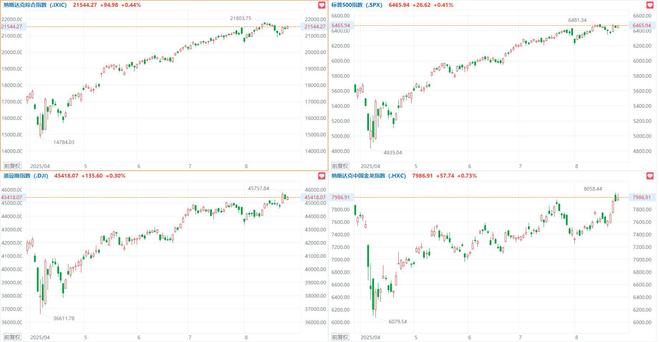
2025.08.27 本文字数:1033,阅读时长大约2分钟 作者 |第一财经 胡弋杰 美国股市周二收高,标普500指数在英伟达与礼来股价上涨的带动下走强。尽管美国总统特朗普宣布解 雇美联储理事丽莎·库克的决定引发市场对央行独立性的忧虑,但投资者更聚焦于即将到来的降息预期 与企业财报。 截至收盘,标普500指数上涨0.41%,收于6465.94点,距离8月14日创下的收盘纪录仅一步之遥,纳斯达 克综合指数上涨0.44%,报21544.27点,道琼斯工业平均指数上涨0.30%,报45418.07点。标普500指数 11个板块中有7个上涨,工业板块领涨1.03%,金融板块紧随其后上涨0.76%。 大型科技股多数收高,特斯拉涨1.5%,苹果上涨0.95%,亚马逊涨0.34%,Meta涨0.11%,微软和谷歌A 则小幅回落。在周三公布季度业绩之前,英伟达上涨1.1%,市值继续支撑美股整体走势。投资者关注 其业绩能否维持人工智能相关股票的涨势。若业绩不及预期,市场担心AI概念股或出现回调。AMD收 涨2%,因券商Truist Securities将评级由"持有"上调至"买入"。 制药股方面,礼来大涨5.9%,此前公司称 ...


美股小幅收涨, 英伟达财报前走强,礼来大涨
第一财经· 2025-08-26 23:46
2025.08. 27 本文字数:1033,阅读时长大约2分钟 作者 | 第一财经 胡弋杰 美国股市周二收高,标普500指数在英伟达与礼来股价上涨的带动下走强。尽管美国总统特朗普宣布 解雇美联储理事丽莎·库克的决定引发市场对央行独立性的忧虑,但投资者更聚焦于即将到来的降息 预期与企业财报。 截至收盘,标普500指数上涨0.41%,收于6465.94点,距离8月14日创下的收盘纪录仅一步之遥, 纳斯达克综合指数上涨0.44%,报21544.27点,道琼斯工业平均指数上涨0.30%,报45418.07点。 标普500指数11个板块中有7个上涨,工业板块领涨1.03%,金融板块紧随其后上涨0.76%。 大型科技股多数收高,特斯拉涨1.5%,苹果上涨0.95%,亚马逊涨0.34%,Meta涨0.11%,微软和 谷歌A则小幅回落。在周三公布季度业绩之前,英伟达上涨1.1%,市值继续支撑美股整体走势。投 资者关注其业绩能否维持人工智能相关股票的涨势。若业绩不及预期,市场担心AI概念股或出现回 调。AMD收涨2%,因券商Truist Securities将评级由"持有"上调至"买入"。 制药股方面,礼来大涨5.9%,此前公 ...

减肥药进入卸妆元年
3 6 Ke· 2025-08-26 23:31
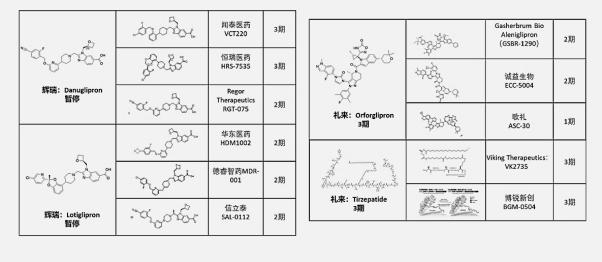
Core Viewpoint - The valuation of weight loss drug companies is under scrutiny as the market faces a reality check in 2025, following a period of rapid growth and inflated expectations driven by the success of GLP-1 drugs [1][4]. Group 1: Market Dynamics - The weight loss drug sector has seen intense competition, particularly with the rise of oral small molecule GLP-1 drugs, which are favored for their cost and adherence advantages [1]. - Merck's acquisition of a preclinical oral small molecule GLP-1 from Hansoh Pharma involved an upfront payment of $112 million, with potential milestone payments reaching $1.9 billion [1]. - Metsera, the first biotech company to go public in the weight loss drug space, saw its stock surge nearly 50% on its debut, achieving a market cap of over $3.4 billion within three years of its establishment [1]. Group 2: Clinical Challenges - As clinical sample sizes increase and treatment durations extend, weight loss drugs are revealing significant shortcomings, including side effects and reduced efficacy [2][3]. - Viking's oral GLP-1 drug VK2735 initially showed promising results but faced a 42% stock drop after final clinical results revealed a high dropout rate due to side effects [5][6]. - Eli Lilly's Orforglipron also underperformed expectations, leading to a 14.14% drop in stock price, marking its largest single-day decline since 2000 [6]. Group 3: Safety and Efficacy Concerns - The transition from early clinical trials to larger populations often exposes new safety issues, as seen with Pfizer's decision to halt the development of Danuglipron due to potential liver damage concerns [8]. - Novo Nordisk's downward revision of its 2025 sales growth forecast from 13%-21% to 8%-14% resulted in a 21.8% stock drop, indicating market sensitivity to performance expectations [9]. Group 4: Domestic Market Outlook - Domestic weight loss drug companies are still in the early stages of development, with many relying on promising early data from animal studies to secure funding [10][11]. - The path from animal studies to human trials is fraught with challenges, and the reliance on existing drug frameworks raises concerns about safety and efficacy in later-stage trials [11][14]. Group 5: Future Survival Strategies - The next generation of weight loss drugs will face high standards for efficacy, and slight deviations in performance may not be sufficient to differentiate products in a competitive market [15]. - The industry is moving towards maturity, with ongoing innovation in areas such as weight loss and muscle gain, despite the challenges posed by clinical validation [15][16]. - Companies must prepare for a landscape where only clinically validated therapies can thrive in a market projected to be worth hundreds of billions [17].

美股三大指数小幅收涨 英伟达财报前走强 礼来大涨近6%
Di Yi Cai Jing· 2025-08-26 23:26
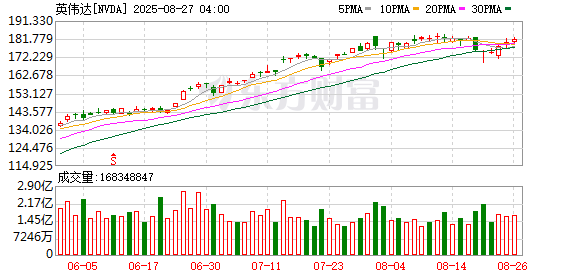
Group 1 - The S&P 500 index rose by 0.41% to close at 6465.94 points, nearing its record high from August 14, driven by gains in Nvidia and Eli Lilly stocks [2] - Nvidia's stock increased by 1.1% ahead of its quarterly earnings report, with investors focused on whether its performance can sustain the momentum in AI-related stocks [2] - Eli Lilly's stock surged by 5.9% after announcing that its experimental drug led to an average weight loss of 10.5% for diabetes patients, boosting investor interest in the pharmaceutical sector [3] Group 2 - AMD's stock rose by 2% following an upgrade from Truist Securities, which changed its rating from "hold" to "buy" [2] - The Nasdaq China Golden Dragon Index increased by 0.73%, with notable gains from companies like Hesai Technology (up over 14%) and NIO (up over 10%) [3] - Concerns about the independence of the Federal Reserve were raised after President Trump announced the dismissal of Fed Governor Lisa Cook, although short-term market reactions were muted [4] Group 3 - The S&P 500's current expected price-to-earnings ratio has risen to approximately 23 times, marking a four-year high, which increases reliance on the performance of leading tech and pharmaceutical stocks [4] - International oil prices fell, with WTI crude down 2.39% to $63.25 per barrel and Brent crude down 2.23% to $66.70 per barrel [4] - Gold prices saw a slight increase, with COMEX gold rising by 0.45% to $3433 per ounce [4]
美股三大指数小幅收涨, 英伟达财报前走强,礼来大涨近6%
Di Yi Cai Jing Zi Xun· 2025-08-26 23:25
Group 1: Market Performance - The S&P 500 index rose by 0.41% to close at 6465.94 points, nearing its record high from August 14 [1] - The Nasdaq Composite increased by 0.44% to 21544.27 points, while the Dow Jones Industrial Average gained 0.30% to 45418.07 points [1] - Seven out of eleven sectors in the S&P 500 saw gains, with the industrial sector leading at 1.03% and the financial sector following at 0.76% [1] Group 2: Company Highlights - Nvidia's stock rose by 1.1% ahead of its quarterly earnings report, with investors focused on its ability to sustain the momentum of AI-related stocks [1] - AMD shares increased by 2% after Truist Securities upgraded its rating from "hold" to "buy" [1] - Eli Lilly's stock surged by nearly 6% after announcing that its experimental drug led to an average weight loss of 10.5% in diabetes patients [2] Group 3: Economic and Policy Context - Concerns about the independence of the Federal Reserve arose after President Trump announced the dismissal of Fed Governor Lisa Cook, citing "improper conduct" in mortgage applications [2] - Bill Merz from U.S. Bank Wealth Management noted that while there are long-term concerns regarding Fed independence, short-term indications suggest a more accommodative monetary policy [2] - Morgan Stanley has predicted a rate cut in September, supported by recent weak labor market data and dovish signals from Powell, despite ongoing inflation pressures [2] Group 4: Commodity Market - International oil prices fell, with WTI crude down 2.39% to $63.25 per barrel and Brent crude down 2.23% to $66.70 per barrel [3] - Gold prices saw a slight increase, with COMEX gold rising by 0.45% to $3433 per ounce [4]
信华生物完成数千万美元A轮系列融资;劲方医药通过聆讯,即将赴港上市 | 医药早参
Mei Ri Jing Ji Xin Wen· 2025-08-26 23:21
Group 1 - Bayer's small molecule PRMT5 inhibitor BAY 3713372 has received clinical trial approval in China, targeting MTAP-DEL solid tumors, offering new hope for patients [1] - Eli Lilly's GLP-1 receptor agonist orforglipron has shown positive results in the phase 3 ATTAIN-2 trial for obese adults with type 2 diabetes, achieving significant weight loss and improvements in A1C levels [2] - Ying Shi Biotechnology has submitted an application for an IPO in Hong Kong, focusing on addressing tumor resistance challenges, although the company has not yet commercialized its products and faces financial uncertainties [3] Group 2 - Xinhua Biotechnology has completed a multi-million dollar Series A financing round, with funds aimed at advancing its core pipeline into global clinical trials, highlighting its potential in cancer immunotherapy [4] - Jinfang Pharmaceutical has passed the hearing for its IPO on the Hong Kong Stock Exchange, focusing on developing new treatments for tumors and autoimmune diseases, with a pipeline of eight candidates, five of which are in clinical development [5]
美股三大指数均小幅收涨,礼来涨近6%,中概股蔚来涨超10%
Ge Long Hui A P P· 2025-08-26 22:52
Market Performance - US stock market opened lower but closed higher, with all three major indices posting slight gains: Nasdaq up 0.44%, S&P 500 up 0.41%, and Dow Jones up 0.3% [1] - Major tech stocks mostly increased, with Tesla and Nvidia rising over 1%, while Apple, Netflix, Amazon, and Meta saw slight gains; Google, Microsoft, and Intel experienced minor declines [1] Company Highlights - Eli Lilly's stock surged nearly 6% following the successful results of its Phase 3 clinical trial for oral GLP-1 receptor agonist orforglipron for obesity combined with type 2 diabetes [1] - Popular Chinese concept stocks mostly rose, with the Nasdaq Golden Dragon China Index increasing by 0.72% [1] - NIO saw a significant increase of 10.02%, while Atour and Xpeng rose by 5.84% and 5.46% respectively; Li Auto increased by 2.71%, and Huazhu rose by 2.33% [1] - Other notable increases included Tencent Music, Global Data, Pony.ai, Miniso, ZTO Express, and NetEase, all rising by up to 1.98% [1] - Xiaomi Group's ADR rose by 1.65%, TSMC's ADR increased by 1.33%, Tencent Holdings' ADR went up by 0.19%, while Pinduoduo's ADR fell by 3.35% [1][2]




Why Novo Nordisk Stock Tumbled on Tuesday
The Motley Fool· 2025-08-26 22:23
Core Insights - A competitor, Eli Lilly, reported successful late-stage clinical trial results for a weight-loss drug, orforglipron, which poses a significant threat to Novo Nordisk's leading products, Wegovy and Ozempic [1][3] - Investors reacted negatively to the news, resulting in a nearly 2% decline in Novo Nordisk's stock price, despite a general market increase in the S&P 500 index [2] Company Developments - Eli Lilly's orforglipron achieved all primary and key secondary endpoints, leading to an average weight loss of 10.5% among participants, compared to just over 2% for the placebo group [5] - The drug also effectively lowered blood sugar levels, which is beneficial for diabetic patients [5] - A key advantage of orforglipron is its pill form delivery, contrasting with the injection method required for Wegovy and Zepbound, making it a more convenient option for patients [6] Industry Context - The competition in the obesity treatment market is intensifying, with a high demand for weight-loss medications in the U.S. [7] - Novo Nordisk must adapt to these competitive pressures to maintain its position in the weight-loss market [7]