
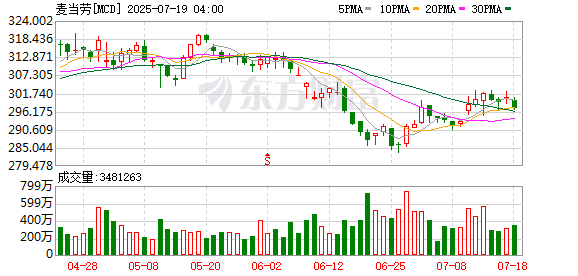
McDonald's(MCD)

Search documents
2025 AI主战场,连锁门店“变形记”
3 6 Ke· 2025-07-23 12:11
Core Insights - The article emphasizes that AI must be effectively implemented in business operations to have a future, highlighting the shift of AI applications from traditional sectors to retail chains, particularly fast-food and beverage outlets [1][3]. Group 1: AI Implementation in Retail - Fast-food chains like McDonald's and KFC are leading the AI competition, with innovations such as KFC's "Car Speed Pickup 2.0" and McDonald's conversational AI "P.AI" enhancing customer experience [1][3]. - Chinese snack chain, Juewei Duck Neck, has introduced three AI systems to engage both store managers and consumers, while beverage brands like Luckin Coffee and Starbucks are also integrating AI for operational efficiency [3][4]. - AI is being utilized in various operational aspects of retail, including food safety monitoring, personalized marketing, and customer service enhancements, significantly improving quality control and customer satisfaction [4][6]. Group 2: Challenges and Opportunities - Retail chains face intense competition and pressure to innovate due to changing consumer habits and declining foot traffic, necessitating the adoption of AI to survive and thrive in a low-margin environment [9][11]. - The integration of AI in retail is driven by the need for improved efficiency in supply chain management and customer engagement, as traditional methods are no longer sufficient [11][13]. - The successful implementation of AI relies on the foundational data infrastructure that many retail brands have developed over the years, allowing them to leverage AI capabilities effectively [13][14]. Group 3: Future of AI in Retail - The shift towards AI in retail is characterized by a lower barrier to entry for smaller businesses, thanks to cloud-based AI services that simplify the integration process [16][19]. - Retail chains are becoming the primary battleground for AI applications, as they generate vast amounts of data that can enhance AI algorithms and improve customer interactions [17][19]. - The focus on practical applications of AI in retail emphasizes the importance of understanding business needs and ensuring that AI solutions are user-friendly and effective in addressing real-world challenges [20][21].







McDonald's revamped Snack Wraps are winning over customers
CNBC· 2025-07-23 11:00
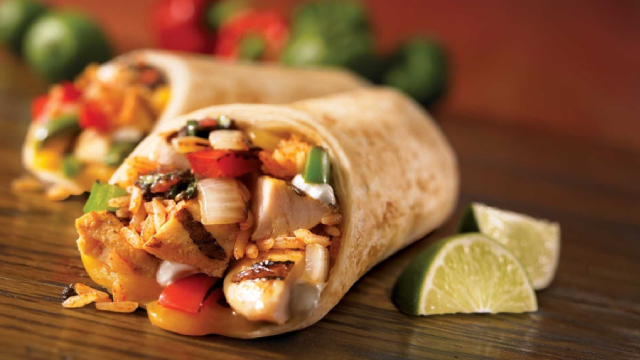
Core Insights - McDonald's has successfully reintroduced the Snack Wrap, which has garnered positive customer response and increased sales traffic [1][2][3] Sales Performance - From July 10 to July 12, McDonald's locations experienced a double-digit increase in traffic compared to the year-to-date daily average [2] - U.S. same-store sales have risen by 7% in the third quarter, as per Evercore ISI estimates [2] - Some locations faced temporary shortages of lettuce due to high demand, which has since been resolved [2][3] Customer Engagement - A Numerator survey indicated that 90% of respondents who purchased the Snack Wrap would buy it again [5] - The average respondent in the survey visited McDonald's 56 times this year, significantly higher than the typical diner who visited 25 times [6] Product Details - The revived Snack Wraps are priced at $2.99 each and are available in two flavors: spicy and ranch [7] - Over two-thirds of survey respondents opted for the ranch flavor, while 20% chose spicy and 12% purchased both [7] Future Outlook - McDonald's is set to report its second-quarter earnings on August 6, which will not reflect the impact of the Snack Wraps as they were launched after the quarter ended [8]

加速狂奔的本地生活市场,美团 18 神券节如何开拓新增量?
Sou Hu Cai Jing· 2025-07-21 05:17
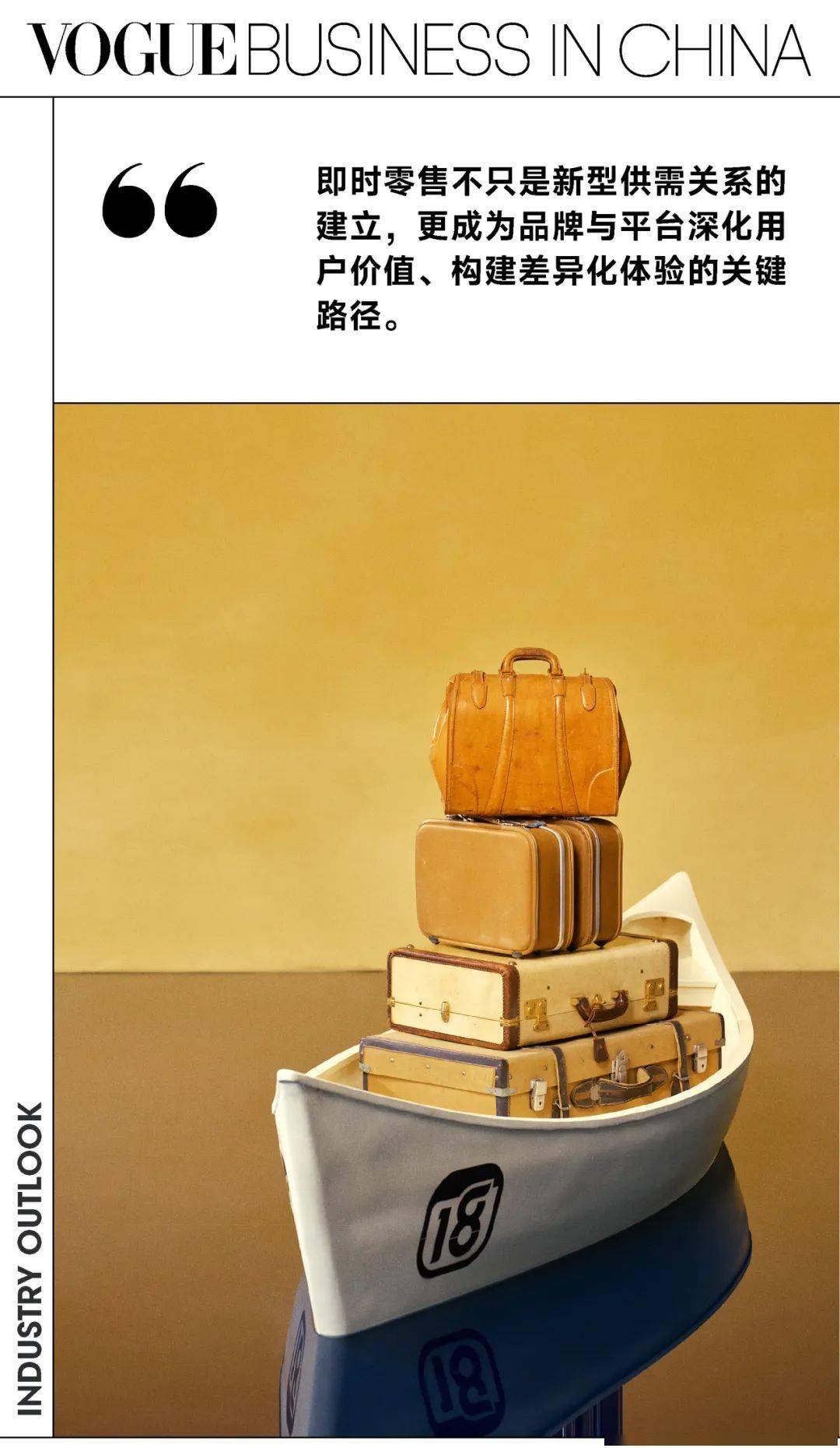
Core Insights - The concept of "instant retail" is becoming a new industry consensus, reshaping consumer habits from waiting for deliveries to expecting one-hour delivery services [4][6] - Instant retail is projected to grow at an annual rate of 47.1% by 2026, significantly outpacing traditional e-commerce growth [4] - The integration of membership systems into promotional events, such as Meituan's "718 Coupon Festival," enhances user experience and allows for personalized marketing strategies [6][9] Group 1: Instant Retail Trends - Instant retail is redefining supply-demand relationships and is crucial for brands to deepen user value and create differentiated experiences [6][9] - The "718 Coupon Festival" emphasized transparency in user benefits and integrated membership tiers for personalized rewards [6][9] - The event expanded its product categories to include flash sales and quality lifestyle items, aligning with seasonal consumer needs [7][9] Group 2: Brand Strategies - Brands are leveraging events like the "718 Coupon Festival" to enhance consumer engagement and brand recognition through emotional connections [13][14] - The festival allows brands to convey their values and engage with consumers in meaningful ways, transforming promotions into brand storytelling opportunities [19][20] - Brands are increasingly focusing on creating experiences rather than just selling products, reflecting a shift in consumer expectations towards emotional fulfillment [20][31] Group 3: Consumer Behavior - Non-essential consumer goods are becoming a regular part of daily decision-making, driven by the convenience of instant retail [21][22] - Younger consumers are actively seeking health and wellness products, indicating a shift towards proactive health management [21][22] - The demand for quality service and experience is rising, with consumers prioritizing value over mere price [28][29] Group 4: Market Dynamics - The "718 Coupon Festival" serves as a platform for brands to capture high-value users and establish differentiated brand positioning [31][47] - The festival highlights the evolving relationship between brands, platforms, and consumers, emphasizing the importance of building sustainable value [47] - As instant retail matures, the focus is shifting from mere transaction efficiency to fostering long-term consumer relationships [37][47]

链博会观察丨一码串起供应链,消费“链主”企业的数字化实践
Jing Ji Guan Cha Wang· 2025-07-19 09:17
Core Insights - The article discusses the transformation of supply chain management in the consumer sector through digitalization and traceability systems [2][3][5]. Group 1: Supply Chain Innovations - The "one product, one code" traceability system allows companies to track sales data from raw materials to end consumers, enhancing transparency in the green supply chain [2]. - McDonald's has introduced a "one box, one code" initiative, enabling individual tracking of each box of goods, which improves regulatory efficiency and allows for performance comparisons across factories [3]. - Starbucks is collaborating with Envision Group to implement a digital supply chain management platform that will cover 100% of its direct and significant indirect suppliers, aiming to quantify and reduce carbon footprints [5]. Group 2: Digital Transformation Efforts - Yum China is launching a new supply chain model in Jinan, integrating short-shelf-life food production and smart logistics to enhance operational efficiency [6]. - The digitalization efforts across these companies are aimed at improving collaboration and efficiency within the supply chain, with a focus on sustainability and responsiveness to consumer demand [4][6]. - Companies are committed to ongoing investments in digital infrastructure, including AI and automation, to further enhance operational efficiency [6].



Flipping Burgers - McDonald's And Restaurant Brands International Revisited
Seeking Alpha· 2025-07-19 06:25
Group 1 - McDonald's is a globally recognized brand, while Restaurant Brands International, which includes Burger King, is less known in the stock market [1] - The author has extensive experience in executive management and knowledge in various sectors including insurance, climate change, and ESG [1] Group 2 - The article does not provide specific financial data or performance metrics for McDonald's or Restaurant Brands International [2][3]

(投资中国)麦当劳中国CEO:中国是麦当劳全球餐厅数量增长最快市场
Zhong Guo Xin Wen Wang· 2025-07-19 03:57
Core Insights - McDonald's China is experiencing rapid growth, with over half of the new restaurants globally opening in China each year [2] - The company has over 7,000 restaurants in China and plans to open 1,000 new locations this year, averaging one new restaurant every 10 hours [2] - McDonald's China has over 300 million members and serves more than 1.3 billion customers annually, with over 90% of orders coming from digital channels [2] Investment and Innovation - McDonald's plans to invest 4 billion RMB in digital research and innovation from 2024 to 2028 to support industry upgrades and new productivity [2] - Innovations from McDonald's China are being shared globally, including digitalization and delivery experiences [2] Supply Chain and Sustainability - McDonald's China has launched the "McChain" initiative with 11 core suppliers, focusing on sustainable development and building a smart supply chain [2][3] - 90% of ingredients and raw materials are sourced locally, with ongoing efforts to enhance localization [3] - The company has established a smart supply chain industrial park in Hubei and is building another in Huzhou, expected to be operational by 2027 [3]
走进麦当劳:把AI转化成真正可用的生产力
虎嗅APP· 2025-07-18 14:12
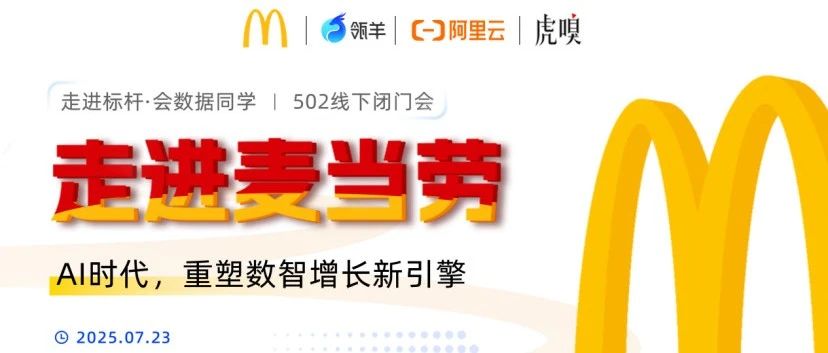
Core Insights - McDonald's China has successfully integrated AI into its operations, focusing on enhancing customer experience, store management, and supply chain efficiency [2][3][5] Group 1: AI Integration in Business Scenarios - McDonald's AI applications are deeply embedded in three core business scenarios: customer engagement, store operations, and supply chain management [3] - For customer engagement, McDonald's has launched initiatives like the in-car voice ordering system in collaboration with NIO and conversational AI during promotional events [3] - In store operations, the RGM BOSS system automates scheduling and inventory management, while the PMT system standardizes the opening process for new stores [3] - The supply chain is enhanced through a "smart supply chain" initiative, which includes a digital tracking system for inventory management [3] Group 2: Organizational Culture and Support - The success of AI implementation is supported by a strong organizational culture and practical experience, with a focus on data-driven decision-making [5][6] - McDonald's Shanghai headquarters features a real-time sales display, showcasing the integration of data and technology in operations [5] - The "Hamburger University" trains over 10,000 operational staff annually, combining service skills with digital thinking to support AI applications [6] Group 3: Leadership and Strategy - CIO Chen Shihong emphasizes the importance of embedding technology within daily operations and the need for organizational evolution to facilitate AI adoption [7] - The leadership approach focuses on making technology a core part of the business rather than a support function [7] Group 4: Expert Insights and Discussions - Experts from Lingyang and Alibaba Cloud will share practical methods for AI implementation in various business contexts, focusing on data coordination and decision-making [8] - A roundtable discussion will explore the transformative potential of AI agents in business processes and organizational structures [10] Group 5: Event Details - The event on July 23, 2025, at McDonald's Shanghai headquarters will include site visits, thematic discussions, and interactive Q&A sessions [12][13]
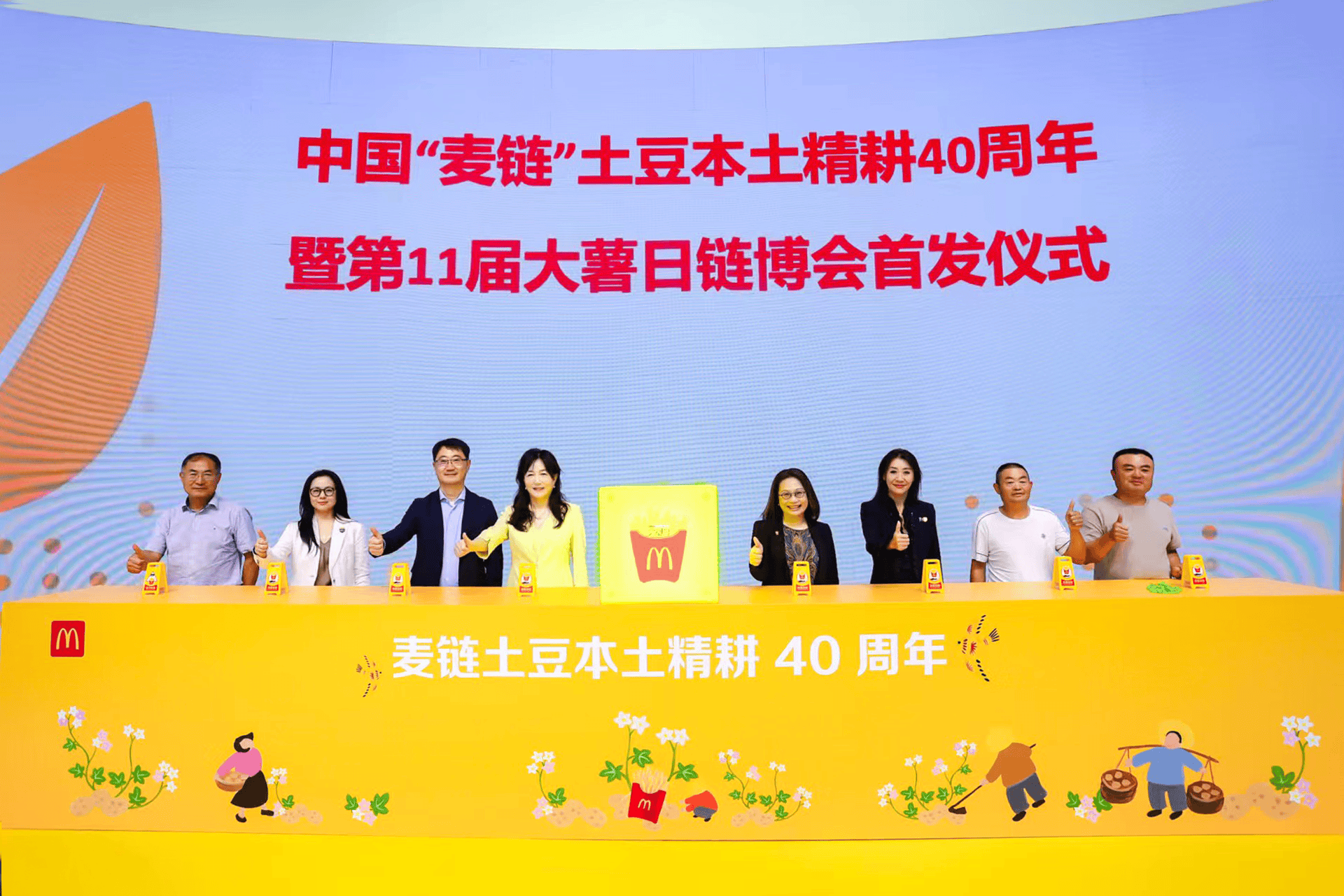
麦当劳中国第十一届大薯日链博会首发 庆祝其土豆本土种植40周年
Xin Hua Cai Jing· 2025-07-18 13:52
Core Viewpoint - McDonald's China celebrates the 40th anniversary of local potato cultivation and launches the 11th "Big Fry Day" event, emphasizing the importance of local sourcing and quality in its supply chain [1][3] Group 1: Company Initiatives - McDonald's China collaborates with suppliers and local farmers to promote the "from farm to table" concept, highlighting the quality and stories behind its fries [1][3] - The company aims to enhance agricultural sustainability while improving both the quality and yield of potatoes through long-term partnerships with suppliers and farmers [3] Group 2: Supply Chain Development - The "Chinese McChain" initiative focuses on optimizing the supply chain, linking local production with global standards [4] - Since 1992, suppliers like Simplot have established processing facilities in China, with recent investments exceeding $450 million for new factories in 2023 [4] - Innovations in product development, such as crispy fries designed for delivery, ensure that quality is maintained even under external conditions [4]

麦当劳中国第十一届大薯日链博会首发 共庆土豆本土种植40周年
Sou Hu Cai Jing· 2025-07-18 07:27
Core Viewpoint - McDonald's China celebrates the 40th anniversary of local potato cultivation, highlighting its commitment to modern agricultural practices and sustainable supply chain collaboration with partners and farmers [2][3][4]. Group 1: Anniversary Celebration and Initiatives - McDonald's China, along with suppliers and farmers, celebrated the 40th anniversary of local potato cultivation at the China International Supply Chain Promotion Expo [2]. - The company launched the 11th "Big Potato Day" event, focusing on the story of quality and fun experiences behind their fries [2][8]. - The "McChain" initiative was introduced to promote higher quality, smarter, and greener supply chain collaboration [3]. Group 2: Agricultural Development and Supply Chain - The potato industry in China has seen significant growth, with Simplot China's annual potato harvest expected to reach 92,000 tons by 2025, up from a few thousand tons in the early years [4]. - Modern farming practices have replaced traditional methods, with over 40,000 acres implementing crop rotation and water-saving techniques [7]. - McDonald's supply chain optimization includes the establishment of new processing plants, with over $450 million invested in two new factories by McCain and Lamb Weston in 2023 [7]. Group 3: Consumer Engagement and Product Innovation - The "Big Potato Day" event encourages consumer interaction with fries, featuring a creative product called the "Big Potato Status Light" to enhance dining experience [8][10]. - McDonald's continues to focus on product innovation and sustainable practices to provide high-quality dining experiences for consumers [10].
走进麦当劳:把AI转化成真正可用的生产力
Hu Xiu· 2025-07-18 07:01
Core Insights - The article discusses how McDonald's China has effectively integrated AI into its operations, enhancing efficiency and customer experience, amidst ongoing debates about AI's practicality in the industry [2][4]. Group 1: AI Integration in Business - McDonald's China focuses on three core business scenarios for AI application: customer interaction, store operations, and supply chain management [4]. - The company has launched various AI initiatives, such as a voice ordering system in collaboration with NIO and a conversational AI during promotional events, aimed at optimizing user experience and driving growth [4]. - The RGM BOSS system aids store managers in automating scheduling and inventory management, while the PMT system standardizes the opening process for new stores [4]. Group 2: Organizational Culture and Support - The article highlights the importance of organizational culture and frontline experience in supporting AI implementation, emphasizing that technology should be an integral part of the business [5][8]. - McDonald's Shanghai headquarters features a real-time display of national burger sales, showcasing a data-driven approach that balances efficiency with customer engagement [5]. - The "Hamburger University" trains over 10,000 operational talents annually, combining service skills with digital thinking to foster a workforce capable of implementing AI solutions [6]. Group 3: Expert Insights and Future Directions - CIO Chen Shihong reviews McDonald's digital transformation journey, emphasizing the need for a unified digital platform that embeds technology into daily operations [7]. - The article mentions insights from industry experts on how non-restaurant businesses can also implement AI effectively, focusing on data coordination and decision-making [9]. - A roundtable discussion is planned to explore the potential disruptions that AI agents can bring to businesses, encouraging participants to share experiences and insights [11].
