
Walmart(WMT)

Search documents
山姆再“翻车”,用户还能爽快续卡吗?
3 6 Ke· 2025-10-24 03:42
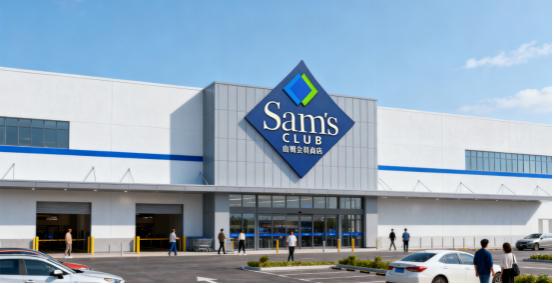
Core Viewpoint - The recent administrative penalty imposed on Sam's Club for selling substandard products serves as an official acknowledgment of growing consumer concerns, potentially undermining trust among its core user base [1][3][10] Group 1: Impact of Penalty on Consumer Trust - The penalty involves products that are crucial to the core demands of Sam's Club's membership, particularly in the baby and children’s category, which is a significant focus for parents [3][4] - The quality issues identified by authorities may first impact parents' trust in purchasing safe products for their children, which is a primary concern for the target demographic [4][5] - This incident could lead members to reconsider the value of their membership fees, especially as they weigh the trustworthiness of the products offered [5][6] Group 2: Erosion of Premium Brand Perception - The penalty challenges the foundational belief that premium pricing equates to high quality and health standards, which is central to Sam's Club's business model [5][6] - The reliance on a curated selection of high-quality products has been a key selling point for Sam's Club, and this incident undermines that perception [6][7] - If further quality control issues arise, it could diminish the perceived exclusivity and value that membership provides, potentially leading to a loss of customer loyalty [9][10] Group 3: Broader Implications for Business Strategy - Sam's Club is currently expanding its operations in China, with plans to increase store numbers and adjust product sourcing strategies to enhance profitability [11][13] - The shift towards local supply chains may limit the diversity of products available, which could affect the brand's appeal if not managed carefully [13][14] - Consumer behavior is evolving, with a growing emphasis on emotional resonance and social value in purchasing decisions, which Sam's Club must adapt to in order to maintain relevance [15][16]


Walmart is rolling out a new raise strategy for hourly store workers, leaked documents show
Business Insider· 2025-10-24 00:28
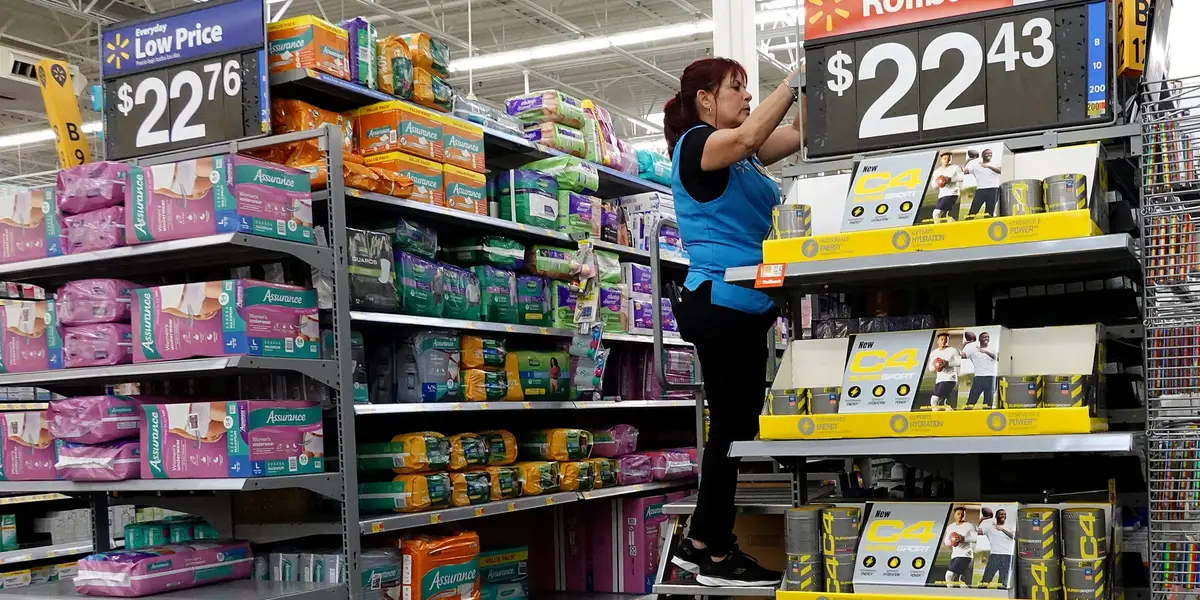
Core Insights - Walmart is implementing a new performance-based pay structure for its frontline hourly workers in the US, moving away from across-the-board raises based solely on years of service [1][2][3] Group 1: New Pay Structure - The new plan incorporates factors such as attendance, teamwork, and overall store performance into the evaluation for raises, allowing for adjustments of up to one percentage point based on these metrics [4][9] - Employees with varying lengths of service will have different baseline raises, with those who joined in the last six months eligible for a 1% raise, while those with over ten years of service can receive a baseline raise of 4% [5][12] Group 2: Performance Evaluation - The performance evaluation consists of three equally weighted factors: attendance and shift completion, behavioral contributions to the team, and overall store performance in sales and customer satisfaction [9][10] - Employees are rated as "exemplary," "successful," or "opportunity," with the highest ratings leading to the maximum performance-related adjustment of one percentage point [10][11] Group 3: Implementation and Feedback - The new system is fully active and will collect data from November 1 to January 20, after which raises will be calculated for the following year [13] - The structure aims to provide clearer feedback to workers, linking their pay more closely to day-to-day performance [13]
电商AI大战升级:亚马逊推出“帮你决定”AI功能,迎战沃尔玛-OpenAI联盟
Hua Er Jie Jian Wen· 2025-10-23 16:27
Group 1 - E-commerce giants are increasingly investing in artificial intelligence to enhance consumer shopping experiences [1][2] - Amazon has launched an AI tool called "Help Me Decide" aimed at assisting consumers with decision-making by providing personalized product recommendations based on shopping history and consumer reviews [1] - Walmart has partnered with OpenAI to allow consumers to browse and purchase products directly through the ChatGPT chatbot, indicating a shift towards AI-driven shopping experiences [1][2] Group 2 - The "Help Me Decide" tool generates recommendations when users are indecisive between similar products, offering a tailored suggestion along with alternative options at different price points [1] - The initial rollout of Amazon's AI tool is limited to "millions" of randomly selected consumers in the U.S. to evaluate its performance and user acceptance before broader deployment [1] - A September survey by Adobe revealed that over one-third of consumers are using AI tools for product research, recommendations, and finding deals, highlighting the growing trend of AI in retail [2]

Walmart promotes chief auditor to controller
Yahoo Finance· 2025-10-23 16:09
This story was originally published on CFO Dive. To receive daily news and insights, subscribe to our free daily CFO Dive newsletter. Dive Brief: Walmart on Wednesday announced it is promoting Chief Audit Executive Dwayne Milum, 50, to serve as the retailer’s controller and senior vice president, effective Feb. 1, according to a Securities and Exchange Commission filing. Milum, who joined the Bentonville, Arkansas-based retail giant just over two decades ago, will serve as its principal accounting off ...
2 Supermarket Stocks Poised for Steady Gains on Omnichannel Strategies
ZACKS· 2025-10-23 15:21
Core Insights - The Zacks Retail – Supermarkets industry is capitalizing on consistent consumer demand and enhancing AI-driven omnichannel strategies to improve convenience, efficiency, and personalization, which strengthens the competitive positions of major players like Walmart and Kroger [1][4]. Industry Overview - The industry encompasses supermarket retailers offering a wide range of products, including groceries, health and beauty aids, and household items, operating through various formats such as supermarkets, discount stores, and hypermarkets [3]. - E-commerce has significantly transformed the industry, with retailers enhancing pickup and delivery services to meet the rising consumer preference for online shopping [3]. Major Trends - Supermarket chains are focusing on integrating digital and physical retail to create a seamless shopping experience, investing in modern store formats and smarter inventory systems [4]. - The adoption of online grocery shopping remains strong, prompting retailers to accelerate digital upgrades and implement services like same-day delivery and contactless checkout [4]. - AI is increasingly central to operations, facilitating real-time inventory management and personalized marketing [4]. Consumer Demand - Grocery retailers benefit from stable consumer demand due to the essential nature of food and household staples, with both in-store visits and online orders remaining robust [5]. - There is a growing consumer preference for fresh, healthy, and locally sourced options, driving repeat purchases and prompting retailers to adapt their product assortments [5]. Profit Margins - Supermarket players face pressure on profit margins due to rising labor costs, store refurbishments, and significant spending on e-commerce and technology upgrades [6]. - Additional challenges include higher import tariffs and supply-chain disruptions, which inflate procurement costs [6]. Industry Performance - The Zacks Retail – Supermarkets industry ranks 98, placing it in the top 40% of over 250 Zacks industries, indicating strong near-term prospects [7]. - The industry has outperformed the S&P 500, with a growth of 28.8% over the past year compared to the S&P 500's 17.5% [9]. Current Valuation - The industry is currently trading at a forward 12-month price-to-earnings (P/E) ratio of 34.48X, significantly higher than the S&P 500's 23.39X [12]. Company Highlights - **Walmart**: The company benefits from a diversified business model and a strong omnichannel strategy, leading to increased traffic and market share gains. The consensus estimate for Walmart's EPS is $2.60, with shares rising 29% in the past year [15][16]. - **Kroger**: The company leverages a customer-first strategy and a robust private label portfolio, with a consensus EPS estimate of $4.79. Kroger's shares have increased by 21% over the past year [18][19].

山姆回应“配送员电动车挂满货物”:将推广三轮或四轮车
Yang Zi Wan Bao Wang· 2025-10-23 12:45
Core Viewpoint - The recent issue regarding "Sam's delivery personnel's electric vehicles overloaded with goods" has gained significant attention, prompting Sam's Club to release a statement on optimizing delivery personnel's safety measures [1][3]. Group 1: Company Response - Sam's Club emphasizes the importance of each delivery personnel's hard work and prioritizes their safety [3]. - The company is collaborating with various delivery platforms to enhance safety measures, including volume labeling management, order control for riders, cargo matching optimization, and intelligent dispatch systems to reduce safety risks [3]. - Sam's Club has begun implementing measures to match cargo with three-wheeled or four-wheeled vehicles in certain areas, with plans to expand these initiatives nationwide soon [3]. Group 2: Public Concerns - Several netizens have raised concerns about Sam's delivery methods, specifically criticizing the overload of goods on electric vehicles, which poses significant traffic safety risks [3]. - Users on social media have expressed their dissatisfaction, with one stating, "Sam's Club, you are too much," and sharing images showing delivery vehicles filled with packages [3]. - The nature of Sam's products, which are often large and heavy, makes it challenging to deliver them safely using electric vehicles, leading to potential imbalances and safety hazards [3].
配送员电动车“堆积如山,摇摇晃晃”,山姆回应
凤凰网财经· 2025-10-23 12:43
Core Viewpoint - The article discusses the challenges faced by Sam's Club in China, particularly regarding its delivery system and market expansion strategy, amidst increasing competition and customer dissatisfaction with product selection [6][10][20]. Group 1: Delivery and Safety Concerns - Recent reports highlight safety issues with Sam's delivery personnel, who are seen overloading electric vehicles with goods, raising public safety concerns [6][10]. - In response to these issues, Sam's has announced measures to improve delivery safety by using three-wheeled or four-wheeled vehicles in certain areas, with plans to expand this initiative nationwide [6][8]. - The current delivery methods include "Express Delivery" (within 1 hour), "Citywide Delivery" (next-day delivery), and "Global Purchase," with partnerships including SF Express and Dada [8][9]. Group 2: Market Expansion Strategy - Sam's Club is shifting its strategy from targeting affluent suburban customers to expanding into urban centers and lower-tier cities, indicating a significant change in its market approach [6][16]. - The company plans to open 8 to 10 new stores annually starting in 2025, although this has not been officially confirmed [16]. - The rapid expansion has led to operational challenges, including issues with product selection that have sparked customer dissatisfaction, particularly with the introduction of more common brands [14][18]. Group 3: Competitive Landscape - Sam's Club is facing intensified competition from major players like Meituan, Alibaba, and JD, which have opened numerous discount stores in key regions [20]. - Despite the challenges, Sam's maintains a competitive edge in product selection and private label development, but must navigate increasing pressure from competitors [21]. - Analysts suggest that while Sam's may have a five-year window of opportunity, it must adapt its service capabilities to keep pace with its expansion efforts to maintain customer trust [21].

X @Polyhedra
Polyhedra· 2025-10-23 12:00
AI & Transaction Verification - Walmart partnered with OpenAI to enable in-chat purchases, turning ChatGPT into a transactional interface [1] - AI can now fulfill user requests, fill carts, and complete checkouts [1] - The industry needs a way to verify AI's actions when executing transactions [1]
突发!山姆爆雷,3亿中产天塌了!
Xin Lang Cai Jing· 2025-10-23 11:26
Core Insights - The article highlights the growing concerns regarding product safety and quality control at Sam's Club, particularly affecting middle-class families who have relied on the brand for trusted products [1][10][25] Group 1: Product Safety Issues - Recent administrative penalties from the Shanghai Market Supervision Administration revealed that a FILA children's scooter failed safety standards, raising alarms among parents [2][6] - The problematic batch of scooters included 64 units, with 61 already sold, indicating that over 95% of the defective products had reached consumers [6] - Another product, a Lenzing Tencel children's three-piece set, also failed to meet national standards for color fastness, posing potential risks for infants [7][9] Group 2: Consumer Trust Erosion - The frequency of quality control issues has led to a significant erosion of consumer trust, particularly among middle-class families who previously viewed Sam's Club as a reliable source [10][18][25] - Instances of foreign objects found in food products and complaints about poor customer service have further fueled dissatisfaction [13][24] - The shift from high-end to more generic products has been noted by long-time members, contributing to a sense of betrayal [21][24] Group 3: Business Performance and Strategy - Sam's Club has experienced rapid growth, with a reported 30.1% increase in net sales year-over-year and membership numbers exceeding 9 million [19][21] - The new CEO's strategy focuses on supply chain efficiency and cost control, which may compromise product quality in favor of rapid expansion [21][24] - The imbalance between scale and quality has resulted in systemic risks, as the company struggles to maintain its quality control standards amid aggressive growth [24][30] Group 4: Market Dynamics - The changing landscape of retail, with increased competition from e-commerce and local membership stores, has provided consumers with more options, reducing their reliance on Sam's Club [29][30] - The emotional connection that middle-class families had with the brand is being tested, as safety concerns for children's products become paramount [28][30] - The article suggests that the initial reasons for paying the membership fee are being questioned, as consumers weigh the value of quality against the risks of compromised safety [31]

盛秋平副部长会见沃尔玛全球公司事务副总裁丹·巴特利特
Shang Wu Bu Wang Zhan· 2025-10-23 08:26
盛秋平指出,我们欢迎包括美资在内的外资零售企业在华依法合规经营、分享中国大市场发展成果。 丹·巴特利特表示,沃尔玛高度重视中国市场,认为全球各国应相互贸易,合作共赢。沃尔玛愿继续深 耕中国零售市场,为消费者提供更好服务。 10月16日,商务部副部长盛秋平会见沃尔玛全球公司事务副总裁丹·巴特利特。双方就当前中美经贸关 系背景下美资零售企业在华发展等议题进行了交流。 盛秋平表示,跨国公司在双边经贸合作中发挥着重要作用,也承担着重要责任。沃尔玛是中国最大的外 资零售企业之一,也是美国最大的零售企业,希望沃尔玛积极发挥跨国公司国际影响力,尊重市场规 律、维护市场规则,扩大在华采购。 ...