
默沙东

Search documents
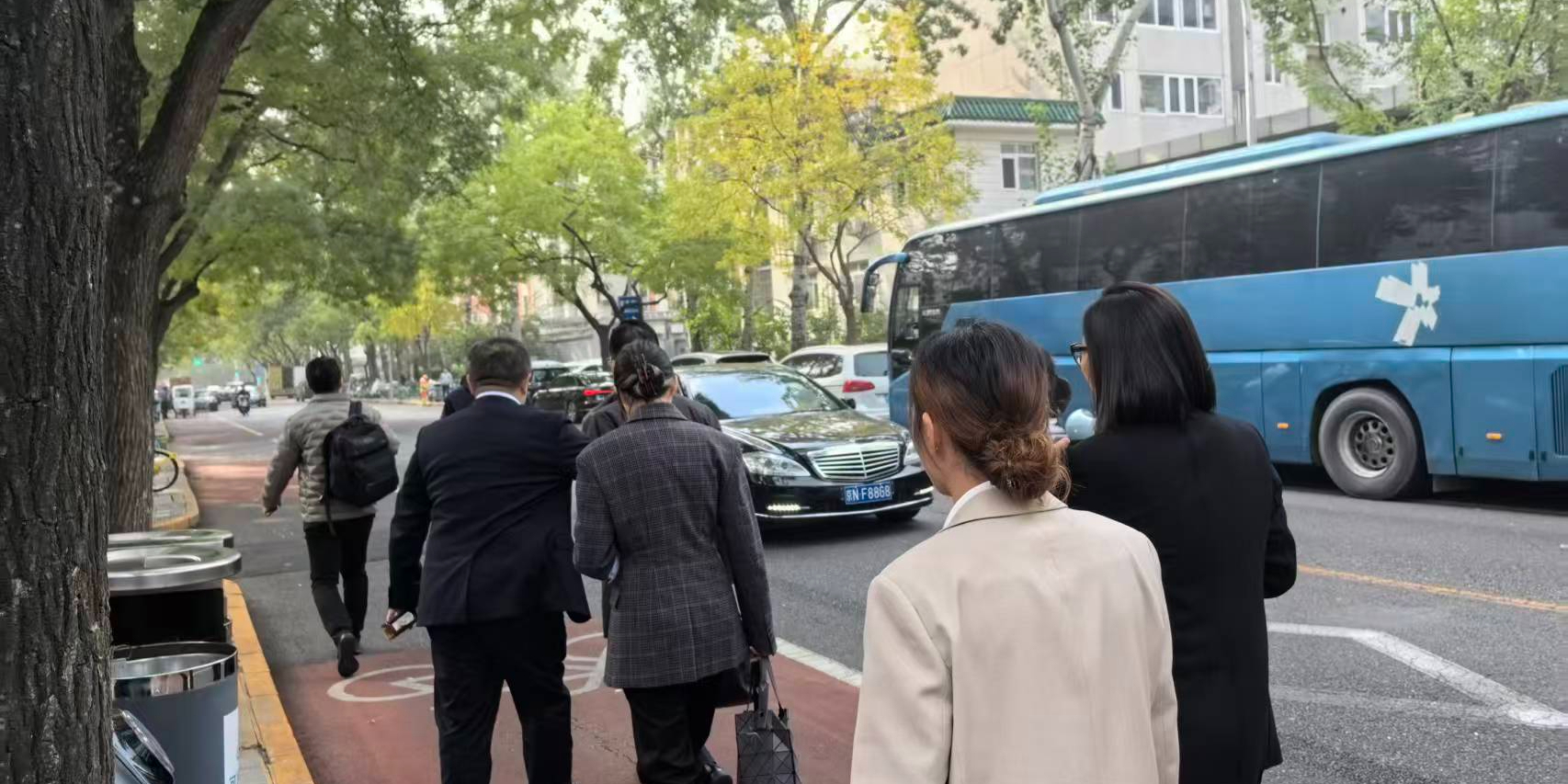
2025年国谈在京开启,谈判速度比往年更快了
Jing Ji Guan Cha Wang· 2025-10-31 01:21
Core Points - The 2025 National Medical Insurance Negotiation (referred to as "Guo Tan") commenced on October 30, 2023, in Beijing, with negotiations expected to last 4-5 days [2][3] - This marks the 8th adjustment of the medical insurance catalog since the establishment of the National Medical Insurance Bureau, involving five stages: preparation, application, expert review, negotiation, and announcement of results [3] - A total of 644 drugs passed the formal review for the 2025 catalog, with 534 approved for the basic medical insurance catalog and 121 for the commercial insurance innovative drug catalog [3] Group 1 - The first day of negotiations focused primarily on common drugs, including those for infections, anesthesia, and diabetes, while innovative drugs are scheduled for discussion on the second and third days [3] - Some representatives expressed that the price reductions proposed by the National Medical Insurance Bureau were significantly lower than expected, with estimates being 40%-50% below the most pessimistic forecasts [3][5] - The pace of negotiations appeared to be faster than in previous years, with representatives exiting the venue every few minutes, contrasting with the lengthy discussions seen in past negotiations [5] Group 2 - The introduction of the commercial insurance innovative drug catalog is a significant change this year, aimed at integrating basic medical insurance and commercial insurance to better meet diverse medication needs [8][9] - Negotiations for the commercial insurance innovative drug catalog are expected to take place on November 1 and 2, 2023 [9] - A total of 79 drugs applied for both the basic medical insurance and commercial insurance innovative drug catalogs, with a priority given to those that successfully pass the basic medical insurance negotiations first [9][10] Group 3 - The commercial insurance innovative drug catalog will allow for greater participation from commercial insurance companies in the decision-making process regarding drug inclusion and pricing negotiations [9] - Five high-cost CAR-T products are confirmed to be included in the final negotiation list for the commercial insurance innovative drug catalog [10] - Future payment models for innovative drugs may involve initially placing them in the commercial insurance catalog before transitioning to the basic medical insurance catalog after gathering real-world data [10]

适龄女孩免费接种HPV疫苗!市场格局生变
Shang Hai Zheng Quan Bao· 2025-10-30 23:43
Group 1: HPV Vaccine Inclusion in National Immunization Program - The Chinese government has decided to include the HPV vaccine in the national immunization program starting from November 10, 2025, allowing eligible girls to receive the vaccine for free [1][2] - This initiative is a significant step towards China's commitment to eliminate cervical cancer by 2030, as outlined in the global strategy by the World Health Organization [1][3] Group 2: Target Population and Vaccination Details - Girls born after November 10, 2011, who are at least 13 years old will be eligible for two doses of the bivalent HPV vaccine, with a six-month interval between doses [2] - Local health authorities are required to assess the number of eligible girls and their previous vaccination status, and to set up vaccination units accordingly [6] Group 3: Market Dynamics and Production - The centralized procurement project for the bivalent HPV vaccine has a budget of approximately 425 million yuan, with a total quantity of 15.4465 million doses [8] - Only two companies are specified to produce the bivalent HPV vaccine for the national immunization program, with six HPV vaccines currently available in China, including three bivalent vaccines [10] - Domestic companies, such as Wantai Biological Pharmacy and Watson Biotech, have successfully launched their bivalent HPV vaccines, contributing to a more competitive market landscape [10][11] Group 4: Competitive Landscape - The domestic HPV vaccine market is becoming increasingly diversified, with imported products like Merck's nine-valent HPV vaccine and four-valent HPV vaccine leading the high-priced segment [11] - New entrants, such as China National Pharmaceutical Group's four-valent HPV vaccine, have recently received approval, indicating a shift in market dynamics [11]
跨国药企的中国“棋局”:进退间找寻“价值竞争”定位
2 1 Shi Ji Jing Ji Bao Dao· 2025-10-27 07:02
Core Insights - The recent announcement by the National Medical Products Administration (NMPA) to cancel the registration of 80 drugs, primarily from foreign pharmaceutical companies, reflects strategic market adjustments rather than a long-term withdrawal from the Chinese market [1][2][11] - The Chinese medical market is projected to grow significantly, from $1.4 trillion in 2014 to $2.1 trillion by 2030, indicating strong potential for both foreign and domestic pharmaceutical companies [1][8] Group 1: Market Dynamics - Over 55% of the canceled drug registrations are from foreign or joint-venture pharmaceutical companies, highlighting their significant presence in the market [1] - The reasons for drug cancellations include raw material shortages, declining market performance, and competitive pressures from centralized procurement policies [2][3] - The market is experiencing a dual phenomenon of "exit and return," where some original research drugs are leaving the market while others are re-entering after strategic adjustments [1][4] Group 2: Strategic Adjustments - Companies like Sanofi and GSK have withdrawn certain products due to poor sales performance and competitive pricing pressures from domestic firms [2][3] - The trend of original research drugs exiting the market is seen as a temporary strategy to avoid damaging brand value in a highly competitive environment [5][11] - The return of some original research drugs, such as the enzyme replacement therapy for a rare disease, demonstrates the feasibility of re-entering the market through policy channels [4][5] Group 3: Future Opportunities - The Chinese pharmaceutical market is expected to see a shift towards innovative drugs, with their market share projected to increase from 34% in 2024 to nearly 60% by 2030 [9][10] - Cross-border collaborations are on the rise, with a significant increase in partnerships between Chinese and American companies, indicating a growing interest in the Chinese market [10][11] - Companies are encouraged to focus on value competition rather than price competition, particularly in the context of an aging population and increasing demand for quality medications in county-level markets [7][11]
诺和诺德董事长携6名董事集体辞职,董事会“大换血”;年薪5000万CEO此前离任,上月宣布裁员9000人,市值一年蒸发近2万亿元
Sou Hu Cai Jing· 2025-10-24 16:03
Core Insights - Novo Nordisk (NVO) is undergoing significant leadership changes, with Chairman Helge Lund and six board members resigning due to disagreements with the controlling shareholder, the Novo Nordisk Foundation, regarding the future composition of the board [1][3][4] - The company has faced challenges in maintaining growth, particularly in the competitive GLP-1 drug market, leading to a series of strategic shifts and management changes throughout the year [7][8] Leadership Changes - On October 21, 2023, Novo Nordisk announced the collective resignation of Chairman Helge Lund and six board members, which will take effect after a special shareholders' meeting on November 14 [1][3] - The board's proposal aimed to maintain continuity while adding new members with specific skills, contrasting with the foundation's desire for a broader restructuring [3][4] - Lars Rebien Sørensen, former CEO from 2000 to 2016, is proposed to be the new chairman, with Cees de Jong as vice-chairman and additional board members suggested [3][4] Financial Performance and Market Challenges - Novo Nordisk's sales of the weight-loss drug semaglutide reached 112.76 billion Danish kroner (approximately $16.63 billion) in the first half of the year, surpassing Merck's Keytruda sales [7][8] - However, the company faces increasing competition from other GLP-1 drugs, particularly from Eli Lilly's tirzepatide, which reported sales of $14.73 billion, narrowing the gap with semaglutide [7][8] - The company has lowered its 2025 sales growth forecast from 13%-21% to 8%-14% and operating profit growth from 16%-24% to 10%-16% due to market pressures [8] Restructuring and Cost-Saving Initiatives - Novo Nordisk announced a global restructuring plan aimed at streamlining operations and reallocating resources to capitalize on growth opportunities in diabetes and obesity treatment [5] - The restructuring is expected to save the company 8 billion Danish kroner (approximately $1.2 billion) annually [5] - Following the appointment of new CEO Maziar Mike Doustdar, the company initiated a significant cost-cutting plan, including a workforce reduction of 9,000 employees, representing about 11.5% of its total workforce [4][5] Stock Performance and Market Capitalization - Novo Nordisk's stock has seen a decline of over 50% in the past year, with its market capitalization dropping from over $500 billion to $236.3 billion, resulting in a loss of approximately $278 billion [8]

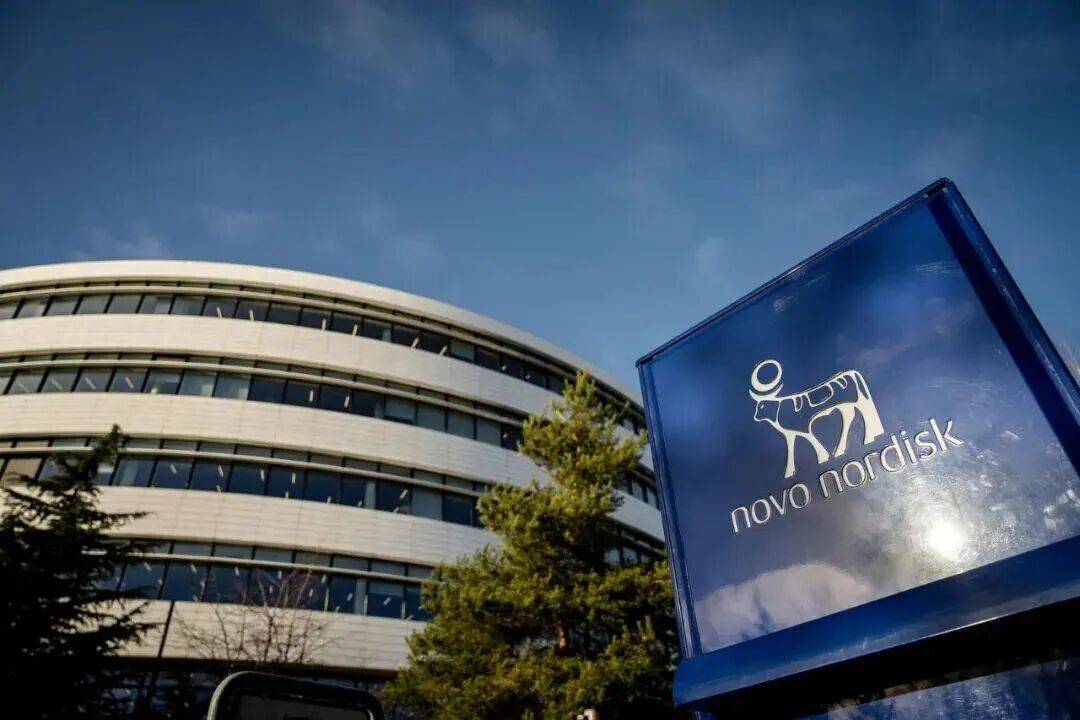
诺和诺德董事长携6名董事集体辞职,董事会“大换血”,年薪5000万CEO此前离任
Sou Hu Cai Jing· 2025-10-24 10:56
Core Insights - Novo Nordisk (NVO) is undergoing significant leadership changes, with Chairman Helge Lund and six board members resigning due to disagreements with the controlling shareholder, the Novo Nordisk Foundation, regarding the future composition of the board [1][3] - The company has faced ongoing management upheaval and strategic shifts throughout the year, indicating a period of "transformation pain" for the pharmaceutical giant [3][4] Leadership Changes - The board's resignation is attributed to a lack of consensus on maintaining continuity while also introducing new members with specific capabilities, contrasting with the foundation's desire for a broader restructuring [3] - A special shareholders' meeting is scheduled for November 14 to elect new board members, with proposals to appoint Lars Rebien Sørensen as chairman and Cees de Jong as vice-chairman [3] Financial Performance and Market Challenges - Novo Nordisk's sales of the weight-loss drug semaglutide reached 112.76 billion Danish Krone (approximately $16.63 billion) in the first half of the year, surpassing Merck's Keytruda sales [7] - However, the company faces increasing competition from other GLP-1 weight-loss drugs, particularly from Eli Lilly's tirzepatide, which reported sales of $14.73 billion in the same period [7] - The company has lowered its 2025 sales growth forecast from 13%-21% to 8%-14% and operating profit growth from 16%-24% to 10%-16% [8] Restructuring and Cost-Cutting Measures - Following the appointment of new CEO Maziar Mike Doustdar, Novo Nordisk announced a global restructuring plan that includes laying off 9,000 employees, approximately 11.5% of its workforce, to streamline operations and focus on growth opportunities in diabetes and obesity [5][6] - The restructuring is expected to save the company 8 billion Danish Krone (approximately $1.26 billion) annually [5] Market Valuation and Stock Performance - Novo Nordisk's market capitalization has significantly declined, dropping from over $500 billion to $236.3 billion, resulting in a loss of approximately $278 billion (around 1.98 trillion RMB) in value over the past year [8]
研判2025!中国左旋多巴行业发展历程、产业链、发展现状、企业分析及发展趋势分析:帕金森病治疗需求为主,多场景应用进一步拓宽市场空间[图]
Chan Ye Xin Xi Wang· 2025-10-23 01:26
Core Insights - Levodopa is a key medication for treating Parkinson's disease, alleviating symptoms such as muscle stiffness, tremors, and slow movement. It also shows potential for treating Alzheimer's disease, chronic pain, and constipation, with broad applications in biomedical and materials science fields [1][3][4]. Industry Overview - The levodopa market has seen continuous growth in demand due to an aging population and increasing Parkinson's disease cases. The market was negatively impacted by the pandemic from 2020 to 2022, but sales began to recover in 2023, reaching 31.83 million yuan in 2024 [1][7][8]. Industry Chain - The levodopa industry chain consists of upstream suppliers of chemical raw materials and excipients, midstream research and manufacturing processes, and downstream applications in medical institutions, pharmacies, and patients. The number of Parkinson's patients significantly influences the industry's development, with over 3 million patients aged 65 and above in China [6][7]. Competitive Landscape - The global levodopa market is dominated by a few large pharmaceutical companies, such as Merck & Co. and Pfizer, while domestic companies primarily focus on generic drugs. Key players in China include Shandong Xinhua Pharmaceutical Co., Zhejiang Huahai Pharmaceutical Co., and others [8][9]. Industry Development Trends - Market demand for levodopa is expected to continue increasing due to the rising incidence of Parkinson's disease and improvements in healthcare systems in emerging countries [10]. - Technological advancements in biopharmaceuticals are likely to enhance levodopa production processes, leading to improved efficiency and product quality. Companies are expected to develop various formulations, such as sustained-release and controlled-release preparations, to enhance patient experience [11]. - The globalization of the levodopa industry presents opportunities for companies to expand into international markets, increasing brand recognition and competitiveness [12].


诺和诺德“闹不和”,基金会“洗牌”董事会?
阿尔法工场研究院· 2025-10-23 00:08
Core Viewpoint - Novo Nordisk is undergoing significant leadership changes, with a total of seven executives, including Chairman Helge Lund, set to leave after a temporary shareholders' meeting on November 14. This shake-up is primarily due to disagreements between the board and the controlling shareholder, the Novo Nordisk Foundation, regarding the future composition of the board [4][5][6]. Leadership Changes - The board's proposal for a restructuring aimed at adding new members while maintaining continuity was not accepted by the Novo Nordisk Foundation, which preferred a broader overhaul [4][5]. - The new proposed chairman, Lars Rebien Sørensen, will have a term of 2-3 years, focusing on supporting the new management's transformation plan and identifying a successor to lead the company into the 2030s [7][9]. - Sørensen has been involved with the board since May 16, when the previous CEO, Lars Fruergaard Jørgensen, resigned, leading to a series of executive changes [10]. Strategic Focus - The new CEO, Maziar Mike Doustdar, aims to consolidate Novo Nordisk's leadership in obesity and diabetes treatment through innovation and a performance-driven culture [10][11]. - Doustdar's strategic priorities include optimizing the cost structure and enhancing efficiency while making strategic investments in key areas [10][11]. Market Competition - Novo Nordisk faces intensified competition in the GLP-1 market, particularly from Eli Lilly, which has seen significant sales growth in its competing products [13][14]. - The company is also dealing with external pressures, including potential price reductions for its diabetes drug Ozempic, which could impact revenue [14][16]. - Novo Nordisk's sales figures for Ozempic reached 112.76 billion Danish Krone (approximately 16.63 billion USD) in the first half of the year, while Eli Lilly's products showed strong growth, narrowing the sales gap [16][17]. Financial Outlook - Despite strong sales, Novo Nordisk has lowered its profit expectations for 2025, reflecting a more competitive market and slower-than-expected growth in GLP-1 drug usage [17]. - The company continues to pursue market expansion for its weight loss version of semaglutide and is investing in commercial activities to enhance market penetration [17].
诺和诺德“大换血”,7名高管集体出走
3 6 Ke· 2025-10-22 09:07
Core Insights - Novo Nordisk is undergoing significant leadership changes, with seven executives, including Chairman Helge Lund, set to leave after the extraordinary general meeting on November 14 [1][2] - The departure is attributed to disagreements between the Novo Nordisk Board and its controlling shareholder, the Novo Nordisk Foundation, regarding the future composition of the board [1][3] - The foundation has proposed new board members, including Lars Rebien Sørensen as the new chairman, aiming to support the company's transformation and growth strategies [2][3] Leadership Changes - Seven executives, including Helge Lund and Vice Chairman Henrik Poulsen, will not participate in the upcoming election [2] - Kasim Kutay and several employee-elected board members will remain in their positions [2] - Sørensen's core objectives as chairman will include supporting the new management's transformation plan and identifying a successor to lead the company into the 2030s [3] Recent Appointments - Maziar Mike Doustdar has been appointed as the new CEO, succeeding Lars Fruergaard Jørgensen [4] - Doustdar has a strong background in international operations and is tasked with three strategic priorities: enhancing innovation, fostering a high-performance culture, and optimizing cost structures [5] Organizational Restructuring - Novo Nordisk announced a significant restructuring plan, including a global workforce reduction of approximately 9,000 employees to streamline operations and improve decision-making speed [5] - The restructuring is seen as necessary to adapt to the rapidly changing market, particularly in the obesity treatment sector [5] Market Competition - Novo Nordisk faces intensified competition in the GLP-1 market, particularly from Eli Lilly, which is rapidly gaining ground [7][9] - Recent announcements regarding price reductions for diabetes medications have led to stock price declines for both companies [7] - Novo Nordisk's sales figures for semaglutide reached 112.76 billion Danish kroner (approximately $16.63 billion) in the first half of the year, surpassing Eli Lilly's sales of its competing products [9][10] Financial Performance - Novo Nordisk has lowered its revenue and operating profit forecasts for 2025, reflecting slower market expansion and increased competition [10] - The company expects revenue growth of 8% to 14% and operating profit growth of 10% to 16%, down from earlier projections [10] - Despite these challenges, Novo Nordisk continues to invest in expanding the market presence of its weight loss and diabetes medications [11]
创新药行业,再迎百亿美元重磅交易
2 1 Shi Ji Jing Ji Bao Dao· 2025-10-22 05:37
Core Insights - The article discusses a significant global strategic collaboration between Innovent Biologics and Takeda Pharmaceutical, focusing on the development of innovative cancer therapies, particularly in the fields of tumor immunology (IO) and antibody-drug conjugates (ADC) [3][4]. Group 1: Collaboration Details - Innovent Biologics will receive an upfront payment of $1.2 billion, including a $100 million premium for strategic equity investment, with potential milestone payments bringing the total deal value to $11.4 billion [4]. - The collaboration involves the joint development of IBI363, a novel PD-1/IL-2α-bias bispecific antibody, with Takeda leading the commercialization efforts in the U.S. and holding rights outside Greater China [3][9]. - Innovent will grant Takeda exclusive rights for IBI343 (CLDN18.2 ADC) outside Greater China and an option for IBI3001 (EGFR/B7H3 ADC) in the same regions [3][11]. Group 2: Market Context - The global oncology drug market is projected to exceed $200 billion, driven by unmet clinical needs and technological advancements, with a compound annual growth rate (CAGR) expected to surpass 20% over the next five years [6][12]. - The shift from the "PD-1 dividend period" to the "next-generation technology-driven period" is highlighted, emphasizing the importance of bispecific antibodies and ADCs in this transition [6][12]. Group 3: Product Insights - IBI363 has shown promising results in early clinical trials for various cancers, including immune-resistant lung cancer and melanoma, and is set to enter pivotal Phase III trials soon [8][10]. - IBI343 is currently undergoing Phase III trials for gastric cancer and has received breakthrough therapy designation from both the NMPA and FDA [10][11]. - IBI3001 is in Phase I trials and targets B7-H3 and EGFR, showcasing multiple anti-tumor mechanisms [11]. Group 4: Industry Trends - The article notes that multinational pharmaceutical companies are under pressure due to patent cliffs, with some facing risk exposures exceeding 20% of their revenues [14][16]. - The collaboration between Innovent and Takeda exemplifies a trend where global pharmaceutical firms seek to partner with innovative Chinese biotech companies to enhance their portfolios and maintain market share [16][17]. - The increasing number of collaborations between Chinese companies and global firms indicates a growing recognition of the value of Chinese innovation in the biopharmaceutical sector [17][18].
114亿美元!信达与武田达成合作,肿瘤药市场能否迎“王炸”?
2 1 Shi Ji Jing Ji Bao Dao· 2025-10-22 04:34
Core Viewpoint - The collaboration between Innovent Biologics and Takeda Pharmaceutical marks a significant strategic partnership aimed at accelerating the global development of innovative cancer therapies, particularly in the fields of tumor immunology and antibody-drug conjugates, with a total deal value potentially reaching $11.4 billion [1][2][4]. Group 1: Partnership Details - Innovent Biologics and Takeda will jointly develop the novel IO therapy IBI363 and share commercialization rights in the U.S. with a 40/60 cost-sharing ratio [4]. - The agreement includes a $1.2 billion upfront payment, which consists of a $100 million premium strategic equity investment, along with potential milestone payments [1][4]. - Takeda will have exclusive commercialization rights for IBI343 outside Greater China, while Innovent retains rights in the region [1][6]. Group 2: Product Pipeline - IBI363 is a globally innovative PD-1/IL-2α-bias bispecific antibody that has shown promising clinical results in various cancer types, including immune-resistant lung cancer [3][6]. - IBI343 is a targeted CLDN18.2 ADC currently undergoing Phase III trials in China and Japan for gastric cancer, having received breakthrough therapy designation from both the NMPA and FDA [6][7]. - IBI3001, another ADC targeting B7-H3 and EGFR, is in Phase I clinical trials and has demonstrated a strong safety profile in preclinical models [6][7]. Group 3: Market Context - The global oncology market is projected to exceed $200 billion, driven by unmet clinical needs and technological advancements in therapies such as bispecific antibodies and ADCs, with a compound annual growth rate (CAGR) of over 20% expected in the next five years [2][8]. - The partnership reflects a shift in the oncology market from the "PD-1 dividend period" to a "next-generation technology-driven period," highlighting the importance of clinical data and differentiated mechanisms in drug development [2][8]. - The collaboration is indicative of a broader trend where multinational pharmaceutical companies seek to partner with innovative Chinese biotech firms to enhance their pipeline and address the impending patent cliff challenges [9][10].