Temu

Search documents
中国品牌跨越信任临界线:2025全球信任指数报告解析
Jing Ji Guan Cha Bao· 2025-12-24 06:23
Core Insights - The global trade landscape is undergoing a structural upheaval due to a new wave of tariffs, reshaping international perceptions of different countries [1] - Chinese brands are at a critical turning point in their globalization process, transitioning from mere product exports to deepening brand value and achieving global trust [1] - The "2025 China Brand Global Trust Index" report by Ipsos reveals new pathways and core opportunities for Chinese brands to build global trust [1] Global Trust Landscape - A significant transformation in the global brand trust landscape is occurring, with European and American brands declining while brands from China, Japan, and South Korea are rising [2] - 49% of global respondents believe China has a positive impact on world affairs, a 10 percentage point increase from 2024, marking the first time this figure surpasses that of the U.S. [2] - China's global net trust level for brands reached 32%, a substantial increase of 12 percentage points from 2024, while U.S. brand trust declined from 68% in 2021 to 61% in 2025 [2] Developed Markets as Key Battlegrounds - In developed markets, the net trust in Chinese brands has turned positive for the first time, with 36% of respondents expressing trust, a 6 percentage point increase from 2024 [3] - Trust levels in the UK rose from 29% in 2021 to 49% in 2025, while the U.S. reached 48%, also a 6 percentage point increase [3] - In emerging markets, the net trust in Chinese brands soared to 51%, a 13 percentage point increase from 2024, with Nigeria and Egypt leading globally [3] Benchmark Brands Leading Trust Upgrade - Chinese benchmark brands are showing strong global trust performance, particularly in the consumer electronics sector, with Lenovo, Huawei, and Xiaomi leading the rankings [4] - The purchase intent for Chinese consumer electronics brands reached 40%, surpassing that of U.S. (38%) and South Korea (34%) [4] - Smart home appliance brands like Hisense and Haier are also seeing trust growth, bolstered by technological innovation and global expansion [4] Automotive and E-commerce Industry Insights - The automotive sector is significantly influenced by the country of origin effect, with Chinese brands' purchase intent at 30%, trailing behind Japanese and German brands [5] - E-commerce platforms are experiencing a decline in overall trust index due to tariff fluctuations, but Temu's recognition surged, moving from 29th to 20th place [5] - The AI sector is emerging as a competitive core area, with countries like Malaysia and Qatar showing higher purchase intent for Chinese AI products than the U.S. [5] Trust Drivers and Market Strategies - Trust drivers for Chinese brands have diversified, with "providing high-quality products/services" remaining the top factor at 10.9% [6] - In developed markets, relationship-oriented factors are prioritized, while emerging markets focus more on product and environmental dimensions [6] - Social media advertising is the primary channel for brand marketing, with a global reach of 59%, particularly effective in emerging markets [7] Conclusion - As the global trust landscape is restructured, Chinese brands are positioned at a new historical starting point, transitioning from product output to brand credibility [8] - The future success of Chinese brands hinges on long-term strategies, high-quality products, ESG practices, and localized approaches to deepen global trust [8]
【财经观察】日本拟修改小包裹关税影响几何?
Huan Qiu Shi Bao· 2025-12-23 22:45
Core Viewpoint - The Japanese government plans to adjust tax rules for cross-border e-commerce platforms, specifically imposing consumption tax on imported goods priced below 10,000 yen, which were previously exempt. This change is seen as a response to competitive pressure from foreign e-commerce platforms, particularly from China and the U.S. [1][4] Group 1: Tax Policy Changes - The new tax rules will affect cross-border e-commerce platforms like Temu and Shein, potentially increasing consumer prices by approximately 10% [2][3]. - The Japanese government aims to eliminate the consumption tax exemption for goods valued at 10,000 yen or less, with platforms generating over 5 billion yen in sales required to collect taxes on behalf of sellers [3][4]. - The reform is expected to be included in the tax reform plan for the fiscal year 2026, indicating a significant shift in Japan's approach to cross-border e-commerce taxation [3][5]. Group 2: Market Impact - In 2024, the number of small imported goods under 10,000 yen is projected to reach about 170 million, with 77% of these goods originating from China [2][4]. - The increase in cross-border e-commerce has put substantial pressure on Japan's domestic retail sector, prompting the government to reconsider tax policies [4][5]. - The shift in tax policy may lead to a loss of price-sensitive customers for platforms relying on the "small package direct mail" model, necessitating a strategic pivot towards overseas warehouse setups and brand premium strategies [5][7]. Group 3: Global Trends - The cancellation of tax exemptions for small packages is not unique to Japan; similar measures are being adopted in the U.S. and Europe, indicating a global trend towards tightening regulations on cross-border e-commerce [6][7]. - The end of the "tax-free era" for small packages signifies a new phase in the development of the cross-border e-commerce industry, where companies must adapt quickly to maintain competitiveness [8].
X @wale.moca 🐳
wale.moca 🐳· 2025-12-23 16:35
RT MD (@mdmadeit)I bought a @waleswoosh off temuSome assembly required. https://t.co/JZvjdu3D6j ...
电商税落地背后:执行迷雾、进退失据
雷峰网· 2025-12-23 06:31
Core Viewpoint - The implementation of e-commerce tax has significantly increased the demand for tax compliance services among sellers, revealing a divide in the market between those who prepared for compliance and those who did not [2][4]. Group 1: E-commerce Tax Implementation - The e-commerce tax is not a new tax but integrates online transactions into the existing tax system, addressing previously overlooked gaps [3]. - The release of the tax policy in June led to a surge in compliance inquiries, particularly after major platforms like Amazon confirmed data submissions to tax authorities [4][5]. - Many sellers initially underestimated the impact of the tax, believing it primarily targeted domestic platforms and not cross-border sellers [3]. Group 2: Seller Experiences and Reactions - Sellers are experiencing heightened pressure due to increased costs from platform fees, advertising, and now taxes, leading to a significant impact on profit margins [7]. - Different seller sizes are affected variably; larger sellers can absorb costs better, while mid-sized sellers face the most challenges, and smaller sellers may temporarily evade the worst impacts [7][8]. - Some sellers view the tax as a leveling force that eliminates unfair competition from those who previously evaded taxes [8][9]. Group 3: Compliance Challenges - The lack of clear guidelines for tax compliance has left many sellers confused about how to properly report and prove compliance [13]. - Issues such as missing invoices and unclear business identities complicate the tax reporting process, leading to potential penalties for unreported income [14][15]. - The current tax reporting system requires sellers to navigate complex regulations, often leading to operational difficulties and increased costs [16][17]. Group 4: Future Industry Trends - The 9810 cross-border e-commerce export model offers some relief for sellers struggling with compliance, allowing for VAT exemptions under certain conditions [20]. - However, this model is not without risks, particularly regarding proof of ownership and the timing of tax refunds [21]. - New pilot programs for fixed-rate taxation for smaller sellers aim to reduce compliance burdens, signaling a potential shift towards more accommodating tax policies [22][23]. - The integration of tax data with e-commerce platforms is expected to enhance regulatory oversight, making it harder for sellers to evade taxes [30][31]. Group 5: Long-term Implications - The evolving tax landscape is likely to push out speculative sellers while favoring those with sustainable business practices [32]. - Compliance is becoming essential for survival in the industry, with non-compliant sellers facing increasing pressure to adapt or exit the market [32].



法国可劲儿怂恿,德国喊完不要中国垃圾,欧盟也出了关税新规
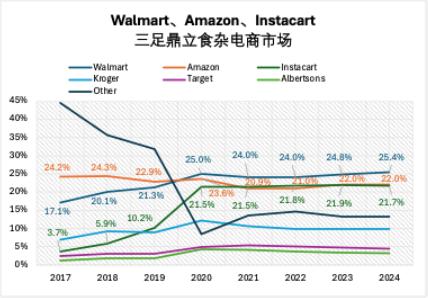
Sou Hu Cai Jing· 2025-12-23 04:26
前不久,德国财政部长公开表态:我们不想要中国垃圾。紧接着,欧盟在法国的主导下推出了新的关税 政策,明显是针对中国小包裹的。12月12日,欧盟宣布了一项关税新规,从2026年7月起,所有非欧洲 国家寄送至欧盟的小包裹,若价格低于150欧元,将统一征收3欧元的固定费用,且这一政策将在两年后 永久生效。其目的,便是为了应对所谓的不公平竞争。 这些看似微不足道的小包裹,已经成为了中欧贸易中的战场。为什么一件几欧元的T恤、一只不到10欧 元的收纳盒,能让欧洲如此紧张?而中国电商,又该如何应对这场不太公平的较量呢? 欧洲的忍耐已到极限。虽然加收3欧元的临时关税看似简单,但它实际上是针对中国电商平台的一项定 向打击,尤其是像Temu和Shein等通过低价商品抢占市场的电商平台。法国和德国对这一决策的推动起 到了关键作用。 小包裹政策背后的欧洲焦虑并不难理解。中国电商的崛起,给欧洲本土企业带来了前所未有的压力。根 据《金融时报》的数据,仅在2024年,就有46亿件低价值的小包裹进入欧盟市场,其中91%来自中国。 这些小包裹价格低廉、种类多样、运输速度快,几乎把欧洲本土零售商逼到了墙角。更让欧洲不安的 是,这些小包裹享受了欧盟 ...
越南2025年电商规模将达310亿美元;Temu跃居英国电商访问量第三;今年全球玩具与游戏销售额达2870亿美元|一周出海参考
Tai Mei Ti A P P· 2025-12-23 02:35
Group 1 - The Singapore-China Joint Cooperation Committee achieved a record 27 agreements during its 21st meeting, highlighting a comprehensive partnership across various sectors including finance, technology, and cultural exchanges [1] - Since 2015, the Singapore-China connectivity projects have signed 347 government and commercial cooperation projects totaling $26 billion, showcasing significant collaborative efforts [1] Group 2 - Vietnam's e-commerce sector is projected to reach $31 billion by 2025, with a growth rate exceeding 25%, making it one of the fastest-growing e-commerce markets globally [2] - The cross-border e-commerce market in Vietnam is expected to generate $4.1 billion in total online import and export value by 2024, with exports anticipated to grow by 18% to $2 billion by 2025 [2] Group 3 - Vietnam is set to reduce the special consumption tax on hybrid electric vehicles (HEVs) to 70% of the rate applied to gasoline and diesel vehicles starting January 1, 2026, which is expected to stimulate market growth [3] Group 4 - The Vietnamese government is enhancing regulations to combat plastic waste and promote sustainable packaging, with over 6,000 packaging companies transitioning to eco-friendly alternatives [4] Group 5 - Dubai has launched a new integrated R&D and Innovation ecosystem to accelerate innovation and strengthen global collaboration, managed by the Dubai Future Foundation [5] Group 6 - China's trade with Belt and Road Initiative countries exceeded 21 trillion yuan in the first 11 months of the year, accounting for over half of the country's total foreign trade [6] - Exports to Belt and Road countries grew by 11.3%, significantly outpacing overall export growth, driven by high-end manufacturing products like chips and electric vehicles [6] Group 7 - TikTok Shop has released a promotional calendar for Southeast Asia for 2026, following a record GMV increase of 2.7 times during the previous year's 12.12 sales event [7] Group 8 - ByteDance has signed agreements to establish a new entity in the U.S. for TikTok's operations, retaining a 19.9% stake while allowing Oracle and other investors to hold 50% [8] Group 9 - Shopee is launching a market expansion plan for Brunei starting January 2026, allowing Malaysian sellers to reach Bruneian customers without opening new stores [9] Group 10 - Shopee Philippines will adjust fees for certain activities starting January 1, 2026, increasing service fees for large coupon activities during promotional days [10] Group 11 - Temu has introduced its first official Shopify app, enabling merchants to manage products across over 30 markets, including the U.S. and Canada [11] Group 12 - Temu has become the third most visited e-commerce platform in the UK, with a monthly visit count of 28.4 million, significantly increasing its user base [12] Group 13 - Amazon has introduced a new "Prompts" feature in its advertising backend, designed to match relevant products to customer inquiries using AI [13] Group 14 - Lazada has fully launched its third-party fulfillment (3PF) logistics model in Vietnam, enhancing local delivery capabilities for cross-border sellers [14] Group 15 - The Russian e-commerce platform Megamarket reported that LEGO accounted for 85% of toy sales during the 2025 New Year gift season, indicating strong brand dominance [15] Group 16 - The global toy and game sales are projected to reach $287 billion by 2025, driven by nostalgia and high-value products, with Asia-Pacific being the largest market [16] Group 17 - The number of households in the UK using professional home security monitoring services is expected to grow by 31% by 2025, reflecting a shift towards smart technology for home safety [17] Group 18 - Guangzhou has successfully implemented a "tax refund upon departure" model for cross-border e-commerce, streamlining processes for businesses [18] Group 19 - SF International has signed a memorandum of cooperation with MSC Air Cargo to enhance international logistics services through multi-modal transport solutions [19] Group 20 - SF Middle East has signed a cooperation agreement with Asyad Group in Oman to strengthen cross-border transport and supply chain collaboration [20] Group 21 - Thailand will impose a 17% tax on all imported goods starting January 1, 2026, eliminating previous exemptions for low-value items [21] Group 22 - Malaysia will enforce new regulations on large social media platforms starting January 1, 2026, requiring them to register and comply with national security laws [22] Group 23 - Japan will implement significant changes to its cross-border market regulations in 2026, including the removal of tax exemptions for low-value imports and new compliance requirements for overseas platforms [23]


当亚马逊被“围猎”,谁在瓜分新的万亿蛋糕?
3 6 Ke· 2025-12-22 11:44
Group 1: Core Insights - The disparity in online retail penetration between China (30%) and the U.S. (16%) is significant, indicating different market dynamics and maturity levels [1][2] - U.S. e-commerce is not merely lagging behind but is in a mature market with strong offline competitors like Walmart and Costco, leading to structural differentiation rather than total growth [2][3] - The U.S. retail landscape is characterized by a robust offline infrastructure that complicates the growth of e-commerce, as traditional retailers provide high efficiency and experience [4][5] Group 2: Market Dynamics - The U.S. e-commerce market, valued at over $1.1 trillion, is supported by a $7 trillion retail base, despite a lower penetration rate [4] - The competition in the U.S. e-commerce space is shifting towards specific niches where traditional retailers cannot compete, such as extreme low pricing, traffic stimulation, and fresh food delivery [4][10] - Amazon, while still a leader, faces challenges from low-cost competitors and content-driven e-commerce platforms like TikTok Shop, which leverage social media for sales [5][9] Group 3: Competitive Landscape - Companies like Temu and Shein are disrupting the U.S. market by utilizing Chinese supply chains to offer low prices without the burden of high logistics costs [7][8] - TikTok Shop is transforming its video content into e-commerce opportunities, presenting a new avenue for merchants seeking alternatives to Amazon [9] - Walmart has successfully adapted to the e-commerce landscape by utilizing its extensive store network for efficient fresh food delivery, surpassing Amazon in this segment [12] Group 4: Key Companies - **Amazon (AMZN)**: Despite facing competition, Amazon maintains a strong retail market share of approximately 37% and continues to perform well in core categories like consumer electronics [13][14] - **Walmart (WMT)**: Walmart is evolving into a full-channel giant, with its e-commerce business growing over 20% for seven consecutive quarters, driven by its fresh food offerings [15] - **PDD Holdings (PDD)**: Temu is transitioning to a model that enhances its pricing power and logistics efficiency, targeting Amazon's mid-tier merchant ecosystem [16] - **Shopify (SHOP)**: Shopify is leveraging AI to enhance traffic distribution and improve monetization rates, moving beyond its initial role as a platform provider [17] - **Instacart (CART)**: Instacart dominates the U.S. third-party fresh food delivery market, with a significant portion of its revenue coming from high-margin advertising [18]

当亚马逊被“围猎”,谁在瓜分新的万亿蛋糕?
格隆汇APP· 2025-12-22 11:12
Core Viewpoint - The article discusses the significant disparity in online retail penetration between China and the U.S., with China's online retail sales approaching 30% while the U.S. remains around 16%. This difference is attributed to the maturity of the U.S. retail market, which is dominated by strong offline players like Walmart and Costco, leading to a more complex competitive landscape for e-commerce in the U.S. [4][5][6] Group 1: Market Dynamics - The U.S. e-commerce market is not simply lagging behind China but is characterized by a mature offline retail system that provides high efficiency and experience, making it difficult for e-commerce to replace traditional retail. Instead, e-commerce serves as a supplement to offline shopping [5][6]. - The U.S. retail market, valued at $7 trillion, supports a substantial e-commerce sector worth over $1.1 trillion, despite a lower penetration rate [6]. - The competitive landscape in the U.S. is shifting from total growth to structural differentiation, focusing on specific niches where traditional retailers cannot compete effectively, such as extreme low prices, traffic stimulation, and fresh food delivery [6][13]. Group 2: Competitive Challenges - Amazon, while still a leader in infrastructure, faces significant challenges from low-cost competitors and new traffic sources, particularly from companies like Temu and Shein, which leverage Chinese supply chains to offer lower prices without the need for expensive logistics in the U.S. [8][10][11]. - TikTok Shop is emerging as a powerful player in the e-commerce space, converting its vast short video traffic into purchasing power, contrasting with Amazon's traditional search-based model [12]. - In the fresh grocery segment, Walmart has overtaken Amazon with a 25% market share compared to Amazon's 22%, due to Walmart's effective use of its extensive store network to reduce delivery costs and enhance customer experience [15]. Group 3: Key Companies - **Amazon (AMZN)**: Despite facing competition, Amazon maintains a strong retail market share of around 37% and continues to perform well in core categories, such as consumer electronics [17]. - **Walmart (WMT)**: Walmart is transforming from a traditional supermarket to a full-channel giant, with its e-commerce business growing over 20% for seven consecutive quarters, now accounting for 20% of its total retail sales [20]. - **PDD Holdings (PDD)**: Temu is evolving from a fully managed model to a semi-managed one, enhancing its supply chain capabilities and integrating local inventory to compete with Amazon [21]. - **Shopify (SHOP)**: Shopify is shifting its growth narrative, focusing on AI-driven traffic distribution and financial services to enhance its revenue model [22]. - **Instacart (CART)**: Instacart dominates over 70% of the U.S. third-party grocery delivery market, with a growing high-margin advertising business contributing to its revenue [23].

TikTok在美国支棱起来了?
虎嗅APP· 2025-12-22 11:08
Core Viewpoint - TikTok has reached a temporary resolution regarding its regulatory issues in the U.S. by forming a joint venture with Oracle, Silver Lake, and MGX, which will address data security and compliance while allowing TikTok to continue its commercial operations [4][5]. Group 1: Joint Venture Structure - The new structure consists of two entities: TikTok U.S. for commercial activities and a new joint venture focused on data security and compliance [5][6]. - The joint venture will be responsible for user data protection, algorithm security, content review, and software assurance to meet U.S. regulatory requirements [5][6]. - The ownership structure has evolved, with U.S. investors holding about 50% of the joint venture, while ByteDance retains a 19.9% direct stake, enhancing its influence compared to earlier proposals [8]. Group 2: Business Performance and Challenges - TikTok's U.S. e-commerce performance has lagged, with a target of $15.5 billion in 2024 but only achieving approximately $8.5 billion [12][13]. - The overall global GMV target for 2025 has been revised down from $95 billion to $87 billion due to underperformance in the U.S. market [13]. - Despite challenges, TikTok Shop's U.S. sales are projected to grow by 108% in 2025, reaching $15.82 billion, with an increase in market share [15]. Group 3: Competitive Landscape - TikTok faces intense competition in the U.S. e-commerce market, with Amazon and Walmart holding two-thirds of the market share, while Temu and SHEIN dominate a significant portion of the remaining third [28]. - The U.S. e-commerce market growth is stabilizing, with future growth expected to be around 10%, indicating a shift towards a more competitive environment [29]. - TikTok Shop's profit margins are constrained compared to competitors, with a gross margin of approximately 13%, limiting its pricing strategies [31][33]. Group 4: Operational Implications of New Structure - The new joint venture structure may complicate TikTok's operational efficiency, as data access for decision-making has become slower and more fragmented [35][36]. - The reliance on algorithms and A/B testing for content distribution and advertising may be hindered by the new data governance model, potentially impacting overall business performance [37]. - While TikTok has secured its presence in the U.S., the future of its operational effectiveness remains uncertain as it navigates this new phase [38].

2025年中国营销智能体研究报告
艾瑞咨询· 2025-12-22 00:06
Core Insights - The article emphasizes the rapid evolution of marketing intelligence agents, which are becoming essential tools for businesses to automate and optimize their marketing strategies, moving from mere assistance to full autonomous decision-making systems [1][4][11]. Group 1: Market Trends and Global Dynamics - Three significant changes are noted: accelerated changes in platform advertising environments, rising privacy requirements, and increased digital marketing investments by companies [2]. - The application of computer technology in marketing is transitioning from data analysis and decision support to comprehensive marketing automation systems that cover creative generation, deployment strategies, and performance monitoring [4]. Group 2: Challenges for Chinese Enterprises in Overseas Marketing - Chinese companies face four main challenges when expanding overseas: cultural differences, complex channels, privacy and compliance issues, and cross-border payment difficulties [6]. - The demand for Chinese enterprises to go global has significantly increased over the past five years, particularly in cross-border e-commerce and mobile gaming [6]. Group 3: Opportunities Presented by Marketing Intelligence Agents - Marketing intelligence agents provide crucial support in content creation, compliance checks, and localized operations for Chinese enterprises venturing abroad [8]. - The rapid iteration of open-source large language models offers unprecedented advantages for Chinese companies, enabling them to generate marketing materials that align with overseas user preferences [8]. Group 4: Definition and Capabilities of Marketing Intelligence Agents - Marketing intelligence agents are defined as products based on generative AI or machine learning algorithms that can autonomously or semi-autonomously execute marketing-related tasks, assisting or replacing human marketing efforts [9]. - The core capabilities of these agents include market insights, content generation, campaign optimization, and performance reporting, facilitating a full-cycle automated marketing process [15]. Group 5: Future Technology Trends - The collaboration of multiple intelligence agents can create a closed-loop system, combining creative, deployment, and analytical agents to automate the marketing process from content generation to strategy adjustment without human intervention [17]. - The integration of large models enhances the capabilities of these agents, addressing language barriers and cultural differences in international marketing [17]. Group 6: Commercial Models of Marketing Intelligence Agents - The commercial model for marketing intelligence agents is evolving from a single software subscription to a multi-dimensional revenue system, including SaaS subscriptions, advertising revenue sharing, and value-added services [31]. - The market for intelligent marketing agents in China is expected to grow significantly, potentially exceeding 100 billion yuan by 2030, driven by the integration of AI technologies [34]. Group 7: Policy and Regulatory Environment - China is advancing the integration of AI and marketing through a multi-layered policy framework that includes strategic guidance, technological research, industry applications, and regulatory compliance [38]. - Recent policies emphasize the need for transparency and compliance in AI-generated content, ensuring that marketing practices align with legal standards [41]. Group 8: Global Competitive Landscape - Chinese marketing intelligence products have the opportunity to challenge established giants like Adobe and Salesforce by offering next-generation, AI-native automated infrastructure [45]. - The shift from "supply chain export" to "brand technology export" reflects a significant evolution in the global strategy of Chinese enterprises, focusing on AI marketing intelligence and autonomous technology platforms [46].