圆通速递

Search documents
续航600公里将淘汰油车?申通圆通们加快这一探索
3 6 Ke· 2025-08-25 11:51
今年4月,申通首批36台新能源重卡正式投入江浙沪23条核心干线运营,成为全国首家规模化应用新能 源重卡的快递品牌。 申通在引入电动重卡短短两个月后,运营数据出炉:以上海到淮安单向375公里线路为例,该线路车辆 月均行驶里程约11000公里,600度电量的电动重卡单公里电耗可控制在1.2度以内,单公里电费低至0.8 元,相较于传统油车1.8元的单公里能耗成本,每公里直接节省1元,单辆车每月便能节省1.1万元。 亿豹网按此测算,若利用夜间谷电充电,1.5-2年即可弥补与燃油重卡的购车差价。在车辆8年使用周期 内,剩余6年可为快递公司节省能耗成本57万元。这对精打细算的快递企业而言,降本效应极为明显。 数据显示,我国物流行业82%的运量依靠公路运输,但在成本与环保的双重夹击下,干线物流企业利润 率已经被压缩到极其敏感的程度。 快递行业降本增效的大环境下,加快干线车辆智能化与电动化进程,成为快递企业不二的选择。2025年 4月,申通购入首批36辆新能源重卡,并很快尝到了其带来的甜头。圆通则相继投入100台智能重卡,跑 出"智驾接龙"模式提升时效。 前7个月,新能源重卡累计销售8.22万辆,同比大增191%。对快递企业 ...



比RoboTaxi更疯狂,无人物流车的“极限战场”
Tai Mei Ti A P P· 2025-08-25 11:04
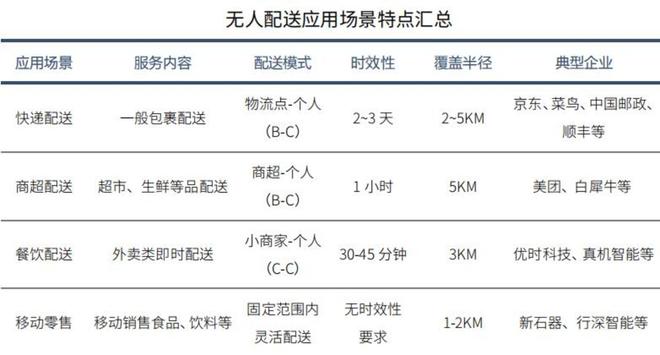
Core Viewpoint - The autonomous delivery vehicle sector is experiencing significant investment and growth, particularly in the logistics and freight delivery space, as evidenced by various funding rounds and strategic partnerships [1][2][4]. Investment and Financing - Notable investments include New Stone's completion of a 1 billion yuan C+ round in April, and Jiuyuan Intelligence's B3 round financing of 100 million USD, totaling nearly 300 million USD in B round financing [1]. - In August, White Rhino secured its second round of financing this year, accumulating nearly 500 million yuan in B round financing [1]. - Despite a cooling investment climate, capital continues to flow into the unmanned logistics delivery vehicle sector, indicating a consensus on reaching a "scale profitability threshold" [1]. Policy Support - The policy environment has evolved to support the development of unmanned delivery vehicles, with the issuance of road licenses and pilot programs since 2021 [3]. - By June 2025, over 100 cities in China had opened road rights for unmanned delivery vehicles, facilitating their large-scale deployment [3]. - The State Post Bureau has emphasized the promotion of AI technologies and products in the logistics sector, indicating strong governmental support for unmanned delivery vehicles [3]. Market Growth and Projections - The year 2025 is anticipated to be a "breakout year" for unmanned logistics delivery vehicles, with expectations of explosive market growth over the next three years [4]. - The market for unmanned delivery vehicles is projected to reach 2.634 trillion yuan by 2030, which is 5.4 times the expected market size in 2025 [5]. Cost Reduction and Efficiency - The logistics industry is facing intense price competition, leading to a significant drop in average delivery prices, which fell by 8.2% year-on-year in the first five months of 2025 [7]. - The introduction of unmanned delivery vehicles can reduce labor costs significantly, with examples showing a 70% reduction in per-item costs when using unmanned vehicles [8][9]. - Unmanned delivery vehicles can operate at double the efficiency of traditional delivery methods during peak periods, such as "Double Eleven" and the Spring Festival [9]. Application Scenarios - The primary application of unmanned delivery vehicles is in the last-mile delivery segment, particularly in urban areas [10][12]. - Various delivery scenarios include express delivery, supermarket delivery, and mobile retail, with different service contents and timeframes [5]. Technological Advancements - The cost of unmanned delivery vehicles has decreased significantly, with some models dropping from 200,000 yuan to 70,000 yuan between 2018 and 2023 [14]. - The shift from high-cost hardware solutions to more cost-effective visual-based systems has contributed to the reduction in overall costs [16][17]. Industry Dynamics - Major logistics companies are adopting different strategies, with some integrating technology suppliers deeply into their operations, while others rely on a more fragmented deployment approach [17]. - The logistics sector is expanding its focus from ground to aerial delivery, creating a comprehensive unmanned delivery system that includes drones and ground vehicles [17].



1元运费成历史?多地电商快递费上涨,散客不受影响
新浪财经· 2025-08-25 10:28
Core Viewpoint - Recent price increases in express delivery services in regions like Guangdong and Zhejiang are primarily targeting e-commerce clients with low shipping costs, with adjustments ranging from 0.3 to 0.7 yuan per package, establishing a minimum price of 1.4 yuan per package [3][7]. Group 1: Price Increase Details - Multiple express delivery companies in Guangdong and Zhejiang have raised prices for e-commerce clients, with Guangdong being a key area for these adjustments [7]. - The price increase has been in effect since early August, with different companies implementing varying rates based on their circumstances [7]. - Affected e-commerce merchants typically have low shipping costs, such as those paying around 1 yuan or less per package, particularly in price-sensitive areas like Guangzhou, Shenzhen, and Dongguan [7][8]. Group 2: Impact on Industry and Workers - Theoretically, the rise in express delivery fees should lead to increased revenue for delivery points and higher pay for couriers; however, many industry insiders express skepticism about this outcome [4][12]. - There is a growing call among couriers for establishing a minimum pay rate rather than solely relying on price increases for e-commerce deliveries [4][8]. - The express delivery industry has faced significant pressure due to prolonged price wars, leading to a decline in income for couriers and increased operational challenges for companies [8][11]. Group 3: Future Trends and Expectations - Experts predict that more regions will follow suit in adjusting e-commerce delivery prices, which may lead to improved short-term performance for express delivery companies [12]. - The long-term outlook suggests that direct delivery models will have advantages due to their stable pricing systems and enhanced service capabilities [12][13]. - The industry is expected to undergo consolidation and restructuring, with a focus on reducing excess capacity and improving profitability for delivery points and franchisees [12][13].

1元运费成历史?多地电商快递费上涨,散客不受影响
Xin Lang Cai Jing· 2025-08-25 09:56
Core Viewpoint - Recent reports indicate that express delivery companies in Guangdong, Zhejiang, and other regions have raised shipping fees for e-commerce clients, with increases ranging from 0.3 to 0.7 yuan per order, establishing a minimum price of 1.4 yuan per order [2][3][4]. Group 1: Price Increase Details - The price increase primarily targets e-commerce clients with lower shipping fees, while individual orders are not affected [2][3]. - The price adjustments began in early August, with variations depending on the specific express delivery company [3][4]. - Affected e-commerce merchants typically have shipping costs around 1 yuan or lower, particularly in regions like Guangzhou, Shenzhen, Dongguan, and others, which are considered price-sensitive areas [2][3]. Group 2: Industry Reactions and Implications - Industry experts express skepticism about whether the increase in shipping fees will lead to a corresponding rise in net income and delivery personnel compensation [4][6]. - Many frontline delivery workers emphasize the urgency of establishing a minimum delivery fee rather than relying solely on price increases for e-commerce deliveries [4][6]. - The recent price adjustments are seen as a response to the ongoing "involution" in the industry, where intense price competition has pressured profit margins [4][6]. Group 3: Future Industry Trends - Experts predict that more regions will follow suit in adjusting e-commerce delivery prices, which could lead to improved short-term performance for express delivery companies [6]. - In the long term, a shift towards a direct delivery model is anticipated to provide competitive advantages, as these companies maintain stable pricing structures and enhanced service capabilities [6]. - The express delivery industry may experience mergers and acquisitions, leading to increased market concentration as companies seek to navigate the challenges posed by overcapacity and competitive pressures [5][6].

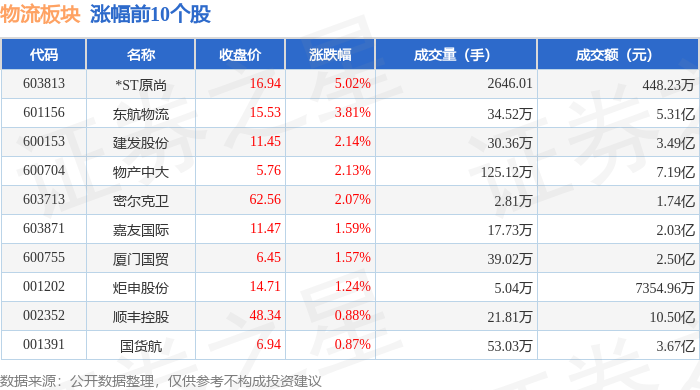
物流板块8月25日涨0.27%,*ST原尚领涨,主力资金净流出4.49亿元
Zheng Xing Xing Ye Ri Bao· 2025-08-25 08:47
| 代码 | 名称 | 收盘价 | 涨跌幅 | 成交量(手) | 成交额(元) | | --- | --- | --- | --- | --- | --- | | 002468 | 申通快递 | 18.36 | -4.77% | 61.75万 | 11.43亿 | | 605050 | 福然德 | 15.74 | -4.61% | 20.56万 | 3.26亿 | | 600603 | ST广物 | 8.60 | -2.27% | 19.28万 | 1.67亿 | | 000906 | 浙商中拓 | 6.56 | -2.09% | - 36.42万 | 2.39亿 | | 600119 | 长江投资 | 9.35 | -1.79% | 10.50万 | 9803.19万 | | 300013 | 新宁物流 | 4.13 | -1.20% | 26.67万 | 1.10亿 | | 002889 | 东方嘉盛 | 16.54 | -1.08% | 9.08万 | 1.51亿 | | 600233 | 圆通速递 | 17.57 | -0.96% | 33.29万 | 5.85亿 | | 002800 | 天顺股份 ...
国泰海通:飞机订购不改规划低增 油运运价上行关注旺季
智通财经网· 2025-08-25 08:21
Group 1: Aviation Industry - The peak of summer travel demand is starting to decline, with expectations for business travel recovery in mid-September [1][2] - High passenger load factors are driving ticket prices up, with a projected increase in summer travel demand by over 3% year-on-year in 2025 [2] - The airline industry is facing a bottleneck in airspace slots, leading to a cautious approach in fleet expansion plans [2] Group 2: Express Delivery Industry - In July, the industry saw a year-on-year volume growth of 15%, with major players like YTO and SF Express experiencing significant increases [3] - The average revenue per ticket decreased by 5.3% year-on-year, but the decline is narrowing, indicating effective regulatory measures against excessive competition [3] - Regulatory efforts are expected to lead to price increases in various regions, which may support profitability recovery in the second half of the year [3] Group 3: Oil Shipping Industry - Recent increases in oil shipping rates have been noted, with VLCC rates rising from $37,000 to nearly $52,000 [4] - The upcoming traditional peak season for oil shipping is anticipated, with expectations for increased oil production from South America [4] - The risk-reward profile for oil shipping is considered attractive, supported by dividend yields and potential options in a declining oil price environment [4]

物流行业带来机器人行业的第一个爆发时刻
新财富· 2025-08-25 08:19
Core Viewpoint - The logistics industry has a significant demand for automation and unmanned technologies to reduce costs and improve efficiency, especially given the high labor costs associated with logistics operations [1][2]. Summary by Sections Logistics Cost and Automation Demand - In the first half of 2025, China's social logistics total cost as a percentage of GDP was 14%, a decrease of 0.2 percentage points compared to the same period in 2024, saving approximately 130 billion yuan [2]. - The logistics industry, valued in trillions, is actively seeking new technologies to reduce costs, with annual transportation costs reaching hundreds of billions [2]. - The push for automation and unmanned solutions is seen as a key method for cost reduction and efficiency improvement, particularly in a labor-intensive industry where labor costs exceed 50% [2]. Unmanned Vehicle Applications - Unmanned vehicles, including low-speed logistics vehicles and intelligent driving trucks, are crucial for smart logistics, although their current application is mostly in pilot projects due to high technical requirements [2][6]. - The economic viability of L2+ assisted driving in long-haul transportation is emphasized, with potential fuel savings of 7% and a 35% reduction in labor costs [7]. Market Dynamics and Trends - The penetration rate of unmanned vehicles in logistics is currently low, with companies like TuSimple and Embark facing significant challenges, leading to bankruptcies and market exits [6][7]. - Major logistics companies are increasingly investing in unmanned vehicle technology, with significant orders and deployments planned, such as SF Express's investment in unmanned vehicles and partnerships with tech firms [11]. Mobile Robot Advancements - Mobile robots, particularly AMRs (Autonomous Mobile Robots), are leading in commercial applications due to their lower technical complexity compared to unmanned vehicles [13][14]. - The market for AMR solutions is projected to grow significantly, with a compound annual growth rate (CAGR) of 30.6% from 2020 to 2024, reaching a market size of 162.1 billion yuan by 2029 [24]. Competitive Landscape - The AMR market is fragmented, with Geek+ holding the largest market share at 9% in 2024, while overseas markets are becoming a primary growth area for Chinese mobile robot companies [24]. Conclusion - The logistics sector is witnessing a shift towards automation through unmanned vehicles and mobile robots, driven by cost reduction and policy support, marking a significant step towards the industrial application of autonomous technologies [26].

圆通速递跌2.03%,成交额3.79亿元,主力资金净流出3146.56万元
Xin Lang Cai Jing· 2025-08-25 05:52
Core Viewpoint - YTO Express has experienced fluctuations in stock price and trading volume, with a notable increase in stock price year-to-date, but a recent decline in the short term [1][2]. Group 1: Stock Performance - As of August 25, YTO Express's stock price was 17.38 CNY per share, down 2.03% during the day, with a total market capitalization of 594.44 billion CNY [1]. - Year-to-date, the stock price has increased by 25.67%, while it has decreased by 2.52% over the last five trading days [1]. - Over the past 20 days, the stock price has risen by 15.87%, and over the past 60 days, it has increased by 35.57% [1]. Group 2: Financial Performance - For the period from January to March 2025, YTO Express reported a revenue of 170.60 billion CNY, representing a year-on-year growth of 10.58% [2]. - The net profit attributable to shareholders for the same period was 8.57 billion CNY, which reflects a year-on-year decrease of 9.16% [2]. Group 3: Shareholder Information - As of March 31, 2025, the number of shareholders for YTO Express was 59,500, an increase of 15.74% compared to the previous period [2]. - The average number of circulating shares per shareholder was 57,941, which is a decrease of 13.60% from the previous period [2]. - YTO Express has distributed a total of 62.00 billion CNY in dividends since its A-share listing, with 32.88 billion CNY distributed in the last three years [3].
交通运输行业周报:快递提价范围扩大,航空低位重视布局-20250825
Hua Yuan Zheng Quan· 2025-08-25 02:48
Investment Rating - The investment rating for the transportation industry is "Positive" (maintained) [5] Core Views - The express logistics sector is experiencing a price recovery trend, supported by regulatory measures against unhealthy competition, particularly in Zhejiang province, which accounted for 16.9% of national express business volume in H1 2025 [5] - Zhongtong Express reported a 26.8% year-on-year decline in adjusted net profit for Q2 2025, influenced by price competition, despite a revenue increase of 10.3% to 11.83 billion yuan [6] - The air transport sector is expected to benefit from macroeconomic recovery, with a long-term supply-demand imbalance favoring price increases, while short-term booking data shows signs of improvement [17] - The shipping industry is projected to see a boost in oil transportation due to OPEC+ production increases and a favorable interest rate environment, with specific companies recommended for investment [18] Summary by Sections Express Logistics - The express logistics sector is seeing a robust demand, with a total of 164 billion packages delivered in July 2025, marking a 15.1% year-on-year increase [27] - Major express companies like YTO Express and SF Express are showing significant growth in business volume, with SF Express achieving a 33.69% increase in July [7][27] Air Transport - In July 2025, civil aviation achieved a passenger transport volume of 71.82 million, a 3.9% increase year-on-year, and a cargo volume of 86.7 thousand tons, up 15.3% [11][57] - The overall seat occupancy rate for major airlines was 83.06%, slightly down from the previous month [60] Shipping and Ports - The shipping sector is experiencing fluctuations, with the BDTI index for oil transportation showing resilience amid geopolitical uncertainties [13][18] - China's port cargo throughput decreased by 2.82% to 26.135 million tons in the week of August 11-17, 2025 [81] Road and Rail - In July 2025, road freight volume increased by 3.28% to 36.99 billion tons, while rail freight volume rose by 3.35% to 4.52 billion tons [47]


7月顺丰业务量增速领跑,油运景气度拐点向上 | 投研报告
Zhong Guo Neng Yuan Wang· 2025-08-25 02:47
Group 1: Express Delivery Industry - In July, SF Express achieved a business volume growth rate of 34%, leading among all express companies [1][2] - During the week of August 11-17, the total collection volume of postal express was approximately 3.523 billion pieces, with a week-on-week decrease of 0.06% and a year-on-year increase of 11.81% [1][2] - The total delivery volume during the same week was about 3.511 billion pieces, with a week-on-week decrease of 0.09% and a year-on-year increase of 15.11% [1][2] - By July 2025, the year-on-year business volume growth rates for SF Express, Yunda, YTO, and Shentong are projected to be 33.7%, 7.6%, 20.8%, and 11.9% respectively, with market shares of 8.4%, 13.2%, 15.8%, and 13.3% [1][2] - The "anti-involution" trend has led to price increases in several grain-producing areas, and with the peak season approaching, it is expected that the price per express delivery will rise [1][2] Group 2: Logistics Sector - The chemical product price index (CCPI) in China is currently at 4024 points, showing a year-on-year decrease of 10.3% [3] - The domestic sea freight price for liquid chemicals is 158 yuan/ton, reflecting a year-on-year decrease of 8.4% [3] - The operational rates for paraxylene (PX), methanol, and ethylene glycol are 84.6%, 80.7%, and 65.1% respectively, with varying year-on-year changes [3] - The establishment of the "Haimorning Artificial Intelligence Research Institute" and "Haimorning Robotics Research Institute" aims to focus on advanced technologies in logistics [3] - The airline sector is experiencing an increase in average daily flights, with a year-on-year growth of 4.18% [3] Group 3: Shipping Industry - The crude oil transportation index has increased, while the domestic shipping index continues to rise [4] - The China Export Container Freight Index (CCFI) is at 1174.87 points, with a year-on-year decrease of 40.5% [4] - The domestic container freight index (PDCI) is at 1091 points, showing a year-on-year increase of 15.9% [4] - The BDI index for dry bulk shipping is at 1950 points, with a year-on-year increase of 11.7% [4] - The oil transportation sector is expected to see a demand boost due to OPEC+ production increases and geopolitical factors [4] Group 4: Road, Rail, and Port Operations - The total cargo throughput at ports decreased by 2.8% week-on-week, but increased by 3.8% year-on-year [5] - The total container throughput was 6.75 million TEUs, with a week-on-week decrease of 0.6% and a year-on-year increase of 6.6% [5] - The total number of trucks passing through highways was 54.93 million, reflecting a week-on-week increase of 3.06% and a year-on-year increase of 4.65% [5] - The dividend yield of major highway operators is currently higher than the yield of China's ten-year government bonds, indicating attractive investment opportunities [5]