
红旗连锁

Search documents
中国餐饮“出海”迈入新阶段
Zheng Quan Ri Bao· 2025-07-08 15:46
Core Insights - Chinese dining brands are rapidly expanding globally, transitioning from individual store trials to systematic and large-scale international operations, driven by domestic market competition and policy support [1][3][4] - The "going global" trend is not merely about store expansion but involves deep localization of supply chains and cultural integration [1][4] Industry Overview - The overseas Chinese community has historically contributed to the spread of Chinese cuisine, with brands like Quanjude and Donglaishun leading the way post-reform [2] - The hot pot segment is a pioneer in this expansion, with Haidilao operating over 120 international locations, while other brands focus on Southeast Asia with differentiated offerings [2] - The new tea beverage sector is emerging as a significant player, with Mixue Ice Cream and Tea opening over 5,000 stores across 12 countries since 2018 [2] Market Dynamics - The domestic restaurant market is experiencing intense competition, with 1.347 million new registrations and 1.056 million closures in the first half of 2024, indicating a saturated environment [3] - Policy support, including the "Belt and Road" initiative, is facilitating the internationalization of Chinese dining brands [3] Global Demand - The overseas market for Chinese cuisine is expanding, driven by a growing Chinese diaspora and a global trend towards culinary experience [4] - The demand for Chinese dining is supported by local supply chain innovations, such as the "central kitchen + local procurement" model [4] Challenges - Cultural differences, supply chain construction, and regulatory barriers remain significant challenges for Chinese dining brands venturing abroad [4][5] - Localizing flavors while maintaining core brand identity is crucial for success in foreign markets [5][6] Supply Chain Issues - The complexity of international supply chains poses challenges, with many brands relying on domestic sourcing for core ingredients while facing local procurement difficulties [6][7] - Regulatory compliance varies by country, complicating the entry process for Chinese dining brands [7] Strategic Recommendations - Building a robust supply chain and understanding local regulations are essential for successful international expansion [8][9] - Collaboration across the entire industry chain is necessary to achieve economies of scale and ensure consistent quality [9][10] Innovation and Adaptation - New tea brands are exploring innovative supply chain solutions, such as local partnerships and self-developed products, to address supply challenges [10] - Digital platforms are enhancing the international presence of Chinese dining brands, with initiatives like Meituan's global restaurant guide [10][11] Cultural Integration - Successful internationalization requires a deep understanding of local cultures and consumer preferences, transforming dining experiences into cultural exchanges [11][12] - The evolution from "water and soil incompatibility" to "local coexistence" reflects the ongoing adaptation of Chinese dining brands in global markets [12]



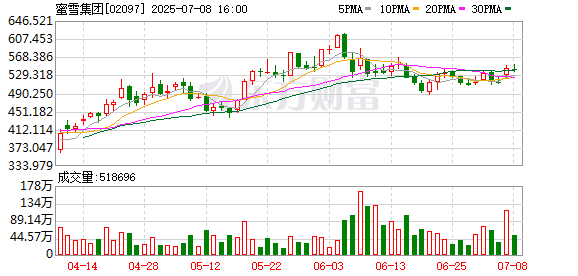
蜜雪冰城确认“脚踢保温桶当事人道歉”属实!称装的废弃茶汤
Nan Fang Du Shi Bao· 2025-07-08 14:07
Core Points - A video showing a worker at Mixue Ice City kicking a thermos has sparked widespread controversy, leading to public outrage over hygiene concerns [1][2] - The worker later apologized, explaining that the incident occurred on July 7, 2024, after closing time when he was discarding waste tea soup and thought it would be funny to film the act [1] - Mixue Ice City confirmed the authenticity of the apology and stated that the worker has acknowledged the mistake [2] Company Response - The worker's account has been made private, and comments on the post have been disabled [2] - Mixue Ice City's official customer service indicated that the situation would be reported to relevant authorities for further handling [2] - The company emphasized that hygiene standards are strictly maintained, with thorough cleaning procedures in place for the thermos after closing [1]
阿里美团京东又掀大战,谁在买单?
财富FORTUNE· 2025-07-08 13:03
Core Viewpoint - The article highlights the contrasting performance of US tech companies leveraging AI and space exploration against Chinese internet giants embroiled in a subsidy war in the food delivery sector, leading to a collective decline in stock prices for the latter [1][3]. Group 1: Market Dynamics - On July 2, Taobao Shanguo announced a subsidy plan worth 500 billion RMB, resulting in a significant increase in orders [1]. - From July 5 to 6, Meituan and Alibaba engaged in a fierce competition, offering substantial food delivery coupons, with Meituan reporting over 120 million orders on July 5 [1]. - As of July 8, JD.com, which entered the food delivery market in February, reported nearly 200 restaurant brands achieving over 1 million in sales, holding a 45% market share in the quality delivery segment [2]. Group 2: Stock Market Reactions - On July 7, while tea beverage stocks surged, the stock prices of Meituan and Alibaba fell, with Meituan dropping over 4% and Alibaba over 2.5% [3]. - The decline in stock prices for Meituan and Alibaba continued for seven trading days, with a cumulative drop of approximately 9%-10% [3]. - In contrast, JD.com experienced a smaller cumulative decline of about 4% during the same period [3]. Group 3: Competitive Strategies - Analysts suggest that JD.com may focus on high-tier cities and specific categories rather than a broad approach like Meituan and Alibaba, aiming for daily orders of 20-30 million [2]. - The ongoing price war is expected to reshape the industry landscape, with a total investment of 25 billion RMB by the three companies in June alone [5]. - Goldman Sachs outlined three potential competitive scenarios for the future of the food delivery and instant retail markets, indicating varying outcomes for Meituan, Alibaba, and JD.com [5]. Group 4: Long-term Implications - The article discusses whether the food delivery and instant retail markets represent new growth opportunities or merely a redistribution of existing market shares, emphasizing the cyclical nature of "burning money" strategies in the internet sector [6]. - The reliance on subsidies as a competitive weapon has led to a cycle of user price sensitivity rather than loyalty, creating an unsustainable ecosystem [6]. - To break this cycle, companies must shift focus from short-term capital consumption to long-term value creation through technological innovation and service optimization [6][7].




第二届“财·富杯”ESG案例分析大赛总决赛圆满落幕
第一财经· 2025-07-08 11:25
2 0 2 5年7月5日,第二届"财·富杯"ESG案例分析大赛总决赛在上海财经大学武川路校区凤凰楼顺 利举行。本次大赛由上海市金融专业学位研究生教育指导委员会指导,上海财经大学富国ESG 研究院主办,富国基金管理有限公司协办,并得到了中欧国际工商学院案例中心、妙盈科技、 高等教育出版社和第一财经等单位的支持。 上海财经大学富国ESG研究院院长、财税投资学院院长范子英教授首先代表活动主办方指出, 在当前"双碳"战略背景下,ESG理念的重要性日益凸显,我国在ESG人才储备方面却仍存在较 大 缺 口 , 本 次 案 例 大 赛 正 是 对 这 一 时 代 需 求 的 积 极 响 应 , 旨 在 通 过 实 践 型 教 学 和 真 实 案 例 分 析,激发青年学子对ESG领域的关注与研究热情。 随后,上海市金融专业学位研究生教育指导委员会秘书长、复旦大学经济学院张宗新教授与中 欧国际工商学院案例中心主任陈世敏教授分别致辞。 上海财经大学富国ESG研究院副院长郭峰教授作为主持人介绍了本次ESG案例分析大赛的举办 初心,并指出,2 0 2 5年是ESG理念在中国全面推广、深入发展的关键一年,随着监管政策逐步 明确、市场机 ...
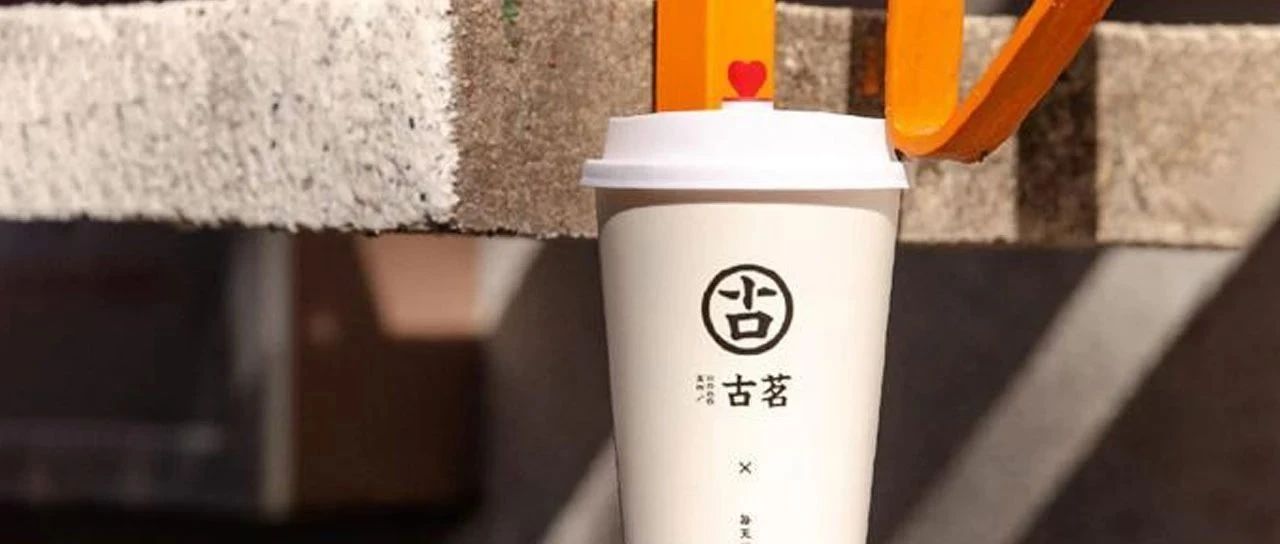
古茗:进可攻,退可守,“茶饮界Costco”能笑到最后么?
海豚投研· 2025-07-08 11:23
Core Viewpoint - The article discusses the growth potential and investment value of the tea brand Guming, emphasizing its efficient store operations and management as the foundation for expansion, while also analyzing its current market position after a significant stock price increase [1][13]. Group 1: Store Operations and Management - Guming's franchise selection process is rigorous, requiring franchisees to operate stores actively, unlike competitors who attract franchisees with lower fees and less operational scrutiny [2]. - The company employs a supply chain processing model that includes pre-processing of fresh ingredients at regional centers, ensuring consistency and efficiency in product preparation [2]. - Guming has a high supervisor-to-store ratio, with 660 supervisors covering an average of 15 stores each, allowing for close monitoring and support of franchise operations [3]. Group 2: Expansion Potential - As of the end of 2024, Guming has opened 9,914 stores, indicating significant room for growth through regional densification and expansion into unentered provinces [6]. - The company faces challenges in northern and western provinces due to weaker supply chain infrastructure and lower brand recognition compared to competitors [7][8]. - Guming's potential for store openings is estimated to be between 21,000 to 22,000 stores, representing a doubling of its current footprint [12]. Group 3: Investment Value Assessment - Guming's growth strategy focuses on steady expansion, with an expected annual opening of 1,500 to 2,000 stores, primarily in lower-tier cities [13]. - Despite recent challenges, including a slight decline in same-store revenue, Guming is projected to recover and achieve a compound annual growth rate (CAGR) of 21% in revenue from 2025 to 2029 [14][17]. - The company's profitability is expected to improve, with a projected CAGR of 25% in profits, driven by enhanced operational efficiency and reduced marketing costs over time [17]. Group 4: Competitive Positioning - Guming is positioned favorably compared to competitors in the mid-range price segment, leveraging its supply chain and operational capabilities to maintain a competitive edge [23]. - The company is expected to benefit from entering the coffee market, which will provide additional revenue streams without the need for separate store operations [24]. - Overall, Guming's strategy of cautious expansion and focus on operational excellence positions it well for future growth in a competitive landscape [25].
一场「史诗级」外卖撒券大战
3 6 Ke· 2025-07-08 10:34
Core Viewpoint - The recent surge in orders for food delivery services, particularly in the tea and coffee sectors, has created unprecedented pressure across the entire supply chain, driven by aggressive coupon subsidies from major platforms like Alibaba and Meituan [1][2][3] Group 1: Consumer Behavior - Consumers are actively participating in the subsidy war, sharing their experiences of obtaining significant discounts and free items on social media, leading to a collective frenzy [4][6][7] - Many consumers are stockpiling drinks and food items due to the overwhelming availability of discounts, with some humorously noting the excessive consumption of sugary drinks [6][7] - The competition has led to some consumers missing out on deals due to late notifications about the offers, highlighting the chaotic nature of the promotion [7] Group 2: Merchant Experience - Merchants are experiencing extreme pressure with a sudden influx of orders, leading to overwhelmed staff and operational challenges, despite not necessarily seeing significant profit from the increased sales volume [8][9][10] - The profitability of individual orders has decreased due to the high level of discounts being offered, making it difficult for smaller businesses to sustain operations [9][10] - Some merchants have reported that the promotional strategies employed by platforms are leading to unsustainable business practices, with many considering halting their participation in delivery services [10] Group 3: Platform Dynamics - The competition between platforms has intensified, with Meituan and Alibaba's Taobao Flash Sale engaging in a fierce battle for market share, resulting in record-breaking order volumes [11][12] - On July 5, Meituan achieved a new record of 1.2 billion orders, showcasing its operational capabilities and strategic response to the competitive landscape [11] - The ongoing rivalry is prompting platforms to innovate and adapt their strategies, with indications that more aggressive marketing and promotional tactics will continue in the future [12][13]
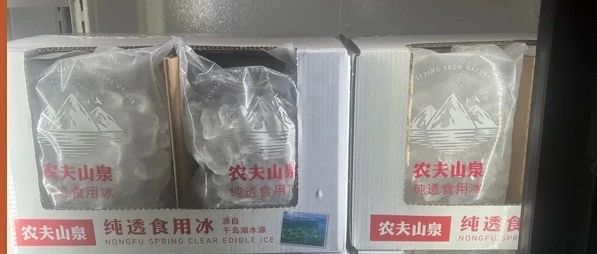
热搜爆了!山姆2公斤冰块卖22.8元,网友吵翻:“嫌贵别买”
21世纪经济报道· 2025-07-08 10:19
Core Viewpoint - The recent launch of "Farmer Spring Pure Transparent Edible Ice" by Sam's Club has sparked significant consumer debate regarding its pricing, with a 2 kg bag priced at 22.8 yuan, leading to discussions about value and cost-effectiveness in the ice market [1][3][15]. Group 1: Product Pricing and Consumer Reactions - The 2 kg ice bag priced at 22.8 yuan translates to approximately 5.7 yuan per 500 ml bottle of water, raising questions about its pricing strategy [3][4]. - Some consumers argue that the pricing is justified due to the unique production process, while others feel it is overpriced and prefer to make ice at home [4][11]. - The product's unique selling proposition includes a slower freezing process that reduces melting speed by 20%, making it suitable for long-term cooling in summer [7][11]. Group 2: Market Dynamics and Competition - The introduction of this ice product has led to a surge in demand, with reports of it selling out quickly, indicating a strong market interest [15]. - Other companies, including dairy brands like Yili and Mengniu, as well as retailers like Hema and Lawson, have also entered the ice market, intensifying competition [15]. - The price of similar ice products has seen significant reductions over the years, with Hema's ice cup price dropping from 4.9 yuan to 2.5 yuan within three years, suggesting a trend of decreasing profit margins in the ice market [16]. Group 3: Industry Overview - Sam's Club, a subsidiary of Walmart, operates over 800 stores globally, positioning itself as a major player in the membership-based retail sector [13]. - The ice market is becoming increasingly competitive, with multiple players vying for market share, which may impact pricing strategies and profitability in the long run [15][16].
员工用脚踹保温桶?蜜雪冰城:将进行反馈核实
Nan Fang Du Shi Bao· 2025-07-08 08:34
视频截图 7月8日,南都湾财社记者向蜜雪冰城相关负责人进一步了解情况,相关负责人并未明确回应此事。同日,蜜雪冰城客服回应南都湾财社记者称,已 经把相关情况登记,会反馈给公司相关部门核实。记者尝试联系采访该网友,但私信未能发出。 记者注意到,发布视频的网友于7月7日晚发布了对此事的回应,该网友表示,关于发布之前在奶茶店打工时用脚踢店里保温桶的视频,跟大家说声 对不起。他表示,该视频拍摄在去年7月25日左右,当晚门店打烊,他没考虑那么多,想拍个视频逗逗乐,也并非有意搞破坏,"那会儿年纪还小, 17岁,总想着拍点好玩的东西"。 他称,视频中的保温桶装的是废弃的茶汤,是要倒掉的,而且门店对卫生特别严格,每天打烊时保温桶都需要清洗,次日使用前还需要再清洗一 遍,他还称区域经理对门店的培训其实很严格,"但我知道,不管怎么说,对着店里的设备做这种动作,还发到网上,确实特别不合适,也让好多人 担心卫生问题……是自己一时糊涂,把工作场合当成了开玩笑的地方"。 7月7日,#蜜雪冰城被曝员工用脚关直饮水桶#话题登上微博热搜第一。 南都湾财社记者注意到,有江苏的网友于7月7日发布了一段自称在蜜雪冰城工作的视频引发了争议,目前该视频已 ...
京东外卖宣布投入超百亿扶持品质商家
新华网财经· 2025-07-08 07:45
李 斌:蔚来的钱都亏在明处,资产负债表非常干净 永辉超市:禁止任何员工私自推荐供应商 关注" 新华网财经 "视频号 更多财经资讯等你来看 往期推荐 7月8日,京东外卖宣布:正式启动"双百计划",投入超百亿元真金白银扶持更多品类标杆品牌销量 破百万。截至7月8日,京东外卖上线4个月已有近200个餐饮品牌在京东外卖销量破百万。瑞幸、库 迪、蜜雪冰城等成为京东外卖首批销量破亿品牌。霸王茶姬、古茗、塔斯汀、华莱士等超10个品牌 销量破千万。 来源:第一财经 ...

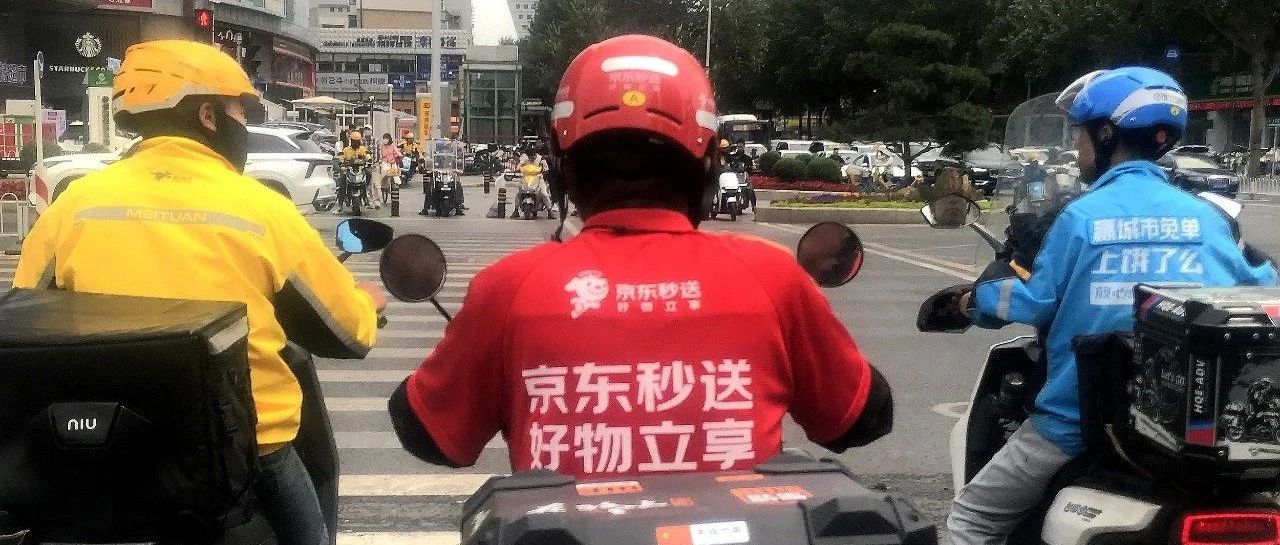
巨头决战外卖,将如何影响众多餐饮品牌?
Hu Xiu· 2025-07-08 07:22
Group 1 - The core point of the article is the intense competition in the Chinese food delivery market, particularly between Meituan and Taobao, with record-breaking order volumes being reported [2][3][6] - On July 5, Meituan announced it achieved over 120 million orders in a single day, marking the highest order volume ever recorded by a single company in history [2] - Taobao, a major competitor, reported over 80 million orders on the same day, showcasing its rapid growth in the food delivery sector since launching the service in May [3][4] Group 2 - The overall daily capacity of the Chinese food delivery market was around 10 million orders before the competition intensified, but it surged to over 20 million orders by July [6] - The competition was initially sparked by JD.com, but the main battle has shifted to Taobao versus Meituan, with Alibaba's Taobao taking a leading role [7][8][9] - Taobao's entry into the food delivery market is seen as a strategic move to leverage its existing user base and enhance its e-commerce business [14][33] Group 3 - Alibaba's acquisition of Ele.me in 2018 did not yield significant results, with the platform struggling to achieve profitability and maintain market share against Meituan [16][17] - The integration of Ele.me into Taobao's operations indicates a shift in strategy, allowing Taobao to absorb Ele.me's losses and utilize its cash flow [26] - Taobao's existing delivery network and user traffic provide a competitive advantage over JD.com and other entrants in the food delivery market [28][30] Group 4 - The ongoing food delivery war has led to significant consumer benefits, with many enjoying substantial discounts and promotions [11][12] - However, the competition primarily favors large chain brands, as platforms tend to allocate subsidies to them due to lower operational costs compared to smaller businesses [53][54] - The long-term implications of these subsidies may lead to a shift in consumer behavior, with more customers opting for delivery over in-store purchases, potentially harming smaller restaurants [62][63]