三星

Search documents
存储-超级周期-跟踪调研-26年供需景气度将如何继续演绎
2026-01-20 01:50
Summary of Conference Call on Storage Industry Trends Industry Overview - The conference call focused on the storage industry, particularly the demand and supply dynamics for DRAM and NAND products through 2026 [1][2]. Key Insights Server Storage Demand - Server storage demand is expected to continue strong growth, with servers accounting for 30% of overall storage demand. This growth is driven by AI server markets and overbooking by major cloud service providers like Google, AWS, Meta, and Microsoft, indicating high future demand expectations [2][3]. Mobile Market Dynamics - The mobile market is projected to see sustained growth in the first and second quarters of 2026, driven by new product launches such as iPhone 17, Xiaomi 17, and Huawei Max 6. Increased single-device storage capacity is expected to offset declines in shipment volumes [1][5][16]. PC and Notebook Market - The PC and notebook markets are relatively weak, with DDR4 prices affected by factory shutdowns. This segment accounts for less than 30% of the overall storage market, limiting its impact on total demand [1][6]. Inventory Levels - Current inventory levels are not expected to rise excessively before the third quarter, with DRAM inventory at approximately 1.5-2 months and NAND inventory at 2-2.5 months, compared to a normal balance of 2.5-3 months [10][37]. Price Trends - In Q1 2026, DRAM prices increased by 52% and NAND prices by 47%, reflecting tight supply-demand conditions. Price increases are expected to continue into Q2, with projections of over 30% growth [3][22][34]. AI Applications - AI-related applications are experiencing robust growth, with no current concerns about entering a bubble phase. The demand for storage related to AI is expected to remain strong at least until 2027 [11][12]. Automotive Electronics - The automotive electronics sector, including smart cockpit and autonomous driving applications, is growing rapidly at a rate of about 20%, although it only represents 7-8% of the overall storage market [4]. Future Capacity and Supply - By the end of 2026, an additional 300,000 DRAM and 350,000 NAND units are expected to be added, but actual supply may only reach 1.9-2 million DRAM and 2.2 million NAND due to the release timeline of new capacities [3][27][28]. Additional Insights Consumer Electronics - Despite a slight decline in mobile shipments, the average storage capacity per device is increasing, contributing to overall demand growth [16][17]. Cost Management in Mobile Manufacturing - Mobile manufacturers are expected to manage rising costs by increasing product prices or optimizing material costs, ensuring they do not incur losses [19][20]. Market Share Dynamics - The server and mobile markets are expected to each account for about one-third of total demand, with servers increasing their share from 33% to 35% by 2026 [26]. Technological Upgrades - The storage chip industry is undergoing significant technological upgrades, transitioning to smaller process nodes and increasing layer counts, which will enhance capacity but may have limited overall growth due to previous upgrades [31][32]. Competitive Landscape - Companies like Longsys and Yangtze Memory Technologies are gaining market share in the mid-range product segment, but their impact on the high-end market remains limited due to technological gaps [33]. This summary encapsulates the key points discussed in the conference call, highlighting the trends and expectations for the storage industry through 2026.
AIDC电源革命开启-2026从预期到现实
2026-01-20 01:50
Summary of Key Points from the Conference Call Industry Overview - The conference call focuses on the AIDC (Artificial Intelligence Data Center) power supply revolution, highlighting significant advancements in data center chip power consumption and cabinet power density, with expectations for substantial growth in power requirements by 2028 [1][7]. Core Insights and Arguments - **Power Consumption Trends**: Data center chip power consumption has increased dramatically, with NVIDIA's Ruby chip consuming between 1,800 to 3,600 watts, a tenfold increase from the Titan X's 250 watts a decade ago [5]. Similar trends are observed in Google's TPU chips and other major players like Microsoft and Meta [5]. - **Cabinet Power Density**: The power density of data center cabinets has significantly improved, with NVIDIA's cabinets reaching megawatt levels, up from approximately 10 kilowatts in 2020 [6]. Google is also expected to achieve similar advancements with its Super Pod, targeting 10 megawatts by 2025 [6]. - **Future Power Requirements**: By 2028, North America is projected to add around 70 gigawatts of power for AI data centers, with global additions expected to reach 100 gigawatts [7]. - **Power Supply Strategies**: Both NVIDIA and Google have outlined four-step strategies for data center power supply, focusing on transitioning from traditional UPS systems to high-efficiency solutions like medium-voltage rectifiers and solid-state transformers (SST) [8][9]. - **OCP Standards Evolution**: The OCP (Open Compute Project) has iterated its power supply standards, significantly increasing the power capacity of server PSUs and transitioning to external power shelves, enhancing overall efficiency [10]. Investment Opportunities - **AIDC Power Supply Iteration**: Investment opportunities are identified in four main areas: AIDC power supply hosts (PSUs, HVDC, SST), energy storage at the power station level, core components (solid-state circuit breakers, supercapacitors, DCDC converters), and third-generation semiconductors (SiC and GaN) [3]. - **Energy Storage Market**: The U.S. energy storage market for data centers is expected to exceed 100 GWh by 2028, driven by new regulations encouraging self-built generation facilities and energy storage systems [4][25]. - **Core Component Development**: The shift to new technologies is driving the development of core components, such as solid-state circuit breakers, which are expected to see increased adoption due to their rapid response characteristics [4][26]. Additional Important Insights - **Market Dynamics**: The AI chip capacitor market is dominated by Samsung and Murata, with significant demand for high-end capacitors driven by AI technology advancements [16]. The value of inductors in AI applications has also increased significantly, reflecting the rising power requirements [18]. - **Material Requirements**: AI chips have stringent material requirements, with high margins for suppliers who can meet performance specifications [19]. Companies like 博迁新材 (Bojian New Materials) are noted for their advanced capabilities in supplying nano-powders essential for AI applications [20]. - **Regulatory Impact**: New U.S. regulations are pushing data centers to adopt energy storage systems to enhance grid responsiveness, particularly in regions like Texas, where demand response capabilities are becoming critical [23][24]. - **Future Trends in Power Supply**: The PSU market is projected to reach a scale of billions in the next three years, driven by the expansion of IDC facilities and the adoption of HVDC technology [30][32]. - **Domestic Manufacturers' Advantages**: Domestic manufacturers in the power electronics sector are noted for their rapid technological advancements and broad application, positioning them favorably in the market [34]. This summary encapsulates the key points discussed in the conference call, providing insights into the evolving landscape of the AIDC power supply industry and potential investment opportunities.


慕了!内存芯片巨头人均发64万年终奖;特斯拉将重启Dojo 3超级计算机项目;2025胡润中国人工智能企业50强出炉!6300亿「寒王」登顶
雷峰网· 2026-01-20 00:40
Group 1 - SK Hynix announced a record year-end bonus of 1.36 billion KRW (approximately 640,000 RMB) per employee, attributed to a new performance bonus plan linked to the company's profits [4][5] - The new bonus plan allows employees to receive up to 50% of their bonuses in company stock, with additional cash rewards for holding the stock for a year [4][5] - The company expects a significant increase in bonuses due to a new agreement that ties bonuses to 10% of the previous year's operating profit, with an estimated total operating profit of 45 trillion KRW for the year [5] Group 2 - HuRun Research Institute released a list of the top 50 AI companies in China, with Cambricon leading at a valuation of 630 billion RMB, followed by Moore Threads and MuXi [7][8] - Cambricon has seen a revenue increase of 4,300% year-on-year, driven by its focus on AI core processor chips and partnerships with leading AI model companies [7][8] - The top five companies in the list include Cambricon, Moore Threads, MuXi, iFlytek, and Horizon Robotics, showcasing the rapid growth and innovation in the AI sector [9] Group 3 - Li Auto's AI glasses sold out in just three hours, with demand exceeding supply, indicating strong market interest [10] - The glasses, priced from 1,999 RMB, are designed to integrate with Li Auto's ecosystem and feature advanced technology such as a 12MP camera and AI capabilities [10] - The product's success highlights the growing trend of smart wearable devices in the automotive industry [10] Group 4 - Porsche reported a 10% decline in global sales for 2025, with a 26.28% drop in the Chinese market, reflecting challenges in the luxury car segment [12] - The company is focusing on maintaining a healthy supply-demand relationship and stable value system amid market pressures [12] - Porsche's stock fell by 4.34% following the sales report, indicating investor concern over the company's performance [12] Group 5 - Moonshot AI, an AI startup backed by Alibaba, achieved a valuation of 48 billion USD (approximately 330 billion RMB) in its latest funding round, reflecting strong market demand for AI companies [14][15] - The company has raised significant capital in a short period, indicating robust investor interest in the AI sector [14][15] - The rapid increase in valuation highlights the competitive landscape for AI startups in China [14][15] Group 6 - Xiaomi's second-generation self-developed chip, the Xuanjie O2, is expected to utilize TSMC's 3nm process and expand its application to tablets, cars, and computers [17][18] - The company aims to enhance its self-developed chip capabilities across various product lines, indicating a strategic shift towards in-house technology [17][18] - The Xuanjie O1 chip, released earlier, has already demonstrated high performance, positioning Xiaomi competitively in the semiconductor market [18] Group 7 - Northvolt announced a projected net loss of 4.35 to 4.65 billion RMB for 2025, primarily due to ongoing investments in product development and market expansion [32] - Despite the losses, the company expects a significant increase in sales volume, indicating a long-term growth strategy [32] - The strategic investments are aimed at enhancing the company's market position in the rapidly evolving electric vehicle sector [32]


马斯克索赔9300亿,背后是打AI芯片的主意
阿尔法工场研究院· 2026-01-20 00:08
Core Viewpoint - Elon Musk has filed a lawsuit against OpenAI and its partner Microsoft, claiming damages between $79 billion and $134 billion due to alleged fraud and breach of the original non-profit mission of OpenAI [3][10]. Group 1: Lawsuit Details - Musk's lawsuit seeks compensation for his initial investment of $38 million in OpenAI, which he argues should entitle him to a portion of OpenAI's current valuation of approximately $500 billion [5][10]. - The lawsuit is based on the principle of "unjust enrichment," demanding the return of profits generated from Musk's contributions, which he estimates to be between $65.5 billion and $109.4 billion for OpenAI and between $13.3 billion and $25.1 billion for Microsoft [6][7]. - Musk's departure from OpenAI's board in 2018 and the subsequent shift of OpenAI from a non-profit to a for-profit entity are central to the lawsuit, as he claims this transition violates the original mission of benefiting humanity [8][10]. Group 2: OpenAI's Response and Future Plans - OpenAI has responded to the lawsuit, labeling it "baseless" and asserting that its restructuring was necessary for sustainable technology development, denying any legal breach [10][11]. - The company has ambitious plans, including a commitment to invest $1.4 trillion in computing power over the next few years, aiming for a capacity of 30 gigawatts, equivalent to several large nuclear power plants [13]. - OpenAI is also collaborating with Broadcom to develop AI chips and has partnered with Chinese manufacturer Luxshare Precision to produce AI hardware [13]. Group 3: Industry Implications - The lawsuit's outcome could significantly impact the allocation of hundreds of billions of dollars and potentially reshape the governance structure and future direction of the global AI industry [20]. - Regardless of the lawsuit's result, it has already made a profound mark on the history of AI development [21].


詹德斌:从仰视到平视,韩国对日认知在变
Xin Lang Cai Jing· 2026-01-19 23:21
Core Viewpoint - The recent meeting between South Korean President Lee Jae-myung and former Japanese Prime Minister Taro Aso signifies a shift in South Korea's perception of Japan, moving from a historical adversarial stance to a more equal diplomatic relationship [1][2][4] Group 1: Historical Context and Diplomatic Relations - The historical context of Korea's colonial past has shaped its complex relationship with Japan, where Japan is seen not just as a neighbor but as a significant historical figure [1] - The concept of "shuttle diplomacy" between Korea and Japan has been marked by interruptions and restarts, reflecting the underlying psychological contradictions in their diplomatic relations [2] - South Korea's desire for equal treatment in bilateral relations contrasts with Japan's historical view of Korea, leading to a prolonged period of diplomatic tension [2] Group 2: Changes in Perception and Policy - South Korea's changing attitude towards Japan has been evident since the Roh Moo-hyun administration, where a more assertive stance on historical and sovereignty issues began to emerge [3] - The perception of South Korea's economic and cultural advancements has led to a fundamental shift in how Koreans view Japan, moving from a position of admiration to one of parity [3] - Recent statements from South Korean politicians and media reflect a growing consensus that Korea and Japan are now peers, indicating a significant psychological shift in their relationship [4] Group 3: Implications for Future Relations - The recent visit by President Lee Jae-myung is seen as a step towards "restructuring" the bilateral relationship rather than merely improving it, highlighting a new era of diplomacy based on mutual respect [4] - Japan's response to South Korea's rising international status suggests a reevaluation of its own stance towards Korea, indicating a reciprocal adjustment in their diplomatic dynamics [4]
志愿服务积分兑换推动构建社区公益循环体系
Xin Lang Cai Jing· 2026-01-19 22:17
Core Points - The article highlights the establishment of a community service center in Kunming's Guandu District, which facilitates a points-based system for volunteer services that can be exchanged for practical benefits [1] - Five local businesses have signed agreements to support this initiative, creating a community public welfare cycle that integrates service, points, and incentives [1] - Residents, delivery workers, and volunteer representatives are actively participating in the program, receiving vouchers that can be used for various services such as dining, movies, and haircuts [1] Summary by Categories - **Community Engagement** - The new service center has attracted numerous participants, including delivery workers and community volunteers, who are eager to exchange their accumulated volunteer service points for tangible benefits [1] - The program encourages community involvement through various activities, such as participating in volunteer services and promoting the creation of a civilized and hygienic city [1] - **Business Collaboration** - Five businesses, including Meiyijia Star Hospital Store and MGM Cinema, have become the first batch of supportive merchants for the points exchange program, indicating a collaborative effort between local enterprises and community initiatives [1] - This partnership is not merely a commercial agreement but aims to build a sustainable community service model [1] - **Incentive Mechanism** - The points earned by participants can be redeemed for cash discounts at participating merchants, enhancing the appeal of volunteer work and community service [1] - The initiative fosters a cycle of service and reward, motivating more individuals to engage in volunteer activities [1]
拉斯维加斯的东方香气!阿莫斯登陆CES 2026,重新定义智慧香氛新标杆
Sou Hu Cai Jing· 2026-01-19 18:11
Core Insights - The 2026 International Consumer Electronics Show (CES 2026) in Las Vegas focuses on the "AI Physicalization Revolution," marking a new era in global technology [3] - Amos showcases its all-scenario intelligent fragrance solutions, emphasizing the integration of sensory immersion and scene adaptation [1][3] Product Matrix - Amos introduces a diverse range of scent solutions for home, travel, and commercial spaces, highlighting smart fragrance devices that create immersive experiences [5] - The company holds exclusive core invention and design patents for its products, which comply with global standards such as IFRA, FCC, CE, SGS, TUV, and ROHS [9] Market Position - Amos commands over 60% market share in the intelligent fragrance sector, receiving positive feedback and offering agency and private label cooperation opportunities [10] - The product line includes compact designs suitable for various environments, such as vehicles and desks, and features the "Sentinel Series" with remote liquid level detection [10] Technological Advancements - Amos presents a targeted odor elimination solution for pets, utilizing advanced technology to break down odor molecules at the source [14] - The company emphasizes hotel-grade safety certifications and long-lasting scent retention through nano-release technology [14][15] Smart Technology Integration - The company builds a closed-loop system encompassing devices, platforms, and data, enabling precise monitoring and intelligent control of fragrance devices [20] - A visual data backend provides real-time insights into device performance and inventory management, facilitating data-driven operational optimization [21] Collaboration and Industry Leadership - Amos positions itself as a leader in smart IoT fragrance management, redefining the value of spatial scent management [19] - The company collaborates with top global brands like Haier, Midea, and Huawei, enhancing its reputation in the air fragrance sector [24] Future Outlook - Amos aims to continue innovating in scene-based fragrance solutions, focusing on user-centered design and sustainable business value [24][26]
日韩股市走势“分道扬镳” AI投资热驱使东南亚股指拉升
2 1 Shi Ji Jing Ji Bao Dao· 2026-01-19 15:06
Group 1: Market Performance - The Japanese stock market is experiencing a decline, with the Nikkei 225 index down 0.65% to 53,583.57 points, while the KOSPI index in South Korea has risen 1.32% to 4,904.66 points, marking a 16.38% increase year-to-date [1][4] - The KOSPI index has achieved a historical high, breaking the 4,900-point barrier for the first time [4] - Other Asian markets show mixed performance, with Southeast Asian indices fluctuating, while Indonesia and Vietnam's markets are notably strong [1][7] Group 2: Factors Influencing Japanese Market - The decline in the Japanese stock market is attributed to a significant drop in semiconductor and automotive stocks, alongside a sharp decrease in machinery orders [2] - Analysts suggest that the recent downturn is a result of profit-taking after a period of growth fueled by expectations of fiscal stimulus [2][3] - Key pressures on the Japanese market include rising government bond yields, a strengthening yen impacting export stocks, and concerns over the sustainability of fiscal policies [3] Group 3: Factors Supporting Korean Market - The surge in the Korean stock market is primarily driven by a recovery in the semiconductor industry, bolstered by increased investments in artificial intelligence [5][6] - The Korean government's "Value Enhancement Plan" and proactive fiscal policies are providing additional support to the market [5] - The depreciation of the Korean won is benefiting exports, although prolonged depreciation could negatively impact corporate earnings [5] Group 4: Southeast Asian Market Dynamics - Southeast Asian markets are experiencing a resurgence, with Indonesia's index reaching a historical high, driven by economic stabilization and foreign investment [7][8] - The region is becoming a hotspot for AI investment, with significant growth in sectors like fintech and e-commerce [7][8] - Factors influencing the Southeast Asian markets include the stability of local interest rates and exchange rates, commodity cycles, and regulatory environments [9]
台积电2纳米芯片价格暴涨 或带动iPhone 18系列涨价
Zhong Guo Jing Ying Bao· 2026-01-19 13:16
Core Viewpoint - The semiconductor industry is entering the 2nm era, with significant implications for pricing and costs of devices equipped with advanced chips, particularly Apple's upcoming iPhone Fold and other models featuring the A20 Pro chip [2] Group 1: Pricing and Cost Factors - The A20 Pro chip's price is expected to rise significantly due to high production costs associated with TSMC's 2nm process, with the chip's cost projected to reach $280, an 80% increase compared to the A19 chip [2] - TSMC's 2nm wafers are estimated to cost over $30,000 each, double the price of 4nm wafers, contributing to the overall increase in chip prices [2] - The introduction of advanced technologies, such as the Gate-All-Around (GAA) transistors and wafer-level multi-chip module (WMCM) packaging, enhances performance but also raises production costs significantly [3] Group 2: Market Dynamics and Competition - The high prices of storage chips and ongoing supply chain issues are further driving up overall chip costs across the industry [4] - Initial production of new process nodes typically incurs higher costs due to lower yield rates and ramp-up challenges, which can only be mitigated as production stabilizes and competition increases [5] - Apple's pricing strategy may face challenges as competitors like Samsung adopt lower pricing strategies for their 2nm chips, potentially impacting TSMC's pricing power and market share [6][7] Group 3: Supply Chain and Strategic Shifts - Apple is exploring partnerships with Intel to diversify its supply chain and reduce reliance on TSMC, indicating a shift in its procurement strategy [7] - The proportion of chip costs in high-end smartphones has increased from 15% a decade ago to over 30% today, highlighting the growing importance of managing costs amid technological advancements [7] - The 2nm cost surge is expected to accelerate restructuring within the semiconductor supply chain, prompting a reevaluation of the balance between innovation and profitability [7]


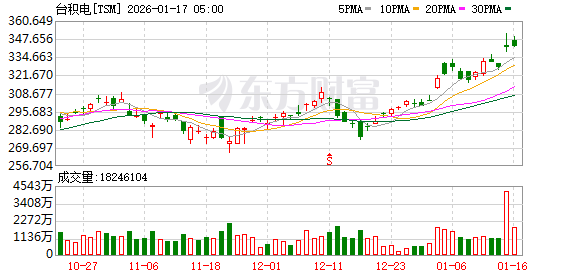
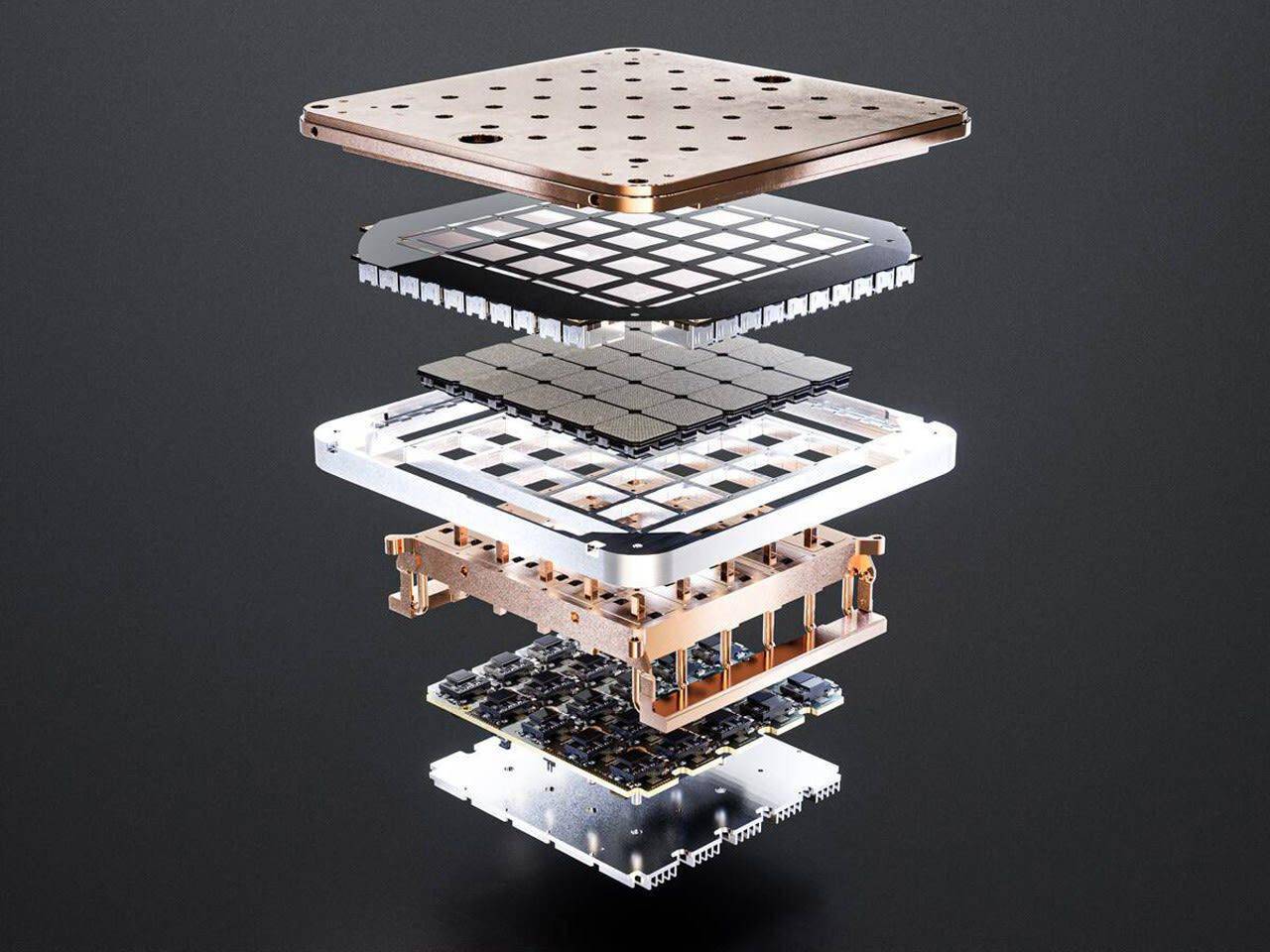
消息称三星将为特斯拉生产第三代Dojo超算芯片,英特尔负责封装
Sou Hu Cai Jing· 2026-01-19 13:00
Group 1 - Tesla signed a $16.5 billion contract with Samsung to produce 2nm chips, enhancing their collaboration [1] - The partnership has deepened, with Tesla placing additional orders with Samsung following the contract [1] - Elon Musk announced the restart of the Dojo 3 supercomputer project, with Samsung awarded the chip manufacturing contract [3] Group 2 - The Dojo 3 project will utilize data from millions of Tesla vehicles to train AI models for Full Self-Driving (FSD) capabilities [3] - Intel will handle the chip packaging for the Dojo 3 project, while previous generations used chips from TSMC [3] - Samsung and Intel are eager for more orders, making them more willing to support Tesla compared to TSMC, which is currently at capacity [3]