亚马逊

Search documents
深夜暴跌!“AI泡沫”担忧再起
证券时报· 2025-10-30 15:05
Core Viewpoint - The article discusses the recent volatility in the stock market, particularly focusing on the significant drop in Meta's stock price following its earnings report, raising concerns about excessive capital expenditures in the AI sector and the potential for a bubble [2][5][10]. Financial Performance of Tech Giants - Major tech companies, including Alphabet, Meta, and Microsoft, reported a combined capital expenditure of approximately $78 billion in Q3, representing an 89% increase year-over-year. This spending is primarily directed towards data center construction and equipping them with GPUs and other devices [5][10]. - Meta's stock plummeted nearly 12% after its earnings report, attributed to unexpected high capital expenditures and warnings of significantly higher spending in 2026 compared to 2025 [5][9]. - In contrast, Alphabet's stock rose over 5% as investors reacted more favorably to its increased capital spending [5]. Market Sentiment and Concerns - Investors are increasingly questioning whether the substantial investments in AI by these companies are justified or if they indicate a bubble forming in the sector [2][5][10]. - Microsoft reported a record capital expenditure of $34.9 billion in Q3, which surprised investors and led to concerns about the return on investment in AI [10]. Federal Reserve's Monetary Policy - The Federal Reserve's potential interest rate cut in December is uncertain, with differing opinions among committee members. The likelihood of a rate cut has decreased from 90% to 67% according to CME data [4].





英伟达是怎么被“抬”上5万亿的?
投中网· 2025-10-30 07:22
Core Viewpoint - Nvidia has become the first company in history to surpass a market capitalization of $5 trillion, driven by strong demand for AI and its strategic investments in AI-related companies like OpenAI [5][6][7]. Group 1: Nvidia's Market Position and AI Demand - Nvidia's CEO Jensen Huang highlighted that the revenue from Blackwell and Rubin architecture chips could exceed $500 billion by 2026, which is five times the revenue expected from the Hopper architecture chips between 2023 and 2025 [5][6]. - Nvidia's market value is closely tied to market optimism regarding the future of AI in the U.S., as it holds significant pricing power over GPUs, the core resource for AI [6][7]. Group 2: Concerns Over AI Bubble - The announcement of Nvidia's $100 billion investment in OpenAI raised concerns about an AI bubble, as it involved a significant order of GPUs from Nvidia in return for the investment [8][9]. - IMF President Kristalina Georgieva and the UK's Financial Policy Committee expressed worries about overvaluation in the U.S. stock market, particularly among AI-related tech companies, which could lead to a market correction [9][10]. Group 3: Capital Circulation and Financing Strategies - A capital loop is formed where Nvidia invests in OpenAI, which in turn orders GPUs from Nvidia, while OpenAI also requires cloud services from Oracle, creating a cycle of revenue among these companies [11][12][13]. - Major tech companies are increasingly relying on external financing rather than just free cash flow, with significant declines in free cash flow reported among the "Big Seven" tech firms [18][20]. Group 4: Government Influence and Market Dynamics - The U.S. government views AI as a core strategic competition area, which may lead to continued loose regulations on capital inflow, exacerbating leverage and valuation issues [23][24]. - The U.S. stock market's performance is crucial for maintaining the financial system's stability, as it supports the dollar's dominance and the government's financial strategies [32][33]. Group 5: Profitability Challenges in AI Sector - OpenAI reported a revenue of approximately $4.3 billion in the first half of 2025 but incurred losses of $13.5 billion, primarily due to AI development costs [25][26]. - The commercialization of generative AI applications is lagging, with a report indicating that 95% of investments in this area have not yielded returns, highlighting the challenges in monetizing AI technologies [27][28]. Group 6: Future Implications and Risks - The ongoing AI narrative is critical for the U.S. stock market, as it is seen as a key driver for future growth and financial stability [49][50]. - The potential for an AI bubble to burst poses risks not only to the stock market but also to the broader financial system, reminiscent of the dot-com bubble [53][54].
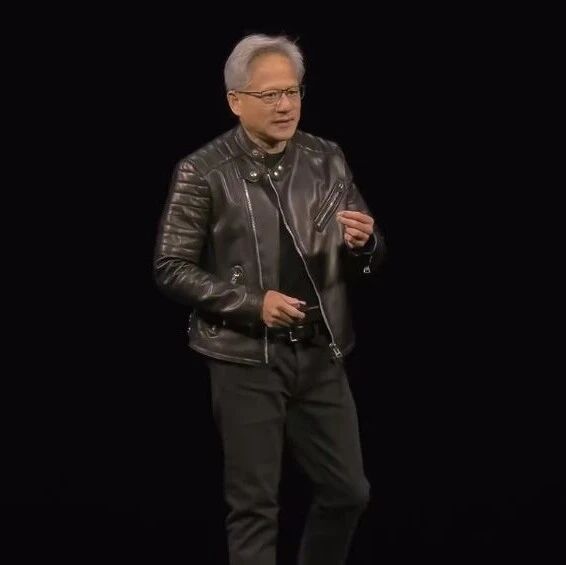
英伟达市值已从4万亿美元跨越到5万亿,仅用时113天
Sou Hu Cai Jing· 2025-10-30 03:16
随着英伟达在人工智能领域持续掀起浪潮,它的股价一路走高。目前苹果以4万亿美元市值位居英伟达 之后,随后是微软、谷歌母公司Alphabet、亚马逊和Meta。 当地时间10月28日,英伟达宣布斥资10亿美元收购诺基亚股份,并达成共同开发AI原生5G-Advanced与 6G蜂窝网络的合作协议后,英伟达市值突破5万亿美元大关。 (AI云资讯消息)英伟达已成为全球首家市值突破5万亿美元的公司。据彭博社数据显示,美东时间10 月29日上午9点30分左右,英伟达股价飙升逾5%至211美元上方。这标志着英伟达公司刚刚在7月达到4 万亿美元市值后,又迈入了新的里程碑。 ...

报告揭示AI出版新趋势:角色重塑、业务拓展与服务创新成关键
Zhong Guo Jing Ji Wang· 2025-10-30 02:24
Core Insights - The report highlights the deepening penetration of artificial intelligence (AI) in the global publishing industry, which is becoming a key variable in driving industrial structure upgrades and efficiency reshaping [1][2] - AI is reshaping roles within publishing, enabling business expansion, and driving service innovation to enhance user experience and content delivery efficiency [1][2] Group 1: AI's Role in Publishing - AI is taking on multiple roles in the publishing process, including editor, author, illustrator, reviewer, and translator, while also creating new professions such as AI ethics consultant and AI trainer [1] - The collaboration between companies like Bertelsmann and OpenAI is enhancing content production capabilities, while Amazon's Audible is reshaping audiobooks through proprietary end-to-end AI production technology [2] Group 2: Challenges and Recommendations - The report identifies challenges such as data illusion, privacy risks, and academic integrity issues, which vary across different publishing groups due to business areas and ethical considerations [2] - Recommendations include accelerating the improvement of copyright laws related to AI-generated content, introducing technologies like blockchain for content traceability, and cultivating a new generation of publishers with skills in digital technology, AI application, and data analysis [2]

凌晨!美联储降息25个基点!
新华网财经· 2025-10-30 02:05
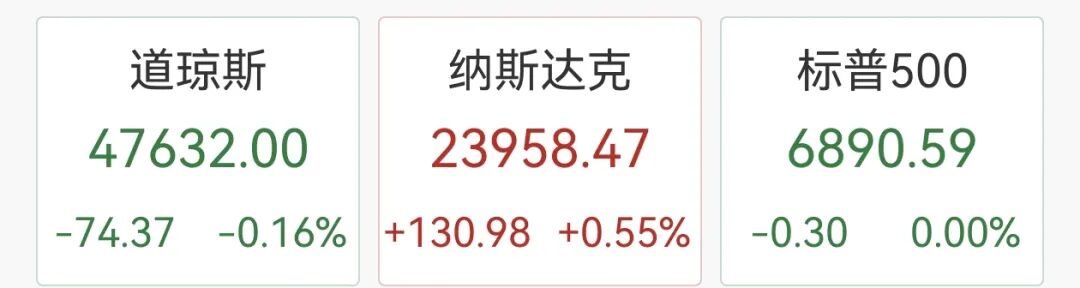
Core Viewpoint - The Federal Reserve has lowered the federal funds rate by 25 basis points to a target range of 3.75% to 4.00%, marking the second consecutive rate cut, while also announcing the end of its balance sheet reduction plan starting December 1. However, uncertainty remains regarding future monetary policy due to a lack of economic data caused by the government shutdown, with Chairman Powell indicating that a December rate cut is not guaranteed [2][4][6]. Group 1: Federal Reserve Actions - The Federal Reserve has cut the federal funds rate by 25 basis points, aligning with market expectations [4]. - The Fed will end its balance sheet reduction plan on December 1, with reinvestments of mortgage-backed securities' principal into short-term Treasury bonds [6]. - There is a notable division within the Fed regarding future rate cuts, with some members advocating for a more aggressive approach while others prefer to maintain current rates [6][7]. Group 2: Economic Indicators and Market Reactions - Economic activity is expanding at a moderate pace, with job gains slowing and the unemployment rate slightly increasing but remaining low [5]. - Inflation has risen since earlier in the year and remains somewhat elevated, contributing to the Fed's cautious stance [5][6]. - Following Powell's comments, major assets experienced significant volatility, with the Dow Jones falling by 0.16% and the Nasdaq rising by 0.55% [9][11].
黄仁勋称美国AI芯片需要向中国出口,外交部回应;美国宣布新一轮对俄制裁,重点针对两家石油公司
Di Yi Cai Jing Zi Xun· 2025-10-30 01:16
Market Overview - The Federal Reserve lowered the overnight benchmark interest rate by 25 basis points to a range of 3.75% to 4.00%, marking the second rate cut of the year [2] - Fed Chairman Jerome Powell indicated that a further rate cut in December is not guaranteed, highlighting strong internal disagreements among committee members regarding future policy direction [2] - The market reacted negatively to Powell's comments, leading to fluctuations in major stock indices, with the Dow Jones falling by 74.37 points and the Nasdaq rising by 0.55% [1][2] Company Highlights - Nvidia's stock surged by 3.0%, pushing its market capitalization above $500 billion, making it the first U.S. company to reach this milestone [3] - Nvidia announced a $1 billion investment in Nokia, contributing to its stock price increase of over 50% this year, which has driven a rally in AI-related stocks [3] - Seagate Technology's stock rose by 19.1% after reporting Q3 revenue of $2.63 billion, a 21% year-over-year increase, and providing better-than-expected guidance for Q4 [3] Sector Performance - The storage sector showed strength, with Seagate's performance positively impacting Western Digital and SanDisk, which also saw stock price increases of over 8% [3] - The consumer goods sector faced challenges, with Mondelez International's stock dropping by 3.9% due to a decline in gross margin and a lowered full-year earnings outlook [4] International Developments - The Nasdaq Golden Dragon China Index experienced a slight decline of 0.03%, with Alibaba and Baidu seeing gains while JD.com and NetEase faced losses [5] - International oil prices saw a modest increase, with WTI crude oil rising by 0.55% to $60.48 per barrel and Brent crude oil up by 0.81% to $64.92 per barrel [5]

科技巨头动作频频 量子计算商用变近了
2 1 Shi Ji Jing Ji Bao Dao· 2025-10-30 00:37
Core Insights - Quantum computing is approaching commercial application, with significant breakthroughs announced by Google and Nvidia in a short time frame [1][6] - Nvidia introduced NVQLink, a system to connect GPUs with quantum processors, marking the beginning of a hybrid computing era [1][2] - The integration of quantum computing into Nvidia's AI computing framework is a strategic move to enhance computational capabilities [4][12] Nvidia's Developments - Nvidia's NVQLink provides a low-latency (less than 4.0 microseconds) and high-throughput (up to 400 Gb/s) connection between quantum processors and GPUs [1] - The technology has garnered support from 17 quantum computing companies and 9 national laboratories [2][12] - Nvidia's CEO emphasized the necessity of direct connections between quantum computers and GPU supercomputers for the future of quantum computing [2] Google’s Breakthrough - Google's quantum team achieved a significant milestone with the "quantum echo" algorithm, demonstrating a verifiable quantum advantage [5][6] - The algorithm operates approximately 13,000 times faster than one of the world's fastest supercomputers [5] - This breakthrough is seen as a crucial step towards practical applications of quantum computing [6] Industry Trends - Major tech companies like Microsoft and Amazon are also accelerating their quantum computing initiatives, with Microsoft focusing on a "Quantum Ready" strategy and Amazon expanding its Braket platform [6][12] - The market for quantum computing stocks has seen volatility, reflecting both optimism and skepticism about the technology's potential [7][9] Challenges and Future Outlook - Despite recent advancements, significant technical challenges remain, particularly regarding qubit stability and environmental noise interference [10][11] - The development of topological superconductors is considered a potential solution to enhance qubit stability [10][11] - The industry is witnessing a growing ecosystem, with increased investment and collaboration among various stakeholders, including startups and research institutions [12][13]

事关降息,鲍威尔最新发声!
Zhong Guo Ji Jin Bao· 2025-10-30 00:20
Group 1: Market Overview - The U.S. stock indices closed mixed, with the Nasdaq reaching a new high for the fourth consecutive day, up 0.55% to 23958.47 points [2] - The Dow Jones fell by 0.16% to 47632 points, while the S&P 500 remained flat at 6890.59 points [2] - Major tech stocks mostly rose, with the Tech Giants Index increasing by 1.14% [7] Group 2: Nvidia's Market Performance - Nvidia's market capitalization surpassed $5 trillion for the first time, closing at $5.03 trillion after a 2.99% increase in stock price [4] - CEO Jensen Huang highlighted Nvidia's 30-year investment in building a GPU and CUDA-based accelerated computing system, which has created a deep software ecosystem [4][5] - Nvidia introduced the concept of "AI factories," specialized computing systems designed for generating tokens, which are expected to drive global capital expenditure towards AI infrastructure [5] Group 3: Nvidia's Technological Advancements - Nvidia is adopting extreme collaborative design to address the slowdown in transistor growth, with innovations like the Grace Blackwell architecture and Spectrum-X Ethernet [6] - The new systems integrate 130 trillion transistors and are designed to achieve a tenfold efficiency increase through architectural collaboration [6] - Nvidia's NVLink-Q architecture supports high-speed data transfer between quantum processors and GPUs, addressing significant data transmission bottlenecks [6] Group 4: Federal Reserve's Monetary Policy - The Federal Reserve announced a 25 basis point rate cut, bringing the federal funds rate to a range of 3.75% to 4.00%, marking the second rate cut of the year [9] - Fed Chair Jerome Powell indicated that there is significant disagreement among committee members regarding further rate cuts in December [9][10] - Powell noted that while inflation has eased from mid-2022 highs, it remains above the long-term target of 2%, with the personal consumption expenditures price index rising by 2.8% year-over-year [10]
英伟达是怎么被“抬”上5万亿的?
虎嗅APP· 2025-10-30 00:15
Core Viewpoint - Nvidia has become the first company in history to surpass a market capitalization of $5 trillion, driven by strong demand for AI and its strategic investments in companies like OpenAI [2][4][6]. Group 1: Nvidia's Market Position and AI Demand - Nvidia's CEO Jensen Huang emphasized the robust demand for AI, projecting that the Blackwell and Rubin architecture chips could generate over $500 billion in revenue from 20 million GPUs by 2026, which is five times the revenue expected from the Hopper architecture chips between 2023 and 2025 [2][3]. - Huang refuted the AI bubble theory, asserting that Nvidia, as a key supplier of GPUs, holds significant pricing power, making its market value contingent on optimistic market sentiment regarding AI's future [3][4]. Group 2: Capital Circulation and Investment Dynamics - A capital loop has formed among major tech companies, where Nvidia invests in OpenAI, which in turn places substantial GPU orders with Nvidia, creating a cycle of revenue generation [8][9][12]. - OpenAI's need for extensive cloud infrastructure leads it to procure $300 billion in cloud services from Oracle, which subsequently requires more chips from Nvidia, further reinforcing the capital loop [10][11][12]. Group 3: Financial Strategies and Market Risks - The free cash flow of the "seven giants" has decreased by 62.45% from the end of 2024 to mid-2025, prompting companies to rely more on external financing rather than internal cash flow for AI investments [21][22]. - Meta has raised $27 billion through private debt issuance to fund data center construction, indicating a shift towards leveraging debt for growth in AI infrastructure [23][24]. Group 4: AI's Economic Impact and Future Outlook - OpenAI reported a revenue of approximately $4.3 billion in the first half of 2025 but incurred a loss of $13.5 billion, highlighting the challenges of profitability in the AI sector [27][28]. - The report from MIT indicates that 95% of investments in generative AI have not yielded returns, with 42% of projects being abandoned, suggesting a significant gap in commercial viability for AI applications [30][31]. Group 5: The Role of US Government and Market Dynamics - The US government views AI as a strategic priority, which may lead to continued relaxed regulations on capital inflows, potentially exacerbating leverage and valuation concerns in the market [25][26]. - The S&P 500 has risen by 17.16% this year, driven by optimism around AI investments and supportive macroeconomic conditions, including expectations of interest rate cuts [34][45].

2票反对!美联储内部分歧加大!鲍威尔:“是时候停止量化紧缩了!”
证券时报· 2025-10-30 00:08
当地时间10月29日,美股三大指数收盘涨跌不一。 英伟达市值突破5万亿美元。国际贸易局势出现暂时缓和迹象。美联储降息25个基点,并宣布将从12月起结束资产负债表缩减。鲍威尔称12月并不必然降 息。 在鲍威尔讲话期间,美股三大指数全线跳水,盘中一度集体翻绿,随后纳指转涨,道指、标普500指数尾盘跌幅有所收窄,截至收盘,道指跌74.37点,跌幅 为0.16%,报47632.00点;纳指涨130.98点,涨幅为0.55%,报23958.47点;标普500指数跌0.30点,报6890.59点。 英伟达股价收高3.05%,市值突破5万亿美元,成为全球第一家达到这一估值的公司。 美联储再降息25基点 2票反对 将停止缩表 鲍威尔还称,12月并不必然会再次降息。 美东时间周三下午,美联储结束为期两天的货币政策会议,宣布降息25个基点,将联邦基金利率目标区间下调至3.75%到4%之间,该利率决议符合市场普 遍预期。 两位委员投下反对票,显示内部分歧加剧。其中,堪萨斯联储主席施密德反对降息,支持维持利率不变;美国总统特朗普钦点的美联储理事米兰对本次利率 决议持反对意见,认为应降息50个基点。 另外,美联储FOMC声明宣布将于1 ...