
尼康

Search documents
9.2亿美元,阿美特克完成对FARO的收购
仪器信息网· 2025-07-24 02:39
Core Viewpoint - The acquisition of FARO Technologies by AMETEK for $920 million (approximately 6.6 billion RMB) marks a significant strategic move in the high-end 3D measurement technology sector, enhancing AMETEK's capabilities and market position [1][3]. Group 1: Acquisition Details - AMETEK announced the acquisition of FARO Technologies at a cash price of $44 per share, representing a premium of approximately 40% over FARO's closing price on May 5, 2025 [1]. - The acquisition has been approved by FARO's shareholders and all regulatory bodies, leading to the delisting of FARO's common stock from NASDAQ [1]. Group 2: Market Impact - This acquisition is expected to have a profound impact on the global 3D measurement industry, positioning AMETEK more competitively against major players like Hexagon and Zeiss [3]. - The 3D measurement market was valued at $9.93 billion in 2021 and is projected to grow to $14.46 billion by 2026, with a compound annual growth rate (CAGR) of 7.88% [3]. Group 3: Company Profiles - FARO Technologies is a leading provider of 3D measurement and imaging solutions, with annual sales of approximately $340 million, serving various end markets including manufacturing, construction, and public safety [2]. - Following the acquisition, FARO will become part of AMETEK's Electronic Instruments Group (EIG) under its ultra-precision technology division [2][4]. Group 4: Strategic Rationale - The acquisition is not only a financial investment but also a strategic move to enhance technological capabilities and customer resource integration, making AMETEK more competitive in the precision measurement sector [3][4]. - FARO's innovations in laser scanning and high-precision portable devices will provide AMETEK with greater research and development investment and global market expansion capabilities [4].


光刻机输家的反击
半导体行业观察· 2025-07-24 00:46
Core Viewpoint - The semiconductor lithography machine market is dominated by ASML, particularly in the EUV lithography segment, while Canon and Nikon, once industry leaders, are exploring new technologies to regain their competitive edge [1][3][5]. Group 1: Historical Context - Canon and Nikon were once the giants of the lithography machine industry, holding a significant market share in the 1980s and 1990s due to their advancements in step-and-repeat and scanning lithography technologies [2]. - The shift in industry dynamics was closely tied to technological choices, with Canon and Nikon falling behind due to misjudgments regarding the transition from DUV to EUV technology, allowing ASML to emerge as the leader [3]. Group 2: Canon's New Strategies - Canon is focusing on nanoimprint lithography (NIL) as a core development direction, which differs fundamentally from traditional optical lithography by directly imprinting patterns onto wafers [7]. - The introduction of Canon's FPA-1200NZ2C device, capable of achieving a minimum line width of 14 nanometers, marks a significant advancement, with aspirations to reach 10 nanometers, thus entering the advanced chip manufacturing domain [9][13]. - Canon's collaborations with companies like Kioxia and DNP aim to enhance NIL technology, addressing challenges in mask quality and pattern transfer precision [10][11]. Group 3: Advantages and Challenges of Nanoimprint Technology - Nanoimprint technology offers significant advantages over EUV lithography, including lower costs and reduced energy consumption, making it competitive in cost-sensitive markets like 3D NAND flash memory [12][15]. - Despite its potential, challenges remain in ensuring stability and yield in large-scale production, as well as compatibility with existing production lines [17]. Group 4: Nikon's Strategic Moves - Nikon is also actively pursuing new technologies, including the development of a new generation of ArFi lithography machines, aiming to regain market share in the immersion lithography segment [25][26]. - The upcoming ArF lithography equipment is designed to be compatible with ASML's ecosystem, facilitating easier transitions for existing users [20]. Group 5: Industry Trends and Future Outlook - The exploration of alternative technologies to EUV by various companies, including Inversion Semiconductor and Lace Lithography, indicates a shift towards a more diversified lithography landscape [36][37]. - The competitive landscape is evolving, with Canon and Nikon seeking to establish themselves in niche markets while addressing the challenges posed by ASML's dominance [41].



刚刚!日股跳涨,突破40000点整数关
Zheng Quan Shi Bao· 2025-07-23 01:49
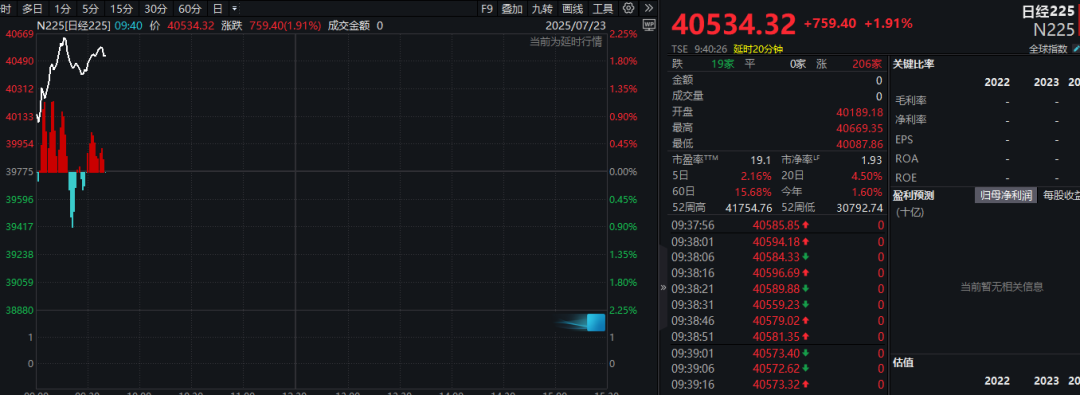
Group 1 - The US and Japan have reached a trade agreement, reducing the reciprocal tariff rate from 25% to 15%, with Japan committing to invest $550 billion and open its agricultural market, including rice [1] - Following the announcement, the Japanese stock market experienced a significant surge, with the Nikkei 225 index surpassing the 40,000-point mark, showing an intraday increase of over 2% [2] - The Tokyo Stock Exchange index also saw a notable rise, breaking the 2,900-point threshold with an increase exceeding 2.4% [4] Group 2 - Japanese automotive stocks were the highlight of the market surge, with Mazda's stock rising over 17%, Subaru's over 14%, Toyota's over 10%, Honda's over 9%, and Nissan's over 9% [5] - The automotive sector is crucial to Japan's economy, and the previous announcement of a 25% tariff on Japanese automotive exports had been a significant point of contention in US-Japan trade negotiations [5]


刚刚!日股跳涨,突破40000点整数关!
证券时报· 2025-07-23 01:28
Core Viewpoint - The article discusses the recent trade agreement between the United States and Japan, which includes a reduction in tariffs and significant Japanese investment in the U.S. [1] Group 1: Trade Agreement Impact - The U.S. and Japan have reached a trade agreement that lowers the reciprocal tariff rate from 25% to 15% [1] - Japan is set to invest $550 billion in the U.S. and will open its market for rice and other agricultural products [1] Group 2: Market Reaction - Following the announcement, the Japanese stock market experienced a significant surge, with the Nikkei 225 index surpassing the 40,000-point mark, showing an intraday increase of over 2% [2][4] - Major automotive stocks in Japan saw substantial gains, with companies like Mazda, Subaru, Toyota, Honda, and Nissan reporting increases of over 9% to 17% [10] Group 3: Sector Performance - The automotive sector was highlighted as a key driver of the market rally, with collective gains among major car manufacturers [9][10] - Other large companies in Japan, including TDK, Yamaha, and Panasonic, also saw their stock prices rise significantly [6]

高分辨率与高产出加持,尼康推出首款FOPLP光刻系统
势银芯链· 2025-07-22 04:46
Core Viewpoint - Nikon has announced the launch of its first backend lithography system, the digital lithography system DSP-100, which will start accepting orders in July 2025, specifically designed for advanced packaging applications [2][11]. Financial Performance - For the fiscal year 2024, Nikon's lithography business revenue is approximately $1.25 billion. The shipment of integrated circuit lithography machines was 32 units, a decrease of 13 units compared to 2023. The breakdown includes 4 ArFi machines (down 5), 7 ArF machines (down 3), 3 KrF machines (up 1), and 18 i-line machines (down 6). For FPD lithography machines, 28 units were shipped, a significant decrease of 40% compared to 2021 [4][5]. Product Features - The DSP-100 system supports large substrates up to 600 square millimeters and offers a high resolution of 1.0μm L/S. It combines Nikon's high-resolution semiconductor lithography technology with multi-lens technology from its FPD lithography systems, achieving a throughput of up to 50 panels per hour using 510x515mm substrates [9][11]. Market Trends - The demand for high-performance semiconductor devices is rapidly increasing due to the widespread application of IoT and generative AI technologies, particularly in data centers. Advanced packaging technologies, such as chip-on-chip connections, are evolving, leading to finer circuit patterns and larger packaging sizes. Consequently, the demand for panel-level packaging (PLP) using resin or glass substrates is expected to continue growing [6].
直击P&I2025现场 京东展区人潮涌动摄影发烧友争相上手体验新机
Sou Hu Wang· 2025-07-18 09:28
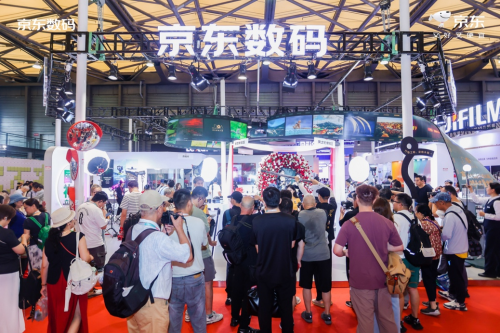
Group 1 - The 26th Shanghai International Photography Equipment and Digital Imaging Exhibition (P&I 2025) is currently taking place at the Shanghai New International Expo Center, with JD.com as a key exhibitor showcasing various interactive experience zones [1] - JD.com has launched a dedicated event venue for P&I 2025 on its platform, offering consumers the opportunity to purchase exhibition products with a 15% national subsidy in certain regions, along with limited-time coupon activities [3] - The lens display area features renowned brands such as Sony, Fujifilm, Nikon, Tamron, Sigma, Canon, and Panasonic, attracting many photography enthusiasts to experience the unique imaging effects [5] Group 2 - The camera display area includes a "dopamine display wall" featuring high-cost performance domestic cameras, colorful children's cameras, and popular retro CCD cameras, becoming a popular photo spot at the exhibition [7] - The independent booths of DJI and GoPro showcased their latest flagship products, including the DJI Mavic 4 Pro and GoPro HERO13 Black, which drew significant attention from professional photographers and outdoor enthusiasts [9] - The printer display area features portable pocket printers ideal for instant printing, as well as the Anker eufyMake E1 UV printer capable of high-precision printing on over 300 materials [11] Group 3 - The 8th JD Imaging Contest is ongoing, offering participants a chance to win a global trip, along with on-site photography teaching sessions to help attendees find suitable photography equipment [13] - JD.com's 3C digital sales live broadcast room is synchronizing the exhibition, allowing online viewers to experience the latest photography equipment and printing devices while accessing exclusive discounts [13]

2025上海国际婚纱展及2025上海国际影像展联袂在沪举办
Zhong Guo Xin Wen Wang· 2025-07-17 16:50
Group 1: International Wedding Dress Exhibition - The 2025 Shanghai International Wedding Dress, Makeup Styling, and Fashion Accessories Exhibition attracted over 200 brands from 14 countries and regions, showcasing more than 2,000 original new products [1] - Chinese designers presented upgraded works, incorporating traditional embroidery, Chinese patterns, and retro colors with modern cutting techniques and advanced fabric technology, reflecting a blend of innovation and tradition [1] - The exhibition featured a strong lineup of international brands, including the debut of Ukrainian brand Lietta in China and participation from various renowned brands across multiple countries, highlighting the diverse appeal and cutting-edge trends in overseas design [2] Group 2: Consumer Trends and Market Response - Consumers are increasingly rational and pragmatic in their wedding dress choices, with "value for money" becoming a core decision factor, prompting a diverse brand matrix and product levels at the exhibition [2] - Local designer brands leverage their understanding of domestic consumer needs, flexible supply chains, and cultural resonance to offer competitive pricing while maintaining excellent design and craftsmanship [2] - The integration of sustainable concepts and the use of eco-friendly materials are becoming common directions for both domestic and international brands to enhance the long-term "value perception" of their products [2] Group 3: International Imaging Exhibition - The 2025 Shanghai International Imaging Exhibition attracted approximately 350 exhibitors and brands from 11 countries and regions, showcasing a wide range of new trends, products, and technologies in the imaging industry [3] - The exhibition included multiple sub-exhibitions, covering areas such as photography equipment, video production technology, and portrait photography, promoting cross-industry integration with business, culture, and tourism [3] - Major brands like Fujifilm, Canon, and Nikon showcased new products featuring advanced functionalities such as smart composition and AI enhancements, while AI companies introduced innovative applications to improve photo editing quality and efficiency [3] Group 4: Industry Development and Activities - The exhibition featured a series of events organized by the Shanghai International Trade Promotion Commission and other associations, aimed at discussing industry trends and sharing creative experiences [4]
日媒:中国能打造自己的阿斯麦吗?
Huan Qiu Wang· 2025-07-16 23:59
Core Viewpoint - China is striving to develop its own advanced semiconductor manufacturing capabilities, particularly in the area of lithography, which is crucial for chip performance, amidst ongoing U.S. export restrictions [1][2][3]. Group 1: Progress in Semiconductor Manufacturing - SMIC is working diligently to increase the production of 14nm and 7nm chips, marking a significant breakthrough for the company [1]. - Chinese chip manufacturers are making notable advancements in various cutting-edge fields by replacing foreign tools with domestic equipment for processes such as etching, inspection, deposition, and chemical polishing [2]. - Since 2019, the top five Chinese chip tool manufacturers have thrived amid escalating U.S.-China tensions, with local companies challenging global leaders in every chip manufacturing step except lithography [4]. Group 2: Challenges and Obstacles - The lithography process remains a daunting challenge for Chinese companies due to its complexity and the high cost of lithography machines, which are currently produced by only three companies globally [2]. - U.S. export controls have created significant barriers, particularly in limiting ASML's ability to supply advanced lithography machines to China, highlighting the competitive landscape [2][3]. Group 3: Government and Industry Support - The Chinese government is actively supporting initiatives to develop domestic EUV lithography machines and establish an independent ecosystem free from U.S. restrictions [3]. - Huawei is emerging as a major supporter of China's chip manufacturing equipment sector, establishing R&D centers and recruiting talent from leading global chip companies [2][3]. Group 4: Future Outlook - There is a growing belief that Chinese tool manufacturers could become competitive not only domestically but also internationally, despite current performance gaps compared to leading international solutions [3]. - The ongoing efforts and investments in domestic semiconductor capabilities indicate a potential shift in the global semiconductor landscape, with increased competition from China anticipated in the near future [4].

人这一辈子,能用几台全画幅黑卡?
Hu Xiu· 2025-07-16 06:16
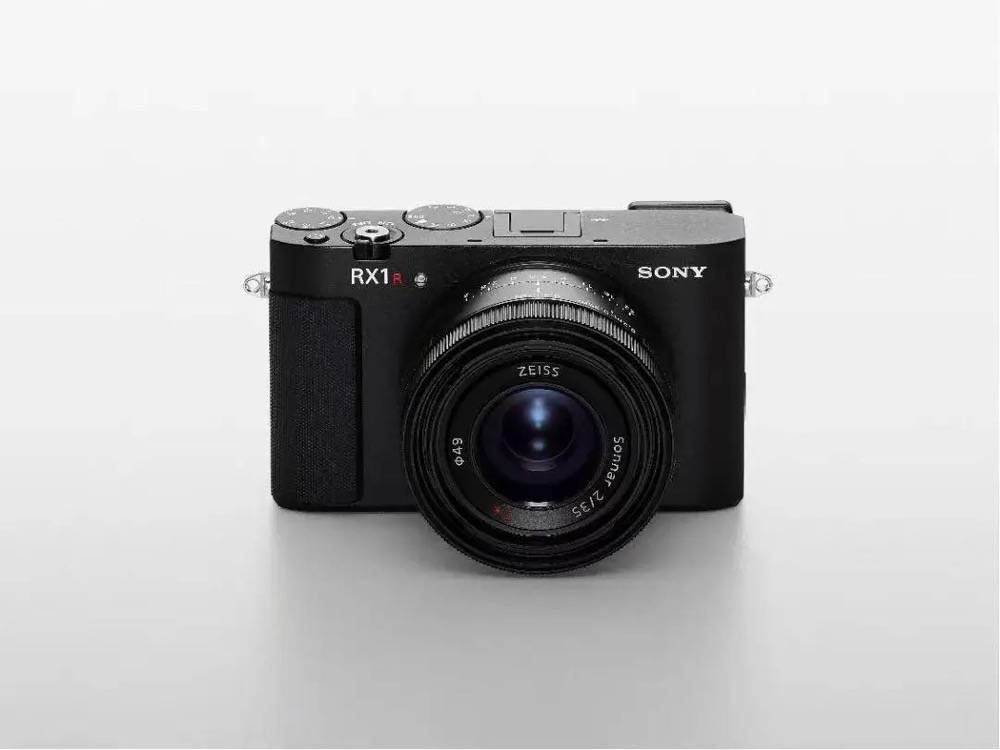
Core Viewpoint - Sony has unexpectedly launched the RX1R III, a high-end compact camera that updates a flagship product line that has been silent for ten years, emphasizing high image quality in a compact form factor [2][47]. Group 1: Product Features - The RX1R III maintains its reputation as a high-quality fixed-lens compact camera, featuring a 35mm lens that is optimized for humanistic photography [7][11]. - The camera is equipped with a 61-megapixel full-frame sensor and a high-quality Zeiss Sonnar T* 35mm F2 lens, which has been finely tuned for optimal performance [13][46]. - It offers a cropping feature that allows users to achieve 50mm and 70mm focal lengths, producing images at 29 million and 15 million pixels respectively [14]. Group 2: Technical Specifications - The RX1R III features advanced autofocus capabilities with 693 phase-detection points covering approximately 78% of the frame, enabling real-time subject tracking [18][19]. - It supports 4K video recording at 60 frames per second and 1080p at 120 frames per second, highlighting its suitability for street photography [22]. - The camera lacks an optical low-pass filter but includes anti-reflective coating to enhance detail, sacrificing some anti-aliasing performance for improved image quality [9][10]. Group 3: Market Position and Pricing - The RX1R III is priced at 33,999 yuan, significantly higher than its predecessors, positioning it in a competitive market where alternatives like the GFX100RF and Leica Q3 are available [4][28]. - The camera's launch comes at a time when compact high-quality imaging is regaining popularity, particularly in the context of social media and mobile photography trends [41][47]. - Sony's strategy appears to be filling a niche for high-quality, easy-to-use cameras that do not require lens changes or extensive post-processing [42][46].

光刻机国产化迫在眉睫,关注产业链投资机会
Shanxi Securities· 2025-07-14 09:17
Investment Rating - The report maintains an investment rating of "A" for the electronic industry, indicating a positive outlook for the sector [1]. Core Insights - The report emphasizes the critical role of lithography machines in semiconductor manufacturing, highlighting their complexity and high costs. The global lithography machine market is projected to reach approximately $31.5 billion by 2024, with ASML dominating the market [4][33][38]. - The report discusses the urgent need for domestic lithography machine production in China due to increasing U.S. export controls on semiconductor technology, which has created a "bottleneck" for the domestic chip manufacturing industry [5][42][57]. Summary by Sections Lithography Machines - Lithography is identified as a key process in chip manufacturing, with lithography machines being the core equipment. The manufacturing process includes several steps, with lithography being the most complex and time-consuming [3][13]. - The report outlines the evolution of lithography technology, including the transition from mask-based lithography to projection lithography, which is becoming the mainstream technology in chip manufacturing [15][21]. - The report details the advancements in lithography machine resolution, driven by shorter wavelengths and increased numerical aperture, with EUV technology achieving resolutions as low as 8nm [24][27][32]. Market Dynamics - The global lithography machine market is estimated to exceed $31.5 billion, with ASML holding a dominant market share of approximately 82.1% as of 2022. The market is characterized by an oligopolistic structure, with ASML, Canon, and Nikon being the primary players [33][38][40]. - The report highlights the increasing demand for lithography machines driven by the expansion of domestic wafer fabrication plants in China, which are expected to increase their monthly production capacity significantly by 2026 [42][47]. Investment Recommendations - The report suggests focusing on companies involved in the lithography machine supply chain, including Maolai Optical, Fuguang Co., Huicheng Vacuum, Inno Laser, and others, as potential investment opportunities [5][42].