
中国移动

Search documents
净买入超28亿港元 加仓阿里健康减持小米和晶泰控股
Xin Lang Cai Jing· 2026-01-14 10:14
Core Viewpoint - Southbound capital continues to flow into Hong Kong stocks, with a net inflow of approximately 28.65 billion HKD today, marking the fourth consecutive day of inflows [1]. Group 1: Southbound Capital Flow - Today's southbound trading volume reached approximately 1606.16 billion HKD, an increase of 233 billion HKD from the previous day, accounting for 47.20% of the total turnover of the Hang Seng Index [1]. - The net inflow from the Shanghai-Hong Kong Stock Connect was about 25.14 billion HKD, while the Shenzhen-Hong Kong Stock Connect saw a net inflow of approximately 3.52 billion HKD [1]. Group 2: Individual Stock Performance - Tencent Holdings (0700.HK) saw a net buy of 20.09 billion HKD, with a 0.88% increase in stock price today [1][2]. - Alibaba Health (00241.HK) experienced a significant rise of 18.96%, with a net buy of 14.58 billion HKD [1][2]. - Alibaba Group (09988.HK) had a net buy of 11.34 billion HKD, with a stock price increase of 5.69% [1][2]. - Kuaishou Technology (01024.HK) recorded a net buy of 4.42 billion HKD, with a 4.46% increase in stock price [1][2]. - China Mobile (00941.HK) faced a net outflow of 9.13 billion HKD, with a slight decline of 0.19% [1][2]. - Xiaomi Group (01810.HK) had a net outflow of 4.23 billion HKD, with a decrease of 0.53% [1][2]. - Crystal International (02228.HK) saw a net outflow of 3.09 billion HKD, with a 3.87% increase in stock price [1][2]. - Semiconductor Manufacturing International Corporation (00981.HK) had a net outflow of 2.43 billion HKD, with a 2.01% increase in stock price [1][2].





图解丨南下资金大幅净买入腾讯、阿里健康和阿里



Ge Long Hui A P P· 2026-01-14 10:06
Group 1 - Southbound funds net bought Hong Kong stocks worth 2.865 billion HKD today, with notable purchases including Tencent Holdings (2.009 billion HKD), Alibaba Health (1.458 billion HKD), Alibaba Group (1.134 billion HKD), Kuaishou (0.441 billion HKD), and CNOOC (0.119 billion HKD) [1] - Southbound funds have continuously net bought Tencent for 6 days, totaling 9.00777 billion HKD; Kuaishou for 4 days, totaling 3.53394 billion HKD; Alibaba for 3 days, totaling 2.40886 billion HKD; and have continuously net sold China Mobile for 8 days, totaling 6.19702 billion HKD [1] Group 2 - Alibaba Group saw a price increase of 5.7% with a net buy of 1.1 billion HKD and a transaction volume of 16.592 billion HKD [3] - Tencent Holdings experienced a price increase of 0.9% with a net buy of 1.224 billion HKD and a transaction volume of 40.03 billion HKD [3] - China Mobile had a price decrease of 0.2% with a net sell of 0.913 billion HKD and a transaction volume of 17.62 billion HKD [3]
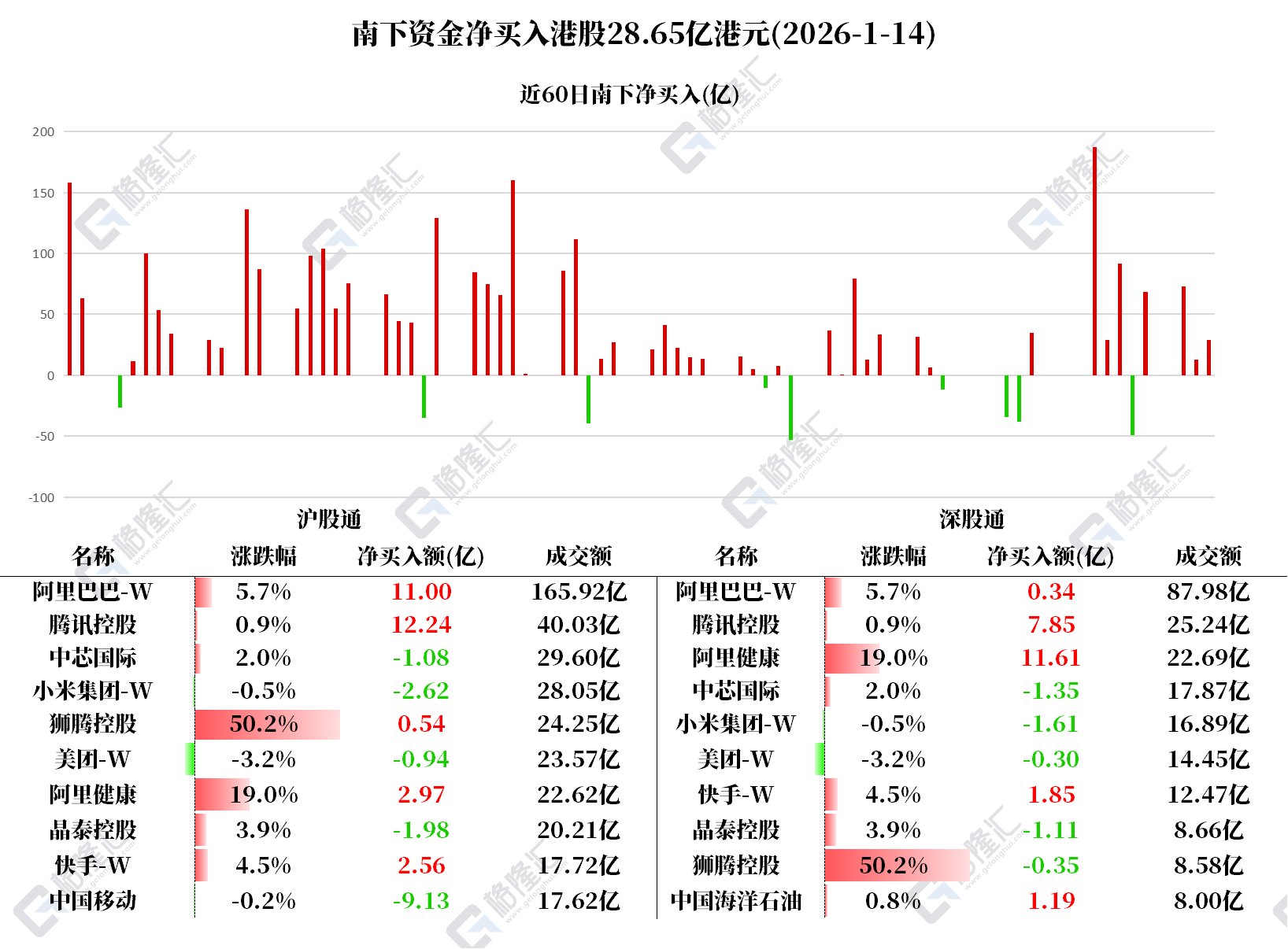
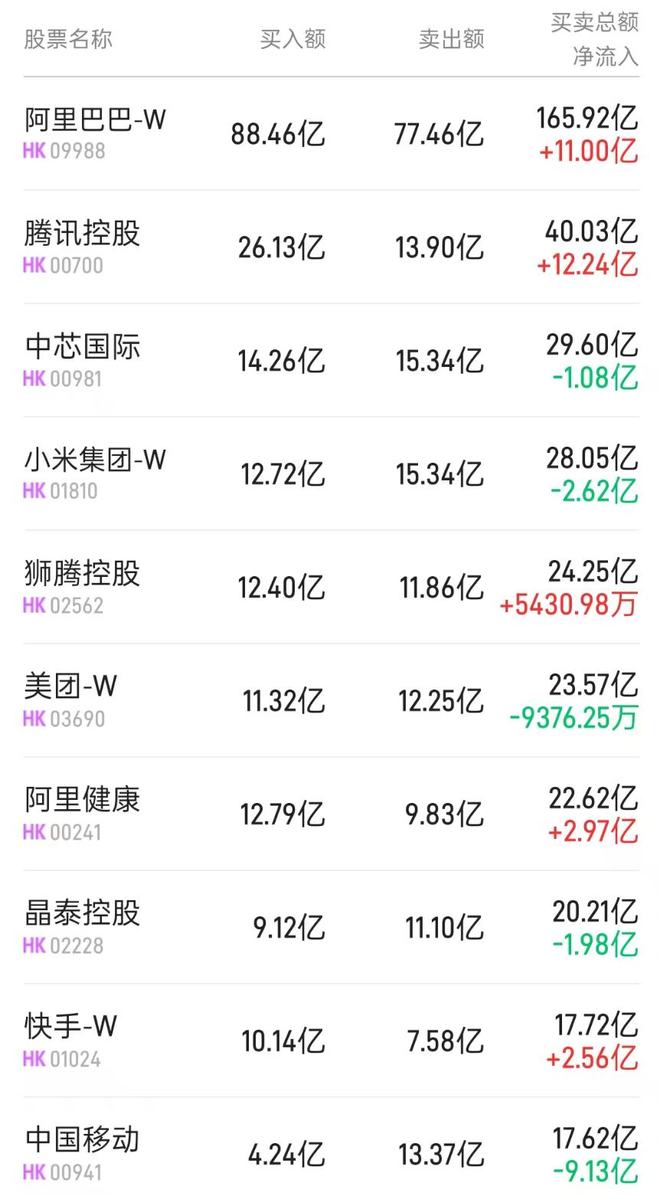
北水动向|北水成交净买入28.65亿 千问将发布重磅产品 北水抢筹阿里健康(00241)及阿里(09988)
Zhi Tong Cai Jing· 2026-01-14 09:56
Group 1: Market Overview - On January 14, the Hong Kong stock market saw a net inflow of 28.65 billion HKD from northbound trading, with 25.14 billion HKD from the Shanghai Stock Connect and 3.52 billion HKD from the Shenzhen Stock Connect [1] - The most net bought stocks included Tencent (00700), Alibaba Health (00241), and Alibaba Group-W (09988) [1] Group 2: Stock Performance - Alibaba Group-W had a net inflow of 11.00 billion HKD, with total trading volume of 165.92 billion HKD, consisting of 88.46 billion HKD in buying and 77.46 billion HKD in selling [2] - Tencent Holdings saw a net inflow of 12.24 billion HKD, with total trading volume of 40.03 billion HKD, comprising 26.13 billion HKD in buying and 13.90 billion HKD in selling [2] - Alibaba Health recorded a net inflow of 2.97 billion HKD, with total trading volume of 22.62 billion HKD, including 12.79 billion HKD in buying and 9.83 billion HKD in selling [2] Group 3: Notable Company Developments - Tencent announced the launch of an AI mini-program growth plan, which is seen as a key step in upgrading WeChat into a personal AI ecosystem, potentially boosting its advertising, cloud services, and payment business [4] - Alibaba Health's "Qianwen" app has surpassed 10 million monthly active users within two months, indicating rapid growth among students and white-collar workers [5] - Kuaishou-W (01024) reported a net inflow of 4.41 billion HKD, with expectations of its AI revenue exceeding 2.5 million USD for the year [5] Group 4: Selling Pressure - Semiconductor company SMIC (00981) faced a net outflow of 2.42 billion HKD, influenced by the easing of U.S. export regulations on Nvidia's H200 chips to China, which may pressure domestic AI chip manufacturers [6] - China Mobile (00941) experienced a significant net outflow of 9.13 billion HKD [7]
行业研究|行业周报|通信设备Ⅲ:通信周观点:NV存储创新推升光互连需求,中国加速锁定频轨资源-20260114
Changjiang Securities· 2026-01-14 09:44
Investment Rating - The industry investment rating is "Positive" and is maintained [10] Core Insights - The communication sector rose by 1.50% in the first week of 2026, ranking 28th among primary industries in the Yangtze River region. Year-to-date, the sector has also increased by 1.50% [2][5] - NVIDIA launched the Rubin platform at CES 2026, which integrates computing, storage, and networking, enhancing the demand for high-speed optical interconnects. This is expected to increase optical connection density and bandwidth requirements [6][8] - Chinese enterprises and institutions have applied to the ITU for over 200,000 low-orbit satellites by the end of 2025, accelerating the layout of low-orbit satellite internet and securing scarce frequency resources [7][8] Summary by Sections Market Performance - In the first week of 2026, the communication sector's stock performance included significant gains for companies with market capitalizations over 8 billion yuan, with Nanjing Panda (+49.1%), Tongyu Communication (+42.3%), and Dawi Technology (+35.3%) leading the gains. Conversely, Hengbao Co. (-8.1%), Cambridge Technology (-8.0%), and Dingtong Technology (-7.6%) experienced the largest declines [5] NVIDIA Rubin Platform - The Rubin platform features a modular Superchip and full liquid cooling, significantly increasing computing density. The NVL72 unit integrates 72 Rubin GPUs, providing approximately 200 PFLOPS NVFP4 computing power, with internal bandwidth of 14.4TB/s and external bandwidth of 1.6Tb/s [6] - The platform introduces a POD-level context memory system that alleviates inference KV cache bottlenecks, allowing for low-latency sharing across GPUs and nodes, with a single GPU card capable of approximately 16TB of context storage [6] - The integrated architecture of the Rubin 576 Superpod enhances optical interconnect density, with a total bandwidth of approximately 260TB/s [6] Satellite Projects in China - The report highlights that the large-scale application for low-orbit satellite constellations by Chinese entities is aimed at securing limited space resources, thus accelerating the development of low-orbit satellite internet [7] Investment Recommendations - The report recommends several companies across various segments: - Telecom operators: China Mobile, China Telecom, China Unicom - Optical modules: Zhongji Xuchuang, Xinyi Sheng, Tianfu Communication - Liquid cooling: Yingweike - Hollow-core optical fibers: Fenghuo Communication, Hengtong Optic-Electric - Domestic computing: Runze Technology, Guanghuan New Network - AI applications: Bosijie, Heertai, Tuobang Co. - Satellite applications: Huace Navigation, Haige Communication [8]



南向资金今日净买入28.65亿港元 腾讯控股获净买入居前
Xin Lang Cai Jing· 2026-01-14 09:35
Group 1 - Southbound funds recorded a net purchase of 2.865 billion HKD today [1] - Tencent Holdings received a net inflow of approximately 2.009 billion HKD [1] - Alibaba Health saw a net inflow of about 1.458 billion HKD [1] Group 2 - China Mobile experienced a net outflow of 913 million HKD [1] - Xiaomi Group-W faced a net outflow of 423 million HKD [1]
AI与生物医药“领跑”,慧心医谷A轮融资超亿元
2 1 Shi Ji Jing Ji Bao Dao· 2026-01-14 07:45
Core Insights - The technology and manufacturing sectors have seen significant financing activity, particularly in artificial intelligence, semiconductors, and biomedicine, indicating strong investor interest in these areas [1] - The overall financing scale in the domestic primary market from January 5 to January 11 included 35 events, with a total disclosed amount of approximately 154.27 billion RMB [1][2] Financing Activity by Sector - The biotechnology sector completed 4 financing rounds totaling around 5 billion RMB, while the artificial intelligence sector had 3 rounds with disclosed amounts of approximately 0.9 billion RMB [3][4] - Notable companies in the biotechnology sector include: - HuiXin Medical Valley, which raised over 1 billion RMB in Series A funding [7] - Anlong Biopharma, which secured nearly 1 billion RMB in Series B+ funding [9] - Shanghai Ruizhou Biotech, which completed 200 million RMB in Series B funding [10] Regional Financing Distribution - The majority of financing events occurred in Beijing, Zhejiang, and Guangdong, with 9, 6, and 6 cases respectively [5][6] Active Investment Institutions - Shunxi Fund and Zhongke Chuangxing were particularly active, each completing 2 financing rounds focused on technology and manufacturing [7] - Specific financing details include: - HuiXin Medical Valley's funding led by Jingneng Green Fund [7] - Anlong Biopharma's funding from Beijing's medical health industry investment fund [9] - Shanghai Ruizhou Biotech's funding led by Ruili Synthetic Biology Fund [10] Notable Company Financing - Thunderbird Innovation raised over 1 billion RMB, focusing on AR smart glasses [11] - Zhizhan Technology completed nearly 300 million RMB in Series C funding, targeting the electric vehicle market [12] - Mingxin Qirui secured over 100 million RMB in Pre-A funding for RRAM technology development [13] - ZhiXing Technology received 400 million RMB in strategic investment for autonomous driving technology [14] - JiuKe Information raised over 100 million RMB in B2 funding for AI automation solutions [15] - ZhiJia Dalu completed nearly 200 million USD in financing for advanced driving solutions [16]

史无前例,我国20万颗卫星申报背后的“大棋局”
3 6 Ke· 2026-01-14 07:25
Core Viewpoint - China's recent application to the International Telecommunication Union (ITU) for over 200,000 satellite frequency resources marks a record-breaking action in both the number of applications and the total scale of satellites, indicating a strategic move to secure orbital and frequency resources for future development [1][3][10]. Group 1: Record-Breaking Application - The application includes over 190,000 satellites from a newly registered entity called the "Radio Spectrum Development and Technology Innovation Research Institute," which significantly exceeds previous applications and is several times larger than the current largest constellation, SpaceX's Starlink with 72,000 satellites [1][4]. - In 2025, China submitted 73 frequency coordination applications to the ITU, with a peak of 34 applications in December alone, showcasing unprecedented activity in satellite frequency coordination [4][10]. Group 2: Strategic Intent - The large-scale application is viewed as a "resource positioning" action, aimed at ensuring China has a sufficient "resource pool" of orbital and frequency resources for the next decade or longer [3][10]. - The initiative reflects China's strategic determination to secure more orbital positions and frequencies, which are critical for the development of commercial space and the goal of integrated "space-ground" communication systems, particularly for 6G [3][6][13]. Group 3: Role of Key Institutions - The Radio Spectrum Innovation Institute, established by several key organizations, is positioned as a core research and technical support entity for satellite communication standards and resource management, indicating a strong national strategic intent [6][11]. - The collaboration between the Radio Spectrum Innovation Institute and China SatNet highlights a dual approach where one focuses on demand integration and the other on technological innovation and resource reserve [6][10]. Group 4: Involvement of Telecom Operators - Major telecom operators, including China Telecom and China Mobile, are also involved in the satellite application process, marking a significant step in their satellite internet business and indicating a shift towards integrated communication services [11][12]. - China Telecom aims to complement its existing geostationary satellite capabilities with low Earth orbit satellites to enhance its service offerings, while China Mobile seeks to establish its own satellite constellation to maintain competitive advantages in future communication technologies [11][12][13].
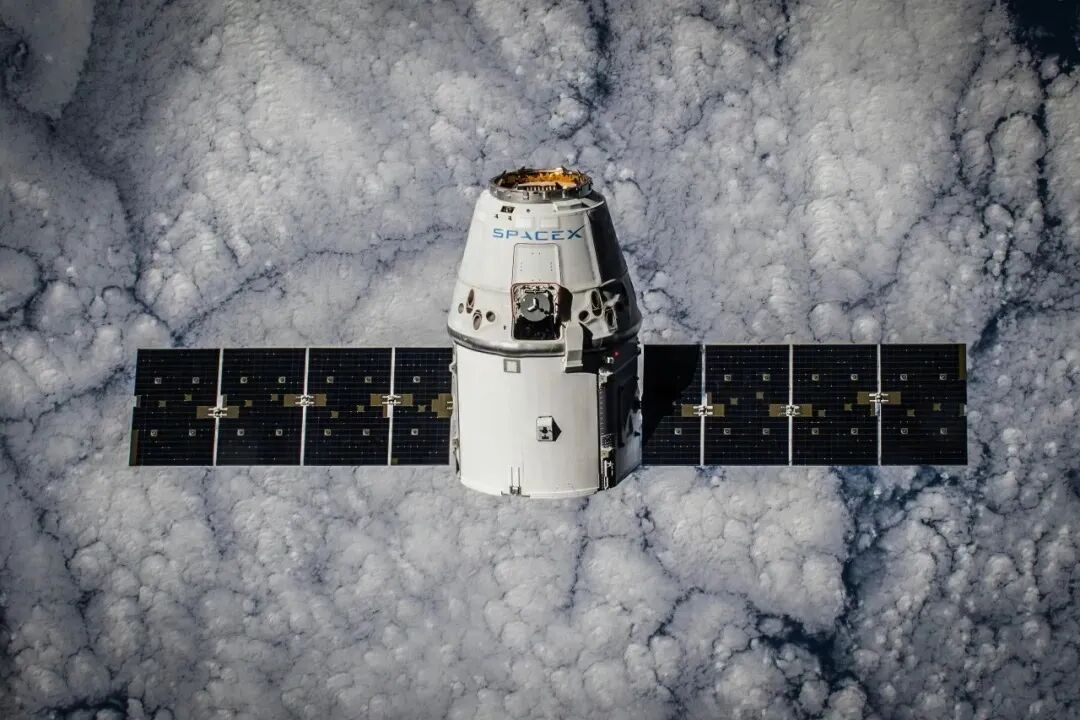
20万颗“星海”压境,刺激商业航天产业链,航空航天ETF(159227)单日成交额超12亿元
Mei Ri Jing Ji Xin Wen· 2026-01-14 06:57
Group 1 - The A-share market saw all three major indices rise collectively, with the aerospace sector experiencing a slight pullback, presenting a potential investment opportunity [1] - The Aerospace ETF (159227) recorded a decline of 0.39% with a trading volume of 1.207 billion yuan, while leading stocks such as Guobang Electronics and Steel Research High-tech showed significant gains [1] - The Aerospace ETF has attracted a net inflow of over 1.7 billion yuan over the past four trading days, bringing its total size to 3.717 billion yuan, maintaining its position as the largest in its category [1] Group 2 - China submitted an application to the International Telecommunication Union (ITU) for an additional 203,000 satellites, covering 14 satellite constellations, with CTC-1 and CTC-2 being the main contributors [1] - The increase in satellite applications is expected to stimulate demand for rockets and satellites, positively impacting the industry chain [1] - Guotai Junan Securities recommends focusing on leading companies in satellite manufacturing and rocket launching, particularly those with large-scale low-cost production capabilities [1] Group 3 - The Aerospace ETF closely tracks the Guozheng Aerospace Index, covering key sectors such as fighter jets, aircraft engines, rockets, missiles, satellites, and radars, aligning with the "integrated aerospace" strategic direction [2] - The ETF includes a high commercial aerospace content of 70.19%, with top holdings featuring industry leaders like Aerospace Development and China Satellite [2]
当ESG成为“必答题”,谁走在了行业前列?
Sou Hu Wang· 2026-01-14 04:53
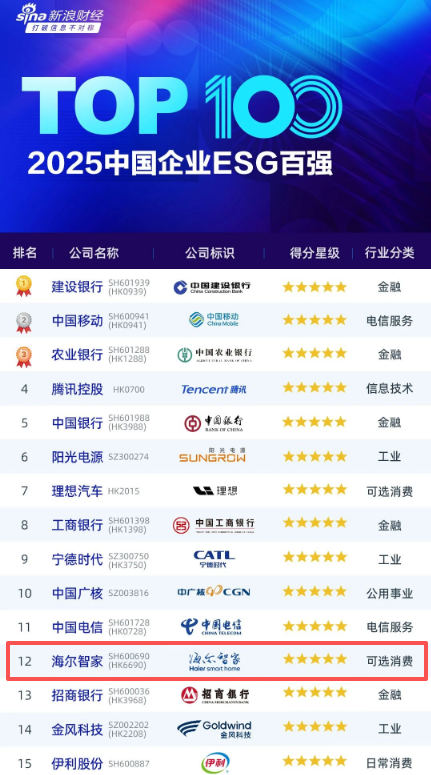
当我们谈论一家企业是不是"好企业"时,只看财报上的数字就行吗?显然不行。如今,ESG早已不是企 业的"选择题",而是一道关乎生存与发展的"必答题"。 据统计,从2021年到2024年,A股上市公司的ESG报告披露率从27.17%一路攀升至46.83%,意味着近半 数企业已披露ESG报告。这背后,有监管与市场推动的原因,更重要的是,企业价值观与发展观发生了 深刻转变。 那么,在这场转型浪潮中,哪些企业真正走在了前列?我们不妨透过一份最新榜单,看看中国企业的 ESG"成绩单"。 从行业分布来看,金融与可选消费成为上榜企业最多的两大领域,各有18家企业入选。金融业长期面临 严格的监管与社会责任要求,ESG体系起步较早;而消费类企业则更直接地面对消费者,品牌声誉与供 应链管理直接关系到市场竞争力。这说明,无论是政策驱动还是市场驱动,ESG已成为企业不容忽视的 战略环节。 榜单另一个鲜明特征是,几乎所有上榜企业都是所在行业的龙头。无论是建设银行、工商银行在金融领 域的领跑,还是海尔智家、阿里巴巴在可选消费的领先,都体现出"强者愈强"的ESG发展逻辑。龙头企 业凭借其规模、资源与影响力,往往能更系统、更深入地推动ESG实 ...

新兴风口已至?这一概念整体活跃!
Zheng Quan Ri Bao Zhi Sheng· 2026-01-14 04:21
Core Viewpoint - The quantum technology sector in the A-share market is experiencing a surge, driven by supportive policies from both central and local governments, marking a transition from research to industrialization [1][2][5] Group 1: Market Activity - Quantum technology concept stocks saw significant gains, with leading stock Keda Guochuang (300520) hitting a 20% increase, closing at 52.72 yuan per share [1] - Other stocks like Geer Software (603232) also reached their daily limit, indicating heightened market activity in the sector [1] Group 2: Policy Support - The Ministry of Industry and Information Technology emphasized accelerating the development of emerging industries during the 14th Five-Year Plan, focusing on quantum technology, humanoid robots, brain-computer interfaces, and more [1] - Local governments in cities like Beijing, Shanghai, and Shenzhen are implementing special policies, including setting up industrial funds and innovation platforms to enhance the sector's development [1][2] Group 3: Core Value of Quantum Technology - Quantum technology is seen as a cornerstone for new productive forces, with its core areas being quantum communication, quantum computing, and quantum sensing [2] - Quantum communication offers absolute security, making it crucial for sectors like finance and national defense, while quantum computing has the potential to revolutionize fields such as drug development and weather forecasting [2] Group 4: Market Growth Potential - The quantum technology market is expected to grow significantly, with predictions indicating a global market size exceeding $6.1 billion by 2025, and China's market reaching 11.56 billion yuan, with a compound annual growth rate of over 30% [3] Group 5: Company Developments - Companies are actively engaging in quantum technology, with firms like Qiming Star (002439) collaborating with China Mobile (600941) on quantum computing security, and Jiuzhiyang (300516) focusing on optical and quantum technology applications [4] - However, companies like Bichuang Technology (300667) have noted that their order sizes are currently small, indicating potential investment risks [4] Group 6: Investment Sentiment - The recent strength in the quantum technology sector is largely driven by policy catalysts, reflecting market expectations for cutting-edge technology [5] - Despite the long-term potential, most technologies are still in the research and early application stages, suggesting that investors should differentiate between long-term value and short-term speculative risks [5]

