
南方航空

Search documents
南方航空(600029):Q2投资损失收窄,看好全货机盈利潜力释放
Minsheng Securities· 2025-09-02 02:19
Investment Rating - The report maintains a "Recommended" rating for the company [4][6] Core Views - The company reported a revenue of 863 billion yuan for H1 2025, a year-on-year increase of 1.8%, with a net loss attributable to shareholders of 15.3 billion yuan [1] - The reduction in investment losses from Sichuan Airlines and the decline in oil prices contributed to the improvement in financial performance [3] - The company is optimistic about the profit potential of its all-cargo aircraft and the recovery of ticket prices in the industry [4] Financial Performance Summary - For Q2 2025, the company achieved a revenue of 429 billion yuan, a year-on-year increase of 6.7%, with a net loss of 7.9 billion yuan [1] - The overall passenger revenue decline narrowed to 4.9% in Q2 2025, with domestic and international passenger kilometer revenue declines of -3.9% and -8.0%, respectively [2] - The logistics subsidiary, China Southern Airlines Logistics, generated a revenue of 94.0 billion yuan in H1 2025, a year-on-year increase of 1.9% [2] Cost and Profitability Analysis - In Q2 2025, the unit cost decreased by 5.4% year-on-year, while the unit fuel cost decreased by 22% [3] - The company recorded a pre-tax profit of 6.0 billion yuan in H1 2025, up from 1.6 billion yuan in H1 2024, despite a significant increase in income tax expenses [3] - The report forecasts a net profit attributable to shareholders of 18.4 billion yuan for 2025, with projections of 42.4 billion yuan and 76.7 billion yuan for 2026 and 2027, respectively [4][5]

航司半年报:三大航营收稳步增长,春秋航空蝉联“最赚钱航司”
2 1 Shi Ji Jing Ji Bao Dao· 2025-09-01 11:43
Core Viewpoint - The A-share listed airlines have reported their 2025 semi-annual results, showing steady revenue growth among the three major state-owned airlines, despite still being in a loss position, while private airlines have achieved profitability, indicating a counter-trend breakthrough [1] Group 1: Financial Performance of Major Airlines - The three major airlines (Air China, China Eastern Airlines, and China Southern Airlines) collectively reported a loss of 4.77 billion yuan, with a reduction in losses by 2.008 billion yuan [2] - China Eastern Airlines had the least loss and the most significant reduction in losses among the three, with a net loss of 1.431 billion yuan, a decrease of 1.337 billion yuan year-on-year [3] - Revenue for the three major airlines showed notable growth: Air China reported 80.757 billion yuan (up 1.6%), China Eastern Airlines 66.822 billion yuan (up 4.09%), and China Southern Airlines 86.291 billion yuan (up 1.77%) [3] Group 2: International Operations and Capacity - China Eastern Airlines expanded its international operations significantly, opening 14 new international routes and restoring its international flight numbers to over 110% of 2019 levels [4] - The international passenger capacity for China Eastern Airlines increased by 24.38% year-on-year, while domestic capacity rose by 1.07% [4] - Air China and China Southern Airlines also increased their international capacity, with Air China seeing a 16.7% increase and China Southern Airlines a 22.5% increase [4] Group 3: Cost Control Measures - Cost control has become a crucial focus for the three major airlines, with China Eastern Airlines implementing a "cost hard battle" plan to manage expenses effectively [7] - China Eastern Airlines achieved an 8.08% reduction in fuel costs, while Air China and China Southern Airlines saw reductions of 10.34% and 9.15%, respectively [7] - Financial expenses for China Eastern Airlines decreased by 26.89% year-on-year, while Air China reduced its financial expenses by 9.36 billion yuan [7] Group 4: Performance of Private Airlines - Private airlines such as Spring Airlines, Juneyao Airlines, and others achieved profitability, with Spring Airlines reporting a net profit of 1.169 billion yuan, making it the most profitable airline in the first half of 2025 [2][8] - Spring Airlines' success is attributed to its low-cost model and strong market presence in Shanghai, which aligns well with current market conditions [8] Group 5: Market Challenges - The three major airlines face challenges in turning profitable due to factors such as unprofitable routes and the incomplete recovery of the international market, particularly in long-haul flights [5] - The average domestic economy class ticket price fell by 6.9% year-on-year in the first half of 2025, indicating ongoing pressure on pricing [9] - The recovery of international routes remains below 2019 levels, complicating the path to profitability for the major airlines [9]



半年报总结: Q2航空减亏明显,快递物流表现分化
SINOLINK SECURITIES· 2025-09-01 11:28
Overall Industry Investment Rating - The transportation sector is expected to see revenue and profit growth in H1 2025, with a revenue increase of 1.8% year-on-year and a net profit increase of 4.3% year-on-year [2][20]. Core Insights - The transportation sector's revenue for H1 2025 reached 1.7351 trillion yuan, driven by significant revenue increases in the aviation and express delivery segments [2][27]. - The express delivery segment experienced a substantial volume increase of 19.3% year-on-year, although profits were impacted by price wars, leading to a 1% decline in net profit for Q2 2025 [3][38]. - The aviation sector saw a recovery with a 71% increase in net profit for H1 2025, supported by a 6% increase in domestic passenger volume and a 25% increase in international passenger volume [4][32]. - The shipping sector maintained a stable outlook, with a slight revenue increase of 2.8% year-on-year, although net profit decreased by 2.8% [5][46]. - The port sector benefited from a 2.5% increase in cargo throughput, resulting in a 5% revenue increase and a 10% net profit increase for H1 2025 [6][48]. Summary by Sections Transportation Overview - The transportation sector's revenue for H1 2025 was 1.7351 trillion yuan, up 1.8% year-on-year, with a net profit of 949 billion yuan, up 4.3% year-on-year [2][20][27]. - In Q2 2025, the sector's revenue was 898.1 billion yuan, remaining flat year-on-year, while net profit increased by 6.3% to 477 billion yuan [2][20][32]. Express Delivery and Logistics - The express delivery segment's revenue for H1 2025 was 700 billion yuan, up 10.1% year-on-year, with a volume of 957 billion parcels, up 19.3% year-on-year [3][38]. - The logistics sector faced a 2% revenue decline in H1 2025, with net profit remaining flat [3][60]. Aviation and Airports - The aviation sector's revenue increased by 7% year-on-year in H1 2025, with net profit soaring by 71% [4][32]. - Airport revenues grew by 6% year-on-year, with net profit increasing by 26% [4][32]. Shipping and Ports - The shipping sector's revenue increased by 2.8% year-on-year in H1 2025, while net profit decreased by 2.8% [5][46]. - The port sector's cargo throughput increased by 2.5%, leading to a 5% revenue increase and a 10% net profit increase [6][48]. Road and Rail - The road sector saw a 3.03% revenue decline in H1 2025, but net profit increased by 3.4% [6][60]. - The railway sector's revenue was 778 billion yuan, up 0.4% year-on-year, but net profit decreased by 11.2% [7][60]. Investment Recommendations - The report suggests focusing on the logistics and aviation sectors, highlighting companies like SF Holding and Hai Chen Co. for their growth potential [8].



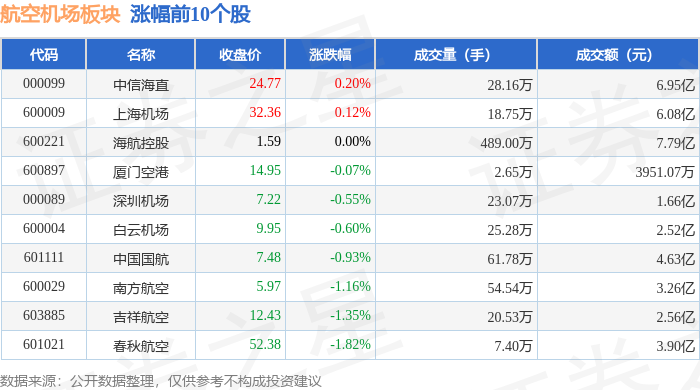
航空机场板块9月1日跌0.94%,华夏航空领跌,主力资金净流出2.93亿元
Zheng Xing Xing Ye Ri Bao· 2025-09-01 08:44
Core Insights - The aviation and airport sector experienced a decline of 0.94% on September 1, with Huaxia Airlines leading the drop [1] - The Shanghai Composite Index closed at 3875.53, up 0.46%, while the Shenzhen Component Index closed at 12828.95, up 1.05% [1] Stock Performance Summary - The following stocks in the aviation and airport sector showed varied performance: - CITIC Haizhi: Closed at 24.77, up 0.20%, with a trading volume of 281,600 shares and a turnover of 695 million yuan [1] - Shanghai Airport: Closed at 32.36, up 0.12%, with a trading volume of 187,500 shares and a turnover of 608 million yuan [1] - HNA Holding: Closed at 1.59, unchanged, with a trading volume of 4.89 million shares and a turnover of 779 million yuan [1] - Xiamen Airport: Closed at 14.95, down 0.07%, with a trading volume of 26,500 shares and a turnover of 39.51 million yuan [1] - Shenzhen Airport: Closed at 7.22, down 0.55%, with a trading volume of 230,700 shares and a turnover of 166 million yuan [1] - Baiyun Airport: Closed at 9.95, down 0.60%, with a trading volume of 252,800 shares and a turnover of 252 million yuan [1] - Air China: Closed at 7.48, down 0.93%, with a trading volume of 617,800 shares and a turnover of 463 million yuan [1] - China Southern Airlines: Closed at 5.97, down 1.16%, with a trading volume of 545,400 shares and a turnover of 326 million yuan [1] - Juneyao Airlines: Closed at 12.43, down 1.35%, with a trading volume of 205,300 shares and a turnover of 256 million yuan [1] - Spring Airlines: Closed at 52.38, down 1.82%, with a trading volume of 74,000 shares and a turnover of 390 million yuan [1] Capital Flow Analysis - The aviation and airport sector saw a net outflow of 293 million yuan from institutional investors, while retail investors contributed a net inflow of 279 million yuan [2] - The following capital flows were noted for specific stocks: - HNA Holding: Net inflow of 45.64 million yuan from institutional investors, but a net outflow of 36.41 million yuan from retail investors [3] - Shenzhen Airport: Net inflow of 13.27 million yuan from institutional investors, with a net outflow of 20.78 million yuan from retail investors [3] - China Southern Airlines: Net outflow of 1.21 million yuan from institutional investors, but a net inflow of 2.78 million yuan from retail investors [3] - Xiamen Airport: Net outflow of 1.79 million yuan from institutional investors, with a net inflow of 178.71 million yuan from retail investors [3] - Huaxia Airlines: Net outflow of 3.68 million yuan from institutional investors, but a net inflow of 542.84 million yuan from retail investors [3] - Air China: Net outflow of 7.48 million yuan from institutional investors, with a net inflow of 38.94 million yuan from retail investors [3] - Juneyao Airlines: Net outflow of 7.64 million yuan from institutional investors, but a net inflow of 682.32 million yuan from retail investors [3] - Spring Airlines: Net outflow of 29.52 million yuan from institutional investors, with a net inflow of 283.88 million yuan from retail investors [3] - Baiyun Airport: Net outflow of 32.34 million yuan from institutional investors, with a net inflow of 239.79 million yuan from retail investors [3]




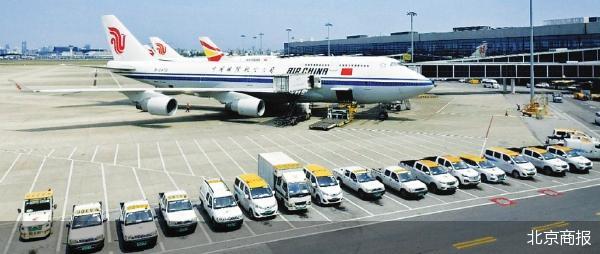
上半年民航“成绩单”复苏分化:三大航未扭亏,四家民营航司均盈利
Hua Xia Shi Bao· 2025-09-01 05:13
Core Insights - The performance reports for the first half of 2025 from seven A-share listed Chinese airlines indicate that while state-owned airlines have reduced their losses, they have not yet returned to profitability, whereas all four private airlines reported profits, with Spring Airlines being the most profitable [1][2]. Industry Performance - The Civil Aviation Administration of China reported that the aviation industry maintained a positive growth trend in the first half of 2025, achieving a total transport turnover of 783.5 billion ton-kilometers, a passenger transport volume of 370 million, and a cargo volume of 478.4 million tons, representing year-on-year increases of 11.4%, 6%, and 14.6% respectively [2]. - Major state-owned airlines reported revenues of 80.76 billion yuan for Air China, 66.82 billion yuan for China Eastern Airlines, and 86.3 billion yuan for China Southern Airlines, with year-on-year growth rates of 1.56%, 4.09%, and 1.8% respectively. However, they all reported net losses of 1.806 billion yuan, 1.431 billion yuan, and 1.533 billion yuan respectively [2][3]. Private Airlines Performance - Spring Airlines achieved a revenue of 10.3 billion yuan, a year-on-year increase of 4.35%, and a net profit of 1.169 billion yuan. It continued to be the most profitable airline in mainland China [3]. - Other private airlines, including Juneyao Airlines, Hainan Airlines, and China Express Airlines, also reported profits, with Hainan Airlines achieving its best performance since 2020 with a revenue of 33.083 billion yuan and a net profit of 57 million yuan [3][6]. Market Dynamics - The overall increase in flight routes and passenger volume was significant, with domestic airlines carrying 3.7 million passengers, a year-on-year increase of 3.8%, and international passenger volume increasing by 28.4% [4]. - The average passenger load factor for the first half of 2025 was 84.1%, which is higher than the same period in 2024 and 2019 [4]. Revenue Challenges - Despite the growth in passenger numbers, the revenue per passenger kilometer declined for many airlines, indicating a competitive pricing environment. For instance, Spring Airlines' average revenue per passenger kilometer fell by 4.24% [7][8]. - The average ticket price for domestic economy class seats decreased by 6.9% compared to 2024 and by 7.8% compared to 2019, further impacting revenue [8]. Fleet Expansion and Strategy - Airlines are expanding their fleets to meet growing demand, with China Southern Airlines increasing its fleet to 943 aircraft and China Eastern Airlines adding 12 aircraft [9]. - The international market is becoming a key focus for airlines, with significant increases in international capacity and routes being established [10].
南航新疆分公司推出七夕特别主题航班
Zhong Guo Min Hang Wang· 2025-09-01 03:59
航班筹备阶段,客舱乘务员便将爱意融入细节。客舱内,"南航伴您,七夕'翼'起" 等主题标语牌营造出 甜蜜氛围。登机时刻,旅客们惊喜开启浪漫之旅。乘务人员手持特色手牌,热情与旅客互动,送上诚挚 节日祝福。在飞行过程中,互动环节接连登场,幸运旅客收获小巧飞机模型,成为七夕独特纪念。旅客 纷纷在云端分享爱情故事、七夕期许,欢声笑语弥漫客舱。 此次主题航班,是南航新疆分公司对 "让更多人乐享美好飞行" 理念的生动践行。从乌鲁木齐至喀什航 线,不仅串联起地域,更串联起情感。借七夕契机,南航新疆分公司以优质服务为载体,传递浪漫与温 暖,让旅客在旅途里感受传统节日魅力,体验航空出行的温度。 《中国民航报》、中国民航网 记者李佳为 通讯员余桐报道:"七夕"至,浪漫与航空相遇。2025年8月27 日,在南航新疆分公司CZ6804喀什至乌鲁木齐的航班上,精心打造了一场别开生面的七夕特别主题航 班活动,为旅客们编织了一段难忘的云端浪漫。 南航供图 当航班平稳落地,这段云端浪漫之旅暂告段落,但南航传递美好、缔造浪漫的初心始终延续,未来也将 继续在航线中书写更多温暖故事,陪伴旅客奔赴每一场美好 。(编辑:陈虹莹 校对:许浩存 审核:程 ...

上市航司半年报业绩分化:三大航上半年整体减亏 四家民营航司均实现盈利
Zheng Quan Shi Bao Wang· 2025-09-01 03:01
Core Viewpoint - The financial performance of major Chinese airlines in the first half of 2025 shows a mixed picture, with state-owned airlines continuing to incur losses but at a reduced rate, while private airlines have achieved profitability. Group 1: State-Owned Airlines Performance - China National Airlines reported operating revenue of 80.757 billion yuan, a year-on-year increase of 1.6%, with a net loss of 1.806 billion yuan, a reduction in losses compared to the previous year [2] - China Eastern Airlines achieved operating revenue of 66.822 billion yuan, a year-on-year increase of 4.09%, with a net loss of 1.431 billion yuan, down from a loss of 2.768 billion yuan in the same period last year [2] - Southern Airlines reported operating revenue of 86.291 billion yuan, a year-on-year increase of 1.77%, with a net loss of 1.533 billion yuan, which is a 24.84% increase in losses compared to the previous year [3] Group 2: Private Airlines Performance - Hainan Airlines, Spring Airlines, Juneyao Airlines, and China Express Airlines all reported profits, with a total net profit of nearly 2 billion yuan [1] - Spring Airlines achieved a net profit of 1.169 billion yuan, although this represents a year-on-year decline of 14.11% [4] - Juneyao Airlines reported a net profit of 505 million yuan, an increase of 3.29% year-on-year [6] - China Express Airlines reported a net profit of 251 million yuan, a significant increase of 858.95% year-on-year [7] Group 3: Market Conditions and Trends - The aviation industry is experiencing a "volume up, price down" trend, with significant pressure on ticket prices leading to reduced revenue per passenger kilometer for major airlines [8] - The Civil Aviation Administration of China has emphasized the need to address "involution" in the aviation sector, which may improve airline profitability in the short term [8] - Airlines are actively expanding their markets and optimizing services, with China National Airlines implementing AI-driven customer service and China Eastern Airlines enhancing its product marketing strategies [9][10]

三大航这半年:国航、东航减亏 国际航线成关键
Bei Jing Shang Bao· 2025-08-31 15:55
Core Viewpoint - The three major airlines in China have collectively reduced their losses by 2.008 billion yuan in the first half of 2023, with international routes being a key factor for performance improvement [1][3][5]. Financial Performance - The three major airlines reported a total loss of 4.77 billion yuan in the first half of the year, with Eastern Airlines having the least loss and the most significant reduction in losses [3][4]. - Air China reported revenue of 80.757 billion yuan, a year-on-year increase of 1.56%, with a net loss of 1.806 billion yuan, reduced by 976 million yuan [3]. - Eastern Airlines reported revenue of 66.822 billion yuan, a year-on-year increase of 4.09%, with a net loss of 1.431 billion yuan, reduced by 1.337 billion yuan [3]. - Southern Airlines reported revenue of 86.291 billion yuan, a year-on-year increase of 1.77%, with a net loss of 1.533 billion yuan, an increase in loss of 305 million yuan [3][4]. International Route Performance - International passenger revenue for the three major airlines saw double-digit growth, with Air China's international passenger revenue increasing by 16.09%, Eastern Airlines by 20.34%, and Southern Airlines by 15.74% [5][6]. - Eastern Airlines opened 14 new international routes in the first half of the year, becoming the domestic airline with the most international destinations [5][6]. Cost Management - The three major airlines have effectively controlled costs, with operating costs increasing by less than 5% year-on-year [1][8]. - The decline in fuel prices has significantly reduced fuel costs, with Air China, Eastern Airlines, and Southern Airlines seeing reductions of 10.34%, 8.08%, and 9.15% respectively [8][9]. - Financial expenses for Air China decreased by 9.36 billion yuan year-on-year, while Eastern Airlines implemented a cost management committee to enhance cost control [9][10]. Future Strategies - The airlines plan to capitalize on the traditional cargo peak season and explore new routes to South America to further improve profitability [10][11]. - Southern Airlines aims to optimize sales strategies and innovate products to enhance revenue, while Eastern Airlines focuses on expanding its network and reducing costs [11][12].
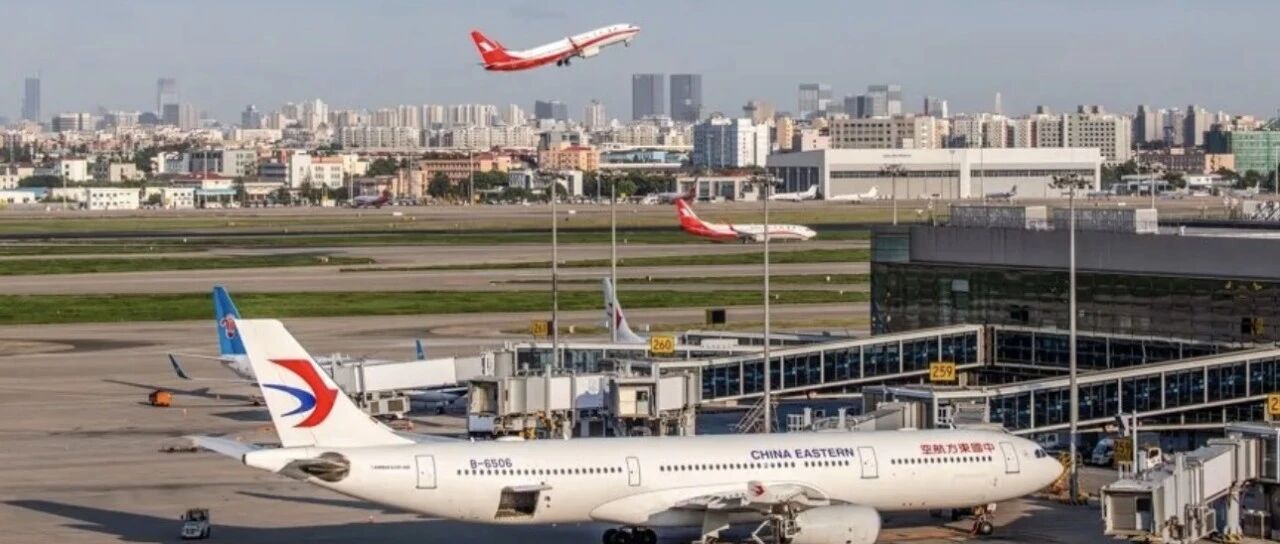
三大航为何仍未扭亏?
第一财经· 2025-08-30 15:14
Core Viewpoint - The article highlights the contrasting financial performance of private and state-owned airlines in China, with private airlines achieving profitability while state-owned carriers continue to incur losses in the first half of 2025 [3][4]. Summary by Sections Performance of Airlines - All listed airlines in A-shares have disclosed their half-year reports for 2025, with private airlines such as Spring Airlines, Juneyao Airlines, Hainan Airlines, and China Express Airlines reporting profits. Spring Airlines led with a net profit of 1.169 billion yuan, making it the most profitable airline in mainland China for the first half of the year [3][4]. - Spring Airlines has maintained profitability for two consecutive years, with net profits of 2.257 billion yuan in 2023 and 2.273 billion yuan in 2024, both setting new records since the company's inception [5]. State-Owned Airlines' Struggles - In contrast, the three major state-owned airlines—Air China, China Eastern Airlines, and China Southern Airlines—reported losses of 1.806 billion yuan, 1.441 billion yuan, and 1.533 billion yuan, respectively, in the first half of 2025 [5][6]. Market Dynamics - The disparity in performance among airlines is attributed to the slower-than-expected recovery of international routes and ongoing competition in the domestic market. International passenger flights in civil aviation increased by 24.9% year-on-year in the first half of 2025 but were still down 12% compared to 2019 [6]. - The three major state-owned airlines have a higher proportion of international routes, making them more vulnerable to the sluggish recovery of international markets. In contrast, private airlines like Spring Airlines and Juneyao Airlines, which focus on routes to nearby countries, have been less affected [6]. Revenue and Cost Management - Despite the overall decline in passenger revenue, cost control has become crucial for maintaining performance. Private airlines, exemplified by Spring Airlines, have advantages over state-owned carriers in this regard [7]. Airport and Cargo Companies - Airport companies have fared better, with five out of seven listed airport companies reporting profits in the first half of 2025. Notably, Shanghai Airport and Guangzhou Baiyun Airport achieved significant profit growth of 28.14% and 71.32%, respectively [9]. - Cargo logistics companies also reported profit increases, with China National Aviation Holding and Eastern Air Logistics earning 1.24 billion yuan and 1.289 billion yuan, respectively, marking year-on-year growth of 86.15% and 0.9% [10]. Global Cargo Trends - The global air cargo demand continues to grow, with a 2.8% increase in cargo ton-kilometers in the first half of 2025. China's air cargo exports reached 2.67 million tons, up 11.6% year-on-year, with significant growth in international cargo transport [10]. - However, adjustments in U.S. tariff policies and the cancellation of small package exemptions have impacted air carriers, particularly in the North American market, which saw an 8.2% decline in exports from China [10][11].
三大航为何仍未扭亏?
Di Yi Cai Jing· 2025-08-30 12:49
Group 1: Airline Performance - All listed airlines in A-shares have reported their 2025 semi-annual results, with private airlines achieving profitability while state-owned airlines continue to incur losses [1] - Spring Airlines has reported the highest net profit among private airlines at 1.169 billion yuan, making it the most profitable listed airline in mainland China for the first half of the year [1] - In contrast, the three major state-owned airlines, Air China, China Eastern Airlines, and China Southern Airlines, reported losses of 1.806 billion yuan, 1.441 billion yuan, and 1.533 billion yuan respectively in the first half of the year [2] Group 2: Market Dynamics - The disparity in performance among airlines is attributed to the slower-than-expected recovery of international routes and ongoing competition in the domestic market [2] - International passenger flights in civil aviation increased by 24.9% year-on-year in the first half of the year, but still fell 12% compared to 2019 levels, indicating that international flight volumes have not fully recovered [2] - Private airlines like Spring Airlines and Juneyao Airlines, which focus on international routes primarily to neighboring countries, are less affected by the slow recovery of international markets compared to state-owned airlines [2][3] Group 3: Revenue and Cost Management - Spring Airlines reported a significant increase in capacity on Japanese routes, with a year-on-year growth of over 116.8%, positively impacting revenue performance [3] - Despite the overall revenue decline in domestic routes, cost control has become crucial for maintaining performance, with private airlines like Spring Airlines having more advantages in this area compared to state-owned airlines [3] Group 4: Airport and Cargo Performance - Among seven listed airport companies, five reported profits in the first half of the year, while only two, Meilan Airport and Capital Airport, continued to incur losses [4] - Capital Airport has faced continuous losses since 2020, with cumulative losses exceeding 10 billion yuan, largely due to competition from Beijing Daxing Airport [4] - Cargo logistics companies also reported profit growth, with China National Aviation and Eastern Air Logistics earning 1.24 billion yuan and 1.289 billion yuan respectively, reflecting a positive trend in global air cargo demand [5] Group 5: Global Cargo Trends - The global air cargo demand is on the rise, with a year-on-year increase of 2.8% in cargo ton-kilometers in the first half of the year, and a significant growth of 8.4% in the Asia-Pacific region [5] - China's air cargo export volume reached 2.67 million tons, a year-on-year increase of 11.6%, with international cargo transport volumes hitting record highs [5] - However, adjustments in U.S. tariff policies and the cancellation of small package exemptions are impacting air carriers, with negative growth observed in exports to North America [5][6]