中国平安

Search documents
负债行为跟踪:预防式降温:两融、北向和股指期货的分歧
ZHONGTAI SECURITIES· 2026-01-18 07:26
1. Report Industry Investment Rating - Not provided in the content 2. Core Viewpoints of the Report - The market cooled slightly in the second week of the new year. The margin trading and short - selling (MTS) new rules achieved a "preventive" cooling effect before the market overheated, and the slow - bull trend was established. MTS funds showed differentiation rather than a retreat, and northbound funds had a strong willingness to flow in, although the net outflow of broad - based ETFs accelerated [5][11]. - Institutions took a left - hand approach, while MTS and northbound funds served as accelerators for the incremental funds since the beginning of the year. Northbound funds became an incremental force for short - term market activity [9]. - The performance of broad - based indexes was differentiated. Large - cap and dividend indexes declined, while technology stocks and micro - cap stocks performed well [10][13]. 3. Summary by Relevant Catalogs Market Performance - This week, broad - based indexes showed differentiated performance. Large - cap indexes such as the CSI 300 and the Shanghai Composite Index fell by 0.6% and 0.4% respectively, and the dividend index dropped by 1.8%. Technology stocks and micro - cap stocks performed well, with the ChiNext and the STAR 50 rising by 1.0% and 2.6% respectively, and micro - cap stocks increasing by 1.7% [10][13]. Leveraged Funds - Since the spring rally, the MTS balance has rapidly recovered. As of January 15, the MTS balance reached 2.69 trillion yuan, exceeding the highs in 2015 and 2021. The proportion of MTS balance to the market value of tradable shares reached 2.59%, slightly exceeding the high in March 2022 [21]. - The proportion of MTS trading volume to A - share trading volume rose in the first week of the new year and touched the "mean + 2 standard deviations". This week, it rebounded slightly, with the average rising from 11.27% to 11.33%, slightly lower than the "mean + 2 standard deviations" [21]. - Since the beginning of the year, leveraged funds have flowed into major broad - based indexes significantly. In the first week, the average daily net purchase of margin trading in the Shanghai Composite Index, the CSI 500, and the CSI 1000 exceeded 3 billion yuan. This week, the net inflow of MTS in the CSI 500 and the CSI 1000 decreased significantly on Wednesday and Thursday, while the MTS funds in the STAR 50 continued to flow in at an accelerated pace [26]. - From Monday to Tuesday this week, industries such as household appliances, non - banking, media, pharmaceutical biology, computers, and non - ferrous metals had a relatively large proportion of MTS net purchases to trading volume. From Wednesday to Thursday, industries such as national defense and military industry, agriculture, forestry, animal husbandry, coal, and building materials shifted from adding leverage to de - leveraging. The proportion of MTS net purchases to trading volume in industries such as media, household appliances, pharmaceuticals, computers, and non - ferrous metals decreased significantly. After January 13, the proportion of MTS net purchases to trading volume in industries such as banks, public utilities, food and beverages, non - banking, and electronics increased [6][27]. - This week, stocks of all market - value gradients added leverage. After the MTS new rules, stocks of different market values showed differentiation. Since Wednesday, the proportion of MTS net purchases to trading volume of stocks with a market value of over 100 billion yuan increased, while that of stocks with a market value of less than 100 billion yuan decreased [35]. - The proportion of MTS net purchases to trading volume of popular stocks increased. The average proportion of leveraged funds in the trading volume of the top 35 popular stocks rose to 6.30% this week, still lower than the 9.42% in the last week of August. On Wednesday, popular stocks such as Cambricon, Goldwind Science & Technology, and Kunlun Tech de - leveraged. From Thursday to Friday, popular stocks such as Zhongji Innolight, Kweichow Moutai, and Luxshare Precision added leverage [42][44]. ETF Funds - From Wednesday to Friday, the net outflow of broad - based ETFs was relatively large. The average daily net outflow of the CSI 300 ETF reached 14.7 billion yuan, and the average daily net outflow of the SSE 50, ChiNext, and CSI 500 ETFs exceeded 5 billion yuan [48]. Quantitative Funds - This week, the premium of the near - term stock index futures basis widened, and the discount of the far - term futures narrowed. The discount deepened only on Wednesday and then recovered. Overall, the demand for hedging decreased [52]. Northbound Funds - Since Q4 2025, due to the relaxation of US monetary policy, the increasing expectation of US dollar depreciation, and the narrowing of the Sino - US interest rate spread, net foreign exchange settlement has increased, leading to the passive release of RMB and the return of RMB [59]. - Foreign capital actively participated as a right - hand force in the market rally at the beginning of the year, with a higher degree of participation than MTS funds. Comparing the trading volume proportions in the nine trading days before and after New Year's Day, the trading volume proportion of northbound funds increased from 10.2% to 11.6%, a rise of 1.4 percentage points, while that of MTS funds only increased from 11.0% to 11.4%, a rise of 0.4 percentage points [61]. - This week, the total trading volume of northbound funds rebounded. The average daily trading volume increased from 327.2 billion yuan to 401.1 billion yuan, and the proportion in A - share trading volume rose from 11.47% to 11.61%. Since late December 2025, the trading volume of northbound funds has rebounded significantly [67].
险企破圈新方向!银发浪潮下 “保险+养老”成风口
Zhong Guo Zheng Quan Bao· 2026-01-18 05:49
Core Insights - The insurance industry is accelerating the entry of pension communities by the end of 2025, transitioning from early single-point exploration to large-scale, networked operations, with "insurance + pension" integration becoming mainstream [1][3] - The industry is facing challenges such as long capital return cycles and insufficient inclusivity, which need to be addressed for further growth [1][6] Group 1: Industry Developments - By the end of 2025, over 10 pension community projects are expected to be launched by insurance companies, with major players like China Pacific Insurance and Ping An leading the way [3][4] - China Pacific Insurance's "Taibao Home" has already established 14 communities across 12 cities, serving over 3,000 long-term residents and achieving 130,000 short-term stays in a year [3][4] - Ping An's home-based elderly care services have reached 85 cities, with nearly 240,000 clients qualifying for services, and they have launched six high-quality pension community projects across five cities [4] Group 2: Strategic Upgrades - China Pacific Insurance is upgrading its strategy from "big health" to "big pension and health," aiming to create a comprehensive ecosystem covering various aspects of elderly care [3] - The industry is entering a phase of scale explosion, with commercial pension and health insurance reserves reaching 11 trillion yuan during the 14th Five-Year Plan period [4] Group 3: Challenges and Solutions - The long capital return cycle is a significant challenge, with some insurance companies indicating that it takes over 10 years to achieve profitability in heavy-asset pension communities [6] - High occupancy rates are essential for profitability, with a threshold of 60% occupancy needed for stable operations [6] - The industry faces issues with inclusivity, as many pension communities have high entry barriers, making it difficult for middle and low-income groups to access services [6] - A shortage of professional talent is a common pain point, with difficulties in retaining staff due to low wages and challenging working conditions [6] Group 4: Policy Support - Recent policy initiatives from the National Financial Regulatory Administration aim to enhance the integration of long-term care and community pension services, promoting the expansion of insurance companies into home-based care [7] - The application of financial tools like REITs is expected to improve funding exit channels for the pension industry, alleviating capital pressure [7] - The competition in the pension community sector is anticipated to intensify, with ecological, inclusive, and technological advancements being key directions for industry breakthroughs [7]


险企破圈新方向 银发浪潮下,“保险+养老”成风口
Xin Lang Cai Jing· 2026-01-18 04:34
Core Viewpoint - China Pacific Insurance (CPIC) is upgrading its health and elderly care strategy, transitioning from a "big health" to a "big elderly care" approach, aiming to create a comprehensive ecosystem covering various aspects of elderly care, health, and rehabilitation [1] Group 1: Strategic Upgrades - CPIC's President Zhao Yonggang announced the strategic upgrade path, focusing on building a service loop that integrates prevention, diagnosis, treatment, rehabilitation, and care throughout the entire lifecycle [1] - The company plans to launch over 10 elderly care community projects in 2025, marking a significant year for the insurance industry in this sector [1] Group 2: Project Launches and Operations - By the end of 2025, CPIC's elderly care community, Taibao Jiayuan, will operate in 14 communities across 12 cities, with over 3,000 long-term residents and 130,000 short-term stays [1] - Other major players like Ping An are also expanding their elderly care services, with Ping An's home care services covering 85 cities and nearly 240,000 clients by September 2025 [1] - Ping An has established high-quality elderly care community projects in five cities, with the Shanghai project "Jingan No. 8" already in operation and a Shenzhen project expected to trial by the end of 2025 [1]
险企破圈新方向!银发浪潮下,“保险+养老”成风口
Zhong Guo Zheng Quan Bao - Zhong Zheng Wang· 2026-01-18 04:24
Core Insights - The insurance industry is accelerating the entry of pension communities by 2025, transitioning from early single-point exploration to large-scale, networked operations, with a focus on the integration of "insurance + elderly care" as a mainstream model [1] - The industry is experiencing a significant expansion, with over 10 pension community projects launched by insurance companies in 2025, including major projects from leading firms like China Pacific Insurance and Ping An [2] Group 1: Industry Developments - By the end of 2025, China Pacific Insurance's "Tai Bao Home" will operate 14 communities across 12 cities, serving over 3,000 long-term residents and achieving 130,000 short-term stays [2] - Ping An's home-based elderly care services have reached 85 cities, with nearly 240,000 clients qualifying for services, and their high-quality elderly care community projects are underway in five cities [2] - The insurance sector has seen significant growth in the third pillar of pension insurance, accumulating reserves of 11 trillion yuan, with 130 pension community projects developed [2] Group 2: Challenges and Solutions - The long capital return cycle is a major challenge, with large asset-based pension communities taking over 10 years to become profitable, requiring a minimum occupancy rate of 60% for stable operations [3] - The high entry barriers for pension communities, such as a minimum premium of 3 million yuan and monthly fees starting at 11,500 yuan, limit accessibility for middle and low-income groups [3] - A shortage of professional talent in the industry is a common issue, with difficulties in retaining staff due to low salaries and challenging resident behaviors [3] Group 3: Policy and Innovation - The National Financial Regulatory Administration has issued guidelines to enhance the integration of long-term care and community elderly services, promoting the expansion of insurance companies into home-based care [5] - Companies like Fude Life Insurance are exploring new development paths through financial products that connect physical services, aiming to facilitate home-based elderly care with smart home equipment [4] - The application of financial tools like REITs is expected to improve funding exit channels for the pension industry, alleviating financial pressures [5]
图解北向资金最新持仓股
Ge Long Hui A P P· 2026-01-18 03:02
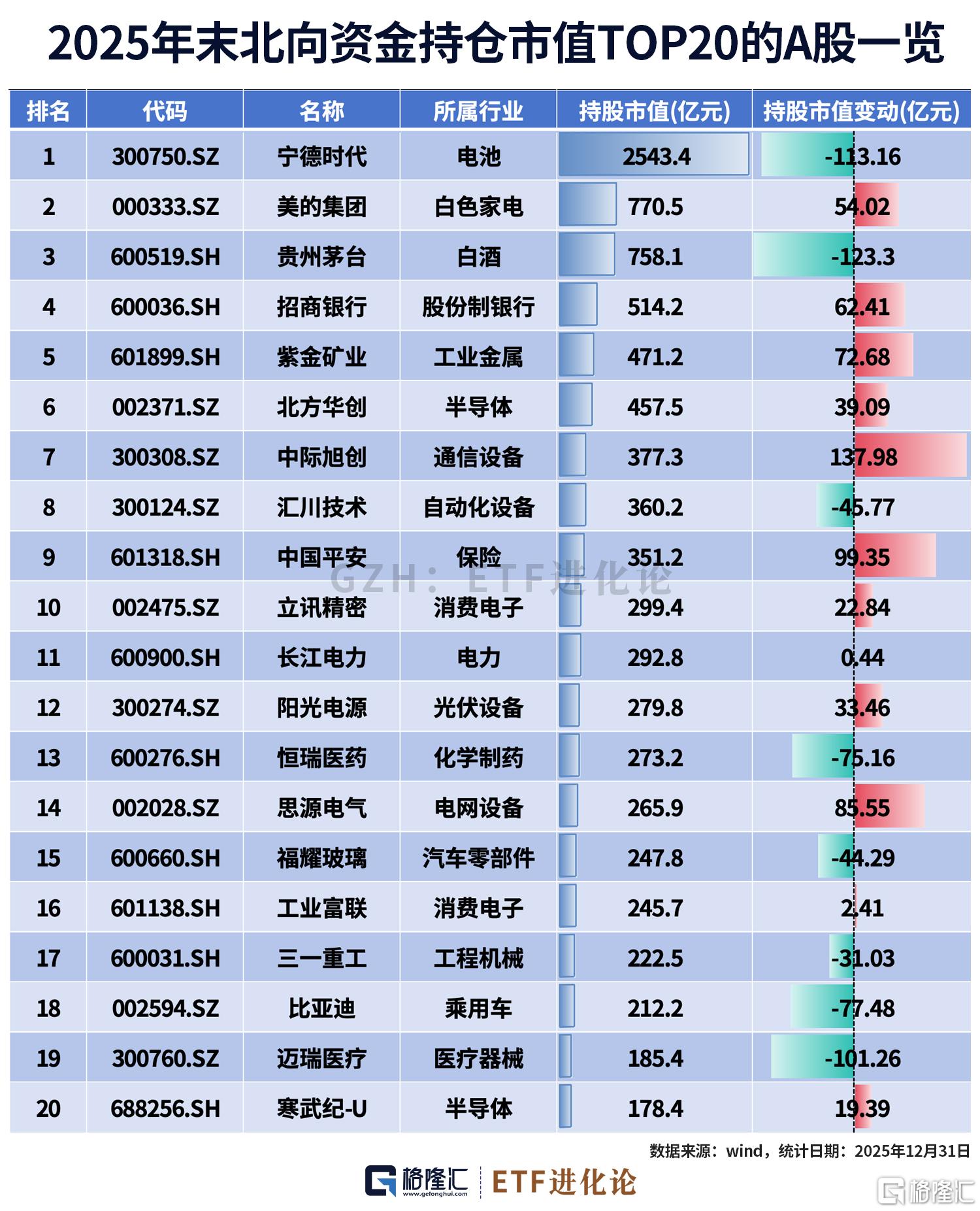
Core Viewpoint - Northbound capital saw a net inflow of 10.15 billion yuan in Q4 2025, with the market value of A-shares held increasing slightly from 25,852 billion yuan at the end of Q3 to 25,898 billion yuan at the end of Q4 [1]. Group 1: Top Holdings - The top ten stocks held by northbound capital as of the end of 2025 include CATL, Midea Group, Kweichow Moutai, China Merchants Bank, Zijin Mining, Northern Huachuang, Zhongji Xuchuang, Huichuan Technology, Ping An Insurance, and Luxshare Precision [1]. - New additions to the top 20 holdings include Suyuan Electric and Cambricon, while WuXi AppTec and Lattice Semiconductor exited the top 20 [1]. Group 2: Sector Performance - In Q4, northbound capital increased holdings in sectors such as new energy (CATL, DeYuan Co., Sunshine Power), electronics (Luxshare Precision, Northern Huachuang, Zhaoyi Innovation), non-ferrous metals (Aluminum Corporation of China, Jiangxi Copper, Zhongjin Gold), and large financials (China Merchants Bank, Ping An Insurance) [2][3]. - The sectors with the highest increase in holdings were non-ferrous metals, communication, and basic chemicals [7][8]. Group 3: Net Inflows and Outflows - The stocks with the highest net inflows in Q4 included CATL (12.19 billion yuan), Luxshare Precision (6.1 billion yuan), Weichai Power (4.87 billion yuan), China Merchants Bank (4.26 billion yuan), and Ping An Insurance (3.49 billion yuan) [4]. - Conversely, the stocks with the largest net outflows included Kweichow Moutai (-8.45 billion yuan), WuXi AppTec (-5.32 billion yuan), BYD (-4.98 billion yuan), and Mindray Medical (-4.22 billion yuan) [5]. Group 4: Industry Holdings - The leading industry by market value held by northbound capital is electrical equipment, followed by electronics, non-ferrous metals, banking, and machinery [6]. - The industries with the most significant increase in market value held were non-ferrous metals (51.63 billion yuan), communication (19.48 billion yuan), and basic chemicals (8.86 billion yuan) [8].







保险行业周报(20260112-20260116):险资举牌再启,”长钱长投“夯实投资端-20260117
Huachuang Securities· 2026-01-17 15:01
Investment Rating - The report maintains a "Recommended" rating for the insurance industry, expecting the industry index to outperform the benchmark index by over 5% in the next 3-6 months [19]. Core Insights - The insurance sector index decreased by 3.64% this week, underperforming the broader market by 3.07 percentage points. Individual stock performances varied, with notable declines in major companies like Ping An and China Pacific [1][3]. - China Pacific Life Insurance increased its stake in Shanghai Airport to 5% through block trading, marking the first significant acquisition by insurance capital in 2026. This trend reflects a growing interest in high-dividend assets amid a low-interest-rate environment [2][3]. - The report highlights a shift towards long-term investments by insurance capital, focusing on stable cash flow and high dividend yield assets, particularly in sectors like banking and public utilities [3]. - Regulatory support for long-term capital market participation is emphasized, with expectations of continued downward pressure on long-term interest rates, prompting insurance companies to seek dividend assets as a strategic choice [3]. Summary by Sections Market Performance - The insurance index fell by 3.64%, with significant declines in major stocks such as Ping An (-3.87%) and China Pacific (-4.97%). The 10-year government bond yield is at 1.84%, down 4 basis points from the previous week [1]. Recent Developments - China Pacific Life's acquisition of 72.424 million shares of Shanghai Airport, increasing its total holdings to approximately 124 million shares, represents a strategic move in the current market [2]. - The establishment of the Honghu Zhiyuan Fund, focusing on well-governed, high-dividend large-cap stocks, indicates a trend towards stable investment strategies among insurance companies [2]. Investment Recommendations - The report suggests focusing on undervalued stocks like China Pacific, which shows strong operational stability and recovery potential in both A and H shares. It also notes that Ping An's performance is expected to remain resilient despite market pressures [3][8]. - Valuation metrics indicate that major players like New China Life and China Life are trading at PEV multiples of 0.92x and 0.91x, respectively, while Ping An is at 0.80x, suggesting potential for upside [4][8].
30-50岁成深圳重疾出险主流人群,白血病是少儿最大威胁
Nan Fang Du Shi Bao· 2026-01-17 14:37
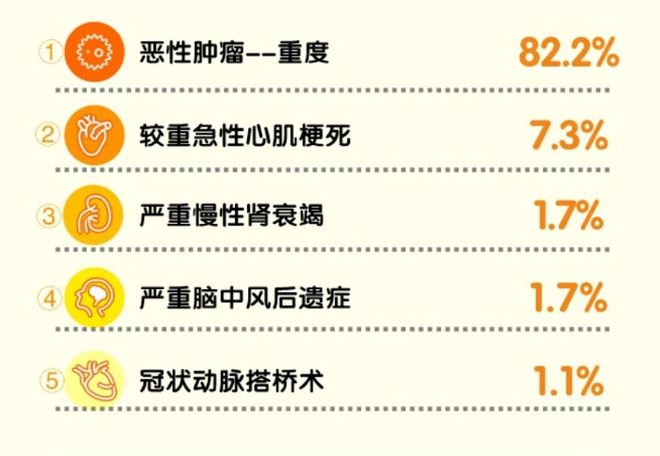
Core Insights - The annual claims reports from leading insurance institutions in Shenzhen reveal significant health trends among residents, particularly highlighting the rising incidence of critical illnesses among the 30-50 age group, with a notable increase in younger patients [1][2] Group 1: Critical Illness Trends - The primary demographic for critical illness claims in Shenzhen is aged 30-50, accounting for 49.47% of claims, with the youngest claimant being just 2 years old [1] - Malignant tumors are the leading cause of critical illness claims, comprising 84.66% of cases, followed by circulatory system diseases at approximately 10% [2][4] - The top five critical illnesses in Shenzhen include various cancers and severe cardiovascular conditions, indicating a significant health threat to the population [4][5] Group 2: Claims Data and Statistics - In 2025, the total number of claims in Shenzhen approached 150,000, with a growth rate of about 10%, and total payouts reaching approximately 1.17 billion yuan, nearly half of which were for critical illnesses [1] - The highest individual claim in 2025 was 21.25 million yuan, related to a severe case of breast cancer, highlighting the financial impact of critical illnesses [8] - Tencent Weibo reported a total claims amount of 8.4 billion yuan with over 25.7 million claims, indicating a growing trend in health-related claims across different demographics [7] Group 3: Emerging Health Risks - There is a rising trend of liver disease and hypertension among the middle-aged population, while leukemia remains a significant health threat for children, with over 30% of pediatric critical illness claims attributed to it [1][5] - The report from Tencent Weibo also noted a 176.4% increase in allergy-related claims among adolescents, emphasizing the need for awareness and preventive measures [7] Group 4: Technological Advancements in Claims Processing - The integration of AI in claims processing has led to significant improvements, with some claims being processed in as little as 8 seconds, showcasing the industry's move towards more efficient and user-friendly services [10] - The introduction of a "one-stop settlement" model allows for simultaneous completion of medical insurance reimbursements and commercial insurance claims, drastically reducing the claims processing time [10]



A股突然降温!融资收紧保证金调整,是打压市场还是保护散户?
Sou Hu Cai Jing· 2026-01-17 10:21
Core Viewpoint - The adjustment of the financing margin ratio from 80% to 100% by the Shanghai, Shenzhen, and Beijing stock exchanges aims to reduce excessive leverage in the A-share market, which has seen record-high trading volumes and margin balances, thereby ensuring market stability and protecting investors' rights [1][15]. Group 1: Policy Changes and Market Reactions - The new financing margin ratio will take effect on January 19, significantly reducing investors' new financing capabilities and directly lowering the overall leverage level by 20% [4][6]. - Following the announcement, the A-share market experienced a sharp decline, with major indices turning negative and significant sell orders observed in heavyweight stocks, such as China Merchants Bank with over 6.5 billion yuan in sell orders [1][4]. - The adjustment is a response to the overheated margin trading environment, with the A-share margin trading volume reaching a record 427.2 billion yuan on January 12 and the margin balance exceeding 2.7 trillion yuan on January 15 [1][12]. Group 2: Impact on Investors and Market Dynamics - The increase in the financing margin ratio raises the entry barrier for retail and aggressive investors, making them more cautious about leveraging their investments [6][17]. - The "new and old separation" rule allows existing financing contracts to continue under the previous 80% margin ratio, providing a buffer period for the market to adjust without forcing existing investors to add margin or face liquidation [6][10]. - The current leverage level in the A-share market is relatively low, with margin balances accounting for only 2.56% of the A-share market's circulating value, indicating that the market is not in a bubble [12][15]. Group 3: Long-term Market Outlook - The adjustment is seen as a moderate normalization of policy rather than a drastic measure to suppress the market, aiming for a sustainable "slow bull" market rather than a speculative "crazy bull" [10][15]. - The regulatory intent is to guide the market from being driven by capital to being driven by performance, fostering a more rational investment environment [14][17]. - Analysts believe that while high-volatility sectors may face profit-taking pressures, blue-chip stocks will be less affected, and the overall market is unlikely to experience systemic risks [12][15].

中国平安携手宜都市打造宜都清江湾旅居基地,助力高品质享老服务体验
Ge Long Hui· 2026-01-17 07:09
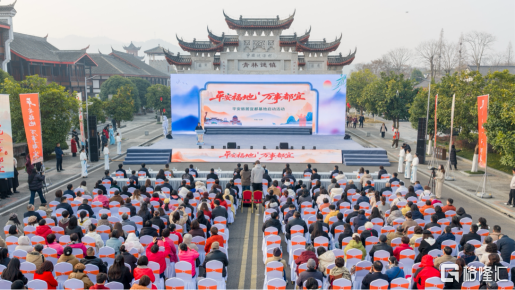
Core Insights - The Chinese elderly care industry is experiencing rapid growth as the demand shifts from basic care to quality living, with a preference for home-based care among the elderly population [1] - New models such as travel care, mutual assistance care, and smart care are emerging, reflecting a trend towards specialized, convenient, and emotional service needs [1] Group 1: Project Launch and Features - The "Ping An Travel Project" was launched on January 17, 2025, in Yidu, co-hosted by Ping An Health Internet Company and local government entities [1] - The project integrates insurance, cultural tourism, and health care resources, creating a unique service that combines professional elderly care with local cultural attractions [2] - The project emphasizes an "elderly-friendly, one-stop, and supervised" service design, optimizing travel arrangements and medical support for elderly users [2] Group 2: Achievements and Future Plans - Since its operation began in October 2025, the Yidu Ping An Travel Project has hosted over 600 teams and served more than 20,000 elderly travelers [2] - Future plans include seasonal travel experiences such as "spring flower viewing" and "winter hot springs," aiming to enhance the quality of elderly care services [2] Group 3: Comprehensive Elderly Care Strategy - Ping An Good Doctor is a key player in the medical and elderly care ecosystem, focusing on a "comprehensive finance + medical elderly care" strategy [4] - The company has developed a home-based elderly care model that combines smart devices, concierge services, and medical resources to create an all-encompassing care solution [4] - The "Ping An Caretaker" service network has expanded to cover 100 cities, with a growth rate exceeding 33% in 2025, providing services to nearly 240,000 clients [5]
中国平安(02318)携手宜都市打造宜都清江湾旅居基地,助力高品质享老服务体验
智通财经网· 2026-01-17 06:43
Core Insights - The Chinese elderly care industry is experiencing rapid growth as the demand shifts from basic care to quality living, with a preference for home-based care among the elderly population [1] - New models such as travel-based care, mutual assistance, and smart elderly care are emerging, reflecting a trend towards professional, convenient, and emotional service needs [1] Group 1: Project Launch and Collaboration - The "Ping An Travel Project" was launched on January 17, 2023, in Yidu City, organized by the Yidu Municipal Government and Ping An Health Internet Company [1] - The project integrates insurance, cultural tourism, and health care resources, creating a unique elderly care experience themed around "Xiajiang" culture [3] Group 2: Service Design and Implementation - The Yidu Travel Project emphasizes age-friendly, one-stop, and supervised service design, optimizing travel arrangements and medical support for elderly users [3] - Since its operation began in October 2025, the project has hosted over 600 groups and served more than 20,000 travelers [3] Group 3: Comprehensive Elderly Care Solutions - Ping An Health is enhancing its "insurance + home care" model by utilizing smart devices and caregiver services to create age-appropriate travel products [4] - The company is focusing on medical health, safety assurance, and professional care in home care services, with a new version of its "safety check-in" program set to launch soon [4] Group 4: Expansion and Future Plans - The home care service network, centered around "Ping An Caregivers," has expanded to cover 100 cities, with a growth rate exceeding 33% in 2025 [5] - Nearly 240,000 clients have qualified for home care services, with a 100% response rate for the "smart guardian" alerts [5]