
福田汽车

Search documents
福田汽车(600166.SH):暂不涉及人形机器人领域
Ge Long Hui· 2025-10-15 07:53
Core Viewpoint - The company, Foton Motor (600166.SH), has stated that it is currently not involved in the humanoid robot sector [1] Group 1 - The company has clarified its position regarding involvement in humanoid robotics [1]

9月重卡销近11万辆大增83%!TOP5破万辆 重汽第一解放领涨 谁空降月榜前十?| 头条
第一商用车网· 2025-10-15 07:04
Core Viewpoint - The heavy truck market in China has shown significant growth, with September 2025 sales reaching 105,600 units, marking an 83% year-on-year increase and achieving a "six consecutive months of growth" milestone [1][3][21]. Group 1: Market Performance - In September 2025, the overall truck market (including chassis and tractors) sold 312,000 units, a 29% year-on-year increase and a 15% month-on-month increase [3]. - The heavy truck segment alone sold 105,600 units in September, with a month-on-month growth of 15% and a year-on-year growth of 83%, which is a 36 percentage point increase from August's 47% growth [3][11]. - The average monthly sales for heavy trucks in 2025 reached approximately 91,000 units, significantly higher than the average monthly sales of 75,000 units in 2024 and 76,000 units in 2023, indicating a clear recovery in the market [8]. Group 2: Cumulative Sales Data - From January to September 2025, cumulative heavy truck sales reached 822,800 units, a 20% increase compared to the same period last year, with a net increase of about 140,000 units [8][16]. - The cumulative sales for the top ten companies in the heavy truck market accounted for 97.78% of the total market share, with the top five companies holding 90.72% of the market, indicating a strengthening concentration in the industry [18]. Group 3: Company Performance - In September 2025, five companies sold over 10,000 heavy trucks, with the top two being Sinotruk and Jiefang, selling 28,000 and 20,400 units respectively [12]. - Notably, companies like Foton and XCMG achieved impressive year-on-year growth rates of 137% and 133%, respectively, outperforming the overall market growth [14]. - Cumulatively, from January to September 2025, Chery's sales doubled, and Foton's market share increased significantly, highlighting strong performance among several key players [16][18]. Group 4: Future Outlook - The heavy truck market is expected to continue its growth trend into October 2025, which is traditionally a strong sales month, with the potential to maintain sales above 100,000 units [21].



福田汽车涨2.21%,成交额3.30亿元,主力资金净流出189.96万元
Xin Lang Zheng Quan· 2025-10-15 06:19
Core Viewpoint - Foton Motor's stock has shown a mixed performance in recent trading, with a year-to-date increase of 10.76% but a decline over the past 20 and 60 days, indicating potential volatility in the automotive sector [1]. Financial Performance - For the first half of 2025, Foton Motor reported a revenue of 30.371 billion yuan, representing a year-on-year growth of 26.71%. The net profit attributable to shareholders was 777 million yuan, marking an impressive increase of 87.57% compared to the previous year [2]. - The company has cumulatively distributed 2.441 billion yuan in dividends since its A-share listing, with no dividends paid in the last three years [3]. Shareholder and Market Activity - As of June 30, 2025, the number of Foton Motor's shareholders decreased by 18% to 123,200, while the average number of circulating shares per person increased by 21.95% to 52,686 shares [2]. - The major shareholders include Hong Kong Central Clearing Limited, which holds 201 million shares, an increase of 11 million shares from the previous period, and Southern CSI 500 ETF, holding 70.54 million shares, up by 9.62 million shares [3]. Stock Performance and Trading Data - On October 15, Foton Motor's stock price rose by 2.21% to 2.78 yuan per share, with a trading volume of 330 million yuan and a turnover rate of 1.52%. The total market capitalization reached 22.01 billion yuan [1]. - The stock has experienced a net outflow of 1.8996 million yuan in principal funds, with significant buying and selling activity from large orders [1].
全国10辆房车1辆这里造,小车轮“转”出产旅融合大市场
Yang Zi Wan Bao Wang· 2025-10-15 06:10
Core Insights - The 2025 Second Yangzhou RV Camping Exhibition was held from October 11 to 13, showcasing over 30 well-known RV brands and nearly 100 models and camping equipment, creating an immersive experience platform for RV enthusiasts and local residents [1] - The exhibition highlighted the latest technological achievements in the RV manufacturing sector and established a "sales + experience + cultural tourism" integrated model [1][3] Industry Overview - Chenji Town, recognized as a significant RV manufacturing base in China, has developed a complete industry chain encompassing R&D, manufacturing, supporting services, and sales, featuring notable companies like Saide, Weihang, and Romantes [2] - The RV market is witnessing a trend towards lightweight and compact models, with multifunctional small RVs being introduced that combine accommodation, cooking, and storage within a length of 4-5 meters, enhancing maneuverability and flexibility [2] Sales Performance - During the three-day exhibition, a total of 41 RVs were sold, generating approximately 18 million yuan in sales [3] - In 2024, Chenji Town's RV sales are projected to exceed 1,200 units, capturing 10% of the national market share, with total invoiced sales reaching 681 million yuan, of which 577 million yuan comes from RV manufacturing [3] Market Trends - The RV camping industry in Chenji Town has established a full industry chain model from R&D and manufacturing to cultural tourism services, serving as a benchmark for the nation [3] - The RV industry in China is transitioning from a niche hobby to a mainstream choice, with domestic RV sales expected to grow over 25% year-on-year in 2024, and the number of camping sites surpassing 30,000 [3] Future Outlook - The RV industry is becoming a crucial economic growth point for Yizheng and Yangzhou, with plans to transform from a manufacturing base to an "industry brain," aiming to set standards, models, and lifestyles for the RV sector [4] - Chenji Town is anticipated to emerge as the heart of China's RV industry, facilitating connections between urban and rural areas and enhancing the overall industry chain [4]
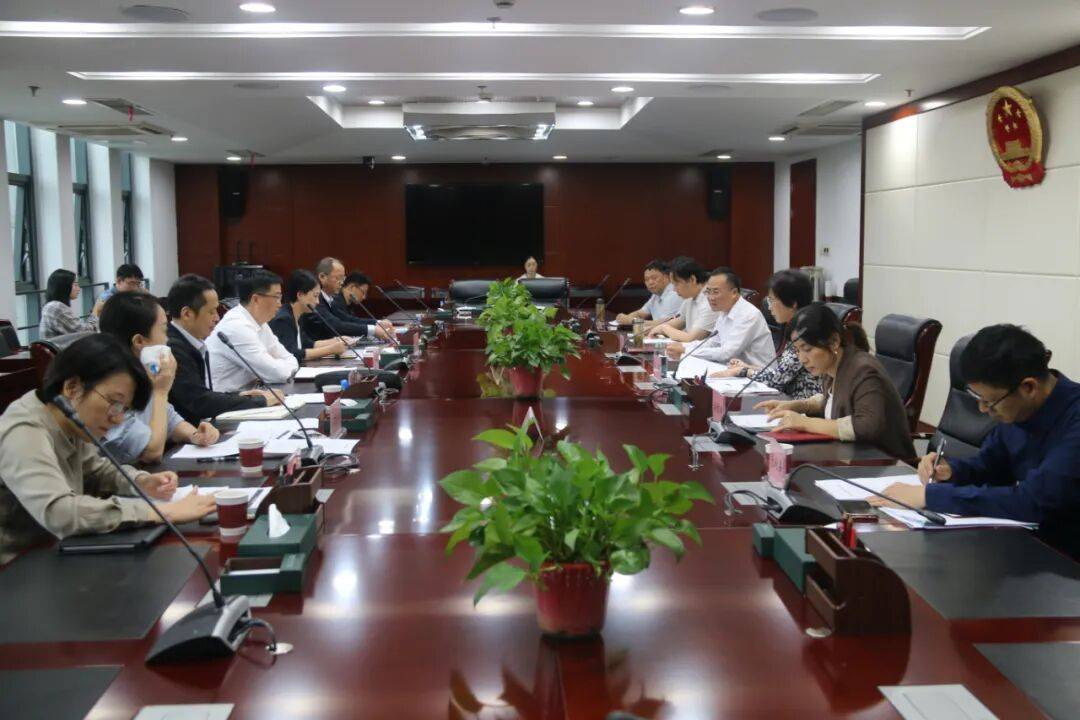
张峰主持召开访企问需协调对接会
Sou Hu Cai Jing· 2025-10-15 05:44
Core Points - The meeting focused on addressing the needs of Anhui Sumida Technology Co., Ltd., discussing solutions for urgent issues such as storage, workstations, and parking spaces [3] - Emphasis was placed on enhancing service awareness for primary industries and establishing a regular communication mechanism between government and enterprises to improve the precision of enterprise services [3] - The meeting highlighted the importance of promoting the integration of agriculture, culture, tourism, commerce, and sports to strengthen the automotive aftermarket industry in Wuhu [3]
9月产销量首次双超300万辆 乘联会上调全年预期
Shang Hai Zheng Quan Bao· 2025-10-15 05:11
据中汽协统计,9月,中国汽车产销分别完成327.6万辆和322.6万辆,同比分别增长17.1%和14.9%。 2025年前三季度,中国汽车产销累计完成2433.3万辆和2436.3万辆,同比分别增长13.3%和12.9%。 中汽协数据显示,在车市传统旺季"金九银十"的9月,中国汽车产销分别完成327.6万辆和322.6万辆,环 比分别增长16.4%和12.9%,同比分别增长17.1%和14.9%。汽车产销量历史上同期首次超过300万辆,月 度同比增速已连续5个月保持10%以上。 新能源汽车前三季产销均超1100万辆 在不同大类车型方面,9月,中国乘用车产销分别完成290万辆和285.9万辆,环比分别增长16%和 12.5%,同比分别增长15.9%和13.2%。2025年前三季度,中国乘用车产销累计完成2124.1万辆和2124.6 万辆,同比分别增长13.9%和13.7%。在乘用车主要品种中,与2024年同期相比,四大类乘用车品种产 销均呈不同程度增长,其中交叉型乘用车产销增速最为显著。 9月,中国商用车产销分别完成37.6万辆和36.8万辆,环比分别增长19.3%和16.3%,同比分别增长27.7% 和29 ...

2025年1-4月中国载货汽车产量为125.4万辆 累计增长4.1%
Chan Ye Xin Xi Wang· 2025-10-15 01:07
Core Viewpoint - The report highlights the growth trends in China's cargo vehicle industry, with a focus on production statistics and future market analysis from 2025 to 2031 [1] Industry Overview - In April 2025, China's cargo vehicle production reached 321,000 units, reflecting a year-on-year increase of 0.9% [1] - Cumulatively, from January to April 2025, the total production of cargo vehicles in China was 1.254 million units, marking a cumulative growth of 4.1% [1] Companies Mentioned - The report includes key players in the industry such as: - FAW Jiefang (000800) - China National Heavy Duty Truck Group (000951) - Foton Motor (600166) - Jiangling Motors (000550) - Ankai Bus (000868) - Changan Automobile (000625) - Dongfeng Motor (600006) - Hanma Technology (600375) - GAC Group (601238) - Aoxin Bus (600213) [1]

拓展汽车零部件新品类 常润股份 打造多元增长极
Shang Hai Zheng Quan Bao· 2025-10-14 18:36
Core Insights - Changrun Co., Ltd. is expanding its automotive parts product categories, focusing on new growth areas such as parking brakes, cables, pedals, and tire repair kits, driven by changing consumer habits and opportunities in the electric vehicle market [1][2] - The company's revenue share from automotive parts is steadily increasing, projected to rise from 32.50% in 2022 to 39.28% in 2024 [1] - Changrun has diversified its offerings beyond traditional fuel vehicles to include partnerships with numerous electric vehicle manufacturers, enhancing its market presence [2] Company Strategy - The company aims to leverage its core competencies in jack manufacturing to expand into broader fields, having initiated diversification efforts around 2013 [1] - In 2023, Changrun acquired a 60% stake in Suzhou Kejun New Material Technology Co., which specializes in tire repair tools, to quickly enter the electric vehicle supply chain [2] - The company plans to achieve a 40% revenue growth over the next three years by focusing on tire repair and new product categories like parking brakes and pedals [2] Market Trends - The shift towards electric vehicles necessitates higher support points, load capacities, and operational safety for jacks, leading to a preference for tire repair kits among electric vehicle manufacturers [2] - Changrun is committed to staying ahead of technological trends in the automotive industry, focusing on developing products that meet the demands of electrification and chip integration [3]

新能源汽车购置税明年退坡 车企及消费者抢搭红利“末班车”
Zheng Quan Shi Bao· 2025-10-14 17:34
Core Viewpoint - The transition from a full exemption of vehicle purchase tax to a 50% reduction starting January 1, 2026, marks a significant shift in China's new energy vehicle (NEV) market, impacting consumer purchasing decisions and costs [1][2][3] Policy Changes - The new policy requires NEVs to meet specific technical standards to qualify for tax exemptions, emphasizing battery capacity and hybrid system upgrades [2][3] - The maximum tax exemption for NEVs will decrease from 30,000 yuan to 15,000 yuan, with a reduction in the exemption rate from 60% to 30% for vehicles priced at 500,000 yuan [3] Market Dynamics - Automakers are accelerating new model launches to capitalize on the remaining tax benefits, with over 70 new models introduced in September [4] - The market is experiencing a surge in demand for NEVs, with retail sales reaching 1.296 million units in September, a year-on-year increase of 15.5% [5] Competitive Landscape - The focus of competition is shifting towards technology, brand, service, and user experience, indicating a longer-term quality competition in the NEV sector [1][2] - Companies are adopting strategies such as tax difference subsidies to mitigate the impact of the tax changes on consumer purchasing decisions [6] Consumer Behavior - Consumers are increasingly aware of the impending tax cost increases, leading to a rush in orders during the last months of the tax exemption period [7] - The market is witnessing a differentiation in promotional strategies, with NEVs focusing on "new car benefits" while traditional fuel vehicles are offering significant cash discounts [7][8] Industry Outlook - The gradual exit of tax incentives is seen as a necessary evolution for the NEV industry, pushing it towards maturity and self-sustainability [3][8] - Future market success will depend on the true product strength, cost control, and adaptability of automakers [9]
智能驾驶&座舱行业展望
2025-10-14 14:44
Industry and Company Analysis Summary Industry Overview - The smart driving and cockpit industry is experiencing significant collaboration among domestic OEMs, including BYD, Geely, Chery, FAW, Dongfeng, Changan, BAIC, SAIC, and GAC, with China Automotive Intelligent Technology (Tianjin) Co., Ltd. for research and user experience evaluation of intelligent connected vehicles [1][3] - The evaluation system for smart driving performance is based on N-CAP and CICAP standards, combined with consumer subjective evaluations, providing objective and scientific improvement suggestions for automakers [1] Key Companies and Their Performance - **Huawei**: Leading in L3 level autonomous driving with an aggressive strategy. Their ADS system has version differences, with high-end models like the Aito M8/M9 using ADS 4.0, while the M7 uses a downgraded version. Full features require additional payment, but the downgraded version is sufficient for low traffic cities and highways [1][8] - **Xpeng Motors**: Shows slightly lower stability compared to Huawei but performs well in certain scenarios [6] - **Li Auto**: Has a conservative but stable strategy, closely matching Huawei and Xpeng in overall performance [7] - **NIO and Xiaomi**: Positioned in the third tier, with NIO showing limited progress and Xiaomi needing algorithm optimization for better urban performance [7] Technological Developments - **Qualcomm 8,397 Chip**: Expected to be adopted by Li Auto and Xiaomi in 2026, with some traditional manufacturers potentially following suit due to issues with NVIDIA's Sora development [4][15] - **L2 Mandatory Standards**: Implementation is expected to increase compliance costs for automakers by 15%-20%, particularly affecting Xiaomi due to recent accident scenarios [4][17] User Experience Evaluation - The user experience evaluation for smart driving includes fixed-route tests in urban and highway environments, assessing various scenarios such as tunnels and complex intersections. The results are based on both professional evaluations and actual user feedback, ensuring a comprehensive analysis [5][10] Smart Cockpit Interaction - The evaluation of smart cockpit human-machine interaction focuses on usability, safety, creativity, and emotional engagement. New force car companies like NIO, Xpeng, and Li Auto excel in this area, while traditional manufacturers like BYD and Geely are catching up [12][13] - Huawei's HarmonyOS cockpit system is competitive but lacks customization features, leading to product homogenization [13] Future Trends - The future of smart cockpits will focus on five dimensions: visual, auditory, tactile, physiological monitoring, and optoelectronic applications. Key developments include DMS and OMS becoming mandatory standards, enhanced auditory quality, and more natural human-machine dialogue [19] - Touch interaction technology will rely on advancements in holographic technology, which could enable more complex gesture controls [20] Emerging Technologies Impacting Supply Chain - Technologies such as HUD and AR HUD, electronic rearview mirror systems, and smart seating are expected to significantly impact the automotive supply chain. These innovations will drive demand for related components and systems [22][25] Conclusion - The smart driving and cockpit industry is rapidly evolving, with significant advancements in technology and user experience evaluation. Key players like Huawei, Xpeng, and Li Auto are leading the charge, while regulatory changes are reshaping compliance costs and testing requirements. The future will see a focus on enhanced interaction and emerging technologies that will further transform the automotive landscape [1][4][19]


