
恒瑞医药

Search documents
恒瑞医药研发里程碑与股价动态引关注
Jing Ji Guan Cha Wang· 2026-02-20 05:39
Core Insights - The article highlights the recent milestones in research and development for Heng Rui Medicine, particularly the inclusion of KRAS G12D inhibitor HRS-4642 for advanced pancreatic cancer treatment by the National Medical Products Administration [1] - The company is also advancing its clinical pipelines, including IL-17 monoclonal antibody SHR-1314 and GLP-1/GIP dual-target agonist HRS-9531, showcasing its R&D strengths [1] - A supply disruption incident involving partner Lingli Pharmaceutical is ongoing, with Heng Rui Medicine stating it is legally assisting in the matter without disclosing specific adjustments to the partnership [1] Stock Performance - As of February 13, the A-share price closed at 58.23 yuan, down 0.87%, with a trading volume of 2.009 billion yuan; the Hong Kong stock price as of February 20 was 69.25 HKD, down 2.33% [1] - Technical analysis indicates short-term volatility, with a resistance level at 60.76 yuan and a support level at 55.95 yuan [1] - On February 13, there was a net outflow of 130 million yuan from major funds, but institutional target prices average at 76.40 yuan, indicating a potential upside of 31.20% from the current price [1] Institutional Insights - As of February 18, it was noted that the revenue from innovative drugs for Heng Rui Medicine has reached 60.66%, indicating a shift in valuation logic towards pipeline-driven growth [1] - The company has the second-largest pipeline globally with 163 self-developed projects, yet its market capitalization stands at 67 billion USD, highlighting a disparity compared to similar international pharmaceutical companies [1] - Business development (BD) is expected to become a new growth driver, with projected external licensing revenue of 6 billion yuan in 2026, although there are concerns regarding the global competitiveness of the Fast Follow strategy [1]

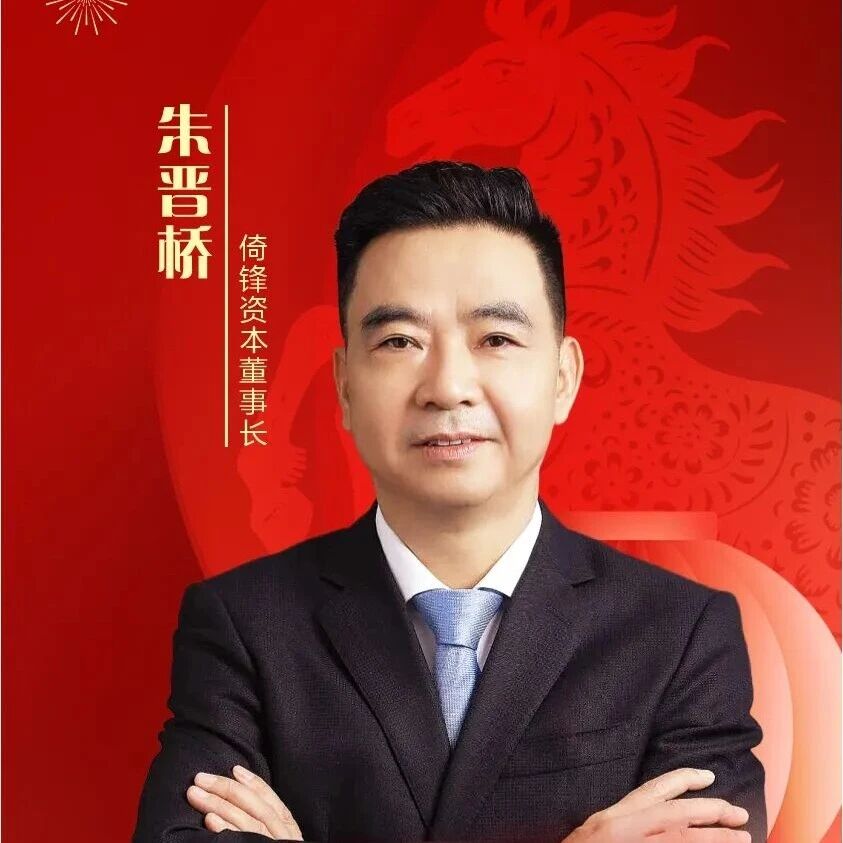
倚锋资本朱晋桥:拥抱医药创新,深耕中国赛道,龙马奋进启新程丨创投贺新春
证券时报· 2026-02-20 05:38
Core Viewpoint - The article emphasizes the transformative potential of the pharmaceutical and healthcare industry, highlighting the integration of AI technology, the global expansion of Chinese pharmaceutical innovations, and the commitment to deepening investment in the sector as key drivers for future growth [3][4][6][7]. Group 1: AI Empowerment in Pharmaceutical Innovation - AI is reshaping the pharmaceutical industry by significantly reducing research and development cycles and costs, addressing traditional challenges of high investment and long timelines [4][5]. - The integration of AI in drug discovery, clinical trial design, and production processes is seen as a new paradigm that enhances the industry's productivity and innovation capabilities [4][5]. Group 2: Global Expansion of Chinese Pharmaceutical Innovations - 2025 is identified as a pivotal year for Chinese pharmaceutical companies, marking a transition from quantity to quality in global markets, with total foreign licensing transactions exceeding $130 billion and over 150 deals [6]. - Chinese companies are increasingly recognized as equal partners in global pharmaceutical competition, with significant collaborations such as the $12 billion partnership between Heng Rui Medicine and GSK [6]. Group 3: Commitment to Investment in the Pharmaceutical Sector - The investment landscape in the pharmaceutical sector is evolving, with a projected financing total of approximately 122.78 billion yuan in 2025, reflecting a 46.41% year-on-year increase [7]. - The focus remains on early-stage, innovative, and high-quality companies, particularly in areas like AI drug development and advanced medical devices, to foster growth and innovation [7][8].

私有化金科服务、投资星巴克中国、收购SKP 博裕资本在下一盘怎样的棋?
Xin Lang Cai Jing· 2026-02-20 04:44
Core Viewpoint - Kins Services, once valued at over 55 billion HKD, has officially delisted from the Hong Kong stock market after five years of listing, marking a significant shift in its operational strategy and ownership structure [1][4]. Group 1: Company Overview - Kins Services was initially part of Kins Holdings and was listed on the Hong Kong Stock Exchange in October 2020, with an initial share price of 44.8 HKD, reaching a market cap of over 280 billion HKD on its first trading day [2][3]. - The company experienced a peak market valuation exceeding 550 billion HKD during its early years, positioning itself alongside other major property management firms [2]. Group 2: Ownership Changes - The ownership of Kins Services transitioned significantly when its parent company, Kins Holdings, faced a liquidity crisis, leading to the sale of a 22% stake to Boyu Capital for 37.34 billion HKD in December 2021 [3]. - Boyu Capital gradually increased its stake, becoming the largest shareholder by acquiring additional shares through a series of strategic moves, including a partial tender offer in November 2022 and a court-ordered auction in March 2025 [3][4]. Group 3: Delisting and Privatization - The delisting was initiated by Boyu Capital as part of a voluntary privatization process, with a tender offer made at 8.69 HKD per share, resulting in a 95.56% acceptance rate from shareholders [4][5]. - Following the privatization, Kins Services' market cap was approximately 52 billion HKD, reflecting a decline of over 90% from its historical peak [4]. Group 4: Financial Performance - Kins Services reported a total revenue of 2.335 billion CNY for the first half of 2025, a slight decrease of 3.1% year-on-year, while maintaining cash and liquid assets of 2.65 billion CNY [5]. - The company has faced cumulative losses of around 3.4 billion CNY over the past three years, leading to a significant reduction in its market valuation and operational capabilities [5]. Group 5: Industry Context - The delisting of Kins Services reflects broader trends in the real estate and property management sectors, where companies are increasingly opting for privatization due to low public market valuations and financial pressures [9]. - Similar cases of privatization and mergers have been observed in the industry, indicating a shift towards a focus on asset consolidation and operational efficiency in a challenging market environment [9].
强化基础研究战略性、前瞻性、体系化布局 不断夯实高水平科技自立自强根基
Ren Min Ri Bao· 2026-02-20 01:24
Group 1 - Strengthening basic research is an urgent requirement for achieving high-level technological self-reliance and building a world-class scientific power [1] - The emphasis on basic research has led to significant achievements, with over half of the top ten scientific advancements in China for 2025 stemming from basic research [1] - The development of quantum computing in China illustrates the importance of foundational issues in advancing technology [2][3] Group 2 - Basic research serves as the theoretical foundation for technological breakthroughs and is a driving force for industrial transformation [4] - The establishment of collaborative frameworks between enterprises and research institutions is crucial for advancing basic research [5][9] - The integration of enterprises into the national basic research system allows for a collaborative innovation mechanism where companies can propose scientific challenges [6][7] Group 3 - The cultivation of young scientific talent is essential for the future of basic research, with significant support being provided to young researchers [10][11] - A high percentage of funded projects are led by researchers aged 45 and below, indicating a focus on nurturing young talent in the scientific community [12] - The National Natural Science Foundation has funded a substantial number of projects, contributing significantly to foundational scientific advancements [12]
强化基础研究战略性、前瞻性、体系化布局——不断夯实高水平科技自立自强根基
Ren Min Ri Bao· 2026-02-19 22:17
Group 1 - Strengthening basic research is an urgent requirement for achieving high-level technological self-reliance and building a world-class scientific power [1] - The emphasis on basic research has led to significant achievements, with over half of the top ten scientific advancements in China for 2025 stemming from basic research [1] - The development of quantum computing in China demonstrates the importance of addressing foundational scientific issues to meet national strategic needs [2][3] Group 2 - Basic research serves as the theoretical foundation for technological breakthroughs and is a driving force for industrial transformation [4] - The establishment of collaborative frameworks between enterprises and research institutions is crucial for advancing basic research [5][9] - The integration of enterprises into the national basic research system allows for a collaborative innovation mechanism where companies can propose scientific challenges to be addressed by research teams [6][7] Group 3 - The cultivation of young scientific talent is essential for the future of basic research, with significant support being provided to young researchers [10][12] - The National Natural Science Foundation has funded numerous projects led by researchers aged 45 and below, indicating a strong focus on nurturing young talent [12] - The foundation has supported a total of 880,000 research projects over 40 years, with funding amounting to 460.8 billion yuan, contributing to a wealth of foundational and original scientific achievements [12]
中国创新药产业加速迈向全球价值链核心
Jing Ji Guan Cha Wang· 2026-02-18 03:24
Core Insights - The Chinese innovative pharmaceutical industry is transitioning from "importing and imitating" to "innovating and exporting," enhancing its global influence and authority in the innovative drug sector [1] - In early 2026, the market for outbound licensing transactions in China's innovative drugs continued its strong growth, with the first quarter's transaction amount exceeding $33.28 billion, setting a historical record [1][2] - By 2025, the total value of China's innovative drug license-out transactions reached $140.27 billion, a significant increase from $2.56 billion in 2017, making China the global leader in this sector [2] Transaction Growth - The growth in China's innovative drug licensing transactions is driven by the dual pressures of a "patent cliff" and "innovation demand" in the global pharmaceutical industry [1] - In 2026, the upfront payment scale in just one month approached half of the total for the entire year of 2025, indicating a rapid increase in transaction volume and quality [2] - The structure of transactions is evolving, with a shift from simple rights transfers to deep binding models based on technology platform sharing and global R&D collaboration [2][3] Strategic Partnerships - Notable collaborations include partnerships between Innovent Biologics and Eli Lilly, as well as between 3SBio and Pfizer, showcasing the trend of comprehensive capability partnerships rather than mere product supply [3] - Leading pharmaceutical companies are adopting a dual strategy of "independent R&D + global licensing," creating a sustainable innovation cycle [3] Financial Performance - Over 70% of innovative pharmaceutical companies reported positive revenue growth in 2025, with cash flow from outbound licensing contributing to a virtuous cycle with capital market financing [4] - The evolving payment system in China, which combines basic medical insurance with commercial insurance, supports a stable cash flow from the domestic market while enhancing long-term corporate value through global collaborations [4] Global Impact - The trend of outbound licensing is reshaping cooperation rules and competitive dynamics in the global pharmaceutical industry, with Chinese companies increasingly playing a proactive and critical role [4][6] - The collaboration between companies like Innovent and Takeda exemplifies a mutually beneficial partnership that leverages global channels and local clinical capabilities [4] Market Sentiment - Despite market fluctuations, analysts generally view high-quality innovative pharmaceutical companies as attractive long-term investments, reflecting a dual recognition of explosive innovative potential and structural growth resilience in the Chinese pharmaceutical industry [5] Industry Dynamics - The surge in outbound licensing is prompting local companies to balance "bringing in" and "going out," with the latter gaining prominence and indicating international market recognition of China's innovative drug quality [6] - There is a need for rational and cautious approaches in the face of rising transaction prices and potential market uncertainties, emphasizing the importance of thorough scientific and commercial due diligence [6]
创新药出海开年跑出“加速度”:产业迈入2.0时代
Jing Ji Guan Cha Wang· 2026-02-18 02:45
Core Insights - The Chinese innovative pharmaceutical industry has entered the 2.0 era, shifting from "import imitation" to "innovation output," with new forms like license-out and new co indicating a transformation in internationalization [1] - In the first quarter of 2026, the total transaction amount for Chinese innovative drug licensing (BD) exceeded $33.28 billion, surpassing the highest quarterly level of 2025, marking a shift from a "follower" to a core driver in the global innovation value chain [1][2] - The explosive growth in BD transactions is attributed to multiple factors, including the global pharmaceutical industry's "patent cliff" and "innovation demand," alongside China's recognized R&D efficiency and clinical capabilities [1] Transaction Growth - In 2025, the total value of China's innovative drug license-out transactions reached $140.27 billion, a significant increase from $2.56 billion in 2017, accounting for 49% of global innovative drug licensing transactions, surpassing the U.S. for the first time [2] - In January 2026, the upfront payment scale approached half of the total for 2025, with total transaction amounts reaching 22% of 2025's total [2] - The quality of transactions is also improving, with frequent occurrences of upfront payments exceeding $100 million and 37 transactions exceeding $1 billion, second only to the U.S. [2] Transaction Structure - The upgrade in transaction structure is a core feature of China's innovative drug internationalization, with traditional "selling seedlings" models being replaced by "technology platform output" and "global R&D collaboration" [2][3] - Notable collaborations include Innovent Biologics and Eli Lilly, where the partnership is based on a new molecule, demonstrating deep trust in China's R&D capabilities [2] Strategic Transformation - Leading pharmaceutical companies are adopting a dual strategy of "independent R&D + global licensing," creating a sustainable innovation ecosystem [3] - Examples include BeiGene's revenue surpassing 36 billion yuan in 2025, showcasing strong commercialization capabilities, and other companies achieving breakeven for the first time [3] Financial Performance - Over 70% of innovative pharmaceutical companies achieved revenue growth in 2025, with cash flow from BD transactions and IPO funding providing substantial resources for the industry [4] - The combination of domestic market cash flow and global licensing is creating a dual-driven model that reduces financial risks and accelerates the conversion of innovative results [4] Industry Ecosystem - The internationalization of innovative drugs is reshaping the global pharmaceutical landscape, with predictions of the emergence of global Chinese pharmaceutical giants [4] - Collaborations like that between Innovent Biologics and Takeda illustrate the strategic partnerships that enhance project advancement efficiency [4] Investment Trends - The innovative drug sector has seen a correction over the past two quarters, but long-term prospects for quality targets remain favorable, suggesting increased allocation [5] - The "dumbbell strategy" proposed by CICC highlights the dual characteristics of "innovation output" and "steady growth" in the Chinese innovative drug industry [5][6] Market Dynamics - An increasing number of Chinese innovative pharmaceutical companies are transitioning from "license-in" to proactive "license-out," achieving record high transaction amounts and gaining recognition in international markets [6] - Horizontal cooperation and integration among domestic pharmaceutical companies are accelerating to optimize resource allocation and address market competition and regulatory challenges [6]
减肥药市场持续火热:两大巨头口服大战在即
Feng Huang Wang· 2026-02-17 00:51
Core Insights - The global weight loss drug market has undergone significant changes in the past five years, with Novo Nordisk's semaglutide gaining approval for weight loss in the U.S. in 2021, marking the entry of GLP-1 weight loss drugs into the pharmaceutical industry [1] - By 2025, Eli Lilly's tirzepatide is projected to achieve $36.5 billion in sales, highlighting the commercial potential of the weight loss sector [1] - The competition has shifted from injectable forms to oral formulations, with Novo Nordisk's oral semaglutide receiving approval in December 2025, becoming the first oral GLP-1 obesity treatment [1][2] Group 1: Market Dynamics - The approval of oral medications signifies a breakthrough beyond the physical limitations of injection pens, enhancing Novo Nordisk's product line defensively [2] - A surge in prescription volume for oral semaglutide has been observed, with approximately 50,000 prescriptions per week by January 23, 2026 [1] - Eli Lilly is also advancing in the oral GLP-1 space with its orforglipron, which has shown positive results in clinical trials and is expected to launch in mid-2026 [2] Group 2: Competitive Landscape - Novo Nordisk's oral semaglutide is a peptide drug, while Eli Lilly's tirzepatide is a small molecule oral drug, showcasing differentiation in their approaches [3] - Small molecule products are expected to have simpler development processes and better cost control, potentially impacting market competition if safety and efficacy are validated [3] - Other pharmaceutical giants, including AstraZeneca and various domestic companies, are also developing oral GLP-1 drugs, indicating a broadening competitive landscape [3][4] Group 3: Clinical Developments - AstraZeneca's oral GLP-1 receptor agonist, elecoglipron, has achieved positive results in key Phase 2 trials and is moving towards Phase 3 development [3] - Domestic companies like HengRui Medicine and others are advancing their oral GLP-1 drug pipelines, with promising clinical trial results [4] - The oral weight loss drug market is expected to grow, but injectable forms will still play a role in the short term, with rising expectations for their effectiveness and safety [4][5] Group 4: Future Outlook - The core patent for semaglutide will expire in 2026 in several markets, paving the way for a wave of generic versions, which may lead to more affordable options for consumers [5] - The penetration of GLP-1 weight loss drugs is anticipated to expand beyond first-tier cities, reaching broader markets [5]


恒瑞医药创新药获批上市 研发管线持续丰富
Xin Lang Cai Jing· 2026-02-16 22:33
Company Project Progress - The company announced that its subsidiary, Suzhou SNDY, received approval from the National Medical Products Administration (NMPA) for its innovative drug, Rilaforpu α injection, on January 8, 2026. This drug is indicated for first-line treatment in patients with PD-L1 positive locally advanced or metastatic gastric and gastroesophageal junction adenocarcinoma in combination with chemotherapy, marking a significant milestone in the company's innovative drug pipeline [1] - The company's innovative drug pipeline continues to expand, with multiple clinical trials at critical stages. As of the 2025 semi-annual report, there are 10 projects in Phase III and 22 projects in Phase II, indicating a need to monitor the application and approval progress of these pipelines in the future [2]
中国创新药出海交易额暴涨10倍破千亿美元!信达生物88.5亿美元合作震撼全球
Jin Rong Jie· 2026-02-16 13:56
Core Insights - The IBI EXPO 2026 Biopharmaceutical Innovation Conference will provide a high-level platform for communication and collaboration in the innovative drug industry [1] - Recent favorable news in the innovative drug sector includes a significant increase in licensing agreements, with Chinese companies signing $137.7 billion in deals in 2025, nearly a tenfold increase from 2021 [1][2] - The trend of Chinese biopharmaceutical companies entering international licensing agreements is accelerating, with major collaborations such as the $8.85 billion deal between Innovent Biologics and Eli Lilly [1][5] Market Focus - The IBI EXPO 2026 conference serves as a catalyst for the innovative drug sector, highlighting the substantial growth in licensing agreements and the transition from research investment to commercial realization [2] - The number of licensing agreements reached 186 in 2025, with a total transaction value of $137.7 billion, marking a record high for the past decade [3][5] - Companies like Innovent Biologics and Rongchang Biopharma are transitioning from loss to profit, indicating a clear improvement in the overall profitability of the industry [2][3] Broker Insights - Open Source Securities notes that the period from 2017 to 2026 is a "golden decade" for Chinese pharmaceutical companies, with licensing agreements skyrocketing from $2.562 billion in 2017 to $137.7 billion in 2025 [3] - The overall revenue growth in innovative drugs is evident, with over 70% of companies reporting positive revenue growth in 2025, showcasing strong commercial capabilities [3] - The innovative drug sector has seen a price correction over the past two quarters, but long-term prospects remain positive, suggesting an increase in sector allocation [3] Related Industries - The innovative drug sector is transitioning from a research investment phase to a commercialization phase, with significant implications for the CXO (Contract Research Organization) industry, which is expected to benefit from increased orders [5] - The new business model of external licensing is expected to enhance the early-stage research pipeline, benefiting companies involved in drug discovery and clinical trials [4][5] - The trend of Chinese innovative drugs "going global" is becoming systematic, with major collaborations indicating a shift towards international development [5] Industry Chain Companies - Heng Rui Medicine is a representative company in the domestic chemical innovative drug sector, with a diverse pipeline and ongoing internationalization efforts [7] - Sanofi Biopharma has received approval for its self-developed monoclonal antibody, further enriching its commercial product pipeline [7] - Companies like Rongchang Biopharma and Ailis are demonstrating strong revenue growth and successful international collaborations, indicating a positive trend in the innovative drug sector [7][8]

