欧莱雅集团

Search documents
复盘618|美妆全网暴涨63%,赛道迎来理性拐点
FBeauty未来迹· 2025-06-23 12:07
Core Viewpoint - The 2025 "618" shopping festival saw significant growth in e-commerce sales, particularly in the beauty and personal care sector, with total sales reaching 855.6 billion yuan, a year-on-year increase of 15.2% [2][3]. E-commerce Sales Performance - The beauty and skincare category achieved total sales of 432 billion yuan, up 65.52% from 261 billion yuan in 2024 [3][19]. - The fragrance and makeup category reached 143 billion yuan, reflecting a 57.14% increase from 91 billion yuan in 2024 [3][19]. - Overall, the combined sales of beauty and skincare and fragrance and makeup categories grew by 63.35% compared to the previous year [3][19]. Duration and Structure of the Festival - The 2025 "618" shopping festival was notably extended, with a duration of approximately 35 to 40 days, marking it as the longest "618" event to date [4][5]. - The extended promotional period contributed to the overall sales growth, as the comparison period was longer than in 2024 [3][4]. Platform Performance - Major e-commerce platforms saw varying sales contributions, with Taobao and Tmall accounting for 48.7%, JD.com 19.3%, and Douyin 18.4% of total sales [6][9]. - JD.com reported a significant increase in user orders, with a year-on-year growth exceeding 100% [26]. Brand Performance - Leading brands during the festival included Proya, Lancôme, and L'Oréal, with domestic brands like Proya and Winona also showing strong performance [17][19]. - High-end beauty brands experienced substantial growth, with Valentino's beauty line seeing over 100% year-on-year growth [17][19]. Consumer Behavior and Market Trends - The shopping experience shifted towards a more rational approach, with consumers favoring straightforward discounts over complex promotional strategies [14][40]. - The trend indicates a move away from reliance on live-streaming sales, with consumers increasingly opting for official brand stores for purchases [39][40]. Conclusion - The 2025 "618" festival represents a transformative moment in e-commerce, emphasizing sustainable growth and quality over short-term sales spikes, indicating a maturation of the beauty market in China [35][41].

宝洁“瘦身”,谁是下一个“弃子”
经济观察报· 2025-06-19 12:50
Core Viewpoint - Procter & Gamble (P&G) is initiating a significant restructuring plan aimed at focusing on core brands and divesting non-core businesses, which includes a global workforce reduction of 7,000 positions over the next two years [2][6][10]. Group 1: Restructuring Plan - The restructuring plan will be implemented over two years starting July 1, 2023, and is the largest adjustment in a decade for P&G [2][6]. - The plan includes exiting specific markets, product categories, and brands, as well as potential divestitures of certain brands [6][10]. - P&G aims to enhance efficiency and reduce costs in response to increasing competition and market uncertainties [4][6]. Group 2: Financial Performance - In the third quarter of fiscal year 2025, P&G reported a sales decline of 2% year-over-year, with total sales of $19.776 billion and net profit remaining stable at approximately $3.77 billion [8]. - The fabric and home care segment contributes the most to P&G's overall sales, accounting for 36%, followed by the baby and family care segment at 24% [2][16]. - P&G's net sales for fiscal year 2024 reached $84 billion, a 2% increase, driven by price increases, although personal care sales experienced a slight decline [16][17]. Group 3: Brand Focus and Market Strategy - P&G has previously divested around 100 brands since 2014, focusing on 70 to 80 core brands that contribute over 95% of its profits [3][4]. - The company is facing challenges in its beauty and personal care segments, with SK-II being a key brand that has seen sales declines in recent years [9][10]. - P&G's strategy includes enhancing its e-commerce capabilities and adapting to the rapidly changing Chinese market, where it has faced criticism for slow responses [21][22]. Group 4: Leadership Changes - Recent leadership changes include the resignation of Colin Walsh, CEO of P&G's professional beauty division, and other significant appointments aimed at addressing challenges in the Asia-Pacific region [13][14]. - The restructuring also involves adjustments in organizational structure, with a focus on empowering local teams and enhancing operational autonomy in key markets [26][27].

深度 | 美妆巨头为何“打包急售”传闻频出?
FBeauty未来迹· 2025-06-19 09:23
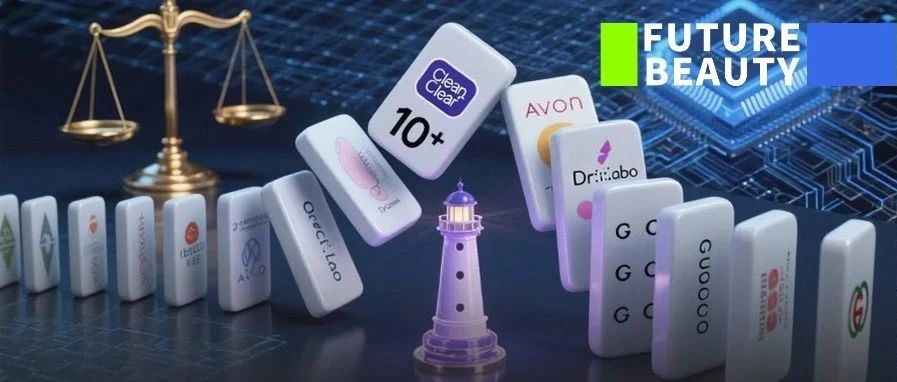
Core Viewpoint - A wave of brand sell-offs is sweeping through the beauty industry, driven by major companies facing performance pressures and a need to restructure their brand portfolios [2][3][6]. Group 1: Brand Sell-Offs - Coty is reportedly exploring the sale of several brands, including Gucci and Burberry, amidst market speculation [2]. - Kenvue, a spinoff from Johnson & Johnson, is also rumored to be considering the sale of its skin health and beauty division, with an estimated transaction value exceeding $500 million (approximately 3.59 billion RMB) [2]. - Natura & Co has been linked to ongoing rumors about selling Avon since last year, highlighting a broader trend of divestitures among beauty giants [2][3]. Group 2: Market Reactions - Despite the sell-off rumors, Coty's stock surged by 13% in a single day, reaching a three-month high, indicating a positive market reaction to the restructuring news [3]. - The performance pressures faced by these companies are evident, with Coty's mass beauty segment reporting a 9% decline in net revenue to $470 million (approximately 3.4 billion RMB) in Q3 of fiscal 2025 [8]. Group 3: Industry Trends - The beauty industry is experiencing a significant contraction, with Kenvue's skin health and beauty division reporting a 7.3% year-over-year sales decline in Q1 2025, the largest drop among its business segments [6]. - The Chinese market is reshaping the competitive landscape, with domestic brands capturing a growing market share, accounting for 55.2% of total sales in 2024, up 2.9 percentage points year-over-year [11][24]. Group 4: Strategic Shifts - Major beauty companies are shifting from aggressive acquisition strategies to a focus on efficiency and value, as evidenced by their divestiture of underperforming brands [19][21]. - The trend reflects a broader industry consensus that emphasizes streamlining brand portfolios and concentrating on core assets to enhance competitiveness [19][26]. Group 5: Future Outlook - The ongoing sell-off trend is expected to continue as companies adapt to the compressed industry cycle and intensifying competition [26]. - The future of the beauty industry will likely revolve around establishing competitive advantages in areas such as cutting-edge biotechnology, unique ingredients, and robust consumer data operations [26].


宝洁“瘦身”,谁是下一个“弃子”
Jing Ji Guan Cha Wang· 2025-06-19 05:09
Core Viewpoint - Procter & Gamble (P&G) is initiating a two-year restructuring plan starting July 1, focusing on core brands and divesting non-core businesses, including a global layoff of 7,000 employees, approximately 15% of non-manufacturing positions [1][3][4] Restructuring Plan - The restructuring plan is P&G's largest adjustment in nearly a decade, aimed at addressing uncertainties in consumer behavior, increased competition, geopolitical unpredictability, and rapid technological changes [1][3] - Specific actions include exiting certain markets, divesting specific product categories and brands, and enhancing operational efficiency through digitalization and automation [3][4] - The plan will be detailed in the fiscal year 2025 meeting scheduled for July 2025 [1] Financial Performance - P&G's sales for the third quarter of fiscal year 2025 were $19.776 billion, a 2% year-over-year decline, with net profit remaining stable at approximately $3.77 billion [3][4] - The fabric and home care segment contributes the most to overall sales at 36%, followed by the baby and family care segment at 24% [1][7] Brand Focus - SK-II, a key brand in P&G's beauty segment, has seen sales declines in recent fiscal years, but recent price increases have led to a return to growth in the second and third quarters of fiscal year 2025 [4][5] - The beauty segment has faced challenges, with skincare sales declining over 20% in the first quarter of fiscal year 2025 [4][5] Market Positioning - P&G's restructuring is seen as a response to the need for efficiency and focus on core brands amid unpredictable external conditions [2][3] - The company is also facing competition from private label products and must adapt to the evolving digital landscape in China, where e-commerce sales grew by 9% in fiscal year 2024 [10][12] Leadership Changes - Recent leadership changes include the resignation of Colin Walsh, CEO of P&G's professional beauty division, and the appointment of new executives to address challenges in the Asia-Pacific region [6][7] - The restructuring may lead to further adjustments in the organizational structure, although specific details have not been disclosed [7] E-commerce Strategy - P&G is enhancing its e-commerce capabilities, particularly in China, where it aims to leverage local market dynamics and improve its digital presence [10][13] - The company is investing in platforms like Douyin to adapt its marketing strategies to the changing e-commerce landscape [13]
全球十强美妆公司要卖了?
3 6 Ke· 2025-06-18 01:01
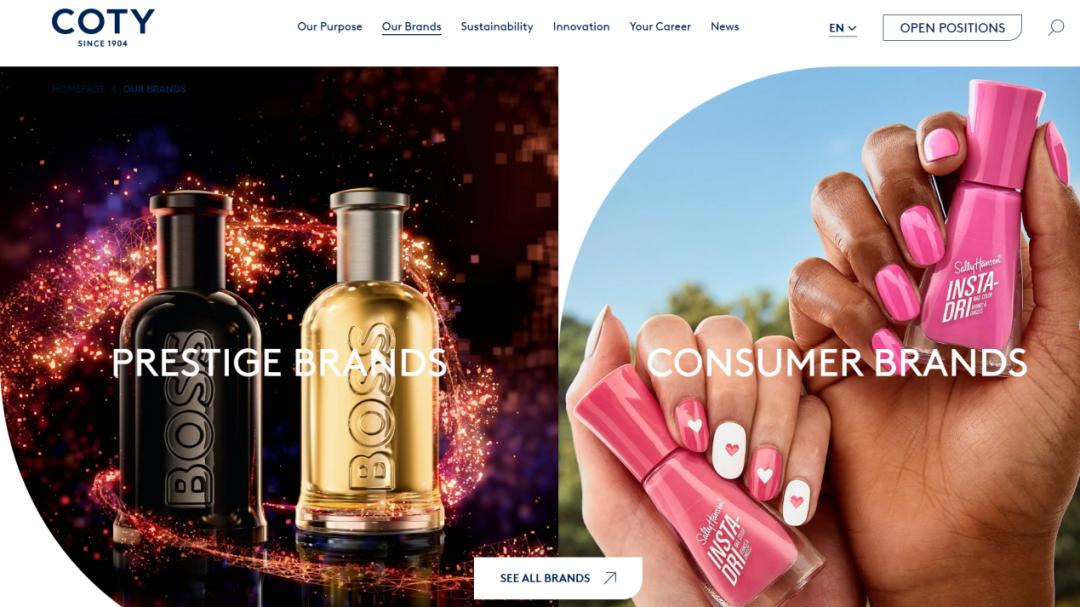
Core Viewpoint - Coty is exploring the possibility of splitting and selling its high-end and mass beauty divisions, which could lead to a merger and acquisition scale of hundreds of billions to trillions of yuan, potentially reshaping the global beauty industry [1][4]. Company Overview - Founded in 1904 in Paris, Coty has developed a strong brand portfolio, including luxury brands like GUCCI and Burberry, and has grown to be one of the top ten beauty companies globally [2][4]. - Coty operates over 50 fragrance and beauty brands, divided into high-end and mass segments, with high-end beauty generating 277 billion yuan and mass beauty generating 162 billion yuan in revenue for the fiscal year 2024 [1][4]. Financial Performance - Coty's revenue for fiscal year 2024 was 439 billion yuan, reflecting a 10% increase from the previous year, but the company has faced significant fluctuations in performance [9]. - The company reported a net revenue decline of 2% to 333.3 billion yuan for the first three quarters of fiscal year 2025, with a net loss of 22.2 billion yuan [9][10]. Market Dynamics - The global beauty industry is undergoing significant challenges, including market growth slowdown and increased competition from emerging DTC brands, particularly affecting mass beauty brands [4][12]. - Coty is facing difficulties in finding suitable buyers for its mass beauty division, especially in Asia, due to economic slowdowns and trade tensions with the U.S. [5][4]. Strategic Moves - Coty is in discussions with Interparfums regarding the sale of its high-end beauty business, particularly brands like Burberry and Hugo Boss, which have shown strong growth [4][10]. - The company has initiated a transformation plan aimed at streamlining operations and focusing on key business innovations, with an expected savings of nearly 36 billion yuan between fiscal years 2025 and 2027 [12]. Industry Trends - The beauty industry is witnessing a shift towards high-end and luxury products, with major players like Shiseido and Unilever restructuring to enhance operational efficiency [12][14]. - Coty’s historical capital-driven development and frequent ownership changes have influenced its current strategy to seek a sale [11][12].
ECM火遍全球,给美妆“抗老”带来什么?
Xin Lang Cai Jing· 2025-06-17 05:50
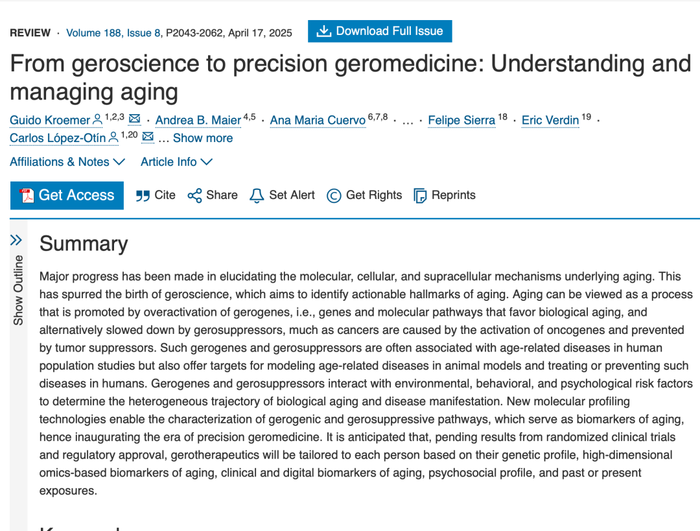
Core Viewpoint - ECM (Extra Cellular Matrix) has been identified as a significant marker of aging, leading to increased focus and competition among beauty brands in anti-aging research and product development [1][3][10]. Group 1: Industry Trends - The recognition of ECM as an aging marker has prompted major beauty companies to rapidly advance their research and product offerings related to ECM [6][9]. - Companies like Huaxi and Marubi are expanding their research to include all major ECM proteins, indicating a shift towards a more comprehensive understanding of skin aging [6][9]. - The launch of innovative products, such as Huaxi's "润百颜·玻玻" and Shiseido's MicroClick Concentrate, highlights the industry's commitment to integrating ECM research into practical applications [6][9][10]. Group 2: Key Research Findings - ECM plays a crucial role in maintaining mitochondrial homeostasis, cellular aging, and stem cell depletion, making it a pivotal focus in anti-aging research [3][10]. - The dynamic network of ECM, composed of hyaluronic acid, collagen, and elastin, is essential for skin elasticity and vitality, with its degradation being a primary mechanism of skin aging [10][14][19]. - Research indicates that a healthy ECM can rejuvenate aging skin, restoring its appearance and function [17][19]. Group 3: Competitive Landscape - Major beauty brands are leveraging their existing research on key ingredients like hyaluronic acid and collagen to enhance their ECM-focused anti-aging strategies [24][26]. - The integration of ECM research is seen as a way to unify various scientific advancements within the beauty industry, creating a more holistic approach to skin aging [24][25]. - The collaboration between medical aesthetics and beauty sectors is expected to accelerate the development of innovative anti-aging solutions based on ECM [26][27]. Group 4: Future Opportunities - The potential applications of ECM research extend beyond facial care, with implications for hair follicle regeneration and other areas of dermatology [22][27]. - The beauty industry is positioned to explore new avenues in regenerative medicine and tissue engineering, utilizing ECM's properties to enhance skincare products [27][28]. - ECM is viewed as a "new gold mine" for the beauty industry, offering significant opportunities for innovation and market growth [27][28].


深度 | ECM火遍全球,给美妆“抗老”带来什么?
FBeauty未来迹· 2025-06-16 12:26
Core Viewpoint - The article highlights the emerging significance of Extracellular Matrix (ECM) in the anti-aging beauty industry, marking it as a new frontier for research and product development in skincare [2][4][5]. Group 1: ECM's Role in Aging - ECM has been identified as the thirteenth hallmark of aging, influencing mitochondrial homeostasis, cellular senescence, and stem cell exhaustion [2][4]. - Changes in ECM can be both a cause and a result of aging, suggesting its dual role in regulating the aging process [4][5]. - The recognition of ECM as a marker of aging has sparked a competitive race among beauty brands to explore its potential in anti-aging products [7][14]. Group 2: Industry Response and Innovations - Major beauty companies are rapidly advancing their research on ECM, with notable developments such as Huaxi's approval of a hyaluronic acid product aimed at improving skin quality [9]. - Marubi Biotech has expanded its research to include all major ECM proteins, indicating a broader focus on ECM-related skincare solutions [11]. - Various companies, including L'Oréal and Shiseido, are developing products that target ECM degradation and enhance skin elasticity through innovative ingredients [12][14]. Group 3: Mechanisms and Applications - ECM serves as a mechanical scaffold for skin cells, providing essential support and nutrition, which is crucial for maintaining skin elasticity and vitality [21][24]. - It acts as a signaling hub, dynamically regulating cellular behaviors such as proliferation and differentiation, which are vital for skin health [23][24]. - The degradation of ECM components, such as collagen and hyaluronic acid, is a primary mechanism of facial skin aging, leading to wrinkles and loss of elasticity [24][25]. Group 4: Future Directions and Market Potential - The integration of ECM research into anti-aging strategies represents a shift towards a more holistic understanding of skin aging, moving beyond single-ingredient solutions [33][34]. - The collaboration between hyaluronic acid and collagen in ECM functions is expected to unlock new anti-aging potentials, enhancing the efficacy of skincare products [33][34]. - The article suggests that ECM research holds vast potential for innovation in the beauty industry, with opportunities for new product development and market expansion [32][37].
泡泡玛特珠宝店首店开张;永辉“胖东来模式”调改完成100店;星巴克中国降价 | 品牌周报
3 6 Ke· 2025-06-15 09:14
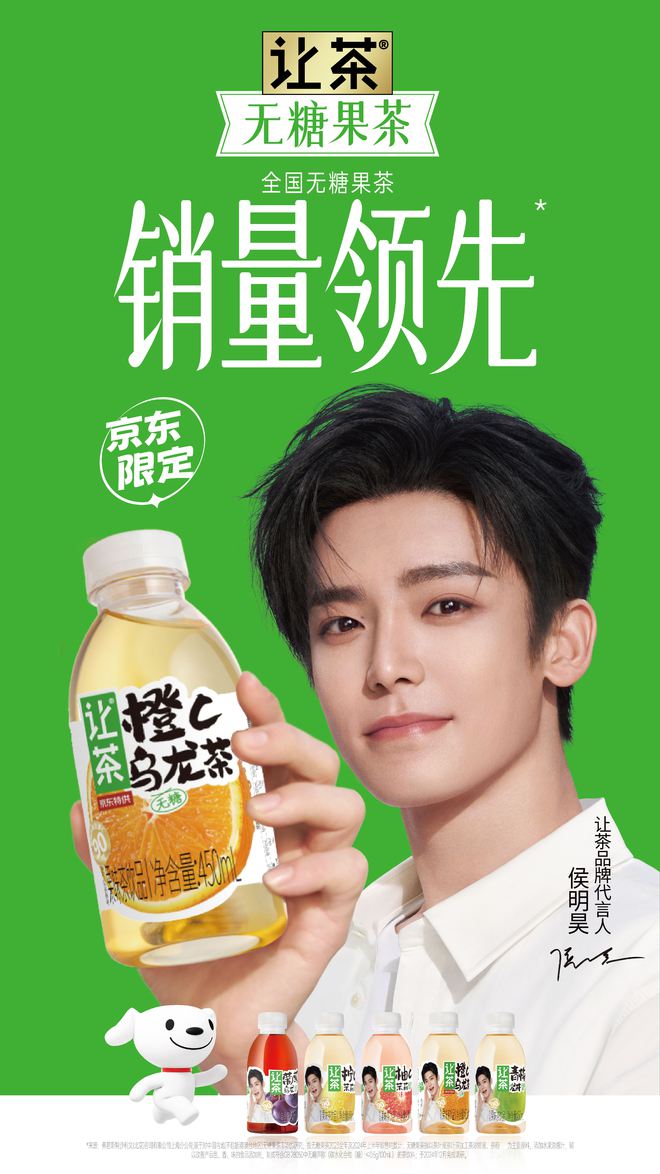
Group 1: Pop Mart's Expansion - Pop Mart's independent jewelry brand popop opened its first global store in Shanghai, featuring popular IP jewelry priced between 319-2699 yuan [1] - The brand aims to capture a share of the global $50 billion fashion jewelry market, leveraging its existing 70-75% female user base and IP brand strength [1] - Pop Mart's market capitalization reached over 360 billion HKD as of June 13, with a target of achieving 20 billion yuan in total revenue by 2025, including 10 billion yuan from overseas markets [1] Group 2: Inditex's Underperformance - Inditex reported Q1 2025 revenue of 8.27 billion euros, below analyst expectations of 8.36 billion euros, with a net income increase of only 0.8% to 1.3 billion euros [2] - Summer sales growth has slowed, with a 6% increase from May 1 to June 9, compared to a 12% increase in the same period last year [2] - Inditex operates 5,562 stores globally and focuses on unique fashion propositions, customer experience, sustainability, and talent development [2] Group 3: H&M's Sales Decline - H&M experienced a sales increase of only 1% in March, down from 4% in the same month last year, with a 2% revenue growth from December 2024 to February 2025, below analyst expectations [3] Group 4: Yonghui Supermarket's Model Adjustment - Yonghui Supermarket completed the adjustment of the "Fat Donglai" model in 100 stores, focusing on upgrading "people, goods, and space" [4] - The company aims to enhance employee skills, transition from "cost performance" to "quality-price ratio," and upgrade retail spaces to quality life centers [4] Group 5: L'Oréal's Acquisition of Medik8 - L'Oréal announced the acquisition of a majority stake in UK skincare brand Medik8, pending regulatory approval, to strengthen its luxury product portfolio [5][6] - Medik8 is known for its effective skincare products and has established a strong brand image in clinical and scientific skincare [6] Group 6: Starbucks' Stake Sale Consideration - Starbucks is considering selling a portion of its Chinese business to attract external investors and restore growth in the region [7] - The CEO noted significant interest from potential investors, with plans to increase store numbers from 8,000 to 20,000 [7] Group 7: New Product Launches - "Let Tea" and JD.com launched a new product, "Orange C Oolong Tea," featuring a no-sugar formula with added vitamin C [8] - Lululemon introduced the second season of its SLNSH designer collaboration series, focusing on breathable and functional materials for summer [9] - Nongfu Spring launched a carbonated tea drink called "Ice Tea," emphasizing natural ingredients and health trends [10] Group 8: Dr. Martens' Revenue Decline - Dr. Martens reported a 10% decline in net revenue to 790 million pounds for FY2025, with net profit dropping significantly to 4.5 million pounds [14] - Direct sales revenue fell by 4.2%, while wholesale revenue decreased by 19.5%, with EMEA and Americas regions seeing declines of 11% and 11.4%, respectively [14] Group 9: Other Company Developments - Salia plans to establish its China headquarters in Guangdong to accelerate its business expansion [15] - Baifei Dairy's IPO application has been accepted, marking the first food consumption project in the Shanghai Stock Exchange for 2024 [16] - Fat Donglai estimates a net profit of 1.5 billion yuan for 2025, with an average monthly income of 9,000 yuan for employees [17] - Haidilao has introduced a self-service lunch priced at 22 yuan in some locations, reflecting a strategy to find new growth points [18] - Nissin Foods is shifting sales focus to inland markets in China, particularly in industrial towns [19] - General Mills is reportedly considering selling its Haagen-Dazs stores in China for several hundred million dollars [20] - Starbucks China announced a price reduction of 5 yuan on various iced and tea drinks to compete in the growing non-coffee market [21]




泡泡玛特珠宝店首店开张;永辉“胖东来模式”调改完成100店;星巴克中国降价 | 品牌周报
36氪未来消费· 2025-06-15 07:58
Group 1 - Pop Mart's independent jewelry brand popop opened its first store in Shanghai, targeting the $50 billion fashion jewelry market with a focus on female consumers [2] - Pop Mart aims to achieve a revenue target of 20 billion yuan by 2025, with overseas markets expected to contribute 10 billion yuan [2] - Inditex's Q1 revenue was €8.27 billion, below analyst expectations, with summer sales growth slowing to 6% compared to 12% last year [3][4] - Inditex operates 5,562 stores globally, and its performance reflects broader challenges in the global retail sector [4] Group 2 - Yonghui Supermarket completed the transformation of 100 stores to the "Pang Dong Lai" model, focusing on enhancing employee skills, product quality, and store experience [5][6] - Yonghui plans to expand the number of transformed stores to 150 by the end of July and aims for 300 by the Lunar New Year in 2026 [6] - L'Oréal announced the acquisition of a majority stake in the UK skincare brand Medik8, enhancing its luxury product portfolio [6][7] - Starbucks is considering selling part of its Chinese business to attract external investors, with plans to increase store numbers from 8,000 to 20,000 [8] Group 3 - Guozi Shule launched a collaboration with "Wu Lin Wai Zhuan," achieving a sales increase from 200 million to 400 million bottles in the past year [9][10] - Dr. Martens reported a 10% decline in revenue to £790 million, with net profit dropping significantly [21] - Salia plans to establish a headquarters in Guangdong to manage its operations in China, where it has around 500 stores [22][23] - Bai Fei Dairy's IPO application has been accepted, marking the first food consumption project in the Shanghai Stock Exchange this year [24]
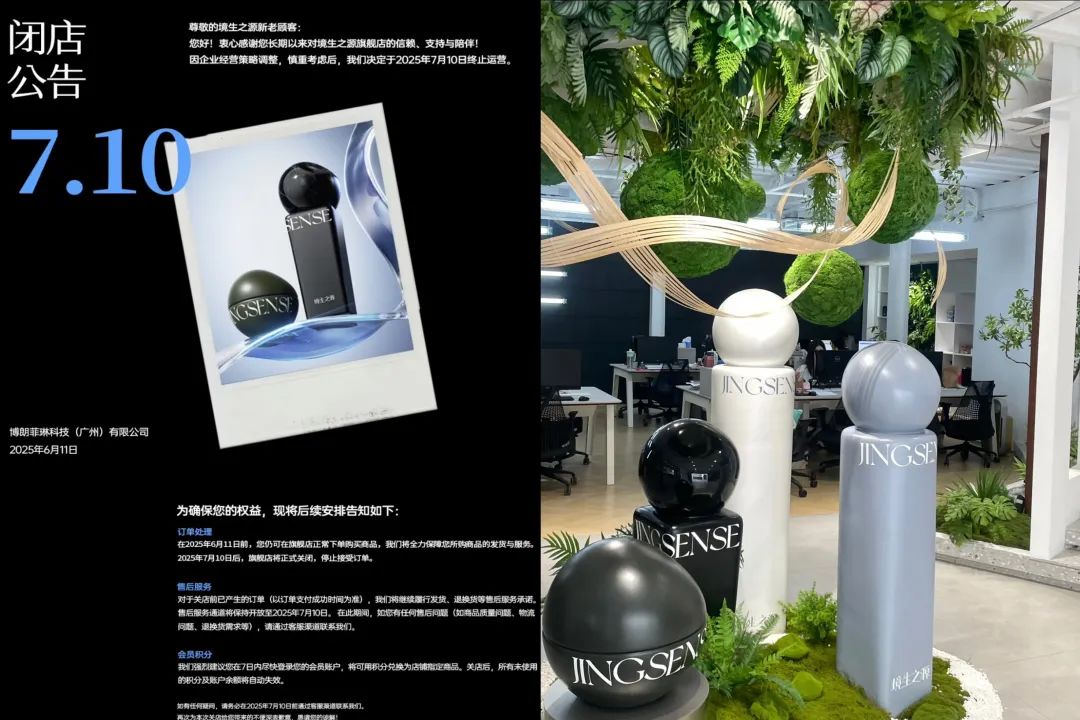
新锐国货倒在了618大促
3 6 Ke· 2025-06-12 01:44
Core Viewpoint - The beauty industry is facing significant challenges, as evidenced by the closure of the brand "Jing Sheng Zhi Yuan," which was established in 2021 and will cease operations due to rising operational costs and strategic adjustments [1][2][5]. Company Overview - "Jing Sheng Zhi Yuan" was founded in July 2021, positioning itself as a pharmacist-created brand focused on targeted anti-aging solutions [5][11]. - The brand's official announcement indicated that it would stop operations on July 10, 2025, with all sales channels closing on June 11, 2025 [2][5]. - The brand's product offerings included five main items, with sales figures indicating a relatively small market presence [19]. Industry Context - The beauty industry is experiencing a downturn, with reports of declining import values for beauty products reaching a five-year low [1]. - The competitive landscape has intensified, leading to a high rate of closures among new domestic brands, with "Jing Sheng Zhi Yuan" being one of five brands that announced shutdowns in 2024 [32][34]. - The market has shifted from growth to consolidation, making it difficult for smaller brands to survive against larger competitors [32][34]. Financial and Operational Challenges - The brand cited increasing promotional costs and operational pressures as key reasons for its closure [2][22]. - The overall survival rate for new domestic beauty brands is estimated to be only 2-3 years, highlighting the difficulties faced by emerging companies in the current market [35][37]. Market Positioning and Strategy - "Jing Sheng Zhi Yuan" attempted to leverage its pharmacist background to differentiate itself in a crowded market, but ultimately struggled to gain significant traction [23][37]. - The brand's marketing efforts, including collaborations with celebrities, did not yield the expected results, indicating challenges in achieving brand visibility and consumer engagement [22][31]. Conclusion - The closure of "Jing Sheng Zhi Yuan" reflects broader trends in the beauty industry, where rising costs, intense competition, and shifting market dynamics pose significant challenges for new entrants [1][32][37].