Rapidus

Search documents
日本晶圆厂,为啥不如预期
半导体行业观察· 2025-05-25 02:52
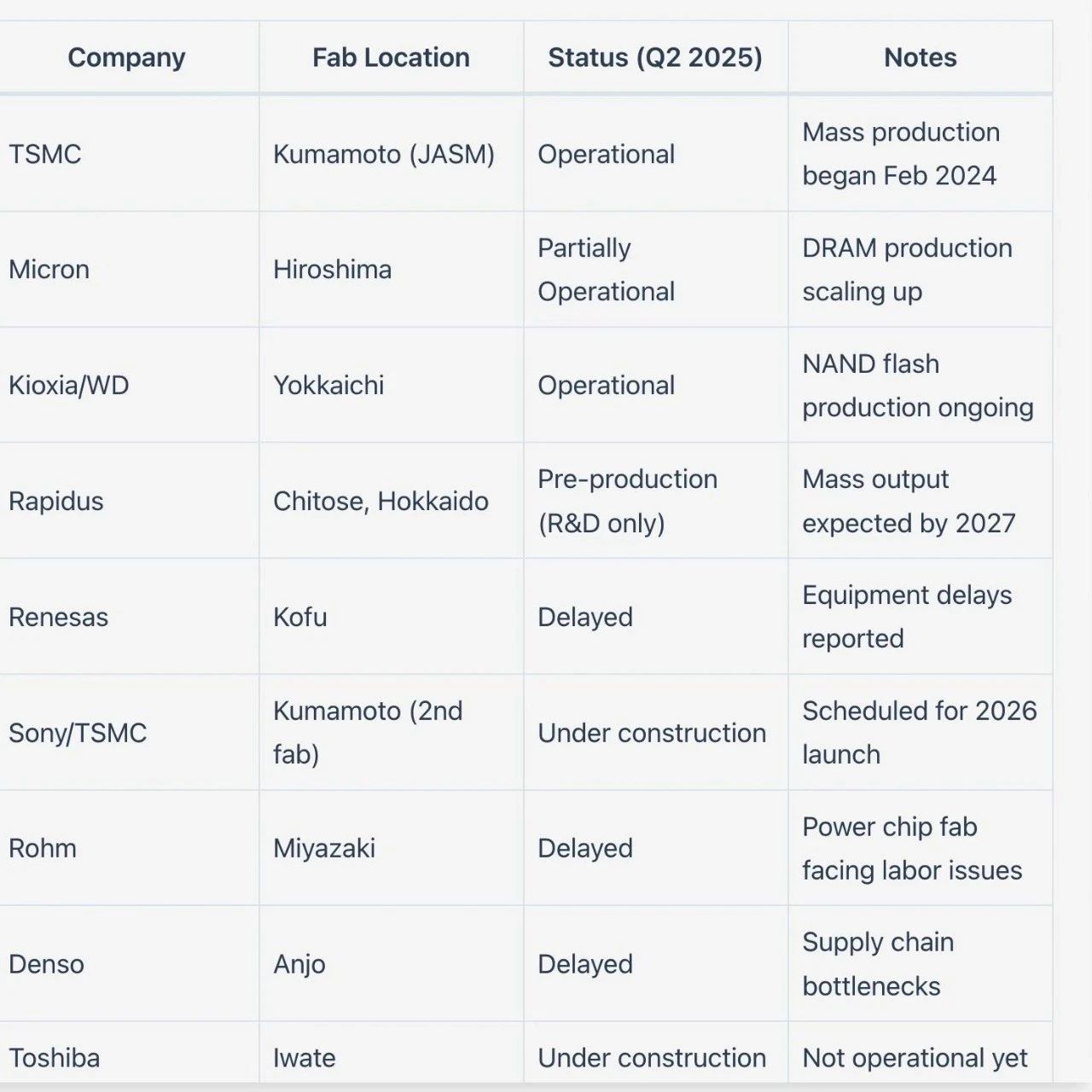
如果您希望可以时常见面,欢迎标星收藏哦~ 来源:内容来自 techovedas 。 日本承诺芯片产业的复兴——从纸面上看,这似乎势不可挡。台积电、美光和Rapidus等巨头纷纷 推出大胆计划。数十亿美元的政府补贴也源源不断地涌入。日本各地的新芯片厂开始拔地而起。但 问题在于:其中一半的工厂仍未实现量产。 在这些头条新闻的背后,有些事情似乎不太对劲。工程延误、设备短缺以及技术工人的匮乏,正在 悄悄地阻碍着日本的高科技雄心。对于一个正努力在全球芯片领域重夺地位的国家来说,经济放缓 来得可不是时候。那么,日本半导体复兴停滞不前背后究竟发生了什么?让我们深入挖掘。 五点概述 截至2025年5月,日本15座新建芯片厂中只有7座投入量产。 对传统和非人工智能芯片的需求延迟导致运营停滞。 人工智能芯片的热潮正在超越传统芯片领域,打破以往的预测。 受影响的公司包括瑞萨电子、罗姆和铠侠。 由于晶圆厂闲置,日本 130 亿美元的补贴计划受到严格审查。 日本斥资650亿美元进军半导体领域 日本政府已承诺投入超过10 万亿日元(约合 650 亿美元)重建其芯片产业。 此举旨在减少对外国半导体的依赖,尤其是来自中国大陆和台湾的半导体。 ...


Exclusive look at the making of High NA, ASML's new $400 million chipmaking colossus
CNBC· 2025-05-22 12:11
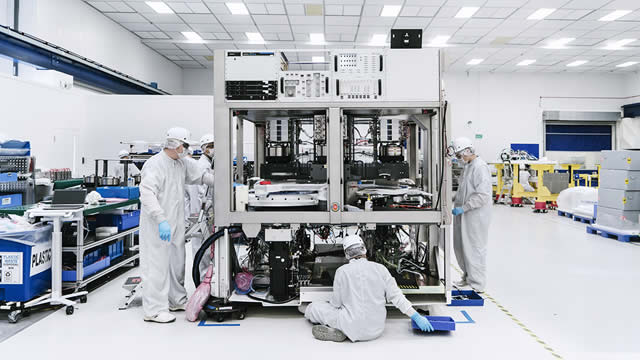
Core Insights - ASML has developed the High NA machine, the world's most advanced and expensive chipmaking machine, with a cost exceeding $400 million, which is set to transform microchip production [1][4][12] - The first commercial installation of High NA occurred at Intel's Oregon chip fabrication plant in 2024, with only five machines shipped to date [3][4] - High NA is expected to be utilized by all ASML's EUV customers, including major chipmakers like TSMC, Samsung, and Micron, enhancing chip production efficiency and yield [4][21] Technology and Development - High NA machines are larger than a double-decker bus and consist of four modules manufactured in different locations, requiring significant logistics for delivery [2] - The technology behind High NA allows for higher resolution projections of chip designs, reducing the need for multiple patterning and improving yield [7][13] - ASML's High NA machines have shown significant improvements over previous EUV machines, with Intel reporting a 100% increase in reliability and Samsung noting a 60% reduction in cycle time [6][7] Market Position and Strategy - ASML holds a dominant position in the EUV lithography market, being the exclusive manufacturer of these machines, which are essential for producing advanced microchips [4][5] - The company sold 44 EUV machines in 2024, with a starting price of $220 million, while its older DUV machines accounted for 60% of its business [16][17] - ASML's sales to China peaked at 49% of its business in Q2 2024, but are expected to normalize to 20%-25% in 2025 due to U.S. export controls on EUV technology [17][18] Future Outlook - ASML plans to ship at least five more High NA systems in the current year and aims to ramp up production capacity to 20 machines in the coming years [24] - The company is also developing the next generation of machines, Hyper NA, expected to be needed between 2032 and 2035, with draft optical designs already in progress [23][24] - ASML is establishing a training center in Arizona to train 1,200 individuals annually on EUV and DUV technologies, addressing the growing demand for skilled labor in the semiconductor industry [23]

半导体国际分工体系迎来拐点
3 6 Ke· 2025-05-16 06:54
Core Viewpoint - The semiconductor industry is experiencing a shift towards localized production due to geopolitical risks and supply chain diversification, with the U.S. initiating investigations into tariffs on semiconductors and pharmaceuticals to assess national security risks [2][3][7]. Group 1: Supply Chain and Geopolitical Risks - The semiconductor supply chain is complex and cannot be independently managed by any single country, leading to increased unpredictability in the industry [2][3]. - The U.S. Department of Commerce has begun investigations into the semiconductor supply chain, focusing on potential national security risks associated with imports [2][3]. - The investigation will evaluate reliance on specific countries and may recommend corrective measures, including tariffs or import quotas, within 270 days [2][3]. Group 2: Market Dynamics and Production - The semiconductor industry is facing a turning point, with countries pushing for localized production to ensure economic security, which may lead to potential oversupply risks [3][7]. - The U.S. is projected to have semiconductor sales of $60.7 billion in 2024, accounting for 35% of the global market, while its production capacity is only about 10% of the global total [5][6]. - Global plans for new semiconductor factories are set to increase by over 30% from 2021-2023 to 2025-2027, driven by geopolitical tensions and local support for the industry [7]. Group 3: Company Strategies and Investments - Companies like TSMC and Samsung are significantly impacted by tariffs and are investing in U.S. operations, although assembly processes remain in Asia [5][6]. - NVIDIA has announced plans for domestic production of its AI semiconductor "Blackwell" and AI servers in the U.S., with a potential production scale of up to $500 billion over the next four years [5][6]. - The cost of producing advanced semiconductors in the U.S. is approximately 10% higher than in Taiwan, raising concerns about the competitiveness of U.S. manufacturing if tariffs are imposed on essential manufacturing equipment [6]. Group 4: Market Challenges - The global economic slowdown is negatively affecting sales of personal computers, smartphones, and electric vehicles, which could lead to an oversupply in the semiconductor market if production increases without corresponding demand [8].

半导体国际分工体系迎来拐点
日经中文网· 2025-05-16 03:06
Core Viewpoint - The semiconductor industry is experiencing a shift towards localized production due to geopolitical risks and supply chain diversification, leading to potential market disruptions and overcapacity risks [1][2][5]. Group 1: Supply Chain and Geopolitical Risks - The semiconductor supply chain is complex and cannot be independently managed by any single country, prompting nations like the U.S. to push for domestic production [1][2]. - The U.S. Department of Commerce has initiated an investigation into the semiconductor supply chain, focusing on national security concerns related to imports [1]. - The investigation will assess reliance on specific countries and may recommend corrective measures, including tariffs or import quotas [1]. Group 2: Market Dynamics and Production Costs - The semiconductor industry is at a turning point, with potential chaos arising from changes in international division of labor [2]. - The U.S. accounts for 35% of global semiconductor sales, but only about 10% of global production capacity [3]. - The cost of producing advanced semiconductors in the U.S. is approximately 10% higher than in Taiwan, raising concerns about competitiveness [4]. Group 3: Investment and Production Initiatives - Companies like NVIDIA are moving towards localized production in the U.S., with plans to produce AI semiconductors and servers domestically [3][4]. - The global semiconductor industry plans to build 108 new factories between 2025 and 2027, a 30% increase from previous years, driven by geopolitical tensions and local support for industries [4]. Group 4: Market Outlook and Demand Concerns - The slowdown in global economic growth is negatively impacting sales of personal computers, smartphones, and electric vehicles, which could lead to an oversupply in the semiconductor market [5]. - If tariffs lead to further economic deceleration, demand for semiconductors may decline, exacerbating the risk of oversupply [5].
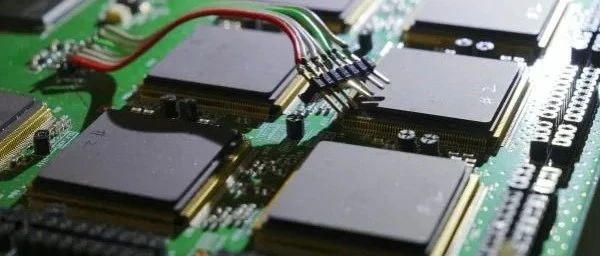
Rapidus社长:2纳米生产速度能达到台积电3倍
日经中文网· 2025-05-09 08:07
Core Viewpoint - Rapidus aims to mass-produce cutting-edge 2nm semiconductors, although it will be two years behind TSMC, but it claims to enhance the speed of wafer processing to 2-3 times that of TSMC [1][2]. Group 1: Production Plans and Partnerships - Rapidus is currently negotiating with 40-50 companies as potential clients for its foundry services, including major US tech firms and AI chip startups [1]. - The company has signed cooperation memorandums with two US AI chip design startups, including Tenstorrent, to secure large clients and demonstrate production capabilities [2]. - The company plans to start full operations at its factory in Chitose, Hokkaido, by mid-July, with initial trial production already underway [1]. Group 2: Technology and Competitive Landscape - Rapidus has acquired advanced 2nm manufacturing technology from IBM and aims to achieve mass production by 2027, despite Japan's current capability being limited to 40nm [2]. - The company believes that by shortening the production cycle, it can differentiate itself from competitors like TSMC, which aims for 2025 mass production of 2nm chips [2]. - Rapidus is also optimistic about developing the next generation of semiconductors at 1.4nm, emphasizing the need to focus on next-generation technology within 2.5 to 3 years after 2nm production begins [3].

Rapidus,加入2nm之战
半导体芯闻· 2025-05-08 10:35
然而,Rapidus的处境与如今业界最大的芯片制造商台湾半导体制造股份有限公司 ( TSMC ) 在 20 世纪 90 年代成立时的情况并无二致。早稻田大学商业与金融研究生院的Atsushi Osanai教授指 出,当时与日本一样,台湾政府支持这家初创企业,而私营企业"最初并不热衷"。"同样,日本私 营企业对 Rapidus 也采取了观望态度。关键因素在于政府是否会为 Rapidus 提供足够的支持,以 激励私营部门。" 如果您希望可以时常见面,欢迎标星收藏哦~ 来源:内容来自 IEEE spectrum ,谢谢 。 世界上只有三家公司能够以令人难以置信的精度大规模生产最先进的计算机芯片。上个月,日本的 一家初创公司迈出了成为第四家公司的第一步。4月 1 日, Rapidus达到了一个关键的里程碑,它 使用与IBM 合作开发的配方(基于后者的纳米片晶体管结构)启动并测试了其 2 纳米节点芯片试 验线。Rapidus告诉IEEE Spectrum,其位于千岁的新晶圆厂安装的 200 多台尖端设备现已准备就 绪,可以投入运行,其中包括关键设备——价值3 亿多美元的最先进的极紫外( EUV )光刻系统。 "我们于2 ...
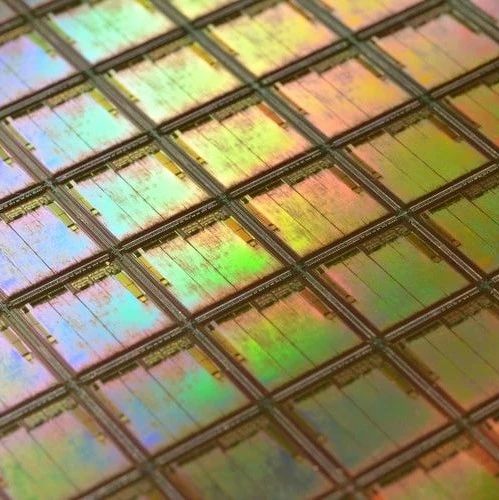
日本芯片,孤注一掷
半导体行业观察· 2025-05-08 01:49
如果您希望可以时常见面,欢迎标星收藏哦~ 然而,Rapidus 的处境与如今业界最大的芯片制造商台湾 半导体制造股份有限公司 ( TSMC ) 在 20 世纪 90 年代成立时的情况并无二致。早稻田大学商业与金融研究生院的Atsushi Osanai教授指 出,当时与日本一样,台湾政府支持这家初创企业,而私营企业"最初并不热衷" 。"同样,日本私 营企业对 Rapidus 也采取了观望态度。关键因素在于政府是否会为 Rapidus 提供足够的支持,以 激励私营部门。" Rapidus 的起步速度很快,但其 2027 年的 2 纳米出货日期可能比业内三大尖端硅片生产商台积 电、英特尔和三星落后两年,据报道,这三家公司可能会在今年下半年开始大规模生产 2 纳米芯 片。 为了迎头赶上并参与竞争,Rapidus 采取了与三大制造商青睐的大规模晶圆生产模式不同的策略。 以台积电为例,他们的商业模式专注于处理大批量晶圆,用于生产 GPU和 CPU 等大量设备,并 保持高良率,同时依赖于只能逐步改进的僵化加工方法。相比之下,Rapidus 将使用单晶圆工艺来 生产针对特定应用的专用芯片、针对利基市场的定制芯片,以及后期的大 ...
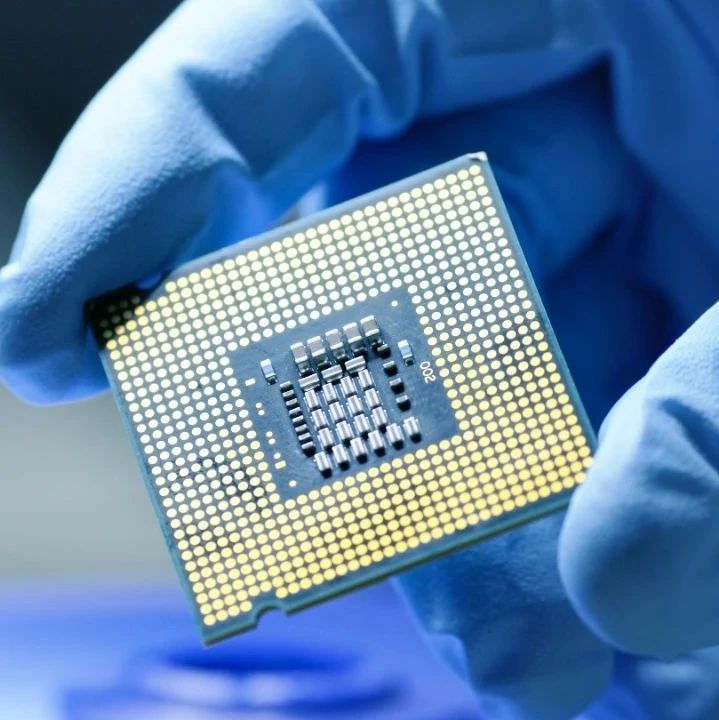
IBM,全力支持2nm
半导体芯闻· 2025-04-22 10:39
如果您希望可以时常见面,欢迎标星收藏哦~ 来源:内容 来自 digitimes ,谢谢。 IBM-Rapidus 联盟的目标是 2027 年实现 2nm 量产 IBM 与 Rapidus 的合作是一项长期战略举措,旨在实现 2nm 芯片生产。自 2023 年以来,IBM 一直在帮助这家日本初创公司开发所需的生态系统,以便在 2027 年开始实现商业规模生产。 IBM 高级副总裁兼研究总监 Dario Gil 向DIGITIMES表示,Rapidus 有望在 2027 年达到包括晶 体管密度在内的全球基准。他强调,IBM 致力于帮助 Rapidus 在那一年建立技术和商业竞争力。 IBM 还 支 持 人 才 发 展 , 与 Rapidus 合 作 , 为 先 进 芯 片 制 造 打 造 一 支 技 术 精 湛 的 员 工 队 伍 。 Rapidus 位于北海道千岁的试点工厂于 2025 年 4 月 1 日开始运营,目前正在进行设备安装和系 统测试。 据阿斯达克报道,日本经济产业省(METI)已承诺为Rapidus项目提供高达8025亿日元(约合 57.1亿美元)的新补贴。这使得政府拨款总额达到1.7225万亿日 ...

IBM,全力支持2nm
半导体芯闻· 2025-04-22 10:39
如果您希望可以时常见面,欢迎标星收藏哦~ 克里希纳在接受《日经亚洲》采访时警告称,不应依赖单一国家或供应商,尤其是在地缘政治紧张 局势不断升级的背景下。他认为,在市场仍然高度集中于少数几家制造商的背景下,Rapidus 是一 个至关重要的替代方案。 IBM-Rapidus 联盟的目标是 2027 年实现 2nm 量产 IBM 与 Rapidus 的合作是一项长期战略举措,旨在实现 2nm 芯片生产。自 2023 年以来,IBM 一直在帮助这家日本初创公司开发所需的生态系统,以便在 2027 年开始实现商业规模生产。 IBM 高级副总裁兼研究总监 Dario Gil 向DIGITIMES表示,Rapidus 有望在 2027 年达到包括晶 体管密度在内的全球基准。他强调,IBM 致力于帮助 Rapidus 在那一年建立技术和商业竞争力。 IBM 还 支 持 人 才 发 展 , 与 Rapidus 合 作 , 为 先 进 芯 片 制 造 打 造 一 支 技 术 精 湛 的 员 工 队 伍 。 Rapidus 位于北海道千岁的试点工厂于 2025 年 4 月 1 日开始运营,目前正在进行设备安装和系 统测试。 据阿 ...
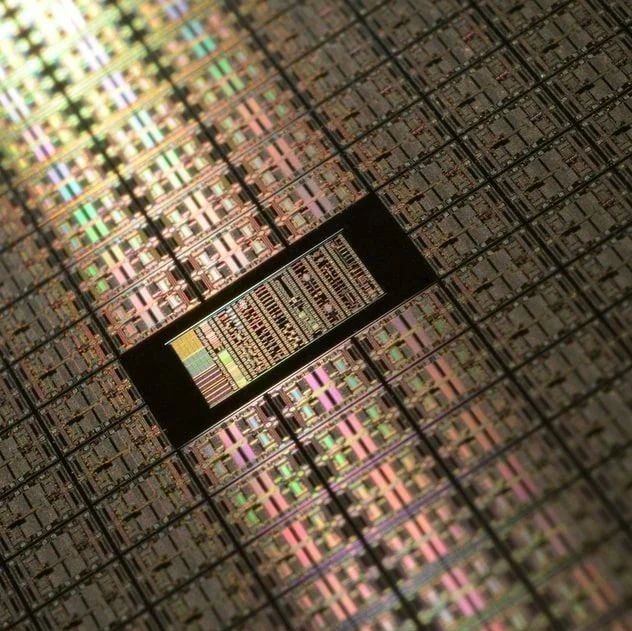
阿斯麦在日本增聘5倍维护员,以支持Rapidus投产
日经中文网· 2025-04-11 05:00
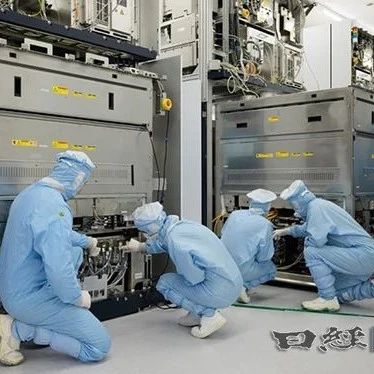
阿斯麦的技术人员正在保养光刻机 EUV光刻机已引入Rapidus于4月1日开始试产的北海道千岁市工厂。美光科技计划2026年在广岛工厂 开始量产最尖端内存半导体。阿斯麦将加强维护团队,以应对日本运行设备数量的增加…… 世界上唯一生产最尖端半导体制造设备的荷兰阿斯麦控股(ASML Holdings)计划到2027年将负责 日本尖端设备维护的人员增至现在的5倍,达到100人。目的是应对要量产最尖端半导体的 Rapidus等在日本投产的需求。 阿斯麦生产极紫外线(EUV)光刻机。EUV光刻机被称为"地球上最复杂的机器",其零部件数量 多达约10万个。由于光刻机由多种系统组合而成,维护时需要各个技术领域的专家。 EUV光刻机已引入Rapidus于4月1日开始试产的北海道千岁市工厂。美国美光科技计划2026年在 广岛工厂开始量产最尖端内存半导体。阿斯麦将加强维护团队,以应对日本运行设备数量的增 加。 日本国内相继新建半导体工厂,比如台积电(TSMC)的熊本工厂等,各半导体设备公司也在增 加人手。 日本半导体设备制造商Tokyo Electron计划到2027年三年内在日本招聘3000人。KOKUSAI ELECTRIC ...