adidas

Search documents
运动鞋履行业深度剖析:经营模式、规模预测及发展走向
Xin Lang Cai Jing· 2025-09-12 11:49
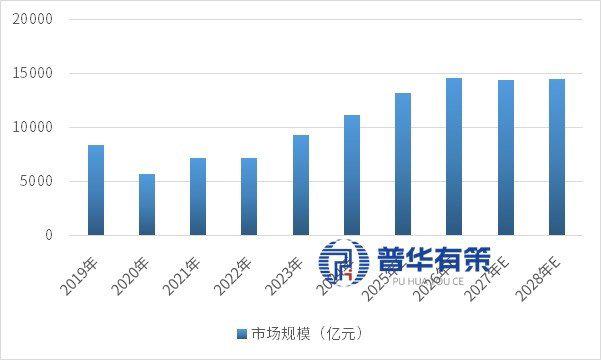
Core Insights - The sports footwear industry is essential for daily life, with designs tailored for various sports and everyday use, emphasizing cushioning and shock absorption [1] Group 1: Business Models in the Sports Footwear Industry - The industry has developed two main business models: 1. Separation of brand operation and manufacturing, where brands like Nike and Adidas focus on brand value and marketing while outsourcing production to specialized manufacturers [1] 2. Integrated brand operation and manufacturing, where companies like Guirenniao and Wanlima handle both branding and production, although some outsourcing occurs [1] Group 2: Market Size and Forecast - The global sports footwear market is projected to grow from 570.5 billion in 2020 to 935.6 billion in 2023, with a compound annual growth rate (CAGR) of 2.4% from 2019 to 2023, and expected to exceed 1,400 billion by 2028 [2] - The global sports footwear manufacturing market is expected to grow from 134 billion in 2019 to 186.9 billion in 2023, with a CAGR of 8.7%, and is projected to surpass 280 billion by 2028 [5] - The Chinese sports footwear manufacturing market is anticipated to grow from 23.4 billion in 2019 to 47.8 billion in 2023, with a CAGR of 19.6%, and is expected to exceed 70 billion by 2028 [5] Group 3: Industry Trends - There is a deepening partnership between leading sports brands and specialized manufacturers, with brands relying on quality manufacturers for production while manufacturers depend on brand orders for growth [8] - The automation level in sports footwear production is increasing due to rising labor costs, enhancing efficiency and quality while reducing costs [9][10] Group 4: Competitive Landscape - The sports footwear manufacturing industry is highly concentrated in Asia, with Taiwanese manufacturers gaining a competitive edge during the industry shift, leveraging technology and production quality [11] - Chinese brands like Anta, Li Ning, and Peak are emerging strongly, supported by a mature supply chain and deepening collaborations with international brands [11]




5 Shoes & Retail Apparel Stocks Positioned for Growth Amid Athleisure Boom
ZACKS· 2025-09-11 14:31
Industry Overview - The Zacks Shoes and Retail Apparel industry is focusing on brand-building initiatives and promotional efforts to enhance consumer engagement, driven by strong demand for activewear and wellness-oriented products [1][5] - Companies are leveraging product innovation, expanding athleisure collections, and investing in e-commerce and omnichannel strategies to capitalize on the growing trend towards healthy lifestyles [1][3] Challenges - The industry is facing persistent headwinds such as rising input and logistics costs, supply-chain disruptions, and elevated selling, general and administrative (SG&A) expenses, which are pressuring profit margins [2][7] - Macroeconomic factors including currency fluctuations, geopolitical uncertainty, and changes in tax and tariff policies are adding complexity to the operating environment [2][7] Future Outlook - Sustainable growth in the industry will depend on continued innovation, upgrades to digital infrastructure, and enhanced consumer engagement [3][5] - Established players like NIKE, Adidas, Skechers, Birkenstock, and Wolverine are well-positioned to navigate challenges and seize long-term opportunities [3][5] Consumer Demand Trends - There is a strong and steady consumer demand for athletic and athleisure products, projected to continue through 2025, with a growing appetite for performance and style [5] - The health and wellness movement is influencing buying patterns, leading to increased popularity of versatile, multi-functional footwear designs [5] E-Commerce Investments - Digital channels are a major growth engine for the athleisure market, with brands expanding their online presence through websites and social media [6] - Investments in supply-chain efficiency and fulfillment enhancements are critical for maintaining competitive advantages [6] Cost Headwinds - Companies are grappling with elevated costs due to commodity price inflation, supply-chain bottlenecks, and increased logistics expenses [7] - Higher SG&A expenses are driven by increased spending on marketing and digital initiatives, compounded by economic uncertainties and a challenging labor market [7] Industry Performance - The Zacks Shoes and Retail Apparel industry has underperformed compared to the broader Consumer Discretionary sector and the S&P 500, with a collective decline of 6.4% over the past year [12] - The industry currently holds a Zacks Industry Rank of 58, placing it in the top 24% of over 250 Zacks industries, indicating positive earnings outlooks for constituent companies [9][10] Valuation - The industry is trading at a forward 12-month price-to-earnings (P/E) ratio of 28.96X, higher than the S&P 500's 23.02X and the sector's 20.24X [13] Notable Companies - **Skechers**: Focused on a multi-brand approach and e-commerce growth, with a projected sales growth of 8.2% for 2025 [18] - **Wolverine**: Emphasizing brand structure and efficiency, with expected sales growth of 6.5% and earnings growth of 46.2% for 2025 [22] - **NIKE**: Implementing a Consumer Direct Acceleration strategy, with projected declines in sales and earnings for fiscal 2026 [25] - **Adidas**: Benefiting from strong demand and improved margins, with projected sales growth of 13.8% and earnings growth of 86.5% for 2025 [29] - **Birkenstock**: Focused on high-quality products and DTC channels, with projected sales growth of 26.9% and earnings growth of 39.6% for fiscal 2025 [33]




产业循环增长中,但尚未形成规模——科尔尼2025循环时尚指数报告
科尔尼管理咨询· 2025-09-04 10:47
Core Insights - The fifth edition of the Kearney Circular Fashion Index (CFX 2025) tracks the industry's journey towards sustainability, reflecting the growing importance of circularity in global business [1][3] - CFX 2025 provides the most comprehensive view to date, covering 246 brands across 18 countries and five core product categories [1][3] - The report highlights the need for brands to transition from symbolic gestures to systemic changes in their operations [13][17] Summary by Sections Expansion and Methodology - The expanded scope of CFX reflects the increasing significance of circularity and the diversification of brand strategies across regions and segments [3] - CFX evaluates performance across seven dimensions throughout the product lifecycle, distinguishing between primary and secondary market initiatives [6][12] Progress and Trends - Overall progress in circularity appears to be stabilizing rather than accelerating, indicating market maturity [6][7] - Average and median scores increased by 0.20 points, reaching 3.40 and 3.20 respectively, but this is lower than the previous year's growth rate [7][9] - Only 5 brands scored above 7.0, and less than 20% exceeded 5.0, highlighting a widening gap between top performers and the broader market [9][10] Regulatory Environment - Regulatory pressures are intensifying, with new laws in the EU and the US mandating sustainability practices [12][33] - The EU's upcoming regulations will require products to be durable, contain recycled components, and be repairable, pushing brands towards compliance [12][33] Drivers of Change - Leading brands are shifting from symbolic actions to systemic transformations, particularly in circular design and closed-loop initiatives [13][15] - Innovations in materials and design are driving progress, with brands increasingly focusing on lifecycle assessments and sustainable sourcing [15][17] Challenges and Gaps - Despite intentions, execution remains lagging, with many brands stuck in a "medium" maturity state [18][20] - Only 3% to 5% of brands have achieved widespread implementation of circular practices, indicating significant conversion gaps [20][21] - Barriers include limited integration of circular practices into core operations and a lack of clear business cases for investment [26][27] Category-Specific Insights - Different product categories show varying levels of progress, with some segments accelerating while others stagnate [24][25] - High-end and luxury brands are improving overall scores but still face challenges in implementing after-sales services [25][27] Regional Performance - Regional differences in circularity performance are becoming more pronounced, influenced by consumer sentiment and regulatory pressures [31][32] - Europe leads with an average score of 3.6, while North America and Asia-Pacific follow with scores of 3.4 and 2.7 respectively [32][33] Future Directions - The industry must view circularity as a growth lever rather than merely a compliance task, integrating it into design, procurement, and sales processes [35][37] - The next phase of progress will depend on brands' ability to bridge the gap between strategy and execution at scale [36][38]

兴业科技(002674) - 002674兴业科技投资者关系管理信息20250829
2025-08-29 03:54
Group 1: Financial Performance - The company achieved a revenue of 1.339 billion yuan, representing a year-on-year growth of 6.16% [3] - The net profit attributable to shareholders was 31.2508 million yuan, a decline of 45.32% compared to the same period last year [3] Group 2: Domestic Market Conditions - Domestic consumer demand remains weak, leading to a decrease in the procurement needs of existing downstream customers for shoe and bag leather [4] - The company is actively adjusting sales channels and expanding into internet brand customers, resulting in growth for certain clients [4] Group 3: Overseas Market Expansion - The company entered the adidas supply chain in the first half of 2024, with revenue contributions remaining stable [4] - New partnerships with brands like ZARA have been established, and the company is expanding its overseas factories in Indonesia and Vietnam to meet local supply demands [4][5] - The gross margin for overseas products is higher than that of domestic sales, which is expected to enhance profitability as overseas sales increase [4] Group 4: Automotive Interior Leather Performance - The subsidiary, Hongxing Automotive Leather, achieved a revenue of 375 million yuan, a year-on-year increase of 26.95% [6] - The net profit for this segment was 7.65654 million yuan, reflecting a growth of 30.91% [6] - The company is collaborating with various automotive brands, including NIO and Jianghuai Automobile, to supply high-end interior leather products [6]

中金:维持申洲国际跑赢行业评级 上调目标价至73.72港元
Zhi Tong Cai Jing· 2025-08-28 01:35
Core Viewpoint - The report from CICC maintains the earnings per share (EPS) estimates for Shenzhou International (02313) at 4.39/4.80 HKD for 2025/26, with the current stock price corresponding to 12/11 times the 2025/26 price-to-earnings (P/E) ratio, and maintains an outperform rating for the industry. The target price is raised by 5.5% to 73.72 HKD, implying a 24% upside potential based on a 15/14 times P/E ratio for 2025/26 [1]. Group 1 - The company's 1H25 performance aligns with expectations, reporting a revenue increase of 15% to 15 billion HKD and a net profit increase of 8% to 3.2 billion HKD. The company declared an interim dividend of 1.38 HKD per share, with a payout ratio of 60% [2]. - Revenue growth of 15% exceeded expectations, primarily driven by rapid sales growth and continued market share gains among major clients. Revenue from four key brands—Uniqlo, Nike, Adidas, and Puma—grew by 27%, 6%, 28%, and 15% respectively. Regionally, revenue from China, Europe, Japan, and the US grew by -2%, 20%, 18%, and 36%, respectively, with respective shares of 24%, 20%, 17%, and 17% [3]. - The gross margin decreased by 1.9 percentage points to 27.1% due to several factors, including significant wage increases starting in 2H24, rising employee numbers in Cambodia, and changes in customer structure. Other income sources, such as government subsidies and foreign exchange gains, increased by 230 million HKD year-on-year, but were offset by a higher tax rate, leading to an overall net profit increase of 8% [3]. Group 2 - The impact of tariffs is manageable, with stable order rhythms and pricing agreements under current tariff arrangements. The company continues to increase its workforce in Cambodia and Vietnam, enhancing production efficiency and indicating a growing share of Southeast Asian capacity in the overall production [4]. - Management maintains guidance for low double-digit order growth in 2025, with expectations for high single-digit year-on-year order growth in 2H25. The company anticipates improvements in gross margin in 2H25 as the one-time wage increases and customer structure changes are expected to stabilize [5].
FAVO Capital Restructures Executive Team, Appoints Katy Murless as CFO and Vaughan Korte as COO
Globenewswire· 2025-08-27 12:30
Core Insights - FAVO Capital, Inc. has announced significant changes to its executive leadership team to align with its long-term growth strategy [1][2][5] - Vaughan Korte has transitioned from CFO to COO, while Katy Murless has been appointed as the new CFO, bringing extensive financial and investment experience [2][3][4] Leadership Changes - Vaughan Korte has over 17 years of finance experience, previously overseeing finance operations for adidas across 60 countries [4] - Katy Murless has more than a decade of experience in financial, commercial, and investment management, previously serving as head of U.S. operations at Stewards Investment Capital Limited [3][4] Strategic Focus - The leadership restructuring supports FAVO's dual strategy of expanding its private credit platform for U.S. small businesses and building a portfolio of stabilized, income-producing real estate [5][6] - The company aims to pursue a Nasdaq uplisting, contingent on market conditions and regulatory approval [5] Company Overview - FAVO Capital operates in two segments: financial services and income-producing real estate, having supported over 10,000 businesses through revenue-based funding solutions [6][7] - The company is headquartered in Fort Lauderdale, Florida, with operations in Florida, New York, and the Dominican Republic [7]

从阿迪达斯本土化实践看行业破局
Sou Hu Cai Jing· 2025-08-20 03:33
Core Insights - The core viewpoint of the article emphasizes that localization for international brands in China has shifted from being an option to a necessity for survival, as demonstrated by Adidas's successful localization strategy that focuses on talent incubation and cultural integration [1][3]. Group 1: Adidas Localization Practices - Adidas's localization is not merely about product modification but involves deep "creative localization" and "talent localization," along with channel adjustments and product innovation to reverse market decline [3]. - The core strategy focuses on "talent" and "culture" to activate local dynamics, with the A.C.E. (ADIDAS CREATOR EXPERIENCE) project serving as a key initiative to build competitiveness through talent and cultural integration [3][4]. - Talent incubation involves creating a closed-loop system for practical experience and retention, allowing young Chinese designers to participate in real product development, which aligns designs with local consumer needs [3][4]. Group 2: Cultural Integration - Cultural integration is about embedding local elements into products, making them the "soul" of the offerings rather than superficial decorations, as seen in various product designs that reflect Chinese culture and sports spirit [4][6]. - The integration of local culture into product functionality and design logic has led to successful products that resonate with consumers, such as the "Wuxia-style fencing shoes" that combine cultural themes with athletic performance [4][6]. Group 3: Market Adaptation and Performance - Adidas has optimized its channel strategy by closing underperforming stores in major cities while expanding in lower-tier cities, resulting in a 14% growth in wholesale channels and an 11% increase in DTC channels in 2024 [6]. - The proportion of locally designed products has exceeded 80%, with significant revenue growth in non-YEEZY product lines, indicating the commercial value of local design [6]. - In 2024, Adidas's Greater China revenue reached €3.46 billion, a 10.3% year-on-year increase, with Q4 revenue growing by 16.1%, showcasing a rebound in performance and improved brand perception [6]. Group 4: Lessons and Strategic Insights - The experience of Adidas provides three key takeaways for both international and local brands: the importance of local talent, the need for genuine cultural integration, and the commitment to long-term strategies rather than short-term tactics [7][8]. - Brands should focus on local creative talent to ensure products meet market demands, moving beyond superficial localization efforts that fail to resonate with consumers [9][10]. - Long-term investment in local talent and culture is essential for building a stable market presence and consumer trust, as demonstrated by Adidas's 20 years of commitment to the Chinese market [12][13].
阿迪达斯就新鞋陷“文化挪用”风波致歉 去年鞋类贡献过半营收
Xin Jing Bao· 2025-08-15 13:53
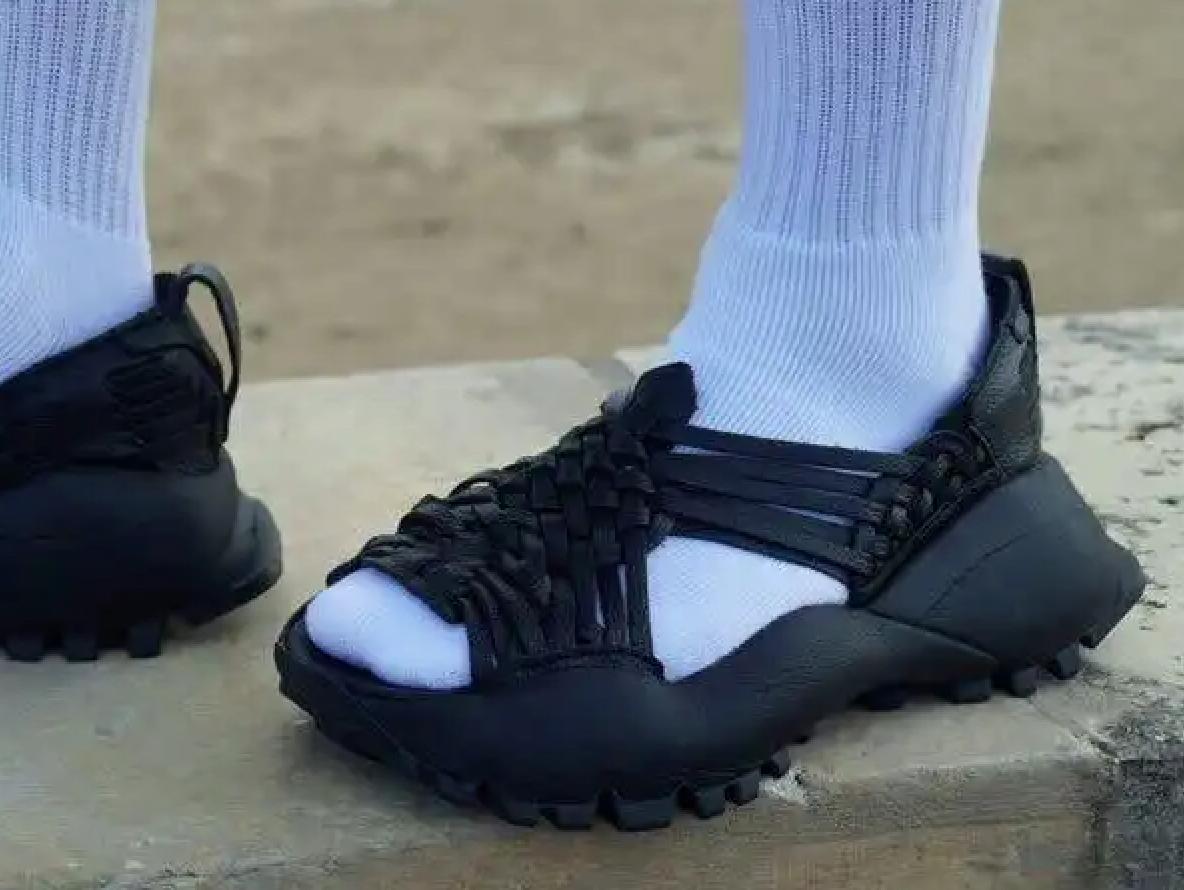
Core Points - Adidas faces controversy over its new shoe "Oaxaca Slip-On," which is accused of cultural appropriation of traditional Mexican huarache sandals, leading to strong criticism from Mexican politicians [2] - The company has issued an apology, acknowledging the cultural significance of the Mexican indigenous community and the craftsmanship involved [2] - The shoe was developed in collaboration with Mexican designer Willy Chavarría, who also apologized for the unauthorized use of cultural elements [2] Financial Performance - Footwear contributes over half of Adidas's revenue in 2024, aiding the company in returning to profitability [3] - Adidas experienced a decline in net profit from 2021 to 2023, with 2023 marking its first loss since 1992 [4] - Key drivers for revenue growth in footwear include soccer shoes, running shoes, and the resurgence of classic models like Samba, which saw a 300% increase in sales [4] Recent Financial Results - In Q2 2025, Adidas reported global revenue of €5.952 billion, a 2.2% year-on-year increase, with net profit rising by 94.6% to €369 million [5] - Footwear revenue grew by 9%, with the ADIZERO 0 series running business increasing by over 25% [5] Impact of Tariffs - Adidas's CEO, Gulden, indicated that the company faced tens of millions of euros in impact from tariffs in Q2, with an expected increase in product costs of €200 million in the U.S. [6] - The company does not plan to pass on increased costs to other markets [6] Cultural Appropriation Context - The controversy surrounding cultural appropriation differs from simple plagiarism, as it involves unclear boundaries of original IP and adjustments made to distinguish from the original [7] - Experts suggest that brands should communicate with original IP holders before using cultural elements to avoid potential infringement [8]
运动鞋服行业框架
Changjiang Securities· 2025-08-15 05:13
Investment Rating - The report maintains a "Positive" investment rating for the sports footwear and apparel industry [6] Core Insights - The global sports footwear and apparel market is projected to reach $407.3 billion by 2024, with a CAGR of 4.6% from 2015 to 2024 [12][13] - The penetration rate of sports footwear and apparel is expected to reach 21.7% in 2024, with sports footwear at 45.7% and sports apparel at 15.7% [13] - The domestic market in China is expected to grow to 408.9 billion yuan by 2024, with a CAGR of 5.0% from 2019 to 2024, indicating a more favorable growth compared to the overall apparel sector [16] Summary by Sections 1. Market Growth and Trends - The global sports footwear and apparel market has shown resilience and is expected to grow steadily, with a significant increase in penetration rates [12][13] - In China, the market is also expanding, with a notable increase in the share of sports footwear and apparel within the overall footwear and apparel market [16] 2. Competitive Landscape - The global market is characterized by high concentration, with Nike and Adidas holding significant market shares of 13.4% and 8.2% respectively [44] - The CR10 (Cumulative Market Share of Top 10 Brands) in the global sports footwear and apparel market is 36.9% [44] - In China, the CR10 has reached 73%, with domestic brands gaining market share against international competitors [50] 3. Growth Drivers - National sports policies are increasingly supporting the industry, with infrastructure development and promotion of various sports [20][21] - There is a growing awareness of health among the population, leading to increased spending on sports and fitness [26][27] - The trend of consumption upgrading is driving the growth of niche sports segments, such as marathons and yoga [31][32] - The diversification of sportswear into everyday fashion (Athleisure) is expanding the market [36][41]
阿迪达斯陷入“抄袭门”,官方及设计师已致歉
Xi Niu Cai Jing· 2025-08-14 11:35
Core Viewpoint - Adidas faces significant backlash in Mexico for its new shoe "Oaxaca Slip-On," which is accused of plagiarizing traditional Mexican huarache sandals, leading to allegations of cultural appropriation [1][3] Group 1: Product Details - The "Oaxaca Slip-On" was developed in collaboration with designer Chavarria, featuring woven leather and a thick rubber sole, closely resembling traditional sandals made by Zapotec artisans in Oaxaca [3] - The shoe's design has sparked controversy, with Mexican President Sinbloom and other officials accusing Adidas of stealing the creativity of indigenous communities [3] Group 2: Legal and Cultural Implications - The Oaxaca state government has initiated negotiations, and Mexico is considering legal action against Adidas for the alleged cultural appropriation [3] - Adidas issued an apology, expressing respect for the cultural heritage of Mexican indigenous communities and a willingness to engage in dialogue with local groups [3] - Designer Chavarria also apologized for the unauthorized use of cultural elements [3] - Mexico has enacted laws imposing heavy fines and imprisonment for unauthorized use of indigenous cultural expressions [3]