易方达基金

Search documents
股混基金今年自购规模超40亿元
Zhong Guo Zheng Quan Bao· 2025-12-09 20:22
Core Viewpoint - The recent issuance of the "Guidelines for Performance Assessment Management of Fund Management Companies (Draft for Comments)" by regulatory authorities aims to enhance the long-term incentive and constraint mechanisms within the fund management industry, promoting better alignment of interests between fund management companies and fund shareholders [2][3]. Group 1: Regulatory Guidelines - The guidelines require senior management and key business department heads of fund companies to invest at least 30% of their annual performance compensation in public funds managed by their company, while fund managers must invest at least 40% of their performance compensation in the public funds they manage [2][3]. - The guidelines emphasize "performance compensation holding," mandating that the holding period for these investments must be no less than one year [2][3]. Group 2: Self-Purchase Trends - As of December 7, 2023, 136 public fund companies have initiated self-purchases, totaling 8,400 instances, with net subscriptions for equity mixed funds exceeding 4 billion yuan [3][4]. - Notably, Guotai Fund has the highest number of self-purchases at 782 times, followed by Invesco Great Wall Fund with 607 times, and several other companies exceeding 500 times [3]. Group 3: Investment Focus - The self-purchase trend indicates a strong focus on equity products, reflecting the industry's confidence in the long-term value of equity assets and expectations for market valuation recovery and economic improvement [4][5]. - Fund companies' self-purchase actions are seen as a commitment to long-term development, enhancing risk control and sustainable investment value, which may lead to improved long-term performance stability [5].
月内公募基金超200份公告提示跨境ETF溢价风险
Zheng Quan Ri Bao· 2025-12-09 16:16
Core Viewpoint - Multiple public fund institutions, including E Fund, Huaxia Fund, and Southern Fund, have issued warnings regarding the premium risk in the secondary market trading of their cross-border ETFs, highlighting significant price premiums over the net asset value [1][2] Group 1: Premium Risk in Cross-Border ETFs - As of December 9, the Southern S&P 500 ETF (QDII) closed at 1.804 yuan, reflecting a premium of 3.41% over its reference net asset value of 1.7445 yuan [1] - Other ETFs tracking the same index, such as Bosera S&P 500 ETF, Guotai S&P 500 ETF, and Huaxia S&P 500 ETF (QDII), also exhibited premiums of 5.58%, 4.87%, and 2.92% respectively [1] - A total of 14 public fund institutions have issued over 200 premium risk warning announcements since December [2] Group 2: Factors Contributing to Premiums - The premium phenomenon is attributed to supply-demand imbalances, limited arbitrage opportunities, and market sentiment [2] - Increased global allocation demand from domestic investors has led to a scarcity of popular products, exacerbating the premium situation [2] - The complexities of cross-border ETF trading, including time differences, exchange rates, and redemption costs, hinder effective arbitrage, contributing to persistent premiums [2] Group 3: Market Growth and Investor Behavior - The total scale of cross-border ETFs has surged from 424.22 billion yuan at the beginning of the year to 939.09 billion yuan by December 9, indicating a growing demand for diversified global asset allocation among domestic investors [2] - Investors are increasingly seeking to mitigate single market volatility risks and optimize portfolio returns through cross-border ETFs [2] Group 4: Recommendations for Investors - Investors holding or planning to invest in cross-border ETFs should analyze the premium situation rationally, as high premiums indicate prices above net asset values, which could lead to losses if premiums converge [3] - It is advised to avoid chasing high premiums and to monitor real-time net asset values and estimated values [3] - Investors may consider gradually selling or switching to similar products, and those looking to invest in cross-border ETFs might prioritize off-market QDII funds or alternative products, potentially using a dollar-cost averaging strategy [3][4]
基金业薪酬改革征求意见下发,绩差基金经理面临降薪风险
2 1 Shi Ji Jing Ji Bao Dao· 2025-12-09 13:37
Core Insights - The new guidelines from the China Securities Investment Fund Industry Association impose strict performance-based salary adjustments for fund managers, with potential salary cuts exceeding 30% for those underperforming benchmarks over the past three years [1][9]. Group 1: Key Features of the New Guidelines - The new guidelines establish a rigid performance assessment framework, emphasizing "investor returns" as the sole core focus, addressing the industry's issue of funds making profits while investors do not [3][8]. - A binding mechanism is introduced, requiring key personnel to invest a significant portion of their performance bonuses into the funds they manage, ensuring alignment of interests between fund managers and investors [5][11]. - A dynamic accountability system is created, featuring a tiered salary adjustment mechanism where fund managers with poor performance face mandatory salary reductions, while those with strong long-term performance can receive reasonable salary increases [7][12]. Group 2: Implications for the Industry - The implementation of the new guidelines is expected to lead to increased talent mobility, with high-performing fund managers potentially moving to private equity due to more flexible strategies and higher compensation [11]. - The industry landscape will be reshaped, benefiting established fund companies with stable long-term performance while putting pressure on smaller firms, leading to a "Matthew Effect" where larger firms gain more advantages [11][12]. - The guidelines mark a shift from a "scale-driven" approach to one focused on "return binding," influencing fund manager behavior and sales strategies, promoting a long-term investment perspective [12][13].
指增产品 大爆发!已超过去三年总和
Zhong Guo Zheng Quan Bao· 2025-12-09 13:28
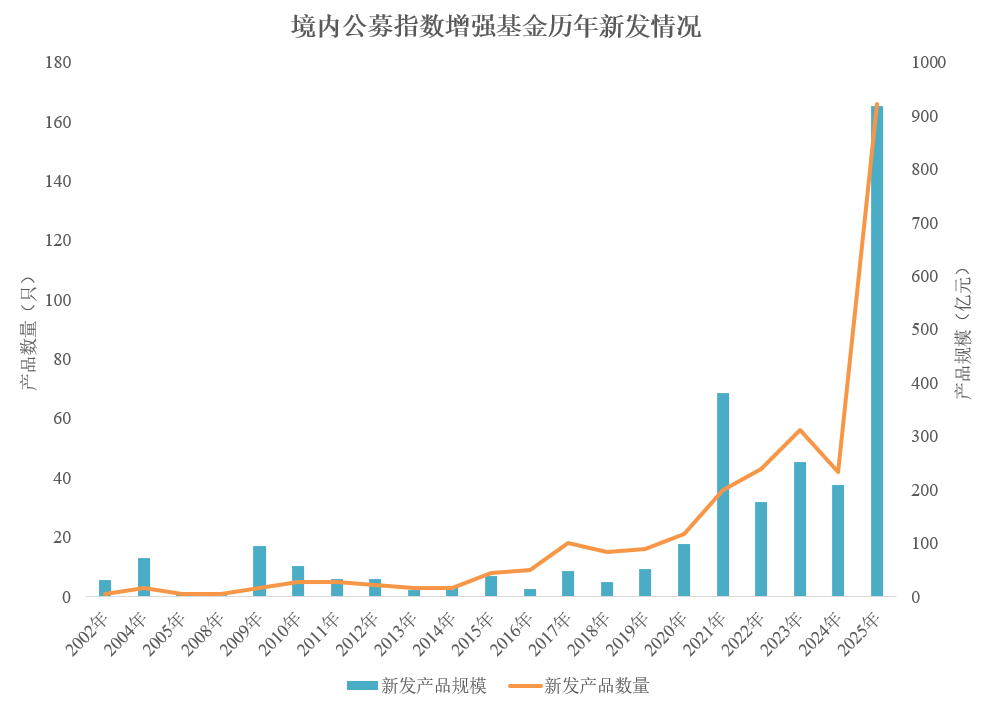
Wind数据显示,2025年以来,公募行业共新成立166只指数增强基金,合计新发规模超910亿元,两项数据均超越过去三年指增产品的新发总 和。 由于基金管理人的积淀差异,指增产品布局的"进度条"已然形成梯度:部分头部机构指增产品线已形成对主流指数的全覆盖;部分中游机构 刚开始发力布局;还有部分小型机构今年初步试水,成立公司旗下首只指增产品。 此外,公募行业今年不断拓展视野,在指增产品方面纳入更多"新鲜"标的指数,诞生了诸多"首只"产品。比如,华夏上证综合全收益指数增 强、建信中证A股指数增强以及涵盖港股的兴全中证沪港深500指数增强、兴全中证沪港深300指数增强、国联中证港股通综合指数增强等, 都是全市场首只跟踪对应标的指数的指增产品。 指增产品爆发式增长 今年5月,证监会发布《推动公募基金高质量发展行动方案》,着重强化了业绩比较基准的约束作用,无论是绩效考核、分类评价还是薪酬管 理等,都将围绕业绩比较基准这一锚点展开相关工作。 监管导向已经明显传导到产品端。今年以来,紧密跟踪标的指数且力争在此基础上做出超额收益的指数增强产品,成为公募机构争相布局的 重点品种。 Wind数据显示,截至12月9日,今年以来新成 ...

今日巨亏,被一件小事触动了~2025年12月9日 市场温度
Xin Lang Cai Jing· 2025-12-09 13:01
Group 1 - The recent market performance resembles early 2024, with a focus on the CSI 300 index while technology and Hong Kong stocks are declining sharply [2][4] - The Hong Kong Stock Exchange has launched the Hong Kong Stock Exchange Technology 100 Index, which tracks the performance of the 100 largest technology companies listed on the exchange [18][20] - The new index includes stocks that are eligible for the Stock Connect program, catering to both international and mainland Chinese investors [18][20] Group 2 - The performance of the Hong Kong Stock Exchange Technology 100 Index has slightly outperformed the Hang Seng Technology Index over the past three years [19] - The market temperature for A-shares is currently at 65.38, indicating a slight decrease, while the Hong Kong market temperature is at 38.83, also showing a decline [19][21] - The Hang Seng Technology Index consists of only 30 constituent stocks, whereas the new Technology 100 Index includes 100 stocks, providing a broader investment opportunity [20]

指增产品,大爆发!已超过去三年总和
Zhong Guo Zheng Quan Bao· 2025-12-09 11:45
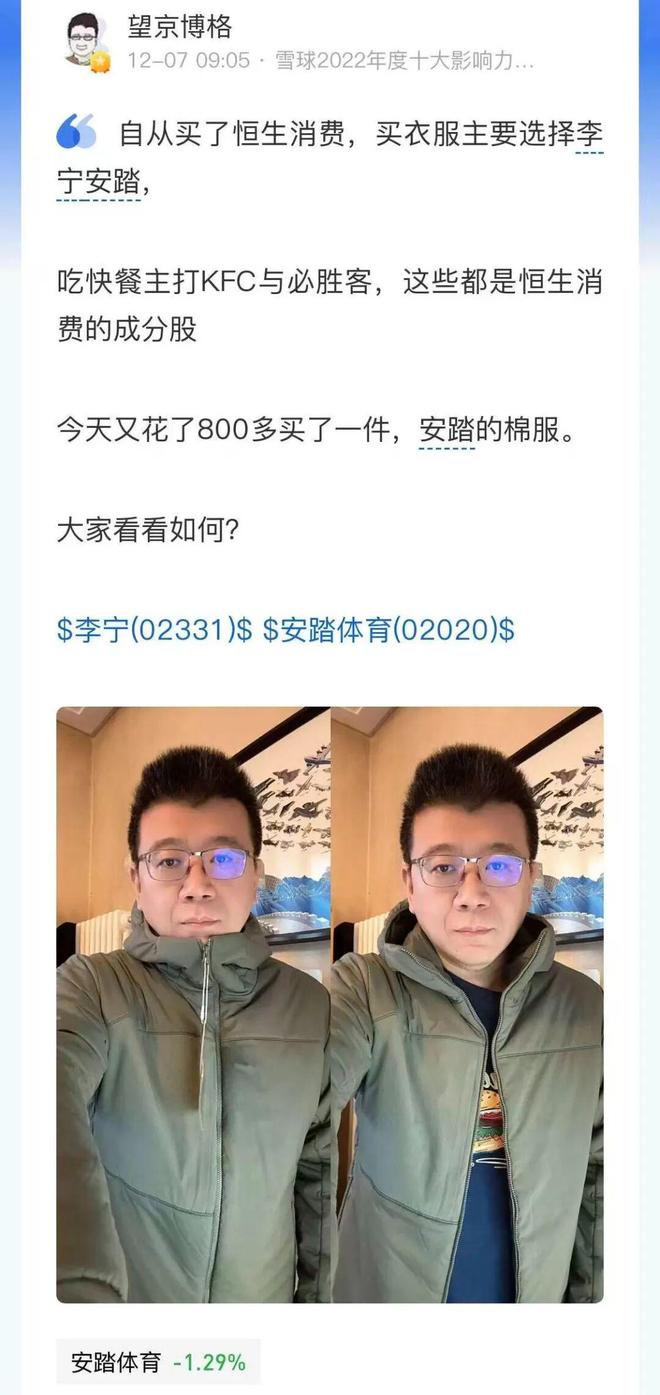
数据显示,2025年以来,公募行业共新成立166只指数增强基金,合计新发规模超910亿元,两项数据均超越过去三年指增产品的新发总和。 由于基金管理人的积淀差异,指增产品布局的"进度条"已然形成梯度:部分头部机构指增产品线已形成对主流指数的全覆盖;部分中游机构 刚开始发力布局;还有部分小型机构今年初步试水,成立公司旗下首只指增产品。 指增产品爆发式增长 今年5月,证监会发布《推动公募基金高质量发展行动方案》,着重强化了业绩比较基准的约束作用,无论是绩效考核、分类评价还是薪酬管 理等,都将围绕业绩比较基准这一锚点展开相关工作。 监管导向已经明显传导到产品端。今年以来,紧密跟踪标的指数且力争在此基础上做出超额收益的指数增强产品,成为公募机构争相布局的 重点品种。 数据显示,截至12月9日,今年以来新成立的指增产品达166只,合计新发规模突破910亿元,两项数据均超越过去三年(2022年至2024年)指 增产品的新发总和,指数增强基金在2025年迎来爆发式增长。 指增业务呈现"梯度"发展 记者进一步观察发现,在指增产品的爆发式发展过程中,由于业务积淀的参差不齐,各家基金管理人的指增产品布局"进度条"已然形成梯 度。 ...
红利板块延续调整,资金逆势加仓,恒生红利低波ETF(159545)全天净申购近7000万份
Sou Hu Cai Jing· 2025-12-09 10:31
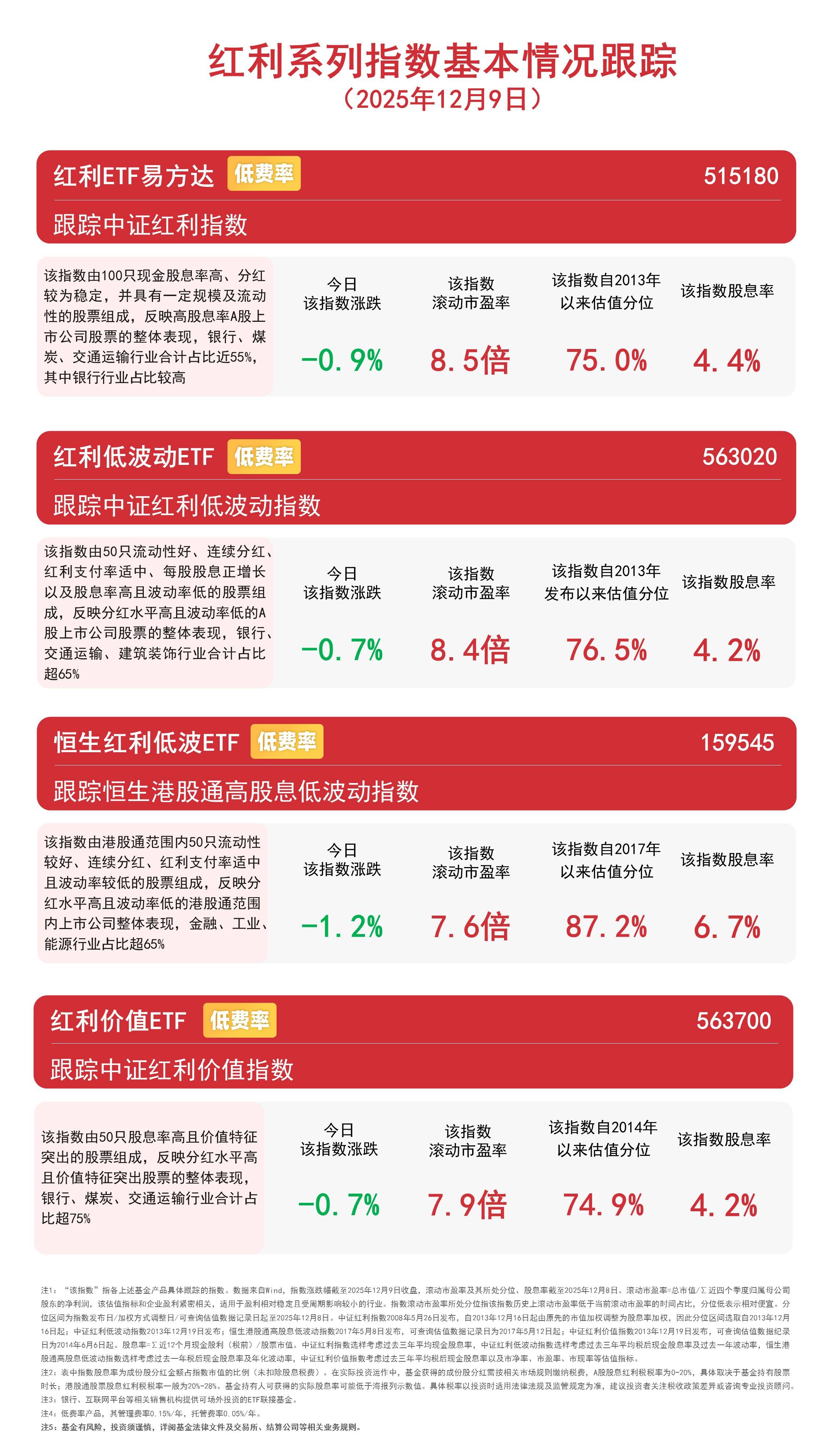
大盘今日震荡调整,科技板块局部活跃,银行股窄幅震荡,能源股集体回调,带动红利板块下行。指数层面,中证红利低波动指数、中证红利价值指数均下 跌0.7%,中证红利指数下跌0.9%,恒生港股通高股息低波动指数下跌1.2%,资金逆势加仓,恒生红利低波ETF(159545)全天净申购近7000万份。 据悉,易方达基金是目前唯一一家红利类ETF全部实行低费率的基金公司,旗下恒生红利低波ETF(159545)、红利ETF易方达(515180)、红利低波动 ETF(563020)、红利价值ETF(563700)、A500红利低波ETF(563510)等产品的管理费率均为0.15%/年,可助力投资者低成本布局高股息资产。 该指数由50只流动性好、连续分红、 红利支付率适中、每股股息正增长 以及股息率高目波动率低的股票组 成,反映分红水平高且波动率低的A 股上市公司股票的整体表现,银行、 交通运输、建筑装饰行业合计占比 超65% 令日 该指数涨跌 -0. 7% 恒生红利低波ETF 低费率 跟踪恒生港股通高股息低波动指数 该指数由港股诵范围内50只流动性 较好、连续分红、红利支付率适中 且波动率较低的股票组成,反映分 红水平高且波 ...
指数基金Y份额入市一周年:规模业绩双爆发,养老投资新选择!
和讯· 2025-12-09 09:18
Core Insights - The regulatory body has officially included index funds in the personal pension investment scope by the end of 2024, enriching the third pillar of pension investment alongside government bonds. This policy adjustment broadens the asset allocation boundaries for personal pensions and allows low-cost, high-transparency index funds to enter the pension planning of millions of investors [1] Group 1: Product Ecosystem and Market Diversification - The index fund Y shares have seen a continuous increase in product supply, forming a diverse ecosystem that meets various risk preferences for pension allocation. As of September 30, 2025, there are 302 personal pension fund products, with 91 index fund Y shares, accounting for over 30% [2] - The rapid development of index fund Y shares is supported by active participation from both leading and smaller fund companies, creating a market landscape characterized by leadership and diverse participation. As of September 30, 2025, E Fund leads with 11 index fund Y shares, followed by Huaxia Fund with 10 and Tianhong Fund with 9 [2] Group 2: Growth in Scale and Performance - The index fund Y shares have experienced explosive growth, becoming a significant growth engine in the personal pension market. By the end of September 2025, the total scale of pension fund Y shares exceeded 15 billion yuan, growing over 65% since the beginning of the year, with index fund Y shares increasing from 316 million yuan to 2.294 billion yuan, a growth of over 6 times [3] - Benefiting from the structural market trends in A-shares, index fund Y shares have shown impressive performance, with several products achieving annual returns exceeding 40%, showcasing their ability to capture gains in a bull market [3][4] Group 3: Investment Opportunities for Ordinary Investors - Ordinary investors should not simply follow trends when selecting Y shares for personal pension accounts but should align their choices with their own needs. It is essential to prioritize fund companies with comprehensive offerings to ensure steady progress in long-term pension investments [7][9] - Selecting a fund company with a comprehensive layout is crucial for the long-term stability of pension investments, as these institutions typically have a more complete product matrix and mature research systems [9][12]

谁拿走了沐曦股份最多的筹码?
财联社· 2025-12-09 09:15
Core Viewpoint - The article highlights the competitive nature of the offline subscription for Muxi Co., with significant interest from institutional investors, indicating a strong demand for shares in the technology sector [1][2]. Group 1: Subscription and Allocation Details - Muxi Co. had a total of 401 million shares issued at a price of 104.66 yuan per share, raising approximately 4.197 billion yuan, with a total offline subscription amounting to 571.69 million shares [1]. - The offline allocation structure shows that 269 institutional investors participated, with public funds, insurance asset management, and securities asset management dominating the allocation [3][4]. - A total of 85.83% of the offline subscription volume came from A-class investors, who received 98.04% of the total offline allocation, indicating a strong preference for long-term holding [3][4]. Group 2: Institutional Participation - Major public funds accounted for over half of the total allocation, with 94 public funds participating and receiving 1.339 million shares, amounting to approximately 1.402 billion yuan [4][5]. - Notable public funds such as E Fund, Southern Fund, and ICBC Credit Suisse were among the top participants, with significant allocations [4][5][6]. - Insurance funds also played a crucial role, collectively acquiring about 404.70 million shares, with an average of 5,000 shares per product, indicating a strategic long-term investment approach [7][8]. Group 3: Private Fund Participation - Private funds, particularly quantitative funds, adopted a strategy of broad participation with smaller allocations, resulting in limited but widespread involvement [10][12]. - A total of 110 private funds participated, acquiring approximately 367,500 shares, which accounted for a small portion of the total allocation [12][13]. - The article notes a trend where larger private funds dominate the allocation, while smaller funds tend to participate in a more fragmented manner [12][13]. Group 4: Market Implications - The allocation structure reflects a growing trend in the technology IPO market, where long-term institutional investors are complemented by more agile private funds, creating a balanced investment ecosystem [13]. - The combination of long-term capital from public and insurance funds with the liquidity provided by private funds is seen as a stabilizing factor for stock prices post-IPO [9][13].