
迈瑞医疗

Search documents
麦科田冲击IPO,迈瑞医疗前高管创办,3年累计亏损3.87亿元
Ge Long Hui· 2025-09-22 02:19
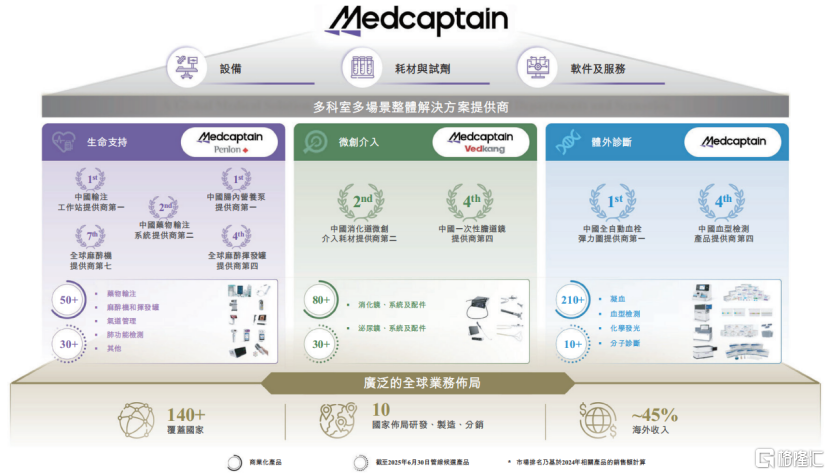
Core Viewpoint - Shenzhen Maikotian Biomedical Technology Co., Ltd. has submitted its IPO application to the Hong Kong Stock Exchange, aiming to expand its product lines and sales networks in the medical device sector, despite facing three consecutive years of net losses before 2024 [1][4]. Company Overview - Maikotian was established on April 26, 2011, previously known as Shenzhen Yusheng Medical Technology Co., Ltd. The company is headquartered in Nanshan District, Shenzhen [3]. - The company is led by Liu Jie, who has over 20 years of experience in the healthcare industry, including significant roles at Johnson & Johnson and Mindray Medical [3][4]. - The company has received multiple rounds of financing from various institutional investors, with a valuation of approximately 8.245 billion yuan in 2023 [4]. Product Portfolio - Maikotian's product offerings include life support, minimally invasive intervention, and in vitro diagnostics, with a total of over 350 commercialized products [6][7][10]. - The company has established a comprehensive distribution network, covering over 6,000 hospitals in China, including about 90% of tier-3 hospitals [6][19]. Financial Performance - The company's revenue has shown growth, with figures of 917 million yuan in 2022, 1.313 billion yuan in 2023, and 1.399 billion yuan in 2024, while the gross profit margins have improved from 43.7% in 2022 to 52.9% in the first half of 2025 [15][17]. - Despite revenue growth, the company reported net losses of 2.26 billion yuan in 2022, 645 million yuan in 2023, and 966 million yuan in 2024, primarily due to significant investments in R&D and marketing [15][22]. Market Position - The global market for life support medical devices is projected to reach 75.1 billion USD in 2024, with the Chinese market expected to reach 55.7 billion yuan [6]. - Maikotian ranks first in the infusion workstation market in China from 2018 to 2024 and holds a strong position in the minimally invasive intervention market [11][12][14]. R&D and Sales Strategy - The company has a dedicated R&D team of over 500 members, accounting for 25.1% of its total workforce, with R&D expenses amounting to approximately 934 million yuan over the reporting period [21][22]. - Sales expenses have consistently exceeded R&D expenses, indicating a strong focus on market penetration and distribution [22][23]. Distribution Network - Maikotian relies heavily on distributors for sales, with over 80% of its products sold through this channel. The company has a network of 1,959 domestic and 607 overseas distributors [19].


西部证券晨会纪要-20250922
Western Securities· 2025-09-22 01:58
Group 1: Guangdong Hongda (002683.SZ) - The company is a leader in the civil explosives industry, with growth rates exceeding the industry average, and military business is poised for expansion [7][8] - Expected net profits for 2025-2027 are projected at 1.196 billion, 1.415 billion, and 1.772 billion yuan, respectively, with a target price of 47.2 yuan based on a 30x PE for 2025, rated as "Accumulate" [7][8] - Revenue from the domestic regions of Northwest, Southwest, and North China for 2024 is expected to be 2.69 billion, 1.14 billion, and 2.34 billion yuan, respectively, with significant year-on-year growth [8] Group 2: Yangnong Chemical (600486.SH) - The company is positioned as a leader in the pesticide industry, benefiting from an upward trend in industry conditions and a recovery in the market [11][12] - Projected revenues for 2025-2027 are 11.484 billion, 12.325 billion, and 13.536 billion yuan, with net profits of 1.443 billion, 1.654 billion, and 1.884 billion yuan, respectively, rated as "Accumulate" [11][12] - The company is expected to transition from a generic pesticide manufacturer to a CDMO for innovative drugs, enhancing its growth potential [12] Group 3: China Communications Construction Company (601800.SH) - The company holds a leading position in transportation infrastructure and is expected to benefit from increased domestic infrastructure projects and international expansion [14][15] - The company is the largest international engineering contractor in China, with a strong historical presence in overseas markets, contributing to growth [14][15] - A dividend plan has been announced, ensuring stable returns for investors, with a target price of 11.78 yuan based on an 8x PE for 2025, rated as "Buy" [14][15] Group 4: Xinzhou Bang (300037.SZ) - The company is focused on a comprehensive layout in the lithium battery and fluorochemical sectors, with clear growth in demand for fluorochemicals [18][19] - Expected net profits for 2025-2027 are projected at 1.130 billion, 1.501 billion, and 1.859 billion yuan, with significant year-on-year growth rates [18][19] - The company is enhancing its vertical integration and global layout, with ongoing projects in Malaysia and the US expected to boost profitability [18][19] Group 5: Haian Home (600398.SH) - The main brand has shown improvement, with revenue for the first half of 2025 reaching 11.566 billion yuan, a year-on-year increase of 1.73% [21][22] - The company is expanding its direct sales while reducing franchise operations, with a focus on new retail formats [21][22] - Projected net profits for 2025-2027 are 2.421 billion, 2.700 billion, and 2.947 billion yuan, with a growth rate of 12.2%, 11.5%, and 9.1% respectively, rated as "Buy" [24] Group 6: Xtep International (01368.HK) - The main brand has shown steady growth, with revenue for the first half of 2025 reaching 6.838 billion yuan, a year-on-year increase of 7.1% [26][27] - The company is focusing on the running segment, with strong performance in its professional sports line [26][27] - Projected net profits for 2025-2027 are 1.379 billion, 1.516 billion, and 1.664 billion yuan, with growth rates of 11.3%, 9.9%, and 9.8% respectively, rated as "Buy" [28] Group 7: Mindray Medical (300760.SZ) - The company reported total revenue of 16.743 billion yuan for the first half of 2025, a year-on-year decrease of 18.45% [30][31] - International business showed resilience with revenue of 8.332 billion yuan, a year-on-year increase of 5.39%, while domestic revenue declined significantly [30][31] - The company plans to distribute a total of 3.298 billion yuan in cash dividends for 2025, representing 65.06% of its net profit for the first half of the year [31]





大摩闭门会-全球医药峰会和美国路演反馈
2025-09-22 01:00
Summary of Key Points from Conference Call Industry Overview - The global pharmaceutical industry is increasingly recognizing China's role, particularly since the rise of ADC (Antibody-Drug Conjugates) drugs in 2022. It is projected that the penetration rate of Chinese original assets in FDA-approved drugs will increase from 5% to 35% by 2024, contributing an annual revenue of $22 billion from overseas markets [1][3][4]. Key Insights and Arguments - Chinese pharmaceutical companies face a patent cliff or revenue gap exceeding $100 billion, primarily in oncology, immunology, and cardiometabolic diseases. Companies are increasing their share of global clinical trials to address this gap [1][4][5]. - Overseas investors are cautious about the Chinese pharmaceutical industry, focusing on valuation and geopolitical risks. They seek more assurance regarding the valuation gap between Chinese and Western companies and potential geopolitical fluctuations [1][6]. - U.S. investors express less concern about the execution of the China Innovation Ban and related EU regulations compared to Asian investors, who are more focused on geopolitical and valuation issues [1][7]. - There is a growing confidence among overseas biopharmaceutical companies in Chinese clinical data, leading to increased interest in acquiring Chinese assets for high-quality clinical and patient data [1][9]. Market Performance and Trends - The digital healthcare sector has shown remarkable performance, benefiting from the outflow of hospital prescriptions, the transition of offline pharmacies to online platforms, and strategic partnerships by companies like JD Health and Alibaba Health [1][13][14]. - The China Health Care market is attracting more international investor attention compared to domestic investors, although the number of professional investors has decreased over the years [1][10]. - The CRO (Contract Research Organization) sector is gaining attention, with companies like Wuxi Biologics reporting significant revenue from licensing agreements, indicating a sustainable trend in innovation asset exports [2][11][21]. Investor Sentiment - Investors are divided into two categories: one focusing on overall company development and strategic direction, and the other on specific asset clinical performance and international expansion [1][8]. - There is a notable interest in large Chinese pharmaceutical companies like Heng Rui and Haosen, with investors holding a positive outlook on their future development [1][8]. Regulatory and Policy Considerations - U.S. biotechnology companies express skepticism regarding the feasibility of policies mentioned in the New York Times, citing complex interest chains and the difficulty of comprehensive enforcement [1][16][17]. Company-Specific Insights - Heng Rui Pharmaceutical's stock is viewed as attractive due to the potential for convergence in valuation between its Hong Kong and A-share listings, with expectations of upward adjustments in earnings forecasts [1][18]. - JD Health's growth potential is significant, particularly in the online pharmaceutical sales sector, which currently has low penetration rates. The company is also exploring AI applications in digital health [1][20]. Conclusion - The Chinese pharmaceutical industry is at a pivotal point, with increasing global recognition and investment interest. However, challenges such as valuation discrepancies and geopolitical risks remain critical factors influencing investor sentiment and market dynamics [1][6][7].

口碑榜提名白热化!6000+家公司,谁能成为“智创”时代最硬价值锚?
Mei Ri Jing Ji Xin Wen· 2025-09-22 00:12
Core Viewpoint - The article discusses the ongoing public nomination process for the 2025 15th Annual Listed Company Reputation Rankings, emphasizing the importance of identifying valuable companies in the current market environment characterized by rapid changes and hype in sectors like AI, robotics, and semiconductors [1][2]. Group 1: Public Nomination Process - The public nomination phase has seen over 6,000 companies nominated within just one week, surpassing last year's total by more than 1,000 [1]. - The nomination theme is "Intelligent Creation for the Future, Value Navigation," reflecting the focus on both innovation and long-term value [2]. Group 2: Leading Companies by Heat Index - Companies like JD Group-SW, ZTE Corporation, Industrial Fulian, and Luxshare Precision are among those with high heat values, indicating strong public interest and potential for ranking changes [2]. - The top-ranked companies are categorized into four main lines, aligning with the themes of "Intelligent Creation" and "Value" [2]. Group 3: Performance Highlights - Industrial Fulian has seen a remarkable annual increase of approximately 230%, positioning itself as a leader in cloud computing and communication network equipment manufacturing [3]. - NewEase, along with Zhongji Xuchuang, has experienced significant growth in the optical module sector, with annual increases of 390% and 260%, respectively [3]. Group 4: Value Blue-Chip Companies - Major companies such as China Petroleum, China Telecom, Kweichow Moutai, China Mobile, and China Merchants Bank are recognized for their stable profitability and cash flow, making them attractive long-term investments [4]. - Kweichow Moutai has consistently achieved an annual revenue growth rate exceeding 10%, while China Mobile's total dividends have reached over 100 billion yuan in recent years [4]. Group 5: Market Catalysts - Companies like Dongfang Caifu, ZTE Corporation, and SMIC are experiencing increased attention due to recent catalysts, including stable growth in semi-annual performance and investigations into imported chips [5]. - SMIC's market capitalization recently surpassed 1 trillion yuan, reflecting its critical role in the domestic semiconductor industry [5]. Group 6: Hong Kong Market Performance - The Hong Kong market has shown impressive performance, with technology, pharmaceuticals, and consumer sectors leading the way, attracting significant southbound capital inflows [6]. - Star companies in the Hong Kong tech sector, such as JD Group-SW, Xiaomi Group-W, Tencent Holdings, and Alibaba-W, dominate the public nomination heat index, indicating a shift from "value trap" to "growth opportunity" [6]. Group 7: Evaluation Process - The evaluation process includes multiple screening stages, starting with public sentiment data filtering to eliminate companies with negative news or regulatory penalties [7]. - A comprehensive data model screening will follow, utilizing a large-scale quantitative model to assess various performance metrics [9]. - The final stages involve public voting and a professional review committee to ensure that the selected companies reflect both public sentiment and expert evaluation [11][13].
投融资改革持续深化 资本市场回稳向好势头巩固
Shang Hai Zheng Quan Bao· 2025-09-21 17:55
Core Viewpoint - The Chinese capital market has implemented a series of policies to enhance long-term capital inflow, support technological innovation, and improve resource allocation efficiency, leading to a more resilient and stable market environment [1][2][3]. Group 1: Policy Implementation and Market Response - A package of incremental policies was launched by the Central Political Bureau meeting on September 26 last year, resulting in significant reforms in the capital market, including public fund reforms and the introduction of new listing standards [1]. - The capital market has shown resilience against unexpected external shocks, with improved market expectations and a steady recovery trend [1]. - The reactivation of the Sci-Tech Innovation Board and the introduction of new listing standards for the Growth Enterprise Market have facilitated the listing of innovative companies, indicating a shift towards supporting emerging industries [1]. Group 2: Mergers and Acquisitions - The mergers and acquisitions (M&A) sector is experiencing growth, with notable transactions such as BGI's acquisition of Chip Semiconductor and Lixun Precision's acquisition of a subsidiary of Wenta Technology [2]. - The increase in M&A activities reflects the capital market's financing reforms and the policy direction favoring emerging industries, with a focus on high-tech and high-value-added sectors [2]. Group 3: Long-term Capital Inflow - Long-term capital, represented by social security funds, insurance funds, and public funds, is increasingly entering the market, aiming to stabilize market operations and foster new productive capacities [3]. - The National Team, including Central Huijin Investment, has been actively increasing its holdings in ETFs, signaling confidence in the capital market's future [3]. - Insurance funds are shifting towards long-term stock investments, with a total investment scale reaching 222 billion yuan, reflecting a significant increase in stock asset holdings among listed insurance companies [3][4]. Group 4: Public Fund Reforms - The ongoing reforms in public funds have introduced new management fee models, allowing investors to benefit directly from fund performance, with an estimated annual savings of around 30 billion yuan for investors [5]. - The net subscription of equity funds reached 2.373 billion yuan in the first half of 2025, marking a year-on-year increase of 76.04% [5]. Group 5: Market Stability and Growth Potential - As of June 2024, the total market value of A-shares surpassed 100 trillion yuan, with strategic emerging industries accounting for over 40% of the market capitalization [6]. - The average daily trading volume in the A-share market has significantly increased, indicating a robust market activity and resilience against international volatility [6]. - Foreign investment in domestic stocks and funds has reversed a two-year trend of net selling, with a net increase of 10.1 billion USD in the first half of the year, reflecting a growing willingness to allocate capital to Chinese assets [6][7].
迈瑞医疗(300760):业绩短期承压,下半年有望回暖
Western Securities· 2025-09-21 12:58
Investment Rating - The investment rating for the company is "Accumulate" [5][11]. Core Views - The company experienced a decline in revenue and net profit in the first half of 2025, with total revenue of 16.743 billion yuan, down 18.45% year-on-year, and net profit of 5.069 billion yuan, down 32.96% year-on-year. The gross margin decreased by 4.98 percentage points [1][5]. - International business showed resilience with revenue of 8.333 billion yuan in H1 2025, up 5.39% year-on-year, accounting for 49.76% of total revenue. Domestic revenue, however, fell to 8.411 billion yuan, down 33.37% year-on-year [1][2]. - The company plans to distribute a total cash dividend of 3.298 billion yuan for 2025, which represents 65.06% of the net profit for the first half of the year [2]. Summary by Sections Financial Performance - In Q2 2025, the company reported revenue of 8.506 billion yuan, a decrease of 23.77% year-on-year, and a net profit of 2.440 billion yuan, down 44.55% year-on-year, with a gross margin decline of 5.66 percentage points [1][5]. - The medical imaging business generated revenue of 3.312 billion yuan, down 22.51% year-on-year, with international revenue accounting for 62% [2]. - The life information and support business reported revenue of 5.479 billion yuan, down 31.59%, with international revenue share increasing to 67% [2]. Future Projections - Revenue projections for 2025-2027 are 36.730 billion yuan, 41.909 billion yuan, and 48.457 billion yuan, with year-on-year growth rates of 0.0%, 14.1%, and 15.6% respectively. Net profit projections are 12.219 billion yuan, 14.156 billion yuan, and 16.633 billion yuan, with growth rates of 4.7%, 15.8%, and 17.5% respectively [3][10].
广东:8200家医疗器械研发和生产企业 位居行业创新性首位
2 1 Shi Ji Jing Ji Bao Dao· 2025-09-20 10:51
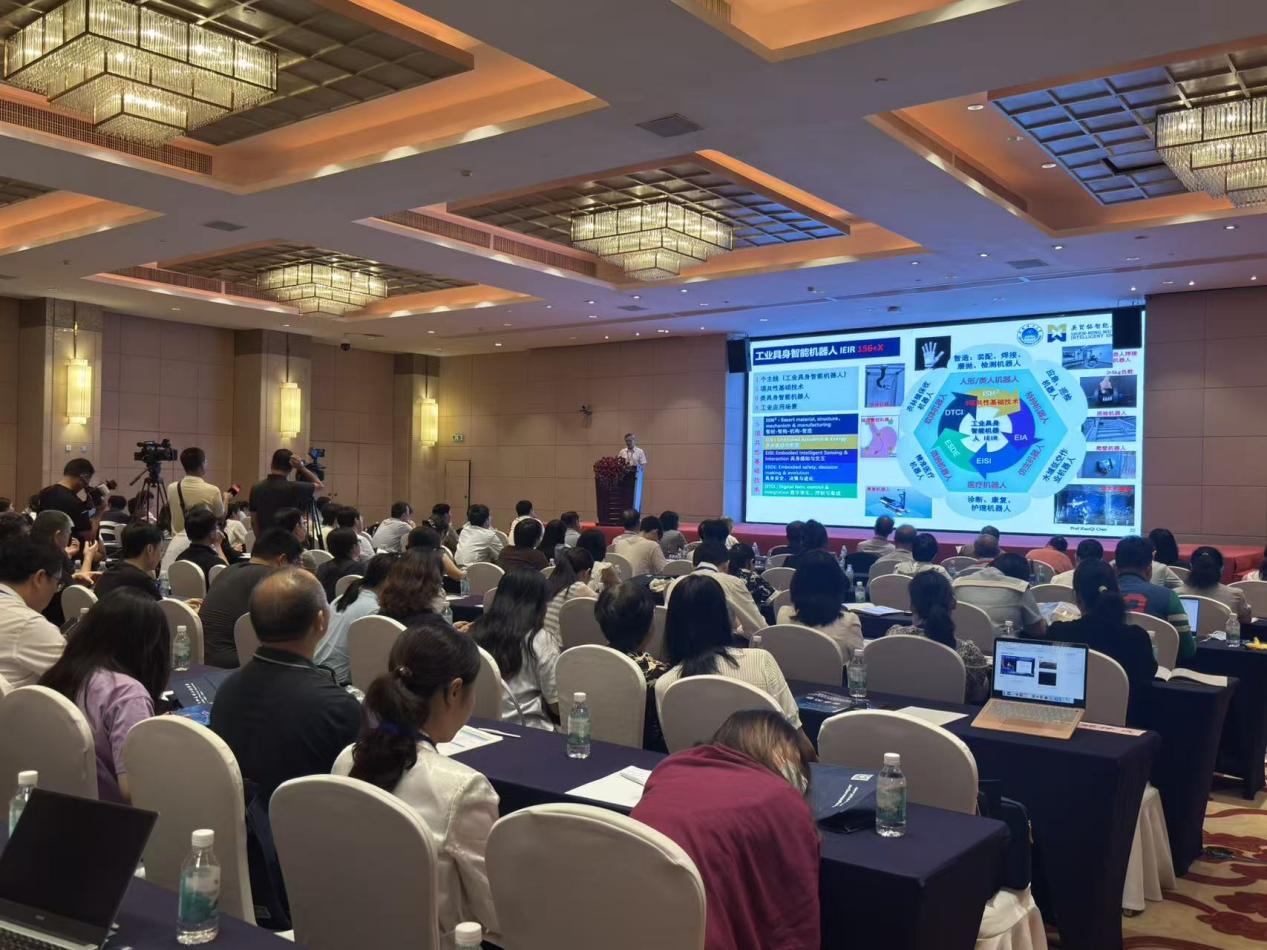
Core Viewpoint - Guangdong Province leads the innovation in the medical device industry with 8,200 research and production enterprises, reflecting the rapid development of high-performance medical device technology in China [1][4]. Group 1: Industry Overview - The forum held in Guangzhou focused on the integration of medical and engineering fields, discussing the latest advancements and challenges in high-performance medical devices amid complex international circumstances [1]. - By 2030, one-sixth of the global population will be over 60 years old, with China expected to have 310 million people aged 60 and above by the end of 2024, indicating a growing demand for diverse and high-quality medical devices [2][3]. Group 2: Market Dynamics - The domestic market for medical devices has seen a significant shift, with foreign companies' market share decreasing from over 90% in 2015 to 65% in 2023, highlighting the increasing competitiveness of domestic enterprises [3]. - The number of domestic medical device manufacturers has surged from 16,356 in 2018 to 34,635 by mid-2023, marking an increase of 111.8% [3]. Group 3: Technological Advancements - The development of artificial intelligence in medical devices is accelerating, with approximately one-third of AI-based medical devices approved in 2024 directly applying AI technology, particularly in medical imaging [3]. Group 4: Strategic Recommendations - Guangdong Province is encouraged to enhance scientific and technological innovation, improve talent cultivation in the medical device sector, and optimize the development ecosystem for the industry [4].
84家“独角兽—聪明公司—超级企业” 串起“深圳创新长廊”
2 1 Shi Ji Jing Ji Bao Dao· 2025-09-20 03:24
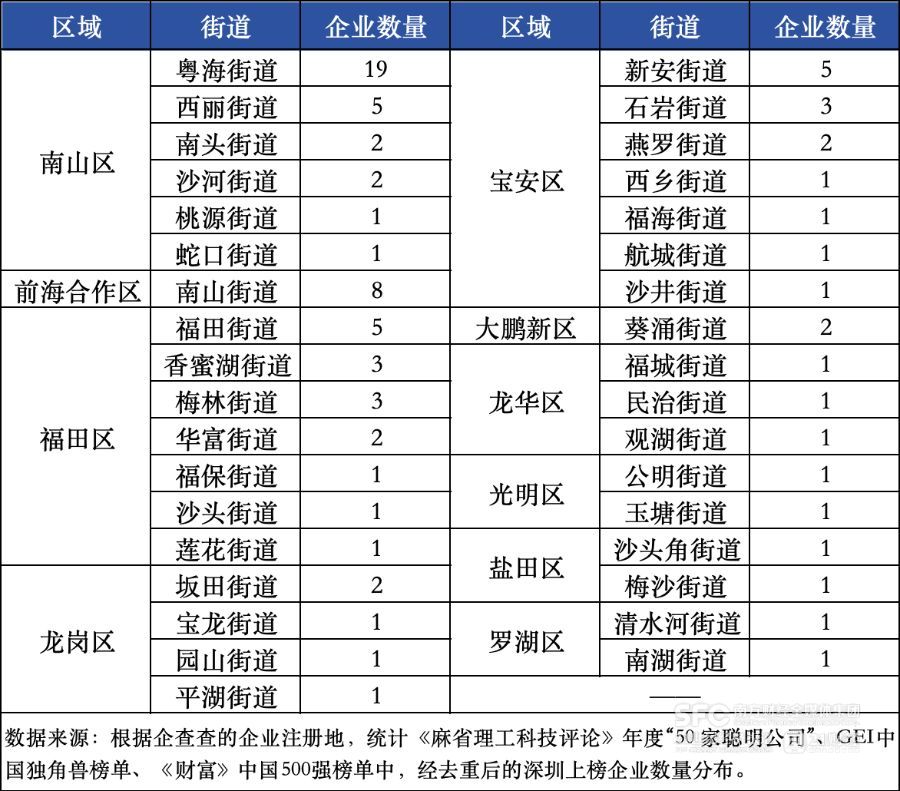
Core Insights - Shenzhen has shown remarkable performance in various prestigious company rankings, with at least 84 companies listed across multiple reports, indicating its strength in innovation and technology [1][6] - The concentration of these companies is not uniform but is highly focused in specific districts such as Nanshan, Futian, Bao'an, and Qianhai, forming a clear "Shenzhen Innovation Corridor" [1][6][9] - This corridor represents a new innovation paradigm that integrates urban development, industrial ecology, and corporate leadership, paving a high-quality development path for the Greater Bay Area and China [2] Company Highlights - Among the "50 Smart Companies," Shenzhen has 9 representatives, including major players like Huawei and BYD, as well as emerging tech stars such as Thunderbird Innovation and Tuo Bamboo Technology [3][4] - Huawei reported a historical revenue of 862.1 billion RMB last year, with over 1.2 trillion RMB invested in R&D over the past decade, while BYD continues to lead in the global new energy vehicle market [3][4] - The listed companies span various sectors, with a focus on AI, robotics, chips, and life sciences, showcasing Shenzhen's technological prowess [3] Regional Distribution - Nanshan District is the primary hub for innovation, hosting 30 of the listed companies, with Yuhai Street alone accounting for 19 companies, including industry giants like Tencent and ZTE [7][8] - The concentration of high-tech firms in Yuhai Street contributes approximately 11% of Shenzhen's GDP, despite occupying less than 0.6% of the city's land [8] - Futian and Bao'an districts also host significant numbers of innovative companies, with Futian's unicorns valued at over 49 billion USD, contributing 31% to the district's total valuation [8][9] Innovation Ecosystem - Shenzhen's innovation ecosystem is supported by a robust mechanism for discovering and nurturing innovative companies, focusing on finance, innovation, talent, and market resources [11][12] - The city has established a comprehensive service system to support strategic emerging industries, including the establishment of the "20+8" industrial cluster fund [11] - Shenzhen is also pioneering regulations in emerging fields like smart connected vehicles and artificial intelligence, fostering a flexible regulatory environment to encourage innovation [12]




第八届健博会将于12月19日至22日在三亚举办
Hai Nan Ri Bao· 2025-09-20 01:46
Core Points - The 8th Hainan International Health Industry Expo (Health Expo) will be held from December 19 to 22 in Sanya, focusing on global health resources and promoting the health industry development [1][2] - The event aims to leverage Hainan's free trade port policies to create investment platforms for international medical institutions and high-end health enterprises [2] - The expo will feature six major highlights, including stimulating innovation in smart healthcare, facilitating high-level industry exchanges, enhancing health consumption, and supporting talent cultivation in the health industry [2][3] Event Details - The Health Expo will last for four days, covering an exhibition area of 20,000 square meters and an interactive experience area of 10,000 square meters [3] - It will include six core exhibition areas: smart healthcare, innovative pharmaceuticals and medical devices, high-end health maintenance, traditional Chinese medicine, tourism and health services, and health and beauty [3] - The event has attracted participation from renowned healthcare companies such as Takeda Pharmaceutical, AstraZeneca, and GSK, as well as key domestic parks and provinces [3][4] Forums and Activities - Over 10 parallel forums will be held during the expo, focusing on topics like marine biomedicine, smart disease control, and AI in medicine [3][4] - The event aims to gather over 4,000 representatives from healthcare departments, research institutions, and industry associations, along with at least 20,000 general attendees [4] - A comprehensive media promotion strategy will be implemented, utilizing various platforms to enhance the expo's visibility and impact [4]
创业板成创新型经济“晴雨表”
Jing Ji Ri Bao· 2025-09-19 22:18
Core Insights - The ChiNext board has reached its 16th anniversary, with 1,385 listed companies and a total market capitalization exceeding 16 trillion yuan, showcasing its evolution from a simple financing platform to a key driver of new economic momentum and high-end industrial transformation [1][4] - In the first half of the year, ChiNext companies achieved a total operating revenue of 2.05 trillion yuan, with an average revenue growth of 9.03%, and a net profit of 150.54 billion yuan, reflecting strong performance in emerging industries such as new energy, biomedicine, and high-end equipment manufacturing [1][2] Industry Performance - The overall R&D intensity of ChiNext companies reached 4.89%, significantly higher than the market average of 2.33%, indicating a strong focus on innovation [2] - Notable companies like CATL and Mindray Medical have made significant technological advancements, enhancing China's position in the global new energy and high-end medical equipment sectors [2] Global Expansion - ChiNext companies have seen a 21.26% increase in overseas revenue, outpacing domestic growth, with exports in high-end manufacturing sectors like new energy vehicles and photovoltaic components on the rise [2] Structural Challenges - Despite notable achievements, there are structural issues such as high asset-liability ratios in some companies, reliance on imported core components, and uneven innovation capabilities among firms [3] - Governance issues, including inadequate information disclosure and instances of financial misconduct, have also been highlighted as concerns affecting investor confidence [3] Future Directions - Recommendations for enhancing the ChiNext board include increasing the weight of technological innovation in evaluation criteria, simplifying refinancing processes, and improving information disclosure rules [4] - The board aims to strengthen its role as a core platform for nurturing new productive forces and facilitating a virtuous cycle among technology, industry, and finance [4]
