华熙生物

Search documents
陕西新首富!夫妻卖面膜,身家超400亿
Sou Hu Cai Jing· 2025-05-14 12:58
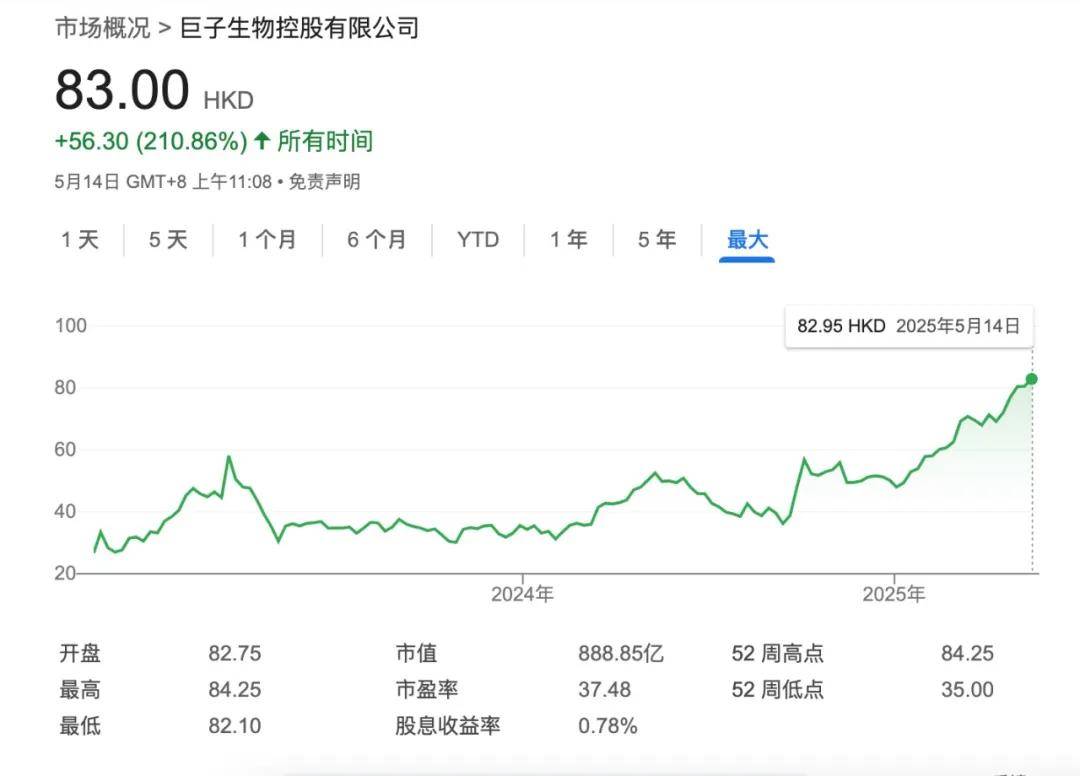
Core Viewpoint - The company, Juzhi Biotechnology, has experienced significant growth since its establishment, with its market capitalization surpassing that of its competitor, Proya, and reaching 88.8 billion HKD (approximately 81.9 billion RMB) in 2025, making it the highest-valued domestic beauty brand in China [1][4]. Financial Performance - In 2024, Juzhi Biotechnology reported revenue of 5.539 billion RMB, a year-on-year increase of 57.2%, and a net profit of 2.062 billion RMB, up 54.3%, with a gross margin of 82.1% [6][13]. - The company's flagship brand, Kefu Mei, generated 4.541 billion RMB in revenue, accounting for 82% of total revenue, and saw a growth of 62.9% [10][13]. Market Position and Strategy - Juzhi Biotechnology has established a strong market presence by focusing on collagen products, with 80% of its revenue derived from collagen-based products [6][10]. - The company has a dual sales strategy targeting both medical institutions and general consumers, which has contributed to its rapid revenue growth [12]. - Juzhi Biotechnology holds 167 patents and has developed a unique position in the market by not selling raw materials or licensing technology, thus maintaining pricing power [17][18]. Industry Trends - The market for recombinant collagen in China has grown significantly, with projections indicating a rise from 15 billion RMB in 2017 to 1,083 billion RMB by 2027, reflecting a compound annual growth rate of 42.4% [14]. - The company faces increasing competition as more players enter the high-margin medical beauty sector, which could impact its market dominance [20][23]. Challenges and Risks - Despite its current success, Juzhi Biotechnology's high gross margin of 82% is under pressure due to rising product costs and increased competition in the collagen market [20]. - The company has seen a decline in its gross margin from 83.6% in 2023, indicating potential challenges in maintaining profitability amidst market changes [20]. - Juzhi Biotechnology's research and development spending is relatively low compared to competitors, which may hinder its ability to innovate and maintain a competitive edge [21].

重组胶原蛋白赛道捧出两位“首富”
经济观察报· 2025-05-14 11:40
Core Viewpoint - The article highlights the rapid growth and competitive landscape of the recombinant collagen protein industry, focusing on two key players: Juzhi Biotechnology and Jinbo Biotechnology, both of which have achieved significant market milestones and financial success in recent years [1][2][5]. Company Overview - Juzhi Biotechnology was established in 2000 and specializes in the research, production, and sales of recombinant collagen and other bioactive components. It went public on the Hong Kong Stock Exchange in November 2022, becoming the first stock in the recombinant collagen sector listed there [4][5]. - Jinbo Biotechnology was founded in 2008 and went public on the Beijing Stock Exchange in 2023, marking it as the first stock in the recombinant collagen sector listed on that exchange [1][5]. Financial Performance - In 2024, Juzhi Biotechnology reported a revenue of 5.539 billion yuan, a year-on-year increase of 57.2%, while Jinbo Biotechnology achieved a revenue of 1.443 billion yuan, with a remarkable growth rate of 84.92% [8]. - Juzhi Biotechnology's adjusted net profit was 2.152 billion yuan, up 46.5% year-on-year, and Jinbo Biotechnology's net profit reached 732 million yuan, soaring by 144.27% [8]. - Both companies maintained high gross margins, with Juzhi Biotechnology at 82.09% and Jinbo Biotechnology at 92.02% in 2024 [8]. Market Trends - The recombinant collagen market in China is projected to grow from 18.5 billion yuan in 2022 to 108.3 billion yuan by 2027, reflecting a compound annual growth rate (CAGR) of 42.4% [6]. - The increasing consumer demand and advancements in biotechnology are driving the rapid development of the recombinant collagen industry [6]. Competitive Landscape - The industry is becoming increasingly competitive, with established players like Huaxi Biotechnology and Aimeike entering the recombinant collagen market. New entrants are also attempting to reshape the market dynamics [8]. - Juzhi Biotechnology's revenue heavily relies on its core brand, Kefu Mei, which contributes over 80% of its total revenue [9]. Challenges and Risks - Juzhi Biotechnology faces challenges due to its reliance on a single brand and an increasing dependence on online sales channels, which accounted for 71.6% of total revenue in 2024 [9]. - Jinbo Biotechnology also has a high revenue concentration, with 78.17% of its revenue coming from a single medical device product line [10]. - Both companies are navigating a competitive environment where maintaining market position and expanding product lines are critical for future growth [11][14].

昊海生科实控人涉内幕交易被查!“医美神话”背后暗藏迷雾
Xin Lang Zheng Quan· 2025-05-14 04:56
Group 1 - The core issue revolves around the investigation of the controlling shareholder, Jiang Wei, for insider trading, which has raised concerns about potential related party transactions and market trust in the company [1][2] - The company reported a significant decline in revenue growth, with a 1.64% increase projected for 2024, marking a four-year low, while traditional business segments are experiencing revenue declines [2][3] - The company's reliance on acquisitions for growth is being questioned, as the integration of acquired entities has shown mixed results, and R&D investment has decreased significantly [3][4] Group 2 - The company faces internal challenges, including governance issues and declining performance, while external pressures from industry competition and pricing strategies are intensifying [4] - The medical aesthetics sector is becoming increasingly competitive, with other players also facing challenges, indicating a potential end to the high-growth phase for hyaluronic acid products [3][4] - To regain market confidence, the company must address compliance, innovate in R&D, and diversify its business operations [4]

2025年山东省济南市新质生产力发展研判:科技创新赋能济南市新质生产力跃迁,加速十大现代化产业集群崛起[图]
Chan Ye Xin Xi Wang· 2025-05-14 01:24
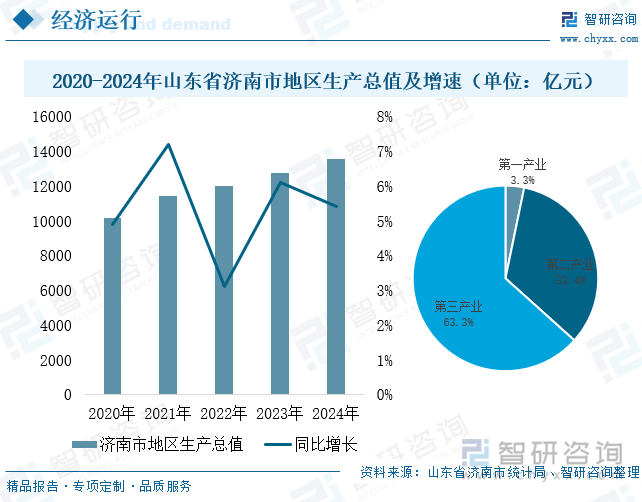
Core Insights - Jinan is focusing on building a modern industrial system characterized by "four beams, three supports, and four pillars," which includes key industries such as automotive manufacturing, electronic information, high-end equipment, and biomedicine [1][13] - The city aims to cultivate ten iconic industrial clusters, forming a "10+N" industrial matrix, and is prioritizing emerging fields like artificial intelligence, quantum technology, and low-altitude economy [1][13] - Jinan's economic performance is projected to improve, with a GDP of 13,527.6 billion yuan in 2024, reflecting a 5.4% year-on-year growth [3] Industrial Structure and Economic Performance - Jinan's industrial structure is evolving, with the primary industry contributing 440.0 billion yuan (3.6% growth), the secondary industry at 4,519.2 billion yuan (5.8% growth), and the tertiary industry at 8,568.4 billion yuan (5.2% growth), leading to a service-oriented economy [3][5] - The city has implemented over 2,000 industrial investment projects, with a focus on automotive manufacturing and electronic information, resulting in a 6.5% increase in industrial output value for 2024 [5] Innovation and Technology Development - Jinan is enhancing its innovation capabilities, with 1,189 new innovative SMEs and 720 specialized and innovative enterprises established in 2024 [7][8] - The city has made significant progress in building high-energy innovation platforms, including the Chinese Academy of Sciences Jinan Innovation City and the Shandong Institute of Industrial Technology [7] New Quality Productive Forces - The concept of "New Quality Productive Forces" was introduced by President Xi Jinping, emphasizing innovation-driven development and advanced production characteristics [2][10] - Jinan's government has launched several policies to support the development of new quality productive forces, including action plans for aerospace information and innovative pharmaceuticals [10][11] Future Industry Layout - Jinan is actively positioning itself in future industries, particularly in aerospace information, low-altitude economy, and quantum technology, with plans for significant infrastructure development [28] - The city aims to create a national-level future industry innovation demonstration zone, focusing on high-tech sectors and sustainable development [28] Key Enterprises and Sectors - Major companies in Jinan include Inspur Group in information technology, Qilu Pharmaceutical in biomedicine, and China National Heavy Duty Truck Group in high-end equipment manufacturing [20][21] - The automotive sector is represented by companies like BYD and Geely, which are driving the growth of the new energy vehicle industry in the region [20][21]



重组胶原蛋白赛道捧出两位“首富”
Sou Hu Cai Jing· 2025-05-13 23:55
Core Insights - The topic of "Northwest University Vice President Fan Daidi becomes the richest person in Shaanxi" has gained significant attention on social media, highlighting the wealth of Fan Daidi and her husband Yan Jianya, who own two listed companies: Juzhi Biotechnology and Triangle Defense [2] - According to the 2025 Hurun Global Rich List, Fan Daidi and her husband have a combined net worth of 31.5 billion yuan, surpassing other notable figures in the region [2] Company Overview - Juzhi Biotechnology, founded in 2000, specializes in the research, production, and sales of recombinant collagen and other bioactive components, and was listed on the Hong Kong Stock Exchange in November 2022 [3][4] - Fan Daidi, a co-founder of Juzhi Biotechnology, served as the executive director until July 2023 and has a long-standing affiliation with Northwest University, where she has held various academic positions [3][4] Market Dynamics - The recombinant collagen market is experiencing rapid growth, with a projected market size increase from 18.5 billion yuan in 2022 to 108.3 billion yuan by 2027, reflecting a compound annual growth rate (CAGR) of 42.4% [4] - Both Juzhi Biotechnology and Jinbo Biotechnology are showing high growth rates, with Juzhi's revenue reaching 5.539 billion yuan in 2024, a year-on-year increase of 57.2%, while Jinbo's revenue grew by 84.92% to 1.443 billion yuan [5] Financial Performance - Juzhi Biotechnology reported an adjusted net profit of 2.152 billion yuan in 2024, up 46.5% year-on-year, while Jinbo's net profit surged by 144.27% to 732 million yuan [5] - Both companies maintain high gross margins, with Juzhi's gross margin at 82.09% and Jinbo's at 92.02% in 2024 [6] Competitive Landscape - The competition in the recombinant collagen sector is intensifying, with established players like Huaxi Biotechnology and Aimeike entering the market, alongside new entrants like Hangzhou Meiliu Biotechnology, which has significantly reduced production costs [6][9] - Juzhi Biotechnology's revenue heavily relies on its core brand, Kefu Mei, which accounts for over 80% of its revenue, and the company is increasingly dependent on online sales channels, which constituted 71.6% of total revenue in 2024 [6][7] Product Development Challenges - Juzhi Biotechnology has plans to enter the recombinant collagen injection market, with two products expected to be approved in 2024, but currently, its registration is limited to dressing products [7][8] - Jinbo Biotechnology has achieved breakthroughs in the third-class medical device sector, holding all three existing registrations for recombinant collagen medical devices in China, but also faces challenges with revenue concentration [8][9]

美容护理行业今日涨1.18%,主力资金净流入5.04亿元
Zheng Quan Shi Bao Wang· 2025-05-13 09:15
| 301009 | 可靠股份 | 0.83 | 5.79 | -188.80 | | --- | --- | --- | --- | --- | | 001206 | 依依股份 | 1.23 | 8.04 | -236.45 | | 300132 | 青松股份 | -0.93 | 2.29 | -338.71 | | 600249 | 两面针 | 0.36 | 4.26 | -351.33 | | 603193 | 润本股份 | 3.66 | 5.60 | -426.94 | | 300888 | 稳健医疗 | 1.37 | 3.60 | -603.14 | | 603238 | 诺邦股份 | 3.53 | 6.50 | -637.10 | | 600315 | 上海家化 | -0.93 | 2.45 | -918.41 | | 001328 | 登康口腔 | 0.19 | 14.10 | -1066.91 | | 002243 | 力合科创 | -0.12 | 0.89 | -1089.13 | | 000615 | *ST美谷 | -0.30 | 2.36 | -1335.23 | | 300896 | ...
深圳将迎合成生物产业立法 央地协同加速化妆品新原料审评审批
2 1 Shi Ji Jing Ji Bao Dao· 2025-05-13 06:41
Core Insights - Shenzhen has introduced new legislation aimed at promoting the innovation and development of the synthetic biology industry, addressing key challenges such as supply chain coordination and long approval cycles for new materials [1][5]. Group 1: Legislative Developments - The draft regulations consist of 30 articles and aim to tackle common pain points in the synthetic biology industry, including supply chain issues and the lengthy approval process for new materials [1]. - The regulations will be open for public consultation until June 13, indicating a collaborative approach to policy-making [1]. Group 2: Market Potential - According to McKinsey, the global bioeconomy is projected to reach $2 trillion to $4 trillion in the next 10-20 years, with the contribution of biological modification expected to rise to 30%-70% over time [1][4]. - In China, 40% of newly established synthetic biology companies in the past three years are concentrated in Shenzhen, highlighting the city's growing significance in this sector [1][5]. Group 3: Industry Collaboration - The draft regulations emphasize collaboration with national and provincial health departments to enhance the safety assessment of new food materials and additives [3]. - The regulations also aim to improve the efficiency of the approval process for new cosmetic ingredients, addressing existing challenges such as high costs and long timelines [2][3]. Group 4: Support Mechanisms - Shenzhen plans to establish specialized industrial parks for synthetic biology, providing necessary R&D and production facilities, as well as public technical services [5][6]. - The city will support higher education institutions in offering programs related to synthetic biology and encourage partnerships between academia and industry to cultivate talent [5][6]. Group 5: Financial Initiatives - The Shenzhen government will leverage investment funds to support small and medium-sized enterprises in the synthetic biology sector, enhancing access to financing for startups [6]. - A private equity fund focused on synthetic biology was established in Shenzhen with a scale of 1.5 billion yuan, and local banks have increased credit limits for startups in this field [6].
重新定义品类!中国婴幼儿专业敏感肌纸尿裤震撼上市
Zhong Guo Zhi Liang Xin Wen Wang· 2025-05-13 06:24
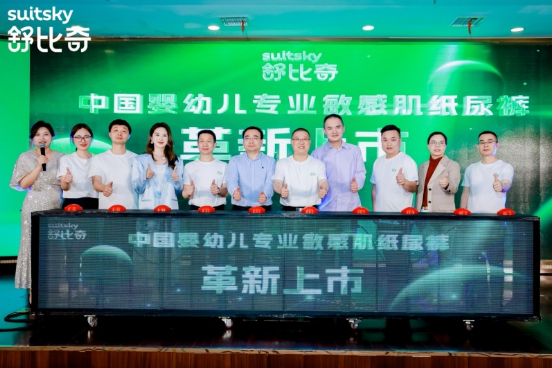
转自:中国经济网 4月15日,英氏控股集团旗下高端婴童品牌舒比奇于长沙盛大举办 "中国婴幼儿专业敏感肌纸尿裤上市 发布会",以 "医研共创 科学护敏" 为核心品牌主张,强势重新定义敏感肌护理品类。这场行业盛会汇 聚了医疗、科研、设计及母婴领域数百位权威专家,共同见证婴幼儿纸尿裤行业迈向专业化、科学化的 崭新里程碑。 中国婴幼儿专业敏感肌 纸尿裤革新上市现场仪式 当下,消费者对"红屁屁"防护的需求日益高涨。艾瑞咨询数据显示,宝妈在选购纸尿裤时,超80.9%将 "不红屁屁" 列为首要考量因素。《中国母婴用品消费趋势报告》也指出,2023 年敏感肌护理用品市场 规模同比激增32%,敏感肌婴幼儿群体已超两千万,但专业纸尿裤品类渗透率却不足5%。与此同时, 纸尿裤市场长期深陷两大困局:一是缺乏医学验证的统一行业标准,二是产品同质化严重,难以满足消 费者日益多元的差异化需求。 中国婴幼儿专业敏感肌 英氏控股集团董事长马文斌深情表示:"舒比奇始终怀揣着一个坚定梦想,那就是打造出中国最优质的 纸尿裤产品,让每一位中国宝宝都能用上高品质、超安全的纸尿裤。"舒比奇负责人谢佳也犀利指 出:"传统纸尿裤大多聚焦吸收、柔软、厚薄等基础 ...
全球新品首发!国际买家团汇聚,这场美妆盛会激活新动能
Qi Lu Wan Bao· 2025-05-13 04:14
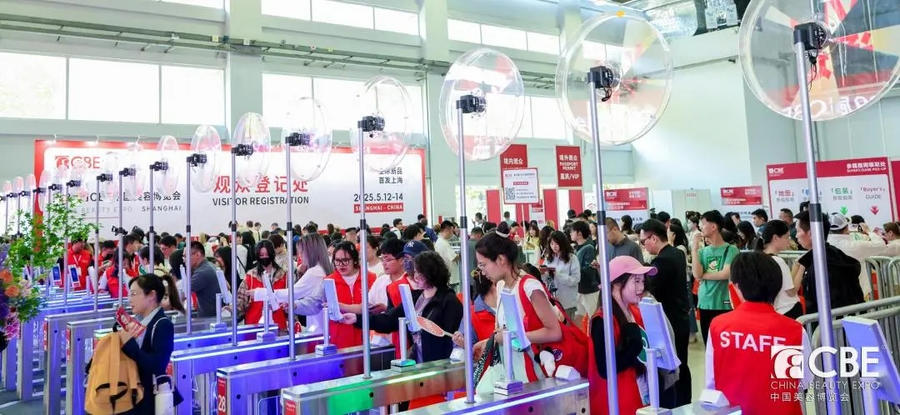
5月12日,2025中国国际美容化妆洗涤用品博览会(第29届CBE中国美容博览会)启幕。产业领军人物、美妆精英及国际嘉宾聚 力出席,共同启动"CBE全球美妆节"及法国主宾国仪式。时代浪潮下的全球美妆产业新机遇、新动能,在上海在CBE激荡涌 动。 第29届CBE中国美容博览会以"全球新品,首发上海"为年度主题,迎来全球40多个国家及地区的3200多家化妆品企业参展,覆 盖24个大品类、119个细分品类。10000多个美妆品牌,80000多个美妆新品爆品、科技成果同台竞技,以"首发上海∙2025CBE全 球美妆节"震撼领衔的150场创新特备活动精彩举办…… 展会第一天,来自海内外化妆品全产业链的品牌企业,全国各省市的线上线下渠道精英,欧美、亚洲的国际买家团,以及国内 外协会商会、权威主流媒体、专家等汇聚在此,展会三天预计吸引超过100个国家及地区的数十万人次的全球化妆品从业者进入 展会现场商贸洽谈、逛展打卡。 转自:潮新闻 依托科技创新与消费转型双重驱动,中国化妆品产业正展现出强劲的产业韧性与创新发展活力。 全球新品首发上海,引领美妆产业新浪潮 作为上海"首发经济"重点展会,第29届CBE中国美容博览会成为海内外 ...
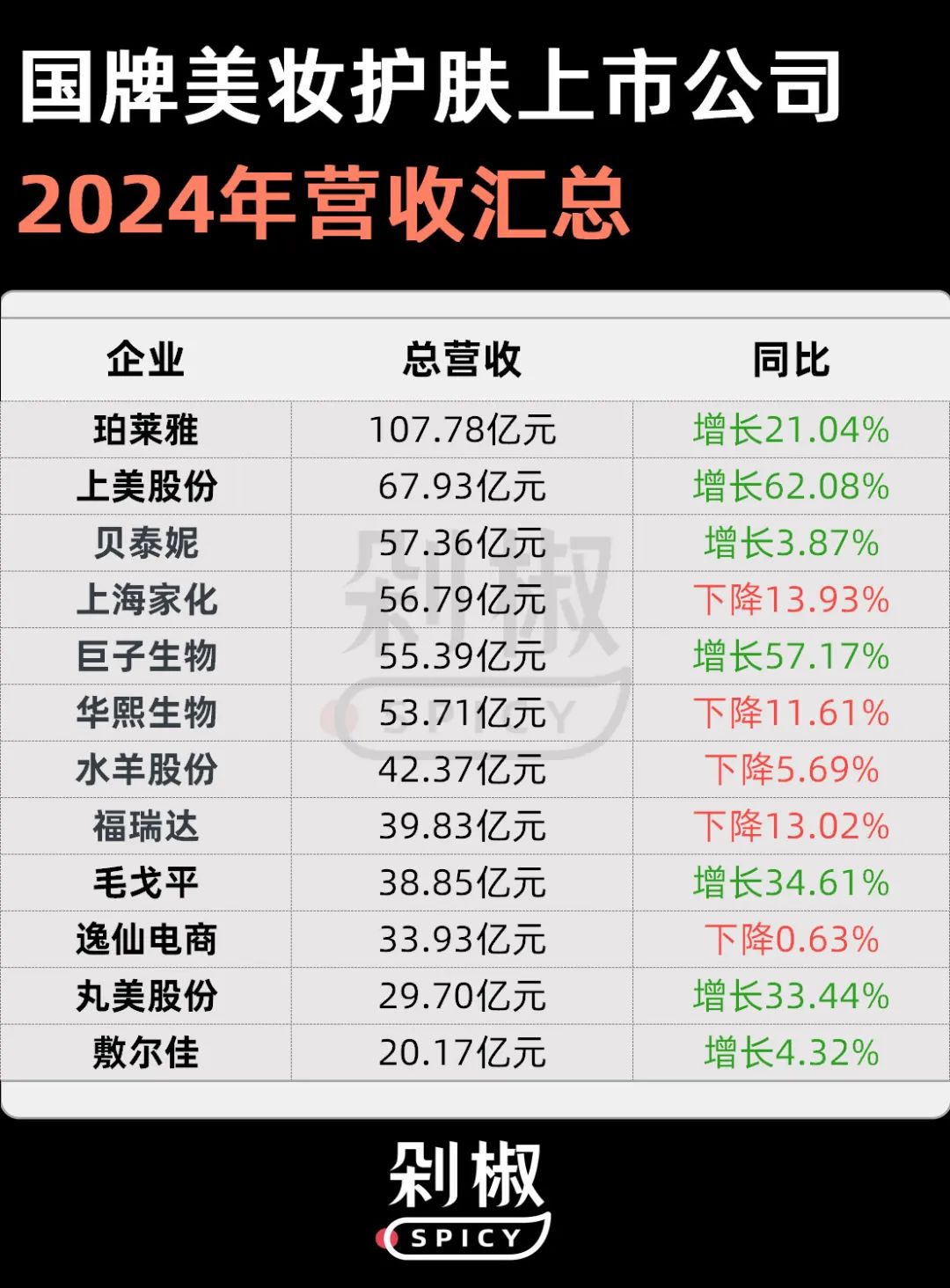
珀莱雅突破百亿、上海家化亏损8亿:国产美妆市场的“洗牌进行时”
3 6 Ke· 2025-05-13 01:56
Core Insights - The performance of domestic beauty companies in China is showing significant divergence, with some achieving remarkable growth while others face declines, indicating a reshaping of the market landscape [1][4][42] Group 1: Company Performance - Proya has become the first domestic beauty company to enter the 10 billion yuan club, with a revenue of 10.778 billion yuan, growing by 21.04% [2] - Other companies like Shangmei and Juzi Biological also reported substantial revenue increases of 62.08% and 57.17% respectively, while Shanghai Jahwa experienced a revenue decline of 13.93% [2][3] - Six beauty companies have revenues exceeding 5 billion yuan, suggesting that this threshold will soon become a significant benchmark for the top 10 domestic beauty brands [1] Group 2: Profitability Trends - Juzi Biological leads in profitability with a profit of 2.062 billion yuan, up 42.06%, while Proya's profit reached 1.552 billion yuan, growing by 30% [3] - In contrast, Shanghai Jahwa reported a loss of 833 million yuan, marking a 266.60% decline, highlighting the stark differences in profitability among companies [3][11] Group 3: Market Dynamics - The current market dynamics indicate a shift towards efficacy-driven products, with companies that successfully launched standout products seeing better performance [4][5] - The competition is intensifying, with new entrants emerging and established brands needing to adapt to changing consumer preferences and market trends [7][30] Group 4: R&D and Strategic Focus - Companies are increasingly focusing on R&D, with most reporting a rise in R&D expenditures, indicating a strategic shift towards innovation and efficacy [20][21] - The trend of acquisitions and investments in technology is becoming a key strategy for companies aiming to enhance market share and scale [23][24] Group 5: Emerging Opportunities - The male skincare market is growing rapidly, presenting new opportunities for brands to capture this segment [36] - The aging population is creating demand for products targeting older consumers, which remains largely untapped [39] - As online sales plateau, brands are shifting focus to offline channels, indicating a potential new battleground for market share [40]