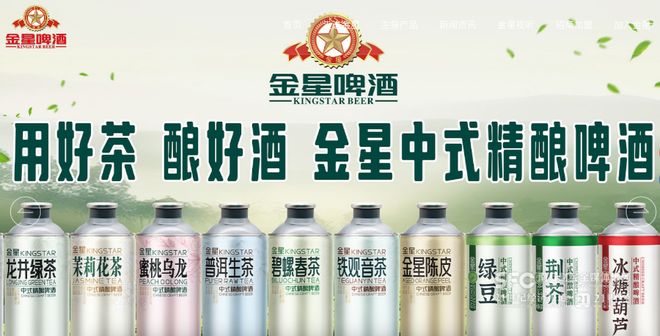
华润啤酒

Search documents
智通港股沽空统计|1月16日
智通财经网· 2026-01-16 00:28
Group 1 - The top short-selling ratios are led by China Resources Beer (100.00%), Lenovo Group (95.24%), and JD Health (94.15%) [1] - The highest short-selling amounts are recorded for Alibaba (3.923 billion), Tencent Holdings (2.552 billion), and Trip.com Group (1.172 billion) [1][2] - Meituan, Kanglong Chemical, and Haitong Securities have the highest deviation values at 55.33%, 50.16%, and 48.65% respectively [1] Group 2 - The top ten short-selling ratios include China Resources Beer (100.00%), Lenovo Group (95.24%), and JD Health (94.15%) with respective amounts of 11,700, 7,019,200, and 150,000 [2] - The top ten short-selling amounts show Alibaba at 39.23 billion, Tencent at 25.52 billion, and Trip.com at 11.72 billion with respective short-selling ratios of 17.78%, 15.59%, and 7.41% [2] - The top ten deviation values highlight Meituan (55.33%), Kanglong Chemical (50.16%), and Haitong Securities (48.65%) with their respective short-selling amounts [2]




食品饮料:2026 年行业投资策略报告:破晓启航-20260115
Huafu Securities· 2026-01-15 09:22
Group 1 - The food and beverage sector is showing signs of recovery after a prolonged adjustment period, with macroeconomic indicators stabilizing and the restaurant industry experiencing a rebound in daily operations [2][14][15] - The report suggests that investment opportunities in 2026 should focus on three main directions: capturing the recovery rhythm, identifying growth opportunities within existing markets, and leveraging emotional consumption trends [2][3][4] - The restaurant industry is expected to lead the recovery, with a projected annual revenue of 5.7 trillion yuan in 2025, reflecting a 3.3% year-on-year growth [20][26] Group 2 - The report highlights the importance of focusing on demand-driven scenarios, channels, and product innovations, particularly in the snack and beverage sectors, which are expected to continue their growth trajectories [3][4][66] - The snack retail sector is experiencing significant growth, with a projected GMV of 600 billion yuan by 2029, driven by the expansion of major players like Wanchen Group and Mingming Hen Mang [68][74] - The beverage and low-alcohol sectors are also identified as areas of growth, with companies like Kuaijishan and Nongfu Spring expected to benefit from ongoing market expansion [4][66] Group 3 - The beer sector is anticipated to benefit directly from the recovery of the restaurant industry, with a notable trend towards premiumization and a shift in consumer preferences towards higher-priced products [40][41] - The white wine industry is undergoing a rebalancing, with demand expected to show weak recovery in 2026, characterized by a concentration of high-priced products and minor innovations in mid-priced segments [48][49][64] - The report emphasizes the need for companies to manage supply effectively in response to weak demand, with a focus on optimizing product offerings and enhancing operational efficiency [49][53][64]
2025年上海市酒类定量包装商品净含量监督抽查结果公布
Zhong Guo Zhi Liang Xin Wen Wang· 2026-01-15 08:37
Core Insights - The Shanghai Municipal Market Supervision Administration conducted a quality inspection of alcoholic beverages, revealing that all 20 sampled products met the required standards for net content labeling and measurement [3]. Group 1: Inspection Results - All 20 batches of alcoholic beverages inspected were found to be compliant with the relevant standards [3]. - The inspection was based on JJF 1070-2023 "Measurement Inspection Rules for Net Content of Quantitative Packaged Goods" [3]. Group 2: Sampled Products - Notable compliant products included: - Qingdao Beer Classic (330ml) produced by Qingdao Beer Shanghai Songjiang Manufacturing Co., Ltd. [3] - RIO Strong Refreshing White Peach Flavored Cocktail (330ml) produced by Shanghai Bacchus Wine Co., Ltd. [3] - Chinese Jin Liquor (520ml) produced by Jinpai Co., Ltd. [3] - The inspection covered various types of alcoholic beverages, including beer, wine, and cocktails, indicating a diverse market presence [3].

中国消费板块 2026 展望:消费信心复苏是否已开启?-China Consumer Sector_ 2026 Outlook_ are we at the beginning of consumer confidence recovery_
2026-01-15 06:33
Summary of the Conference Call Transcript Industry Overview - **Industry**: China Consumer Sector - **Outlook**: The sector is believed to be in the early stage of a multi-year recovery cycle that began in Q3 2024, with expectations for gradual improvement in consumer sentiment and spending through 2026E [2][11][12] Key Insights - **Valuation**: MSCI China Consumer Discretionary and Staples are trading at 17x and 15x 12-month forward PE, approximately one standard deviation below the 10-year averages, indicating that current valuations do not reflect a potential consumption recovery [2][9] - **Consumer Confidence**: The China Consumer Confidence Index has been trending upwards since September 2024, suggesting a gradual restoration of consumer confidence despite ongoing challenges in the property market [12][19] - **K-shaped Recovery**: The recovery is characterized by a K-shaped trend, where mid- to high-income consumers in tier-1 cities are expected to lead spending, while lower-tier city consumers remain focused on value for money [3][48] Consumer Behavior Trends - **Shifting Preferences**: A UBS Evidence Lab survey indicates a divergence in consumer behavior, with over 50% of mid- to high-income consumers reporting investment gains and showing strong spending intentions, particularly in premium and experiential categories [3][37] - **Spending Intentions**: The strongest spending intentions are noted in beauty and skincare (41%) and tourism (37%), reflecting a shift towards experiential and premium spending [51] - **Investment Gains**: 64-74% of mid- to high-income consumers reported increased investment returns, with many planning to reinvest or spend on travel, health services, and consumer electronics [40][41] Stock Implications - **Company Ratings**: - Upgrades to Neutral for Fenjiu due to expected benefits from non-business baijiu consumption - Buy ratings maintained for companies like MIXUE, Guming, China Foods, CR Beer, and YUM China, among others [4] - **Dividend Payouts**: Premium baijiu companies are noted for their >75% dividend payout, which is expected to protect share prices from downside risks [4] Structural Growth Opportunities - **Emerging Themes**: Key investment themes for 2026E include changing consumer preferences, corporate restructuring, and industry consolidation, particularly in sectors like home appliances and mass-market consumption [14][50] - **Corporate Restructuring**: Companies are expected to adapt their business models to align with changing consumer behaviors, which may lead to sustainable long-term earnings growth [4][50] Risks and Challenges - **Property Market Downturn**: The ongoing downturn in the property market is anticipated to weigh on household balance sheets, potentially impacting consumer spending [13][48] - **Policy Support**: The pace of recovery is contingent on stabilizing the property market and effective policy implementation to boost consumption [13][48] Conclusion - The China consumer sector is poised for a recovery, driven by improving consumer confidence and shifting spending patterns. However, the recovery will be uneven across different income groups and city tiers, necessitating a nuanced investment approach to capture emerging opportunities while being mindful of potential risks associated with the property market downturn.




智通港股沽空统计|1月15日
智通财经网· 2026-01-15 00:24
Group 1 - The core point of the news highlights the top short-selling ratios and amounts for various companies, indicating significant market sentiment towards these stocks [1][2]. - AIA Group Limited (友邦保险-R) and Anta Sports Products Limited (安踏体育-R) both have a short-selling ratio of 100.00%, indicating a high level of bearish sentiment [1][2]. - The top three companies by short-selling amount are Alibaba Group Holding Limited (阿里巴巴-W) with 4.031 billion, Tencent Holdings Limited (腾讯控股) with 2.553 billion, and Alibaba Health Information Technology Limited (阿里健康) with 1.776 billion [1][2]. Group 2 - The top short-selling ratio rankings show that AIA Group Limited (友邦保险-R) leads with a short-selling amount of 1.9534 million and a ratio of 100.00% [2]. - JD.com, Inc. (京东集团-SWR) has a short-selling ratio of 99.19% with a short-selling amount of 0.6316 million, indicating strong market pressure [2]. - The deviation values indicate that JD.com (京东集团-SWR) has the highest deviation at 44.47%, suggesting significant divergence from its historical short-selling average [2].


业绩翻倍增长 中式精酿啤酒开创者冲击IPO
Zhong Guo Ji Jin Bao· 2026-01-14 14:32
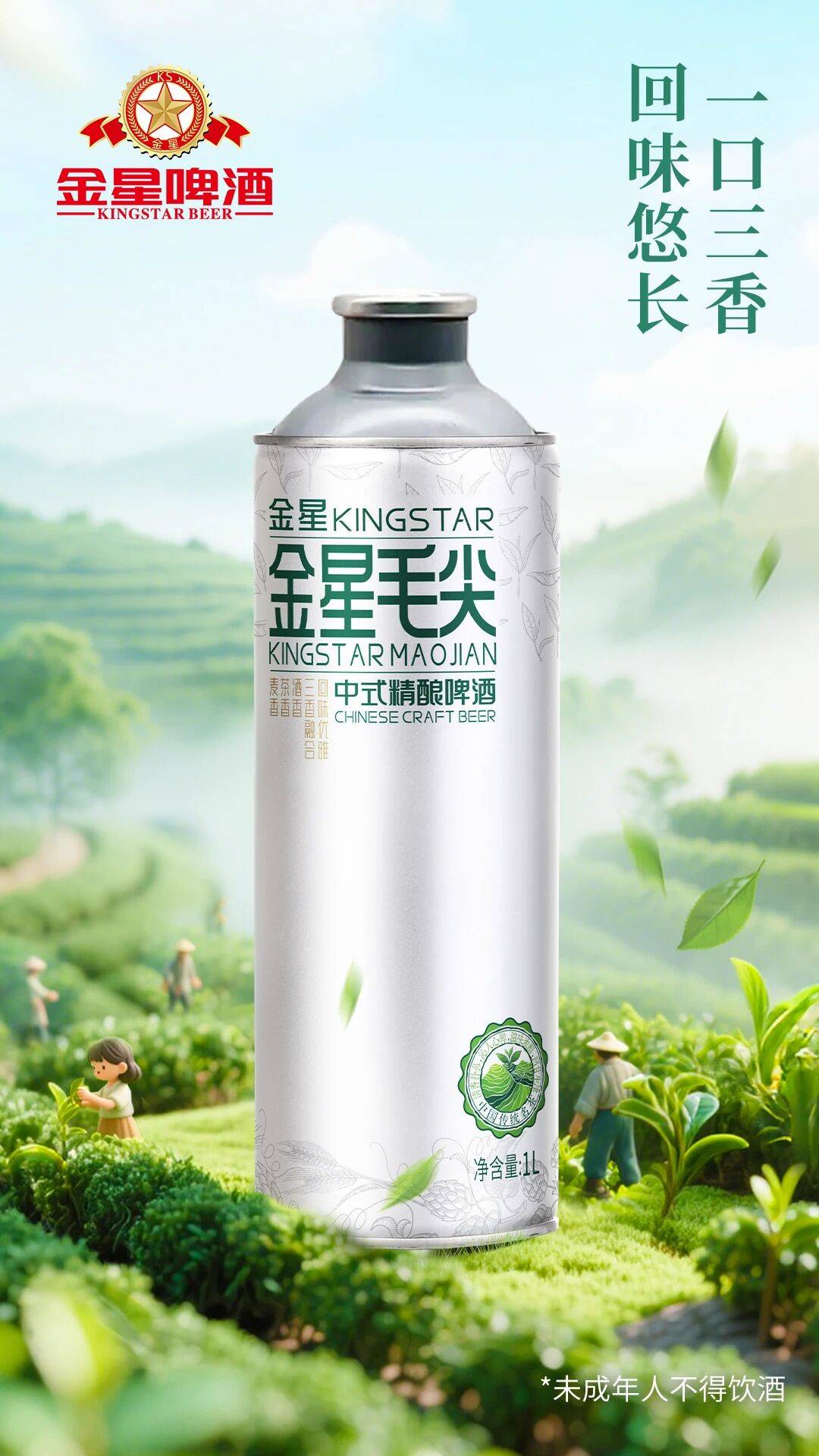
Core Viewpoint - Jin Xing Beer is set to go public on the Hong Kong Stock Exchange, following a significant surge in performance driven by the popularity of its innovative Chinese craft beers, particularly the Jin Xing Xinyang Maojian craft beer [1][2][4]. Company Overview - Jin Xing Beer, established in 1982, has transitioned from producing industrial beers to becoming a leader in the Chinese craft beer market, particularly with its introduction of tea-infused craft beers [5][6]. - The company has experienced explosive growth, with revenue increasing by 191.34% to 1.11 billion RMB and net profit soaring by 1095.84% to 305 million RMB in the first nine months of 2025 [4][7]. Financial Performance - In 2023, the company reported revenue of 356 million RMB, which increased to 730 million RMB in 2024, and further to 1.11 billion RMB in the first nine months of 2025 [9][10]. - The gross profit margin has improved significantly, with gross profit rising from 97 million RMB in 2023 to 521 million RMB in 2025 [9]. - The revenue from Chinese craft beers accounted for 78.1% of total revenue in the first nine months of 2025, highlighting a shift in the company's revenue structure [10]. Market Position - Jin Xing Beer is recognized as the third-largest craft beer company in China and the largest flavor craft beer producer, holding a market share of 14.6% [4]. - The Chinese flavor craft beer market is projected to grow from 15 billion RMB in 2019 to 111 billion RMB in 2024, with a compound annual growth rate (CAGR) of 49.3% [7]. Ownership Structure - The ownership of Jin Xing Beer is highly concentrated, with the Zhang family controlling over 90% of the shares, which allows for governance aligned with family interests [12][14]. - The company has distributed substantial dividends, totaling 229 million RMB in early 2025, which is 182.6% of the net profit for 2024 [16][17]. Industry Dynamics - The craft beer market in China is rapidly evolving, with the overall market size expected to reach nearly 200 billion RMB by 2029, attracting various competitors including traditional beer giants and retail companies [19][20]. - The lack of established industry standards for craft beer poses challenges, as many products labeled as craft still resemble industrial beers [19]. - New entrants, such as Mixue Group, are entering the market with competitive pricing strategies, which may alter the competitive landscape [20][21]. Future Plans - The IPO proceeds will be primarily used to enhance production capacity, strengthen multi-channel networks, and improve marketing and digital capabilities [23].
业绩翻倍增长,中式精酿啤酒开创者冲击IPO
Zhong Guo Ji Jin Bao· 2026-01-14 14:13
Core Viewpoint - Jin Xing Beer is preparing for an IPO on the Hong Kong Stock Exchange, capitalizing on its recent success in the craft beer market with innovative products like the "Xinyang Maojian Chinese Craft Beer" [1][2]. Company Overview - Founded in 1982, Jin Xing Beer has transitioned from producing industrial beer to becoming a leader in the Chinese craft beer segment, particularly with its introduction of tea-infused beers [4][5]. - The company has seen significant growth, with revenue increasing by 191.34% year-on-year to 1.11 billion RMB in the first nine months of 2025, and net profit soaring by 1095.84% to 305 million RMB [4][8]. Financial Performance - In 2023, the company reported revenue of 356 million RMB, with a gross profit of 97 million RMB and a net profit of 12 million RMB [6][10]. - The introduction of the "Jin Xing Maojian" beer in 2024 marked a turning point, leading to a revenue of 730 million RMB and a net profit of 1.25 million RMB in 2024 [8][10]. - By 2025, the revenue from craft beer reached 867 million RMB, accounting for 78.1% of total revenue [11]. Market Position - Jin Xing Beer is the third-largest craft beer company in China and the largest in the flavored craft beer segment, holding a market share of 14.6% [4][7]. - The Chinese flavored craft beer market is projected to grow from 15 billion RMB in 2019 to 111 billion RMB by 2024, with a compound annual growth rate (CAGR) of 49.3% [7]. Ownership Structure - The ownership of Jin Xing Beer is highly concentrated, with the Zhang family controlling over 90% of the shares, which allows for governance aligned with family interests [13][15]. - The company has distributed significant dividends, totaling 229 million RMB, which is 182.6% of the net profit for 2024 [17][18]. Industry Dynamics - The craft beer market in China is rapidly expanding, with the market size expected to reach nearly 200 billion RMB by 2029, driven by competition from traditional beer giants and new entrants [20][21]. - The lack of established standards for craft beer in China poses challenges, as many products labeled as craft still resemble industrial beer [20]. - Seasonal sales fluctuations are a common issue, but innovative product offerings can help mitigate these challenges [22]. Future Outlook - Jin Xing Beer plans to use the funds raised from the IPO to enhance production capacity, strengthen its distribution network, and invest in marketing and digital capabilities [23].
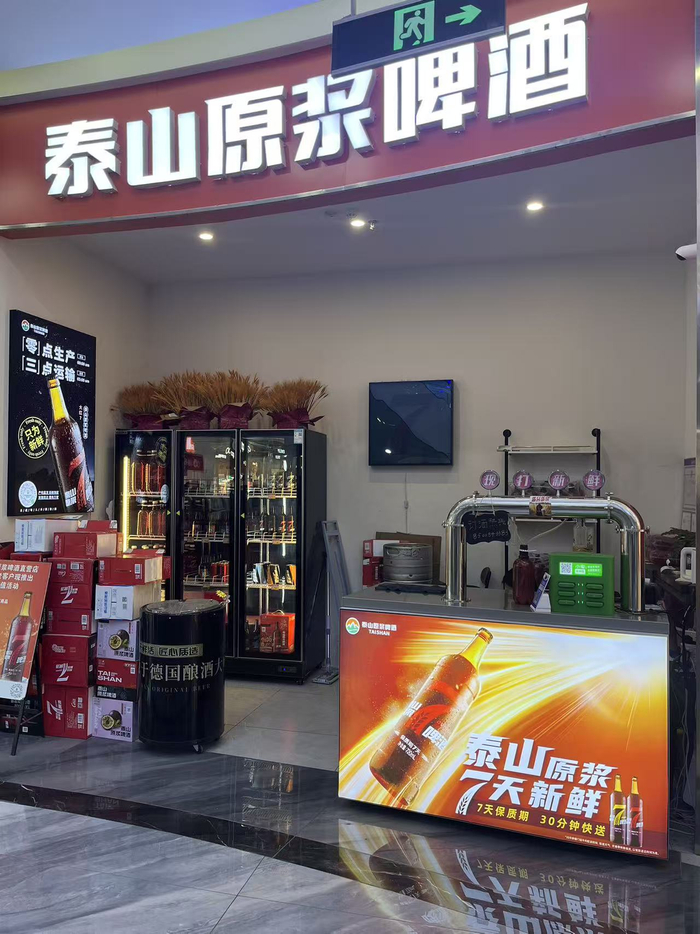
主打七天保质期的泰山啤酒被债务压垮了
Xin Lang Cai Jing· 2026-01-14 12:20
Core Viewpoint - Shandong Taishan Beer Co., Ltd. has entered bankruptcy reorganization due to insolvency, with total assets of approximately 622 million yuan and total liabilities of about 663 million yuan, resulting in a debt-to-asset ratio of 106.63% [1][2] Company Overview - Taishan Beer was established in 1979 and became a wholly foreign-owned enterprise after being acquired by Hong Kong Tiger Color Group in 2000 [1] - The company operates over 3,000 specialized stores nationwide and has advantages in product marketing, technology innovation, and brand vitality, indicating potential for reorganization [1][2] Financial Situation - As of October 31, 2025, Taishan Beer is unable to repay its debts and lacks sufficient assets to cover all liabilities, leading to a severe cash flow shortage and operational difficulties [1][2] - The company reported a revenue of 50.152 million yuan in 2024 and aims for a sales volume of 80,000 tons in 2025, maintaining revenue levels similar to the previous year [10] Bankruptcy Reorganization - The court accepted the bankruptcy reorganization application based on the company's inability to pay due debts and the presence of reorganization value [2] - The management clarified that the reorganization is not an indication of closure but a necessary step for long-term development and to address historical debt issues [5] Market Context - The Chinese beer market shows growth potential, with 338 breweries achieving a total production of 30.9525 million kiloliters and sales revenue of 151.748 billion yuan in 2025, indicating a competitive landscape [6] - Major beer companies dominate the market, with top players capturing nearly 90% of the market share, making it challenging for second-tier brands like Taishan Beer to break through [6] Product and Marketing Strategy - Taishan Beer has introduced innovative products, including a "Herbal" series and high-end offerings, to cater to diverse consumer preferences and health trends [8] - The company has adopted a direct sales model through specialized stores, enhancing brand experience and retaining more channel profits [5][8] Future Outlook - Despite the current financial challenges, the company remains optimistic about its future, aiming to expand its store network significantly and maintain consumer engagement during the reorganization process [11]
押中“中式精酿”风口,河南老厂金星啤酒年赚超3亿,如今要去港股上市
Sou Hu Cai Jing· 2026-01-14 10:44
Core Viewpoint - The launch of "Zhongshi Craft Beer" by Jin Xing Brewery has revitalized the sluggish beer market, positioning the company for a potential IPO on the Hong Kong Stock Exchange, making it the first "Zhongshi Craft Beer" stock if successful [1][6]. Company Overview - Jin Xing Brewery, established in 1982, has a production capacity of 2 million tons annually, making it the largest in Henan province, with 15 production bases across 9 provinces [7]. - The company has recently shifted its focus to "Zhongshi Craft Beer," which incorporates local tea flavors, significantly contributing to its revenue [8]. Product and Revenue Insights - The introduction of "Zhongshi Craft Beer" in August 2024, particularly the "Maojian Beer," has led to a rapid increase in sales, with 166 SKUs available as of September 30, 2025, and 50 of those being craft beer variants contributing 78.1% of revenue [8]. - The retail revenue growth rate from 2022 to 2024 is 23.7%, making Jin Xing Brewery one of the fastest-growing companies among the top ten in the industry [8]. Financial Performance - Revenue surged from 356 million yuan in 2023 to 1.11 billion yuan in the first nine months of 2025, with net profit increasing from 12.2 million yuan to 305 million yuan during the same period [9]. - The gross margin improved from 27.3% to 47%, and net margin rose from 3.4% to 27.5% [9]. Market Position and Competition - The craft beer segment in China is experiencing rapid growth, with a compound annual growth rate of 38.4% from 2019 to 2024, projected to reach 182.1 billion yuan by 2029 [13]. - Jin Xing Brewery holds a 14.6% market share in the flavor craft beer segment, but faces increasing competition as larger companies enter the market with similar products [15]. Strategic Challenges - The company must navigate the challenges of maintaining its unique regional characteristics and product differentiation in a competitive landscape, as well as transitioning from a single product model to a diversified product matrix [15]. - The recent trademark disputes and market saturation highlight the need for Jin Xing Brewery to strengthen its brand and product innovation strategies [12][15]. Future Outlook - The ability of Jin Xing Brewery to convert its current growth momentum into long-term brand equity and support its valuation expectations in the Hong Kong market will be critical for its future success [16].
金星啤酒闯关港股,中式精酿黑马面临估值之问
2 1 Shi Ji Jing Ji Bao Dao· 2026-01-14 09:29
Core Viewpoint - Henan Jinxing Beer Co., Ltd. has submitted its listing application to the Hong Kong Stock Exchange, marking its official entry into the public market, with a focus on its innovative "Chinese craft beer" products that have driven significant revenue growth [1][2]. Company Overview - Founded in 1982, Jinxing Beer has evolved from a regional brand to the eighth largest beer company in China, and the fifth largest domestic beer producer [1][2]. - The company has experienced a transformation in the past two years, particularly with the launch of its innovative products like "Jinxiang Maojian," which has contributed to its rapid growth [5][7]. Financial Performance - Jinxing Beer reported revenues of 356.4 million yuan in 2023, projected to reach 730.2 million yuan in 2024, and 1.109 billion yuan for the first nine months of 2025, with net profits increasing from 12.2 million yuan in 2023 to 305.3 million yuan in 2025 [2][7]. - The revenue contribution from "Chinese craft beer" has surged to 78.1% by the first three quarters of 2025, compared to 0% in 2023 [7][10]. Market Position - Despite its growth, Jinxing Beer still lags behind major competitors, with the sixth largest competitor, Zhujiang Beer, generating over 5 billion yuan in revenue, significantly more than Jinxing Beer [8][9]. - The company aims to maintain a growth rate above the industry average to close the gap with leading brands [8]. Product Innovation - Jinxing Beer has successfully created a new category of "Chinese craft beer," with over 50 SKUs, including unique flavors like ice sugar hawthorn and sugar orange [5][10]. - The pricing strategy for "Chinese craft beer" is significantly higher, with products priced around 20 yuan per can, compared to traditional products priced between 3 to 6 yuan [10][11]. Market Sentiment and Valuation - The capital market's interest in alcoholic beverage stocks is currently low, which may affect Jinxing Beer's valuation despite its growth potential [15][16]. - Comparatively, Jinxing Beer is expected to achieve a higher valuation than its peers in the Hong Kong market due to its growth trajectory and innovative product offerings [14]. Distribution and Sales Channels - Jinxing Beer relies heavily on traditional distribution channels, with over 90% of its revenue coming from offline sales, indicating a need for further development in e-commerce and direct sales [17]. - The company has expanded its distribution network to 29 provinces, but still faces competition from established brands in the market [18]. Ownership Structure - The largest shareholder of Jinxing Beer is Jinxing Holding Group, which holds 74.56% of the company, with key figures Zhang Tieshan and Zhang Feng holding significant stakes [19].