
赛诺菲

Search documents
经开区经济总量迈上4千亿新台阶
Xin Lang Cai Jing· 2026-01-28 16:47
Core Insights - The Beijing Economic-Technological Development Area (BDA) achieved a GDP of 401.21 billion yuan in 2025, marking a year-on-year growth of 10.7%, leading among national economic development zones [1] Group 1: Economic Performance - The industrial output value in BDA grew by 12% year-on-year in 2025, with key industries showing double-digit growth [1] - The high-end automotive and new energy smart vehicle industries saw a production value increase of 17.4% year-on-year [1] - The new generation information technology industry experienced a production value growth of 19.3% year-on-year [1] - The robotics and intelligent manufacturing industry recorded a production value increase of 5.1% year-on-year [1] Group 2: Service Sector Growth - The information service industry generated revenue of 130.28 billion yuan from January to November 2025, reflecting a year-on-year growth of 16.7% [1] - The financial sector's net income increased by 23.1% year-on-year for the entire year [1] - Retail sales in the wholesale and retail sector grew by 15.1% year-on-year, driven by companies like JD.com [1] Group 3: Innovation and Investment - R&D expenses for large and medium-sized key enterprises in BDA rose by 31.8% year-on-year, leading the city [2] - Fixed asset investment in BDA has maintained a scale of over 100 billion yuan for three consecutive years, with significant projects like the Sanofi insulin raw material project and the large commercial complex Wanxianghui accelerating [2] - BDA aims to anchor its fourth 100 billion yuan investment target, with several key projects set to commence, including a new drug R&D and industrialization base and a headquarters for aerospace intelligence [2]
2025全球罕见病行业发展报告:政策演进、市场趋势与领先企业布局
摩熵咨询· 2026-01-28 13:53
Investment Rating - The report does not explicitly provide an investment rating for the rare disease industry. Core Insights - The rare disease sector is characterized by significant policy evolution and market trends, with a focus on the accessibility of treatments and the development of orphan drugs [1][2][5]. Summary by Sections Overview of the Rare Disease Industry - The report analyzes the policies regarding rare diseases in China, the United States, Japan, and Europe, highlighting the differences in definitions and management frameworks across these regions [6][12]. - China has included 207 diseases in its rare disease directory, while the U.S. has no unified directory but manages information through the GARD database [10][11]. Patient Population and Management Status - The report indicates that rare diseases affect over 200 million people globally, with China having more than 20 million affected individuals [12][14]. - The management systems in China are still developing, with significant gaps in data accuracy and epidemiological tracking compared to established systems in the U.S. and Europe [13][14]. Drug Availability and Accessibility - As of 2024, China has approved 55 rare disease drugs, while the U.S. has approved 26, and the EU has approved 15 [15][16]. - The report notes that 70.5% of rare diseases globally have available treatments, but many patients in China still face challenges in accessing these medications due to high costs and limited insurance coverage [16][17]. Leading Companies in Rare Disease Drug Development - The report identifies key players in the rare disease drug development space, emphasizing the growing pipeline of domestic research in China, although it still lags behind international pharmaceutical companies in innovation [16][17].
中金 • 全球研究 | 特朗普政府药价改革背后的因与果
中金点睛· 2026-01-27 23:50
Core Viewpoint - The article discusses the ongoing efforts by the Trump administration to lower drug prices in the U.S., highlighting the strong pricing power of pharmaceutical companies and the complexities of the healthcare payment system, which includes private insurance and pharmacy benefit managers (PBMs) [2][35]. Summary by Sections U.S. Healthcare System Overview - The U.S. healthcare system is characterized by high medical service costs and low insurance coverage rates compared to other developed countries, with total healthcare spending reaching approximately $4.9 trillion in 2023, accounting for 17.6% of GDP [4][5]. - From 1960 to 2023, per capita national health expenditure in the U.S. increased from $146 to $14,570, a 99-fold increase with a compound annual growth rate of 7.6% [4]. Insurance Coverage and Efficiency - The U.S. insurance coverage rate is relatively low among developed nations, with 2023 coverage at 92.4%, lower than most OECD countries [9]. - The efficiency of healthcare services is also a concern, with the U.S. showing only an 8.8% decrease in all-cause mortality from 1999 to 2022, compared to a 25.9% decrease in the UK during the same period [7]. Medicare and Medicaid - Medicare, the primary public insurance program, covers approximately 65 million elderly and disabled individuals, while Medicaid covers about 91.7 million low-income individuals, with a compound annual growth rate of 7.0% in spending from 2013 to 2023 [18][19]. - Private insurance dominates the U.S. healthcare system, covering about 207 million people, or 62% of the population, with employer-sponsored plans being the most common [19]. PBM Role and Pricing Mechanisms - Pharmacy Benefit Managers (PBMs) play a crucial role in the drug supply chain, managing drug formularies and negotiating prices, but their profit mechanisms, including rebate retention and price differentials, contribute to high drug prices [26][28]. - The consolidation of PBMs has raised concerns about their influence on drug pricing and transparency, prompting regulatory scrutiny at both state and federal levels [30]. Drug Pricing Reforms - The Trump administration has initiated several measures to reduce drug prices, including the Inflation Reduction Act, which allows for direct price negotiations for Medicare-covered drugs [33][35]. - The administration's efforts include setting price caps on insulin and negotiating discounts with pharmaceutical companies, with significant reductions observed in negotiated drug prices [33][39]. Pharmaceutical Pricing Trends - According to ICER, the median list price of new drugs is projected to increase by 24% and the net price by 51% from 2022 to 2024, indicating the continued strong pricing power of pharmaceutical companies [2][40]. - The article concludes that the interplay of the healthcare payment system, PBM profit mechanisms, and pharmaceutical pricing power complicates the effectiveness of drug price reform initiatives [39][40].



2026第三届中国国际供应链促进博览会传播影响力报告-中国贸促会
Sou Hu Cai Jing· 2026-01-27 20:36
第三届中国国际供应链促进博览会(简称 "链博会")于 2025 年 7 月 16 日至 20 日在北京举办,作为全球首个以供应链为主题的国家级展会,此次展会首次 移师夏季,以 "链接世界、共创未来" 为主题,实现了简约、务实、精彩的圆满成功。 展会规模再创新高,吸引超过 1200 家中外企业和机构参展,线上线下观众超 21 万人次,较上届增长 5%;172 个境外团组参会,是上届的 2.2 倍。展会强 化 "链式逻辑",通过大数据和人工智能技术升级 "找朋友" 3.0 模式,精准匹配企业与专业观众 2.4 万次,促成合作协议及意向超 6000 项,参展商首发首展 首秀 152 项新产品新技术新服务,同比增长 67%。截至展会落幕,已有 102 家企业和机构签约第四届参展,同比增长 50%。 传播方面成效显著,全网相关信息量达 26.87 万篇 / 条,较上届增长 34.8%。传播渠道实现全网覆盖,网媒与 "两微一端" 成为核心引擎,中央媒体、地方媒 体、行业媒体及境外媒体协同发力,2000 余名中外记者注册参会,境外主流媒体报道超 2.6 万篇,覆盖 110 个国家 / 地区。传播内容聚焦展会亮点、合作成 果 ...

Anthropic cofounder Daniela Amodei says trusted enterprise AI will transcend the hype cycle
Yahoo Finance· 2026-01-27 10:00
Core Insights - Anthropic has launched Claude Cowork, an AI capability designed for general knowledge workers, which can autonomously perform multistep tasks on a user's computer, raising concerns about the durability of software-as-a-service businesses in the face of general-purpose AI [1] - The company emphasizes trust and reliability in regulated industries, positioning its AI models as core enterprise infrastructure rather than consumer products [3][4] - Anthropic's revenue has seen significant growth, projected to reach over $9 billion by the end of 2025, reflecting deep integration of its AI tools in enterprise workflows [6] Product Developments - Claude for Healthcare and Life Sciences was launched to support regulated workflows, enhancing earlier tools for clinical trials with HIPAA-ready infrastructure [2] - Claude Code, a tool for writing and managing code, has gained popularity among engineers, enabling the development of various applications [5] - The company has expanded integrations with platforms like Medidata and ClinicalTrials.gov to enhance its capabilities in clinical trial management [9][10] Market Trends - AI spending in healthcare is projected to reach $1.4 billion in 2025, with healthcare organizations adopting AI at a rate 2.2 times faster than the broader economy [7] - The fastest-growing segments in AI spending include patient engagement and prior authorization, with spending increasing 20 times and 10 times year over year, respectively [8] - Competitors like OpenAI are also entering the healthcare sector, but Anthropic's focus on specialized domains requiring structured reasoning gives it a competitive edge [14][15] Strategic Partnerships - Major clients include Novo Nordisk, Banner Health, and Eli Lilly, with reports indicating that over 85% of providers at Banner Health have improved their workflow efficiency using Claude [11] - Travelers is set to deploy Claude AI assistants to nearly 10,000 employees, marking one of the largest enterprise AI rollouts in the insurance sector [16] - Anthropic's capital posture reflects confidence, with a $13 billion Series F funding round at a $183 billion valuation, indicating strong investor interest [17]
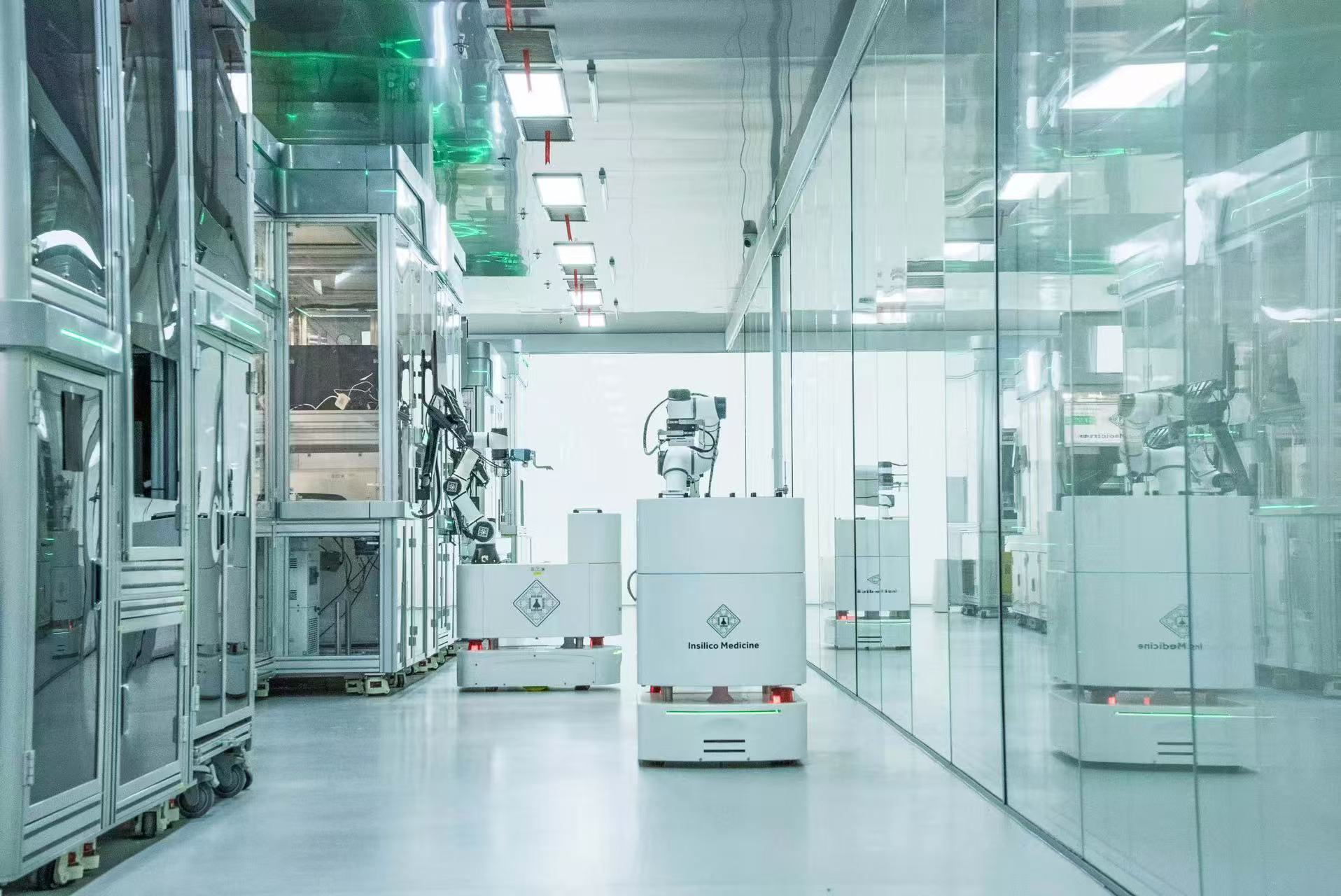
对话独角兽 | 英矽智能的破局之路:加快管线推进,巩固数据优势
Di Yi Cai Jing· 2026-01-27 09:44
Core Insights - The emergence of AI technology is expected to significantly enhance the efficiency of drug development in the biopharmaceutical industry, potentially leading to a transformative impact on investment returns in the sector [1][3][4] Industry Overview - The global AI-enabled drug development market has grown from $5.37 billion in 2019 to $11.9 billion in 2023, with a compound annual growth rate (CAGR) of 22%. It is projected to reach $74.6 billion by 2032, with a CAGR of 22.6% [4] - AI is increasingly integrated into the entire drug development process, from target discovery to clinical trial design and even production and sales [3][4] Company Insights - Insilico Medicine is a leading company in the AI drug development field, focusing on validating the commercial viability of AI in drug discovery. It has made significant progress in clinical trials compared to its peers in the AI+Biotech sector [1][4] - The company has developed an integrated AI drug discovery platform, Pharma.AI, which covers the entire drug development process and has produced 27 preclinical candidate compounds and 13 drug pipelines that have received clinical trial approval [7] - Insilico Medicine's typical pipeline products can advance from discovery to preclinical stages in 12-18 months, compared to the traditional 3-6 years, showcasing a clear efficiency advantage [7] Challenges and Future Directions - Despite advancements, no drug designed by AI has yet been approved for commercialization, which remains a significant challenge for the AI drug development industry [8] - Insilico Medicine is actively working to accelerate drug development processes and is exploring collaborations to expedite the approval of its drug candidates [8] - The competition among AI drug companies is expected to shift from algorithm superiority to data resource advantages, emphasizing the need for extensive data accumulation for model training [10][11] Data Utilization - Data is crucial for AI technology, and the ability to leverage real-world medical data from hospitals is seen as highly valuable for both traditional and AI drug companies [11] - There are regulatory challenges in accessing and utilizing medical data in China, which limits its commercial potential [12] - Suggestions have been made to separate data ownership and usage rights to facilitate the flow of medical data for pharmaceutical use, drawing on examples from the U.S. [12]
蓝图绘就、开启新程!市十六届人大四次会议举行首场新闻发布会
Bei Jing Ri Bao Ke Hu Duan· 2026-01-26 22:43
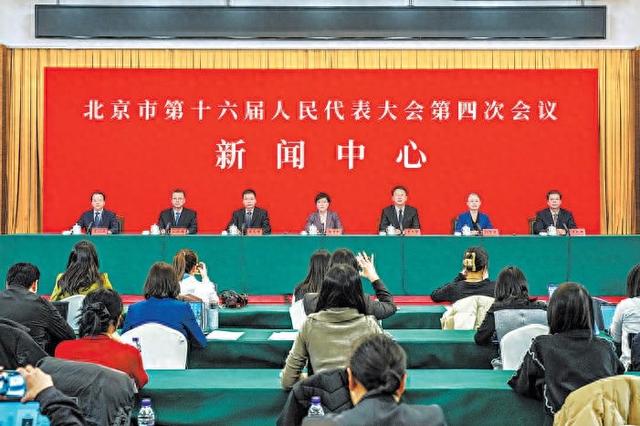
昨天,市十六届人大四次会议举行首场新闻发布会,解读北京市"十五五"规划纲要(草案)。这份"十 五五"时期的发展蓝图,把落实党中央决策部署和市委要求贯穿始终,把率先基本实现社会主义现代化 目标贯穿始终,把以人民为中心的发展思想贯穿始终,把进一步全面深化改革贯穿始终,把战略目标与 落地实施有机衔接贯穿始终。 昨天,市十六届人大四次会议举行新闻发布会,主题为"解读北京市国民经济和社会发展第十五个五年 规划纲要(草案)"。 五年看头年,起步最关键。今年,本市将全力推动落实规划纲要确定的重大战略任务、重大改革举措、 重大工程项目,全力实现"十五五"良好开局。 市委宣传部: 擦亮北京历史文化金名片 下一个五年,市民将享受到更加丰富优质智慧便民的公共文化服务。本市将加快"演艺之都"建设,建成 并开放中国杂技艺术中心、京南艺术中心、北京歌舞剧院,强化天桥等剧场群集聚效应,推动露天演艺 规范化常态化;深化"博物馆之城"建设,制定出台北京市博物馆条例,推进北京艺术博物馆、故宫博物 院北院区、大红门博物馆群建设;推进"书香京城"建设,构建全民阅读促进体系,打造城市新型阅读空 间。 节、展、赛、会接连上演,助力北京文商旅体展深度融合 ...
蓝图绘就 开启新程
Bei Jing Ri Bao Ke Hu Duan· 2026-01-26 22:13
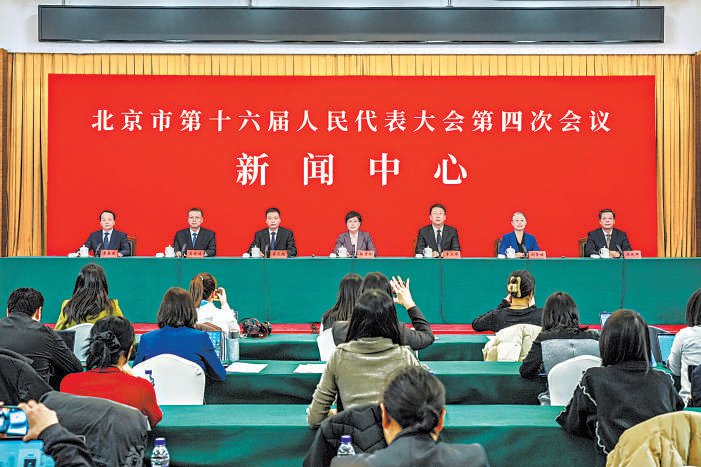
本报记者 曹政 孙奇茹 昨天,市十六届人大四次会议举行新闻发布会,主题为"解读北京市国民经济和社会发展第十五个五年 规划纲要(草案)"。本报记者 武亦彬摄 昨天,市十六届人大四次会议举行首场新闻发布会,解读北京市"十五五"规划纲要(草案)。这份"十 五五"时期的发展蓝图,把落实党中央决策部署和市委要求贯穿始终,把率先基本实现社会主义现代化 目标贯穿始终,把以人民为中心的发展思想贯穿始终,把进一步全面深化改革贯穿始终,把战略目标与 落地实施有机衔接贯穿始终。 五年看头年,起步最关键。今年,本市将全力推动落实规划纲要确定的重大战略任务、重大改革举措、 重大工程项目,全力实现"十五五"良好开局。 市委宣传部: 擦亮北京历史文化金名片 《流浪地球》《觉醒年代》等作品叫好又叫座,"三星堆与金沙"等重磅展览引发观展热潮,"旧书新 知"成为响亮品牌……"十四五"以来,北京"演艺之都""博物馆之城""书香京城"建设深入推进,群众文化 获得感幸福感不断增强。 下一个五年,市民将享受到更加丰富优质智慧便民的公共文化服务。本市将加快"演艺之都"建设,建成 并开放中国杂技艺术中心、京南艺术中心、北京歌舞剧院,强化天桥等剧场群集聚效应 ...
小核酸赛道,挤满了下一代大药
Ge Long Hui· 2026-01-26 21:06
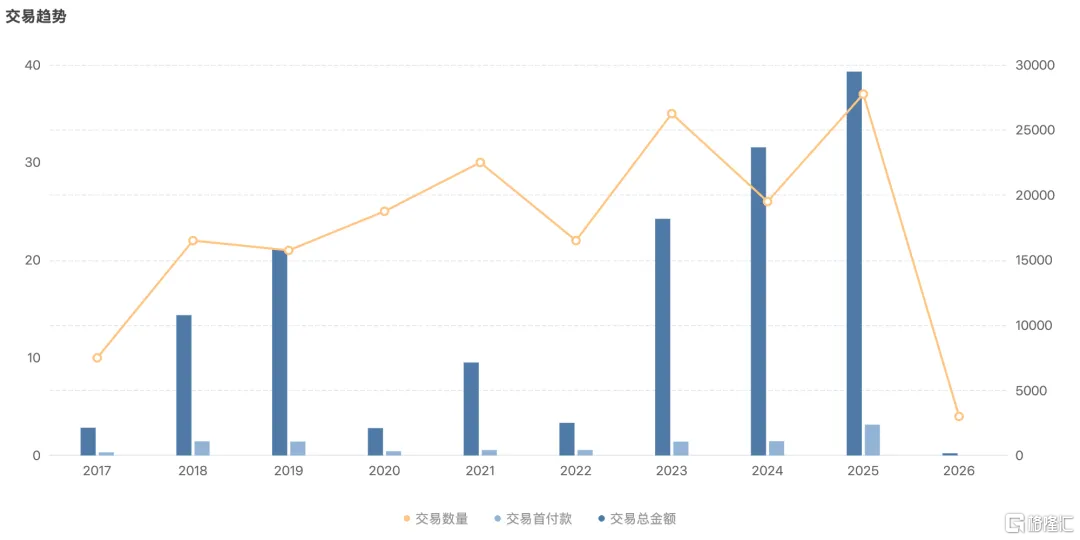
Core Insights - The small nucleic acid drug sector is experiencing a significant surge, marking the beginning of a golden era driven by technological breakthroughs and capital enthusiasm [2][11][22] Industry Developments - On January 5, 2026, Sanofi's APOC3 siRNA drug Plozasiran was approved for domestic market use to treat hyperlipidemia [1] - On January 9, 2026, Rebio Biotech, known as "China's first small nucleic acid stock," successfully listed on the Hong Kong Stock Exchange, with its stock price soaring by 40% on the first day, leading to a market capitalization exceeding 13 billion HKD [1] - China National Pharmaceutical Group announced a 1.2 billion CNY acquisition of Hegia Biotech, securing the world's first clinically validated liver-targeted delivery platform capable of annual dosing [1] Market Trends - The global small nucleic acid drug market has seen nearly 100 business development (BD) collaborations in the past three years, with transaction numbers and amounts increasing annually, reaching over 30 BD deals in 2025 totaling nearly 30 billion USD [4][9] - Notable transactions in 2025 included Novartis acquiring Avidity Biosciences for 12 billion USD and multiple other significant deals involving RNA therapies [7][9] Clinical Advancements - Ionis's APOC3 ASO drug Olezarsen showed promising results in reducing triglyceride levels by up to 72% in patients with severe hypertriglyceridemia, leading to an increase in peak annual sales forecast from 1.5 billion USD to 2.5 billion USD [12] - GSK's ASO therapy Bepirovirsen is expected to be the first drug to achieve functional cure for chronic hepatitis B, with a peak annual sales potential of 2 billion USD [12] Emerging Opportunities - The small nucleic acid drugs are expanding into various therapeutic areas, including obesity and kidney diseases, with promising results from clinical trials demonstrating significant weight loss and metabolic health improvements [13][15] - The number of small nucleic acid drugs in development globally has surpassed 1,200, with siRNA and ASO therapies being the most prominent [17] Strategic Collaborations - Domestic companies are increasingly recognized for their innovative value in small nucleic acid drugs, with active BD transactions, including significant collaborations by Rebio Biotech and other firms [18][21] - Companies like Saintin Biotech are forming strategic partnerships with major pharmaceutical firms to advance their small nucleic acid drug pipelines [19] Conclusion - The convergence of technological advancements, capital influx, and successful clinical outcomes is propelling small nucleic acid drugs into a pivotal position within the pharmaceutical industry, with China poised to become a global innovation hub [22]




Berenberg Bank Remains a Buy on Sanofi (SNY)
Yahoo Finance· 2026-01-26 11:09
Group 1 - Sanofi is considered one of the most undervalued foreign stocks to buy, with a Buy rating and a price target of $62 from Berenberg Bank [1] - UBS downgraded Sanofi from Buy to Neutral, lowering the price target from €105 to €88 due to recent clinical trial failures and a weak pipeline [2][3] - The failure of Tolebrutinib in treating progressive multiple sclerosis and the FDA's delay in approval due to liver injury risks have raised concerns about Sanofi's future [3] Group 2 - Sanofi is a global healthcare company involved in the research, development, manufacture, and marketing of therapeutic solutions across pharmaceuticals, vaccines, and consumer healthcare [4]
