
小米

Search documents
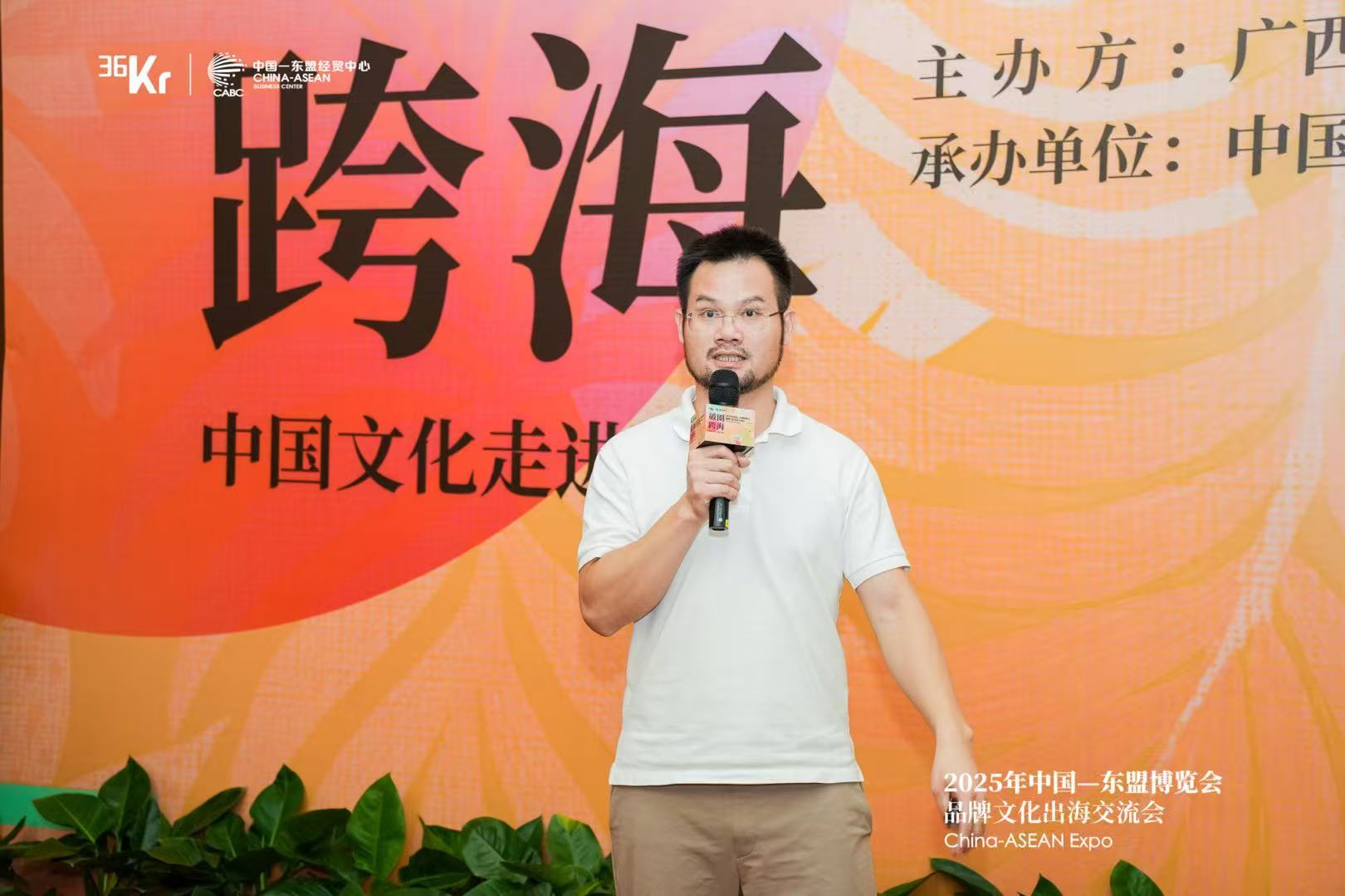
杭州微念新供给事业部总经理杨叶护:中国地方美食产业全球化的新密码| 2025中国—东盟博览会品牌文化出海交流会
3 6 Ke· 2025-09-25 06:50
Core Insights - The narrative of Chinese enterprises' globalization has evolved from merely exporting products to offering culturally rich experiences and identities [1][9] - The recent event hosted by 36Kr focused on the theme of cultural export, gathering representatives from various sectors to discuss new paths, challenges, and opportunities for Chinese culture in the global market [1] Group 1: Globalization Trends - Chinese companies are increasingly seeking to expand into emerging markets like Southeast Asia and the Middle East to find a "second growth curve" amid domestic market saturation [3][4] - The food export from China to Southeast Asia is significant, with an estimated value of approximately 20 billion RMB in 2023, while the Southeast Asian restaurant market is projected to grow from 190 billion USD to 349 billion USD by 2029 [5] Group 2: Key Success Factors - Successful internationalization requires companies to "go out" and address localization challenges to thrive in foreign markets [4] - A pyramid model outlines the key elements for globalization: strategic reasons for expansion, differentiated operational models, and three supporting systems: global processes, adaptable organizational structures, and capable teams [5][6] Group 3: Case Studies and Models - Notable brands like Haidilao and Bawang Tea have successfully expanded overseas, with Haidilao establishing Singapore as its second-largest market after the U.S. [6] - The rapid growth of brands like Pop Mart and TCL in international markets is attributed to strategic location choices and sponsorship of major events [6][7] Group 4: Cultural and Market Adaptation - The ASEAN region serves as a crucial launchpad for Chinese companies due to cultural similarities and the rise of digital platforms like TikTok, which facilitate cultural influence [7] - The standardization of local delicacies, such as Liuzhou snail noodles, is essential for successful globalization, supported by government initiatives to enhance the industry [8]

杨幂发声:不必心疼我们
Sou Hu Cai Jing· 2025-09-25 00:51
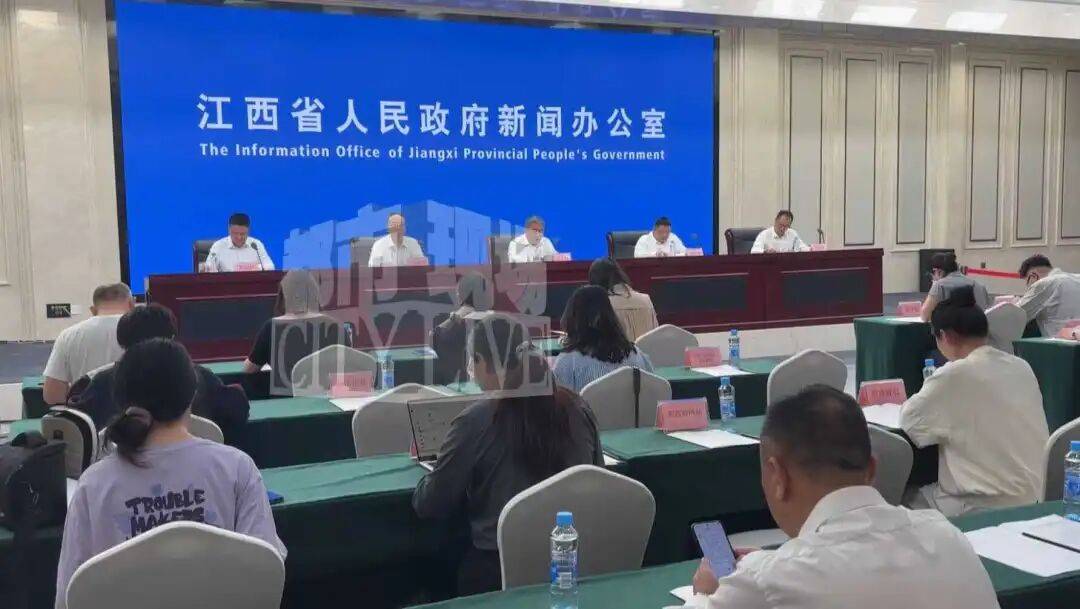
Group 1 - The 2025 World VR Industry Conference will be held in Nanchang from October 19 to 20, with preparations underway [1][3] - Since its inception in 2008, the conference has become a significant platform for global VR exchanges and cooperation, focusing on the theme "VR makes the world more exciting - VR + AI opens the intelligent future" [3] - The event will feature 16 activities, including 9 forums, covering topics such as AI + VR integration and VR + low-altitude economy, aiming to create a global event that deeply integrates technology and industry [3] Group 2 - The experience section will include a VR/AR industry expo and the 2025 Virtual Reality Teaching Application Innovation Competition, with major tech companies like Huawei, Apple, Alibaba, and Xiaomi participating [6] - The conference will announce the list of China's top 50 VR companies, with insights from academicians from China, the US, Russia, the UK, and Germany on the trends and opportunities in the AI + VR industry [6] - In 2024, Jiangxi's VR and related industries are projected to achieve a revenue of 110 billion yuan, a 9.34% year-on-year growth, marking a 26-fold increase from 4.2 billion yuan in 2018, indicating explosive growth [6]


全力赋能“传统+新兴”产业 北斗系统迈入国际化发展关键阶段
Zheng Quan Shi Bao· 2025-09-24 21:59
Core Insights - The fourth Beidou Scale Application International Summit highlighted the significant growth of the Beidou service industry, with a total output value nearing 600 billion yuan, covering over 200 countries and regions globally, and showcasing a transformative impact over the past three years [1][2]. Industry Developments - The Beidou satellite navigation system has led to a substantial upgrade in traditional industries, with an expected output value of 575.8 billion yuan in 2024 and an application penetration rate exceeding 85% in major domestic sectors [2]. - The agricultural sector has seen enhanced efficiency through Beidou-enabled machinery, with a single tractor potentially generating an additional benefit of 112,500 yuan annually due to improved precision in operations [3]. - The number of Beidou terminals in agriculture is projected to exceed 3.23 million by the end of 2025, with an installation rate surpassing 53% [3]. Emerging Technologies - New industries such as drones, intelligent robots, and commercial satellites are increasingly innovating based on Beidou's spatial information capabilities, indicating a shift towards high-precision requirements in various sectors [4]. - The integration of Beidou's short message functionality has significantly improved information transmission efficiency, particularly in remote command and control scenarios [5]. Consumer Market Expansion - Consumer electronics companies, including Huawei and Xiaomi, are actively promoting Beidou technology, with Huawei launching satellite voice messaging capabilities and Xiaomi introducing affordable satellite communication smartphones [7]. - The expected annual increase in Beidou application devices is around 400 million, with the consumer market projected to account for over 80% of this growth [8]. International Outreach - The summit attracted representatives from 24 countries and 5 international organizations, reflecting Beidou's global service capabilities that extend to over 140 countries [8]. - Companies like JD.com are leveraging Beidou technology to enhance logistics operations internationally, demonstrating its potential to transform global supply chain management [8].
全力赋能“传统+新兴”产业北斗系统迈入国际化发展关键阶段
Zheng Quan Shi Bao· 2025-09-24 18:09
Core Insights - The fourth Beidou Scale Application International Summit highlighted the significant growth of the Beidou service industry, with a total output value nearing 600 billion yuan, covering over 200 countries and regions globally, and showcasing a transformative development over the past three years [1][3]. Industry Development - The Beidou satellite navigation system has led to a substantial upgrade in traditional industries, with an expected total output value of 575.8 billion yuan by 2024, and an application penetration rate exceeding 85% in major domestic sectors [3]. - The agricultural sector has particularly benefited, with the introduction of Beidou-enabled automatic driving systems for agricultural machinery, significantly reducing costs and improving operational efficiency [3][4]. - The number of Beidou terminals in agriculture is projected to exceed 3.23 million by the end of 2025, with an installation rate of over 53% [4]. Emerging Industries - New industries such as drones, intelligent robots, and commercial satellites are increasingly innovating based on Beidou's spatial information infrastructure [5]. - The integration of Beidou with remote sensing technology is enhancing operational efficiency, particularly in emergency communication systems, which have seen a threefold increase in communication efficiency during natural disasters [6][7]. Consumer Market Expansion - Consumer electronics companies are actively promoting Beidou technology, with Huawei launching satellite voice messaging capabilities and Xiaomi introducing affordable satellite communication smartphones [8][9]. - The implementation of mandatory national standards for electric bicycles has incorporated Beidou positioning, further driving its adoption in everyday applications [8]. Internationalization - The Beidou system is entering a critical phase of international development, with participation from 24 countries and 5 international organizations at the summit, and services being provided to over 140 countries [9]. - Companies like JD.com are leveraging Beidou technology to enhance logistics operations globally, demonstrating its potential for transforming supply chain management [9].
从“小米17跳代”看互联网企业如何用数字游戏颠覆行业规则
Sou Hu Cai Jing· 2025-09-24 15:21
Group 1 - The core idea of the article revolves around Xiaomi's strategic decision to skip the iPhone 16 and launch the 17 series, which signifies a challenge to traditional industry norms and a shift in consumer perception [1][4] - Xiaomi's naming strategy is a clever cognitive alignment that disrupts the long-standing tradition of sequential product iterations in the smartphone industry [4][6] - The Xiaomi 17 series gained significant traction, achieving 1.8 billion views within 48 hours, leveraging Apple's brand presence to position itself competitively [6] Group 2 - Traditional automotive companies, while expressing support for Xiaomi, remain stagnant in their approach, focusing on slogans rather than actionable strategies, which highlights their inability to adapt to disruptive innovations [7] - Xiaomi's advancements in technology, such as the development of 2nm chips, reflect a commitment to physical innovation that contrasts with the more superficial support from traditional industries [7][8] - The commentary from figures like Lei Jun emphasizes Xiaomi's transformation from a follower to a rule-maker in the industry, showcasing aggressive product strategies and technological investments [8] Group 3 - The article discusses the implications of disruptive innovation, suggesting that while Xiaomi's strategy may yield short-term success, it necessitates substantial technological backing for long-term sustainability [9] - The repeated themes of "open collaboration" in the automotive sector hint at a potential path forward for traditional manufacturers, emphasizing the need for both courage and foundational principles in innovation [9]

我可能是全网最晚写这波品牌翻车的,就言简意赅地说说
Hu Xiu· 2025-09-24 12:52
Group 1 - The core issue in recent brand failures is the imbalance in breaking the circle, where brands face internal structural conflicts exacerbated by external black swan events [2][3] - Brands must balance the needs and values of original users and pillar users, as these two groups often have different expectations and contributions to the brand [4][6] - The failure of brands like Arc'teryx and others can be attributed to neglecting the values of original users while focusing on the narratives appealing to pillar users [6][10] Group 2 - Brands should maintain a steadfast commitment to the values of original users, even if they contribute less to revenue and market share [9][12] - A product matrix should be utilized to cater to the diverse needs of different user groups while preserving the brand's core promises [11][13] - Brands should avoid downward compatibility with lower-tier brands to maintain their prestige and market position [14][23] Group 3 - Brands must manage user expectations carefully, ensuring that the perceived value aligns with the actual product and service offerings [26][28] - Misalignment of user expectations can lead to significant backlash, as seen in the cases of Xibei and others [24][30] - Brands should actively engage with their original users to explain and clarify during crises, rather than solely relying on public statements [39] Group 4 - Entering opposing user segments can be beneficial, but brands must do so cautiously to avoid alienating their core audience [29][35] - Recent failures highlight the sensitivity of brand positioning, especially regarding gender and social identity [33][36] - Successful brands, like Xiaomi, demonstrate the importance of low-key approaches when appealing to new demographics without alienating existing ones [34] Group 5 - Brands should quickly dissociate from negative concepts and focus on addressing specific criticisms rather than engaging in self-justification [37][38] - Maintaining deep communication with original users is crucial for brand loyalty and crisis management [39]
上海证券:机器人本体催化频出 持续关注人形机器人板块
智通财经网· 2025-09-24 11:50
Core Insights - The report from Shanghai Securities highlights a surge in the humanoid robot industry, with significant participation from both domestic and international players, indicating a trend towards commercialization and mass production of humanoid robots [1] Industry Developments - Major companies such as Huawei, ByteDance, BYD, Xiaomi, and Ant Group are increasing their investments in embodied intelligence, while international firms like Tesla and Figure AI are accelerating their commercialization efforts [1] - The humanoid robot industry is entering a phase of diverse innovation, with a clear trend towards industrial applications, suggesting a high degree of certainty in future commercialization [1] Company Highlights - **Tuosda**: Recently launched its first wheeled humanoid robot "Xiao Tuo," which features a four-stewart wheel design and can perform complex tasks autonomously [1] - **Zhiyuan Robotics**: Successfully demonstrated the "Webster Flip," becoming the first humanoid robot to perform this complex gymnastic move, showcasing advanced motion control capabilities [2] - **Moliang Technology**: Completed a Pre-A round financing of tens of millions, aimed at expanding production lines and enhancing delivery capabilities across various sectors [3] - **Figure**: Secured over $1 billion in Series C funding, reaching a valuation of $39 billion, which will support the growth of its humanoid robots and AI platform [4] - **Tesla**: CEO Elon Musk's recent stock purchase and a new compensation plan linked to the delivery of 1 million humanoid robots is expected to catalyze production efforts [5] - **Luxiao Technology**: Announced a partnership with Kepler Robotics to develop AI-integrated home service robots, targeting sales of at least 1 million units in the next three years [6][7]


理想i6搭载全新5C磷酸铁锂电池:CLTC续航达720公里
Huan Qiu Wang· 2025-09-24 10:18
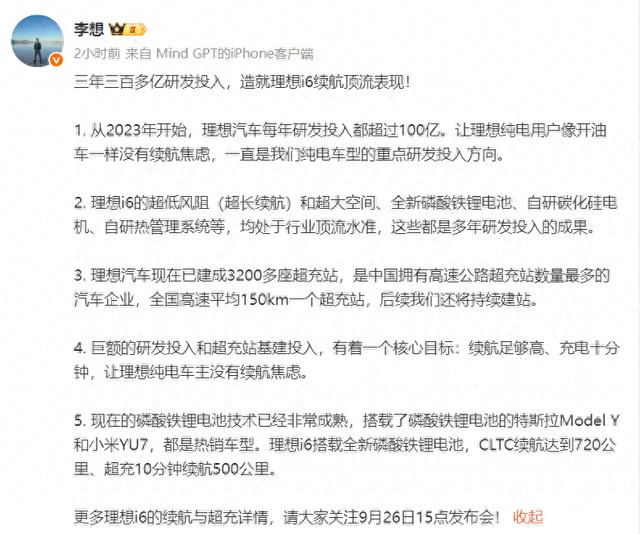
来源:环球网 【环球网科技综合报道】9月24日,理想汽车公布了理想 i6 的电池信息。据悉,这款新车将搭载全新 5C 磷酸铁锂电池,支持 5C 超级充电、超级放电。 理想汽车CEO李想表示,理想i6的超低风阻(超长续航)和超大空间、全新磷酸铁锂电池、自研碳化硅 电机、自研热管理系统等,均处于行业顶流水准,这些都是多年研发投入的成果。 李想说,现在的磷酸铁锂电池技术已经非常成熟,搭载了磷酸铁锂电池的特斯拉Model Y和小米YU7, 都是热销车型。理想i6搭载全新磷酸铁锂电池,CLTC续航达到720公里、超充10分钟续航500公里。 李想还提到,"从2023年开始,理想汽车每年研发投入都超过100亿。让理想纯电用户像开油车一样没有 续航焦虑,一直是我们纯电车型的重点研发投入方向。"(思瀚) ...

国产人形机器人:技术突破领航 产业蓝图初展
2025-09-24 09:35
Summary of the Conference Call on Humanoid Robots Industry Industry Overview - The humanoid robot industry is accelerating towards commercialization, with 2025 expected to be a pivotal year for mass production. Leading companies like Yushuzhiyuan and Ubtech have already achieved small batch deliveries, with annual sales projected to exceed 1,000 units [1][2][3]. Key Drivers - **Policy Support**: The Ministry of Industry and Information Technology (MIIT) and 15 other departments have prioritized humanoid robots as a key future industry, aiming to establish an innovation system by 2025 and a reliable supply chain by 2027 [2][3]. - **Local Government Initiatives**: Cities like Beijing, Shanghai, and Shenzhen focus on high-end R&D and open scenarios, while regions like Chongqing and Chengdu emphasize local supply chain and cost control, offering financial and tax incentives [1][2]. - **Capital Influx**: Over the past three years, investments in the humanoid robot sector have exceeded 3 billion yuan, with industry funds investing over 8 billion yuan. In the first seven months of 2025, there were 108 financing events totaling 15.35 billion yuan, with over 70% in angel and Series A rounds [1][3]. Market Participants - **Automakers**: Companies like BYD, Xiaopeng, and GAC leverage technology reuse to reduce costs and have rich application scenarios. However, they face talent shortages due to cross-industry R&D [4]. - **Startups**: Companies such as Ubtech and Yushuzhiyuan have strong technical foundations and flexible mechanisms but are constrained by capital and production capacity [4][8]. - **Tech Giants**: Firms like Xiaomi, Alibaba, and Huawei possess advantages in large model layouts and ecosystem integration but lack hardware R&D experience [4][11]. Commercialization Progress - Various market participants are focusing on different aspects of commercialization, with startups making significant strides in niche applications. For instance, Ubtech has secured contracts worth over 90 million yuan for humanoid robots [9][10]. Product Developments - **Ubtech**: Launched the Workers series for industrial applications and is entering multi-machine collaborative training [12]. - **Yushuzhiyuan**: Plans to release a lightweight humanoid robot priced below 40,000 yuan, significantly down from 99,000 yuan, with a target of delivering 500 industrial robots by 2025 [6][12]. - **Xiaopeng**: Integrating humanoid robots into production processes, aiming for mass production by 2026 [16]. Investment Recommendations - Focus on leading manufacturers in the humanoid robot supply chain, particularly during the initial stages of the industry. Key players include Yushuzhiyuan and Ubtech. In later stages, attention should shift to automakers like Xiaopeng and Xiaomi, which have strong technological and resource advantages [17][18]. Conclusion - The humanoid robot industry is poised for significant growth, driven by policy support, capital investment, and technological advancements. Key players across various sectors are making strides in commercialization, with promising developments expected in the coming years.
李想称三年三百多亿研发投入 全国高速平均150km一个超充站
Feng Huang Wang· 2025-09-24 09:02
Core Insights - Li Auto's CEO, Li Xiang, announced that the company has invested over 30 billion yuan in R&D over the past three years, focusing on enhancing the range of its electric vehicles [1] - Starting from 2023, Li Auto plans to invest more than 10 billion yuan annually in R&D to eliminate range anxiety for pure electric vehicle users [1] R&D Investment - The company has established over 3,200 supercharging stations across the country, with an average of one station every 150 kilometers on highways [1] - The focus of R&D is on making electric vehicles as convenient as gasoline cars, particularly in terms of range [1] Battery Technology - Li Auto has highlighted the maturity of lithium iron phosphate battery technology, which is also used in popular models like Tesla Model Y and Xiaomi YU7 [1] - The new Li Auto i6 features a lithium iron phosphate battery, achieving a CLTC range of 720 kilometers and providing 500 kilometers of range with just 10 minutes of supercharging [1]