邮储银行

Search documents
中央经济工作会议后,明年如何谋篇布局?多家金融机构:突出主责主业、坚持守牢底线
Mei Ri Jing Ji Xin Wen· 2025-12-15 16:28
Core Viewpoint - The Central Economic Work Conference held on December 10-11 in Beijing emphasized the need for economic work in the coming year to focus on "stability while seeking progress and improving quality and efficiency," outlining key tasks through "eight persistences" [1] Group 1: Financial Institutions' Responses - Multiple financial institutions expressed commitment to align with the "eight persistences" and plan for 2026 and the 14th Five-Year Plan period [1] - Financial institutions highlighted the importance of optimizing financial supply in key areas such as expanding domestic demand, supporting technological innovation, and aiding small and micro enterprises [2][3] - Institutions emphasized the need to maintain bottom lines and actively manage risks in key sectors [1][10] Group 2: Focus on Technological Innovation - Financial institutions are focusing on their core responsibilities and enhancing financial services in strategic areas, particularly in technological innovation [2] - Industrial and Commercial Bank of China aims to support high-quality development and provide comprehensive financial solutions, emphasizing domestic market integration and support for key sectors [2] - Agricultural Bank of China plans to enhance financing in rural areas and innovate its technology finance service system to support advanced manufacturing and new industrial chains [2] Group 3: Strengthening Domestic Market - Agricultural Bank of China is committed to boosting consumption and stabilizing investment through significant project financing [4] - China Bank aims to support consumption initiatives and meet diverse consumer needs while contributing to the construction of a strong domestic market [4][5] - Postal Savings Bank plans to increase consumer loan offerings and support major projects to enhance domestic demand [5] Group 4: Risk Management and Compliance - Financial institutions are prioritizing risk management and compliance to ensure stability in asset quality and mitigate risks in key areas such as real estate and local government debt [10] - Industrial and Commercial Bank of China emphasizes its role in risk prevention and compliance, supporting the development of a new model for real estate [10] - Agricultural Bank of China aims to balance development and safety while managing risks effectively [10]



智通港股投资日志|12月16日
智通财经网· 2025-12-15 16:03
智通财经APP获悉,2025年12月16日,港股上市公司投资日志如下: 类别 公司 翰思艾泰-B (招股中) 轻松健康 (招股中) 诺比侃 (招股中) 华芢生物-B (招股中) 印象大红袍 (招股中) 明基医院 (招股中) 南华期货股份 (招股中) 智汇矿业 (招股中) 希迪智驾 (招股中) 果下科技 (上市日) 武汉有机 中国铝业 邮储银行 宏强控股 锦艺集团控股 云南水务 亚洲果业 万科海外 精英汇集团 汇通达网络 分红派息 万成集团股份 (除净日) 结好控股 (除净日) 波司登 (除净日) 弥明生活百货 (除净日) 网易-S (派息日) 达力集团 (除净日) 亚太资源 (派息日) 澳洲成峰高教 (派息日) 新股活动 股东大会召开日 ...
代理上金所贵金属业务退场,工行、建行等宣布“清理”无持仓不动户
Sou Hu Cai Jing· 2025-12-15 14:21
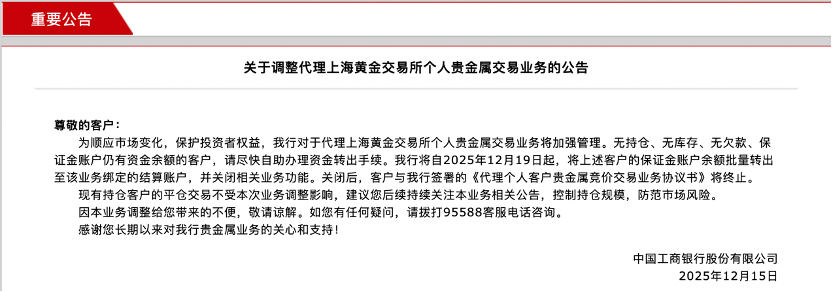
Core Viewpoint - The recent volatility in precious metal prices has led banks to tighten their high-risk precious metal business lines, with major banks like ICBC and CCB announcing adjustments to their operations to protect investor interests [1][4][5]. Group 1: Bank Adjustments - ICBC announced it will strengthen management of its personal precious metal trading business, urging clients with no positions or debts to withdraw their funds by December 19 [1][2]. - CCB also issued a similar notice, expanding the scope of clients affected by its adjustments to include all clients with idle margin funds, not just those with no transactions for a year [5][6]. - Other banks, including Agricultural Bank of China and Postal Savings Bank, have also made announcements to terminate agreements with clients who have not engaged in trading for a specified period [6][8]. Group 2: Market Context - The adjustments by banks reflect a broader trend in the industry, with at least six banks making similar changes since September, indicating a cautious approach to managing trading risks amid price fluctuations [4][5]. - The price of gold has seen significant increases, with a reported rise of 60% this year, while silver prices have surged over 110%, attracting considerable investor interest [9]. - As of December 15, the spot gold price exceeded $4,340 per ounce, with a daily increase of 0.98%, highlighting the ongoing volatility in the market [9]. Group 3: Risk Management - Banks are tightening their operations related to leveraged trading in precious metals, which is often considered high-risk, to mitigate potential risks associated with market fluctuations [8][9]. - The adjustments in business rules, such as increasing minimum investment amounts for gold accumulation plans, further indicate banks' efforts to protect investors and manage risk effectively [9].


工行突发通知:12月19日起个人贵金属业务大调整
21世纪经济报道· 2025-12-15 14:06
Core Viewpoint - The Industrial and Commercial Bank of China (ICBC) is adjusting its management of personal precious metal trading business to enhance investor protection and adapt to market changes, particularly focusing on cleaning up inactive accounts with idle funds [1][4]. Group 1: Account Management Adjustments - ICBC will transfer the balances of margin accounts with no positions, inventory, or debts to the linked settlement accounts starting from December 19, 2025, and will terminate the related business functions [4]. - Customers with existing positions are not affected by this adjustment and are advised to monitor related announcements to manage their positions and mitigate market risks [4][5]. Group 2: Rationale Behind Adjustments - The adjustment aims to clean up long-term inactive accounts that retain idle funds, thereby improving account management efficiency and reducing the risk of funds being forgotten [5]. - The focus is not on penalizing non-compliant customers but rather on standardizing the management of "silent accounts" that have no trading activity but still hold funds [6]. Group 3: Strategic Developments in Precious Metals - ICBC is accelerating its layout in the gold industry infrastructure, having established designated gold warehouses in Sanya and Hezhou, which are expected to enhance operational efficiency for local gold enterprises [6]. - The bank's expansion into the Hong Kong market includes plans to open a gold warehouse at Hong Kong International Airport, aligning with the Hong Kong government's goal to establish an international gold trading market [7].

开启数字邮储 i∞纪元
Xin Lang Cai Jing· 2025-12-15 13:35
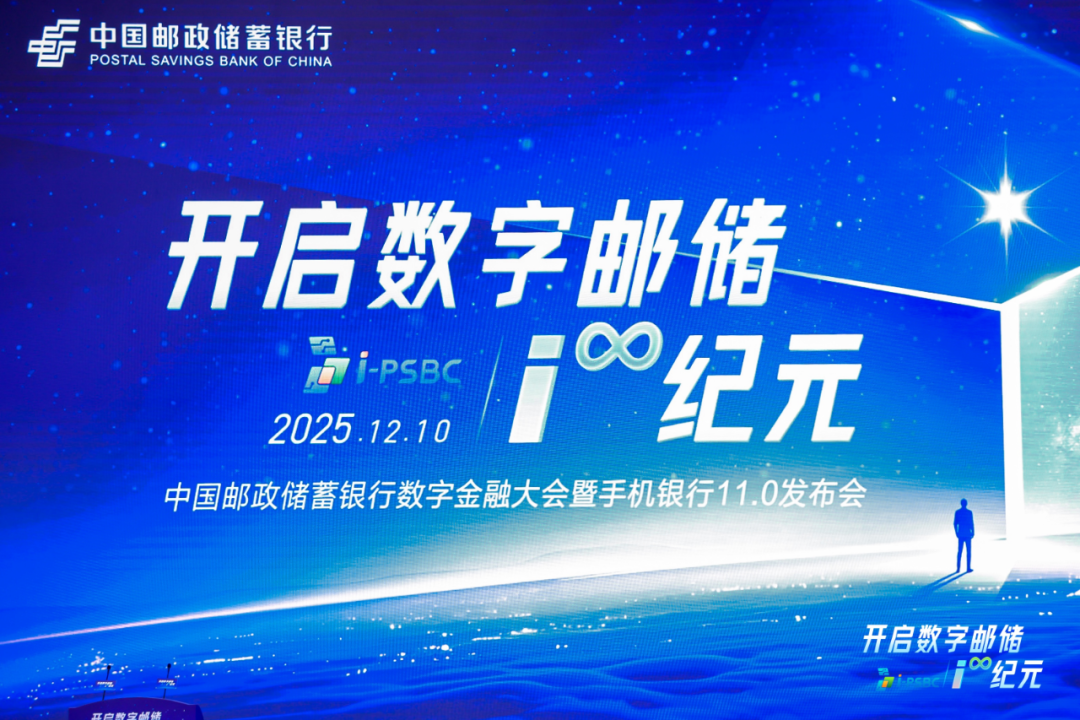
Core Viewpoint - China Postal Savings Bank (CPSB) is advancing its digital finance strategy with the launch of the "AI2ALL" digital ecosystem, showcasing its commitment to leveraging technology to enhance financial services and customer experience [1][10]. Digital Finance Conference - CPSB held its 2025 Digital Finance Conference, themed "Opening the Digital Postal Savings i∞ Era," highlighting its achievements and future plans in digital finance [1][10]. - The conference featured speeches from CPSB President Liu Jianjun and Vice President Niu Xinjiong, emphasizing the bank's technological advancements and service innovations [1][10]. Technological Transformation - Liu Jianjun stated that technology is fundamentally transforming the speed of progress, depth of financial reform, and breadth of service delivery in the banking industry [3][11]. - CPSB is committed to optimizing financial supply, reducing financing costs, and enhancing service experiences to better serve the real economy [3][11]. AI2ALL Digital Ecosystem - The "AI2ALL" ecosystem aims to integrate AI capabilities across various service dimensions, enhancing both internal efficiency and external customer engagement [6][13]. - CPSB has identified nearly 260 application scenarios for its AI capabilities within the "AI2ALL" framework [6][13]. Intelligent Capability Development - CPSB is building its intelligent capabilities around data, computing power, and algorithms, transitioning AI from a technical support role to a core driver of business innovation [5][12]. - The bank has established a comprehensive data asset structure and upgraded its AI computing infrastructure, becoming a leader in the domestic financial sector [5][12]. Service Enhancement - CPSB is enhancing customer service through AI integration across offline, remote, and online channels, aiming to provide seamless and intelligent customer experiences [7][14]. - The bank has introduced innovative services such as cloud cabinets and intelligent outbound calls to improve service efficiency and customer interaction [16][8]. Mobile Banking Upgrade - The latest version of CPSB's mobile banking app (version 11.0) incorporates AI to redefine financial service interactions, achieving high user experience ratings in industry evaluations [8][17]. - CPSB has implemented a dual protection mechanism for high-risk transactions, enhancing security measures for its customers [8][17]. Future Outlook - CPSB is committed to its "Digital Postal Savings" strategy, focusing on deepening the "AI2ALL" ecosystem to create valuable financial services that benefit a wide range of customers and partners [10][19].
中央经济工作会议后,明年如何谋篇布局? 多家金融机构:突出主责主业、坚持守牢底线
Mei Ri Jing Ji Xin Wen· 2025-12-15 13:09
Core Viewpoint - The Central Economic Work Conference held on December 10-11 emphasizes a policy direction of "seeking progress while maintaining stability" and outlines key tasks for economic work in the coming year through "eight persistences" [1] Group 1: Focus on Financial Supply and Support - Multiple financial institutions stress the importance of optimizing financial supply in key areas such as expanding domestic demand, supporting technological innovation, and aiding small and micro enterprises [1][2] - Institutions like Industrial and Commercial Bank of China (ICBC) and Agricultural Bank of China highlight their commitment to high-quality development and support for rural financing and advanced manufacturing [2][3] Group 2: Technological Innovation - Financial institutions are focusing on enhancing financial services for technological innovation, with ICBC aiming to provide comprehensive financial solutions and support for manufacturing and regional coordination [2][3] - China Ping An emphasizes its role as a "catalyst" for new productive forces, investing heavily in strategic emerging industries and advanced manufacturing [3] Group 3: Domestic Market Development - Agricultural Bank of China and China Bank are aligning their strategies with policies aimed at boosting domestic demand and consumption, supporting major projects to enhance consumer spending [4][5] - Institutions are committed to improving financial services to meet diverse consumer needs and support effective investment [5][6] Group 4: Risk Management and Compliance - Financial institutions are prioritizing risk management and compliance, with ICBC and Agricultural Bank of China focusing on stabilizing asset quality and managing risks in real estate and local government debt [10] - The emphasis is on maintaining a balance between development and safety, ensuring that systemic risks are avoided [10]


【立方债市通】年内12家发行人首次违约/银行间市场数据报告库公司成立/河南AAA平台完成发行10亿元超短融
Sou Hu Cai Jing· 2025-12-15 13:01
Group 1 - The establishment of the Interbank Market Data Reporting Company was announced, with a registered capital of 600 million RMB, co-funded by the Shanghai Commercial Paper Exchange and the China Interbank Market Dealers Association [1] - The China Postal Savings Bank is under self-regulatory investigation for alleged violations during the underwriting and issuance of debt financing instruments [3] - In 2025, there have been 12 issuers defaulting for the first time, involving 16 credit bonds with a total default amount of 15.08 billion RMB, showing a significant decrease compared to 2024 [5] Group 2 - The Ministry of Finance plans to reissue 97 billion RMB of 3-year government bonds and 99 billion RMB of 5-year government bonds, with fixed interest rates of 1.40% and 1.63% respectively [7] - Chongqing's government is incentivizing the issuance of technology innovation bonds and other innovative products to support high-quality economic development [9] - The Henan Transportation Investment Group successfully issued 1 billion RMB of ultra-short-term financing bonds at an interest rate of 1.63% [10] Group 3 - China Ping An Life Insurance has been approved to issue up to 20 billion RMB of capital supplement bonds in the interbank bond market [13] - The Zhejiang Energy Group has canceled the issuance of 2 billion RMB of technology innovation bonds due to recent market fluctuations [18] - The Jiujiang State Investment Group received a warning letter from the Jiangxi Securities Regulatory Bureau for misusing raised funds from bond issuance [19]




商业银行债券配置回顾与展望:因势而谋,重构平衡
Western Securities· 2025-12-15 12:47
1. Report Industry Investment Rating - The industry rating is "Overweight", the previous rating was also "Overweight", and the rating remains unchanged [9] 2. Core Views of the Report - In 2025, fiscal policy was proactive. The issuance scale of government bonds increased significantly year - on - year and the issuance rhythm was advanced, leading to an increase in banks' bond allocation scale. The bond allocation rhythm was low in the first half and high in the second half, with structural differentiation. Banks increased their allocation of treasury bonds and reduced their allocation of certificates of deposit [12]. - It is expected that in 2026, banks will still maintain a certain demand for bond allocation, with a slightly stronger intensity than in 2025. The estimated bond allocation amount for banks in 2026E is 9.19 trillion yuan, with a year - on - year growth rate of 5.4% [12] 3. Summary According to the Directory 2025 Commercial Bank Bond Allocation Review 1.1 Fiscal Policy Is Proactive, and Banks' Bond Allocation Scale Increases Year - on - Year - The issuance scale of government bonds increased significantly year - on - year in 2025, and the issuance rhythm was advanced. From January to November, the net financing of government bonds (treasury bonds + local special bonds) increased by 3.07 trillion yuan year - on - year, and 96% of the annual issuance plan was completed [17]. - From January to October, commercial banks' cumulative bond allocation scale was 8.2 trillion yuan, a 24% increase compared to the same period in 2024. The allocation proportion of treasury bonds reached a peak in the past three years (56%), and the market share of narrow - sense interest - rate bond allocation also increased significantly [19] 1.2 Banks' Bond Allocation Rhythm Is Low in the First Half and High in the Second Half - In the first quarter, banks' bond allocation demand was weak due to the "good start" of credit and the upward pressure on long - term interest rates. Since the second quarter, with the continuous advancement of debt resolution policies, the decline in infrastructure and industrial investment, and the weakening of public - sector credit demand, combined with the periodic rise of long - term interest rates, banks' bond allocation demand has recovered [25] 1.3 Structural Differentiation: State - owned Big Banks and City Commercial Banks Strengthen Their Bond Allocation - State - owned big banks have a strong customer base and stable core deposits. Their deposit growth rate has continued to pick up this year, and their bond allocation intensity has increased moderately due to the imbalance between deposit and loan growth rates [32]. - The deposit growth of joint - stock banks has slowed down. Although their financial investment growth rate has generally recovered, their overall bond allocation intensity is weaker than that of state - owned big banks due to the limited scale of available funds [32]. - City commercial banks have sufficient available funds due to high deposit growth and high expansion rates, so their bond allocation intensity has increased [35]. - Rural commercial banks may have greater deposit - taking pressure and less new available funds. They have disposed of more financial investment assets to make up for profits, resulting in a slowdown in the growth of investment assets [35] 1.4 Increase in Treasury Bond Allocation and Decrease in Certificate of Deposit Allocation - The proportion of listed banks' financial investment has generally increased, with a significant increase in the investment proportion of state - owned banks. As of the end of October 2025, the proportion of treasury bond allocation in banks' stock bond investment structure increased by 2.7 percentage points compared to the beginning of the year, while the proportion of inter - bank certificates of deposit decreased by 1.4 percentage points [41]. - The increase in treasury bond allocation is due to the weak credit expansion of the private sector and the continuous increase in government financing demand. The decrease in certificate of deposit allocation is due to the continuous decline in the issuance interest rate of inter - bank certificates of deposit and the narrowing of the spread with banks' deposit - taking costs [46] 2026 Commercial Bank Bond Allocation Outlook 2.1 From the Total Amount Perspective: The Available Funds for Allocation Will Grow Steadily, and the Bond Allocation Demand Is Expected to Recover - Deposit growth has stabilized and increased. The deposit growth rate of residents has remained stable, and the deposit growth rate of non - financial enterprises has turned positive. The bond - issuing rate of large banks with good credit has increased significantly in the first three quarters, while that of small and medium - sized banks has decreased [51]. - The repair of the public - sector expenditure side will drive the recovery of effective financing demand, and the bond allocation scale of commercial banks is expected to increase steadily [57] 2.2 From the Duration Perspective - **① The demand for medium - and long - term bond allocation may increase under the trend of deposit term - to - maturity**: Since 2018, the proportion of time deposits on the liability side of banks has continued to rise. It is expected that the trend of deposit term - to - maturity will continue in 2026, and banks may increase their allocation of medium - and long - term interest - rate bonds to cover the more rigid deposit interest - payment costs [60]. - **② Banks' allocation of long - term and ultra - long - term bonds may be restricted under duration constraints**: Banks need to consider indicators such as interest - rate risk sensitivity, liquidity coverage ratio, and economic value change when allocating bonds. As of the end of 2024, some state - owned big banks' ΔEVE has exceeded 14% of their Tier - 1 capital, and their allocation space for long - term and ultra - long - term bonds may be relatively limited [64][68] 2.3 From the Liability Cost Perspective: The Cost of FTP for Proprietary Investment Decreases - Banks have actively adjusted the liability term structure and controlled costs. It is expected that the deposit repricing effect will continue in 2026, driving the cost of the liability side to decline further and the cost of proprietary bond investment to decrease, which is conducive to banks' bond allocation [79] 2.4 Summary of Banks' Bond Allocation Outlook - It is expected that in 2026, banks will still maintain a certain demand for bond allocation, with a slightly stronger intensity than in the previous year. From the perspective of asset growth rate, available funds are expected to grow steadily; from the perspective of asset - liability duration, banks may increase their allocation of medium - and long - term bonds, but the allocation of long - term and ultra - long - term bonds may be restricted; from the perspective of liability cost, banks' willingness to allocate bonds in the financial market may be further enhanced [82]
从专精贷到民宿贷,金融服务下沉惠泽县域经济
Zhong Guo Jin Rong Xin Xi Wang· 2025-12-15 11:36
Group 1: Company Overview - Zhejiang Xinxing Technology Co., Ltd. is a high-tech enterprise specializing in the manufacturing of automotive wheel hub bearings, currently in a critical phase of capacity ramp-up [1] - The company has successfully upgraded its equipment and significantly increased production capacity thanks to a 10 million RMB loan from Postal Savings Bank's "Specialized and Innovative Loan" program [1] Group 2: Financial Support and Impact - Postal Savings Bank's Deqing branch has actively deepened its technology finance business layout, providing tailored credit loan products and optimizing approval processes to address the financing bottlenecks faced by technology enterprises [1] - As of November 2025, the bank has provided credit support to 123 specialized and innovative enterprises, with a total loan amount of 672 million RMB, alleviating pressures on R&D investment, capacity expansion, and liquidity management [1] Group 3: Rural Revitalization Initiatives - The Deqing branch focuses on rural revitalization by directing credit resources towards agricultural industries and rural construction, having provided 30.9 million RMB in funding support to over 50 households through the "Homestay Loan" program [2] - The "Agricultural Loan Pass" product has injected financial resources into new agricultural operating entities, with agricultural loan balances reaching 4.103 billion RMB, reflecting a 10.47% increase [2] Group 4: Customer Testimonials and Service Efficiency - A customer operating a popular homestay highlighted the efficiency of the "Homestay Loan," which provided 600,000 RMB for renovations within three days at a low interest rate, contributing to full occupancy during peak season [3] - The financial services of Postal Savings Bank's Deqing branch are closely aligned with the development of Deqing, providing continuous momentum for high-quality county economic development [4]

抖音退货蛋糕被瓜分,“烫手山芋”谁来接盘?
3 6 Ke· 2025-12-15 11:18
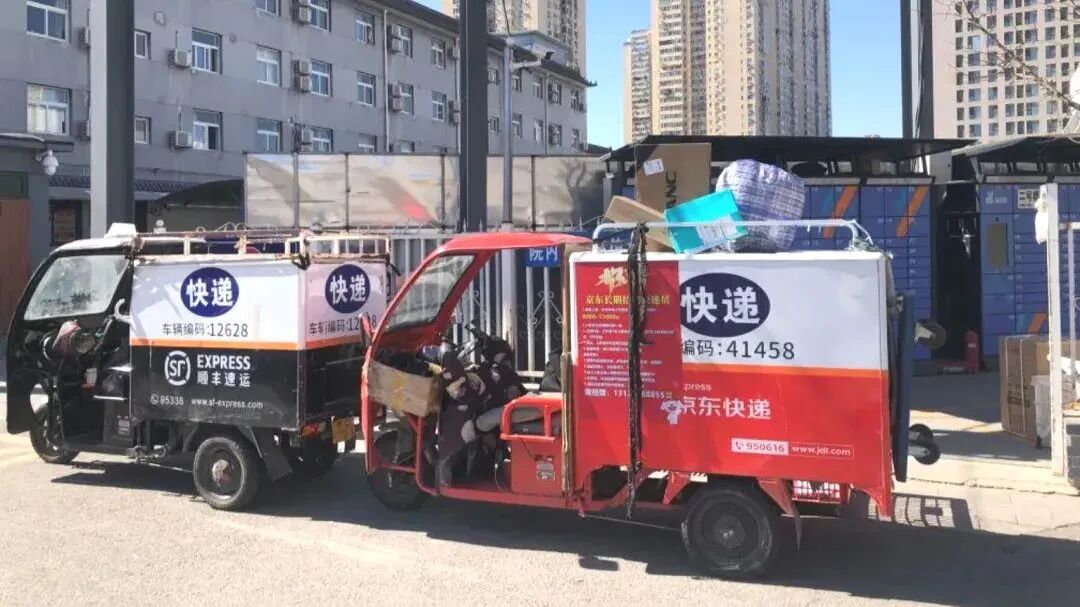
Core Insights - Douyin has switched its return logistics to multiple courier companies, including JD Logistics, Zhongtong, YTO, and others, starting from December 16, indicating a significant shift in its return business strategy [1] - The average daily return volume for Douyin e-commerce reaches millions of orders, presenting a lucrative market opportunity for courier companies [1][4] - The competition among courier companies for return services is intensifying, as they recognize the higher profitability of return shipments compared to regular deliveries [2] Group 1: Market Dynamics - The average daily return business volume in China exceeds 20 million packages, highlighting the potential for courier companies to expand their market share amid slowing growth in traditional e-commerce channels [4] - Courier companies are increasingly focusing on return services due to their higher profit margins, with return shipments generating around 4 to 5 yuan per package, compared to minimal profits or losses on regular e-commerce deliveries [2] Group 2: Operational Challenges - Douyin e-commerce is tightening its assessment of collection rates, meaning courier companies that fail to meet standards risk losing their contracts or being switched out [5] - Courier companies are hiring dedicated personnel to improve collection rates and meet the high frequency of pickup demands, indicating a significant operational shift [5] - The complexity of return logistics, including quality checks, packaging, and scheduling, poses challenges for courier companies, particularly in maintaining efficiency and managing high complaint rates [6][8] Group 3: Financial Incentives - Courier companies are offering incentives to their networks, with a reported profit share of 2.72 yuan per package, which includes a base profit and a timely pickup bonus [6] - However, achieving these financial incentives is challenging due to strict performance assessments and the need for efficient operations [6] Group 4: Industry Sentiment - There is a growing sentiment among couriers that the return process is less attractive due to low pay and high complaint rates, leading to concerns about profitability and job satisfaction [8] - The current e-commerce environment, characterized by price wars and refund policies, is causing stress across the supply chain, affecting courier companies significantly [8]