三星

Search documents
超越特斯拉,比亚迪跃居世界第一;宗馥莉重任宏胜集团法定代表人;百度:计划分拆昆仑芯并于港交所独立上市丨邦早报
创业邦· 2026-01-03 01:13
Group 1 - BYD is projected to surpass Tesla in global electric vehicle sales, with an expected 2.25 million units sold in 2025, marking a 28% year-on-year increase [2] - Tesla's sales in Europe have significantly declined, with a 66% drop in France and a 71% drop in Sweden in December 2025 [8] - NIO reported record deliveries of 48,135 vehicles in December 2025, totaling 326,028 vehicles for the year, a 46.9% increase year-on-year [10] Group 2 - Baidu plans to spin off Kunlun Chip and seek independent listing on the Hong Kong Stock Exchange [3] - Xiaomi addressed misinformation regarding the structural principles of the zoom ring in its Xiaomi 17 Ultra Leica version [6] - Samsung aims to maintain pricing for its Galaxy S26 series while optimizing cost structures through configuration adjustments [11] Group 3 - Deloitte forecasts continued stable growth for China's A-share market in 2026, with Hong Kong's IPO financing expected to exceed 300 billion HKD [19][20] - The Chinese film industry saw a total box office of 51.832 billion yuan in 2025, a 21.95% increase from the previous year [23] - Norway registered 95.9% of new cars as electric vehicles in 2025, a significant increase from 88.9% in 2024 [24]




美股异动|台积电股价连创新高2纳米技术引爆市场
Xin Lang Cai Jing· 2026-01-03 01:12
Core Insights - TSMC's stock price reached a new high, increasing by 6.69% over two days, driven by technological advancements and market strategies [1] - The company plans to start mass production of its 2nm process technology in Q4 2025, utilizing advanced GAA transistor technology to enhance chip performance and energy efficiency [1] - Apple has pre-ordered TSMC's 2nm capacity to support new iPhone models, indicating strong market confidence in TSMC's new technology [1] Group 1: Technological Advancements - TSMC's Kaohsiung Fab22 has become the main production base for the 2nm process, showcasing the growth potential of the southern Taiwan tech industry [1] - TSMC has received U.S. export licenses, ensuring supply chain stability in international markets and facilitating the supply of U.S.-made chip manufacturing equipment to its Nanjing plant [1] - Collaboration with NVIDIA on new chip orders highlights the strong demand for cutting-edge technology in the semiconductor industry [1] Group 2: Market Position and Competition - TSMC is in fierce competition with Samsung in the 2nm technology space, but is perceived to have an advantage in reliability and market acceptance [2] - The market application of TSMC's 2nm process is expected to expand significantly, positioning it as a new benchmark in the semiconductor industry [2] - TSMC's 2nm process is projected to generate revenue exceeding the combined total of its 3nm and 5nm processes, leading the technological transformation in the semiconductor sector [2]

美国半导体技术霸权的底层支撑与中国突围
是说芯语· 2026-01-03 00:52
Core Viewpoint - The article discusses the absolute monopoly of the United States in the semiconductor industry, highlighting the dominance in core technologies such as design tools, high-end IP cores, advanced architectures, key manufacturing equipment, and testing instruments. This monopoly creates significant barriers to entry and establishes a comprehensive technological hegemony that is difficult to challenge globally, while also leaving room for diversification and breakthroughs in specific fields, particularly in China's domestic semiconductor industry [1]. Group 1: Chip Design Tools (EDA) - The monopoly is held by Synopsys, Cadence, and Siemens EDA, which together account for over 95% of the global market share, providing a comprehensive toolchain for chip design [3]. - These tools are essential for advanced process nodes of 7nm and below, featuring capabilities such as lithography simulation and yield optimization, making them critical infrastructure for chip development [3]. - The high density of patent barriers and deep collaboration with leading foundries like TSMC and Samsung create strong user ecosystem stickiness, making it difficult for latecomers to replace these tools [3]. Group 2: High-Performance IP Cores and Architectures - The monopoly is dominated by X86 architecture (Intel, AMD), GPU architecture (NVIDIA, AMD), and AI acceleration IP (NVIDIA, Xilinx), with ARM's technology also heavily influenced by U.S. regulations [6]. - The X86 architecture leads in high-performance computing, while NVIDIA's CUDA architecture defines global AI computing standards, creating dual barriers of performance and ecosystem [6]. - Global chip design companies are highly dependent on U.S. IP, and the U.S. can restrict access to these IPs through licensing, directly impacting the design capabilities of other nations [6]. Group 3: Key Manufacturing Equipment - The monopoly is held by U.S. companies like Applied Materials, Lam Research, and KLA, which lead in critical equipment for etching, film deposition, and process inspection [9]. - These companies provide essential technologies for advanced processes, with high barriers to entry due to long R&D cycles and significant capital investment [9]. - The dependency of global foundries like TSMC and Samsung on U.S. equipment means that U.S. export controls can directly affect the expansion and technological upgrades of advanced manufacturing capacities [9]. Group 4: High-End Chip Design and Architecture Innovation - U.S. companies like NVIDIA, Qualcomm, AMD, and Apple dominate the global technology direction in AI chips, mobile terminal chips, and high-performance computing chips [12]. - Continuous high R&D investment (approximately 17.7% of semiconductor industry revenue) and strong ecosystem integration capabilities allow these companies to maintain significant advantages [12]. - The U.S. leads in defining the demand and technological evolution of high-end chips, influencing the global semiconductor supply chain [12]. Group 5: Semiconductor Testing and Packaging Technologies - The monopoly is held by U.S. companies like Teradyne and Cohu, which dominate the high-end chip testing equipment market [15]. - These companies provide comprehensive testing solutions that meet the high precision requirements of advanced process nodes [15]. - The global chip production's yield control and quality assurance are highly reliant on U.S. testing equipment, and export restrictions can impact production efficiency and quality stability [15]. Group 6: Core Materials Technology - U.S. companies like Dow Chemical, DuPont, and GlobalFoundries dominate the market for critical semiconductor materials such as photoresists and electronic specialty gases [18]. - The high purity and stability requirements for semiconductor materials create significant barriers for new entrants [18]. - Advanced process chip manufacturing relies over 80% on U.S. core materials, and U.S. export controls can directly affect global production capacities [18]. Group 7: Semiconductor Software and Ecosystem - U.S. companies like Microsoft, Google, and NVIDIA dominate the software ecosystem that supports chip applications [21]. - The NVIDIA CUDA ecosystem monopolizes AI training and inference software, with over 90% of AI developers using the CUDA platform [21]. - The strong network effects of these ecosystems create significant barriers for new entrants, making it difficult for other countries to commercialize breakthroughs in high-performance chip development [21]. Group 8: Industry Standard Setting Authority - The U.S. leads international standard organizations like IEEE and JEDEC, controlling the core industry standards for chip interfaces and performance specifications [24]. - The binding of industry standards with technology patents creates dual barriers that are difficult for non-U.S. companies to overcome [24]. - The U.S. can guide global semiconductor technology development through standard-setting, impacting the innovation paths of non-U.S. enterprises [24]. Group 9: High-End Semiconductor Products and Solutions - U.S. companies like NVIDIA, Intel, Qualcomm, and Micron hold a dominant share in the global high-end semiconductor product market [27]. - These companies have established significant performance advantages through long-term technological accumulation and deep integration with downstream manufacturers [27]. - The global technology industry is highly dependent on U.S. semiconductor products, and U.S. export controls can directly influence the development of global technology sectors [27].



256G 比 5090 显卡还贵!内存一年暴涨 3 倍,全球为奥特曼豪赌买单
程序员的那些事· 2026-01-03 00:49
Core Viewpoint - The article discusses a significant surge in memory prices, driven primarily by the increasing demand from AI applications, leading to a global memory shortage that affects various sectors, including PCs and gaming [2][3][30]. Group 1: Memory Price Surge - Memory prices have skyrocketed, with a 64GB memory stick that cost $350 two months ago now priced at $2,500 [4][12]. - The price of DDR5 contract memory has increased by 123% from the beginning of the year [21]. - The price of 12GB LPDDR5X memory chips for Apple's iPhone 17 series has risen to approximately $70, compared to $25-$29 a year ago, indicating a 2-3 times increase [14][15]. Group 2: AI's Impact on Memory Demand - AI servers require significantly more memory, with DRAM needs being about eight times that of standard servers [34]. - Major companies like OpenAI are securing large quantities of DRAM, locking in 40% of monthly production capacity from suppliers like Samsung and SK Hynix [36][38]. - The shift in demand towards AI products has led memory manufacturers to prioritize high-margin products, resulting in reduced availability of traditional memory for consumer electronics [46][48]. Group 3: Supply Chain and Market Dynamics - Major PC manufacturers, including Lenovo and HP, are preemptively signing procurement agreements with memory suppliers to secure future supplies [20]. - The transition of production lines from traditional DDR4 to high-bandwidth memory (HBM) and DDR5 is causing a significant reduction in the availability of mid-range memory [49][53]. - The memory shortage is expected to persist until at least 2026, with AI consuming 20% of global DRAM wafer capacity [53]. Group 4: Broader Market Implications - The memory crisis is reshaping the smartphone and PC markets, with manufacturers facing tough choices between raising prices or reducing specifications [82][84]. - The cost of memory components is becoming a critical factor in the pricing structure of smartphones, where memory can account for 10%-20% of the bill of materials [82]. - The article suggests that 2026 may see a significant increase in technology product prices due to the ongoing memory shortage driven by AI data centers [86].

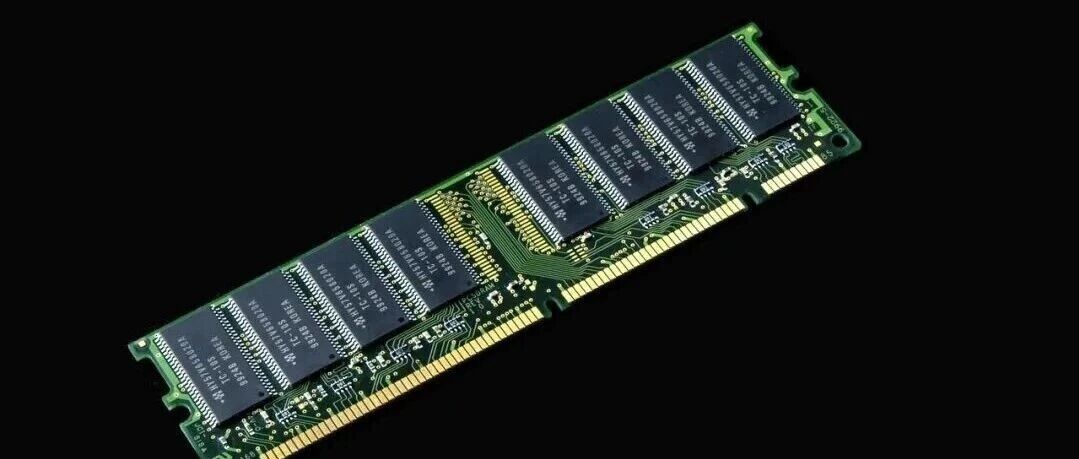
智能手机2025年先扬后抑 2026年AI手机市占率或过半
Xin Lang Cai Jing· 2026-01-02 20:35
Core Insights - The Chinese smartphone market experienced a "first rise, then fall" pattern in 2025, driven by initial consumer demand from the "old-for-new" subsidy policy, followed by a market cooling due to tightening subsidy policies and rising costs [1][3][5] - Industry innovation continues with advancements in battery technology, imaging capabilities, and AI integration, shifting the competition from "parameter competition" to "experience competition" [1][8][10] Market Trends - The initial success of the smartphone market in early 2025 was marked by a significant sales surge during the Spring Festival, with over 4.5 million digital products sold, and smartphone sales reaching 14.1 billion yuan, a 182% year-on-year increase [3] - However, the market faced a 4% year-on-year decline in smartphone sales in Q2 2025 due to inventory adjustments by manufacturers and the diminishing effects of subsidy policies [3][5] - The global rise in storage chip prices, driven by AI demand, has significantly increased costs, with prices for Samsung LPDDR4X memory rising from approximately $6 to $25 per unit, a more than threefold increase [3][5] Pricing and Market Segmentation - Rising costs have led to increased retail prices for smartphones, with Xiaomi's Redmi K90 priced at 2,599 yuan, up 300 yuan from its predecessor [4] - High-end flagship models can better absorb cost increases, while the low-end market faces severe pressure, as price sensitivity among consumers can lead to reduced demand for new devices [4][6] - Forecasts for 2026 indicate a conservative outlook for smartphone production and shipment, with IDC predicting a 2.2% year-on-year decline in shipments to approximately 278 million units [5][6] Structural Changes in the Market - The high-end smartphone market (priced above $600) is expected to grow its market share by 5.4 percentage points to 35.9%, while the low-end market (below $200) is projected to shrink by 4.3 percentage points to 20% [6] - The second-hand smartphone market is anticipated to grow by 20% in 2026, reaching over 100 million units, as consumers may opt for second-hand devices due to rising new device prices [7] Technological Innovations - The industry is focusing on significant upgrades in battery capacity, with major brands adopting 6,000-7,000mAh batteries, and some models featuring batteries as large as 8,300mAh [8] - Imaging technology is advancing with new models featuring 200-megapixel cameras, while AI capabilities are being integrated into devices with high-performance chips [8][10] - The competition is shifting towards AI capabilities and ecosystem integration, with brands needing to differentiate themselves through innovation and emotional engagement with consumers [9][10] Future Outlook - The year 2026 is seen as critical for the Chinese smartphone market, where success will depend on manufacturers' ability to navigate cost pressures and establish emotional connections with consumers [2][5] - IDC forecasts that the shipment of AI-enabled smartphones will reach 147 million units in 2026, representing a 31.6% year-on-year growth and accounting for 53% of the overall market [10][11]
AI霸权竞逐白热化:这场全球竞赛,远比你以为的更“无国界”
Sou Hu Cai Jing· 2026-01-02 17:40
Core Insights - The AI competition is not limited to the US and China, as many other countries are emerging as serious contenders in AI development and investment [1][3] - Countries like France, Israel, the UK, Canada, Germany, Japan, and South Korea are making significant strides in AI, with substantial government support and funding initiatives [3][5][21][29] Group 1: Investment and Funding - AI startups raised a record $12 billion in 2017, more than double the previous year's venture capital, with most funding concentrated in the US and China but increasingly from international sources [3][5] - Japan's SoftBank has accumulated a $100 billion investment fund, with significant contributions from global investors [3] - The US government has prioritized AI funding, with a $2 billion investment planned by the Department of Defense for AI initiatives [10] Group 2: Government Strategies - China aims to become the world leader in AI by 2030, targeting an industry value of approximately $150 billion and investing heavily in AI research and applications across various sectors [5][6] - Japan's AI strategy includes a roadmap for industrialization and collaboration between industry, government, and academia, with a focus on productivity and welfare [13] - The UK government announced £68 million in funding for AI and robotics projects, aiming to invest around $1.3 billion in AI over the coming years [18][20] Group 3: Technological Ecosystems - China's tech ecosystem includes major players like Alibaba, Baidu, Tencent, and Huawei, which are heavily investing in AI technologies [6] - Germany is recognized for its engineering capabilities and is a leader in autonomous driving patents, with a focus on AI in the automotive sector [26] - South Korea is home to major tech companies like Samsung and LG, with government support for AI development, although it lacks a robust venture capital ecosystem [17] Group 4: Ethical and Regulatory Considerations - The UK aims to position itself as a leader in ethical AI standards, recognizing the importance of establishing guidelines for AI development [20] - France is focusing on creating unbiased datasets and addressing ethical concerns related to AI, while also sharing public data for AI service development [24] - Germany has established a data ethics committee to guide AI development and usage, reflecting its commitment to responsible AI practices [26] Group 5: Global AI Landscape - Countries like Russia are investing in AI for national security, with plans to automate 30% of military equipment by 2025, although overall investment remains low compared to other nations [27][29] - Many countries, including Israel, India, and Singapore, view AI as a national strategic priority, developing tailored strategies to enhance their AI capabilities [29][31] - The AI race is characterized by collaboration and ongoing research, with various nations benefiting from advancements in cognitive technologies [31]

港股开年大涨:人民币升值与科技驱动四大行业ETF表现亮眼
Xin Lang Cai Jing· 2026-01-02 16:52
Group 1 - The Hong Kong stock market showed a strong start in 2024, with the Hang Seng Index rising by 2.76% on January 2, breaking through the previous month's technical platform [1] - The appreciation of the Renminbi against the US dollar is a significant factor driving the rise in Hong Kong stocks, with predictions of further appreciation to around 6.8 by 2026, encouraging foreign capital to invest in Renminbi assets [1] - Strong expectations in the global technology sector, particularly in AI and semiconductors, are positively impacting Hong Kong stocks, with notable performance from Samsung due to high demand for AI-related storage chips [1] Group 2 - The Hang Seng Technology Index rose by 4% on January 2, supported by the strong performance of key technology stocks, including the anticipated listing of Baidu's Kunlun chip and the positive reception of Wall Street technology [2] - Collaborations between companies like Huahong Semiconductor and Huahong Group are expected to positively impact financial reports, further validating market optimism [2] - The financial sector, especially the insurance industry, has shown strong performance, with the appreciation of the Renminbi significantly enhancing the relative value of financial assets, attracting more investment attention [2] Group 3 - The rise of non-ferrous metal stocks, exemplified by Zijin Mining and Luoyang Molybdenum, reflects the active market for precious and minor metals, with optimistic market sentiment towards the sector [3] - In the consumer sector, ETFs related to home appliances and tourism have performed well, with over 208 million people expected to travel during the New Year period, a 21% increase year-on-year, boosting stocks related to travel [3] - Overall, the combination of Renminbi appreciation, global technology resonance, and strong performance across four key industries has set a positive foundation for the Hong Kong stock market at the beginning of the year [3]
华泰证券发布CES2026前瞻:从传统消费电子到物理AI的跃迁
Ge Long Hui· 2026-01-02 11:21
本周,华泰证券黄乐平团队发布研报称,CES 2026将于2026年1月6-9日在美国拉斯维加斯举行。该团队 认为本届展会的核心主题或将从传统消费电子展示,转向以AI为中心的系统级技术变革。尽管2025年 市场呈现"云端热、端侧温"的特征,但预计本届CES将成为AI应用落地的关键观察窗口,重点覆盖端侧 AI、工业AI、Physical AI与汽车智能化等方向。科技行业投资主线正从算力基础设施走向从仿真、训练 到现实世界部署的完整技术闭环,Physical AI或将成为串联各板块的核心叙事。 AI芯片:英伟达或重塑物理AI,AMD/Intel 聚焦端侧反攻 芯片巨头的策略或现分化。据Wccftech预测,英伟达(NVIDIA)可能淡化消费级显卡(RTX 50 Super 系列或因DRAM涨价延迟发布),CEO黄仁勋或重点阐述"Physical AI"战略,推动AI算力向机器人与工 业场景延伸。AMD 或采取稳健升级策略,桌面端可能推出搭载3D V-Cache的Ryzen 9000系列,移动端 发布Ryzen AI 400系列以巩固PC市场。英特尔(Intel)或将Panther Lake(Core Ultra S ...

大赚95亿!拼了8年,亏了400多亿后,中国内存杀到全球第4了
Xin Lang Cai Jing· 2026-01-02 04:13
Group 1 - Changxin Storage, China's leading DRAM memory chip manufacturer, is set to go public with plans to raise 29.5 billion yuan for production line upgrades and technology research [1] - Established in 2016, Changxin has quickly risen to become the fourth largest memory chip manufacturer globally, holding approximately 5% market share as of Q3 2025, trailing behind SK Hynix, Samsung, and Micron [3] - The company has achieved mass production of various chip types, including DDR3, DDR4, DDR5, and LPDDR5X, and its technology is now on par with industry leaders [5] Group 2 - Despite its rapid growth, Changxin has not yet turned a profit, accumulating losses of 44.514 billion yuan as of September 2025 due to high investments in research and production [7] - A significant turnaround is expected in Q4 2025, with projected revenues between 55 billion and 58 billion yuan and a potential profit of up to 3.5 billion yuan [9] - The anticipated profitability in Q4 is attributed to improved technology, increased production capacity, and a surge in memory chip prices, with major domestic clients like Alibaba, ByteDance, Lenovo, Xiaomi, Honor, OPPO, and Huawei now using Changxin's products [11][12] Group 3 - As Changxin continues to enhance its production capacity and technological advancements, its market performance is expected to improve, leading to a higher global market share [13] - The company's journey serves as a valuable example for other Chinese tech firms, demonstrating that sustained investment and research can lead to success in high-tech fields, even after decades of lagging behind [13]
三星 Galaxy S26 系列或将搭载“隐私显示”功能,防窥屏技术再升级
Xin Lang Cai Jing· 2026-01-02 04:03
Core Viewpoint - Samsung's Galaxy S26 series is expected to feature a new "Privacy Display" function that reduces screen visibility from side angles [1][2]. Group 1: Privacy Display Functionality - The "Privacy Display" feature will prevent nearby individuals from viewing the content on the user's phone screen when activated [2]. - Users can enable this feature through the phone's settings app or a quick settings toggle, and can customize the conditions under which it activates automatically [2]. - This functionality may require the next generation of OLED panels, with Samsung showcasing a new OLED panel featuring Flex Magic Pixel technology at the upcoming Mobile World Congress (MWC) in early 2024 [2]. Group 2: Availability and Compatibility - It remains unclear whether the "Privacy Display" feature will be available on all three models of the Galaxy S26 series or if it will be exclusive to the Galaxy S26 Ultra [2].