
瑞幸咖啡

Search documents
拿下餐饮年度最大融资,门店超过1万家,咖啡界迎来新变局
创业邦· 2026-02-05 10:18
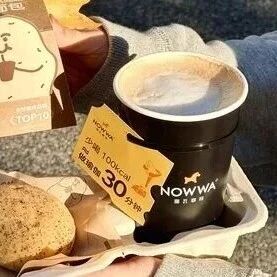
Core Viewpoint - Nova Coffee has successfully completed a significant C-round financing, raising several hundred million yuan, marking the largest financing in China's restaurant industry over the past year. The company aims to expand its store count from over 1,200 at the end of 2024 to more than 10,000 by the end of 2025, with a peak of 1,800 new stores opened in a single month [5][7]. Group 1: Business Model and Growth Strategy - Nova Coffee employs a "store-in-store" model, partnering with existing cafes and restaurants to minimize capital expenditure while rapidly expanding its presence in the market [8][10]. - The company has achieved significant sales through its partnerships, generating substantial cash flow, but faces challenges in maintaining quality and stability due to reliance on external partners [10][12]. - To attract investment, Nova has opened over ten direct-operated stores and started a franchise model, slowing down the growth of its store-in-store strategy [10][11]. Group 2: Market Positioning and Differentiation - Nova Coffee initially competed on price but shifted to a differentiation strategy focusing on health-conscious products, launching low-sugar and low-fat coffee options to establish a unique brand identity [15][16]. - The company aims to position itself as a provider of "delicious coffee without the guilt," targeting health-conscious consumers who are concerned about sugar and fat content [15][19]. Group 3: Supply Chain and Operational Efficiency - Nova Coffee has invested in its supply chain by establishing a coffee plantation in Yunnan and securing production facilities in Africa, enhancing its control over raw materials and production quality [19][21]. - The company plans to optimize its supply chain further by building automated roasting facilities and distribution centers, which are expected to improve product quality by 30% and reduce costs [19][21]. Group 4: Competitive Landscape and Future Challenges - Despite achieving its goal of 10,000 stores, Nova Coffee's reliance on the store-in-store model raises concerns about its long-term competitive advantage, as it may struggle to maintain product quality and brand integrity [21][23]. - The company faces intense competition from established players like Luckin Coffee and Kudi, which have significantly more stores and resources, highlighting the need for Nova to strengthen its brand and operational capabilities [21][23].

北京号最精彩 | 年味直达!京城这些年货大集即将热闹开市
Bei Jing Ri Bao Ke Hu Duan· 2026-02-05 09:32
▶ 三里河一区28号楼入住仪式举行,54户居民春节前原地搬新家 2月4日立春当日,月坛街道三里河一区28号楼入住仪式举行,54户居民顺利拿到新家钥匙,"交房即交 证"的承诺如约兑现。 ▶ 副中心畅玩指南!好吃好玩好逛全在这 春节将至,您准备好去哪玩了么?《副中心文旅消费手册(冬季版)》带您一键解锁好吃好玩好逛全攻 略~ ▶ 漫游东城|这里正"姹紫嫣红",许你满园春色 大集将以鼎沸街、昌平味、百工坊、大舞台、摊玩集五大主题专区为载体,串联起仪式感、烟火气、光 影韵与市井温情。200余个摊位、五大核心看点提前揭秘,带您沉浸式解锁这场集传统与新潮、美食与 美景于一体的新春嘉年华! ▶ 马上赶喜市 | 郎园Park年货市集免费逛!本周末把年味带回家—— 市集分室内、室外两大逛玩空间,双区域联动畅玩,体验感拉满! 故宫之侧,青砖黛瓦间藏着一方美学秘境——南池子美术馆推出新展《姹紫嫣红——传统花鸟的当代新 声》,邀您共赴一场中式浪漫之约。展览将持续至 4月19日,趁风暖景明,不妨走进南池子美术馆,于 亭台楼阁间、曲水回廊旁,共赏这场跨越古今的姹紫嫣红,邂逅独属于东方美学的诗意与惊艳。 ▶ 马上有集,年味直达!"烟火昌盛" ...

沙利文:2025上半年中国智慧零售市场规模破百亿,腾讯占比25.3%位列第一
Xin Lang Cai Jing· 2026-02-05 07:10
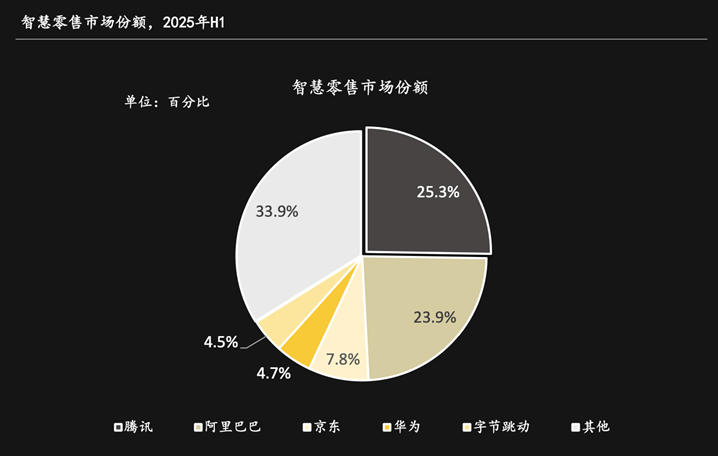
公司情报专家《财经涂鸦》获悉,2月3日,弗若斯特沙利文(Frost & Sullivan)发布《中国智慧零售市场追踪报告(2025H1)》。 数据显示,2025年上半年,中国智慧零售整体市场规模达107亿元人民币,腾讯以25.3%的整体市场份额位列第一。 除整体市场份额领跑外,腾讯还在食品饮料及酒水、零售商超、运动鞋服等多个核心行业,以及解决方案市场子项中斩获份额第一。其中,在零售商超赛 道占比高达40.8%,居绝对领导地位。 该报告首次聚焦实体零售企业在数字化转型和全域经营中所创造的综合服务价值,统计范围覆盖云基础设施与平台服务(IaaS+PaaS)、SaaS及解决方案。 沙利文指出,智慧零售是面向零售企业的一套端到端经营解决方案,通过统一的消费者运营与门店经营体系,协同"人、货、场"的关键业务环节,驱动可 衡量的增长与体验提升。2025年以来,受AI技术应用爆发驱动,智慧零售增长动能明显增强。 报告预测,到2030年,中国智慧零售市场规模将有望达到约645亿元,年复合增长率达到22%。 自2018年启动产业互联网转型,腾讯面向零售行业成立专属团队,如今行业覆盖商超、餐饮、食品饮料及酒水、快消日化、鞋服运动 ...


咖啡全场九块九时代落幕?
Xin Lang Cai Jing· 2026-02-05 06:29
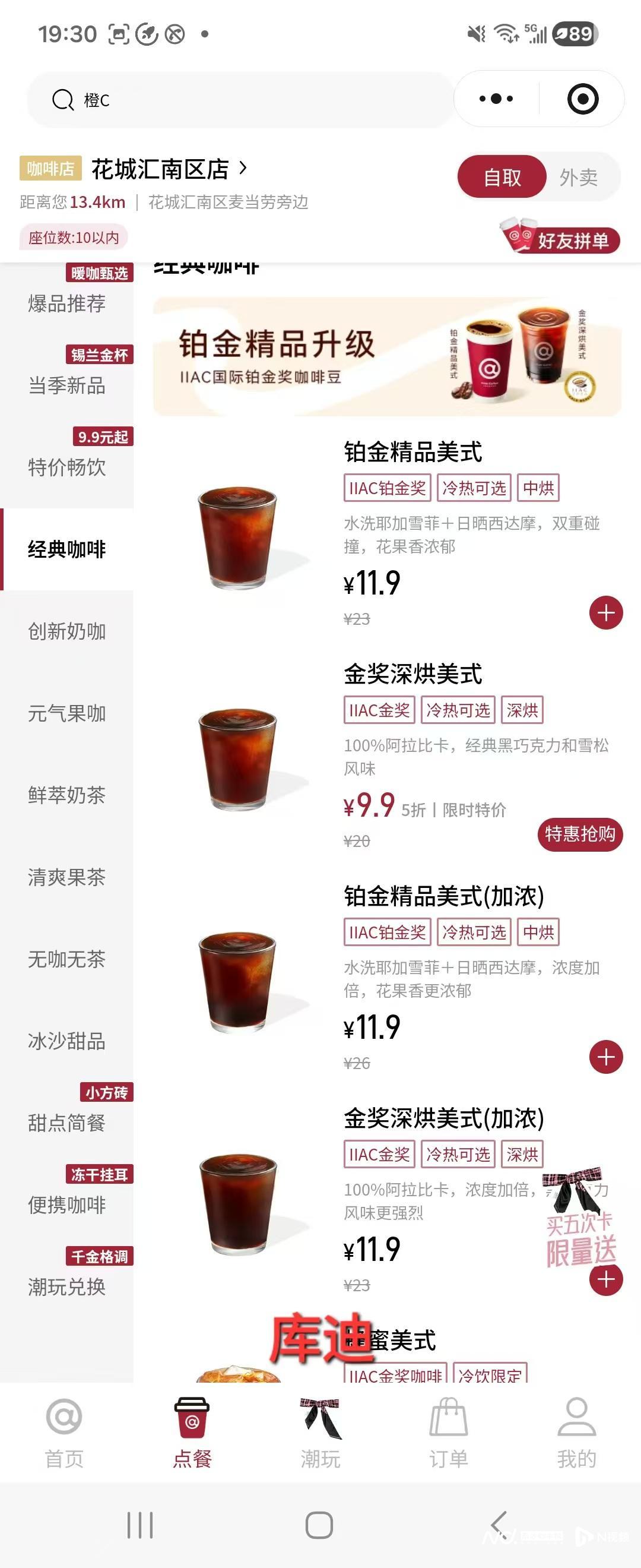
前几年,在瑞幸、库迪的带领下,咖啡市场掀起了席卷全国的价格战,在这场价格大战之下,九块九几 乎已经成为了咖啡市场的标配,然而就在最近库迪也宣布放弃了九块九的低价,连库迪都玩不起了,咖 啡市场的未来该咋办? 据智通财经的报道,近日,有消息称,库迪咖啡发布门店价格策略和活动调整通知。通知指出,"全场 9.9元不限量"活动已于2026年1月31日24时正式结束,2026年2月1日0时起,将开启特价专区,部分产品 仍然延续9.9元不限量。2026年2月1日0时起,库迪自有平台内非特价活动产品,均按零售价售卖。 此外,新店首月8.8元活动自2月1日0时起调整,用户扫码可得券包由原先的3张6.9元饮品券(全场饮品 可用)调整为3张8.8元饮品券(全场饮品可用)。邀新有礼活动也有所调整,新用户奖品由原先的3张 8.8元全场任饮券调整为3张9.9元全场任饮券。 库迪咖啡方面向智通财经回应称,属实。库迪咖啡相关负责人表示,部分产品延续特价9.9元不限量, 全线产品持续参与外卖平台各类补贴活动。 在咖啡消费市场,曾经风靡一时的"全场九块九"策略如今正逐渐成为过去式,就连以低价策略迅速打开 市场的库迪也放弃了全面九块九的政策,我们 ...
联名的风,终于吹到了年夜饭
3 6 Ke· 2026-02-05 03:02
只要是开了这个头,年轻人都有非常强烈的"露一手"的意愿。 最近几年,年夜饭的"主理权"逐渐被移交到了看着抖音和小红书,来学习买菜和做饭的年轻人手上。 大家的需求会有什么样的改变呢? 新一代主理人,喜欢什么样的年夜饭? 一个明显的趋势是,返乡的年轻人逐渐出现了一个新的共同愿望:希望让家里的长辈,也尝尝自己平时吃到的新鲜口味。 这可能是在上海梧桐区时髦甜品店被发明出来的新口味,也可能是过去一年火热的云贵川bistro的木姜子新调味,甚至是刚在首尔走红的迪拜巧克力大 福。 再加上春节时间充裕,还有很多年轻人也愿意尝试更需要时间和技能的大菜、硬菜。像炸带鱼、炖猪肘、焖羊排、芥末虾球、葱爆龙虾,都是他们想挑战 的菜式。 从数据来看,家里的长辈其实也乐得清闲,愿意把"重任"交给已经成年的孩子。 下厨房曾经发布的一份春节饮食趋势调查报告,里面显示,有六个省份的年夜饭"掌勺人"年龄在18-25岁之间。盒马去年发布的盒区房报告也显示,盒区 房18至35岁的年夜饭"主理人"占比过半。 那么,新一代年夜饭"主理人",具体喜欢做什么样的菜呢?我们好奇地搜索了一下,发现像在小红书、抖音这样年轻人为主的生活类社交平台上,点赞靠 前的菜式 ...
宝立食品20260204
2026-02-05 02:21
Summary of Poly Food's Conference Call Company Overview - Poly Food was established in 2001, initially supplying fruit powder and breadcrumbs to Yum China, later expanding to marinades and sauces. In 2018, the company entered the C-end light cooking food market with the launch of the "Kongke" pasta and went public in 2022 [2][4]. Industry Insights - The increasing chain rate in China's restaurant industry drives the demand for standardized compound seasonings, providing growth opportunities for Poly Food's B-end business. The chain rate is projected to rise from over 10% in 2018 to over 21% by 2024, still below the over 50% in the U.S. [2][7]. Core Business Model - Poly Food positions itself as a comprehensive customized solution provider, transitioning from merely selling products to offering full-service solutions. The product line includes fruit powder, marinades, seasonings, and sauces, catering to nearly all needs of Western-style dining [2][8]. Key Clients - Core clients include major Western fast-food chains such as Yum China (KFC, Pizza Hut), McDonald's, and Burger King, as well as emerging sectors like ready-to-drink tea and meat processing companies [2][9][10]. B-end Business Growth - B-end business growth is driven by collaborations with major clients and the introduction of new products. The company leverages scale benefits from partnerships and continuously develops new products to tap into emerging restaurant chains [2][11]. C-end Business Development - The C-end light cooking solution, represented by "Kongke" pasta, has rapidly gained market share since its launch in 2019, becoming the top-selling Italian pasta online. The product offers a complete home cooking experience and has expanded to include healthier and child-friendly versions [2][12]. Marketing and Sales Strategy - The "Kongke" brand initially focused on online sales through platforms like Tmall and JD, while also utilizing new media for brand promotion. The company is now actively expanding into offline channels to enhance brand presence and increase sales [2][13]. R&D Capabilities - Poly Food's R&D team consists of members with extensive experience in multinational food companies and well-known restaurant chains, enabling rapid transformation of client concepts into standardized products. The company employs a collaborative R&D model with major clients to align with market trends [2][14]. Supply Chain Advantages - The company has a robust supply chain with production bases in Shanghai, Zhejiang, and Shandong, allowing for flexible production capabilities to meet both large and small client needs. This adaptability supports the B-end business's diverse and customized requirements [2][15]. Performance Evaluation - Poly Food has established strong ties with major clients, maintaining double-digit growth despite a challenging restaurant environment. The company has developed a "BB+C" dual-driven model, enhancing cash flow and technology through B-end operations while achieving growth and profit through C-end initiatives [2][16][17]. Future Outlook - Poly Food's solid fundamentals and clear strategic path suggest long-term growth potential. The company is expected to maintain its leading position in the food industrialization wave, continuing to expand its growth boundaries and is recommended for investment in the restaurant supply chain sector [2][18].

“半小时200单!”蜜雪冰城、瑞幸头部品牌“杀入”地铁站
3 6 Ke· 2026-02-05 02:09
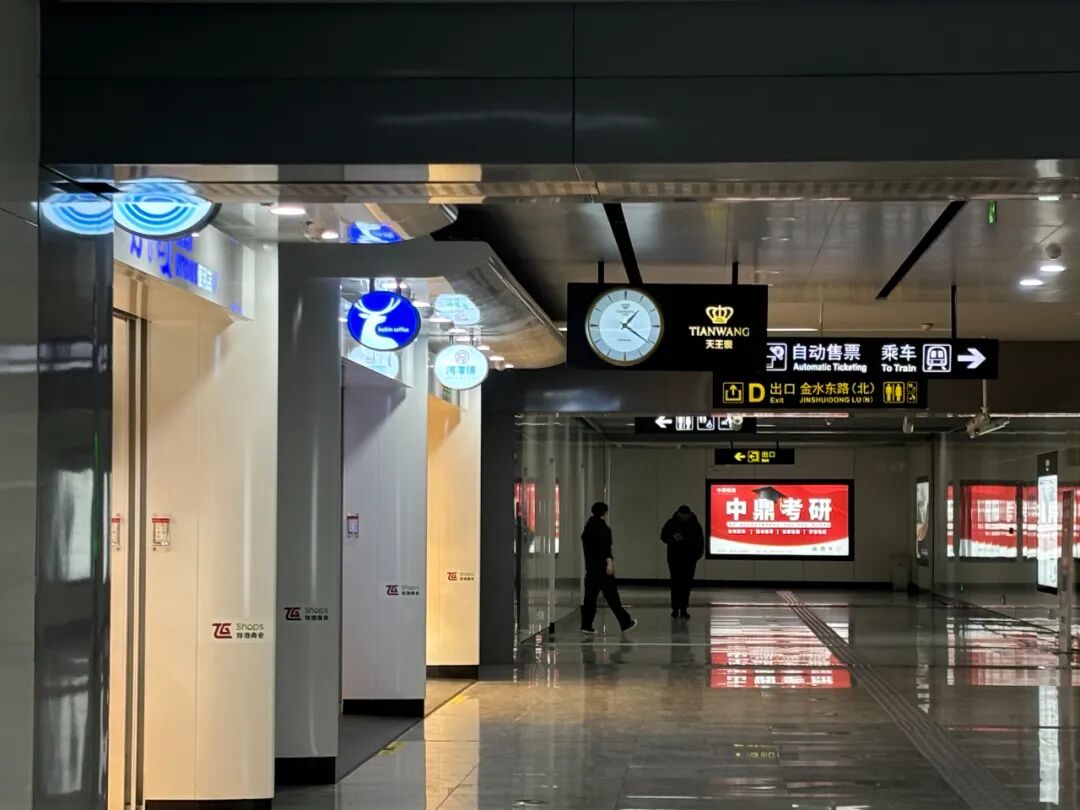
Core Insights - Beverage brands are increasingly entering subway stations, with Luckin Coffee planning to open at least 30 stores in Suzhou by 2026 and Kudi Coffee recently opening a store at Beijing Subway Line 15 [1][2][5] - The trend reflects a growing consumer demand for convenience during commutes, as evidenced by high order volumes at subway coffee shops [1][10] Group 1: Market Trends - The phenomenon of coffee brands entering subway stations has become more pronounced since the beginning of 2026, with multiple brands like Manner and Tims also expanding their presence [2][6] - Data shows that some subway coffee shops can sell up to 200 cups in just half an hour during peak hours, indicating strong consumer demand [10][12] Group 2: Consumer Behavior - The primary consumer demographic in subway stations consists of white-collar workers aged 25 to 40, who have strong purchasing power and a preference for instant gratification [12] - The convenience of picking up coffee or breakfast on the way to work has become a daily routine for many commuters, enhancing the likelihood of repeat purchases [12][19] Group 3: Competitive Landscape - As price wars cool down, the focus has shifted to location as a key competitive factor, with brands prioritizing convenience over price in high-frequency commuting scenarios [13][19] - The saturation of traditional retail spaces has led brands to seek opportunities in subway stations, which offer more manageable rent and less competition [15][17] Group 4: Strategic Insights - Brands are strategically targeting subway stations as they provide a stable and predictable flow of customers, making them an attractive option compared to traditional retail locations [19] - Recent policy changes in cities like Tianjin are facilitating the entry of convenience stores and beverage brands into subway systems, further enhancing the commercial potential of these locations [19]

沙利文中国智慧零售报告:2025上半年市场规模破百亿,腾讯领跑
Zhong Guo Jin Rong Xin Xi Wang· 2026-02-04 15:08
转自:新华财经 2月3日,国际权威咨询机构弗若斯特沙利文(Frost & Sullivan)发布《中国智慧零售市场追踪报告 (2025H1)》。数据显示,2025年上半年,中国智慧零售整体市场规模达107亿元人民币,腾讯以 25.3%的整体市场份额位列第一。 除整体市场份额领跑外,腾讯还在食品饮料及酒水、零售商超、运动鞋服等多个核心行业,以及解决方 案市场子项中斩获份额第一。其中,在零售商超赛道占比高达40.8%,居绝对领导地位。 依托腾讯大数据选址能力,瑞幸获得更加精准的点位推荐,快速筛选合适的空白市场,加速下沉市场的 开店扩张。腾讯云的弹性伸缩容能力,以及架构师的实时保驾护航,帮助瑞幸扛住一次次流量洪峰。 周大福基于腾讯企点营销云,打造全渠道会员平台,实现中港澳三地会员身份识别与权益互通,提升超 5000万会员的全渠道购物体验;助力好想来精细化运营1.5亿会员、驱动万店协同,实现分钟级"千人千 面"精准营销,促进会员活跃度与客单价双提升。 扎根产业场景,落地"好用的AI" 随着国家"人工智能+"行动的深入推进,AI的应用正从零散的单点尝试,走向系统化的全场景全链路渗 透。报告指出,AI已成为智慧零售降本增 ...
瑞幸库迪缩减9块9产品,补贴退潮,咖啡连锁拼量时代终结?
Nan Fang Du Shi Bao· 2026-02-04 13:53
Core Viewpoint - The coffee price war characterized by the 9.9 yuan price point is cooling down, as evidenced by Kudi Coffee's recent decision to end its unlimited 9.9 yuan promotion, reflecting a broader industry trend of reducing low-priced offerings due to rising costs and diminishing subsidies from delivery platforms [1][27][30]. Group 1: Price Strategy Changes - Kudi Coffee announced the end of its "all products 9.9 yuan unlimited" promotion on January 31, with only select items continuing at that price, while others revert to regular pricing [1][2]. - Other brands, including Luckin Coffee, have also reduced the number of 9.9 yuan products available, indicating a collective industry response to rising costs [7][18]. - The 9.9 yuan price point, once a hallmark of the Chinese coffee market, is now viewed as a controlled operational tool rather than a standard offering [1][27]. Group 2: Cost Pressures - Rising costs of raw materials, labor, and rent are significant factors driving the reduction of 9.9 yuan products across coffee and tea brands [27][29]. - Coffee bean prices have seen high volatility, with futures prices exceeding $4.30 per pound, impacting profitability for brands relying on low-price strategies [27][28]. - Operational costs, particularly in delivery, have surged, with some brands reporting delivery costs accounting for 45%-68% of total costs [30]. Group 3: Market Dynamics and Future Outlook - The coffee market is shifting from rapid expansion to a focus on profitability, with brands seeking to balance scale and profit margins [31][33]. - The reduction in 9.9 yuan offerings is seen as a trial phase for brands to explore new pricing strategies while maintaining customer engagement [33]. - Future competition is expected to center around technological innovation and product differentiation rather than price wars, as brands aim to enhance customer experience through automation and customization [33].
咖啡史上最抽象的玩家,可能出现了
3 6 Ke· 2026-02-04 12:11
Core Insights - The Chinese chain coffee market is at a critical juncture as major players like Luckin Coffee and Kudi Coffee are ending their aggressive "9.9 yuan price war" strategy, while new entrants like Wallace's "WA Coffee" are adopting extreme low-price tactics [1][2][4] Group 1: Market Dynamics - Luckin Coffee and Kudi Coffee have both ceased their "9.9 yuan" promotions, with Kudi increasing prices by 30%-60% on core products, while Luckin has limited its low-price offerings to a few basic drinks [1][2] - The end of the price war is driven by the need for financial sustainability and brand upgrading, as maintaining low prices has led to significant cash flow pressures and profit challenges [2][3] - The market is witnessing a split between established brands rationalizing their pricing strategies and new entrants aggressively pursuing market share through extreme low pricing [1][4] Group 2: Competitive Landscape - The necessity for subsidies has decreased as both brands have established a strong market presence, allowing them to focus on product innovation and customer experience rather than solely on price [3][8] - The competition is shifting from price wars to more fundamental aspects such as product differentiation, supply chain efficiency, and brand loyalty [3][8] - Wallace's "WA Coffee" strategy of offering a "9.9 yuan monthly subscription" is seen as unsustainable and potentially damaging to brand value, as it undermines the perceived quality of coffee [4][6][7] Group 3: Future Trends - The coffee industry is expected to transition from a focus on scale to a multi-tiered competition based on value propositions, with brands optimizing cost structures and operational efficiencies [8][9] - There is a growing opportunity in the mid-to-high-end and specialty coffee segments as consumer preferences evolve towards higher quality and better experiences [9][10] - The integration of coffee with other business models, such as food and retail, is anticipated to be a key area of innovation, enhancing customer experience and revenue streams [9][10]