小米

Search documents
从售后“打胶”到正式召回,小鹏P7+转向机故障终有说法
2 1 Shi Ji Jing Ji Bao Dao· 2025-09-12 16:08
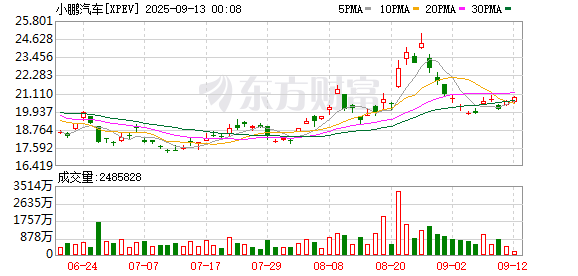
Core Viewpoint - Xiaopeng Motors has announced a recall of 47,490 P7+ vehicles due to steering system failures, which have been reported by numerous owners since May 2023. The recall is a response to safety concerns regarding the steering assist motor sensor harness, which may lead to steering failure and poses safety risks [7][5][3]. Group 1: Recall Details - The recall will affect P7+ vehicles produced between August 20, 2024, and April 27, 2025, starting from September 15, 2025 [7]. - Xiaopeng Motors will replace the steering assembly for the affected vehicles free of charge to eliminate safety hazards [5]. Group 2: Customer Reactions and Complaints - Many P7+ owners have expressed dissatisfaction with Xiaopeng's handling of the situation, accusing the company of "secretly recalling" vehicles without proper communication [6][8]. - Some customers reported that they were unaware of the issues until they searched online, indicating a lack of transparency from Xiaopeng [6][8]. Group 3: Industry Context and Implications - The recall has sparked significant public attention, particularly because new energy vehicle manufacturers like Xiaopeng are under greater scrutiny compared to traditional automakers [10][11]. - The complexity of electronic systems in new energy vehicles can lead to unfamiliar issues for consumers, increasing their sense of insecurity regarding vehicle safety [11]. - The incident highlights the importance of timely and transparent communication from manufacturers to build long-term trust with consumers [11].


召回近5万台,小鹏P7+转向机故障终有说法
21世纪经济报道· 2025-09-12 16:06
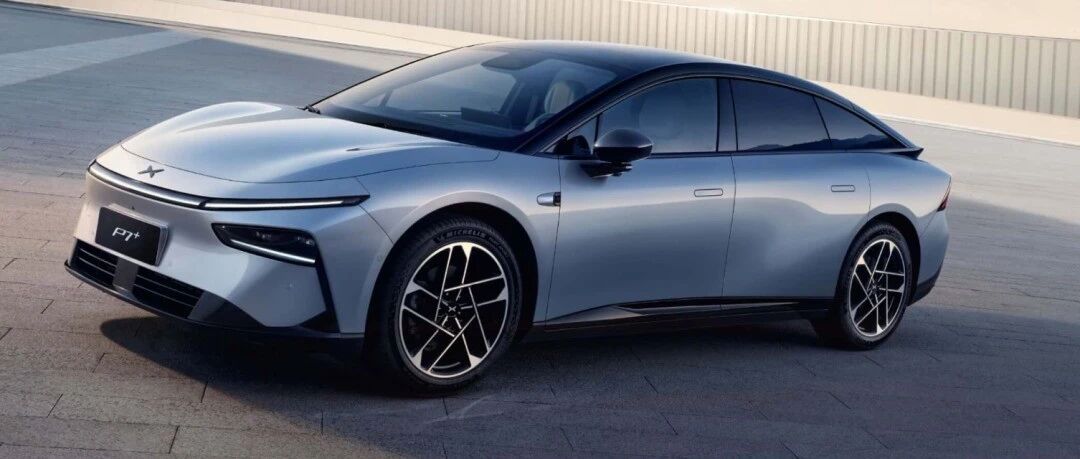
Core Viewpoint - Xiaopeng Motors announced a recall of 47,490 P7+ vehicles due to steering system failures, which have been reported by numerous owners since May 2023 [1][2][4] Group 1: Recall Details - The recall affects P7+ vehicles produced between August 20, 2024, and April 27, 2025, starting from September 15, 2025 [1] - The steering system failure is attributed to poor contact in the steering assist motor sensor wiring, which can lead to signal fluctuations and potential steering failure [4] - Xiaopeng Motors will replace the affected steering assemblies free of charge to eliminate safety risks [4] Group 2: Customer Reactions and Controversies - Customers expressed dissatisfaction with Xiaopeng's handling of the recall, accusing the company of "stealth recalls" and inadequate communication regarding the issues [7] - Reports indicate that some customers were unaware of the problems until they searched online, highlighting a lack of transparency from the company [7] - Complaints have surfaced about temporary fixes, such as applying industrial glue to wiring connections, which did not resolve the underlying issues [7] Group 3: Industry Context and Implications - The recall has garnered significant public attention, contrasting with traditional automakers like Ford and Volkswagen, whose recalls typically receive less media coverage [9][11] - New energy vehicle manufacturers, like Xiaopeng, face heightened scrutiny due to their reliance on advanced electronic systems, which can lead to unfamiliar issues for consumers [12] - The rapid dissemination of information on social media amplifies the impact of recalls for new energy vehicle companies, making timely and responsible communication crucial for maintaining consumer trust [12]
网络黑公关、黑水军猖獗,六部委联合打击汽车行业网络乱象→
Sou Hu Cai Jing· 2025-09-12 14:20
Core Viewpoint - The Chinese government has launched a three-month campaign to address online chaos in the automotive industry, particularly targeting illegal profit-making, exaggerated and false advertising, and malicious attacks, especially in the context of the rapidly growing new energy vehicle (NEV) sector [1][5]. Group 1: Government Action - Six government departments, including the Ministry of Industry and Information Technology and the Ministry of Public Security, are collaborating to combat online misinformation and malicious activities in the automotive sector [1]. - The campaign aims to enhance self-regulation among online platforms and improve the identification and management of malicious actors using generative AI technology [5]. Group 2: Impact on Companies - NIO has reported that it faces over 15,000 instances of false information monthly, leading to estimated losses of at least 2.8 billion yuan, which is about 10% of its sales in the first half of the year [2][5]. - The prevalence of black public relations and water army tactics has forced NEV companies to allocate significant resources, often exceeding tens of millions of yuan annually, to counteract these attacks [2][4]. Group 3: Nature of Misinformation - The misinformation is often generated by a sophisticated black water army industry, which includes planning, content generation using AI, and a network of accounts that disseminate false narratives [2][3]. - Videos and reviews that falsely depict vehicle failures or safety issues are common, with some being fabricated or manipulated using AI technology [3][4]. Group 4: Industry Response - The China Automotive Industry Association has initiated a campaign to resist the use of online water armies and has called for collective action from car manufacturers to avoid engaging in negative commentary or malicious attacks [5]. - The NEV sector has seen significant growth, with production and sales reaching approximately 6.968 million and 6.937 million units, respectively, in the first half of the year, marking year-on-year increases of 41.4% and 40.3% [5].
行业白皮书:低成本密态计算已来 实现数据“可用不可见”
Shang Hai Zheng Quan Bao· 2025-09-12 12:07
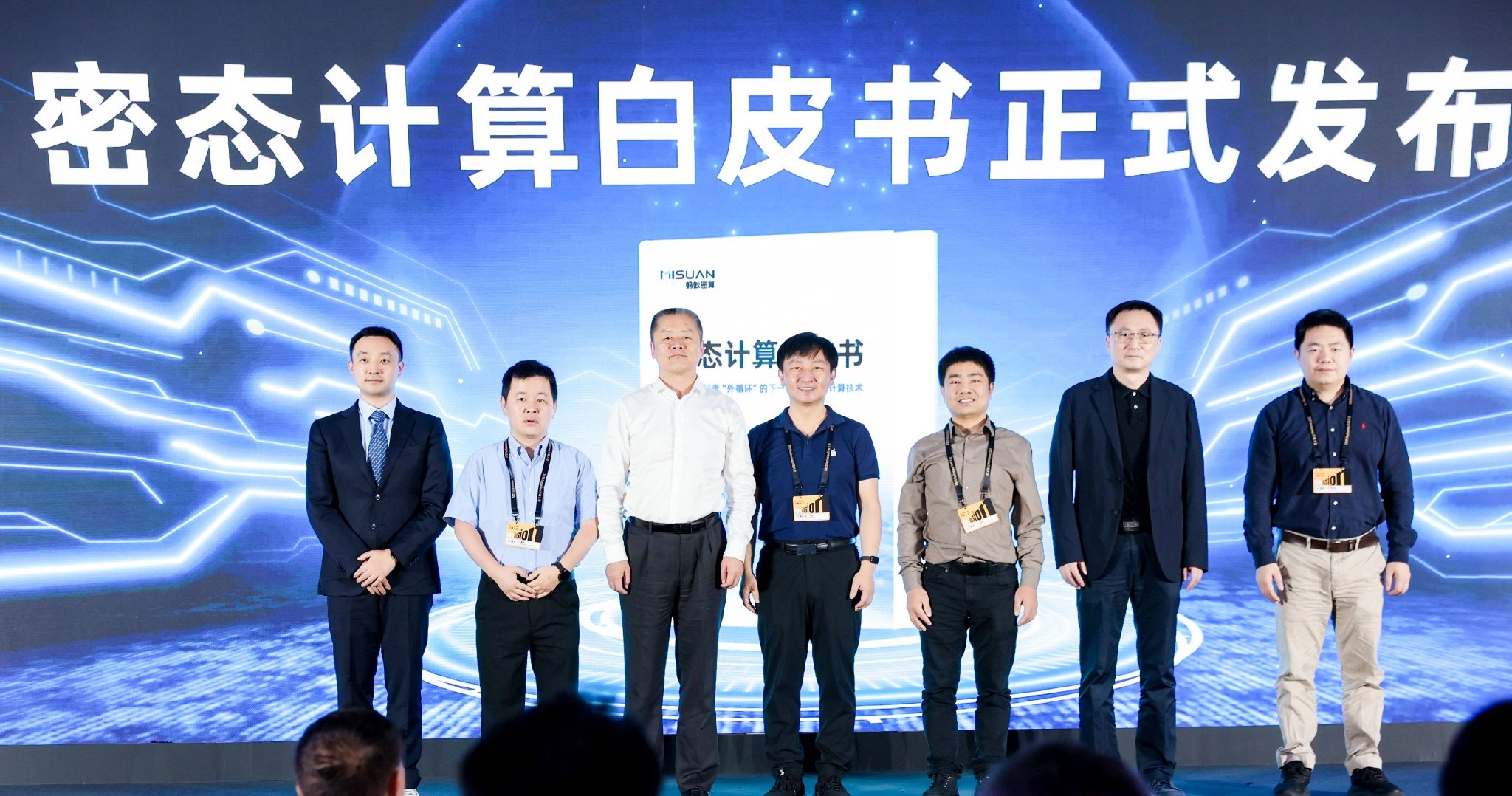
Core Insights - The "White Paper on Encrypted Computing Technology" was jointly released by 16 leading academic and research institutions, including Ant Group, Zhejiang University, and the University of Science and Technology of China, at the 2025 Inclusion Bund Conference, aiming to promote the application of encrypted computing in various industries [1][4] Summary by Sections Encrypted Computing Overview - Encrypted computing is defined as utilizing cryptography, trusted hardware, and system security technologies to ensure data is usable but not visible during computation, thereby preventing data leakage and misuse [3] Cost and Performance - The white paper highlights that the common misconception of high costs associated with encrypted computing is outdated, as its performance is now comparable to plaintext computing. The cost of general encrypted computing has dropped to below 1.5 times that of plaintext distributed computing, while the cost for large model inference has decreased to under 1.2 times that of traditional plaintext inference [3][4] Industry Applications - Encrypted computing has been successfully implemented in various sectors, including government, healthcare, and agriculture. Notable projects include the Hangzhou Encrypted Computing Center and the "Farmer Instant Loan" project, which serves over 7.6 million farmers by securely integrating sensitive data [4] Standardization and Open Source - The white paper indicates that leading industry players are collaborating to establish unified standards and an open-source core framework, aiming to accelerate the development and application of privacy-preserving computing technologies [5]
蔚小理零米「血战」盈利线
3 6 Ke· 2025-09-12 11:11
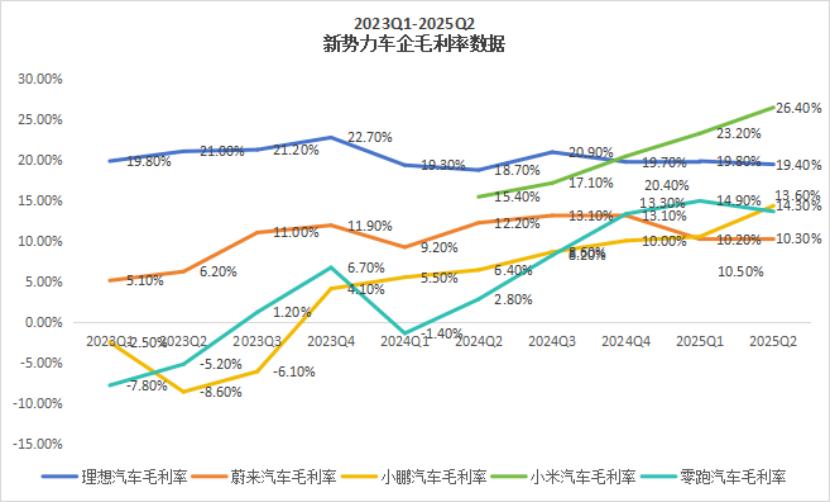
Core Insights - The electric vehicle (EV) industry is shifting focus from burning cash to achieving profitability, with major players setting clear profit targets for 2025 [2][3][10] - NIO, Li Auto, and Leap Motor have already achieved profitability, while Xiaomi and Xpeng are approaching it, indicating a competitive landscape where self-sustainability is prioritized over subsidies [3][4][10] Group 1: Profitability Goals - NIO's founder Li Bin stated that the company must achieve quarterly profitability by Q4 2025 without relying on external subsidies [2] - Xpeng's founder He Xiaopeng also emphasized a similar goal for profitability by Q4 2025 [2] - Xiaomi's founder Lei Jun mentioned that losses in its automotive business are narrowing, with expectations of profitability in Q3 or Q4 of this year [3] Group 2: Current Financial Performance - Li Auto reported a net profit of 1.1 billion yuan in Q2, while Leap Motor achieved a net profit of 160 million yuan [4] - Li Auto's revenue decreased by 4.5% year-on-year, with a significant drop in average vehicle price by 25.36% [6][8] - Xiaomi's automotive revenue reached 20.6 billion yuan, more than double the 6.2 billion yuan from 2024, with a gross margin of 26.4% [11][13] Group 3: Strategic Approaches - Xiaomi is focusing on increasing revenue while also investing heavily in R&D and marketing, indicating a growth phase [11][13] - Xpeng is combining revenue growth with strategic cost management, increasing R&D investment by 50.4% while reducing the number of stores [14] - NIO is aggressively cutting costs and streamlining operations, with a significant reduction in sales and management expenses [15][24] Group 4: Market Positioning and Challenges - Li Auto is facing challenges with declining sales guidance and pressure from new competitors, particularly with the upcoming launch of the i6 model [8][9] - NIO's unique battery swapping model presents both opportunities and constraints, requiring a significant vehicle ownership base to achieve profitability [22][24] - The competitive landscape is intensifying, with companies needing to innovate and adapt to maintain market share and profitability [27][28]


马云的朋友圈又热闹起来了
创业家· 2025-09-12 10:21
Core Viewpoint - The article discusses the resurgence of Yunfeng Financial, a company co-founded by Jack Ma and Yu Feng, highlighting its recent activities and strategic moves in the digital currency space, as well as its impressive financial performance. Group 1: Company Overview - Yunfeng Financial, established 15 years ago, has evolved from a private equity firm to a significant player in the financial market, with Yu Feng often referred to as "Jack Ma's right-hand man" [5][6]. - The company recently received approval from the Hong Kong Securities and Futures Commission to offer virtual asset trading services, including Bitcoin and Ethereum [5][11]. Group 2: Financial Performance - For the first half of 2025, Yunfeng Financial reported a net profit of HKD 486 million, a substantial increase of 142% compared to the previous year, marking its best mid-year performance since its listing [11][12]. - The company has strategically invested USD 44 million in acquiring 10,000 Ethereum as part of its asset reserve [11][12]. Group 3: Strategic Partnerships - Yunfeng Financial announced a strategic partnership with Ant Group's Ant Financial and invested in the Pharos blockchain, which aims to facilitate the transition of traditional assets to the blockchain [14]. - The collaboration with Ant Group positions Yunfeng Financial as a trusted partner in the digital currency strategy, leveraging its licensed status and market presence [14]. Group 4: Leadership and Team Expansion - Recent appointments to Yunfeng Financial's board include Liang Xinjun, former CEO of Fosun International, and Lu Minfang, former president of Mengniu, indicating a strategic expansion of leadership [5][23][24]. - The recruitment of these industry veterans reflects Yunfeng Financial's ambition to strengthen its operational capabilities and market positioning [23][24].

马云的朋友圈又热闹起来了
创业邦· 2025-09-12 10:14
Core Viewpoint - The article discusses the resurgence of Yunfeng Financial, highlighting its recent strategic moves and financial performance, particularly in the context of digital currency investments and partnerships with Alibaba's Ant Group [5][6][9]. Group 1: Company Overview - Yunfeng Financial, established by Jack Ma and Yu Feng, has evolved from a private equity firm to a significant player in the financial market, with its main asset being Yunfeng Financial listed on the Hong Kong Stock Exchange [5][6]. - The company recently received approval from the Hong Kong Securities and Futures Commission to offer virtual asset trading services, including Bitcoin and Ethereum [6][9]. Group 2: Financial Performance - For the first half of 2025, Yunfeng Financial reported a net profit of HKD 486 million, a substantial increase of 142% compared to the same period last year, marking its best mid-year performance since its listing [9]. - The company has strategically invested USD 44 million in acquiring 10,000 Ethereum as part of its asset reserve [9][12]. Group 3: Strategic Partnerships - Yunfeng Financial announced a strategic partnership with Ant Group and invested in Pharos blockchain, aiming to facilitate the transition of traditional assets to blockchain technology [13]. - The recent appointments of industry veterans, including Liang Xinjun and Lu Minfang, indicate a strengthened leadership team focused on expanding Yunfeng's market presence [22][23]. Group 4: Historical Context - The relationship between Jack Ma and Yu Feng dates back to 2006, with their collaboration leading to the establishment of Yunfeng Fund in 2010, which has since invested in numerous high-profile companies [18][19]. - Yunfeng Fund has a diverse investment portfolio, including early investments in companies like Xiaomi and various Alibaba-related ventures [19].
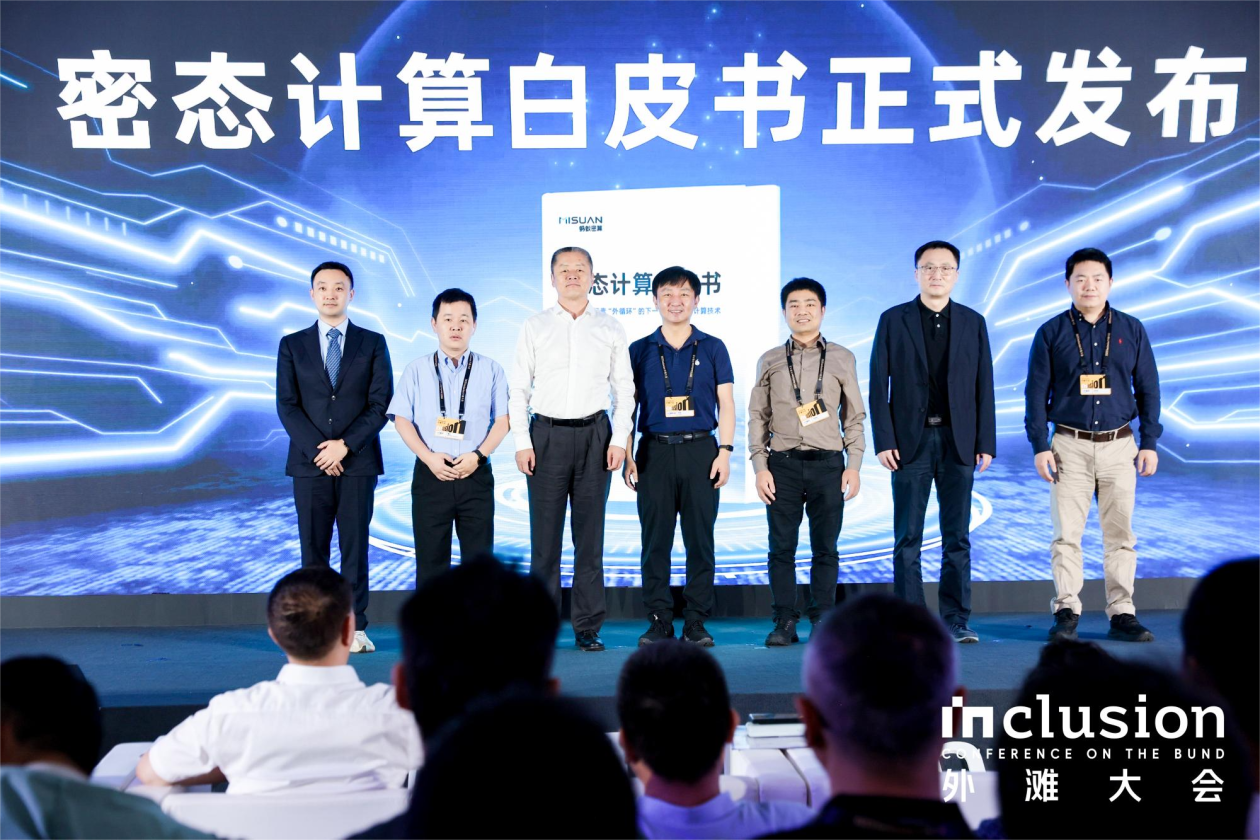
外滩大会发布《密态计算白皮书》 :低成本密态计算已规模化落地
Huan Qiu Wang· 2025-09-12 09:06
Core Insights - The release of the "Homomorphic Computing Technology White Paper" by 16 leading academic and research institutions marks a significant step in promoting the application of homomorphic computing in the industry, highlighting its potential as a new generation of data security infrastructure capable of large-scale commercial deployment [1][3] Cost and Performance - Traditional perceptions of high costs associated with homomorphic computing are challenged, as the actual performance is now close to that of plaintext computing. The cost of general homomorphic computing has dropped to below 1.5 times that of plaintext distributed computing, while the cost for homomorphic large model inference is now under 1.2 times that of traditional plaintext inference [3][4] Technological Innovations - Significant cost reductions are attributed to innovations in both technology architecture and infrastructure. The introduction of hardware trust roots and optimized cryptographic protocols has transformed network interaction and computing models, leading to lower computing costs [4] Trust Mechanism Shift - Homomorphic computing facilitates a shift from "subject trust" to "technology trust" in data circulation. This change addresses the limitations of traditional information systems where data is only shared with trusted individuals, thus expanding the scope of data flow and preventing data misuse [4][5] Security Scope - The latest homomorphic computing technology extends security measures across the entire data lifecycle, from identity authentication and access control to key management, ensuring comprehensive protection throughout data aggregation, transmission, storage, computation, and result return [5] Industry Applications - Homomorphic computing has been successfully implemented in various sectors, including government, healthcare, and agriculture. Notable projects include the "Farmer Instant Loan" initiative, which utilizes homomorphic computing for secure data integration, benefiting over 7.6 million farmers [5] Open Source and Standardization - Leading industry players are collaborating to establish unified standards and open-source core frameworks, aiming to create a common security assessment system. The establishment of the "Yin Language Open Source Community" by Ant Group, in partnership with various institutions, is a step towards advancing privacy-preserving computing technology and enhancing interoperability [5]
手机出货受阻,小米要在印度进军更多领域?
Guan Cha Zhe Wang· 2025-09-12 08:55
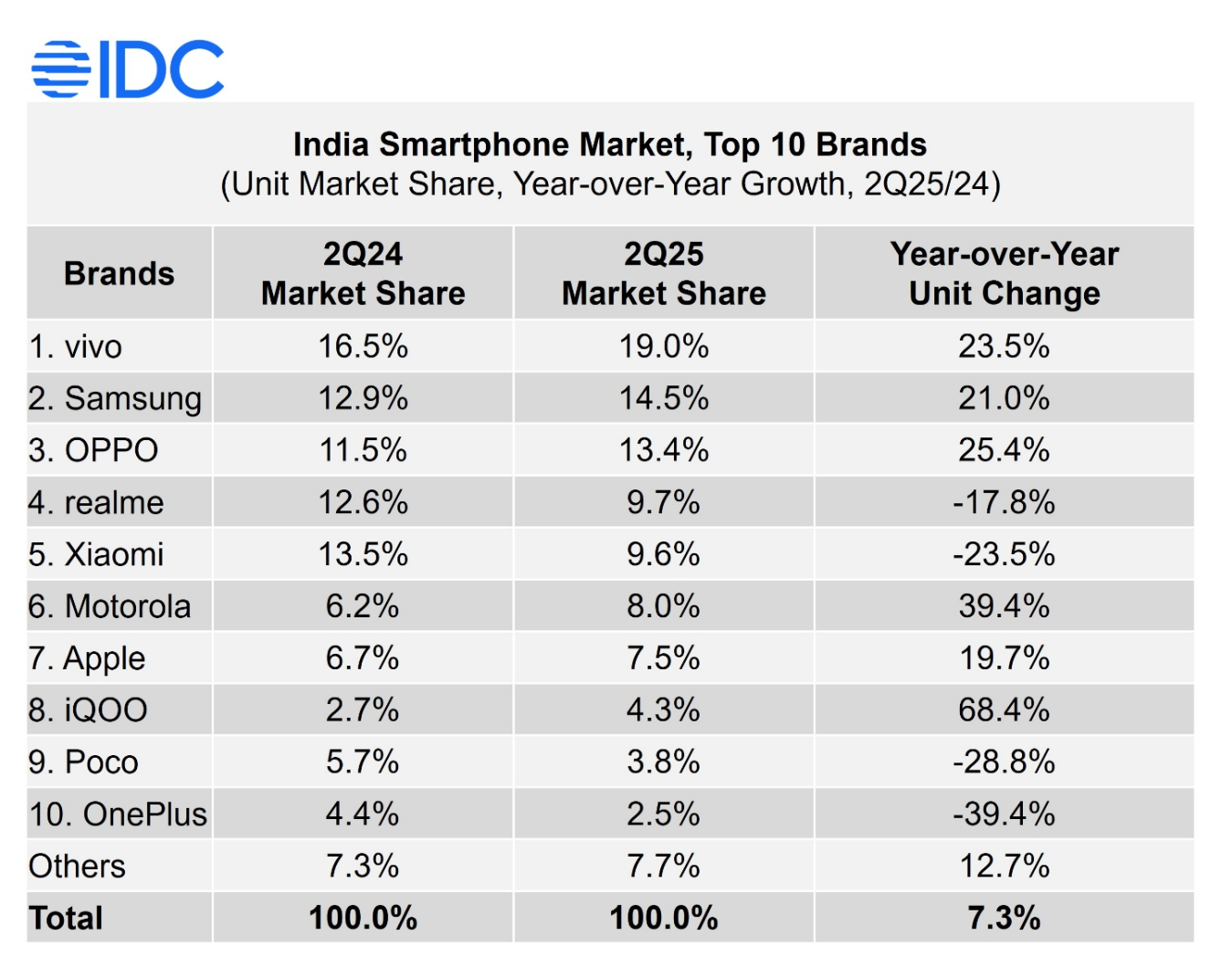
Core Insights - Xiaomi aims to expand beyond smartphones in India, targeting segments like tablets, wearables, TVs, and eventually home appliances, to create a comprehensive ecosystem brand rather than just a smartphone company [1][2] - The company reported a 30% revenue growth and over 35% profit growth in the last quarter, but faces challenges as many product categories are experiencing a slowdown in sales [2][3] Market Position and Strategy - Xiaomi's market share in India has significantly declined, dropping to 9.6% with a year-on-year shipment decrease of 23.5%, ranking fifth in the market [2][5] - The brand's reliance on a "value-for-money" strategy has led to a perception of being a low-end brand, which has hindered its appeal in the high-end smartphone market [3][6] Competitive Landscape - Competitors like Vivo and Samsung have gained market share, with Vivo leading at 16.5% and Samsung at 12.9% in Q2 2024 [5] - Xiaomi's challenges include inventory issues and regulatory scrutiny, which have affected its ability to launch new products in India [6][7] Regulatory and Investment Challenges - Xiaomi has faced legal challenges from Apple and Samsung regarding marketing practices, and regulatory scrutiny from the Indian government, which has frozen significant funds [6][7] - The contribution of Xiaomi's Indian operations to the parent company's revenue has drastically decreased from 45% in 2018 to single digits by 2025, indicating a loss of market attractiveness [7]
报告称小米YU7用户平均年龄27.7岁,未婚比例达近6成
第一财经· 2025-09-12 04:44
Core Insights - The report by Jielan Road indicates that Xiaomi YU7 owners are predominantly young, with an average age of 27.7 years, and over 80% are aged between 20 to 30 years [3][6] - More than 50% of YU7 owners identify as "loyal Xiaomi fans," with their purchase motivation stemming from long-term brand trust [3][6] - The user demographic for Xiaomi vehicles, particularly YU7 and SU7, shows a significant trend towards younger, single individuals, with a high percentage of first-time car buyers [7][10] User Demographics - Xiaomi YU7 owners are primarily male (86%) and nearly 60% are unmarried, contrasting with other brands where the married with children ratio is higher [6][7] - The average annual income of YU7 owners is 314,000 yuan, which is above the industry average of 272,000 yuan [8] Purchase Motivations - The primary reason for purchasing the YU7 is emotional attachment, with 61% of owners stating they bought the car because they "really liked it" [8][10] - Key purchase factors include design and brand, with 68% citing exterior design as a crucial decision factor [7][10] Brand Perception - There is a shift in brand perception from emotional attachment to a more rational trust in product and service quality, as seen in the decreasing influence of the founder's charisma from 80% for SU7 owners to 60% for YU7 owners [7][10] - YU7 owners exhibit a strong sensitivity to price-performance ratio, with nearly 70% prioritizing this aspect in their purchasing decision [8] Market Dynamics - The transition from SU7 to YU7 among existing Xiaomi car owners indicates a healthy brand retention and conversion cycle, driven by factors such as long delivery times and high resale value [10]