德邦股份

Search documents
多家快递春节正常上班
Bei Jing Ri Bao Ke Hu Duan· 2026-01-25 09:04
Core Viewpoint - The logistics industry is preparing for the upcoming Spring Festival by implementing a "no holiday" service, while also introducing peak season resource adjustment fees to manage demand and resource allocation during this busy period [1] Group 1: Company Announcements - SF Express announced that due to limited resource allocation and extreme weather during the holiday, delivery times may be affected, and they will dynamically adjust service fees, charging a resource adjustment fee of 0.1-1.5 yuan/kg for shipments over 20kg from January 19 to February 15, 2026 [1] - JD Logistics stated that from January 19 to February 23, 2026, they will charge a peak season resource adjustment fee of 0.1-1.2 yuan/kg on express heavy cargo products due to traffic and resource allocation issues [1] - Deppon Logistics will impose a resource adjustment fee of 0.2-0.5 yuan/kg for certain customers and products from January 19 to February 14, 2026, and additional fees during the holiday period from February 15 to February 23, 2026 [1] Group 2: Industry Context - The Spring Festival is a peak period for logistics demand, leading to increased operational costs due to labor shortages and uneven cargo volumes, which have historically resulted in the collection of "resource adjustment fees" by courier companies [1] - The majority of frontline workers, including couriers and sorting staff, are migrant workers who return home for the holiday, creating a labor shortage that necessitates the hiring of temporary workers, further increasing labor costs [1] - The "resource adjustment fee" primarily targets merchants, including e-commerce clients or contractual customers, reflecting the industry's practice during peak seasons [1]


多家宣布:春节不打烊
Nan Fang Du Shi Bao· 2026-01-24 22:11
Core Viewpoint - The logistics industry is preparing for the upcoming Spring Festival, with major companies like SF Express, JD Logistics, and Deppon announcing service adjustments and resource adjustment fees to manage increased demand and operational challenges during the holiday period [1][2][5]. Group 1: Service Adjustments and Fees - SF Express will implement a resource adjustment fee of 0.1-1.5 yuan/kg for shipments over 20kg from January 19 to February 15, 2026, and will charge additional fees during the holiday period [2]. - JD Logistics will add a resource adjustment fee of 0.1-1.2 yuan/kg for express heavy cargo from January 19 to February 23, 2026, with varying fees for different customer agreements [5]. - Deppon will charge a resource adjustment fee of 0.2-0.5 yuan/kg for certain customers and products from January 19 to February 14, 2026, and additional fees during the holiday period [6]. Group 2: Operational Challenges - The Spring Festival is a peak time for logistics demand, leading to increased operational costs due to labor shortages and uneven cargo volumes [7]. - Many frontline workers, such as couriers and drivers, are migrant workers returning home for the holiday, resulting in a temporary labor shortage that necessitates hiring temporary workers [7]. - Companies are expected to incentivize frontline staff to ensure service continuity during the holiday period [15]. Group 3: Service Continuity and Limitations - Cross-Express will maintain normal pickup and delivery services during the Spring Festival, but will not guarantee delivery times for shipments in lower-tier cities [13]. - Some companies, like Yimi Dida and Shunxin Express, will suspend collection and delivery services during the holiday, with Yimi Dida ceasing operations from February 10 to February 25, 2026 [8][11]. - JD Logistics will continue to provide various services, including warehousing and instant delivery, with a focus on meeting customer needs during the holiday [6].


中国运动服饰、美妆和珠宝行业_ 2026年:寻找体验驱动型阿尔法
2026-01-23 15:35
Summary of Key Points from the Conference Call Industry Overview - The report focuses on the Chinese industries of sports apparel, beauty, and jewelry, highlighting the potential for experience-driven growth in 2026 amidst a backdrop of overall consumer trend sluggishness due to economic stability concerns, consumer confidence, and unemployment [1][3]. Core Insights and Arguments Experience-Driven Growth - There is a growing preference among Chinese consumers for experience-driven consumption, driven by: 1. A desire for healthier and emotionally fulfilling lifestyles 2. Strong demand for social relationships 3. Supportive government policies [3][7]. - Companies that successfully provide unique emotional resonance in consumer experiences are expected to capture greater market share and enjoy higher valuation premiums [1]. Key Success Factors for Sustainable Quality Experience - Three critical success factors for providing sustainable quality experiences in offline channels are identified: 1. Controlled store expansion to maintain service quality and avoid internal competition 2. Direct-to-consumer business models for better operational control and rapid feedback 3. Comprehensive employee management systems to ensure high service quality [3][68]. Jewelry Industry Insights - The ancient gold segment in the jewelry industry is projected to continue double-digit growth, with a compound annual growth rate (CAGR) exceeding 50% from 2018 to 2025. This growth is attributed to: 1. Improved craftsmanship leading to better designs 2. The rise of national trends 3. A combination of aesthetic and value preservation demands [3][47]. - Lao Pu Gold is expected to benefit significantly from experience-driven growth due to its controlled store count (47 stores compared to 2,000-6,000 for competitors), direct-to-consumer model, and a well-trained team providing differentiated service quality. The company is projected to achieve a 40% year-on-year profit growth in 2026 [3][76]. Beauty Industry Insights - The beauty industry is expected to grow at a low single-digit rate in 2026, with intense competition. Mao Geping is well-positioned to benefit from experience-driven consumption trends due to: 1. Higher offline presence compared to competitors (approximately 50% vs. less than 25%) 2. Unique value-added personalized beauty and skincare services supported by a large team of trained beauty consultants [3][40]. - Mao Geping is projected to achieve nearly 30% year-on-year profit growth in 2026 [3]. Sports Apparel Industry Insights - The sports apparel industry is expected to achieve low to mid-single-digit growth in 2026, benefiting from increasing health awareness and supportive government policies. Anta is highlighted for its strong multi-brand product portfolio and overseas expansion potential, with a forecasted profit growth of over 10% in 2026 [3][76]. Additional Important Insights - The report emphasizes the importance of emotional value in consumer decision-making, with over 80% of consumers prioritizing emotional value as the second most important factor after product quality [25][26]. - The government is focusing on enhancing consumer confidence and purchasing power through various measures, including promoting wage growth and expanding cultural and tourism consumption [34][32]. - The report also notes the increasing popularity of experience consumption among younger consumers, particularly in areas such as fitness, live music events, and outdoor activities [15][16]. This comprehensive analysis provides a detailed overview of the current state and future potential of the Chinese sports apparel, beauty, and jewelry industries, emphasizing the importance of experience-driven growth and consumer engagement strategies.

毛戈平20260122
2026-01-23 15:35
Summary of the Conference Call for Mao Geping Company Overview - **Company**: Mao Geping - **Industry**: Beauty and Cosmetics Key Points Membership Management and Customer Engagement - Mao Geping enhances customer loyalty and repurchase rates through refined membership management, achieving a same-store growth rate of approximately 18% in the first half of 2025, with a repurchase rate around 30% and new customer ratio increasing to 70% [2][11] - The company employs a differentiated membership system that encourages customers to transition from online to offline shopping, offering richer beauty or skincare customization services in-store compared to simpler online membership benefits [2][7] Product Category Expansion - Mao Geping is actively expanding its product categories from makeup to skincare, introducing products like caviar masks and black creams that emphasize repairing makeup damage and enhancing makeup effects [2][4] - Future focus includes skincare products unrelated to makeup and a newly launched perfume line in 2025, which are crucial for expanding market space [4][5][12] Online Channel Development - The online channel has positively impacted brand youthfulness, with the 25-30 age group increasing from 12% to 19% and over 75% of new customers coming from online channels, with a conversion rate of 25-30% to offline consumers [6][12] - Despite rapid online sales growth, the quality is lower than offline due to lower customer stickiness and repurchase rates, which rely heavily on high marketing costs [6] New Initiatives for Member Engagement - New initiatives include inviting non-purchasing members through a mini-program to receive sample perfumes and cosmetics, aiming to engage potential customers and guide them to offline counters [9][10] High-End Customer Services - Mao Geping has increased high-end beauty services, offering a 75-minute beauty care service for purchases over 3,800 yuan, and expanded beauty salon events to cover more cities, generating sales of 300,000 to over 1 million yuan per event [10] Sales Performance and Trends - The company reported a same-store growth rate of about 18% in the first half of 2025, with a stable repurchase rate of around 30% and an increase in new customer contribution to retail sales [11] - The reliance on top-selling products has decreased, with the sales contribution of the top ten products dropping from 80% in 2024 to 60% in 2025, indicating a shift towards a more diversified product portfolio [15] Skincare and Perfume Development - The skincare category relies heavily on offline channels and existing member repurchases, with new products like caviar eye masks performing well, and the company is filling the price gap between domestic and international brands [17] - The perfume business is developing through two series, with the second series performing better, reflecting a shift in consumer preferences towards personalized and niche fragrances [18][21] Market Trends - The perfume market is experiencing a trend towards everyday use, especially among younger consumers, which is driving the rise of domestic and niche brands [19][20] - The overall growth rate of the perfume industry is higher than that of makeup and skincare, aligning well with Mao Geping's channel structure, which is primarily offline [22]
抵达的深度:在山河褶皱处,传递德邦温度
Sou Hu Wang· 2026-01-23 10:40
Core Viewpoint - The logistics company is expanding its service coverage to remote areas and communities that are not fully served, emphasizing the importance of reaching every corner of the map rather than just focusing on efficiency in core cities [1][10]. Group 1: Service Expansion - The coverage upgrade initiated by the company is based on data-driven planning and a commitment to responsibility, incorporating over 3,000 towns into its service network within months [2]. - New service points have been established across various regions, including Dongguan, Jilin, and Sichuan, highlighting the company's effort to overcome physical and commercial barriers in logistics [2][10]. Group 2: Real-Life Impact - Delivery personnel, such as Shuai Zhongquan in Guizhou, exemplify the company's commitment to service by personally delivering large items to remote villages, demonstrating the human aspect of logistics [3]. - In Heilongjiang, delivery staff like Wu Jinhua connect modern logistics with rural life, delivering not only consumer goods but also essential agricultural tools, thus supporting local production [5]. Group 3: Customer Trust and Value - The company's service is particularly valuable for elderly and physically challenged individuals in remote areas, as each delivery helps bridge the gap of distance and fulfills unspoken promises [9]. - The company is building a competitive edge through deep coverage and reliable service, addressing high operational costs and challenging environments while fostering customer trust [10].

A股公司退市将呈现多元化、精准化、快节奏
Zheng Quan Ri Bao· 2026-01-22 16:36
Group 1 - The core viewpoint of the articles highlights the increasing trend of delistings in the A-share market, with *ST Aowei potentially becoming the first company this year to meet the market cap delisting criteria due to its continuous low market value [1][2] - The A-share market is undergoing a transformation from speculative trading to a focus on value, as evidenced by the market's response to companies with poor fundamentals, leading to a more efficient pricing mechanism [2][3] - Major illegal delistings have become a prominent type of delisting this year, with companies like Dongfang Tong and Guangdao Digital Technology being forced to delist due to significant violations [3][4] Group 2 - The trend of voluntary delistings is increasing, with companies like Debon Logistics opting for this route to better align with industry developments and avoid competition [4][5] - Financial delistings are also on the rise, with companies like Shanghai Guijiu and Wanfang Town Investment warning of potential financial delisting due to expected low revenues and negative profits [5][6] - The delisting landscape is expected to remain diverse, with a focus on expediting the removal of low-quality companies and enhancing the transparency and rigidity of the delisting mechanisms [5][6]


京东拿下德邦、顺丰结盟极兔,物流暗战谁更快?
Sou Hu Cai Jing· 2026-01-22 14:35
Core Viewpoint - The logistics industry in China is undergoing a significant transformation as major players like JD Logistics and SF Express shift from price wars to ecosystem collaboration, marking a new competitive landscape in the sector [2][14]. Group 1: JD Logistics and Debon - JD Logistics announced a cash acquisition of Debon for 3.797 billion yuan, at a 35% premium to the stock price before suspension, completing a strategic layout in the express delivery sector [2][5]. - The acquisition follows JD's initial investment in Debon in 2022, culminating in a total investment exceeding 12 billion yuan over four years [5]. - Debon holds a leading market share in large parcel and less-than-truckload logistics, particularly in home appliances and furniture, which complements JD's existing logistics capabilities [5][6]. - The integration of Debon enhances JD's strengths in warehousing and last-mile delivery while addressing gaps in trunk transportation and large item handling [6]. Group 2: SF Express and Jitu - SF Express and Jitu have formed a strategic alliance through mutual shareholding, with a transaction value of 8.3 billion Hong Kong dollars, indicating a long-term commitment to collaboration [2][7]. - The partnership allows SF Express to leverage Jitu's strengths in e-commerce logistics and lower-tier markets, while Jitu benefits from SF's established high-end service network [9][10]. - This collaboration is expected to enhance both companies' international logistics capabilities, with SF focusing on cross-border supply chain strengths and Jitu providing essential last-mile resources in Southeast Asia [10][12]. Group 3: Industry Trends and Competitive Dynamics - The logistics market in China is transitioning towards an oligopolistic structure, with the top eight companies holding 85% market share, and the top three (SF, JD Logistics, Jitu) accounting for over 50% [14][15]. - Companies are shifting their strategic focus from scale expansion to quality improvement and ecosystem development, emphasizing service differentiation, digital transformation, and green logistics [16][17]. - The competition is evolving beyond traditional logistics services to encompass the entire supply chain, with JD Logistics offering integrated solutions and SF Express building a comprehensive ecosystem [16][17]. - The effectiveness of different operational models, such as JD's closed ecosystem versus SF's open platform, remains to be seen, as both face unique challenges and opportunities in the evolving market [18][20].
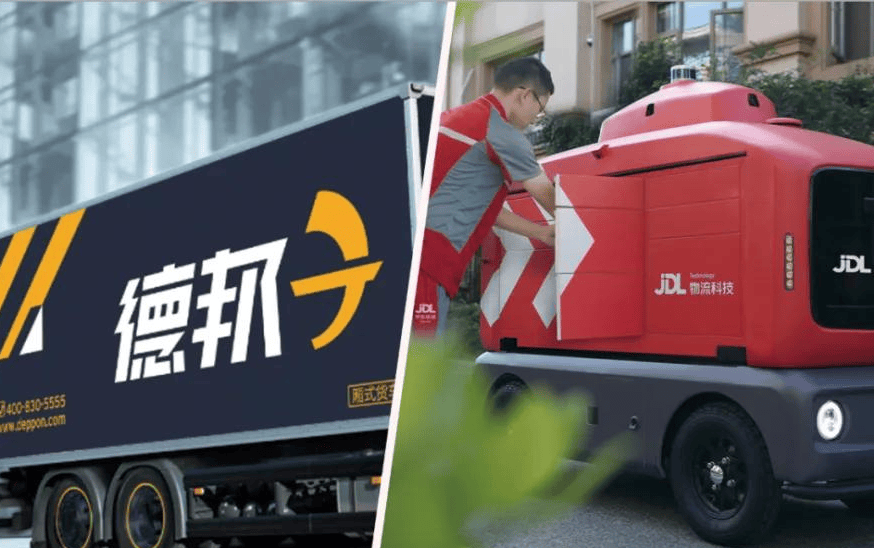
东兴证券晨报-20260121
Dongxing Securities· 2026-01-21 09:27
Core Insights - The report highlights the potential for recovery in the domestic demand for liquid chemical transportation, driven by a rebound in the downstream refining industry, which is expected to improve in the second half of the year [6][8] - The company, Xingtong Co., is positioned as a leader in the coastal liquid chemical transportation sector, with a fleet of 40 vessels, including 34 chemical tankers, and has established a global water transportation network [6][7] - The company has maintained a strong competitive edge through superior safety management, resulting in a significant increase in its domestic market share from 5.3% in 2019 to 16.0% in 2024 [6][7] Company Overview - Xingtong Co. has a modern fleet characterized by high-end, large, young, green, and intelligent vessels, with an average age of less than 8 years for its chemical tankers [7] - The company has been gradually entering international markets while maintaining its domestic advantages, capitalizing on the aging global chemical tanker fleet [7] - The company's profitability metrics, including ROE and ROA, are above industry averages, reflecting effective service quality and cost control [7] Market Outlook - The report anticipates a gradual recovery in the domestic market's economic conditions, with supply-side growth expected to slow down due to a decrease in newly approved shipping capacity [8] - The company is projected to achieve net profits of 285 million, 351 million, and 429 million yuan for the years 2025, 2026, and 2027, respectively, with corresponding EPS of 1.02, 1.25, and 1.53 yuan [8] - The current stock price corresponds to PE ratios of 15.7, 12.7, and 10.4 for the years 2025 to 2027, indicating a favorable investment opportunity [8]

股海导航_2026年1月21日_沪深股市公告与交易提示



Xin Lang Cai Jing· 2026-01-21 00:40
Group 1: Delisting Risks - *ST Xin Yan: The Shenzhen Stock Exchange has approved the company's application to revoke the delisting risk warning due to restructuring [1] - *ST Zhong Zhuang (Rights Protection): The delisting risk warning has been revoked, but other risk warnings will continue, and the stock will be suspended for one day starting tomorrow [2] - ST Sai Wei: Expected to incur a loss of 720 million to 1.02 billion yuan in 2025, with a possibility of being subject to delisting risk warnings [3] Group 2: Earnings Forecasts - Hikvision: Expected net profit attributable to shareholders to grow by 18.46% year-on-year in 2025 [28] - Langzi Co.: Expected net profit to increase by 245.25% to 302.8% year-on-year in 2025 [4][30] - Zhaoyan New Drug: Expected net profit to increase by 214% to 371% year-on-year in 2025 [5][30] - Huachen Equipment: Expected net profit to increase by 193.64% to 242.04% year-on-year in 2025 [6][30] - Qianyuan Power: Expected net profit to increase by 160% to 190% year-on-year in 2025 [7][30] - Jin Fang Energy: Expected net profit to increase by 123.97% to 193.7% year-on-year in 2025 [8][31] - Zhongfu Industrial: Expected net profit to increase by 120.27% to 141.59% year-on-year in 2025 [9][32] - Batian Co.: Expected net profit to increase by 117.53% to 139.53% year-on-year in 2025 [10][32] - Zhongrong Electric: Expected net profit to increase by 104.89% to 131.10% year-on-year in 2025 [11][32] - Kaisheng New Materials: Expected net profit to increase by 96.47% to 150.06% year-on-year in 2025 [12][32] - Putailai: Expected net profit to increase by 93.18% to 101.58% year-on-year in 2025 [13][32] - Dongfang Iron Tower: Expected net profit to increase by 91.4% to 125.07% year-on-year in 2025 [14][32] - Pulaike: Expected net profit to increase by 89.64% to 110.11% year-on-year in 2025 [15][32] - Huabang Health: Expected profit of 660 million to 730 million yuan in 2025, turning from loss to profit [16][32] - Hongyuan Green Energy: Expected net profit of 180 million to 250 million yuan in 2025, turning from loss to profit [17][32] - Kangda New Materials: Expected profit of 125 million to 135 million yuan in 2025, turning from loss to profit [18][32] - Langxin Technology: Expected profit of 100 million to 150 million yuan in 2025, turning from loss to profit [19][32] - Hualv Biological: Expected profit of 100 million to 130 million yuan in 2025, turning from loss to profit [20][32] Group 3: Mergers and Acquisitions - Kangxin New Materials: Plans to acquire 51% of Yubang Semiconductor for 392 million yuan [21][32] - Aibo Medical: Plans to gain control of Demei Medical [22][32] Group 4: Share Buybacks and Reductions - Hengtong Co.: Plans to repurchase company shares worth 80 million to 100 million yuan [24][32] - Haier Smart Home: Plans to repurchase D shares up to 200,000 euros [29][32] - Blue Universe Co.: Shareholders plan to reduce their holdings by no more than 3.02% [29][32] - Hesheng Silicon Industry: Controlling shareholder plans to reduce holdings by no more than 3% [29][32] - Aolian Electronics (Rights Protection): Shareholder Liu Junsheng plans to reduce holdings by no more than 3% [29][32] - Bluefeng Biochemical: Hainan Wenqin plans to reduce holdings by no more than 3% [29][32] - Zhixin Precision: Shareholders plan to reduce holdings by no more than 3% [29][32] - Peking University Medical: Peking University Health plans to reduce holdings by no more than 3% [29][32] Group 5: Other Updates - Liou Co.: Self-inspection work has been completed, and the stock will resume trading on January 21 [29][32] - Yongxing Materials: The lithium mica green intelligent and efficient lithium extraction project has reached production capacity [29][32] - Debang Co.: Plans to voluntarily withdraw A shares from trading on the Shanghai Stock Exchange [29][32]
国内民营物流A股首单IPO企业将离场,刘强东拟主动推动退市
Sou Hu Cai Jing· 2026-01-20 23:47
Group 1 - The core reason for the delisting is to better integrate resources with the parent company JD Logistics, fulfilling the commitment made during JD's acquisition of Debon to resolve "industry competition" issues [1] - The delisting plan requires a shareholder meeting to vote, needing a high approval rate from both the majority of shareholders and minority shareholders [1][32] - If approved, the company will apply to the Shanghai Stock Exchange for delisting and plans to list on the National Equities Exchange and Quotations (NEEQ) for continued trading [1] Group 2 - For existing shareholders, a cash option will be provided for those who do not wish to follow the company to the NEEQ, with an exercise price of 19 yuan per share [2] - Eligible shareholders include those who hold shares on a specific registration date and whose shares are not frozen or pledged, including those who vote against the proposal at the shareholder meeting [2] - JD Logistics will fund the buyback of these shares at the set price [2] Group 3 - JD already holds approximately 80% of Debon's shares and will provide cash options for the remaining 20% (around 200 million shares) [3] - Post-delisting, Debon will continue to operate independently while aiming for deeper collaboration with JD Logistics to offer more comprehensive logistics services [5] - There are currently no plans for a relisting or significant asset restructuring [5] Group 4 - Financial indicators show a decline in net profit, with a projected net loss of 27.5 million yuan for the end of 2025, compared to a net profit of 86.4 million yuan in 2024 [6] - Total revenue for 2025 is projected at approximately 3.03 billion yuan, with total assets of 1.61 billion yuan and total liabilities of 808.8 million yuan [6] - The asset-liability ratio is expected to be around 50.11% by the end of 2025 [6] Group 5 - The company's journey from a high-growth phase (2016-2018) to facing challenges (2019-2021) and then being rescued by JD Logistics (2022-2024) illustrates the volatility in the logistics industry [11][18][21] - The acquisition by JD has stabilized Debon's operations, but profitability has significantly decreased, with a projected gross margin of only 7.62% by 2024 [20] - The transition from a profitable company to one with thin margins reflects broader industry trends and competitive pressures [21][30]