江淮汽车

Search documents
抗造耐用效率高!全柴Q23A助刘师傅无惧行业内卷
第一商用车网· 2025-09-05 07:06
Core Viewpoint - The article emphasizes the importance of selecting a reliable engine for bulk cargo transportation, highlighting the performance and efficiency of the Chaoqi Q23A engine used in the Foton Aoling M truck, which has gained user trust and satisfaction [1][14]. Engine Performance - The Chaoqi Q23A engine features a displacement of 2.3 liters, a maximum output power of 143 horsepower, and a maximum torque of 350 Nm, with low-speed torque not less than 280 Nm [4]. - Users report that the Q23A engine performs exceptionally well under heavy loads, enabling timely deliveries even in challenging conditions [5][6]. Fuel Efficiency - The average fuel consumption for the Q23A engine is around 10 liters per 100 kilometers, which is considered satisfactory by users, especially given the current low freight rates [6]. - Compared to similar models, the Q23A engine can save approximately 1.5 liters of fuel per 100 kilometers under similar transport conditions, with savings increasing to 2-3 liters in more complex terrains [8]. After-Sales Service - The article highlights the importance of after-sales service in the transportation industry, with users expressing satisfaction with the support provided by Chaoqi, including timely service and parts availability [12]. - The reliability of the engine and the quality of after-sales service are crucial for maintaining operational efficiency and profitability in the competitive freight market [10][12]. Market Context - The article notes the challenges faced by the bulk cargo transportation industry, including low freight rates and high operational demands, which make engine performance and fuel efficiency critical for profitability [10][14]. - The Chaoqi Q23A engine's combination of reliability, fuel efficiency, and strong after-sales support positions it favorably in the market, contributing to its positive reputation among users [14].



安徽首富,又去IPO敲钟了
芯世相· 2025-09-05 06:20
Core Viewpoint - The article discusses the rise of Chinese renewable energy companies, particularly focusing on Sungrow Power Supply Co., Ltd., which is planning to list its H-shares in Hong Kong, reflecting the broader trend of Chinese renewable energy firms expanding globally [5][11]. Group 1: Company Overview - Sungrow Power, founded by Cao Renxian, has grown into a company with a market capitalization exceeding 200 billion RMB, specializing in photovoltaic inverters and expanding into various renewable energy sectors [5][8]. - The company achieved significant milestones, including being the first in China to develop a photovoltaic inverter with complete independent intellectual property rights in 2003 and successfully listing on the Shenzhen Stock Exchange in 2011 [8][11]. Group 2: Financial Performance - In the first half of the year, Sungrow Power reported a revenue of 43.53 billion RMB, a year-on-year increase of 40.34%, and a net profit of 7.73 billion RMB, up 55.97% from the previous year [11][12]. - The company's storage business revenue surpassed that of photovoltaic inverters for the first time, with storage systems generating 17.80 billion RMB, accounting for approximately 40.89% of total revenue [13]. Group 3: Market Expansion - Sungrow Power's overseas revenue reached 25.38 billion RMB, a significant increase of 88.32% year-on-year, making up 58.3% of total revenue [13]. - The company aims to enhance its global strategy through its Hong Kong IPO, seeking to improve its international brand image and diversify its financing channels [13][16]. Group 4: Industry Trends - The article highlights a broader trend of Chinese renewable energy companies going public in Hong Kong, with several firms like CATL and JinkoSolar also pursuing dual listings to attract international investors [16][17]. - China's renewable energy sector is experiencing rapid growth, with wind turbine exports increasing by 71.9% and solar product exports exceeding 200 billion RMB for four consecutive years [16].

申万菱信新能源汽车主题灵活配置混合A:2025年上半年利润4980.66万元 净值增长率3.09%
Sou Hu Cai Jing· 2025-09-05 04:26
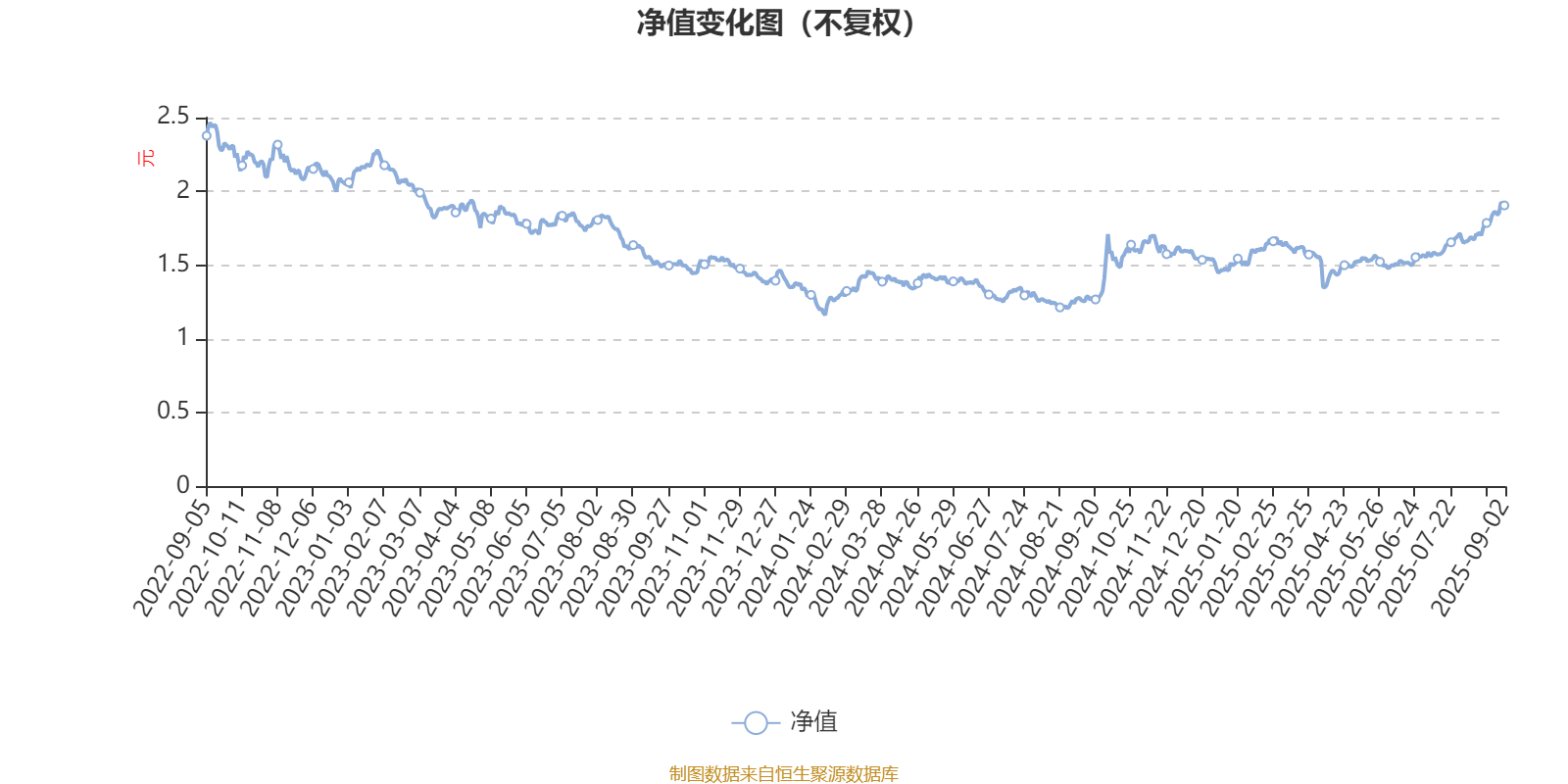
AI基金申万菱信新能源汽车主题灵活配置混合A(001156)披露2025年半年报,上半年基金利润4980.66万元,加权平均基金份额本期利润0.0498元。报告期 内,基金净值增长率为3.09%,截至上半年末,基金规模为14.87亿元。 该基金属于灵活配置型基金,长期投资于先进制造股票。截至9月2日,单位净值为1.905元。基金经理是娄周鑫。 基金管理人在半年报中表示,展望 2025 年下半年,产业趋势性机会有如自主豪华品牌崛起、智能驾驶等;主题性机会有机器人、固态电池等。此外,部分 电池企业经过多年蛰伏,竞争力提升,有望同步分享行业成长红利;锂电中游环节在历经三年调整后,部分细分领域已显现改善预期。 截至9月2日,申万菱信新能源汽车主题灵活配置混合A近三个月复权单位净值增长率为28.28%,位于同类可比基金33/171;近半年复权单位净值增长率为 16.16%,位于同类可比基金84/171;近一年复权单位净值增长率为53.51%,位于同类可比基金59/168;近三年复权单位净值增长率为-20.26%,位于同类可 比基金74/130。 市盈率(倍) 100 倍 80 80.5 69.98 60 57.63 4 ...
从“走出去”到“走进去”,中国供应链如何链通全球竞争力?
Sou Hu Cai Jing· 2025-09-05 03:21
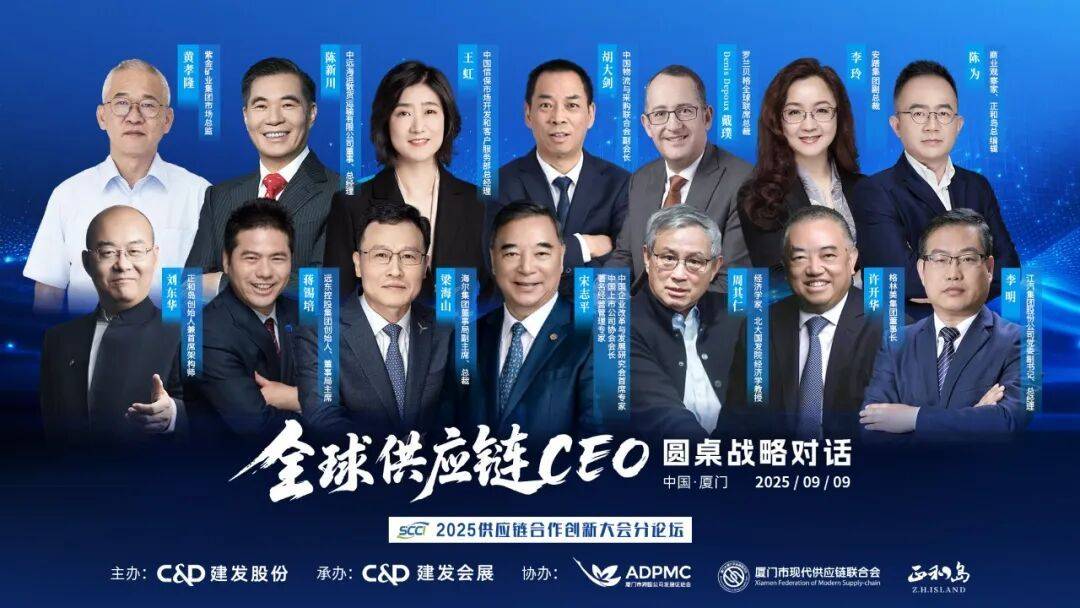
Core Insights - In 2025, China's globalization process is entering a new era, with total foreign investment reaching 800 billion yuan and non-financial foreign investment at 72.2 billion USD in the first half of the year [2] - Emerging markets in the Middle East, Central Asia, and Latin America are becoming attractive investment destinations for Chinese companies as they explore new balances between globalization and localization [3] - Xiamen is positioned as a crucial hub for Chinese enterprises' globalization efforts, housing three of the top four supply chain service providers in China, and has become a key window for companies looking to expand globally [4] Investment Trends - The trend indicates a shift from traditional capital outflow models to a more balanced approach between globalization and localization for Chinese companies [3] - The supply chain ecosystem is essential for ensuring stable profitability for enterprises venturing abroad, highlighting the need for a mature and robust supply chain system [3][4] Event Overview - A global supply chain CEO roundtable dialogue titled "Navigating the Seas, Opening New Chapters" will be held in Xiamen, focusing on macro trends, regional policies, and practical supply chain strategies [5][11] - The event aims to gather 300 business leaders and experts to share real challenges and experiences, addressing genuine issues and pain points in the context of international expansion [11][13] Dialogue Highlights - The dialogue will feature three phases of corporate overseas expansion: "Strategic Exploration," "System Deepening," and "Ecological Integration," with insights from industry leaders and experts [6][20] - The event emphasizes practical experience sharing, adhering to the "Four Truths" principle: real problems, real pain points, real strategies, and real suggestions [6] Networking and Collaboration - The roundtable will facilitate a high-trust interactive platform for companies to share resources and information, fostering collaboration and business network expansion [17] - The focus will be on addressing core pain points in supply chains and exploring methods for dynamic growth and overcoming challenges in international markets [8][21]

8月新能源牵引车超1.3万辆大增196%!徐工蝉联月冠 累销王座花落谁家?| 头条
第一商用车网· 2025-09-05 03:01
Core Viewpoint - The new energy tractor truck market in China has been experiencing explosive growth since 2025, with monthly sales consistently exceeding 10,000 units, particularly highlighted by the rapid increase in new energy tractor trucks, which have outpaced the overall growth of new energy heavy trucks [1][2]. Market Performance - In August 2025, the new energy tractor truck market added 13,100 units, marking a significant year-on-year increase of 196%, despite a slight month-on-month decrease of 1% [5][23]. - The year-to-date cumulative sales of new energy tractor trucks reached 78,300 units by the end of August, reflecting a substantial year-on-year growth of 252% [15][18]. Regional Insights - In August, 29 provincial-level administrative regions in China reported new energy tractor truck additions, with 25 regions adding over 100 units each. Shanghai led with over 3,000 new units [6][8]. Company Performance - Six companies achieved monthly sales exceeding 1,000 units in August, with XCMG leading at 2,342 units, followed by Jiefang with 2,040 units and SANY with 1,680 units [10][11]. - The top ten companies in the new energy tractor truck market all experienced significant year-on-year growth, with XCMG, SANY, and Jiefang being the top three companies, each surpassing 10,000 cumulative sales [15][18]. Competitive Landscape - The competition in the new energy tractor truck market remains intense, with companies frequently changing positions in sales rankings. The market dynamics suggest that further shifts may occur in the upcoming months [22].






11个行业获融资净买入 26股获融资净买入额超1亿元
Zheng Quan Shi Bao Wang· 2025-09-05 01:51
Group 1 - On September 4, among the 31 first-level industries tracked by Shenwan, 11 industries experienced net financing inflows, with the power equipment industry leading at a net inflow of 1.144 billion yuan [1] - Other industries with significant net financing inflows included automotive, transportation, home appliances, pharmaceutical biology, and non-bank financials, each exceeding 200 million yuan in net inflow [1] Group 2 - A total of 1,812 individual stocks received net financing inflows on September 4, with 128 stocks having net inflows exceeding 30 million yuan [1] - Among these, 26 stocks had net inflows over 100 million yuan, with Jianghuai Automobile leading at a net inflow of 384 million yuan [1] - Other notable stocks with significant net inflows included Ningbo Huaxiang, Zhongji Xuchuang, Shangneng Electric, Luxshare Precision, Changfei Optical Fiber, Unisoc, and Beijing Junzheng, each with net inflows exceeding 200 million yuan [1]



两市融资余额减少97.16亿元,寒武纪、新易盛、孚通信、岩山科技等位列融资净卖出前十-股票-金融界
Jin Rong Jie· 2025-09-05 01:24
Group 1 - The financing balance on the Shanghai Stock Exchange reached 1,152.873 billion yuan, a decrease of 4.56 billion yuan from the previous trading day [1] - The financing balance on the Shenzhen Stock Exchange was 1,103.973 billion yuan, down by 5.156 billion yuan from the previous trading day [1] - The total financing balance for both exchanges combined was 2,256.846 billion yuan, a reduction of 9.716 billion yuan from the previous trading day [1] Group 2 - The A-share market closed down by 1.25%, ending at 3,765.88 points [1] - The trading volume in the Shanghai, Shenzhen, and Beijing markets increased to 25.8 trillion yuan, a week-on-week growth of 186.1 billion yuan [1] - The top ten stocks with net financing purchases included Jianghuai Automobile (384 million yuan) and Ningbo Huaxiang (374 million yuan) [1] Group 3 - Leveraged funds favored convertible bond targets, sodium-ion batteries, solid-state batteries, ultra-clear video, and unicorn-related sectors [2] - The top ten stocks with net financing sales included Cambrian (negative 1.626 billion yuan) and Victory Technology (negative 715 million yuan) [2]


新能源乘用车周度销量报告-20250904
Dong Zheng Qi Huo· 2025-09-04 14:43
1. Report Industry Investment Rating No relevant content provided. 2. Core Viewpoints of the Report - In the 35th week of 2025 (August 25 - August 31), the sales of domestic passenger cars and new energy passenger cars increased month - on - month. The retail sales of passenger cars were 5.18 million, a year - on - year increase of 4.3%; the retail sales of new energy passenger cars were 2.88 million, a year - on - year increase of 13.2%; the new energy penetration rate was 55.5%. Since the beginning of this year, the cumulative retail sales of passenger cars were 14.365 billion, a year - on - year increase of 6.4%; the cumulative retail sales of new energy passenger cars were 7.425 billion, a year - on - year increase of 24.3%; the cumulative new energy penetration rate for the year was 51.7%. The year - on - year growth rate of new energy passenger cars slowed down significantly due to the high base of last year, and the slope of the new energy penetration rate has slowed down this year, similar to 2023 [1][12]. - The market pattern of new energy vehicles is constantly changing. BYD's year - on - year sales growth rate has turned negative since July, and its annual sales target has been lowered. New forces such as XPeng, NIO, Leapmotor, Xiaomi, and VOYAH maintained good year - on - year growth rates. New brands like Xiaomi have added new variables to the market, and traditional automakers such as Geely, Changan, and Chery have achieved excellent performance in new energy vehicle sales [2][26]. 3. Summary by Relevant Catalogs 3.1 Passenger Car Market Weekly Overview - **Overall Sales and Penetration Rate**: In the 35th week of 2025, domestic passenger car and new energy passenger car sales increased month - on - month. Passenger car retail sales were 5.18 million, up 4.3% year - on - year; new energy passenger car retail sales were 2.88 million, up 13.2% year - on - year; the new energy penetration rate was 55.5%. Since the beginning of the year, cumulative passenger car retail sales were 14.365 billion, up 6.4% year - on - year; cumulative new energy passenger car retail sales were 7.425 billion, up 24.3% year - on - year; the cumulative new energy penetration rate for the year was 51.7% [12]. - **Sales by Power Mode**: Among passenger cars, traditional fuel, hybrid, and new energy vehicles had retail sales of 2.1 million, 0.21 million, and 2.88 million respectively, with year - on - year changes of - 4.6%, - 7.6%, and 13.1%, accounting for 40.5%, 4.0%, and 55.5% of passenger cars respectively. Among new energy passenger cars, pure - electric, plug - in hybrid, and extended - range vehicles had retail sales of 1.86 million, 0.76 million, and 0.26 million respectively, with year - on - year changes of 26.9%, - 6.2%, and - 4.0%, accounting for 64.7%, 26.4%, and 9.0% of new energy passenger cars respectively [18]. - **Sales by Production Attribute**: Among passenger cars, self - owned and joint - venture brands had retail sales of 3.4 million and 1.79 million respectively, with year - on - year changes of 10.7% and - 6.0%, accounting for 65.5% and 34.5% of passenger cars respectively. Among new energy passenger cars, self - owned and joint - venture brands had retail sales of 2.61 million and 0.27 million respectively, with year - on - year changes of 15.2% and - 3.3%, accounting for 90.6% and 9.4% of new energy passenger cars respectively [18]. 3.2 Key New Energy Automaker Sales Analysis 3.2.1 BYD - Weekly sales were 75,000 vehicles. Since July, the year - on - year growth rate has turned negative, and the annual sales target has been lowered from 5.5 million (including 800,000 in overseas markets) to 4.6 million. The cumulative sales from January to August were 2.864 million globally, with 630,000 passenger cars and pickups sold overseas. The overseas target is likely to be achieved [27]. 3.2.2 Geely - Weekly sales were 57,000 vehicles, including 36,000 new energy vehicles (3,000 from ZEEKR). The electrification rate was about 63%. Cumulative sales this year were 1.502 million, up 49.6% year - on - year, and cumulative new energy sales were 883,000, doubling year - on - year. The 2025 sales target has been raised from 2.71 million to 3 million [29]. 3.2.3 SAIC - GM - Wuling - Weekly sales were 20,000 vehicles, including 18,000 new energy vehicles. The electrification rate was as high as 91%. Cumulative sales this year were 536,000, with a growth rate of 21.2%, and new energy sales were 458,000, with a growth rate of 39.7%. Pure - electric vehicles dominated sales [32]. 3.2.4 Changan - Weekly sales were 26,000 vehicles, including 14,000 new energy vehicles. The electrification rate was about 55%. Cumulative sales this year were 781,000, up 2.1% year - on - year, and new energy sales were 385,000, up 19.3% year - on - year. The sales of its new energy brands Shenlan and Qiyuan were about 4,000, and the sales of Avatr were about 2,000 [37]. 3.2.5 Chery - Weekly sales were 26,000 vehicles, including 10,000 new energy vehicles. The electrification rate was about 40%. Cumulative sales this year were 901,000, up 25.7% year - on - year, and new energy sales were 283,000, up 68.5% year - on - year. The sales of its new energy brands iCAR and Chery New Energy were both over 1,000 [42]. 3.2.6 Tesla - Weekly sales in China were 12,000 vehicles (about 5,000 for Model 3 and 8,000 for Model Y). Cumulative sales this year were 365,000, with a year - on - year negative growth of - 6.6%. Tesla has launched multiple promotional activities this year. The price of the Model 3 Long Range Edition has increased, reflecting the trend of less price competition. Model 3 and Model Y have entered the new energy vehicle rural promotion catalog for the first time [47]. 3.2.7 Hongmeng Zhixing - Weekly sales were 12,000 vehicles, with WENJIE accounting for about 11,000. The Shangjie H5, a cooperation model with SAIC, is planned to be officially launched in September, targeting the mass market [50]. 3.2.8 New Forces - Among new forces, Leapmotor sold 14,000 vehicles, Xiaomi sold 12,000 vehicles, WENJIE sold 11,000 vehicles, and Li Auto, XPeng, and NIO sold 8,000 vehicles each. XPeng, NIO, Leapmotor, Xiaomi, and VOYAH maintained good year - on - year growth rates, and NIO's new model LeDao L90 has driven the sales recovery in recent weeks [57].



信澳新能源产业股票A:2025年上半年利润2.86亿元 净值增长率3.95%
Sou Hu Cai Jing· 2025-09-04 13:49
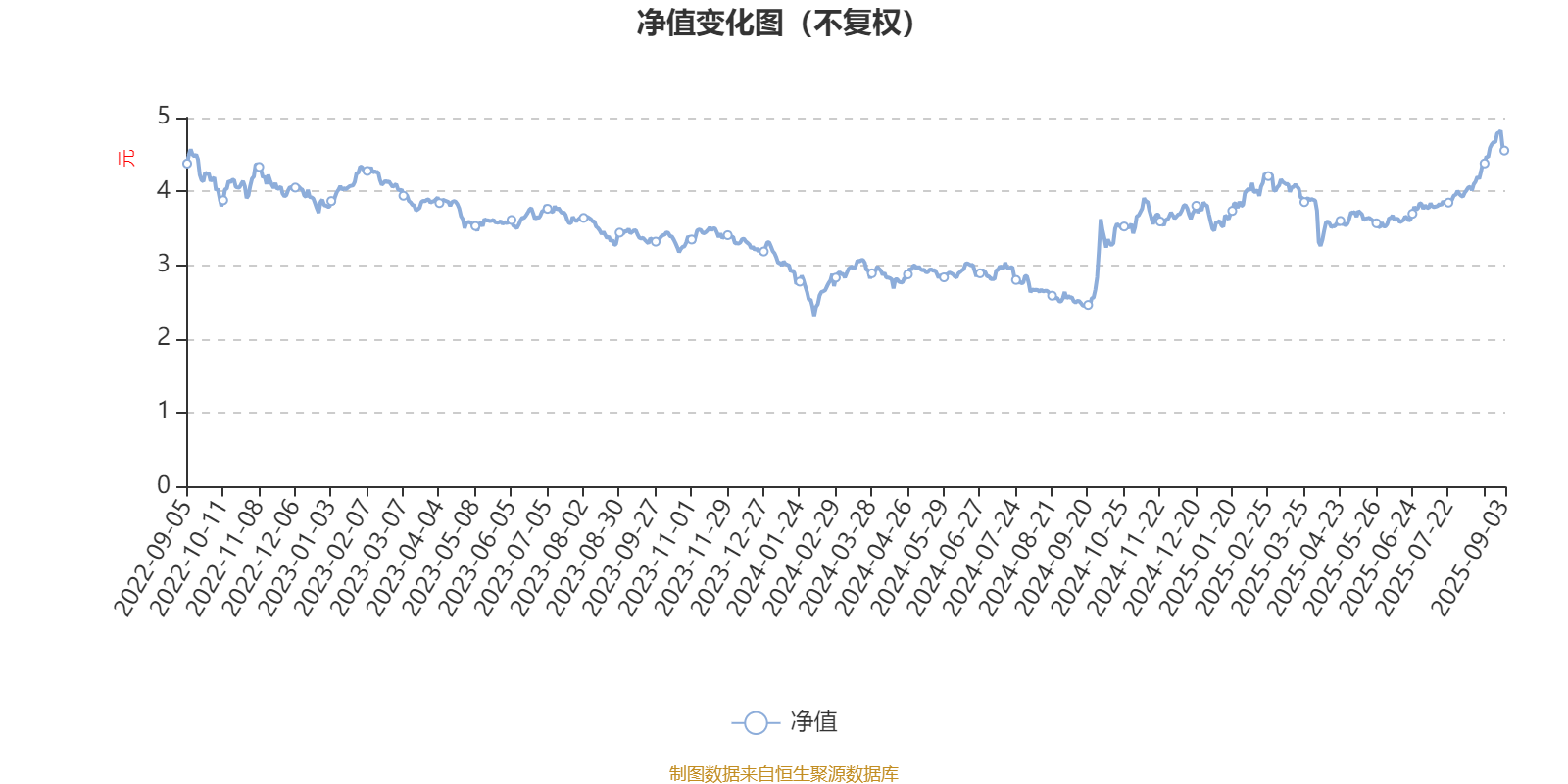
Core Viewpoint - The AI Fund Xin'ao New Energy Industry Stock A (001410) reported a profit of 286 million yuan for the first half of 2025, with a weighted average profit per fund share of 0.1512 yuan, and a net asset value growth rate of 3.95% during the reporting period [2][5]. Fund Performance - As of September 3, 2025, the fund's unit net value was 4.553 yuan, with a one-year cumulative net value growth rate of 76.27%, ranking first among comparable funds [2][5]. - The fund's performance over the last three months showed a net value growth rate of 29.09%, ranking 9th out of 61 comparable funds, while the six-month growth rate was 13.71%, ranking 42nd [5]. Fund Management and Market Outlook - The fund manager, Feng Mingyuan, expressed optimism about the macroeconomic and securities market trends for the second half of the year and next year, attributing this to positive fiscal and monetary policies since the second half of 2024 [2]. Valuation Metrics - As of June 30, 2025, the fund's weighted average price-to-earnings (P/E) ratio was approximately 55.47, significantly higher than the industry average of 20.85 [10]. - The weighted average price-to-book (P/B) ratio was about 3.68, compared to the industry average of 2.12, and the weighted average price-to-sales (P/S) ratio was 2.07, against an industry average of 1.66 [10]. Growth Metrics - For the first half of 2025, the fund's weighted average revenue growth rate was 0.35%, and the weighted average net profit growth rate was 0.17% [17]. Risk and Return Metrics - The fund's three-year Sharpe ratio was 0.087, ranking 34th among comparable funds, while the maximum drawdown over the same period was 49.4%, ranking 4th out of 59 [25][27]. - The fund's turnover rate for the last six months was approximately 165.37%, consistently above the industry average for two years [38]. Fund Size and Shareholder Composition - As of June 30, 2025, the fund's total size was 6.864 billion yuan, with 486,200 holders collectively owning 1.787 billion shares [31][35]. - Individual investors held 95.41% of the shares, while institutional investors accounted for 4.59% [35]. Top Holdings - The top ten holdings of the fund included companies such as Huqin Technology, Huahong Semiconductor, and others, indicating a focus on technology and automotive sectors [40].
商用车板块9月4日跌0.19%,东风股份领跌,主力资金净流入2.02亿元
Zheng Xing Xing Ye Ri Bao· 2025-09-04 08:50
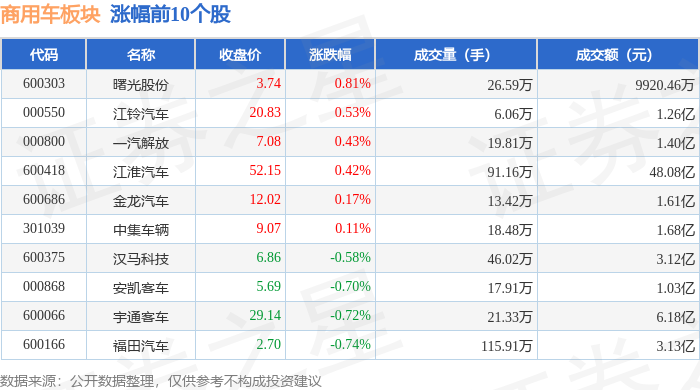
Market Overview - The commercial vehicle sector experienced a decline of 0.19% on September 4, with Dongfeng Motor leading the drop [1] - The Shanghai Composite Index closed at 3765.88, down 1.25%, while the Shenzhen Component Index closed at 12118.7, down 2.83% [1] Individual Stock Performance - Notable stock performances include: - Shuguang Co. (600303) closed at 3.74, up 0.81% with a trading volume of 265,900 shares [1] - Jiangling Motors (000550) closed at 20.83, up 0.53% with a trading volume of 60,600 shares [1] - Dongfeng Motor (600006) closed at 7.42, down 2.62% with a trading volume of 514,400 shares and a transaction amount of 383 million yuan [2] - Anhui Ankai Automobile (000868) closed at 5.69, down 0.70% with a trading volume of 179,100 shares [2] Capital Flow Analysis - The commercial vehicle sector saw a net inflow of 202 million yuan from institutional investors, while retail investors experienced a net inflow of 32.54 million yuan [2][3] - Key capital flows for individual stocks include: - Jianghuai Automobile (600418) had a net inflow of 335 million yuan from institutional investors [3] - Foton Motor (600166) experienced a net outflow of 12.92 million yuan from institutional investors [3] - Ankai Bus (000868) had a net outflow of 251,240 yuan from institutional investors [3]