OPPO

Search documents
全球首富激烈争夺;三大运营商eSIM业务已在路上丨科技风向标
2 1 Shi Ji Jing Ji Bao Dao· 2025-09-11 02:23
Group 1: Wealth and Market Movements - Larry Ellison briefly became the world's richest person with a net worth of $393 billion before closing at $383 billion, while Elon Musk's net worth is currently $384 billion [2] - Tesla's CEO Elon Musk announced that the Optimus V3 robot design is in progress, which aims to enhance hand flexibility and incorporate an AI brain, with a 40-fold performance improvement in the AI5 chip compared to AI4 [3] Group 2: Cloud and Technology Developments - Google Cloud CEO Thomas Kurian revealed that the company has $106 billion in backlog orders, with over half expected to convert to revenue in the next two years, potentially generating around $58 billion in new income [4] - Neuralink, a brain-computer interface company, reported that 12 individuals have implanted its devices, accumulating over 15,000 hours of usage [5] Group 3: Industry Changes and Initiatives - Ele.me announced the cancellation of overtime penalties for delivery riders, ensuring their income meets local minimum wage standards and implementing measures to enhance worker safety [6] - China's three major telecom operators are preparing to launch eSIM services for mobile phones, with China Telecom and China Mobile expected to follow China Unicom's lead [7][8] Group 4: E-commerce and Retail Strategies - Douyin e-commerce initiated a special governance action against counterfeit and fraudulent sales related to Labubu products, removing over 200 non-compliant merchants and 600 influencers from its platform [8] - Douyin Life Services launched a support plan for small restaurants, offering resources such as traffic incentives and product subsidies [11] Group 5: Collaborations and Innovations - OPPO and Xiaohongshu established a joint imaging innovation lab to enhance mobile imaging technology, with results expected to be integrated into OPPO's next flagship product [12] - Haon Electric announced a collaboration with NVIDIA to develop a control system for robots, although the product is still in the development phase [13] Group 6: Market Trends and Financial Movements - A report from CFM indicates that the storage market is expected to see a price increase in Q4, particularly in enterprise and mobile sectors [17] - Dongyangguang plans to invest in a joint venture for acquiring Qinhuai Data's operations in China, with a transaction value of 28 billion RMB [18] - Zhenqu Technology completed a multi-million dollar E-round financing, with funds aimed at accelerating the production of new power modules and expanding market reach [19] - Aishi Technology announced over $60 million in Series B financing led by Alibaba, with a user base exceeding 100 million [20] - Lianqi Technology's shareholders plan to reduce their holdings by up to 2% of the company's shares [21]


全球首富激烈争夺;三大运营商eSIM业务已在路上丨新鲜早科技
2 1 Shi Ji Jing Ji Bao Dao· 2025-09-11 02:12
Group 1: Wealth and Market Movements - Larry Ellison briefly became the world's richest person with a net worth of $393 billion, surpassing Elon Musk, who had a net worth of $385 billion, before Musk reclaimed the title at $384 billion by market close [2] - Google Cloud disclosed a reserve order of $106 billion, with expectations that over half will convert to revenue in the next two years, potentially generating around $58 billion in new income [4] - Dell confirmed ongoing evaluations of its business operations globally, indicating a strategy of restructuring and optimizing operations, which may include workforce reductions [5] Group 2: Technological Developments - Elon Musk announced that Tesla's Optimus V3 robot design is underway, aiming to enhance hand flexibility and incorporate an AI brain, with a 40-fold performance improvement in the AI5 chip compared to AI4 [3] - Neuralink reported that 12 individuals have implanted its devices, accumulating over 15,000 hours of usage, indicating progress in brain-machine interface technology [5] - OPPO and Xiaohongshu established a joint imaging innovation lab to enhance mobile imaging capabilities, with results expected to be integrated into OPPO's upcoming flagship products [11] Group 3: Industry Initiatives and Regulations - Ele.me announced plans to eliminate overtime penalties for delivery riders and improve income guarantees, reflecting a shift in labor practices within the gig economy [6] - Chinese telecom operators are preparing to launch eSIM services for mobile phones, with China Telecom and China Mobile expected to follow China Unicom's lead in offering these services [7] - Douyin (TikTok) is implementing a support plan for small dining businesses, providing resources such as traffic incentives and subsidies, differentiating its approach from competitors like Meituan and Alibaba [10] Group 4: Financial Activities and Investments - Dongyangguang plans to jointly increase capital in a subsidiary for the acquisition of Qinhuai Data's China operations, with a transaction value of 28 billion RMB [16] - Zhenqu Technology announced the completion of a multi-billion E-round financing, with funds aimed at accelerating the production of new power modules and expanding market reach [17] - AI video generation company Aishi Technology secured over $60 million in Series B funding led by Alibaba, indicating strong investor interest in AI-driven content creation [18]

为什么苹果今年愿意给标准版 iPhone 加高刷?
3 6 Ke· 2025-09-11 02:04
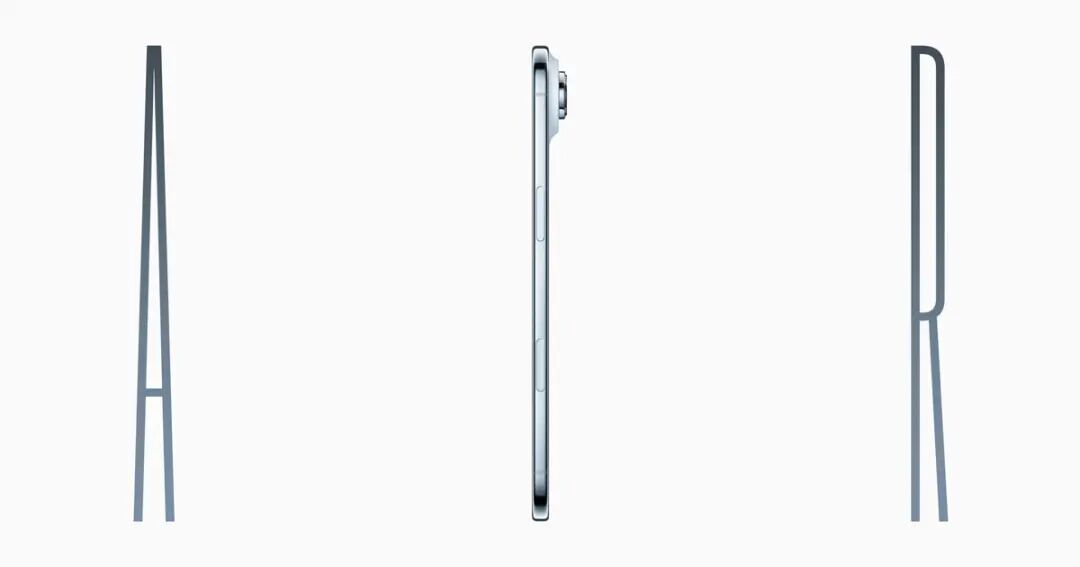
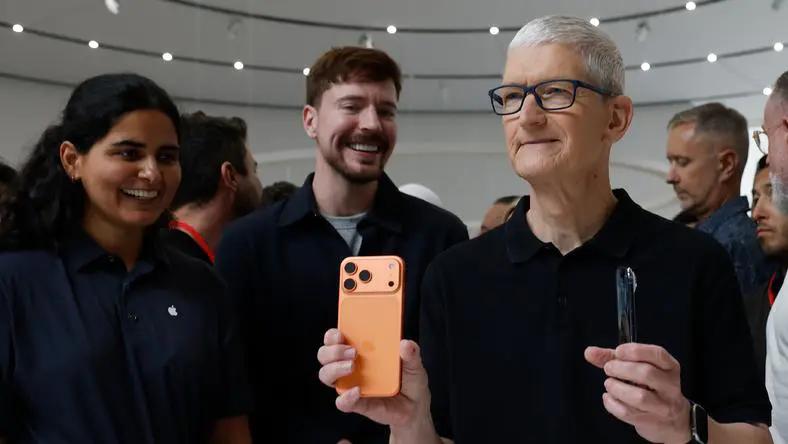
Core Viewpoint - Apple has launched the iPhone 17 series, marking a significant upgrade compared to previous models, aiming to regain market competitiveness against Android devices [1][13]. Group 1: Product Features and Market Response - The iPhone 17 series includes major upgrades such as ProMotion refresh rates across all models, with the iPhone Air being notably thin at 5.6mm [3][14]. - The iPhone 17 standard version has seen a surge in pre-orders, totaling 2.78 million units, with 41.9% for the standard version, indicating a shift to a more balanced market structure [8][24]. - The iPhone 17 standard version has been equipped with flagship-level features, including LTPO screens and enhanced durability, which reflects Apple's strategy to compete more effectively in the mid-range market [16][25]. Group 2: Competitive Landscape - The launch of the iPhone 17 series is seen as a response to the increasing pressure from Android manufacturers, which have been offering high-spec devices at lower prices [8][26]. - Apple's market share has been declining, with its shipments in China dropping significantly, leading to concerns about its competitive position [12][13]. - The iPhone 17 series aims to establish a new benchmark in the entry-level flagship smartphone segment, challenging the narrative of "alternative" Android devices [26][30]. Group 3: Financial Implications and Strategy - Despite rising costs due to tariffs, Apple has opted to maintain competitive pricing for the iPhone 17 standard version, which is priced lower than its predecessor [25][30]. - The company has experienced a rebound in sales in the Greater China region, with a 4% year-on-year increase in Q3 2025, suggesting that the new pricing strategy may be effective [25][30]. - Apple's shift towards hardware improvements indicates a strategic pivot as its software ecosystem faces increasing competition from Android manufacturers [30][34].

浪人早报 | 马斯克短暂失去世界首富位置、蔚来完成10亿美元股权增发融资、北京电信开放eSIM办理…
Xin Lang Ke Ji· 2025-09-11 02:02
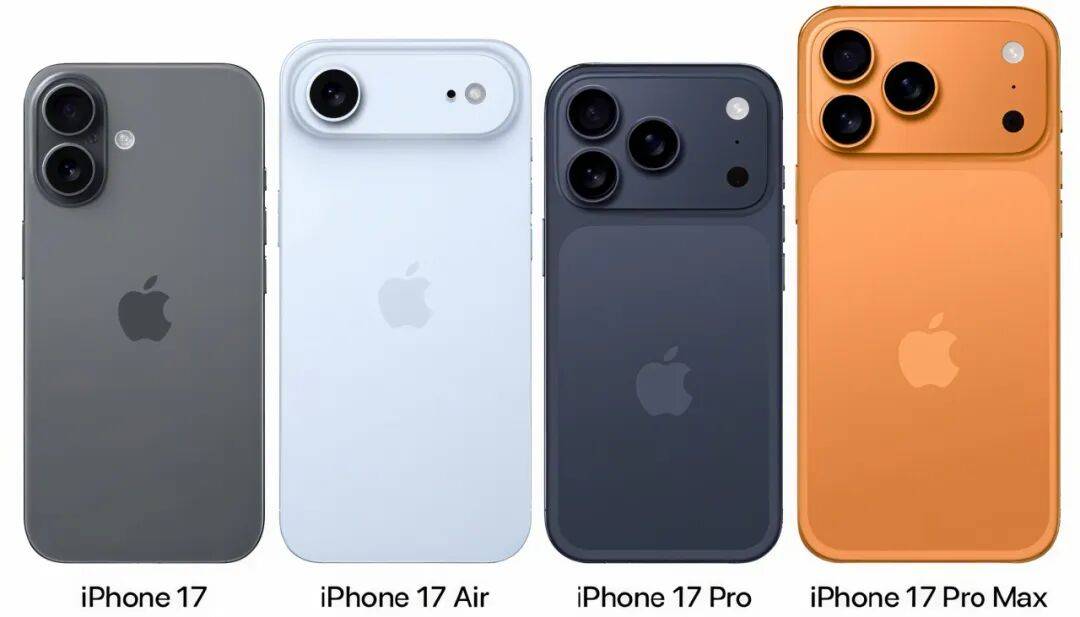
Group 1 - Elon Musk briefly lost his position as the world's richest person to Larry Ellison, whose net worth reached $393 billion, surpassing Musk's $385 billion, before Musk regained the title by the end of the trading day [2] - NIO completed a $1 billion equity financing round, attracting long-term investment institutions from the US, UK, Switzerland, Norway, and Asia, indicating strong market confidence in NIO's direction in smart electric vehicles [3] - Huawei became the top brand for adult smartwatches in China, with sales reaching 8.297 million units in the first seven months of 2025, marking a 58.1% year-on-year increase [5] Group 2 - Ideal Auto's CEO Li Xiang announced that with the release of OTA 8.0, the company's advanced driver assistance and smart cockpit systems have transitioned from "partially leading" to "fully leading" [7] - Apple's latest iPhone 17 series, including iPhone 17, iPhone Air, iPhone 17 Pro, and iPhone 17 Pro Max, now supports the "Dual Capture" feature [8] - The average number of camera lenses in smartphones is declining, with an average of 3.19 lenses per device in Q2 2025, down from 3.37 lenses in the same period last year [11]


Counterpoint:2025年Q2日本智能手机出货量同比增长11% 连续两个季度保持双位数增幅
智通财经网· 2025-09-11 01:21
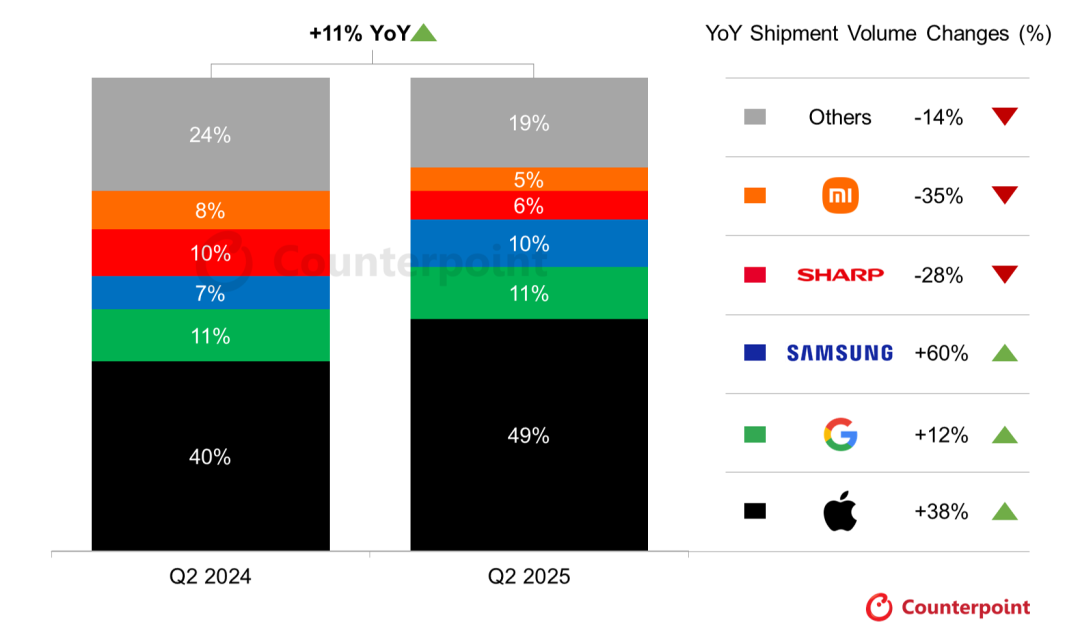
Group 1 - The core viewpoint of the articles indicates that Japan's smartphone market is experiencing significant growth, with a 11% year-on-year increase in shipments for Q2 2025, driven primarily by Apple and supported by aggressive promotional strategies from carriers [1][2][4] - Apple continues to lead the market with a substantial 38% year-on-year increase in shipments, attributed to the strong sales of the iPhone 16e, while Samsung also saw a remarkable 60% growth in shipments, marking one of its best performances in recent years [1][4] - The "one yen phone" trade-in program has emerged as a key driver for stimulating demand for new devices, effectively lowering the barriers for consumers to upgrade their phones [4] Group 2 - Looking ahead to the second half of 2025, the growth in smartphone shipments may slow down after a strong first half, with Apple expected to maintain its dominant position, but competition from Samsung, Google, OPPO, and Xiaomi is anticipated to intensify [2] - Factors such as higher prices, longer upgrade cycles, and increasing demand for second-hand devices may limit overall market growth, despite ongoing promotional activities and trade-in programs [2] - The planned shutdown of 3G networks by NTT DOCOMO is expected to act as a temporary stimulus for upgrade demand, although the sustainability of this growth remains uncertain [2]
iPhone17,印度制造?
Hu Xiu· 2025-09-10 23:24
Group 1 - The core focus of the 2025 Apple event is not the iPhone 17's updates but the shift in production location from China to India, as indicated by the packaging labels [1][3][4] - The transition from "Made in China" to "Made in India" reflects a complex global manufacturing landscape and signifies a strategic shift in Apple's supply chain [5][6] - Apple's move is part of a broader "de-risking" strategy, reshaping the roles of "Chinese manufacturing" and "Indian manufacturing" in the global value chain [6][7] Group 2 - Over the past two decades, Apple's success has relied on the model of "Designed in California, Made in China," with Chinese factories like Foxconn being crucial to its production [7][8][9] - The shift began around 2017 when Apple started producing iPhone SE models in India to avoid high import tariffs, marking the start of a localization strategy [12][13] - The turning point came around 2019, driven by U.S.-China trade tensions and rising labor costs in China, prompting Apple to diversify its supply chain [14][15][16] Group 3 - Apple's "China +1" strategy accelerated, with India emerging as the primary alternative for manufacturing [17][18] - The production process has evolved from older models to the latest flagship models being produced in India, achieving near-simultaneous production with China [19][20] - The establishment of Tata Group as the first local iPhone manufacturer in India signifies a shift towards nurturing local champions in the manufacturing sector [21][22] Group 4 - Predictions suggest that by 2025, iPhones produced in India could account for 25% of global production, potentially rising to 50% by 2027 [22][23] - India's appeal as a manufacturing hub is bolstered by its demographic advantages, including a young workforce and lower labor costs compared to China [26][30] - The Indian government's "Make in India" initiative and production-linked incentive programs are designed to attract foreign investment and stimulate local manufacturing [35][36][38] Group 5 - Despite its advantages, India's manufacturing sector faces challenges such as inadequate infrastructure, regulatory inefficiencies, and a lack of skilled labor [41][43] - The competition between Chinese and Indian manufacturing is creating a complex landscape, with both countries playing crucial roles in the global supply chain [44][52] - The future may see a dual-center model in the global electronics supply chain, with China focusing on high-end manufacturing and India on large-scale assembly [53][54] Group 6 - The production location label will evolve to reflect a new phase of globalization, indicating a reallocation of resources based on efficiency, cost, safety, and market access [56][57] - The competition and collaboration between China and India will shape the global manufacturing landscape for the next decade [58][59] - The true challenge for China lies in maintaining its irreplaceability in the face of these changes [59][60]
金九银十 回国求职
Ren Min Ri Bao Hai Wai Ban· 2025-09-10 22:13
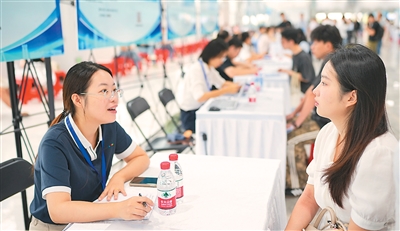
Group 1: AI Talent Demand - AI-related positions are increasingly popular in campus recruitment, with a notable rise in demand for roles such as algorithm engineers, machine vision engineers, and machine learning engineers [2][3] - Companies are eager to secure candidates with "future productivity" skills through early recruitment, driven by the rapid evolution of technology and the scarcity of AI talent [2][3] - OPPO emphasizes the need for AI talent, particularly in areas like AI model research and personalized service algorithms, highlighting the appeal of international students [2][3] Group 2: Diverse Employment Preferences - Job seekers, particularly those from the post-2000 generation, are prioritizing growth opportunities, alignment of company values with personal beliefs, and work-life balance over just salary [5][6] - There is a growing trend of returning to hometowns for employment, with candidates valuing job stability and quality of life alongside salary [5][6] - Companies are encouraged to offer additional benefits beyond salary to attract talent, as candidates increasingly seek roles that provide personal and professional development [5][6] Group 3: Characteristics of Post-2000 Job Seekers - The new generation of job seekers is more open to cross-disciplinary opportunities and values a company's culture of openness and diversity [5][6] - They exhibit confidence and flexibility in communication, often engaging directly with executives and expressing their ideas without hesitation [5][6] - Continuous learning and the development of hybrid skills are deemed essential for maintaining competitiveness in a rapidly changing job market [5][6]
苹果新机乏善可陈,却暗藏供应链巨变?
3 6 Ke· 2025-09-10 13:03
Core Insights - The annual Apple event revealed a significant shift in the global supply chain, with all iPhone 17 models for the U.S. market to be manufactured in India, while China will focus on supplying local, European, and Japanese markets [1][3] Supply Chain Strategy - Tim Cook's decision to separate the U.S. market for Indian manufacturing is a response to the ongoing U.S.-China tech rivalry, reflecting a long-term strategy that began as early as 2014 with the "China +1" supply chain approach [3] - Apple's manufacturing in India has evolved since 2017, starting with lower-end models, and has seen improvements in production quality, with the yield rate increasing from 50% to 85% [5] Market Dynamics - The import of mobile phones from China to India has drastically decreased from 180 million units in 2014 to less than 300,000 units in 2022, with projections for 2025 indicating a total of only 500,000 units [5] - The shift in supply chain dynamics has allowed Chinese companies to establish a strong foothold in the supply chain, with local suppliers emerging and competing in the smartphone market [7] Future Outlook - For India to replicate China's supply chain success, it must focus on localizing components and improving production capabilities, while Chinese companies are expected to continue advancing in high-value sectors like semiconductors and AI [8] - The success of this transition relies on several factors, including sustained capital market growth, innovation through collaboration, and empowering entrepreneurs to make strategic decisions in emerging industries [8]
那些社交媒体上的“网红”品牌官:爆料、辟谣、营销和危机公关,“KOL化”催生劳动关系新课题
Mei Ri Jing Ji Xin Wen· 2025-09-10 11:34
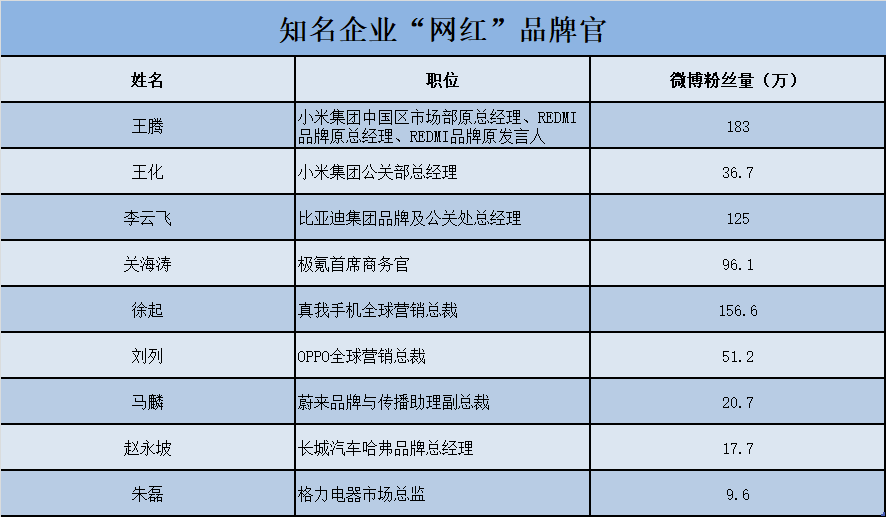
Core Viewpoint - The rise of "internet celebrity" brand executives, who serve dual roles in advertising and public relations, is reshaping corporate communication strategies and management practices in the industry [1][7][9]. Group 1: Company Actions and Events - Xiaomi Group terminated Wang Teng, the former General Manager of the China Market Department, due to serious violations including leaking confidential company information [1]. - Wang Teng had a significant online presence with 1.83 million followers on Weibo, highlighting the influence of brand executives in the digital space [3]. - The incident has sparked discussions about the responsibilities and risks associated with brand executives acting as key opinion leaders (KOLs) [1][9]. Group 2: Brand Executive Roles - Brand executives are increasingly taking on the role of KOLs, engaging directly with consumers and leveraging their personal brands to enhance corporate messaging [2][5]. - Executives like Xiaomi's Wang Hua and BYD's Li Yunfei utilize social media to communicate product information and respond to public concerns, thereby deepening customer trust [8][9]. - The trend of KOLization among brand executives raises questions about the balance between internal management duties and external representation [7][9]. Group 3: Industry Trends - The shift towards KOLization reflects a broader trend in corporate communication, where companies are adapting to the rise of social media and the demand for authentic engagement [5][6]. - Executives are now seen as vital assets in marketing strategies, with their personal brands often overshadowing official corporate accounts [9]. - The dynamic between personal and corporate branding is evolving, necessitating new approaches to human resource management and corporate governance [7][9].


“消失”的10大国产手机品牌
创业邦· 2025-09-10 10:31
Core Viewpoint - The article discusses the evolution and decline of various Chinese mobile phone brands, highlighting the competitive landscape and the challenges faced by companies like Waveguide, Gionee, and Meitu, while also emphasizing the rise of new leaders in the industry. Group 1: Market Dynamics - Huawei and Apple are in direct competition, with Huawei's Mate XT and Apple's iPhone 17 series launching in September [6][10] - The latest IDC report indicates that by Q2 2025, Huawei is expected to regain the top position in the domestic market with an 18.1% share, followed closely by Vivo and OPPO [9][10] - The combined market share of Huawei, Xiaomi, OPPO, and Vivo accounts for approximately 66% of the Chinese smartphone market, indicating a strong domestic presence [10] Group 2: Historical Context - Over the past 20 years, more than 87 mobile phone brands have disappeared in China, with a survival rate of less than 15% [11] - Waveguide was the first Chinese brand to gain significant market share in the feature phone era, achieving sales of 700,000 units in 2000 and becoming the top domestic brand for four consecutive years [19] - The launch of the first iPhone in 2007 marked a significant shift in the mobile phone industry, leading to the decline of feature phone giants like Nokia [21][23] Group 3: Brand Decline - Gionee, once a leader in the market, faced a decline due to late entry into the smartphone segment and poor product reception, leading to its eventual bankruptcy in 2018 [27][28] - Meitu and Douwai targeted the female market but failed to maintain their competitive edge as other brands improved their camera technology and overall value [30][37] - The entry of cross-industry players like Haier and Gree into the smartphone market was marked by poor performance and eventual exit due to lack of market presence [40][41] Group 4: Lessons Learned - The article emphasizes that successful marketing and distribution strategies alone are insufficient; companies must also focus on technology and innovation to survive in the competitive landscape [28][49] - The experiences of brands like Meizu and Smartisan illustrate the risks of prioritizing product aesthetics over market demands and operational capabilities [50][57] - The evolution of the smartphone industry in China reflects a shift from following global trends to establishing new standards and innovations [66][67]