福田汽车

Search documents
五年十年后,新能源车能够进化到什么程度?
3 6 Ke· 2025-08-25 08:16
Core Insights - The evolution of the new energy vehicle (NEV) industry in China is marked by significant advancements in technology, with a focus on electric vehicles transitioning from basic functionality to intelligent, autonomous systems [1][2][12] Group 1: Energy System Transformation - The core breakthrough in the next decade will shift from "charging anxiety" to "mobile power stations," driven by the commercialization of solid-state batteries with energy densities exceeding 500Wh/kg, enabling 800 km range with just 10 minutes of charging [2][4] - The development of sodium-ion and lithium-sulfur batteries is expected to reduce costs by 50% by 2030, allowing vehicles to act as nodes in a distributed energy network [2] Group 2: Vehicle Redefinition - The traditional mechanical definition of vehicles is evolving into a software and AI-defined era, with innovations such as 4D printed chassis and self-repairing materials [8][9] - The introduction of lightweight materials and advanced manufacturing techniques will significantly enhance vehicle efficiency, with expected improvements in energy consumption from 7 km per kWh to 12 km per kWh [11] Group 3: Intelligent Interaction - The integration of advanced AI technologies will transform vehicles into "space robots," capable of autonomously managing passenger comfort and safety, with systems that can predict health issues [12][14] - The establishment of intelligent road systems is projected to reduce accident rates significantly, enhancing overall traffic safety [14][16] Group 4: Industry Restructuring - The automotive market is expected to evolve into a "6+N" structure by 2030, where a few major players dominate alongside niche brands, emphasizing the importance of energy ecosystem control [17][20] - The competition landscape is shifting, with Chinese automakers establishing zero-carbon factories in response to EU carbon tariffs, reducing export costs [20] Group 5: Social and Ethical Changes - The role of vehicles is changing from private property to public assets, with models allowing shared usage for community services, significantly lowering ownership costs [22][24] - The rural market is experiencing explosive growth, with affordable electric vehicles transforming logistics and transportation for agricultural purposes [24][25] Group 6: Future Vision - By 2035, NEVs are anticipated to evolve beyond mere transportation tools, becoming integral components of urban infrastructure and rural economies [25][28] - The transition from mechanical to digital civilization signifies a profound shift in human mobility and freedom, redefining societal norms and interactions [28]

牵引车7月实销3.5万辆同比“4连增”!福田逼近前二 徐工/三一继续翻倍涨 | 头条
第一商用车网· 2025-08-25 06:57
Core Viewpoint - In July 2025, domestic tractor truck sales experienced a significant year-on-year increase of 32%, marking a "four consecutive months of growth" trend. Cumulatively, tractor truck sales from January to July 2025 increased by 20% compared to the same period last year, with a net increase of approximately 38,000 units [1][4][29]. Sales Performance - In July 2025, the actual sales of tractor trucks reached 35,000 units, representing a month-on-month decrease of 8% but a year-on-year increase of 32%. The growth rate compared to the previous month (49%) has narrowed [4][6]. - The overall heavy truck market saw a year-on-year sales increase of 39%, with tractor trucks lagging behind by 7 percentage points [4][11]. - The market share of tractor trucks in the heavy truck segment was approximately 54.41% in July, slightly down from 54.97% in June but up from 53.10% in 2024 [6][15]. Brand Performance - The leading brand, FAW Jiefang, sold 8,373 units in July, maintaining the top position. Other notable brands included China National Heavy Duty Truck and Foton, with sales of 5,964 and 5,527 units, respectively [9][11]. - Among the top 12 brands, 11 experienced sales growth in July, with Xugong, SANY, and Jianghuai achieving over 100% year-on-year growth [13][14]. Cumulative Sales Data - From January to July 2025, cumulative tractor truck sales reached 227,100 units, reflecting a 20% year-on-year increase. The cumulative growth rate improved by 1 percentage point compared to the previous month [17][19]. - The top ten brands accounted for 96.55% of the total market share in July, with the top five brands exceeding 10% each [15][21]. Market Trends - The market for new energy tractor trucks is expanding, with their share increasing from 17.43% in 2024 to 31.32% in the first seven months of 2025 [25][27]. - Diesel tractor truck sales grew by 23% year-on-year, while natural gas tractor trucks saw an 18% decline. New energy vehicles, particularly pure electric trucks, experienced a significant increase in sales [23][25]. Conclusion - The tractor truck market has shown resilience with a "four consecutive months of growth" trend, and the new energy segment continues to thrive. The dynamics between new energy and traditional fuel types will be crucial for future market developments [29].




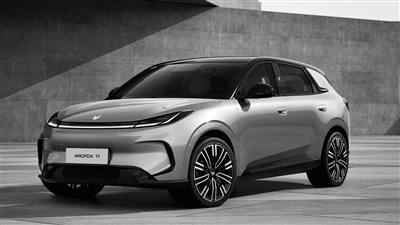
极狐T1预售6.88万元起,越级实力重新定义A0级纯电汽车
Qi Lu Wan Bao· 2025-08-25 02:42
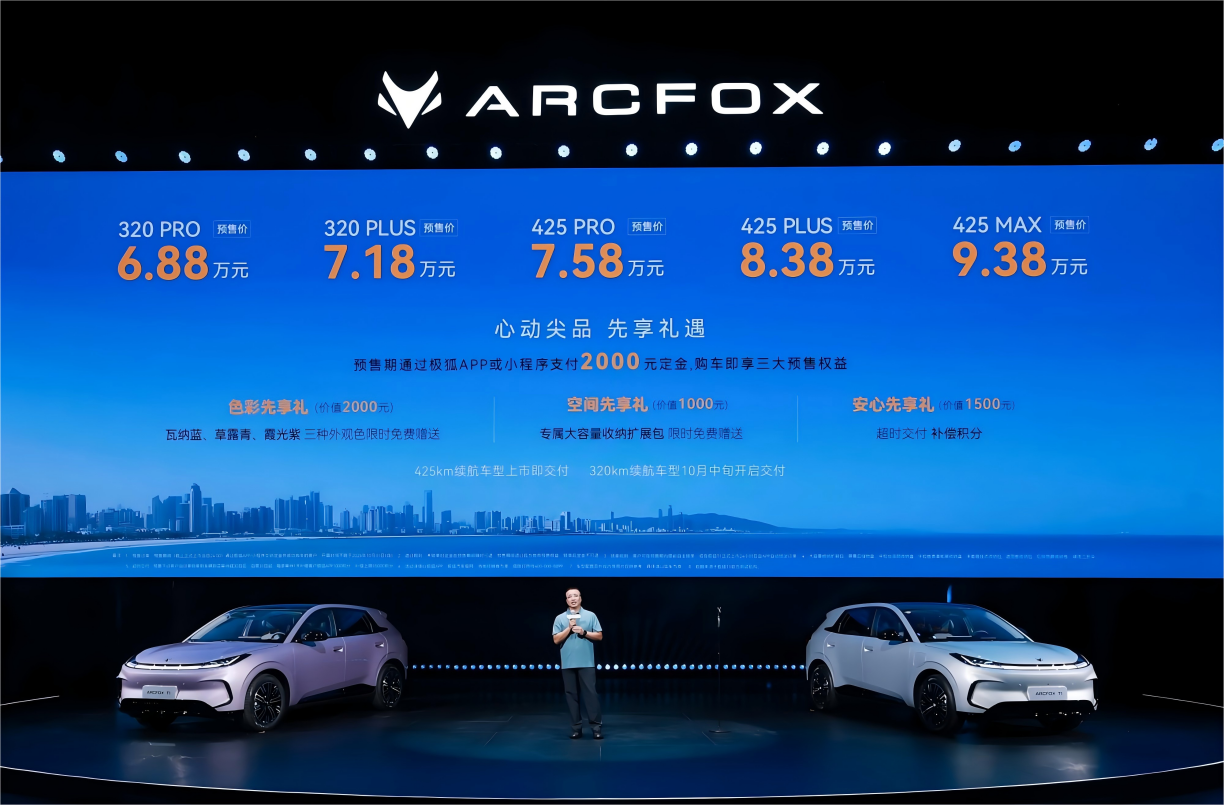
Core Viewpoint - The article highlights the launch of the new electric vehicle, the Extreme Fox T1, which aims to redefine the value standards of entry-level family cars by integrating technology, aesthetics, spaciousness, and luxury features [1][21]. Product Launch and Pricing - On August 22, BAIC Extreme Fox officially launched the "North Star Digital Intelligent Architecture" and began pre-sales for the Extreme Fox T1, offering five models with a price range of 68,800 to 93,800 yuan [3]. - The pre-sale period includes benefits such as color, space, and peace of mind privileges for customers who pay a deposit of 2,000 yuan through the Extreme Fox app or mini-program [3]. Space and Comfort Features - The Extreme Fox T1 boasts a length of 4,337 mm, width of 1,860 mm, and a wheelbase of 2,770 mm, surpassing most A0-class cars and reaching B-class space levels, allowing comfortable seating for three adults in the rear [5]. - The vehicle features a "big bed mode" that allows the front seats to recline flat in 15 seconds, along with a panoramic sunroof that covers 2.34 square meters, providing a home-like resting experience [7]. - The trunk capacity is 459 liters, accommodating up to eight suitcases, and includes a dual-layer hidden design for additional storage [7]. Driving Experience and Technology - The Extreme Fox T1 supports 58 parking scenarios with a recognition rate of 98% and a success rate exceeding 95%, making parking easier for users [9]. - The vehicle is equipped with a stable chassis tuned in collaboration with Magna, ensuring a smooth driving experience even for novice drivers [11]. - It features a maximum range of 425 kilometers, with actual range achievement rates reaching up to 124%, ensuring reliable performance [11]. Safety and Security - The T1 includes a two-level combination driving assistance system with 12 active safety features and a unique low-speed intelligent steering system, enhancing maneuverability [13]. - The vehicle's battery is designed with a high-strength crash protection framework, exceeding national standards in safety tests, and offers a "burn one compensate one" guarantee for added user security [21]. Design and Aesthetics - The Extreme Fox T1 employs the ARC-FLOW design language, featuring a family-style flowing curve and a visually appealing proportion that resembles a crossover vehicle [15]. - It offers six color options and three interior color schemes, enhancing the overall aesthetic appeal and user experience [17]. - The interior is designed with high-quality materials, including Microcloud fiber, ensuring comfort and hygiene [17]. Conclusion - Overall, the Extreme Fox T1, with a starting price of 68,800 yuan, presents numerous highlights and surprises, redefining the value standards of A0-class electric vehicles and showcasing strong market competitiveness in the domestic small electric vehicle market [21].
雪域高原,车轮滚滚……
Zhong Guo Qi Che Bao Wang· 2025-08-25 01:30
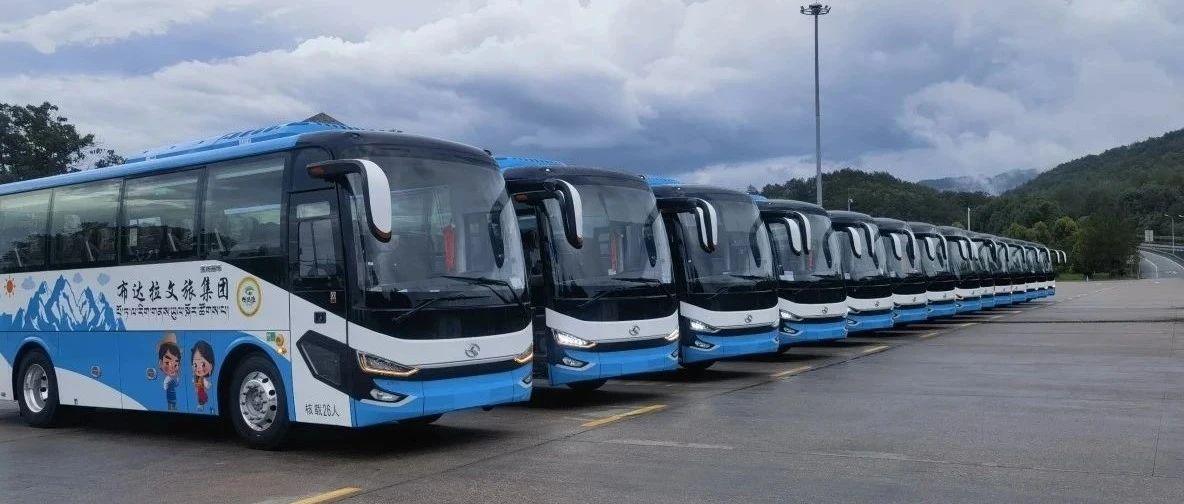
Group 1: Economic Development - The 60th anniversary of the Tibet Autonomous Region was celebrated, highlighting the region's transformation from poverty to prosperity under the leadership of the Communist Party of China [2] - Tibet's GDP surpassed 1 trillion yuan in 2015, exceeded 2 trillion yuan in 2021, and is projected to exceed 3 trillion yuan in 2023, showcasing rapid economic growth [22] Group 2: Transportation Infrastructure - The total length of roads in Tibet reached 124,900 kilometers by the end of 2024, with rural roads accounting for 94,800 kilometers, significantly improving accessibility [3] - The number of motor vehicles in Tibet reached over 1.067 million, with over 1.008 million drivers, indicating a growing automotive market [4] Group 3: Electric Vehicles and Charging Infrastructure - The promotion of electric vehicles (EVs) is increasing, with local initiatives providing subsidies for new car purchases, contributing to the growth of the EV market [4][6] - Charging infrastructure is expanding rapidly, with plans to establish a balanced and advanced charging network by the end of 2023, including 117 charging stations along the G318 route [12] Group 4: Lithium Resource Development - Tibet holds over 20 million tons of lithium resources, accounting for more than 50% of China's total, which is crucial for the domestic lithium battery industry [16] - A project for comprehensive development of lithium resources at Zabuye Salt Lake is underway, aiming for an annual production capacity of 10,000 tons of battery-grade lithium carbonate by 2030 [16] Group 5: Automotive Industry Growth - The establishment of the first specialized automobile manufacturing enterprise in Tibet marks a significant step in local automotive industry development [18] - The export of new energy vehicles from Tibet reached 7,429 units in the first half of the year, reflecting a 25.6% increase year-on-year [18] Group 6: Smart Transportation Solutions - The introduction of autonomous vehicles in mining and logistics is enhancing operational efficiency and safety in high-altitude environments [21] - The deployment of unmanned delivery vehicles in Tibet is addressing logistical challenges posed by the region's geography, improving service delivery [21]

汽车早报|比亚迪宣布在马来西亚建设组装工厂 上汽名爵新MG4车型预售订单达3万台
Xin Lang Cai Jing· 2025-08-25 00:38
Group 1: Policy Changes - Hainan Province adjusts the 2025 automobile replacement subsidy policy, adding a condition that new cars must be registered in Hainan for subsidies [1] Group 2: Industry Developments - China Automotive Research will establish a national hydrogen vehicle industry measurement testing center to enhance the competitiveness of the hydrogen vehicle sector [2] - BYD announces the construction of an assembly plant in Malaysia, expected to start production in 2026 [3] - Huawei's ADS 4 and Harmony Space 5 will be pushed out in September, indicating advancements in automotive technology [4] Group 3: Financial Activities - Lotus Technology secures up to $500 million in funding commitments, including a $300 million convertible note agreement with ATW Partners and a credit framework agreement with Geely for approximately $2 billion [5] Group 4: Market Performance - SAIC MG announces that pre-sales for the new MG4 model have reached 30,000 units, with a price range of 73,800 to 105,800 yuan [6] - BAIC Arcfox reports that pre-sales for the Arcfox T1 model reached 15,000 units within 48 hours, with a price range of 68,800 to 93,800 yuan [7] - Lexus officially launches the new NX model, starting at 299,800 yuan, offering various powertrain options [8]



华阳集团(002906):单二季度净利润同比增长29% 汽车电子和精密压铸业务持续增长
Xin Lang Cai Jing· 2025-08-25 00:36
Core Insights - The company reported a net profit growth of 28.5% year-on-year in Q2 2025, with revenues reaching 2.822 billion yuan, an increase of 28.1% year-on-year and 13.36% quarter-on-quarter [1] - The automotive electronics segment generated revenue of 3.788 billion yuan in H1 2025, up 23.37% year-on-year, while the precision die-casting business saw revenue of 1.292 billion yuan, a 41.32% increase year-on-year [1] - The company has established deep collaborations with Huawei and Xiaomi, providing various cockpit products for multiple vehicle models [1] Financial Performance - In Q2 2025, the company's gross margin was 19.5%, a decrease of 1.8 percentage points year-on-year but an increase of 1.3 percentage points quarter-on-quarter [1] - The net profit margin for Q2 2025 was 6.6%, remaining stable year-on-year and increasing by 0.4 percentage points quarter-on-quarter [1] - The company's operating expenses ratio (four fees) was 12.2%, down 1.0 percentage points year-on-year and 0.4 percentage points quarter-on-quarter [1] Product and Market Development - The company is focusing on automotive intelligence and lightweighting, with continuous product upgrades and optimization of customer structure [2] - Significant revenue growth was observed in electronic rearview mirrors, cockpit domain controllers, vehicle cameras, digital keys, and other products in H1 2025 [2] - The company has secured new projects from international brands such as Stellantis, Ford, and Volkswagen, as well as domestic brands like Changan and Geely [3]
北汽极狐发布“北极星数字智能架构”
Mei Ri Shang Bao· 2025-08-24 22:27
Core Viewpoint - BAIC's Arcfox officially launched the "North Star Digital Intelligent Architecture" and began pre-sales for the Arcfox T1, with prices ranging from 68,800 to 93,800 yuan [2] Group 1: Product Features - The Arcfox T1 offers five models with a focus on spaciousness, achieving a comfortable experience in a compact vehicle [2] - The vehicle dimensions include a length of 4,337 mm, a width of 1,860 mm, and a wheelbase of 2,770 mm, surpassing most A0-class cars and reaching quasi-B-class space levels [2] - The T1 features a rear trunk capacity of 459 liters, capable of accommodating eight suitcases, and includes a dual-layer hidden design for additional storage [2] Group 2: Design and Technology - The T1 incorporates ARC-FLOW design language, maintaining a family-style flowing curve with a full proportion of lines [2] - The front of the vehicle is equipped with a dynamic ice crystal light strip and shark gill air curtain design, balancing recognition and functionality [2] - The entire series is equipped with a 3.3 kW external power supply, supporting various outdoor devices such as camping equipment and coffee machines [2]
动力之城动能澎湃
Jing Ji Ri Bao· 2025-08-24 22:01
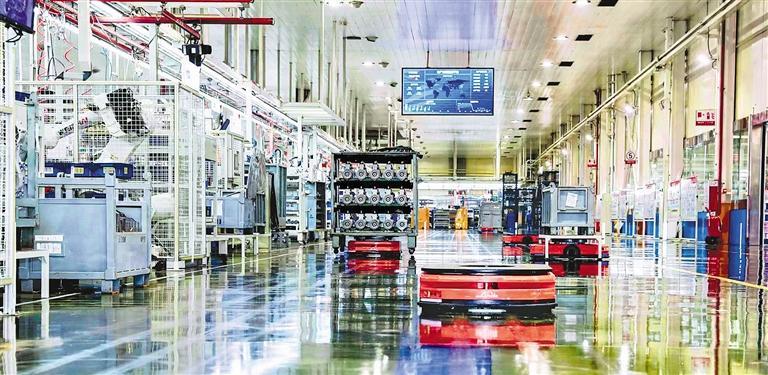
Core Insights - The article highlights the development of the power equipment industry in Weifang, Shandong, emphasizing its significant scale and structural advantages, aiming to become a world-class industrial cluster [3][12]. Group 1: Industry Scale and Structure - Weifang has a "national-level" power equipment cluster with an annual output value of 300 billion yuan, accounting for one-third of the national power equipment industry total [3]. - The region has formed a closely-knit network of supporting enterprises around leading companies like Weichai, ensuring local suppliers are available for nearly every aspect of the power equipment sector [3]. Group 2: Collaborative Ecosystem - The long supply chain and comprehensive support in Weifang foster tight cooperation among large, medium, and small enterprises, with larger companies driving industry chain development and smaller firms focusing on niche markets [4][5]. - Weichai plays a pivotal role as a "big brother" in the ecosystem, leveraging its technological capabilities and industry collaboration to create a unique industrial ecosystem [5]. Group 3: Role of Small and Medium Enterprises - Small and medium enterprises (SMEs) in Weifang focus on key segments of the industry chain, engaging in specialized fields and competing in a complementary manner with larger firms [6][7]. - Weifang ranks first in Shandong for the number of specialized and innovative enterprises, supported by a strong industrial foundation and clear business positioning [7]. Group 4: Education and Talent Development - Weifang addresses the common issue of skilled labor shortages in manufacturing through effective industry-education integration, ensuring a steady supply of skilled workers [10][11]. - The local government promotes collaboration between large enterprises and vocational schools to meet the workforce needs of SMEs, enhancing the overall talent pool [11]. Group 5: Innovation and Future Directions - The industry ecosystem in Weifang is moving towards high-end, intelligent, and green development, with companies investing in advanced technologies and sustainable practices [12][16]. - Intelligent manufacturing is becoming essential, with companies like Foton Motor implementing automation to significantly improve labor efficiency and reduce costs [15]. - Green transformation is supported by local policies and market demand, with companies innovating in materials and processes to meet environmental standards [16].
动力之城动能澎湃 ——山东潍坊推动制造业高质量发展调研(上)
Jing Ji Ri Bao· 2025-08-24 21:52
Group 1: Industry Overview - Shandong Weifang has a significant presence in the power equipment sector, with an annual output value of 300 billion yuan, accounting for one-third of the national total in this industry [1] - The region has developed a close-knit ecosystem of supporting enterprises around leading companies like Weichai, enabling local suppliers to cover nearly all aspects of the power equipment supply chain [1] Group 2: Collaborative Ecosystem - The collaboration among large, medium, and small enterprises in Weifang is increasingly tight, with large companies driving industry chain development while smaller firms focus on niche markets [2] - Weichai serves as a key player, linking upstream and downstream enterprises to foster a unique industrial ecosystem that emphasizes growth and collaboration rather than zero-sum competition [3] Group 3: Role of Large Enterprises - Large enterprises are expected to be ecosystem anchors and linkers, with Weichai exemplifying this through its high thermal efficiency of 53.09%, which can save 12,000 liters of diesel per heavy truck annually [3] - Other notable large companies include GoerTek and Haomai Group, which also play significant roles in supporting smaller firms and integrating them into the supply chain [3] Group 4: Role of Small Enterprises - Small and medium-sized enterprises (SMEs) focus on critical segments of the industry chain, with examples like Kangyue Technology leading in turbocharging technology, which is vital for fuel efficiency in traditional vehicles [4] - Weifang ranks first in Shandong for the number of specialized and innovative enterprises, showcasing its strong industrial foundation and clear business positioning [4] Group 5: Education and Talent Development - Weifang has effectively addressed the skills shortage in manufacturing through a strong integration of education and industry, with vocational training closely aligned with real production needs [7][8] - The local government supports this integration by facilitating partnerships between large enterprises and vocational schools, ensuring a steady supply of skilled labor [9] Group 6: Industrial Ecosystem and Future Directions - The region is moving towards high-end, intelligent, and green manufacturing, with companies like Ruou Intelligent Manufacturing focusing on high-value products and North Benz Foton implementing smart manufacturing strategies [10][12] - Green transformation is supported by local policies and market demand, with companies investing in new materials and technologies to meet environmental standards [13][14]
金龙紧追宇通 欧辉/比亚迪份额提升 前7月客车出口近4.2万辆 | 头条
第一商用车网· 2025-08-24 13:26
Core Viewpoint - The bus export market in China has shown a robust performance in July 2025, with significant year-on-year growth across various segments, indicating a strong demand despite the seasonal downturn [1][30]. Group 1: Overall Export Performance - From January to July 2025, China exported a total of 41,721 buses, an increase of 10,238 units compared to the same period last year, representing a year-on-year growth of 32.52% [1]. - In July 2025 alone, the export volume reached 6,130 units, marking a remarkable year-on-year increase of 55.90%, the highest monthly growth rate of the year [1][3]. Group 2: Segment Performance - All categories of buses (large, medium, and light) experienced positive year-on-year growth in July 2025, with large buses seeing a 97.94% increase, medium buses up by 42.47%, and light buses growing by 6.71% [4][5]. - The export of seating buses and public transport buses continued to grow, with seating buses exporting 3,267 units (up 28.27%) and public transport buses surging to 2,705 units (up 149.54%) [5][7]. Group 3: Company Performance - Yutong maintained its lead in bus exports with nearly 7,000 units exported from January to July 2025, followed closely by Xiamen Jinlong with 6,719 units, which saw a significant increase of 56.18% [8][11]. - Ankai Bus achieved a remarkable growth rate of 146.33%, positioning itself among the top exporters with over 2,000 units exported [8][11]. Group 4: Market Share Dynamics - The market share of several companies increased from January to July 2025, with notable gains for Haige, Ankai, Foton Ouhui, and BYD, indicating a competitive landscape [11]. - In the seating bus segment, Xiamen Jinlong led with 5,385 units exported, followed by Xiamen Jinlv and Yutong, showcasing a diverse competitive field [16][17]. Group 5: Future Outlook - The bus export market is expected to continue evolving, driven by changing market demands and intensifying competition among companies, suggesting potential for further growth and innovation [30][31].