软银集团

Search documents
盘中,暴涨1000点!日本股市,突发!
券商中国· 2025-10-31 02:28
Core Viewpoint - The Japanese stock market is experiencing a strong upward trend, with the Nikkei 225 index reaching a historic high of over 52,000 points, driven by gains in sectors such as semiconductors, consumer goods, and electricity [1][2]. Group 1: Market Performance - The Nikkei 225 index surged over 1,000 points, achieving a gain of more than 2% during trading, and closed at 52,058 points, reflecting a 1.43% increase [1]. - The Tokyo Stock Exchange index also reached a historic high, with significant contributions from the semiconductor sector, particularly Socionext, which saw a price increase of 16.72% [1][2]. Group 2: Company Highlights - Socionext, a fabless semiconductor design company, is set to hold an earnings meeting on October 31, where it is expected to announce mid-term performance results up to September 30, 2025. The company has begun developing 3nm ADAS and customized SoCs, with production expected to start in 2026 [2]. - Other notable companies include Renesas Electronics and Hitachi, both of which saw stock increases of over 9%, while Kansai Electric Power rose over 6% [3]. Group 3: Economic Indicators - The core consumer price index (CPI) in Tokyo rose by 2.8% year-on-year in October, exceeding the Bank of Japan's target of 2% for the third consecutive year, and surpassing market expectations of 2.6% [3]. - The Bank of Japan decided to maintain its policy interest rate at approximately 0.5%, marking the sixth consecutive meeting without a rate change, despite prior predictions of a potential rate hike [4]. Group 4: Monetary Policy Insights - Analysts suggest that the Bank of Japan's decision to keep interest rates unchanged reinforces expectations of a cautious approach to monetary tightening under Prime Minister Fumio Kishida's leadership [5]. - The market's perception of a prolonged low-interest-rate environment may lead to increased short positions on the yen, especially in the context of the U.S. Federal Reserve's easing cycle [5][6].


盘中暴涨1000点,日本股市突发
Zheng Quan Shi Bao· 2025-10-31 02:13
Market Performance - The Nikkei 225 index has reached a historic high, surpassing 52,000 points for the first time, with an intraday increase of over 1,000 points and a rise of more than 2% [1][2] - The Tokyo Stock Exchange index also hit a record high, with semiconductor, consumer, and electric power sectors leading the gains [1] Company Highlights - Semiconductor design company Socionext saw its stock hit the limit up, with a gain of 16.72%. The company is set to hold an earnings meeting on October 31, where it is expected to announce mid-term performance up to September 30, 2025 [2] - Socionext has begun developing 3nm ADAS and customized SoCs for autonomous driving, with production expected to start in 2026, utilizing TSMC's N3A process [2] - Other notable stock performances include Renesas Electronics and Hitachi, both rising over 9%, while Kansai Electric Power increased over 6% [2] Economic Indicators - Tokyo's core consumer price index (CPI) for October rose by 2.8% year-on-year, exceeding the Bank of Japan's 2% inflation target for over three years [2][3] - The CPI increase was higher than the market expectation of 2.6% and up from 2.5% in September [2] Monetary Policy - The Bank of Japan decided to maintain the policy interest rate at approximately 0.5%, marking the sixth consecutive meeting without a rate change [5] - The decision was made despite predictions of a potential rate hike to curb unexpected inflation, with a vote of 7 in favor and 2 against maintaining the current rate [5] - Bank of Japan Governor Kazuo Ueda indicated that the central bank will continue to monitor overseas economic conditions and their impact on Japan [5][6]
传英特尔(INTC.US)洽购AI芯片初创企业SambaNova
Zhi Tong Cai Jing· 2025-10-31 00:33
Core Viewpoint - Intel is in preliminary talks to acquire AI chip startup SambaNova Systems, with potential valuation below $5 billion from its 2021 funding round [1][2] Group 1: Acquisition Talks - Intel is negotiating with SambaNova regarding an acquisition, with SambaNova having previously engaged bankers to gauge interest from potential buyers [1] - The talks are in early stages, and it is uncertain if an agreement will be reached, with the possibility of other buyers emerging [1] Group 2: Company Background - SambaNova was founded in 2017 by Stanford professors, one of whom is a MacArthur Genius Grant recipient, and designs custom AI chips to compete with Nvidia's products [1][2] - The company has shifted focus to inference processing, running developed models, as it faces competition from Nvidia in the AI processor market [2] Group 3: Financial and Operational Insights - SambaNova's valuation reached $5 billion after a $676 million funding round led by SoftBank in 2021 [2] - The company has pivoted to emphasize its own hardware for inference processing, offering both cloud services and on-premises solutions [2] - In April of this year, SambaNova laid off approximately 15% of its workforce [2]

全世界都在炒科技股!AI狂潮同样重塑了亚洲股市
Hua Er Jie Jian Wen· 2025-10-31 00:22
Core Insights - Asian stock markets have outperformed global markets this year, with the MSCI Asia Pacific Index rising by 26%, marking the largest lead over the S&P 500 in eight years [1] - The concentration of technology stocks in indices is creating significant risks, potentially leading to market corrections if the AI momentum halts [1][2] - Despite high concentration in certain markets, countries like China, Japan, and India offer more diversification, which may mitigate the impact of AI or tech cycle fluctuations [1] Group 1: Market Performance and Risks - The MSCI Asia Pacific Index has shown a 26% increase this year, significantly outperforming global markets [1] - Concerns are raised about the high concentration of technology stocks in indices, which could lead to inflated valuations and market corrections [2][3] - The top five stocks in the MSCI Asia Pacific (excluding Japan) index account for 29% of the total weight, nearing the highest level since 2019 [4] Group 2: Investment Strategies and Challenges - Fund managers are facing challenges due to the overwhelming weight of technology stocks, which is creating a "vicious cycle" of rising valuations [3] - Active fund managers are seeking alternative strategies to navigate concentration risks, including setting individual stock weight limits [5] - In Taiwan, TSMC's weight in the weighted index has approached 45%, tripling over the past decade, while in Korea, Samsung and SK Hynix together account for 30% of the index [6] Group 3: Future Outlook and AI Investment Theme - Despite the challenges posed by market concentration, the absolute returns from stocks have been significant, with TSMC's stock price rising by 40% and SK Hynix's by over 220% this year [11] - Major tech companies like Meta and Amazon are expected to continue investing heavily in technology hardware, which may sustain the current upward trend [11] - AI remains a long-term investment theme, with investors generally optimistic despite potential short-term corrections [12]
特朗普赚大了,达成协议签下9000亿美元订单,但消费信心却三连降
Sou Hu Cai Jing· 2025-10-30 18:22
Group 1: Economic Pressure on South Korea and Japan - Trump is demanding a total of $900 billion from Japan and South Korea, with Japan expected to contribute $550 billion and South Korea $350 billion, framing it as a "prepayment" rather than investment or cooperation [1][12] - South Korean President Lee Jae-myung expressed concerns that the pressure for such large investments could lead to systemic risks reminiscent of the 1997 financial crisis, as the country lacks robust foreign exchange reserves and economic growth [3] - Japan's investment list includes major companies like SoftBank and Hitachi, focusing on energy and AI, with most investments backed by government institutions [3] Group 2: Declining Consumer Confidence in the U.S. - U.S. consumer confidence index fell to 94.6 in October 2025, marking the lowest level since April of the same year, with short-term expectations dropping to 71.5, indicating potential economic recession [3][14] - A significant 43% of U.S. respondents reported that high prices are affecting their living standards, an increase of 4 percentage points from July [3] - The retail sales growth in April 2025 slowed to 0.1%, a stark decline from 1.7% in March, reflecting the impact of declining consumer confidence [5] Group 3: Impact of Tariff Policies - Trump's tariff policies are identified as a major factor contributing to the decline in consumer confidence, with the U.S. trade deficit widening by 22.1% to $103.6 billion in July [5] - The Atlanta Federal Reserve revised the U.S. GDP growth forecast for Q3 down to 2.2% due to the economic impact of tariffs [5] - The frequency of the term "tariff" mentioned in earnings calls has reached a ten-year high, indicating growing concern among companies about economic uncertainty [6] Group 4: Inflation and Economic Outlook - Inflation expectations among U.S. consumers rose to 4.9% for the next year, significantly above the Federal Reserve's comfort zone [8] - The average tariff rate is projected to increase from 10% to approximately 15%, further straining consumer prices [8] - The U.S. CPI rose by 2.7% year-on-year, with core CPI nearing a 3.1% annualized growth rate, impacting the quality of life for middle and low-income families [11] Group 5: Employment and Consumer Behavior - The U.S. job market shows signs of structural weakness, with only 22,000 non-farm jobs added in August, below market expectations [8] - There is a notable shift in consumer behavior, with more Americans opting for personal loans over high-interest credit card debt, as personal loan issuance surged by 18% year-on-year [9] - Retailers are facing tough decisions, with companies like Walmart and Target adapting differently to rising costs due to tariffs, impacting their profit margins [15]

OpenAI欲冲击万亿美元IPO,最快2026年底上市?
Sou Hu Cai Jing· 2025-10-30 13:13
Group 1 - OpenAI is preparing for an IPO potentially by the end of 2026, with a valuation that could reach $1 trillion, making it one of the largest IPOs in history [2] - The company is considering a minimum fundraising target of $60 billion, although the actual amount may be higher, and discussions are still in early stages [2] - OpenAI's CFO indicated plans for a 2027 IPO, but some advisors believe it could happen as early as late 2026 [2] Group 2 - OpenAI's annualized revenue is expected to reach approximately $20 billion by the end of the year, but the company is also experiencing increasing losses, with a current valuation around $500 billion [3] - The company was initially founded as a non-profit in 2015 and later restructured to ensure the safe development of AI technology rather than focusing solely on profit [3] Group 3 - OpenAI underwent another restructuring, with the non-profit organization now called the "OpenAI Foundation," holding 26% of OpenAI Group's shares and having rights to additional shares upon reaching specific milestones [4] - If the IPO is successful, it could yield significant returns for investors such as SoftBank, Thrive Capital, and Abu Dhabi's MGX, with Microsoft being a major shareholder having invested $13 billion for approximately 27% ownership [4] - The preparations for the IPO coincide with a surge in global stock markets driven by AI advancements, exemplified by CoreWeave's recent IPO at a $23 billion valuation and Nvidia's market capitalization surpassing $5 trillion [4]
10亿美元投资诺基亚!英伟达剑指AI通信市场,6G要来了?
Sou Hu Cai Jing· 2025-10-30 12:43
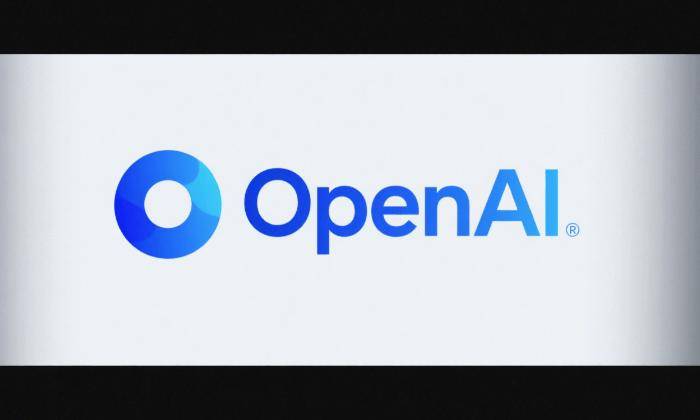
Core Insights - Nvidia and Nokia have announced a strategic partnership to integrate Nvidia's AI technology into Nokia's RAN products, enabling telecom service providers to deploy AI-supported 5G-A and 6G networks [1][6] - Nvidia will invest $1 billion in Nokia at a subscription price of $6.01 per share, making it Nokia's second-largest shareholder [1] - Following the announcement, Nokia's stock surged by 23%, reaching a nearly ten-year high, while Nvidia's market capitalization surpassed $5 trillion for the first time [2][5] Group 1: Partnership Details - The collaboration will introduce commercial-grade AI-RAN products into Nokia's RAN portfolio, enhancing the capabilities of telecom networks [1][19] - Nvidia's investment signifies a strong commitment to the partnership, positioning both companies to leverage their respective strengths in AI and telecommunications [1][11] - The partnership aims to optimize spectrum utilization and reduce energy consumption in RAN, which currently accounts for approximately 1.5% to 2% of global energy consumption [18] Group 2: Market Context - The global RAN market is projected to exceed $200 billion by 2030, with AI-RAN being a significant growth area [13] - Over 250 companies, including major players like Apple and Samsung, have licensed Nokia's patented technology, highlighting Nokia's strong position in the telecommunications sector [7] - Nokia's extensive patent portfolio, including over 7,000 essential patents for 5G standards, reinforces its critical role in the industry [6][7] Group 3: Future Outlook - The AI-RAN alliance, co-founded by Nvidia and other tech giants, aims to drive the integration of AI with next-generation communication technologies [16][22] - The partnership will facilitate the development of applications such as autonomous driving and real-time decision-making capabilities, enhancing the overall network experience [20][19] - As the industry moves towards AI-native 6G communication, the collaboration between Nvidia and Nokia positions them at the forefront of this technological evolution [21][22]


AI“最高潮”时间表来了?OpenAI考虑最早2026年下半年交表,27年上市,估值1万亿美元
华尔街见闻· 2025-10-30 09:33
Core Viewpoint - OpenAI is considering an IPO with a valuation of up to $1 trillion, aiming to submit its application to regulators by the second half of 2026 and officially list in 2027 [1][2]. Financial Needs and Market Context - The initial fundraising target for the IPO is at least $60 billion, reflecting the company's significant capital requirements [2]. - OpenAI expects to consume $115 billion by 2029, while its revenue for this year is projected to be only $13 billion, indicating a substantial funding gap [4][9]. - The current market environment is favorable for AI companies, as evidenced by CoreWeave's recent IPO and Nvidia's market capitalization exceeding $5 trillion, creating a conducive backdrop for OpenAI's potential listing [7]. Company Structure and Strategy - OpenAI has restructured to reduce its dependency on Microsoft, which invested $13 billion and holds approximately 27% of the company [3][8]. - The restructuring involved converting early investors' investments into common equity and removing financial return caps, enhancing appeal to public market investors [16]. Technological and Operational Goals - OpenAI's internal roadmap includes having an automated AI research intern running on hundreds of thousands of GPUs by September 2026, and a fully automated AI researcher by March 2028 [12]. - The company plans to invest approximately 30 gigawatts in computing power, with total ownership costs projected at around $1.4 trillion over the coming years [14]. Competitive Landscape - The IPO is seen as crucial for OpenAI to secure necessary funding to compete against rivals like Google and xAI [10].
孙正义成日本新首富!曾押中马云的他,豪赌AI获248%财富暴涨
Sou Hu Cai Jing· 2025-10-30 07:49
Core Insights - Masayoshi Son's net worth surged by 248%, reaching $55.1 billion, making him the new richest person in Japan, surpassing Uniqlo's founder Tadashi Yanai [1][3] - This dramatic increase in wealth is attributed to Son's significant investments in AI, particularly a $30 billion bet on OpenAI, which was largely financed through stock pledges and bank loans [3][6] - Son's strategy includes a comprehensive approach to AI, integrating ARM's chip technology with AI models, and a recent acquisition of ABB's robotics unit for $5.375 billion [6][7] Investment Strategy - Son's investment in OpenAI has positioned SoftBank with substantial influence in the AI sector, outpacing competitors like Microsoft [3][6] - The integration of ARM's architecture, which dominates 90% of mobile chips, with AI chip design is a key part of SoftBank's strategy [3][6] - Son's previous experience with Nvidia, where he sold a 5% stake for $4 billion in 2019, highlights the potential for missed opportunities in tech investments [3][6] Market Dynamics - The shift from traditional industries, exemplified by Yanai's steady success with Uniqlo, to tech-driven wealth accumulation reflects the changing landscape of wealth generation in the AI era [10][11] - Son's approach underscores the importance of early positioning and risk-taking in capitalizing on emerging technologies [10][11] - The ongoing evolution of AI presents numerous opportunities across the entire value chain, from chips to applications, indicating a robust market for future investments [11]


英特尔电话会:与英伟达的战略合作将通过NVLink技术开辟市场,芯片产能紧张预计持续到2026年
美股IPO· 2025-10-30 07:22
Core Insights - Intel's strategic partnership with NVIDIA aims to leverage NVLink technology to develop multiple generations of new products for cloud services, enterprise, and consumer markets, creating new incremental market opportunities [1][7] - Intel's Q3 2025 revenue reached $13.7 billion, exceeding guidance, with a 6% quarter-over-quarter growth, and a non-GAAP EPS of $0.23, significantly above analyst expectations [3][22] - The company faces capacity constraints, particularly in Intel 10 and Intel 7 nodes, which are expected to persist until 2026, limiting its ability to meet demand in data center and client products [3][5][8] AI-Driven Demand and Strategic Cooperation - The growth in Intel's performance is primarily driven by the accelerated construction of AI infrastructure, which is boosting demand for traditional computing [7][21] - The adoption rate of AI PCs is increasing, with an estimated 100 million units expected to ship by the end of the year [7][22] - Intel's CEO emphasized that the collaboration with NVIDIA is not about competing in existing markets but rather about opening new incremental markets [7][49] Capacity Constraints and Capital Expenditure Strategy - Intel is actively managing its supply chain by prioritizing wafer capacity for server products and accelerating the transition to Intel 18A and more advanced processes [6][8] - The company plans to maintain a disciplined capital expenditure strategy, with a total investment of approximately $18 billion in 2025, focusing on customer commitments before increasing capacity [8][29] - Despite strong demand, Intel's capital expenditure remains cautious, with Q3 capital spending at $3 billion and a focus on improving operational efficiency [22][29] Financial Performance and Profitability Concerns - Intel's Q3 non-GAAP gross margin was 40%, exceeding guidance by 4 percentage points, driven by higher revenue and a favorable product mix [9][22] - The company expects gross margin to decline to approximately 36.5% in Q4 due to initial ramp-up costs of new products and the impact of the Altera spin-off [9][22] - Long-term gross margin improvement is tied to product competitiveness and cost structure, with ongoing efforts to enhance product offerings in the data center segment [9][10] New Collaborations and Financial Impact - Strategic partnerships with NVIDIA, SoftBank, and government funding have significantly improved Intel's cash position, with $30.9 billion in cash and short-term investments as of Q3 [11][23] - These collaborations not only provide financial support but also create strategic business opportunities, particularly in AI infrastructure [11][23] - Intel's CFO highlighted that the partnerships are expected to enhance the company's financial flexibility and confidence in executing its strategy [11][23] Advanced Process Development and Future Outlook - Intel is making steady progress on its Intel 18A process, with plans to launch it this year, while also advancing the development of Intel 14A [17][18] - The company is optimistic about the long-term demand for wafer capacity and advanced packaging services, driven by the rapid expansion of AI infrastructure [27][19] - Intel's focus on ASIC and design services aims to expand its x86 IP influence and cater to external customer needs [15][18]