三生国健

Search documents
创新药出海热潮下 这家药企为何收回对外授权
Di Yi Cai Jing· 2026-01-07 09:48
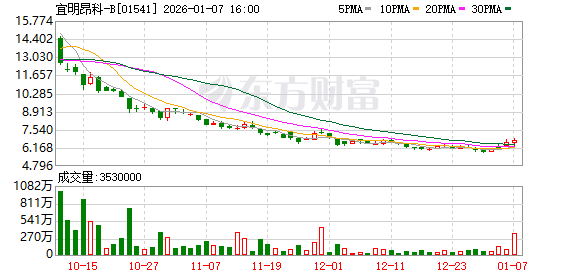
Core Viewpoint - The company Yiming Oncology (01541.HK) has decided to terminate its licensing agreement with Axion for the development and commercialization rights of two products, IMM2510 and IMM27M, outside Greater China, reclaiming all rights previously granted [2][3]. Group 1: Termination of Licensing Agreement - Yiming Oncology announced the termination of its licensing agreement with Axion on January 6, 2026, which included the global development and commercialization rights for IMM2510 and IMM27M outside Greater China [2]. - The initial collaboration began in August 2024, with the agreement valued at over $2 billion [2]. Group 2: Financial Implications - The termination of the agreement does not affect the $35 million upfront and milestone payments already received from Axion [3]. - The company expressed confidence in the therapeutic potential of IMM2510 and IMM27M and aims to accelerate their clinical development [5]. Group 3: Reasons for Reclaiming Rights - The CEO of Yiming Oncology stated that the collaboration with Axion had been positive, but clinical progress was slow due to funding pressures, prompting shareholders to suggest reclaiming the overseas rights [3]. - The complexity of negotiating with both Axion and potential partners hindered business development efforts, which the company hopes to simplify by reclaiming the rights [5]. Group 4: Market Context - The PD-1/VEGF dual antibody market has seen significant activity, with other companies securing large licensing deals, such as $1.25 billion for a similar product from a Chinese company [4]. - The market environment in early 2025 was characterized by high transaction prices for PD-1/VEGF deals, which may have influenced the decision to reclaim the rights [5].

创新药出海热潮下,这家药企为何收回对外授权
Di Yi Cai Jing· 2026-01-07 09:37
Core Viewpoint - The company Yiming Anke has decided to terminate its licensing agreement with Axion for two drug candidates, IMM2510 and IMM27M, and will reclaim all rights previously granted to Axion, including global development and commercialization rights outside Greater China [1] Group 1: Licensing Agreement Details - The initial licensing agreement with Axion began in August 2024, with a collaboration amount exceeding $2 billion [1] - Yiming Anke has received a total of $35 million in upfront and milestone payments from Axion prior to the termination of the agreement [1] Group 2: Reasons for Termination - The CEO of Yiming Anke stated that the collaboration with Axion had been pleasant, but the slow clinical progress due to funding constraints led to the decision to reclaim the rights [1] - Shareholders had been advising the company to reclaim the overseas rights for the two products, making this an opportune moment for the company [1] Group 3: Product Information - IMM2510 is a PD-L1/VEGF bispecific antibody, which is a significant target in tumor immunotherapy, and its potential to disrupt the PD-1 market is highly anticipated [2] - The market for PD-1/VEGF bispecific antibodies has seen increased activity since 2024, with notable deals such as the $1.25 billion upfront payment received by a competitor for a similar product [2] Group 4: Future Plans - Yiming Anke expressed confidence in the therapeutic potential of IMM2510 and IMM27M and aims to accelerate their clinical development [3] - The company plans to seek new business development partnerships with large multinational pharmaceutical companies, which will be simplified by reclaiming the rights from Axion [3]
一湘企2025年净利润或达30亿元
Chang Sha Wan Bao· 2026-01-06 09:29
Core Viewpoint - Over 60 companies in the A-share market have forecasted their 2025 performance, with more than 80% expecting positive results, driven by macroeconomic recovery and industrial upgrades [1][2]. Group 1: Company Performance Forecasts - Hunan-based company Hualing Steel expects a net profit of 2.6 billion to 3 billion yuan for 2025, representing a year-on-year growth of 27.97% to 47.66% [1]. - Zijin Mining anticipates a net profit of 51 billion to 52 billion yuan for 2025, reflecting a year-on-year increase of approximately 59% to 62%, primarily due to rising sales prices of gold, copper, and silver [1][2]. - Luxshare Precision forecasts a net profit of 16.52 billion to 17.19 billion yuan for 2025, with a growth rate of 23.59% to 28.59% [2]. - AVIC Heavy Machinery expects a net profit of 11.5 billion yuan for 2025, showing a year-on-year growth of 11.06% [2]. Group 2: Loss Forecasts - Moer Technology is projected to incur a loss of 116.8 million to 73 million yuan in 2025, while Muxi Co. anticipates a loss of 76.3 million to 52.7 million yuan [2]. - Both Moer Technology and Muxi Co. are newly listed on the Sci-Tech Innovation Board and are recognized as "domestic GPU first and second stocks," respectively, despite their current losses [2]. Group 3: Industry Trends - The performance of companies is concentrated in sectors such as materials and mining, new materials, electronic communications, and consumer services, indicating a trend towards hard technology enterprises benefiting from core technological barriers [1]. - The steel industry, represented by Hualing Steel, is undergoing a deep adjustment phase, focusing on "reduction development and stock optimization," with ongoing supply-demand contradictions [3].



生物制品板块1月6日涨0.55%,辽宁成大领涨,主力资金净流出4.26亿元
Zheng Xing Xing Ye Ri Bao· 2026-01-06 09:00
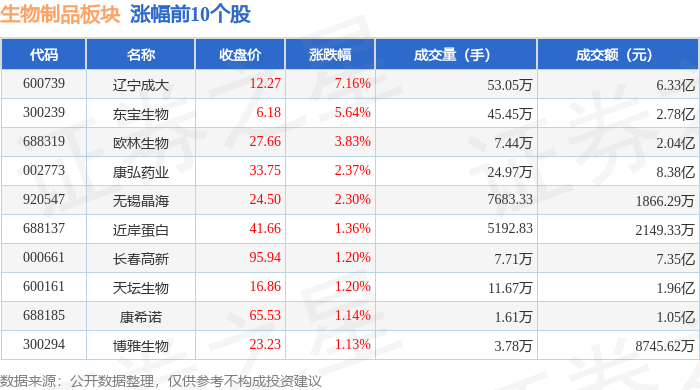
Market Performance - The biopharmaceutical sector increased by 0.55% on January 6, with Liaoning Chengda leading the gains [1] - The Shanghai Composite Index closed at 4083.67, up by 1.5%, while the Shenzhen Component Index closed at 14022.55, up by 1.4% [1] Individual Stock Performance - Liaoning Chengda (600739) closed at 12.27, with a rise of 7.16% and a trading volume of 530,500 shares, amounting to a transaction value of 633 million yuan [1] - Dongbao Biological (300239) closed at 6.18, up by 5.64%, with a trading volume of 454,500 shares and a transaction value of 278 million yuan [1] - Olin Biological (616889) closed at 27.66, increasing by 3.83%, with a trading volume of 74,400 shares and a transaction value of 204 million yuan [1] - Kanghong Pharmaceutical (002773) closed at 33.75, up by 2.37%, with a trading volume of 249,700 shares and a transaction value of 838 million yuan [1] Capital Flow Analysis - The biopharmaceutical sector experienced a net outflow of 426 million yuan from institutional investors, while retail investors saw a net inflow of 323 million yuan [2] - The net inflow from speculative funds was 104 million yuan [2] Detailed Capital Flow for Selected Stocks - Liaoning Chengda had a net inflow of 34.37 million yuan from institutional investors, while it faced a net outflow of 18.32 million yuan from retail investors [3] - Dongbao Biological saw a net inflow of 21.29 million yuan from institutional investors, with a net outflow of 13.16 million yuan from retail investors [3] - Tian Tan Biological (600161) had a net inflow of 18.06 million yuan from institutional investors, with a net outflow of 10.02 million yuan from retail investors [3]



从“答好题”到“树标杆”——上海淬炼国际一流营商环境赋能高质量发展
Xin Hua Wang· 2026-01-04 02:45
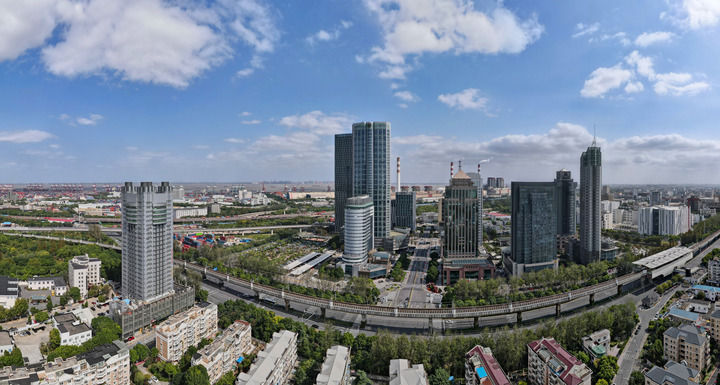
Core Viewpoint - The new version of the Shanghai Business Environment Optimization Regulations, effective January 1, 2026, represents a significant step in enhancing the business environment in Shanghai, aiming to support the city's development as a global financial and innovation hub [1][14]. Group 1: Business Environment Improvements - The Shanghai business environment has evolved from "point breakthroughs" to "ecological construction," focusing on market-oriented, legal, and international standards to enhance the experience of enterprises [3][4]. - By the end of 2025, all 58 tasks of the 8.0 version of the Shanghai Business Environment Optimization Plan were implemented, with 22 indicators achieving global best levels according to World Bank assessments [4]. - Key initiatives include the launch of a unified planning resource system, a "five-in-one" construction acceptance process, and significant reductions in customs clearance times for medical devices [4][11]. Group 2: Support for Innovation and Technology - Shanghai has seen a surge in technology companies, with notable IPOs such as Muxi Co., which focuses on high-performance GPU chips, and the establishment of a supportive policy framework for high-growth enterprises [9][10]. - The Shanghai government has created a "tropical rainforest" innovation ecosystem, fostering collaboration among leading AI companies and enhancing the overall technological landscape [10]. - The establishment of three major industry mother funds, totaling approximately 89 billion yuan, aims to support sectors like integrated circuits, biomedicine, and artificial intelligence [10]. Group 3: Financial Sector Developments - The approval of foreign asset management companies, such as AIA and Hualian, marks a significant advancement in Shanghai's financial sector, reflecting the city's commitment to high-level financial openness [14]. - The Shanghai Financial Regulatory Bureau's rapid approval process exemplifies the city's efficiency in enhancing its financial ecosystem [14]. Group 4: Systematic and Inclusive Growth - The focus on creating a friendly and adaptable industrial ecosystem is a key action in Shanghai's new round of business environment construction, emphasizing long-term commitment and human-centered design [5][11]. - The city has implemented measures to ensure that small and medium-sized enterprises (SMEs) can thrive, including seamless financing solutions and regulatory support [11][16].
创新药BD交易火热 2026年热潮能否持续?
Xin Hua Cai Jing· 2025-12-31 13:50
Core Viewpoint - The innovative pharmaceutical sector is expected to perform well in 2026, driven by strong business development (BD) activities and supportive industrial policies, despite recent market adjustments [1][4]. Group 1: Market Performance - The Hong Kong innovative drug index has seen a year-to-date increase of nearly 70%, with individual stocks like Shuyou Shen and Sanofi Biopharma doubling in price [1][2]. - In the A-share market, stocks such as Shuyou Shen and Sanofi Biopharma have also experienced significant gains, with Shuyou Shen's price soaring nearly 7 times at one point [2]. - The Hong Kong stock market has welcomed over 20 pharmaceutical companies this year, with notable first-day performances, including a nearly 300% increase for Yinnuo Pharmaceutical [2][3]. Group 2: Business Development (BD) Trends - The number of BD projects in the Chinese innovative drug sector reached 166 by December 5, 2025, marking an increase of 54 projects from the previous year [4]. - The total amount of BD transactions has reached $141.97 billion, a growth of over 136.8% compared to 2024, with upfront payments totaling $6.3 billion, up by over 199% [4][5]. - Major deals include a $13 billion transaction between Qiguang Dekang and Biohaven, and a collaboration between Sanofi Biopharma and Pfizer worth up to $48 billion [4][5]. Group 3: Future Outlook - Analysts predict that the innovative drug sector will continue to thrive in 2026, with a shift in focus from quantity to value in BD transactions [7]. - The industry is expected to see a selection of high-quality companies emerge as leaders, supported by a stable policy environment and improved market confidence [7][8]. - The innovative drug sector is anticipated to remain a core focus within the pharmaceutical industry, with significant benefits expected for related sectors such as CXO [7][8].
2023年中国白介素行业调研简报-20251231
Tou Bao Yan Jiu Yuan· 2025-12-31 12:19
Investment Rating - The report does not explicitly state an investment rating for the interleukin industry Core Insights - The interleukin family consists of various cytokines that play significant roles in immune regulation, inflammation, and cancer, with many related drugs and clinical pipelines in development [4][5] - The IL-12 and IL-23 cytokines are crucial in immune modulation and have become important therapeutic targets for autoimmune diseases such as psoriasis and Crohn's disease [9][10] - The market for IL-4Rα drugs in allergic diseases is expanding, with two main drugs approved in China for treating allergic asthma and other conditions [16] - IL-1β inhibitors are gaining traction in gout treatment, with a notable increase in patient numbers projected for high uric acid levels and gout by 2030 [23][25] - Artificial intelligence is enhancing drug development processes across various stages, significantly reducing the time required for drug discovery and optimization [31][32] Summary by Sections Interleukin Family Overview - The interleukin family includes multiple members categorized into several groups, each with distinct roles in immune response and disease [3][4] - Key interleukins such as IL-1, IL-2, IL-6, IL-10, and IL-17 are involved in autoimmune and inflammatory diseases, with existing drugs and clinical pipelines targeting these cytokines [5] Market Status of IL-12/IL-23 - Several drugs targeting IL-12 and IL-23 have been approved for treating autoimmune diseases, with notable examples including Ustekinumab and Guselkumab [8][10] - The first fully human monoclonal antibody targeting IL-12/IL-23, Iroquois, is set to launch in 2025 for moderate to severe plaque psoriasis [10] IL-4 in Allergic Diseases - Two IL-4Rα drugs have been approved in China for allergic diseases, with Dupilumab included in the national medical insurance list [16] - The report outlines ongoing clinical trials for additional IL-4Rα therapies targeting various allergic conditions [17] IL-1β Inhibitors in Gout Treatment - The report highlights the increasing prevalence of high uric acid and gout, with projections indicating significant growth in patient numbers by 2030 [21][23] - The first IL-1β monoclonal antibody, Canakinumab, has been approved for gout treatment, with a projected global sales figure of $1.5 billion by 2024 [25] Role of Artificial Intelligence in Drug Development - AI is transforming drug discovery by streamlining processes and improving efficiency, reducing the time for lead compound optimization from approximately 65 months to 30 months [32] - The integration of AI in drug development enhances the accuracy of personalized medicine and accelerates the identification of effective drug candidates [31][32]
“叫停”港股IPO后发债百亿,百利天恒融资“补血”
阿尔法工场研究院· 2025-12-30 00:02
Core Viewpoint - The article discusses the strong recovery of the innovative drug sector in Hong Kong and A-share markets in 2025, highlighting the performance of companies like BaiLi TianHeng and the implications of its debt financing plan [3][5]. Group 1: Company Performance - BaiLi TianHeng's stock price has surged over 10 times since its listing, reflecting strong market interest [5]. - The company plans to issue debt financing tools worth up to 100 billion RMB to support its operations, including R&D, debt repayment, and potential acquisitions [7]. - In 2024, BaiLi TianHeng reported a significant revenue of 58.23 billion RMB and a net profit of 37.08 billion RMB, largely due to an 800 million USD upfront payment from a partnership with BMS [9]. Group 2: Financial Situation - The company experienced a net loss of 4.95 billion RMB in the first three quarters of 2025, following the decline of one-time licensing revenue [9]. - BaiLi TianHeng's cash flow from operating activities was negative at -18.92 billion RMB for the same period, indicating high reliance on external funding [11]. - R&D expenditures reached 17.72 billion RMB in the first three quarters of 2025, a 90.23% increase year-on-year, accounting for 85.79% of revenue [11]. Group 3: Market Strategy - The company attempted to go public in Hong Kong to establish an A+H dual financing platform but delayed its IPO due to unfavorable market conditions [11][12]. - Following the unsuccessful IPO, BaiLi TianHeng shifted focus to debt financing to alleviate funding pressures [12]. - The stock price fell by 2.95% on December 29, indicating market skepticism regarding the company's future performance [12].

医药行业2026年度策略报告:产业趋势明确,创新药产业链是2026年医药板块主线-20251229
HUAXI Securities· 2025-12-29 12:01
Group 1 - The core investment theme for the pharmaceutical sector in 2026 is the innovation drug industry chain, with a clear trend towards international business development and accelerated commercialization of domestic products [2][3]. - The CXO sector is experiencing continuous improvement in performance and orders, supported by favorable financing conditions that benefit the industry's upward trajectory [3]. - The medical device sector is focusing on two main lines: international expansion and innovation [3]. Group 2 - The latest trends in medical insurance show a decline in total expenditure for the first ten months of 2025, amounting to 1,903.6 billion yuan, a year-on-year decrease of 1% [5][7]. - The total income of the medical insurance fund for the same period reached 2,352 billion yuan, with a year-on-year growth of 2%, indicating a slowdown in income growth [7][11]. - The number of medical insurance beneficiaries and hospitalization cases continues to grow, with 6.07 billion total beneficiaries in 2024, a year-on-year increase of 18% [11]. Group 3 - The average medical insurance cost per visit decreased in 2024, with the average cost for employees at 629 yuan (down 10%) and for residents at 351 yuan (down 12%) [15]. - The average hospitalization cost also saw a decline, with employees averaging 11,707 yuan (down 3.8%) and residents at 7,408 yuan (down 3.5%) [15]. Group 4 - The Chinese pharmaceutical industry is witnessing a significant increase in license-out transactions, with over 100 deals completed in 2025, totaling more than 110 billion USD [21][32]. - The number of license-out transactions involving upfront payments exceeding 100 million USD has also risen, indicating a growing interest from global pharmaceutical companies in Chinese innovations [21][32]. - The ADC (Antibody-Drug Conjugate) market is expanding rapidly, with a projected market size exceeding 16 billion USD in 2025, driven by several successful product launches [38]. Group 5 - The Chinese government is actively supporting the innovation drug sector through various policies aimed at enhancing accessibility and encouraging high-quality innovation [16][18]. - The proportion of medical insurance spending on innovative drugs is steadily increasing, with 149 innovative drugs included in the insurance coverage over the past seven years [90][94]. - The average price reduction for innovative drugs during negotiations with the national medical insurance has been around 60%, with some drugs seeing reductions as high as 94% [88][94].


年末换帅潮起!多家上市药企12月密集调整核心管理层
Zhong Guo Jing Ji Wang· 2025-12-29 09:15
Group 1 - In December, several leading pharmaceutical companies experienced significant executive changes, including Guoyao Holdings, BeiGene, and Zhendong Pharmaceutical [1][2] - Kexin Pharmaceutical announced the election of Li Hongfu as the chairman of its fourth board of directors on December 1 [1] - Kang En Bei reported that Jiang Yi resigned from multiple positions, including chairman, on December 6 due to work adjustments [1] Group 2 - WuXi AppTec appointed Tian Feng as the CEO and executive director, effective December 29, 2025 [2] - Alibaba Health announced the resignation of Zhu Shunyan as non-executive director and chairman, with current CEO Shen Difan taking over as chairman [2] - Sangfor Technologies reported the resignation of core technical personnel, Weng Zhibing, from all positions in its wholly-owned subsidiary on December 16 [2] Group 3 - Zhendong Pharmaceutical announced that Yang Lianmin resigned from his positions due to reaching retirement age on December 18 [2] - BeiGene appointed Dr. Wang Lai as president and global head of R&D, effective December 19 [2] - Guoyao Holdings announced Jin Bin as the new chairman on December 19, following the resignation of Zhao Bingxiang [2] Group 4 - Shijiazhuang Pharmaceutical Group reported that Zhang Cuilong stepped down from multiple roles, while Cai Lei was appointed as vice chairman and CEO on December 19 [3] - Weichuang Bio announced the appointment of Li Jianxun as general manager, while Chairman Lu Xianping stepped down from the general manager role on December 23 [3] - Shandong Pharmaceutical Glass reported that Chairman Hu Yonggang resigned from all positions due to age, with General Manager Zhang Jun taking over the chairman's responsibilities on December 24 [3]