卡游

Search documents
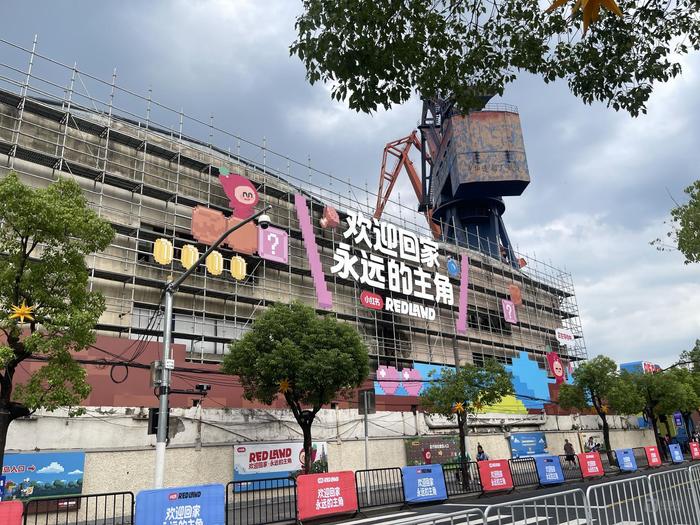
当二次元向世界“打直球”,互联网大厂与地方政府都想接住
Tai Mei Ti A P P· 2025-08-17 03:11
Core Insights - The article discusses the evolution of the "二次元" (2D) culture in China, highlighting its transition from a niche interest to a mainstream phenomenon, particularly on platforms like Xiaohongshu (Little Red Book) [2][3][4] - Xiaohongshu has rebranded itself from a "lifestyle guide" to an "interest community," emphasizing user engagement based on shared interests rather than just practical content [3][4] - The rise of the "2.5D" culture reflects a more open and optimistic attitude among younger generations, contrasting with the previous generation's more insular approach [5][6][7] Xiaohongshu's Growth and Strategy - Xiaohongshu's game user MAU surpassed 110 million, with daily exposure of game notes exceeding 2 billion and nearly 1 billion daily reads [2] - The fastest-growing content categories on Xiaohongshu over the past year were "二次元" and gaming, with year-on-year growth rates of 175% and 168%, respectively [2] - The platform's recent large-scale offline event for gaming and "二次元" marks a significant shift in its branding and community engagement strategy [2][3] Cultural Shifts and Market Dynamics - The article notes a generational cultural shift, where the new generation of "二次元" enthusiasts is more accepted and supported by society compared to their predecessors [6][7] - The "二次元" culture has evolved from being a foreign import to a more localized and positive narrative, with a focus on community and shared experiences [7] - The gaming industry continues to thrive, with the domestic market achieving actual sales revenue of 168 billion yuan in the first half of the year, a 14.08% year-on-year increase [20][21] Competitive Landscape - Xiaohongshu is positioning itself to compete with established platforms like Bilibili and Weibo in the "二次元" space, leveraging its large user base and community-driven content [15][21] - The article highlights the importance of government support for the growth of "二次元" culture, with cities competing to become digital content hubs [10][15] - The presence of major gaming IPs at Xiaohongshu's events indicates a strategic move to attract industry partnerships and enhance its market presence [9][21]

黄益平:如何打破低价内卷?|宏观经济
清华金融评论· 2025-08-16 09:31
Core Viewpoint - The article emphasizes the importance of brand development in the digital economy, highlighting two main paths: enhancing product quality and providing emotional experiences to consumers [1]. Group 1: Consumer Spending and Economic Growth - A significant challenge for the Chinese economy is to expand consumption, increase its share in GDP, and enhance its contribution to economic growth. Currently, only about 56 yuan out of every 100 yuan of GDP is used for consumption, which is approximately 20 yuan less than the international average [3]. - The low consumption ratio not only affects the quality of life but may also lead to oversupply and excess capacity issues. Additionally, there is a phenomenon of consumption downgrade, where the quality of consumer goods is declining [3]. Group 2: Quality Indicators and Market Dynamics - There is currently no effective indicator to reflect the quality of consumer goods. The CPI index has remained around -0.1%, which may indicate quality issues, but price does not always correlate with quality due to market supply and demand complexities [4][9]. - The "lemon market" concept by Nobel laureate George Akerlof illustrates the consequences of information asymmetry, where buyers focus on price rather than quality due to the difficulty in obtaining quality information [5]. Group 3: Solutions to Information Asymmetry - To address the lemon market problem, it is crucial to provide consumers with more information about product quality. This approach is applicable not only to the second-hand car market but also to other consumer goods, especially in e-commerce [6]. - A recent study developed two indices and a ranking system to inform consumers about brand quality and purchasing power, aiming to enhance the understanding of product quality alongside price [6][10]. Group 4: Brand Index Findings - The online consumer brand index in China has been slowly rising, indicating that consumption downgrade is not a universal phenomenon. Different industries show significant disparities in brand index values, with sectors like 3C, furniture, and beauty products having higher brand recognition compared to women's clothing [10][12]. - The average brand index is higher in new first-tier and second-tier cities compared to first-tier cities like Beijing and Shanghai, suggesting regional differences in brand perception and consumer behavior [10][13]. Group 5: Consumer Behavior and Economic Implications - The study found that cities with a higher proportion of migrant workers tend to have a higher brand purchasing power index but a lower average brand index, indicating a complex relationship between labor demographics and consumer preferences [14][15]. - The research also highlights that cities with stable populations tend to have higher average brand indices, while those experiencing significant population outflows may struggle with brand recognition and consumer spending [15]. Group 6: Emerging Brands and Consumer Trends - The study identified several emerging brands that resonate with younger consumers, such as Pop Mart and products catering to pet care, indicating a shift in consumer preferences towards quality and experience rather than just price [16]. - The overall conclusion stresses the need to focus on product quality information rather than solely on price signals, as brand importance is particularly pronounced in the digital economy [16].
高瓴入局,一张小卡片撬动数亿元融资,“闪魂”能否用游戏IP重构卡牌赛道?
3 6 Ke· 2025-08-14 11:48
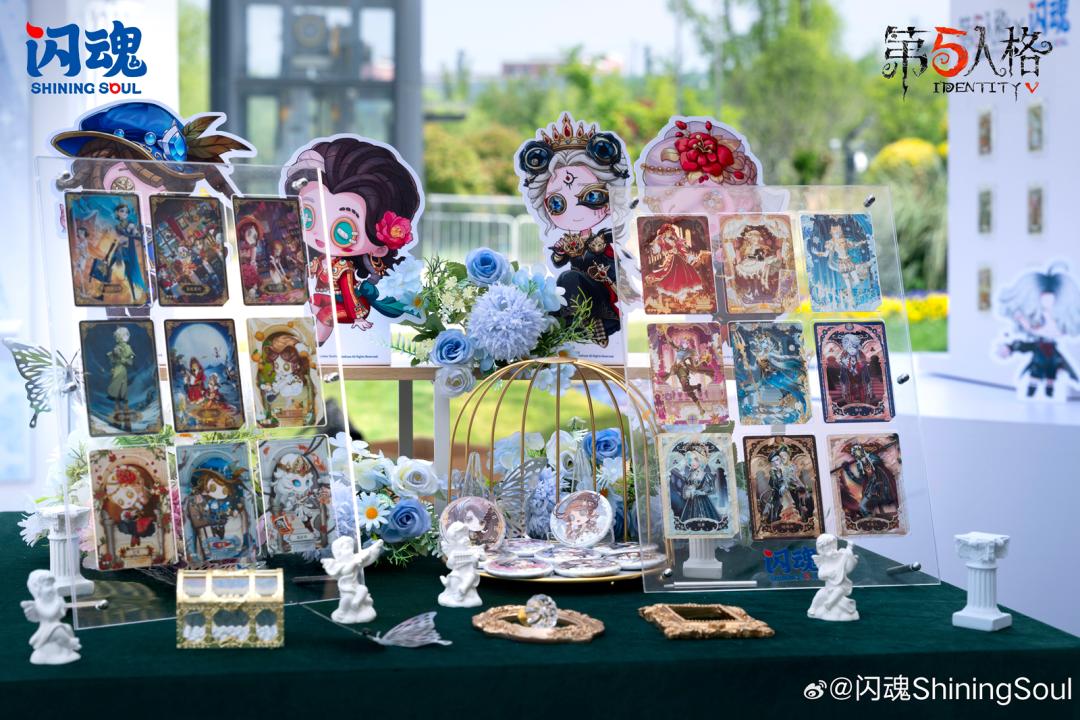
Core Insights - ShiningSoul, a cultural technology brand under Shanghai Zhenyouqu, has successfully completed a multi-hundred million RMB Series A financing round led by Hillhouse Capital, with participation from Gao Rong Capital and Kaihui Fund, and Guoyuan Capital as the exclusive financial advisor [1] - The card game industry in China is experiencing a significant boom, particularly among the younger generation, with the market for pan-entertainment toys expected to reach 101.8 billion RMB in 2024, maintaining a compound annual growth rate (CAGR) of 15.8% from 2024 to 2029 [1] - ShiningSoul's focus on game IPs positions it well within the collectible trading card game (TCG) sector, which is projected to grow at a CAGR of 56.6% from 2019 to 2024 [1] Company Overview - ShiningSoul was co-founded by Yao Shuo Bin, chairman of Yaoji Technology, and industry veteran Sheng Chuan, who serves as CEO. The company was registered in March 2023 and unveiled its brand in November of the same year [1][2] - The company has quickly gained traction with its card series based on popular IPs such as "Identity V" and has sold out its initial stock within 26 days [4] Market Dynamics - The success of ShiningSoul's card products is attributed to the strong emotional connection players have with game IPs, which enhances their willingness to purchase physical cards [4][5] - The TCG market is particularly appealing to younger consumers, including elementary school students, who have increased purchasing power [5] Strategic Plans - Following the recent financing, ShiningSoul plans to accelerate its strategic initiatives, focusing on establishing deeper and longer-term partnerships with top global IPs and expanding its presence in key markets such as North America, Europe, and Southeast Asia [5][6] Competitive Landscape - The card game sector is witnessing a shift towards emphasizing competitive attributes, with ShiningSoul launching products like "Runeterra: League of Legends Card Game" to tap into the competitive gaming market [7] - Other companies in the sector, such as KAYOU, are also experiencing significant growth, with KAYOU reporting a revenue increase of 277.8% year-on-year in 2024 [6][9] Consumer Engagement - The integration of collection, competition, and social interaction within TCGs is driving consumer engagement and attracting capital investment, highlighting the potential for sustained growth in the sector [6][9]
高瓴入局! 一张小卡片撬动数亿元融资 闪魂能否用游戏IP重构卡牌赛道?
Sou Hu Cai Jing· 2025-08-13 12:17
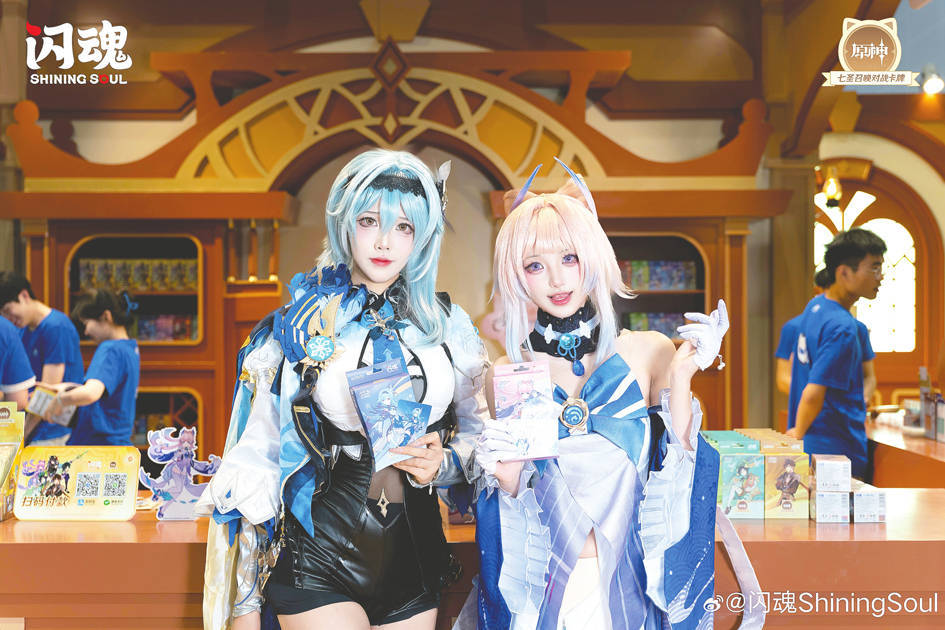
Core Viewpoint - ShiningSoul, a cultural technology brand under Shanghai Zhenyouqu, has successfully completed a financing round of several hundred million RMB, led by Hillhouse Capital, indicating strong investor confidence in the collectible card game (CCG) market and its growth potential in China [1][5]. Company Overview - ShiningSoul was co-founded by Yao Shuo Bin, chairman of Yaoji Technology, and industry veteran Sheng Chuan, with the brand officially launched in November 2023 after its registration in March [3][4]. - The company focuses on game IPs, leveraging popular franchises to create collectible card products, which have shown promising market reception [3][4]. Market Potential - The collectible card industry in China is experiencing significant growth, with a projected market size of 101.8 billion RMB in 2024 and an expected annual compound growth rate of 15.8% from 2024 to 2029 [3]. - The segment of trading card games (TCG) is particularly noteworthy, with a remarkable annual compound growth rate of 56.6% from 2019 to 2024 [3]. Product Success - ShiningSoul's collaboration with major IPs such as "Identity V" and "Genshin Impact" has resulted in several successful card series, with the "Identity V" series selling out within 26 days of launch [4][5]. - The emotional connection between players and game IPs enhances the willingness to purchase physical cards, as these products serve as tangible extensions of the gaming experience [5]. Competitive Landscape - The competitive landscape includes other major players like KAYOU, which has reported a staggering revenue growth of 277.8% year-on-year for 2024, highlighting the lucrative nature of the card game market [6]. - The rise of collectible cards among younger demographics, particularly elementary school students, indicates a strong and growing consumer base for TCGs [5][6]. Strategic Plans - Following the recent financing, ShiningSoul plans to deepen strategic partnerships with top global IPs and expand its presence in key markets such as North America, Europe, and Southeast Asia [5][6]. - The company aims to balance short-term explosive growth with long-term sustainability in the collectible card business, which is characterized by its blend of collection, competition, and social interaction [7].
一张小卡片撬动数亿元融资 “闪魂”能否用游戏IP重构卡牌赛道?
Mei Ri Jing Ji Xin Wen· 2025-08-13 06:50
Core Insights - ShiningSoul has successfully completed a financing round of several hundred million RMB, led by Hillhouse Capital, indicating strong investor confidence in the card game market [1] - The card game industry in China is experiencing a significant growth phase, particularly in collectible trading card games (TCG), which are projected to grow at a compound annual growth rate (CAGR) of 56.6% from 2019 to 2024 [1][5] - The strategic focus of ShiningSoul on leveraging popular game IPs is seen as a key factor for its market entry and potential success [2][4] Company Overview - ShiningSoul was co-founded by experienced figures in the card industry, including Yao Shuo Bin, chairman of Yaoji Technology, and CEO Sheng Chuan, who has extensive experience in the card sector [3] - The company was registered in March 2023 and launched its brand in November 2023, indicating a rapid development timeline [1] Market Dynamics - The collectible card game market is expected to reach a market size of 101.8 billion RMB by 2024, with a sustained growth rate of 15.8% from 2024 to 2029 [1] - The success of ShiningSoul's card series, particularly those based on popular games like "Identity V," demonstrates strong consumer demand, with initial sales leading to sellouts within 26 days [4] IP Strategy - ShiningSoul has partnered with major game IPs such as "Identity V," "Genshin Impact," and "Girls' Frontline," which are crucial for attracting players and driving sales [4][5] - The emotional connection between players and game IPs enhances the willingness to purchase physical card products, as players seek tangible representations of their favorite games [4] Competitive Landscape - The card game market is becoming increasingly competitive, with established players like Kayo and new entrants like ShiningSoul vying for market share [6][7] - Kayo's recent financial performance, including a 277.8% revenue growth and a 378.16% increase in adjusted net profit, highlights the lucrative nature of the card game sector [6] Future Outlook - ShiningSoul plans to accelerate its strategic initiatives post-funding, focusing on establishing deeper partnerships with top global IPs and expanding its market presence in North America, Europe, and Southeast Asia [5] - The integration of collectible, competitive, and social elements in TCGs presents significant growth potential, attracting both players and investors [7]
高瓴入局!一张小卡片撬动数亿元融资 “闪魂”能否用游戏IP重构卡牌赛道?
Mei Ri Jing Ji Xin Wen· 2025-08-13 05:33
Core Viewpoint - ShiningSoul, a cultural technology brand under Shanghai Zhenyouqu, has successfully completed a financing round of several hundred million RMB, led by Hillhouse Capital, indicating strong investor confidence in the collectible card game (CCG) market driven by popular game IPs [1][6]. Company Overview - ShiningSoul was co-founded by Yao Shuo Bin, chairman of Yaoji Technology, and veteran card industry player Sheng Chuan, with the brand being registered in March 2023 and first revealed in November 2023 [1][3]. - The company focuses on game IPs, aiming to capitalize on the growing popularity of collectible card games among younger audiences [1][2]. Market Potential - The broader market for pan-entertainment toys is projected to reach 101.8 billion RMB in 2024, with a compound annual growth rate (CAGR) of 15.8% from 2024 to 2029. The collectible card segment is expected to grow at a remarkable CAGR of 56.6% from 2019 to 2024 [1]. - The demand for collectible cards is particularly strong among elementary school students, who have increased purchasing power [5]. Product Strategy - ShiningSoul has launched card series based on high-profile IPs such as the British Library and popular games like "Identity V" and "Girls' Frontline: Cloud Plan," showcasing a strategic approach to product development [2][4]. - The initial success of the "Identity V" card series, which sold out within 26 days, highlights the effective alignment of product offerings with consumer interests [4]. Competitive Landscape - The card game market is characterized by significant competition, with companies like KAYOU also experiencing rapid growth, evidenced by a 277.8% year-on-year revenue increase in 2024 [7]. - The emphasis on competitive play in card games is becoming more pronounced, as companies shift focus from mere collection to gameplay, enhancing player engagement and community interaction [7][8]. Future Plans - Following the recent financing, ShiningSoul plans to accelerate its strategic initiatives, including deeper collaborations with top global IPs and expanding its presence in key markets such as North America, Europe, and Southeast Asia [6].
从全球视角看新型烟草发展趋势;跨行业比较,看个护行业投资框架;潮玩产业链研究框架
2025-08-07 15:03
Summary of Key Points from Conference Call Records Industry Overview - The records discuss trends in the **new tobacco industry**, **personal care industry**, and **trendy toy industry** [1][2][10][18]. New Tobacco Industry - The new tobacco industry is entering a rapid development phase, with major international players like Philip Morris International, British American Tobacco, and Japan Tobacco accelerating their efforts [10][11]. - New tobacco products are expected to account for over 40% of total revenue by 2025, driven by the decline of traditional tobacco consumption [12]. - The average selling price of new tobacco products is 2.3 times that of traditional cigarettes, contributing to revenue growth and reducing regulatory risks [12]. - Key products in the new tobacco sector include heated non-combustible products and oral tobacco, which are better suited for large companies due to lower regulatory pressures [14][15]. Personal Care Industry - Emerging brands are achieving rapid growth through multi-channel competition, product innovation, and adapting to market changes, exemplified by Baiya Co. in the sanitary napkin and toothpaste sectors [1][4]. - Baiya Co. launched a probiotic product that captured significant market share, with health-oriented products contributing over 60% of its revenue by Q1 2025 [1][4]. - The toothpaste market is favorable for companies like Dengkang, which is positioned to gain market share as foreign brands decline [7]. - Haoyue's acquisition of the Jieting brand has strengthened its product portfolio and market position in the sanitary napkin category [8]. Trendy Toy Industry - The trendy toy industry is shifting from material consumption to emotional consumption, with IP (intellectual property) and AI (artificial intelligence) as key development directions [2][20]. - Companies like Pop Mart have successfully expanded their product lines and achieved significant international sales growth, with overseas revenue expected to match domestic revenue by 2025 [25]. - The market for IP toys is characterized by emotional, social, and collectible values, which enhance consumer engagement and drive demand [21][22]. - The industry is seeing a rise in companies that excel in both IP creation and monetization, which is crucial for sustaining growth [28]. Additional Insights - The personal care industry is experiencing a transformation with increased consumer recognition of domestic brands, leading to new investment opportunities [2]. - The competitive landscape in the personal care sector is evolving, with companies focusing on innovative product offerings and effective channel strategies to capture market share [4][6]. - Regulatory risks in the new tobacco sector may negatively impact domestic white-label and private enterprises, while compliance products from established tobacco companies may benefit from stricter regulations [14]. This summary encapsulates the essential insights and trends from the conference call records, highlighting the dynamics within the new tobacco, personal care, and trendy toy industries.
国泰海通|轻工:潮玩谷子一级投融资概览:项目数量趋稳&资本流向“周边”
国泰海通证券研究· 2025-08-01 09:44
Core Insights - The潮玩谷子 (trendy toy) sector is experiencing rapid development, with the peak of investment projects in the primary market having passed, yet the number of projects remains relatively stable. The secondary market leaders are intensifying their efforts in related businesses [1] - Despite a decline in the number of investment events in the primary market since its peak, the sector has maintained stability, with 19, 9, and 11 investment events recorded in 2022, 2023, and 2024 respectively, and 11 events noted by July 10, 2025 [1] Investment Landscape - The investment layout in the潮玩谷子 sector can be categorized into three core directions: IP content, derivative products, and platform types. The derivative products direction is the most focused on, with projected shares of 60% for derivative products, 40% for IP content, and 0% for platform types in 2024 [2] - Investment institutions are increasingly participating in the潮玩谷子 sector, with their share of projects rising to 45% in 2024, alongside 45% from industry chain capital and 9% from other investments [2] Valuation Changes of Key Projects - Hitcard's valuation fluctuated, starting at 30 million yuan in 2021 and peaking at 500 million yuan in 2022, before dropping to 150 million yuan in 2024 [3] - Yiqi Culture saw rapid valuation growth, starting at 100 million yuan in 2022 and rising to 500 million yuan by February 2025 [3] - 52TOYS maintained a leading valuation in the sector, increasing from 75 million yuan in 2015 to 4.273 billion yuan by May 2025, with plans to enter the secondary market [3] - KAYOU's valuation reached 900 million USD in 2021, with plans to enter the secondary market as well [3] - Xingyue Holdings maintained a stable valuation of 1.5 billion yuan, also preparing for a secondary market entry [3]

国泰海通:潮玩投融资项目保持相对稳定 资本流向衍生品“周边”
Zhi Tong Cai Jing· 2025-08-01 09:07
Core Insights - The潮玩谷子 (trendy toys) sector is still rapidly developing, with a relatively stable number of investment projects in the primary market despite a decline from peak levels. The secondary market is seeing increased activity from players, including stationery and cultural enterprises, as well as IP holders [1][2]. Investment Trends - Investment in the潮玩谷子 sector peaked in the mid-2010s, with over 40 investment events annually from 2015 to 2018. However, the number of events has decreased since 2022, stabilizing at 19 in 2022, 9 in 2023, and 11 in 2024, with 11 recorded by July 10, 2025 [2]. - The investment landscape is divided into three core directions: IP content, derivative products, and platform-type enterprises. The derivative products segment is the most favored, with projected investment proportions of 60% for derivative products, 40% for IP content, and 0% for platform-type projects in 2024 [3]. Valuation Changes - Hitcard's valuation fluctuated, starting at 30 million yuan in 2021 and peaking at 500 million yuan in 2022, before dropping to 150 million yuan in 2024 [4]. - Yiqi Culture's valuation grew rapidly from 100 million yuan in 2022 to 500 million yuan by February 2025 [4]. - 52TOYS maintained a leading valuation in the sector, increasing from 75 million yuan in 2015 to 4.273 billion yuan by May 2025, with plans to enter the secondary market [4]. - KAYOU's valuation reached 900 million USD in 2021, with plans to enter the secondary market as well [4]. - Xingyue Holdings maintained a valuation of 1.5 billion yuan since 2021 and is preparing to enter the secondary market [5].

国盛证券:玩法+IP构成集换式卡牌核心要素 新型消费空间广阔
Zhi Tong Cai Jing· 2025-08-01 03:28
Core Insights - The trading card game (TCG) market is experiencing rapid global growth, with China's market expected to reach 26.3 billion yuan in 2024, significantly outpacing global growth rates [1][3] - The global TCG market is projected to grow from 14.95 billion USD in 2024 to 57.08 billion USD by 2033, with a year-on-year growth of 15.9% [2] Industry Overview - China's TCG market is currently the largest globally, with a market size of 26.3 billion yuan in 2024, reflecting a year-on-year increase of 110.4% [3] - The market is expected to reach 44.6 billion yuan by 2029, driven by rising disposable income and a growing consumer base of over 503 million people interested in IP-related products [3] Key Drivers - The TCG market's growth is fueled by both demand and supply dynamics, with increasing consumer willingness to spend on emotional value associated with IPs and a burgeoning domestic IP ecosystem [3] - The TCG industry chain in China is maturing, with active secondary market transactions stimulating further expansion in the primary market [3] Core Elements of TCG - TCGs are characterized by low prices, high premiums, and high repurchase rates, with unique gameplay mechanics enhancing consumer engagement [4] - Successful IPs in the TCG space often possess cultural significance, emotional value, and strong fan engagement, which are critical for market success [4] Investment Opportunities - Companies with rich IP reserves and significant channel advantages are recommended for investment, including: - Card Game: A leading player in the entertainment sector with a strong market share and a diverse IP matrix [5] - Yaoji Technology: Engaged in trading platforms and card production, with potential for growth in card distribution [5] - Aofei Entertainment: Known for its popular IPs, which can drive the success of card products [5] - Huali Technology: Benefiting from the TCG industry chain through sales of related equipment and IP cards [5]