大疆创新

Search documents
OPPOvivo杀进手持影像赛道,大疆慌不慌?
Xin Lang Cai Jing· 2025-09-30 14:07
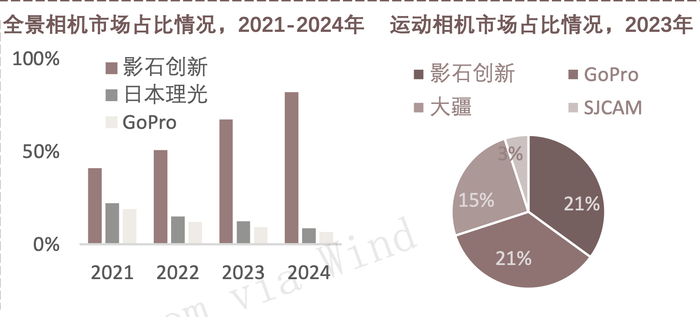
【#OPPOvivo杀进手持影像赛道#,大疆慌不慌?】当OPPO、vivo这两个手机圈的巨头,把目光投向手 持影像这块蛋糕时,业内调侃道,大疆的"好日子"或许要到头了。 当下,手持影像市场虽说竞争者不算少,但基本是"小圈子游戏"。根据头豹研究院分析,全球智能影像 设备市场呈现高度集中的竞争格局,影石创新、大疆创新以及美国的GoPro作为"前三甲"合计占据了 78.9%市场份额,而大疆则在手持智能影像设备市场拥有着绝对话语权。 来源:@究竟视频微博 近期,OPPO对市场传闻正式作出回应,称已启动新形态影像产品系列,计划于2026年内发布。而消息 人士对第一财经记者表示,vivo方面,相关产品线也已启动半年以上。"产品将对标GoPro、大疆等产品 主导手持智能影像设备。"该人士说。 但随着手机厂商的入局,这一长期由少数企业主导的市场平衡或将被打破,手持影像市场的竞争格局迎 来变数。 ...
大疆迎来“跨界”对手,OPPO等手机厂商为何攻入手持智能影像赛道?看看这利润率对比就知道了
Mei Ri Jing Ji Xin Wen· 2025-09-30 13:52
Core Viewpoint - DJI is facing intensified competition in the handheld imaging device market as smartphone manufacturers like OPPO are entering the space with new product lines aimed at competing with established brands like GoPro and DJI [1][5]. Group 1: Market Dynamics - The handheld smart imaging device market is projected to reach a size of 36.47 billion yuan in 2023, with an expected compound annual growth rate (CAGR) of approximately 12.9% from 2023 to 2027, potentially reaching 59.2 billion yuan by 2027 [3][4]. - The market is currently highly concentrated, with major players like Insta360, DJI, and GoPro holding a combined market share of 78.9% in 2024. Insta360's market share is expected to grow from 28.4% in 2023 to 35.6% in 2024, while GoPro's share is projected to decline from 38.2% to 30.1%, and DJI's share is expected to drop from 19.1% to 13.2% [4]. Group 2: Competitive Landscape - Smartphone manufacturers have inherent advantages in entering the handheld imaging device market due to their existing resources in lens selection, sensor technology, and imaging algorithms, as well as established customer bases and service networks [3][6]. - The entry of smartphone giants into the handheld imaging sector is seen as a strategic move to seek new growth avenues outside the saturated smartphone market, where growth has plateaued [5][6]. Group 3: Financial Performance - Insta360 has demonstrated significant growth, with revenue increasing from 850 million yuan in 2020 to 5.574 billion yuan in 2024, reflecting a CAGR of 60.02%. The company's gross margins for 2022, 2023, and 2024 are reported at 51.49%, 55.95%, and 52.20%, respectively [5]. - In contrast, smartphone manufacturers like Xiaomi have lower hardware profit margins, often below 5%, relying more on internet services for profitability. This highlights the attractiveness of the handheld imaging device market, which offers both scale and profit potential [5].



OPPO、vivo杀进手持影像赛道,大疆慌不慌?
Di Yi Cai Jing· 2025-09-30 12:48
Core Insights - The entry of smartphone giants OPPO and vivo into the handheld imaging market is expected to disrupt the current competitive landscape dominated by DJI and other established players [1][2] - The handheld imaging market is currently concentrated, with DJI holding a significant market share, but the competition is intensifying with the arrival of new entrants [1][2] Market Dynamics - The global smart imaging device market is highly concentrated, with the top three players (Insta360, DJI, and GoPro) holding a combined market share of 78.9% [1] - Insta360's market share is projected to grow from 28.4% in 2023 to 35.6% in 2024, while DJI's share is expected to decline from 19.1% to 13.2% [2] Competitive Landscape - OPPO and vivo have initiated new product lines targeting the handheld imaging segment, with plans to launch products by 2026 [1][2] - The entry of these smartphone manufacturers is driven by the growing demand for video equipment, particularly for live streaming [4] Supply Chain Considerations - The cost structure of handheld smart imaging devices shows that 58.5% of the material cost is attributed to camera modules, indicating a significant overlap in the supply chains of smartphones and imaging devices [5] - The strong supply chain capabilities of OPPO and vivo, with over 200,000 offline stores, provide them with a competitive advantage in reaching consumers [5] Technical Challenges - OPPO and vivo face technical challenges in adapting smartphone imaging technology to handheld devices, which have different usage scenarios and requirements [6] - DJI has a substantial technological advantage due to its decade-long R&D efforts, creating strong barriers for new entrants [6] Market Performance - OPPO's market share in the smartphone sector has seen fluctuations, with a decline of 9.8% year-on-year in Q2 2024, indicating potential challenges in maintaining its position [7] Strategic Responses - DJI is responding to the competitive threat by expanding its product line, including the launch of its first panoramic camera and the Nano handheld imaging device [8] - The competition for core raw materials like DSP chips and CMOS sensors is expected to intensify, favoring established players with larger procurement volumes [8]

OPPO、vivo入局手持影像赛道,大疆、影石怕了吗?
2 1 Shi Ji Jing Ji Bao Dao· 2025-09-29 15:52
Core Viewpoint - The handheld imaging market is experiencing new competition as smartphone giants OPPO and vivo are entering the market with handheld smart imaging devices, targeting products from DJI [1][2] Group 1: Market Dynamics - The smartphone market is slowing down, prompting manufacturers to explore new growth areas, with the handheld imaging market emerging as a promising sector [2] - The global smart imaging device market is highly concentrated, with the top three companies expected to hold 78.9% market share by 2024, including DJI, Insta360, and GoPro [3][6] Group 2: Competitive Landscape - Insta360 is projected to grow its market share from 28.4% in 2023 to 35.6% in 2024, while GoPro's share is expected to decline from 38.2% to 30.1%, and DJI's from 19.1% to 13.2% [6] - The handheld imaging market, particularly in China, shows significant growth potential, with a compound annual growth rate (CAGR) of 17.8% for panoramic cameras and 26.1% for action cameras from 2023 to 2027 [7] Group 3: Technological Advantages - Smartphone manufacturers possess inherent competitive advantages in the handheld imaging market due to their established supply chains and expertise in hardware and software development [8] - The transition from smartphone imaging capabilities to handheld imaging devices is seen as a strategic move for companies like OPPO and vivo, which are facing growth challenges in their core smartphone business [7][9] Group 4: Future Prospects - OPPO plans to launch its new imaging product line in 2026, while vivo is also expected to introduce related products soon [12] - The handheld imaging market is anticipated to offer substantial profit margins, with companies like Insta360 reporting gross margins above 50% in their core business [11]

OPPO、vivo入局手持影像赛道 大疆、影石怕了吗?
2 1 Shi Ji Jing Ji Bao Dao· 2025-09-29 15:37
Core Viewpoint - The handheld imaging market is witnessing new entrants like OPPO and vivo, who are developing handheld smart imaging devices to compete with established products from DJI [1][2] Group 1: Market Dynamics - OPPO has confirmed the launch of a new imaging product series based on over 17 years of experience in mobile imaging, with plans for release in 2026 [1][14] - The global smart imaging device market is highly concentrated, with the top three players expected to hold 78.9% market share by 2024, including companies like DJI, Insta360, and GoPro [3][6] - The Chinese market for panoramic cameras is projected to grow at a compound annual growth rate (CAGR) of 17.8% from 2023 to 2027, significantly outpacing other regions [6][7] Group 2: Competitive Landscape - Insta360 is the fastest-growing player, increasing its market share from 28.4% in 2023 to 35.6% in 2024, while GoPro's share is declining from 38.2% to 30.1% [6][7] - The mobile imaging market is seen as a new growth area for smartphone manufacturers, especially as their core mobile business faces saturation [7][10] Group 3: Technological Advantages - Smartphone manufacturers possess inherent competitive advantages in the mobile imaging sector due to their established supply chains and expertise in hardware and software development [9][10] - The transition of capabilities from smartphones to handheld imaging devices is supported by advancements in stabilization, AI algorithms, and color reproduction [7][9] Group 4: Future Prospects - The handheld imaging market is expected to provide significant growth opportunities and profitability, with companies like Insta360 reporting gross margins above 50% in their core business [13][14] - OPPO's new imaging products are anticipated to surprise consumers in 2026, while vivo is also expected to launch related products soon [14]
全球第一经济大省诞生!GDP突破4万亿美元,力压日本跻身世界第四
Sou Hu Cai Jing· 2025-09-29 04:44
Group 1 - California's GDP is projected to exceed $4.1 trillion in 2024, surpassing Japan's GDP of $4.02 trillion and closing in on Germany's $4.65 trillion [2][8] - If California were treated as a separate country, it would rank as the fourth largest economy globally, outperforming over 190 countries [2][3] - The economic strength of California is attributed to its robust technology sector, particularly Silicon Valley, which houses major companies like Apple, Google, Tesla, and Nvidia [3][5] Group 2 - Nvidia's market capitalization reached $4.4 trillion at its peak in 2024, exceeding California's entire GDP, highlighting the immense value of tech companies in the state [3][5] - California's economy benefits from a diverse range of industries, including agriculture, which contributes significantly to its GDP alongside technology [5][6] - The ports of Los Angeles and Long Beach are among the busiest in the world, facilitating substantial logistics and trade activities that further bolster California's economy [5][6] Group 3 - California's cultural influence through Hollywood and its entertainment industry generates significant revenue and global recognition, enhancing its economic profile [6][8] - The venture capital ecosystem in California is highly developed, providing essential funding for startups and fostering innovation [6][12] - In contrast, Japan's economy struggles with aging demographics and a lack of adaptability to new technologies, leading to stagnation in GDP growth [8][9] Group 4 - Guangdong's GDP is projected to reach approximately 14.16 trillion RMB (around $1.98 trillion) in 2024, making it the largest economy in China for 35 consecutive years [10][11] - Guangdong's economic strength is driven by its manufacturing capabilities, with major companies like Huawei and Tencent leading the charge [10][11] - The province's strategic location and port facilities facilitate significant foreign trade, contributing to its economic success [10][11] Group 5 - Despite Guangdong's achievements, it faces challenges in technology development and talent attraction compared to California, particularly in foundational technologies like chip design [11][12] - The flexibility of California's policies and its ability to attract global talent are key advantages over Guangdong [12][13] - Guangdong's rapid implementation of new technologies and large domestic market present opportunities for growth, suggesting potential for future economic advancements [12][13]

起飞易、高飞难,低空经济凭什么赢?
Qi Lu Wan Bao· 2025-09-16 03:30
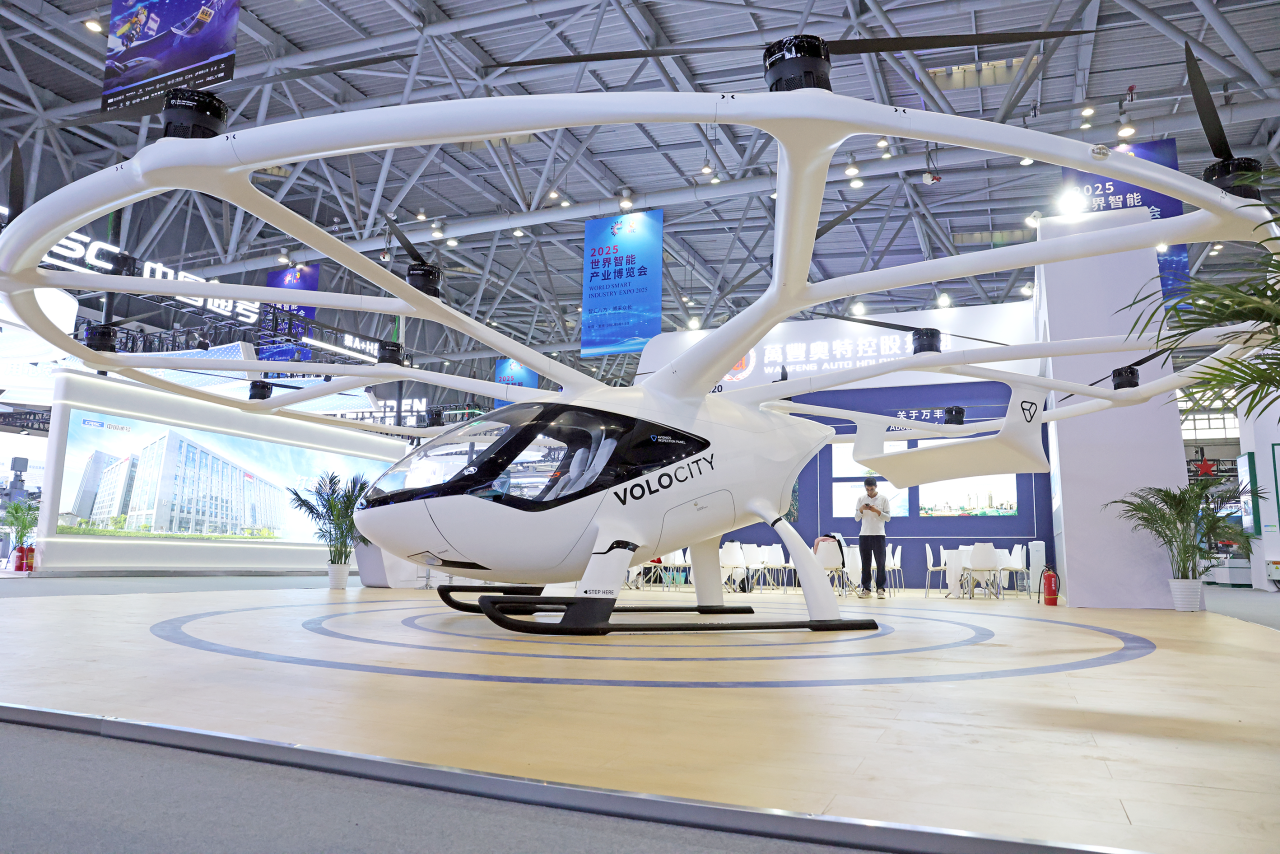
Group 1 - The low-altitude economy is gaining traction, with Zhejiang province actively exploring development paths and models, having designated 11 areas as pilot zones for this initiative [1][2] - The low-altitude economy encompasses three main industry forms: traditional general aviation, eVTOL (electric vertical takeoff and landing aircraft), and drones [2][4] - Zhejiang's WanFeng Aviation has emerged as a leading player in traditional general aviation, with a production capacity of five Diamond DA40 aircraft per month, which are used for flight training and tourism [2][4] Group 2 - The eVTOL sector is attracting significant attention, with companies like EHang, XPeng, and Peak Flying Aviation leading the charge, while Zhejiang is making strides by introducing its first manned eVTOL manufacturer, WoFei ChangKong [4][5] - The drone industry in Zhejiang is also thriving, with a concentration of 80 companies in the Taizhou Bay New Area, which has established multiple drone takeoff and landing sites [4][5] Group 3 - In the first half of the year, Zhejiang added 11 new low-altitude projects with an investment of 138 million yuan, indicating a growing industrial cluster in low-altitude flight equipment [5] - Various low-altitude logistics and transportation routes have been successfully tested, including the first drone logistics route connecting islands and the first low-altitude helicopter route in Yongkang [8][11] Group 4 - The competition in the low-altitude economy is fundamentally a contest of industrial chain strength, with Zhejiang focusing on attracting leading enterprises and enhancing its manufacturing capabilities [15][16] - Traditional manufacturing companies are pivoting towards the low-altitude economy, leveraging their existing expertise to develop drone technologies and create a collaborative manufacturing ecosystem [16][17] Group 5 - Despite the advancements, challenges remain in achieving regular operations and profitability in low-altitude services, with high costs and airspace management being significant barriers [12][17] - The low-altitude economy is characterized as a "patience economy," requiring time to transition from initial flights to regular operations and from demonstration to profitability [13][17]
深港穗铁三角打造“东方创新极”
2 1 Shi Ji Jing Ji Bao Dao· 2025-09-15 07:15
Core Insights - The "Shenzhen-Hong Kong-Guangzhou" innovation cluster has surpassed the "Tokyo-Yokohama" cluster to become the top global innovation cluster according to the World Intellectual Property Organization (WIPO) [1] - The inclusion of venture capital in the evaluation criteria reflects a more comprehensive understanding of the innovation ecosystem's vitality in the Greater Bay Area [1][2] - The cluster excels in three key dimensions: PCT international patent applications (2nd globally), scientific paper publications (3rd globally), and venture capital indicators (6th globally) [1] Group 1: Innovation Ecosystem - The new ranking methodology captures the true competitive strength of the region, highlighting the balanced activity of inventors, research output, and capital supply [2] - The region is forming a self-reinforcing system characterized by high-density coupling of innovation elements, leading to continuous generation of new knowledge and enterprises [4] - The integration of top-tier talent and resources in the cluster is facilitated by high-level platforms, dense university networks, and rich data resources [4] Group 2: Academic and Research Contributions - The influx of international scholars, such as Fields Medal winner Shing-Tung Yau, indicates a growing academic presence in the region [3] - Guangzhou's unique position as a hub for national laboratories and high-level research institutions enhances its research capabilities [4][5] - The concentration of universities and research institutes in Guangzhou plays a significant role in technology transfer and innovation [5] Group 3: Economic and Industrial Impact - The collaboration among Shenzhen, Hong Kong, and Guangzhou has created a robust innovation chain, enhancing the probability of successful commercialization [6] - The emergence of unicorns like DJI and Crystal Tech illustrates the effective integration of knowledge, resources, and capital in the region [7] - The Greater Bay Area's innovation ecosystem supports rapid prototyping and mass production across various industries, including AI and healthcare [8]
中国低空经济发展调查报告(2022-2025)
Sou Hu Cai Jing· 2025-09-14 02:34
Core Insights - The report outlines the rise of China's low-altitude economy from 2022 to 2025, highlighting its strategic value and the interplay between policy, technology, and market dynamics [1] - The low-altitude economy is projected to grow from 505.95 billion yuan in 2023 to 670.25 billion yuan in 2024, and is expected to exceed 850 billion yuan by 2025, with a potential to reach a trillion yuan by 2026 [1] Policy Framework - China's low-altitude economy has transitioned from industry regulation to a national strategic focus, with key policies established in 2022 and 2023, including standards for urban logistics drones and a comprehensive management system for unmanned aerial vehicles [3][4] - By 2024, low-altitude economy was recognized as a "new growth engine" in government reports, and a dedicated department was established to oversee its strategic planning [4] - The revision of the Civil Aviation Law in 2025 aims to legally support the allocation of airspace resources for low-altitude economic development [4] Regional Practices - All 31 provinces have incorporated low-altitude economy into their 2025 government work reports, with Guangdong aiming for a 300 billion yuan industry scale by 2026 [5] - Hunan has established a collaborative management mechanism for low-altitude operations, achieving a 95% monitoring coverage in airspace below 3000 meters [5] - Inner Mongolia is focusing on diverse applications of low-altitude economy, with plans to establish a research institute and develop a low-altitude economic zone [6] Institutional Innovations - The rapid development of the low-altitude economy necessitates reforms in airspace management, moving from a traditional approval model to a more flexible, categorized management approach [7] - The establishment of a dual system combining legal regulations and technological empowerment is crucial for ensuring the safe development of the low-altitude economy [7] Industry Ecosystem - The low-altitude economy encompasses a complete industrial chain, including infrastructure, aircraft manufacturing, operational services, and support systems [9] - The number of general airports in China is increasing, but still lags behind the U.S., with innovative facilities being developed in urban areas [9] - The drone manufacturing sector is led by civilian drones, with significant growth in eVTOL technology expected in the coming years [9][10] Market Dynamics - The low-altitude economy is experiencing rapid growth, with a market size of 505.95 billion yuan in 2023 and a projected increase to 859.17 billion yuan by 2025 [13] - Key growth drivers include supportive government policies, technological advancements, and rising demand for low-altitude services [13] - The market is characterized by leading companies like DJI and EHang, with significant investment flowing into the sector [14] Academic Research - Research indicates that cities with strong industrial foundations and policy support will experience faster growth in the low-altitude economy [16] - Studies highlight the need for a dynamic airspace allocation mechanism to enhance resource utilization and address the challenges of traditional management systems [17] Challenges and Recommendations - The low-altitude economy faces challenges such as insufficient market demand, uneven infrastructure development, and regulatory gaps [18][20] - Recommendations include enhancing airspace management reforms, improving infrastructure planning, and fostering technological innovation to overcome existing barriers [26][27] Future Outlook - By 2026, the low-altitude economy is expected to see accelerated technological integration and the establishment of a comprehensive industrial ecosystem, with a market size potentially exceeding one trillion yuan [25] - The development will likely follow a "three-pole leading, multi-point support" model, with distinct regional strengths in manufacturing, technology, and application [25]



从资本驱动转向技术、品牌输出,中企出海如何借势大湾区?
Nan Fang Du Shi Bao· 2025-09-13 09:41
Group 1 - The core viewpoint of the article emphasizes the strategic importance of the Guangdong-Hong Kong-Macau Greater Bay Area (GBA) as a hub for innovation and global expansion for Chinese enterprises, driven by technological advancements and capital collaboration [1][5] - The GBA has become a high-density cluster for emerging industries, showcasing a robust innovation ecosystem supported by policies, capital, and technology, particularly in sectors like artificial intelligence, low-altitude economy, new energy, and biomedicine [2][3] - The unique "one country, two systems, three legal systems" framework in the GBA provides diverse legal systems and dispute resolution mechanisms, reducing cross-border transaction risks and enhancing international business certainty [3][7] Group 2 - Chinese enterprises are increasingly leveraging the GBA as a launchpad for global expansion, transitioning from "capital outflow" to "technology and brand outflow," with a focus on sustainable competitive advantages and risk management [6][8] - The GBA's financial ecosystem, characterized by the synergy between Shenzhen and Hong Kong, supports large-scale bond issuance and cross-border mergers, while also providing comprehensive professional services to mitigate uncertainties in international operations [7][8] - BYD serves as a prominent example of a GBA enterprise successfully expanding globally, establishing manufacturing bases and partnerships in Europe, Southeast Asia, and South America, thereby achieving significant market presence and brand recognition [8]