
英飞凌

Search documents
13份料单更新!出售西部数据、英飞凌、ST等芯片
芯世相· 2025-10-09 04:20
Core Insights - The article discusses the challenges of managing excess inventory in the semiconductor industry, highlighting the financial burden of storage and capital costs associated with unsold materials [1] - It emphasizes the services provided by Chip Superman, which has served 21,000 users and offers rapid transaction completion for inventory clearance [10] Group 1: Inventory Management - Excess inventory of 100,000 units incurs monthly storage and capital costs of at least 5,000, leading to a potential loss of 30,000 after six months [1] - Chip Superman offers a platform for promoting and selling excess materials, aiming to assist companies struggling to find buyers [1][11] Group 2: Inventory Availability - Chip Superman currently operates a 1,600 square meter smart storage facility with over 1,000 stock models and a total inventory of 50 million chips, valued at over 100 million [8] - The inventory includes various brands and types of components, such as ST, Infineon, and NXP, with specific quantities listed for sale [4][5] Group 3: Market Dynamics - The article indicates a trend of price adjustments in the semiconductor market, with companies looking to sell excess inventory at discounted rates [10] - It also mentions the ongoing demand for specific components, as evidenced by the requests for various part numbers from different brands [6]



中国半导体,准备好迎接全球万亿美元市场了吗?
Di Yi Cai Jing· 2025-10-02 11:03
Core Insights - The Chinese semiconductor industry is entering a high-speed development phase, presenting both opportunities and challenges, with a potential market value in the trillions of dollars [1][5] - The establishment of the Shanghai Zhiwei Capital's first fund, with a scale of 1.5 billion RMB, aims to focus on semiconductor and strategic emerging sectors, indicating a strategic move by Zhongwei Company [2][3] - Despite the global semiconductor market's rapid expansion, China's investment in the semiconductor sector has been declining, with a 40% year-on-year drop in total investment in 2024 [3][5] Investment Trends - The Shanghai Zhiwei Capital fund is seen as a critical step for Zhongwei Company in the capital sector, aiming to enhance the collaborative development of China's semiconductor ecosystem [2] - Recent statistics show that semiconductor equipment investment is the only area experiencing growth, with a 50% increase, while other sectors like wafer manufacturing and chip design have seen declines [3] Regional Insights - The Yangtze River Delta region is the leading area for semiconductor investment in China, with Jiangsu, Shanghai, and Zhejiang provinces accounting for over 50% of the total investment [4] - The Lingang area in Shanghai has seen significant growth in integrated circuit companies, increasing from 3 to over 300 since 2019, showcasing a robust industrial cluster [4] Global Market Outlook - The global semiconductor market is projected to reach a record revenue of $697 billion by 2025, with expectations to surpass $1 trillion by 2030, driven by a compound annual growth rate of 7.5% [5] - The semiconductor industry's structure is rapidly shifting towards AI-related products, as evidenced by the market dynamics between Nvidia and Intel [6] Technological Developments - The rise of silicon carbide (SiC) technology is highlighted as a significant opportunity for Chinese companies, particularly in the context of the booming electric vehicle market [7] - Domestic companies are increasingly adopting integrated device manufacturing (IDM) models, which may provide a competitive edge in the semiconductor landscape [7]

AI算力爆发的幕后英雄:碳化硅的“供电”与“散热”双重材料变革(附45页PPT)
材料汇· 2025-09-30 12:21
Core Insights - The article discusses the critical role of silicon carbide (SiC) in addressing the energy and heat challenges faced by AI servers, highlighting its transformative impact on power supply and thermal management in data centers [3][4]. Group 1: AI Server Power Supply Challenges - AI server power supply systems face a "trilemma" of efficiency, density, and power, with traditional silicon-based devices reaching physical limits as power requirements increase [4]. - The report predicts that high-power power supply units (PSUs) will account for 80% of the market, indicating a shift from a fragmented market to a high-value, customized segment [4]. Group 2: SiC's Role in Chip Packaging - SiC is positioned as a game-changer in chip packaging, particularly as GPU power consumption exceeds 1 kW, necessitating improved thermal management solutions [5]. - The demand for SiC could be twice that of CoWoS capacity, indicating potential supply chain risks as AI chip packaging competes with the automotive sector for SiC substrates [5]. Group 3: Data Center Power Architecture - The report categorizes data centers into enterprise, high-performance computing, and hyperscale, each with distinct power requirements and sensitivities to SiC integration [7][12][13]. - AI data centers, particularly those with power demands up to 2 GW, represent a strategic battleground for SiC adoption, influencing future technology development [15]. Group 4: Efficiency and Cost Implications - A comparison of efficiency improvements shows that a shift from 94% to 98% efficiency can save significant energy costs and reduce heat management expenses, making SiC solutions economically attractive despite higher initial costs [21][23]. - The report emphasizes that increasing power density in AI data centers is not just a technical goal but a commercial imperative, with SiC enabling a threefold increase in deployment density [23]. Group 5: Evolution of Power Distribution - The evolution of data center power distribution from 12V to 400V/800V reflects a trend towards higher voltage systems to reduce transmission losses [25]. - The report outlines the advantages of an idealized pure DC data center architecture, which integrates seamlessly with renewable energy sources and enhances efficiency [29][30]. Group 6: SiC Manufacturing and Market Dynamics - The report highlights the challenges in SiC substrate manufacturing, particularly the need for larger wafer sizes and the high costs associated with SiC processing [81][82]. - The competitive landscape for SiC substrates is highly concentrated, with a few companies dominating the market, indicating significant barriers to entry for new players [85]. Group 7: Future Market Opportunities - The report identifies the automotive sector, particularly electric vehicles, as the primary driver for SiC demand, while also recognizing the emerging AI data center market as a new growth area [122]. - China's investment in SiC technology reflects a strategic push towards self-sufficiency in the supply chain, aiming to reduce reliance on foreign suppliers [130].

暴涨1000%,碳化硅龙头真能浴火重生?
3 6 Ke· 2025-09-30 11:04
Core Viewpoint - Wolfspeed's stock price has surged by 1000% post-restructuring, but this figure is misleading as it reflects a change from old to new shares rather than actual gains for existing shareholders. The company, once a leader in silicon carbide technology, faced bankruptcy due to mismanagement and is now attempting to stabilize its operations and finances through restructuring efforts [1][2]. Group 1: Restructuring Actions - The company has reduced its debt from 65.7 billion to 19.7 billion, extending the maturity date to 2030, which alleviates immediate financial pressure [2][3]. - New CEO Robert Feurle has implemented cost-cutting measures, including shutting down unprofitable factories and laying off 20% of the workforce, which is expected to save 200 million annually [3][4]. - Strategic partnerships have been formed, with major stakeholders like Renesas and Apollo providing not just capital but also operational support and customer introductions, enhancing supply chain efficiency [4][5]. Group 2: Core Competencies - Wolfspeed remains the only company capable of mass-producing 200mm silicon carbide wafers, with a yield rate of 75% and superior performance in fourth-generation MOSFETs compared to competitors [6][7]. - The company has significant order potential, including long-term contracts with European automakers and collaborations with Nvidia, which could substantially boost revenue in the coming years [7][8]. Group 3: Future Outlook - The current price-to-sales ratio of 4 is significantly lower than that of Chinese competitors, suggesting potential for valuation improvement if operational metrics improve [8][9]. - Key performance indicators to watch include the utilization rate of the Mohawk Valley plant and the realization of government subsidies, which could enhance cash flow and operational stability [9][10]. - Long-term growth will depend on technological advancements, particularly the planned production of 8-inch wafers by 2026, which could further reduce costs and strengthen market position [10].
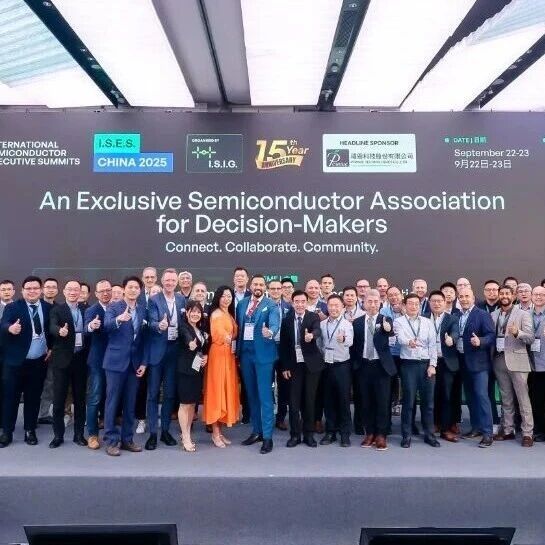
2025 I.S.E.S. 中国峰会圆满举行:以创新与协作,共绘半导体产业新蓝图 (首日)
半导体芯闻· 2025-09-30 10:24
Core Insights - The International Semiconductor Executive Summit (I.S.E.S. China 2025) held in Shanghai gathered global semiconductor leaders and Chinese industry elites to discuss the future of the semiconductor industry and foster collaboration [1][2]. Group 1: Industry Trends and Challenges - The summit emphasized the importance of building a global communication bridge in the semiconductor industry, especially amidst complex geopolitical challenges [2][4]. - The rise of China's semiconductor equipment industry was highlighted, showcasing local achievements and future goals [6]. - The global semiconductor industry faces fragmentation risks due to geopolitical tensions, which could lead to increased costs and challenges in maintaining a cooperative global supply chain [7]. Group 2: Opportunities in AI and Market Expansion - AI's rapid adoption presents both opportunities and challenges for China, which could become a significant player in the AI field, despite current dependencies on U.S. technology [7]. - The summit discussed the potential for Chinese semiconductor companies to expand into the Middle East markets, which are characterized by ample funding and strong development intentions [4]. Group 3: Automotive Semiconductor Innovations - The summit featured discussions on the transformation of the automotive industry through semiconductor technology, focusing on trends in electric and intelligent vehicles [11][13]. - Bosch's advancements in silicon carbide (SiC) technology were showcased, with over 42 million SiC MOSFETs delivered to leading Chinese automakers, indicating a strong push for green energy solutions in the automotive sector [15]. - The importance of reliability and quality standards for automotive-grade chips was a key topic, with various experts discussing strategies to overcome challenges in this area [19]. Group 4: Future Directions and Innovations - The summit explored the evolution of power semiconductor technologies, including SiC and gallium nitride (GaN), and their implications for electric vehicles and industrial systems [21][22]. - The market outlook for semiconductors was optimistic, with projections indicating that the semiconductor market could reach $1 trillion by 2030, driven by innovations in GaN technology [34]. Group 5: I.S.I.G. and Industry Collaboration - I.S.I.G. aims to create a global collaboration platform for the semiconductor industry, facilitating connections among industry leaders, government agencies, and academic experts to address challenges and seize opportunities [43][44]. - The organization has gathered over 230 member companies, forming a robust ecosystem that spans the semiconductor supply chain [44].
13份料单更新!出售ST、英飞凌、英特尔等芯片
芯世相· 2025-09-30 04:40
Core Viewpoint - The article discusses the challenges and opportunities in the semiconductor inventory market, highlighting the need for effective promotion and sales strategies for surplus materials while offering significant discounts to clear stock. Group 1: Inventory Management - A significant amount of obsolete materials is held in inventory, leading to monthly storage and capital costs of at least 5,000, resulting in a potential loss of 30,000 after six months [1] - The company has a smart warehouse with a total area of 1,600 square meters, housing over 5,000,000 chips valued at over 100 million [7] Group 2: Sales and Promotions - The company has served a total of 21,000 users and is actively discounting inventory, with transactions completed in as little as half a day [8] - There is a call to action for those struggling to sell their materials or seeking better prices to utilize the company's platform for surplus materials [9] Group 3: Product Offerings - The article lists various semiconductor products available for sale, including significant quantities of components from brands like ST, Infineon, and NXP, with some items reaching quantities of 152,000 [4][5] - Additionally, there are specific requests for certain components, indicating a demand for particular semiconductor models [6]

66%美国产品离不开中国芯片!
是说芯语· 2025-09-29 08:11
Core Viewpoint - The article highlights the significant reliance of the U.S. on Chinese-manufactured mature process chips, revealing a 66% dependency rate that has led to U.S. government anxiety and potential new restrictions on technology [1][3]. Group 1: U.S. Anxiety and Dependency - The U.S. government research indicates that 66% of American products utilize mature process chips made in China, exposing the fragility of U.S. technological dominance [1][3]. - The U.S. has historically categorized chips into "advanced" and "mature" processes, but China's competitive pricing (30%-50% lower) and high yield rates (98%) challenge this classification [4][5]. - U.S. attempts to decouple from Chinese technology, such as the $52 billion investment in the CHIPS Act, have faced significant obstacles, including labor shortages and low yield rates in domestic production [4][5]. Group 2: China's Strategic Advantages - China's strategy focuses on mature process technology, which constitutes 75% of global chip demand, allowing it to optimize processes and innovate materials, thus creating new value [7][8]. - The establishment of a comprehensive domestic supply chain in China ensures that all aspects of chip production are covered, making it resilient to U.S. equipment restrictions [8][9]. - Market dynamics are shifting, with global companies prioritizing ecosystem compatibility over mere technological pedigree, indicating a transition in industry power from technology monopolists to ecosystem builders [9][11]. Group 3: Redefining Supply Chain Security - The U.S. narrative of "decoupling from China" is contradicted by its own dependency on Chinese talent and technology, as evidenced by the shortage of chip engineers in the U.S. compared to China [12][13]. - China is emerging as a rule-maker in the global supply chain, with significant contributions to essential components in various industries, demonstrating that dependency on Chinese chips is a rational choice for global companies [13][14]. - The 66% dependency rate reflects a global market decision rather than a threat, emphasizing that true supply chain security involves stable supply and value provision to global partners [13].

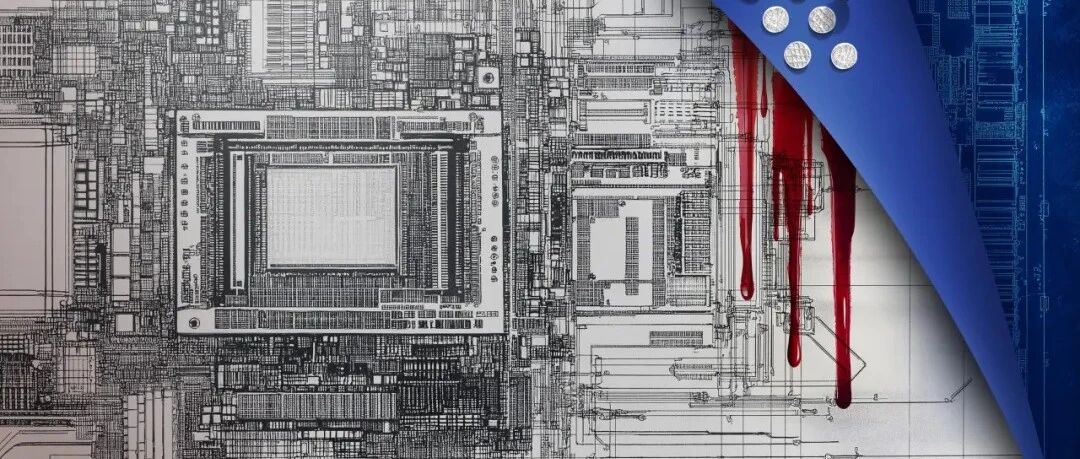
美政府拟根据芯片数量对外国电子设备征税
Guan Cha Zhe Wang· 2025-09-27 06:09
Core Viewpoint - The Trump administration is considering imposing tariffs based on the number of chips in foreign electronic devices to encourage manufacturing relocation to the U.S. [1] Group 1: Tariff Implementation - The proposed tariffs would be calculated as a percentage of the estimated chip value in products, affecting a wide range of consumer goods from toothbrushes to laptops [1] - The U.S. Department of Commerce has not yet responded to requests for comments regarding this plan [1] - The tariffs could potentially increase inflation, as noted by economists, given the current inflation rate is significantly above the Federal Reserve's target of 2% [1] Group 2: Specific Tariff Rates - Starting October 1, the Trump administration announced a comprehensive new import tariff: 100% on all imported brand-name or patented drugs, 50% on kitchen and bathroom cabinets, 30% on soft furniture, and 25% on heavy trucks produced outside the U.S. [3] - The administration is also investigating tariffs on semiconductor imports, citing national security concerns due to over-reliance on foreign production [4] Group 3: Impact on Companies - Major tech companies like Apple and Dell may face challenges as they import a significant number of products containing various chips, requiring them to track chip sources to comply with new regulations [5] - The Department of Commerce previously proposed exemptions for chip manufacturing tools to avoid increasing domestic semiconductor production costs, but the White House is generally opposed to exemption policies [5] - Analysts suggest that the tariff threats may only provide short-term stimulation without translating into long-term demand, creating uncertainty in the global semiconductor industry [5]
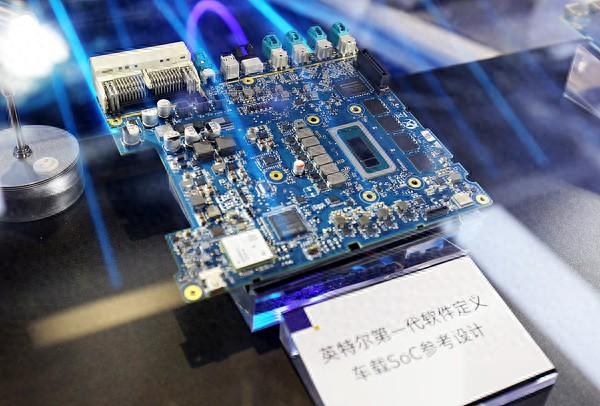
这颗芯片又缺又贵!ADI、TDK、华邦等热门芯片料号鉴定
芯世相· 2025-09-26 06:54
Core Viewpoint - The article discusses the recent trends and price changes of various semiconductor components, highlighting the increasing demand and market dynamics in the chip industry [3][4][5]. Summary by Sections Popular Chip Models - The article lists several chip models that have seen increased inquiry and popularity, including: 1. **W25Q128JVSIQ**: Despite a decline in heat, it remains a top-ranked NOR Flash with stable pricing around 3.5 to 4 yuan [5][9]. 2. **88EA1512B2-NNP2A000**: This chip's price surged from approximately 24 yuan to 40 yuan following its acquisition by Infineon [10][11]. 3. **AT7456E**: This video character overlay chip has regained popularity, with prices rising to around 15 yuan from a typical price of 8 yuan [16][17]. 4. **ADXL357BEZ**: The MEMS accelerometer's price has skyrocketed to between 800 and 1000 yuan, driven by demand in smart automotive navigation and drones [18][19]. 5. **ICM-42688-P**: This 6-axis motion tracker has seen increased inquiries, with prices rising to 10-13 yuan [20][21]. 6. **DPS368XTSA1**: The micro digital pressure sensor's price increased from around 8 yuan to approximately 18 yuan, with reports of shortages [23][24]. 7. **LSM303AGRTR**: This high-performance electronic compass module has maintained a stable price around 8 yuan [25][26]. Market Dynamics - The article emphasizes the shifting landscape in the semiconductor market, with certain models experiencing significant price fluctuations and demand spikes due to their applications in emerging technologies such as automotive systems and consumer electronics [3][4][10][18].

英伟达投资OpenAI带动全球芯片股上涨 台积电、SK海力士涨超2%
Feng Huang Wang· 2025-09-23 10:51
Core Viewpoint - Nvidia announced plans to invest $100 billion in OpenAI, leading to a rise in major tech stocks globally [1] Group 1: Stock Performance - TSMC, which manufactures chips for Nvidia, saw its stock rise by 3.5% [1] - SK Hynix, a supplier of high-bandwidth memory chips for Nvidia, experienced a stock increase of over 2.5% [1] - Samsung's stock rose by 1.4%, with market expectations that it will soon receive approval to supply high-bandwidth memory chips to Nvidia [1] - Tokyo Electron, a semiconductor equipment supplier in Japan, saw its stock increase by 3.87% [1] Group 2: European Market Reaction - European chip stocks showed mixed performance, with STMicroelectronics, Infineon, and BE Semiconductor stocks rising [1] - ASM International projected that its fourth-quarter revenue would be below previous expectations, causing its stock to drop nearly 1% [1] - The decline in ASM International's stock negatively impacted other chip equipment companies, including ASML, which saw its stock rise by less than 1% [1]

